

Free Umbria Travel Guide & Mobile App
Explore Umbria with free travel guides. Discover regional history, expert tips, proposed trips, and audio guides on web or mobile app.


Explore Umbria in Italy for medieval hill towns, Assisi, Etruscan heritage, mountain landscapes, truffles, wine and memorable walking routes.
Read more about Umbria
When is the best time to visit Umbria?
Best: June–August · 25–28°C| Month | High (°C) | Rainfall (mm) |
|---|---|---|
| January | 7 | 70 |
| February | 9 | 60 |
| March | 13 | 65 |
| April | 16 | 60 |
| May | 21 | 55 |
| June (best) | 25 | 50 |
| July (best) | 28 | 40 |
| August (best) | 27 | 50 |
| September | 23 | 60 |
| October | 18 | 70 |
| November | 12 | 80 |
| December | 7 | 85 |
Getting to and around Umbria
How to get there
Transportation
Top city travel guides in Umbria
The cities of Umbria, and the easiest places to base yourself.
-

-

-

-

-

-


Swipe for more cities
Destinations in Umbria
Resorts, valleys and scenic spots worth a trip of their own.

Swipe for more destinations
Best attractions in Umbria
Umbria's attractions range from internationally important religious art to archaeological remains, mountain landscapes and working food-producing countryside. Assisi is the major cultural centre, with the Basilica of Saint Francis, the Basilica of Saint Clare and the wider historic town set below Mount Subasio. Perugia combines museums, medieval streets and Etruscan traces, while Orvieto offers an exceptional cathedral and underground history within its volcanic plateau. Gubbio, Spello, Bevagna, Todi and Spoleto reward slower exploration through their Roman, medieval and Renaissance layers. The region's natural side is equally varied: Lake Trasimeno supports lakeside walks, boating and village visits; the Valnerina provides river scenery, gorges and mountain routes; and the Sibillini landscape around Castelluccio is known for high plains and seasonal wildflowers. Visitors can also follow olive-oil and wine traditions around Trevi, Montefalco and the central valleys, visit collections devoted to local art and archaeology, or explore family-oriented parks and outdoor activities near the region's lakes and wooded hills.
-
Tourist attraction
Basilica of Saint Francis of Assisi
Discover the Basilica of Saint Francis of Assisi, a UNESCO World Heritage site filled with breathtaking art and profound spiritual history.
-
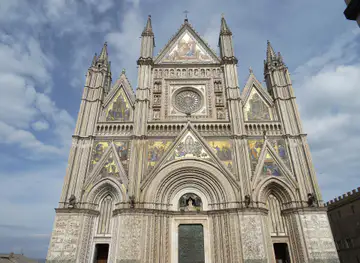
Cathedral
Duomo di Orvieto
Explore the stunning Duomo di Orvieto, a Gothic masterpiece showcasing breathtaking architecture and vibrant frescoes, located in the charming town of Orvieto, Italy.
-
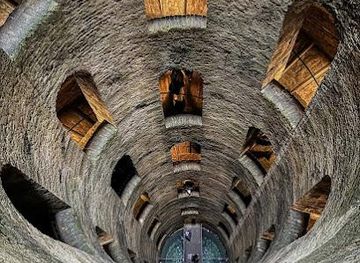
Historical landmark
Pozzo di San Patrizio
Explore the enchanting Pozzo di San Patrizio, a unique historical well in Orvieto with breathtaking views and fascinating architectural design.
-
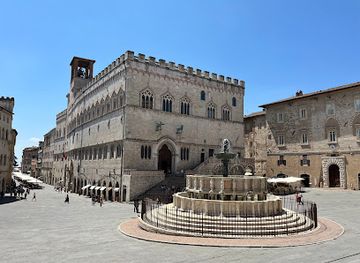
Historical landmark
Piazza IV Novembre
Discover Perugia's heart at Piazza IV Novembre, a historic square with stunning architecture, art, and vibrant cultural events.



Best landmarks in Umbria
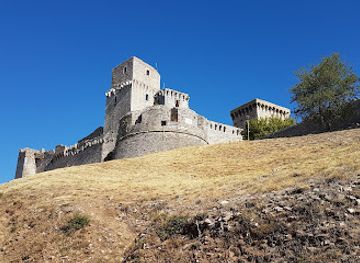
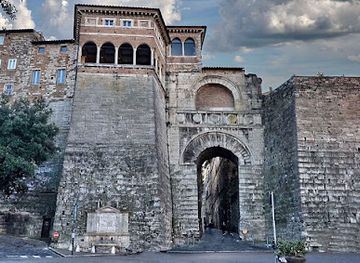
The Basilica of Saint Francis in Assisi is Umbria's most recognisable landmark, both for its architectural scale and for the fresco cycles associated with major Italian painters. Nearby, the Basilica of Saint Clare and the Rocca Maggiore reinforce Assisi's religious and fortified identity. Orvieto Cathedral, with its richly decorated Gothic façade and striped stone, dominates the city's volcanic plateau and is one of central Italy's defining civic-religious monuments. Perugia's Etruscan and medieval walls, including the imposing Porta Marzia and Porta Augusta, show how the city grew from an ancient hill settlement into a communal centre. Gubbio's Palazzo dei Consoli and steep historic core preserve the visual character of a medieval commune, while Spoleto's Roman bridge, cathedral and fortress reflect its long strategic importance. In the south, the Marmore Falls, created by Roman engineering and later modified, is a major landscape landmark near Terni. Lake Trasimeno and the high plain of Castelluccio provide natural landmarks whose appearance changes markedly with season and weather.
-
Fortress
Rocca Maggiore
Discover the rich history and breathtaking views at Rocca Maggiore, a medieval fortress in Assisi, Italy.
-
Art museum
National Gallery
Explore the rich artistic legacy of Italy at the National Gallery in Perugia, home to masterpieces from the Umbrian Renaissance and beyond.
-
Historical landmark
Etruscan Arch
Discover the Etruscan Arch in Perugia, an ancient gateway that reveals the city's rich history and offers stunning views of the surrounding landscape.
-
Historical landmark
Etruscan Well
Explore the Etruscan Well in Perugia, a historical landmark offering a glimpse into ancient Etruscan civilization and engineering marvels.
Explore Umbria on the map
Plan your trip on one map. See where the top cities, national parks and sights are, and book hotels and experiences in a few clicks.
Best hotels in Umbria
Best restaurants in Umbria
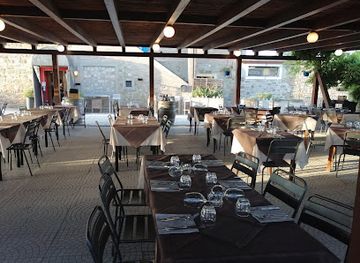
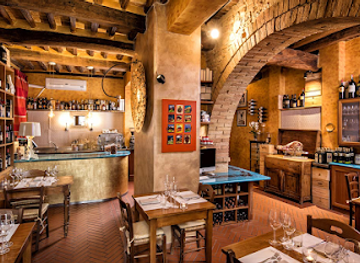
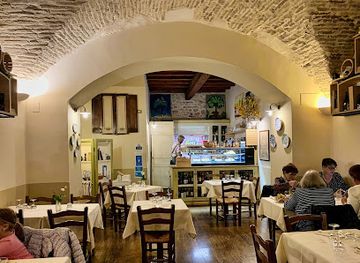
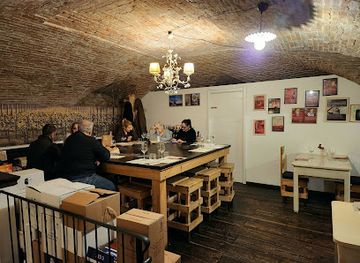
Umbrian cooking is grounded in forest, pasture, orchard and field rather than a single nationally famous dish. Menus commonly feature black truffle from the Apennine areas, Norcia's cured meats, lentils from Castelluccio, local pecorino, handmade pasta and dishes based on game or seasonal vegetables. Extra-virgin olive oil from the hills around Trevi and Spoleto is central to the table, while Sagrantino from Montefalco and Orvieto's wines provide strong regional identities. Town trattorie, rural agriturismi, historic inns and contemporary restaurants interpret these ingredients in different ways. Around Lake Trasimeno, freshwater fish appears alongside broader Umbrian cooking, while mountain communities retain hearty soups, legumes and preserved meats. Bakeries and cafés are useful for simple breakfasts and regional sweets, and food markets in larger towns offer an accessible introduction to produce, cheese and charcuterie. Menus change considerably with the seasons, especially during the truffle, olive-harvest and grape-harvest periods.
-
Restaurant
Taverna dell'Orso
Discover authentic Italian cuisine at Taverna dell'Orso in Sant'Egidio - where tradition meets taste.
-
Italian
Enoteca L'Alchimista
Experience authentic Umbrian cuisine and exquisite wines at Enoteca L'Alchimista in Montefalco - a true taste of Italy.
-
Italian
Trattoria Degli Umbri
Experience authentic Umbrian cuisine at Trattoria Degli Umbri in Assisi - where every meal tells a story.
-
Restaurant
Osteria a Priori
Discover authentic Umbrian cuisine at Osteria a Priori in Perugia - where every dish tells a story.
Best bars in Umbria
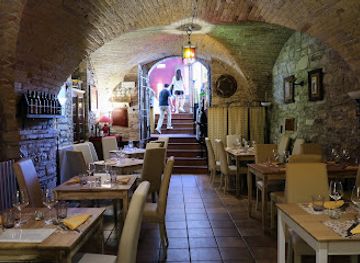
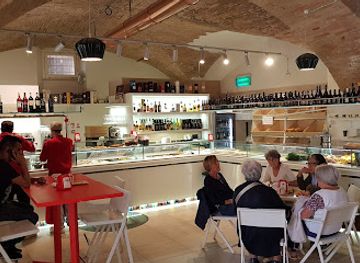
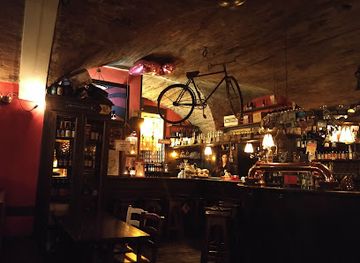
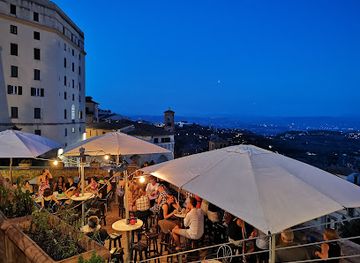
Evening life in Umbria is concentrated in historic centres rather than organised around a large club scene. Perugia has the widest choice of bars, cafés, student-oriented venues and live-music spaces, reflecting its university population and cultural calendar. Terni, Foligno and Spoleto also offer a broader selection of restaurants and late-evening venues than smaller hill towns. In Assisi, Orvieto, Gubbio, Todi and Montefalco, evenings generally centre on wine bars, cafés, gelaterie, restaurants and traditional pubs or enoteche, often with outdoor tables in warmer months. Rural areas favour agriturismo dining, local festivals and occasional live music over late-night clubs. Regional wineries and craft producers can provide more distinctive evening visits, but tastings usually require advance arrangements. Opening patterns vary by season, and smaller towns may become quiet after dinner, particularly outside weekends and summer.
-
Restaurant
Le Terrazze di Properzio
Experience the culinary treasures of Assisi at Le Terrazze di Properzio, where authentic Italian flavors meet breathtaking views.
-
-
Pub
Elfo Pub
Experience the vibrant atmosphere of Elfo Pub in Perugia, a haven for craft beer lovers and social butterflies seeking unforgettable nights.
-
Cocktail bar
Punto di Vista
Discover Punto di Vista in Perugia: A cocktail bar offering exquisite drinks, stunning views, and a vibrant atmosphere for an unforgettable night out.
Best nightclubs in Umbria
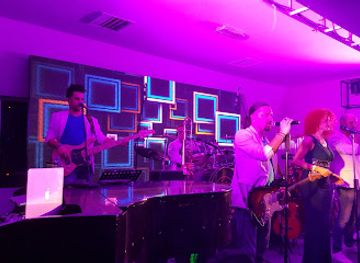
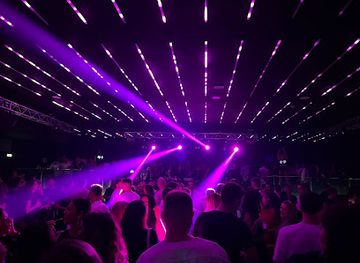
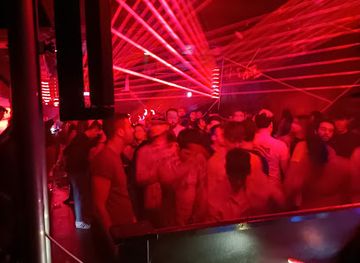
Evening life in Umbria is concentrated in historic centres rather than organised around a large club scene. Perugia has the widest choice of bars, cafés, student-oriented venues and live-music spaces, reflecting its university population and cultural calendar. Terni, Foligno and Spoleto also offer a broader selection of restaurants and late-evening venues than smaller hill towns. In Assisi, Orvieto, Gubbio, Todi and Montefalco, evenings generally centre on wine bars, cafés, gelaterie, restaurants and traditional pubs or enoteche, often with outdoor tables in warmer months. Rural areas favour agriturismo dining, local festivals and occasional live music over late-night clubs. Regional wineries and craft producers can provide more distinctive evening visits, but tastings usually require advance arrangements. Opening patterns vary by season, and smaller towns may become quiet after dinner, particularly outside weekends and summer.
-
Disco club
Gradisca Club / Brooklyn Dancing
Discover the vibrant nightlife at Gradisca Club, Perugia's premier disco destination for dancing, music, and unforgettable experiences.
-
Disco club
Sonora Club - Different Pleasure
Discover the vibrant nightlife of Perugia at Sonora Club, where music, dance, and unforgettable memories await you.
-
Night club
Blue Moon Night Club
Discover the vibrant nightlife of Ponte San Giovanni at Blue Moon Night Club, where music, dance, and unforgettable experiences await.
-
Night club
Fabrik Club
Experience the vibrant nightlife at Fabrik Club in Castiglione del Lago, where music, dance, and fun come alive in a stylish setting.
Best shops in Umbria
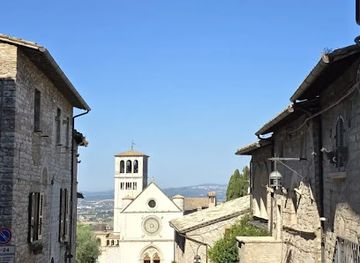
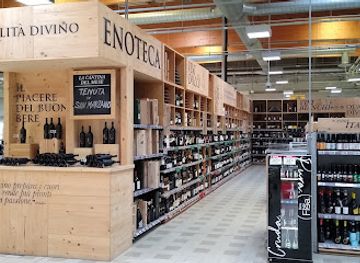
Shopping in Umbria is strongest in historic market towns, where independent food shops, bakeries, ceramics stores, bookshops and craft galleries occupy medieval streets. Perugia offers the region's broadest urban choice, while Orvieto, Assisi, Spoleto, Todi, Gubbio and Montefalco are well suited to buying regional produce alongside art and design objects. Look for bottled extra-virgin olive oil, Sagrantino and Orvieto wines, truffle products, lentils from Castelluccio, cured meats, pecorino and traditional sweets, checking labelling and provenance for speciality claims. Ceramics, leather goods, woven textiles, woodwork and locally made religious or artistic items are common in visitor-oriented centres, though quality and origin vary. Weekly markets serve residents as well as visitors and are useful for produce and household goods; farmers' markets and direct sales at olive mills or wineries offer a closer connection to the region's agricultural economy. Retail hours can be less predictable in small towns, especially outside the main tourist season.
-
Basilica
Basilica of Saint Francis of Assisi
Explore the breathtaking Basilica of Saint Francis of Assisi, a UNESCO World Heritage site rich in art, history, and spirituality.
-
Supermarket
Centro Commerciale Collestrada
Explore Centro Commerciale Collestrada: A vibrant shopping destination in Perugia, Italy, featuring diverse stores and delightful dining options.
-
Shopping mall
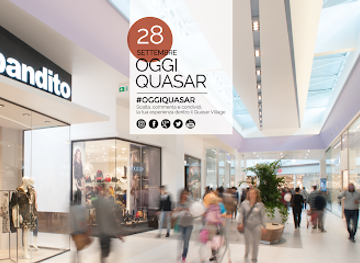
Quasar Village
Explore Quasar Village in Corciano, a vibrant shopping mall offering a mix of local and international stores, plus a delightful grocery experience.
-
Archaeological museum
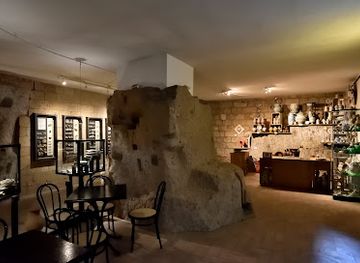
Pozzo della Cava
Explore the ancient caves and artifacts of Pozzo della Cava, a must-visit archaeological museum in Orvieto, Italy, revealing the region's rich history.
Get your free copy of our complete guide to Umbria, delivered straight to you.
Everything on this page, from attractions and restaurants to essentials and local phrases, in one PDF you can read offline, print or share.
Already have an account? Sign in
Your Umbria guide is ready.
We'll send it to · Not you? Sign out

Getting your guide ready…
We are putting together a fresh copy of the Umbria guide. This can take up to a minute.
This can take a few moments. If your browser asks, choose Allow so the download can start. You'll find the guide in your Downloads folder.
Nothing happened? Download it again
Sorry, the guide is taking longer than usual. Please try again in a minute, or get it by email instead.
Umbria essentials
Currency and Payment
Safety
Emergency Situations
Do's and Don'ts
Local Tips
From Eve
Local phrases worth knowing
You don't need to get them perfect. A few words go a long way, and locals appreciate the effort.
Basics
| English | Local | Say it |
|---|---|---|
| Hello | Ciao | [chow] |
| Goodbye | Arrivederci | [ah-ree-veh-DEHR-chee] |
| Yes | Sì | [see] |
| No | No | [noh] |
| Please/You're welcome | Per favore/Prego | [per fah-VOH-reh/PRAY-go] |
| Thank you | Grazie | [GRAHTS-yeh] |
| Excuse me/Sorry | Scusa/Mi dispiace | [SKOO-zah/mee dee-SPYAH-cheh] |
| How are you? | Come stai? | [KOH-meh st-eye] |
| Fine. And you? | Bene. E tu? | [BEH-neh. eh too?] |
| Do you speak English? | Parli inglese? | [PAR-lee een-GLEH-zeh] |
| I don't understand | Non capisco | [nohn kah-PEE-skoh] |
Eating & Drinking
| English | Local | Say it |
|---|---|---|
| I'd like to see the menu, please | Vorrei vedere il menu, per favore | [vor-RAY veh-DEH-reh eel meh-NOO, per fah-VOH-reh] |
| I don't eat meat | Non mangio carne | [nohn MAHN-joh KAR-neh] |
| Cheers! | Salute! | [sah-LOO-teh] |
| I would like to pay, please | Vorrei pagare, per favore | [vor-RAY pah-GAH-reh, per fah-VOH-reh] |
Emergencies
| English | Local | Say it |
|---|---|---|
| Help! | Aiuto! | [ah-YOO-toh] |
| Go away! | Vai via! | [vy VEE-ah] |
| Call the Police! | Chiama la polizia! | [KYAH-mah lah poh-LEE-tsee-ah] |
| Call a doctor! | Chiama un dottore! | [KYAH-mah oon doht-TOH-reh] |
| I'm lost | Mi sono perso | [mee SOH-noh PEHR-soh] |
| I'm ill | Sono malato | [SOH-noh mah-LAH-toh] |
Shopping
| English | Local | Say it |
|---|---|---|
| I'd like to buy... | Vorrei comprare... | [vor-RAY kom-PRAH-reh] |
| I'm just looking | Sto solo guardando | [sto SOH-loh gwahr-DAHN-doh] |
| How much is it? | Quanto costa? | [KWAN-toh KOH-stah] |
| That's too expensive | È troppo costoso | [eh TROH-poh koh-STOH-zoh] |
| Can you lower the price? | Puoi abbassare il prezzo? | [pwoy ahb-BAH-sah-reh eel PRET-soh] |
Time & Numbers
| English | Local | Say it |
|---|---|---|
| What time is it? | Che ore sono? | [keh OH-reh SOH-noh] |
| It's one o'clock | È l'una | [eh LOO-nah] |
| Half past (10) | Dieci e mezza | [DEE-eh-chee eh MEH-zzah] |
| Morning | Mattina | [maht-TEE-nah] |
| Afternoon | Pomeriggio | [poh-meh-REE-joh] |
| Evening | Sera | [SEH-rah] |
| Yesterday | Ieri | [YEH-ree] |
| Today | Oggi | [OH-gee] |
| Tomorrow | Domani | [doh-MAH-nee] |
| 1 | Uno | [OO-noh] |
| 2 | Due | [DOO-eh] |
| 3 | Tre | [TREH] |
| 4 | Quattro | [KWAHT-troh] |
| 5 | Cinque | [CHEEN-kweh] |
| 6 | Sei | [SAY] |
| 7 | Sette | [SET-teh] |
| 8 | Otto | [OHT-toh] |
| 9 | Nove | [NOH-veh] |
| 10 | Dieci | [DEE-eh-chee] |
Transport & Directions
| English | Local | Say it |
|---|---|---|
| Where's a/the...? | Dove si trova un/il...? | [DOH-veh see TROH-vah oon/eel] |
| What's the address? | Qual è l'indirizzo? | [kwahl eh leen-dee-REET-soh] |
| Can you show me (on the map)? | Puoi mostrarmi (sulla mappa)? | [pwoy mo-STRAR-mee (SOOL-lah MAHP-pah)] |
| When's the next (bus)? | Quando parte il prossimo (autobus)? | [KWAHN-doh PAR-teh eel PROS-see-mo (OW-toh-boos)] |
| A ticket (to ....) | Un biglietto (per ....) | [oon bee-LYET-toh (per ....)] |
History of Umbria
Etruscan Cities and Umbrian Peoples
Before Roman expansion, the region was inhabited by Umbrian communities and included important Etruscan centres, particularly in western Umbria. Perugia, Orvieto and other settlements developed on defensible hills, controlling agricultural land and routes across central Italy. Etruscan walls, underground chambers and surviving artefacts remain visible in several towns, although the region's cultural landscape was never exclusively Etruscan. These pre-Roman societies established the hilltop pattern, road corridors and urban foundations that later rulers adapted.
Roman Umbria
Rome absorbed the region during the third century BC and reorganised its roads, towns and agricultural territories. The Via Flaminia crossed Umbria towards the Adriatic, encouraging the growth of settlements such as Spoletium, Interamna Nahars, Iguvium and Hispellum, now represented by Spoleto, Terni, Gubbio and Spello. Roman bridges, theatres, gates, roads and mosaics survive across the region. Roman administration also connected local production and trade more closely with central Italian markets.
Medieval Communes and Monastic Power
Following the fragmentation of Roman authority, Umbria became a landscape of fortified hill communities, monasteries and competing political jurisdictions. Towns including Perugia, Assisi, Gubbio, Spoleto, Todi and Orvieto developed communal institutions, merchant networks and imposing civic buildings. Benedictine foundations and other religious communities shaped farming, education and manuscript culture. The medieval townscapes visible today, with walls, towers, narrow lanes and communal palaces, reflect centuries of competition as well as the need for protection in a politically divided central Italy.
Saint Francis and the Spiritual Landscape
Francis of Assisi, born in Assisi in the late twelfth century, founded the Franciscan movement and became one of the most influential religious figures in European history. His association with poverty, preaching and care for creation gave Assisi an international spiritual importance. The Basilica of Saint Francis, begun soon after his death, became a major centre of pilgrimage and artistic patronage. Franciscan sites, convents and routes across Umbria continue to shape the region's religious identity and visitor culture.
Renaissance Courts, Art and Papal Influence
From the fifteenth century, Umbrian cities and courts commissioned religious art, civic architecture and fortified residences while larger powers competed for influence. Painters including Perugino, who was born in the region, helped establish a distinctive Umbrian contribution to Renaissance art, characterised in part by clear light and expansive landscapes. Perugia, Orvieto, Spoleto and other centres were also drawn increasingly into the orbit of the Papal States. Their churches and museums preserve works reflecting both local patronage and wider Italian artistic exchange.
Unification, Industry and Modern Recovery
Umbria became part of the Kingdom of Italy in 1861, after a period in which papal authority, local institutions and emerging national politics had overlapped. Industrial development was particularly important around Terni, where steel production transformed the Nera valley and created a major modern urban centre. Elsewhere, agriculture, olive growing, viticulture and small manufacturing remained central. In the twenty-first century, earthquakes have repeatedly affected areas including the Valnerina and Norcia, making conservation, reconstruction and community resilience important parts of the region's contemporary story.
Umbria in Photos
Browse through our photo collection highlighting the charm and character of the destination.
Neighbouring regions of Umbria
The closest regions to Umbria, if you have time for more than one.
-

-

-

-

-


Swipe for more regions
Explore more

Explore more of Italy
Discover Italy: A land of ancient history, artistic marvels, and culinary delights; where every corner reveals a new story and every meal is a celebration.
Explore Italy