

Val di Chiana, Italy Travel Guide
Discover Val di Chiana, a picturesque valley in Tuscany known for its rich history, stunning landscapes, exquisite wines, and culinary delights.
Val di Chiana, nestled in the heart of Tuscany, is a picturesque valley that stretches across the provinces of Arezzo and Siena. This serene destination is renowned for its lush landscapes, dotted with olive groves, vineyards, and cypress trees. The rolling hills and fertile plains of Val di Chiana have been cultivated for centuries, making it one of Italy’s most bountiful agricultural regions. The valley is steeped in history, with charming medieval towns such as Cortona, Montepulciano, and Chiusi that offer a glimpse into the past. Each town boasts narrow cobblestone streets, ancient churches, and impressive palaces. Cortona, perched on a hilltop, provides stunning panoramic views of the valley below. Montepulciano is famous for its Vino Nobile wine, a must-try for any visitor. Chiusi, once an important Etruscan city, has fascinating underground tunnels and tombs to explore. Beyond its historical allure, Val di Chiana is a haven for food lovers. The local cuisine is rich and varied, featuring specialties such as Chianina beef, pecorino cheese, and handmade pici pasta. Farmers' markets abound with fresh produce, offering visitors a true taste of Tuscany. For those seeking relaxation, the region is dotted with thermal spas, such as the ones in Chianciano Terme, where natural hot springs provide a soothing retreat. Whether you are an art enthusiast, a history buff, a foodie, or simply in search of tranquility, Val di Chiana offers a unique and unforgettable experience.

Know before you go
Hi, I'm Eve. Here are a few practical things to know before exploring Val di Chiana.
- Visit Cortona for breathtaking views and charming streets.
- Don't miss a wine tasting experience in Montepulciano.
- Explore the Etruscan heritage in Chiusi, including its underground tunnels.
- Sample local delicacies such as Chianina beef and pecorino cheese at the farmers' markets.
- Relax at the thermal spas in Chianciano Terme for a rejuvenating experience.
Top City Travel Guides in Val di Chiana
The cities of Val di Chiana, and the easiest places to base yourself.

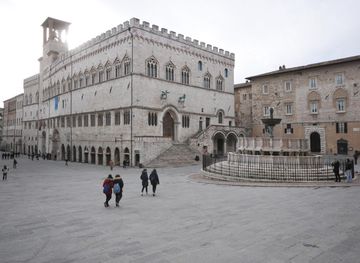
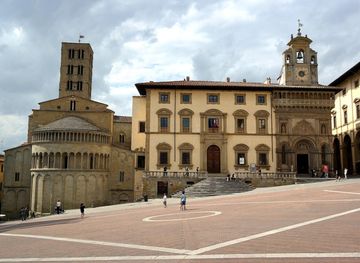

Explore Val di Chiana: Things to Do, Places to Eat, Hotels & More
Handpicked recommendations for top attractions, local dining, accommodations, and more

Top Attractions & Sightseeing in Val di Chiana
Top-rated picks
Best Attractions
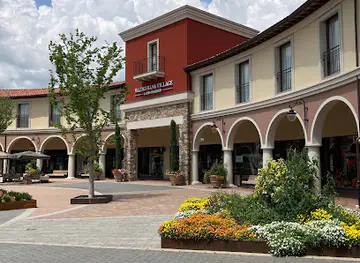
Valdichiana Outlet Village
Explore Valdichiana Outlet Village, Tuscany's premier shopping destination with top brands, local boutiques, and delightful dining options.

Arezzo Cathedral
Discover the stunning Arezzo Cathedral, a masterpiece of Gothic architecture and artistic heritage in the heart of Tuscany, Italy.

Cipressi di San Quirico d'Orcia
Explore the iconic Cypress trees of San Quirico d'Orcia, a breathtaking destination that captures the essence of Tuscany's natural beauty.

Hermitage "Le Celle"
Experience the serene beauty and spiritual heritage of Hermitage Le Celle, a historic monastery nestled in the heart of Tuscany.

Best landmarks in Val di Chiana
Top-rated picks
Best Landmarks
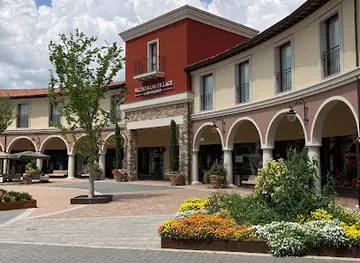
Valdichiana Outlet Village
Explore Valdichiana Outlet Village for exceptional shopping deals and a taste of Tuscany's vibrant culture, all in one picturesque location.
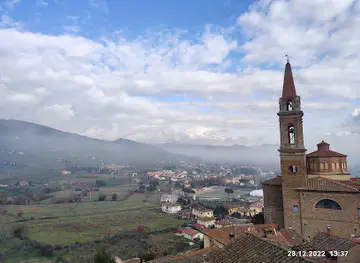
Torre del Cassero
Discover Torre del Cassero, a historical landmark in Castiglion Fiorentino, where stunning views and rich history come together in Tuscany.

Chiesa di Sant'Andrea
Discover the architectural beauty and spiritual tranquility of Chiesa di Sant'Andrea in Orvieto, a must-visit destination for every traveler.

Piazza della Repubblica
Explore the enchanting Piazza della Repubblica, a vibrant historical landmark in Cortona, Italy, full of charm and rich cultural heritage.

Best restaurants in Val di Chiana
Top-rated picks
Best Restaurants

PODERE LE CASELLE di Pecchi Carolina & C. s.n.c.
Experience authentic Tuscan cuisine at Podere Le Caselle - where tradition meets flavor in the heart of Marciano della Chiana.

Braceria Trattoria Pizzeria Le Farniole Valdichiana
Experience authentic Italian cuisine at Braceria Trattoria Pizzeria Le Farniole in Valdichiana—home of delicious chophouse dishes and artisanal pizzas.

Trattoria del Forno “da Italo & Co.”
Experience authentic Tuscan flavors at Trattoria del Forno, where succulent meat dishes and warm hospitality await you in Monte San Savino.

Buffalmacco - Osteria della Chianina
Experience authentic Tuscan flavors at Buffalmacco - Osteria della Chianina with exquisite Chianina beef and local delicacies in Le Vertighe.

Best bars in Val di Chiana
Top-rated picks
Best Bars

Terre Di Masaccio
Experience the authentic taste of Tuscany at Terre Di Masaccio, where delightful grilled dishes and a cozy café ambiance await you.

TJMORY PUB
Experience the lively atmosphere and local charm at TJMORY PUB in Bettolle, where great drinks and good company await.

Braceria Spizzichi e Bocconi
Experience authentic Italian flavors at Braceria Spizzichi e Bocconi in Foiano della Chiana, where tradition meets taste.
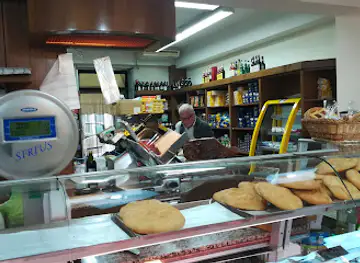
Le Grotti Snc
Discover the charm of Foiano della Chiana at Le Grotti Snc, where local flavors meet warm hospitality in a cozy bar and supermarket setting.

Best nightclubs in Val di Chiana
Top-rated picks
Best Nightclubs

Vanilla Disco Club Siena
Discover Siena's vibrant nightlife at Vanilla Disco Club, where music, dancing, and unforgettable memories come alive.

La Bussola Inn
Experience the electrifying nightlife at La Bussola Inn, a premier night club in Chiusi, Italy, where music and fun await.

SottoSopra Club
Experience the vibrant nightlife of Siena at SottoSopra Club, where dance and music create unforgettable moments in a captivating atmosphere.

LA VISPA TERESA
Discover La Vispa Teresa, a vibrant dance club in Bettolle offering an unforgettable nightlife experience with energetic music and a lively atmosphere.

Best shops in Val di Chiana
Top-rated picks
Best Shops

Valdichiana Outlet Village
Discover luxury shopping at Valdichiana Outlet Village in Tuscany, where top designer brands meet unbeatable prices in a picturesque setting.

Nike Factory Store Val Di Chiana
Shop the latest Nike sportswear and footwear at Val Di Chiana's premier outlet, offering unbeatable prices in a vibrant shopping experience.

adidas Outlet Store Foiano Della Chiana
Explore incredible discounts on premium sportswear at the adidas Outlet Store in Foiano Della Chiana, your ultimate shopping destination.

Centro Commerciale Parco Valdichiana
Discover the ultimate shopping experience at Centro Commerciale Parco Valdichiana, where fashion meets culinary delights in the heart of Tuscany.

Explore Val di Chiana on the Map
A handpicked selection of must-see spots in Val di Chiana, mapped for you.
Val di Chiana Essentials
-
Val di Chiana is located in the Tuscany region of Italy, easily accessible via multiple transportation options. The nearest major airports are Florence Airport (FLR) and Rome Fiumicino Airport (FCO), with Florence being closer at approximately 100 kilometers away. From Florence, you can take a train to Arezzo or Chiusi-Chianciano Terme, which are the main railway stations serving the Val di Chiana area. Alternatively, renting a car at the airport allows for a scenic drive through the Tuscan countryside.
-
Within Val di Chiana, public transportation includes buses and trains that connect the main towns and villages. Renting a car is highly recommended for flexibility and to explore the smaller, picturesque villages at your own pace. Biking is also a popular option for short distances, offering an immersive experience through the region's landscapes. Taxis are available but can be expensive for longer trips.
-
The official currency is the Euro (€). Credit cards are widely accepted in hotels, restaurants, and larger shops. However, it is advisable to carry some cash, especially when visiting smaller villages or markets. ATMs are available in the main towns such as Arezzo and Montepulciano, but may be scarce in rural areas.
-
Val di Chiana is generally a safe region for tourists. Standard precautions should be taken, such as avoiding poorly lit areas at night and keeping an eye on personal belongings in crowded places. There are no specific areas with high crime rates targeting tourists, but staying vigilant is always recommended.
-
In case of an emergency, dial 112, the European emergency number, for immediate assistance. Medical facilities are available in the main towns, and it is advisable to have travel insurance that covers medical emergencies. Pharmacies are common, and many staff members speak basic English. For minor health issues, over-the-counter medications are readily available.
-
Fashion: Do dress smart-casual, especially when dining out. Avoid overly casual attire like flip-flops and shorts in finer establishments. Religion: Do respect religious customs, especially in churches. Dress modestly and avoid loud conversations. Public Transport: Do validate your bus or train ticket before boarding. Don't forget to check schedules as services can be less frequent in rural areas. Greetings: Do greet locals with a polite 'Buongiorno' (Good morning) or 'Buonasera' (Good evening). A handshake is appropriate for formal settings. Eating & Drinking: Do try local wines and traditional dishes. Don't rush your meals; dining is an essential part of the cultural experience.
-
To experience Val di Chiana like a local, visit the weekly markets in towns like Cortona and Montepulciano, where you can buy fresh produce and local crafts. Participate in local festivals, such as the Palio dei Rioni in Castiglion Fiorentino, for an authentic cultural experience. Try to learn a few basic Italian phrases; locals appreciate the effort and it enhances your interactions. Don't miss the opportunity to explore the region's renowned wineries and olive oil producers.
When is the best time to visit Val di Chiana?
Useful Local Phrases for Val di Chiana
You don't need to speak the language perfectly. Even learning a few simple words can make conversations warmer—and locals usually appreciate the effort.
— Eve

Here are the phrases I use most often in Val di Chiana. Try a few—you'll be surprised how far they go! 😊
❤️
-
- HelloCiao
[chow] - GoodbyeArrivederci
[ah-ree-veh-DER-chee] - YesSì
[see] - NoNo
[noh] - Please/You're welcomePer favore
[per fah-VOH-reh] - Thank youGrazie
[GRAHT-see-eh] - Excuse me/SorryMi scusi
[mee SKOO-zee] - How are you?Come stai?
[KOH-meh stah-ee] - Fine. And you?Bene. E tu?
[BEH-neh. eh too?] - Do you speak English?Parli inglese?
[PAR-lee een-GLEH-zeh?] - I don't understandNon capisco
[non kah-PEE-sko]
- HelloCiao
-
- I'd like to see the menu, pleaseVorrei vedere il menu, per favore
[vor-RAY veh-DER-eh eel meh-NEW, per fah-VOH-reh] - I don't eat meatNon mangio carne
[non MAHN-jo KAR-neh] - Cheers!Salute!
[sah-LOO-teh] - I would like to pay, pleaseVorrei pagare, per favore
[vor-RAY pah-GAH-reh, per fah-VOH-reh]
- I'd like to see the menu, pleaseVorrei vedere il menu, per favore
-
- Help!Aiuto!
[ah-YOO-toh] - Go away!Vattene via!
[VAH-teh-neh VEE-ah] - Call the Police!Chiama la polizia!
[KYAH-mah lah poh-lit-ZEE-ah] - Call a doctor!Chiama un dottore!
[KYAH-mah oon doh-TOH-reh] - I'm lostMi sono perso
[mee SOH-noh PER-soh] - I'm illSono malato
[SOH-noh mah-LAH-toh]
- Help!Aiuto!
-
- I'd like to buy...Vorrei comprare...
[vor-RAY kohm-PRAH-reh...] - I'm just lookingSto solo guardando
[sto SOH-loh gwahr-DAN-do] - How much is it?Quanto costa?
[KWAN-toh KOH-stah?] - That's too expensiveÈ troppo costoso
[eh TROH-poh koh-STOH-soh] - Can you lower the price?Puoi abbassare il prezzo?
[pwoy ahb-BAH-rah-reh eel PRET-soh?]
- I'd like to buy...Vorrei comprare...
-
- What time is it?Che ora è?
[keh OH-rah eh?] - It's one o'clockÈ l'una
[eh LOO-nah] - Half past (10)Dieci e mezza
[DEE-eh-chee eh MEH-tzah] - MorningMattina
[maht-TEE-nah] - AfternoonPomeriggio
[poh-meh-REEJ-joh] - EveningSera
[SEH-rah] - YesterdayIeri
[YEH-ree] - TodayOggi
[OHJ-ee] - TomorrowDomani
[doh-MAH-nee] - 1Uno
[OO-noh] - 2Due
[DOO-eh] - 3Tre
[TREH] - 4Quattro
[KWAH-troh] - 5Cinque
[CHEEN-kweh] - 6Sei
[SAY] - 7Sette
[SEH-teh] - 8Otto
[OHT-toh] - 9Nove
[NOH-veh] - 10Dieci
[DEE-eh-chee]
- What time is it?Che ora è?
-
- Where's a/the...?Dove c'è...?
[DOH-veh cheh...?] - What's the address?Qual è l'indirizzo?
[kwahl eh leen-dee-REET-soh?] - Can you show me (on the map)?Puoi mostrarmi (sulla mappa)?
[pwoy mo-STRAR-mee (SOOL-lah MAH-pah)?] - When's the next (bus)?Quando passa il prossimo (autobus)?
[KWAN-doh PAH-sah eel PROS-simo (OW-toh-boos)?] - A ticket (to ....)Un biglietto (per ....)
[oon bee-LYEH-toh (per ....)]
- Where's a/the...?Dove c'è...?
History of Val di Chiana
-
Val di Chiana has roots that date back to the Etruscan civilization, which flourished in this region from the 8th to the 3rd century BCE. The Etruscans were skilled in agriculture, metalworking, and trade, and their influence is still evident in the numerous archaeological sites scattered across the valley. Notable Etruscan remnants include the necropolis of Poggio Renzo and the ancient town of Chiusi, which was one of the major Etruscan cities.
-
Following the decline of the Etruscans, the Romans took control of Val di Chiana in the 3rd century BCE. The region became an important agricultural area, supplying Rome with grain and other products. The Romans also constructed the Via Cassia, a major road that connected Rome to the northern parts of Italy, passing through the heart of Val di Chiana. The remnants of Roman villas and roads can still be found in the valley.
-
During the Middle Ages, Val di Chiana underwent significant changes as feudal lords and religious orders established their presence. The valley was dotted with castles, fortresses, and monasteries that served both defensive and economic purposes. Towns such as Cortona and Montepulciano became centers of power and culture, with impressive architecture that stands to this day. The medieval period also saw the beginning of land reclamation projects to control the valley's marshy landscape.
-
The Renaissance brought a cultural and economic revival to Val di Chiana. The region became renowned for its art, architecture, and intellectual achievements. Important figures, such as the artist Luca Signorelli from Cortona and the architect Antonio da Sangallo the Elder, were born in this area. The towns of the valley, particularly Montepulciano and Pienza, saw the construction of magnificent palaces, churches, and public buildings that reflect the Renaissance ideals of beauty and harmony.
-
In the 18th and 19th centuries, Val di Chiana underwent a significant transformation due to large-scale drainage and land reclamation projects. Initiated by the Grand Dukes of Tuscany, these efforts converted the once marshy and malaria-infested valley into fertile agricultural land. The Chiana Canal, engineered by Vittorio Fossombroni, played a crucial role in this transformation. The reclaimed land became highly productive, cultivating cereals, tobacco, and vineyards, shaping the landscape as seen today.
-
In the 20th century, Val di Chiana experienced modernization and infrastructure development, contributing to its economic growth. The region invested in viticulture, producing world-famous wines like Vino Nobile di Montepulciano and Chianti. Tourism also became a significant industry, with visitors drawn to the valley's rich history, picturesque landscapes, and culinary delights. Modern-day Val di Chiana balances its agricultural heritage with a thriving tourism sector, preserving its historical sites while embracing contemporary advancements.
Neighbouring Regions of Val di Chiana
The closest regions to Val di Chiana, if you have time for more than one.

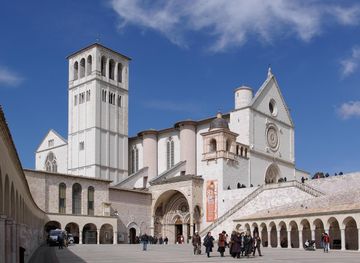


Your all‑in‑one travel companion app
Explore expert travel guides, compare and book tours, experiences, hotels, and more—all from the palm of your hand. Download now for seamless trip planning wherever your wanderlust takes you.


Explore More of Italy

Looking beyond Val di Chiana? Discover Italy for broader travel guides, local hot-spots, and regional highlights.
Explore ItalyVal di Chiana in Photos
Browse through our photo collection highlighting the charm and character of the destination.


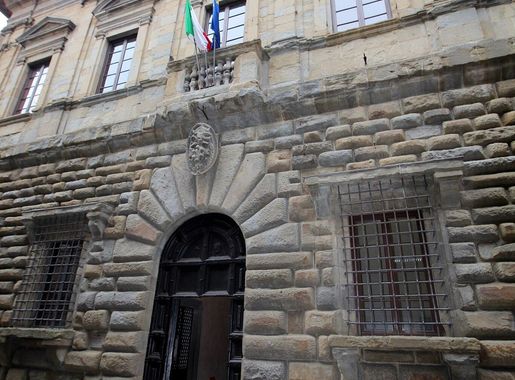
Val di Chiana: Italy's Hidden Gem of Rolling Hills and Rich History
Val di Chiana, nestled in the heart of Tuscany, is a picturesque valley that stretches across the provinces of Arezzo and Siena. This serene destination is renowned for its lush landscapes, dotted with olive groves, vineyards, and cypress trees. The rolling hills and fertile plains of Val di Chiana have been cultivated for centuries, making it one of Italy’s most bountiful agricultural regions. The valley is steeped in history, with charming medieval towns such as Cortona, Montepulciano, and Chiusi that offer a glimpse into the past. Each town boasts narrow cobblestone streets, ancient churches, and impressive palaces. Cortona, perched on a hilltop, provides stunning panoramic views of the valley below. Montepulciano is famous for its Vino Nobile wine, a must-try for any visitor. Chiusi, once an important Etruscan city, has fascinating underground tunnels and tombs to explore. Beyond its historical allure, Val di Chiana is a haven for food lovers. The local cuisine is rich and varied, featuring specialties such as Chianina beef, pecorino cheese, and handmade pici pasta. Farmers' markets abound with fresh produce, offering visitors a true taste of Tuscany. For those seeking relaxation, the region is dotted with thermal spas, such as the ones in Chianciano Terme, where natural hot springs provide a soothing retreat. Whether you are an art enthusiast, a history buff, a foodie, or simply in search of tranquility, Val di Chiana offers a unique and unforgettable experience.