

Brera (Milan) Travel Guide - Free
Explore Brera in Milan with Evendo's free guide. Find the best shops, historic streets, restaurants, and gems on web or mobile.


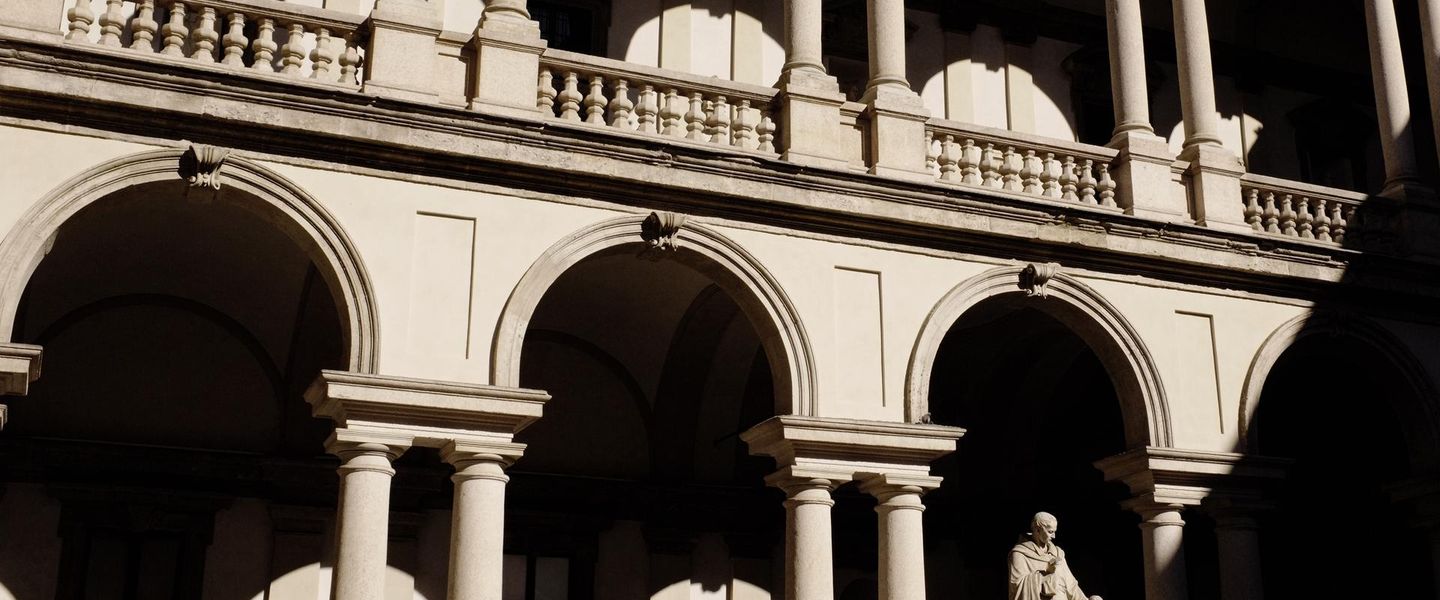


Brera in Milan blends Renaissance art, Pinacoteca galleries, leafy lanes, design boutiques, aperitivo bars and atmospheric streets for culture-led city breaks.
Art and Historic Streets
Brera occupies a compact, atmospheric part of central Milan immediately north of Piazza della Scala and the Duomo area. Its identity is anchored by the Palazzo Brera, a former Jesuit complex whose courtyards contain the Pinacoteca di Brera, the Biblioteca Nazionale Braidense and the Orto Botanico di Brera. The museum’s Italian masterpieces give the district its cultural reputation, yet Brera is more than a gallery precinct: it is a walkable network of narrow lanes, ochre façades, intimate squares and elegant palazzi.Read more about Brera
From Artists’ Quarter to Design Address
Cafés, Aperitivo and Everyday Milan
Best attractions in Brera
The Pinacoteca di Brera is Brera’s principal attraction, presenting an important collection of Italian painting in the historic Palazzo Brera, with works by artists including Mantegna, Piero della Francesca, Raphael and Caravaggio. The same complex contains the tree-filled Orto Botanico di Brera, an unexpectedly tranquil space that reflects the building’s long educational history, while the Biblioteca Nazionale Braidense adds a scholarly dimension. Outside the palace, sightseeing is largely an exploration of streets rather than a sequence of monumental set pieces: Via Brera, Via Fiori Chiari, Via Madonnina and Via del Carmine reveal galleries, courtyards, cafés and carefully preserved façades. Piazza del Carmine and the church of Santa Maria del Carmine offer a quieter architectural pause, while nearby lanes show how the former artists’ quarter now blends cultural institutions with design and independent retail.
-
Art gallery
Pinacoteca di Brera
Explore centuries of Italian art at Milan's Pinacoteca di Brera, home to masterpieces by Raphael, Caravaggio, and more.
1 min walk · 0.1 km from neighbourhood centre
-
Basilica
Santa Maria delle Grazie
Home to Leonardo da Vinci's 'The Last Supper,' this UNESCO site blends Gothic and Renaissance architecture in the heart of Milan.
18 min walk · 1.4 km from neighbourhood centre
-
Tourist attraction
Cathedral Square
Experience the vibrant heart of Milan at Piazza del Duomo, home to the iconic Duomo, historic buildings, and a bustling atmosphere.
11 min walk · 0.9 km from neighbourhood centre
-
Historical landmark
Piazza Mercanti
Discover Piazza Mercanti in Milan, a captivating medieval square with stunning architecture and a rich history, just steps from the Duomo.
10 min walk · 0.8 km from neighbourhood centre


Best landmarks in Brera
Palazzo Brera is the defining landmark of the neighbourhood, a substantial historic complex whose courtyards and institutional interiors embody Brera’s transformation from religious foundation to centre of art and learning. Its identity is tied to the Pinacoteca di Brera, the Accademia di Belle Arti, the Biblioteca Nazionale Braidense, the astronomical observatory and the Orto Botanico. The statue of Napoleon as Mars the Peacemaker in the main courtyard makes the building’s Napoleonic chapter visible, while the surrounding streets preserve the scale of the old quarter. Santa Maria del Carmine, on Piazza del Carmine, provides a notable ecclesiastical focus in the northern part of the district, and the church’s presence helps distinguish this quieter square from Brera’s more commercial lanes. Doorways, balconies, palazzi and former workshop premises complete a streetscape whose significance lies in its accumulated cultural and architectural layers.
-
 Art gallery
Pinacoteca di Brera
Explore the Pinacoteca di Brera, Milan's premier art gallery showcasing stunning Renaissance masterpieces and rich cultural heritage.
1 min walk · 0.1 km from neighbourhood centre
-
Botanical garden
Brera Botanical Garden
Explore the Brera Botanical Garden: A serene retreat in Milan filled with diverse flora, historical architecture, and tranquil paths awaiting discovery.
3 min walk · 0.2 km from neighbourhood centre
-
Sculpture
Statua di Leonardo da Vinci
Experience the majestic Statue of Leonardo da Vinci in Milan's vibrant Piazza della Scala, a captivating tribute to the genius of the Renaissance.
8 min walk · 0.6 km from neighbourhood centre
-
Historical landmark
Palazzo Brera
Explore the historical and artistic marvel of Palazzo Brera, a must-see in Milan for art lovers and culture enthusiasts alike, steeped in history and elegance.
1 min walk · 0.1 km from neighbourhood centre


Explore Brera on the map
A handpicked selection of must-see spots in Brera, mapped for you.
Best hotels in Brera
Best restaurants in Brera
Brera’s dining scene is shaped by its central location, artistic institutions and narrow, atmospheric streets. Restaurants and cafés cluster particularly around Via Fiori Chiari, Via Madonnina, Via Brera and the lanes leading towards Piazza del Carmine, offering Milanese cooking alongside Italian regional dishes, modern menus, pastries, coffee and aperitivo. Traditional dishes such as risotto alla milanese and cotoletta appear alongside lighter contemporary food, while wine bars and long-established venues provide an easy transition from museum visits to evening dining. N’Ombra de Vin, in the former refectory of San Marco’s Augustinian complex near the edge of Brera, is associated with the area’s wine-bar culture, and Fioraio Bianchi Caffè reflects the district’s combination of café life and design-conscious interiors. Reservations may be useful at popular restaurants, while daytime visitors can often find a more relaxed rhythm in the smaller cafés away from the busiest terraces.
-
Traditional restaurant
Salsamenteria di Parma
Experience authentic Northern Italian flavors at Salsamenteria di Parma in Milan's charming Brera district.
4 min walk · 0.3 km from neighbourhood centre
-
Italian
Taverna del Borgo Antico
Experience authentic Italian cuisine at Taverna del Borgo Antico in Milan—home to delicious pizzas and traditional dishes that celebrate Italy's rich culinary heritage.
1 min walk · 0.1 km from neighbourhood centre
-
Restaurant
Ristorante con pizza & Live Music
Savor authentic Italian cuisine paired with live music at Ristorante con pizza & Live Music in Milan - an unforgettable dining experience.
1 min walk · 0.1 km from neighbourhood centre
-
Restaurant
Il Cestino
Discover authentic Italian cuisine at Il Cestino in Milan, where delicious pizza and fresh seafood await you in a charming atmosphere.
1 min walk · 0.1 km from neighbourhood centre


Best bars in Brera
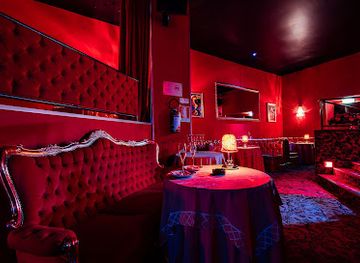
Brera’s nightlife is refined and sociable rather than centred on large clubs. As galleries and shops close, the lanes around Via Fiori Chiari, Via Madonnina and Via Brera fill with wine bars, cocktail venues and restaurants serving aperitivo, while the area around N’Ombra de Vin is known for an evening atmosphere rooted in wine and conversation. The district’s historic cafés and design-led bars suit a leisurely start to the night, and its proximity to La Scala provides an obvious pre- or post-performance setting for drinks. Brera is not primarily a late-night clubbing quarter, and much of its visitor appeal lies in outdoor tables, atmospheric interiors and the changing appearance of the old streets after dark. Those staying nearby should remember that the same compact lanes that create the mood also carry residents, deliveries and occasional traffic.
-
Bar
Bar Brera
Discover Bar Brera: A lively bar and restaurant in Milan's artistic district, offering Italian cuisine and a vibrant atmosphere.
1 min walk · 0.1 km from neighbourhood centre
-
Wine bar
N'Ombra de Vin
Experience the elegance of N'Ombra de Vin, a premier wine bar in Milan, combining exquisite wines and authentic Italian cuisine for an unforgettable outing.
2 min walk · 0.2 km from neighbourhood centre
-
Pub
O'Connell Irish Pub Milano Brera
Immerse yourself in Irish culture at O'Connell Irish Pub Milano Brera, where hearty food, fine drinks, and lively ambiance await.
3 min walk · 0.3 km from neighbourhood centre
-
Tapas Bar
La Tartina
Discover La Tartina, Milan's charming tapas bar, offering a delightful array of small plates in a vibrant atmosphere perfect for sharing and savoring.
2 min walk · 0.2 km from neighbourhood centre


Best nightclubs in Brera
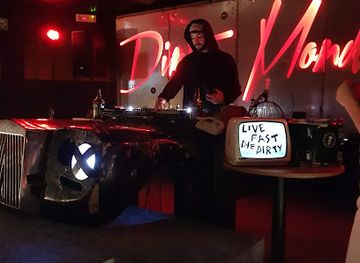
Brera’s nightlife is refined and sociable rather than centred on large clubs. As galleries and shops close, the lanes around Via Fiori Chiari, Via Madonnina and Via Brera fill with wine bars, cocktail venues and restaurants serving aperitivo, while the area around N’Ombra de Vin is known for an evening atmosphere rooted in wine and conversation. The district’s historic cafés and design-led bars suit a leisurely start to the night, and its proximity to La Scala provides an obvious pre- or post-performance setting for drinks. Brera is not primarily a late-night clubbing quarter, and much of its visitor appeal lies in outdoor tables, atmospheric interiors and the changing appearance of the old streets after dark. Those staying nearby should remember that the same compact lanes that create the mood also carry residents, deliveries and occasional traffic.
-
Disco club
The Club Milano
Experience the ultimate nightlife at The Club Milano, a vibrant disco club in the heart of Milan, where music and energy come alive.
8 min walk · 0.6 km from neighbourhood centre
-
Night club
Nepentha Club
Nepentha Club in Milan offers an electrifying nightlife experience with top DJs, vibrant atmosphere, and stylish decor for an unforgettable night out.
14 min walk · 1.1 km from neighbourhood centre
-
Disco club
Play Club
Discover the electrifying nightlife of Play Club in Milan, where pulsating beats and stylish vibes create unforgettable nights.
13 min walk · 1.0 km from neighbourhood centre
-
Night club
VENUS MILANO CENTRO - Luxury Strip Night Club / Vip Area Privé - Location Eventi
Venus Milano Centro offers a luxurious nightlife experience, featuring top DJs, vibrant shows, and an exclusive VIP area in the heart of Milan.
13 min walk · 1.1 km from neighbourhood centre


Best shops in Brera
Shopping in Brera is closely linked to its artistic reputation and central Milan setting. Via Brera, Via Fiori Chiari, Via Madonnina and Via Solferino contain a mix of design showrooms, independent galleries, jewellery, fashion, homeware, antiques and specialist businesses, while small display windows often make the streets feel more like an open sequence of curated interiors than a conventional retail boulevard. Visitors interested in Milanese design will find furniture, lighting and decorative objects alongside contemporary art and sought-after prints, although the district is not principally a bargain market. The area’s long association with artists and antiquarians remains visible in its galleries and workshop-like shops, while fashion and lifestyle stores reflect its more recent luxury profile. For broad high-street shopping, nearby Corso Vittorio Emanuele II and the Quadrilatero della Moda offer a different experience outside Brera’s intimate lane network.
-
Leather goods store
The Bridge Boutique Milano
Explore The Bridge Boutique Milano for exquisite leather goods that embody Italian craftsmanship and timeless elegance in the heart of Milan.
3 min walk · 0.3 km from neighbourhood centre
-
Gift shop
La Zacca
Explore La Zacca in Milan for unique gifts, fashion accessories, and oriental treasures that embody the city's vibrant culture.
3 min walk · 0.2 km from neighbourhood centre
-
Vintage clothing store
Cavalli e Nastri Brera
Discover unique vintage fashion and accessories in the heart of Milan's artistic Brera district at Cavalli e Nastri Brera.
4 min walk · 0.3 km from neighbourhood centre
-
Perfume store
boutique DIPTYQUE Milano Brera
Explore the luxurious world of fragrances at DIPTYQUE Milano Brera, where artful scents meet Milanese elegance in the heart of the city.
1 min walk · 0.1 km from neighbourhood centre


Brera essentials
Getting There
Getting Around
Safety
Emergency Situations
Do's and Don'ts
Local Tips

From Eve
Local phrases worth knowing
You don't need to get them perfect. A few words go a long way, and locals appreciate the effort.
Basics
| English | Local | Say it |
|---|---|---|
| Hello | Ciao | [chow] |
| Goodbye | Arrivederci | [ah-ree-veh-dehr-chee] |
| Yes | Sì | [see] |
| No | No | [noh] |
| Please/You're welcome | Per favore/Prego | [pehr fah-voh-reh/preh-goh] |
| Thank you | Grazie | [graht-zee-eh] |
| Excuse me/Sorry | Mi scusi/Scusa | [mee skoo-zee/skoo-zah] |
| How are you? | Come stai? | [koh-meh stai] |
| Fine. And you? | Bene. E tu? | [beh-neh. eh too] |
| Do you speak English? | Parli inglese? | [pahr-lee een-gleh-zeh] |
| I don't understand | Non capisco | [nohn kah-pee-skoh] |
Eating & Drinking
| English | Local | Say it |
|---|---|---|
| I'd like to see the menu, please | Vorrei vedere il menù, per favore | [vohr-reh-ee veh-deh-reh eel meh-noo pehr fah-voh-reh] |
| I don't eat meat | Non mangio carne | [nohn mahng-joh kahr-neh] |
| Cheers! | Salute! | [sah-loo-teh] |
| I would like to pay, please | Vorrei pagare, per favore | [vohr-reh-ee pah-gah-reh pehr fah-voh-reh] |
Emergencies
| English | Local | Say it |
|---|---|---|
| Help! | Aiuto! | [ah-yoo-toh] |
| Go away! | Vai via! | [vah-ee vee-ah] |
| Call the Police! | Chiama la polizia! | [kyah-mah lah poh-lee-tsyah] |
| Call a doctor! | Chiama un dottore! | [kyah-mah oon doht-toh-reh] |
| I'm lost | Mi sono perso | [mee soh-noh pehr-soh] |
| I'm ill | Sto male | [stoh mah-leh] |
Shopping
| English | Local | Say it |
|---|---|---|
| I'd like to buy... | Vorrei comprare... | [vohr-reh-ee kohm-prah-reh] |
| I'm just looking | Sto solo guardando | [stoh soh-loh gwahr-dahn-doh] |
| How much is it? | Quanto costa? | [kwahn-toh koh-stah] |
| That's too expensive | È troppo caro | [eh trohp-poh kah-roh] |
| Can you lower the price? | Puoi abbassare il prezzo? | [pwoh-ee ahb-bahs-sah-reh eel preh-tsoh] |
Time & Numbers
| English | Local | Say it |
|---|---|---|
| What time is it? | Che ore sono? | [keh oh-reh soh-noh] |
| It's one o'clock | È l'una | [eh loo-nah] |
| Half past (10) | Le dieci e mezza | [leh dyeh-chee eh meh-tsah] |
| Morning | Mattina | [maht-tee-nah] |
| Afternoon | Pomeriggio | [poh-meh-ree-joh] |
| Evening | Sera | [seh-rah] |
| Yesterday | Ieri | [yeh-ree] |
| Today | Oggi | [oh-jee] |
| Tomorrow | Domani | [doh-mah-nee] |
| 1 | Uno | [oo-noh] |
| 2 | Due | [doo-eh] |
| 3 | Tre | [treh] |
| 4 | Quattro | [kwah-troh] |
| 5 | Cinque | [cheen-kweh] |
| 6 | Sei | [seh-ee] |
| 7 | Sette | [seht-teh] |
| 8 | Otto | [oh-ttoh] |
| 9 | Nove | [noh-veh] |
| 10 | Dieci | [dyeh-chee] |
Transport & Directions
| English | Local | Say it |
|---|---|---|
| Where's a/the...? | Dov'è...? | [doh-veh] |
| What's the address? | Qual è l'indirizzo? | [kwahl eh leen-dee-ree-tsoh] |
| Can you show me (on the map)? | Puoi mostrarmi (sulla mappa)? | [pwoh-ee mohs-trahr-mee soo-lah mahp-pah] |
| When's the next (bus)? | Quando passa il prossimo (autobus)? | [kwahn-doh pahs-sah eel prohss-see-moh ow-toh-boo-s] |
| A ticket (to ....) | Un biglietto (per ....) | [oon beel-lyet-toh pehr] |
History of Brera
The Name and Early Religious Foundations
Brera’s name is generally linked to the medieval term braida, referring to open ground or meadow outside the built-up city. The area developed around religious institutions, including the church and monastery of Santa Maria di Brera, founded in the medieval period. In the sixteenth century, the Jesuits established themselves in the district and began transforming the complex that later became Palazzo Brera. This religious presence gave the area a substantial architectural focus at a time when much of Brera remained less densely urbanised than the core around the Duomo.
Palazzo Brera and Enlightenment Milan
After the suppression of the Jesuit order in 1773, Maria Theresa of Austria reorganised the Brera complex as a centre of learning and culture. The building gathered institutions including the Academy of Fine Arts, the library, the astronomical observatory and botanical garden, creating an intellectual character that still defines the neighbourhood. The Pinacoteca di Brera was established under Napoleonic rule in the early nineteenth century, when paintings from religious houses and territories controlled by the new regime were assembled in Milan. Palazzo Brera consequently became both an educational institution and a public statement of Milan’s cultural importance.
Artists, Students and Urban Change
During the nineteenth and early twentieth centuries, the Academy of Fine Arts helped attract artists, students and specialists in the visual arts to Brera. Workshops, antiquarian businesses and modest cafés contributed to an atmosphere different from the grand commercial streets elsewhere in central Milan. The neighbourhood’s lanes retained a mixed social and professional life, with residences and studios alongside institutions. This association with art was not simply a modern marketing label: it grew from the daily presence of the academy, its pupils and the cultural organisations concentrated around Palazzo Brera.
Contemporary Cultural and Design District
Brera changed significantly as central Milan became more prosperous and as the city’s fashion, design and creative economies expanded. Formerly modest premises increasingly accommodated galleries, showrooms, restaurants and specialist retail, while the historic building stock remained largely intact. The district now participates prominently in Milan’s design culture, particularly during major events such as Milan Design Week, although its permanent identity remains rooted in the Pinacoteca, the academy and the small-scale street plan. The result is a neighbourhood where cultural tourism and high-end urban commerce coexist with long-established residences and institutions.
Brera in Photos
Browse through our photo collection highlighting the charm and character of the destination.
Neighbourhoods near Brera
The closest neighbourhoods to Brera, if you have time for more than one stop.
-

-

-

-

-


Swipe for more neighbourhoods
Explore more

Explore more of Milan
Milan blends Gothic grandeur, design districts and Italian haute cuisine, with the Duomo, Brera art and Navigli canals shaping rich city sightseeing.
Explore Milan