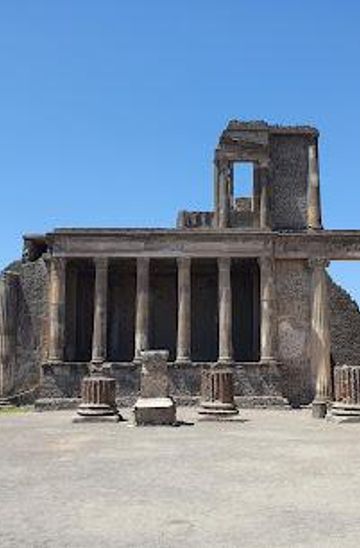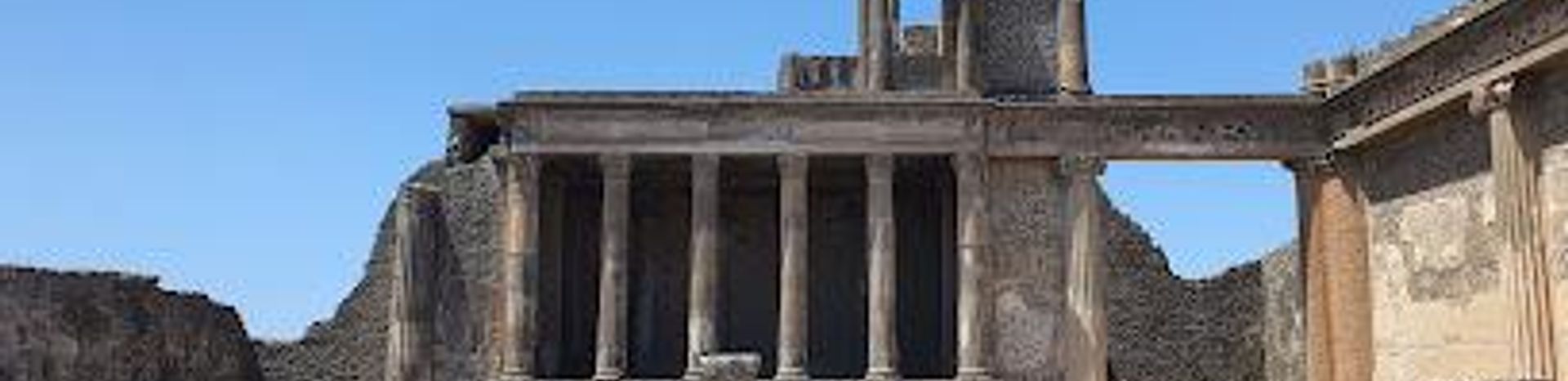
Pompeii: An Ancient Roman City Frozen in Time
Explore the remarkably preserved ruins of Pompeii, a Roman city frozen in time by the eruption of Mount Vesuvius in 79 AD.
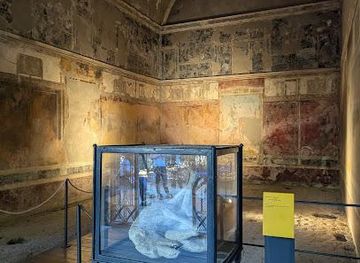
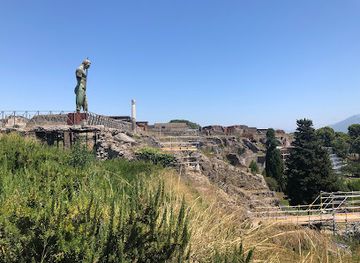
Pompeii, located near modern-day Pompei, Italy, was an ancient Roman city destroyed and buried under ash and pumice during the eruption of Mount Vesuvius in 79 AD. The remarkably well-preserved ruins offer a unique glimpse into Roman life, architecture, and society.
A brief summary to Scavi di Pompei
- Viale delle Ginestre, Pompei, Metropolitan City of Naples, 80045, IT
- Click to display
- Click to display
- Monday 9 am-5 pm
- Tuesday 9 am-5 pm
- Wednesday 9 am-5 pm
- Thursday 9 am-5 pm
- Friday 9 am-5 pm
- Saturday 9 am-5 pm
- Sunday 9 am-5 pm

Know before you go
Hi, I'm Eve. Here are a few practical things to know before exploring Scavi di Pompei.
- Wear comfortable shoes, as you'll be doing a lot of walking on uneven ground.
- Bring water and sun protection, especially during the summer months, as there is limited shade.
- Consider hiring an official audio guide or joining a guided tour to enhance your understanding of the site.
- Book your tickets online in advance, especially during peak season, to avoid long queues.
- Allow at least 3-4 hours to explore the main areas of Pompeii.
Do you manage this location?
Take control to get all the benefits, like improved information, better appearance, and stronger visibility across AI-powered discovery. Learn more
Activate your presence
Getting There
-
Public Transport
From Naples, the easiest way to reach Pompeii is by taking the Circumvesuviana train. From Napoli Garibaldi station, take the Circumvesuviana line towards Sorrento and disembark at Pompei Scavi-Villa dei Misteri station. This station is located just a few steps from the Porta Marina entrance to the Pompeii ruins. The journey takes approximately 35-40 minutes. A single ticket costs around €3.
-
Bus
Several bus lines connect Naples and Pompeii. The SITA bus departs from near the Nuova Marina port in Naples and stops at Pompei Scavi. Flixbus also offers service from Naples to Pompeii, dropping off at Piazza Falcone e Borsellino. The bus journey takes around 35 minutes, but can be longer depending on traffic. A one-way ticket costs around €7.
-
Car
If driving from Naples, take the A3 Napoli-Salerno motorway towards Salerno. Exit at Pompei Ovest and follow signs to Via Villa dei Misteri. This route leads to the Porta Marina entrance. Be prepared for tolls on the motorway. Several parking lots are available near the site, including Parking Zeus and Pompei Zone Parking. Parking rates vary, but expect to pay around €8-€15 per day for a car.
-
Walking
From the center of modern Pompei, the Scavi di Pompei are easily accessible on foot. From Piazza Garibaldi, walk along Via Roma to Piazza Anfiteatro, one of the entrances to the site. The walk takes approximately 15-20 minutes. Alternatively, from the Pompei Santuario train station, it is a short walk to the Piazza Anfiteatro entrance.
Discover more about Scavi di Pompei
Explore the best of what Scavi di Pompei has to offer













More about Campania
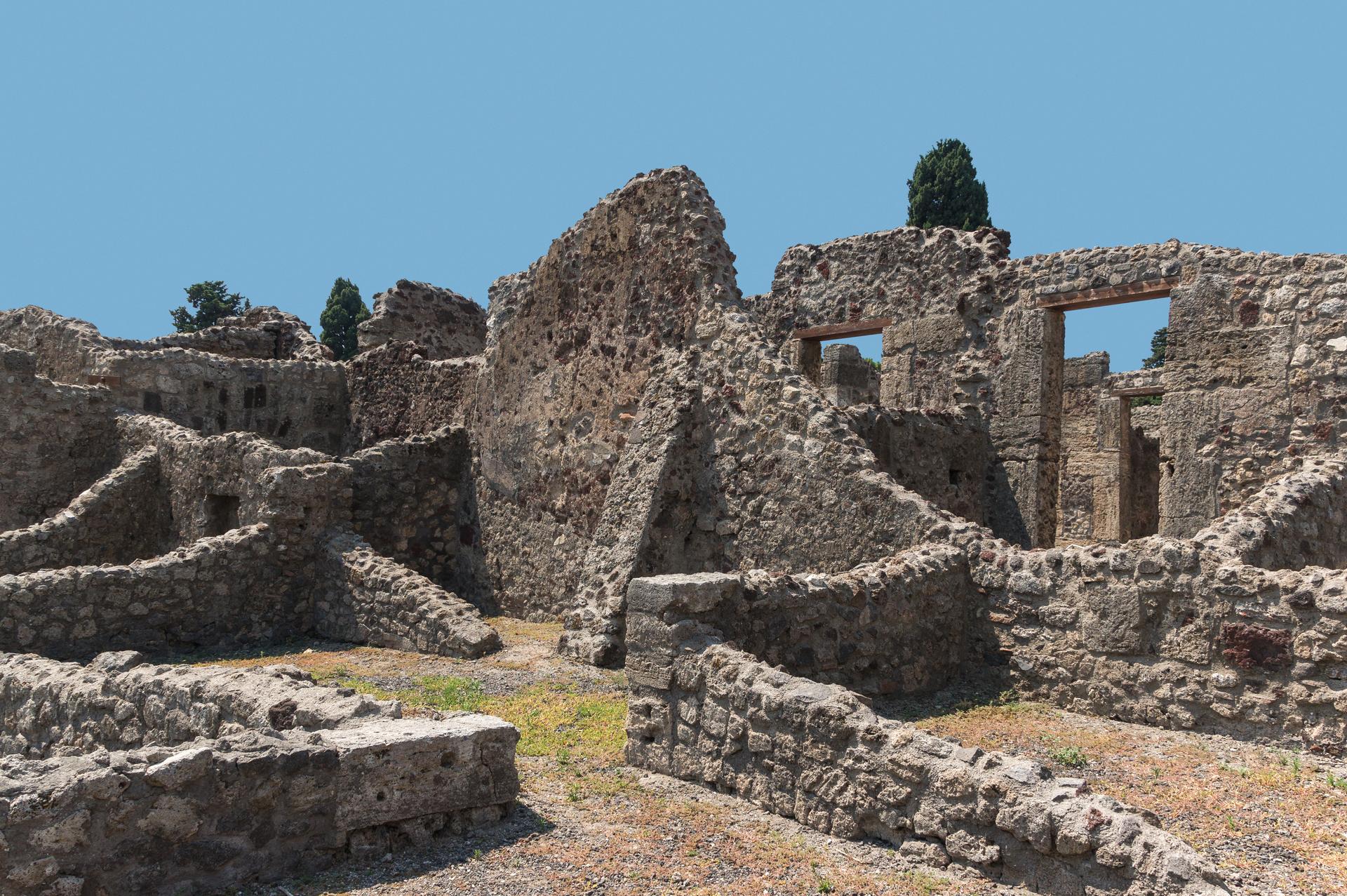
Discover the rich history, stunning landscapes, and vibrant culture of Campania, Italy's enchanting southern gem, from Naples to the Amalfi Coast and the island of Capri.
Tell me more about Campania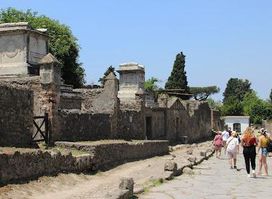
Discover the haunting beauty of Necropoli di Porta Ercolano, an ancient burial site revealing the rich history of Pompei's past.

Uncover the history of Pompei with Tempio Travel's engaging walking tours, exploring the ancient ruins and vibrant heritage of this iconic archaeological site.