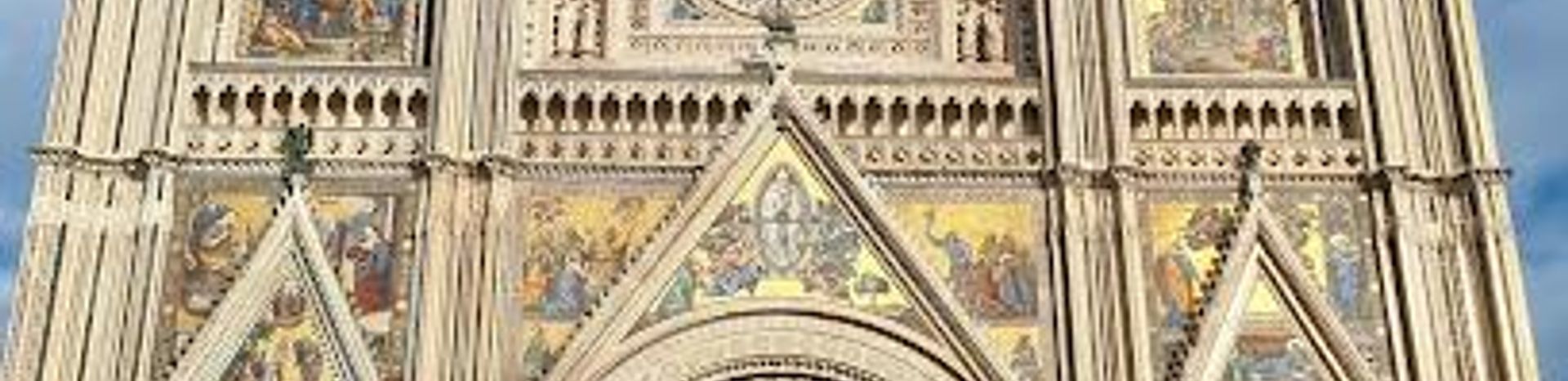
Duomo di Orvieto: A Gothic Masterpiece
Discover the splendor of Orvieto's Duomo, a masterpiece of Gothic architecture and religious art in the heart of Umbria, Italy.
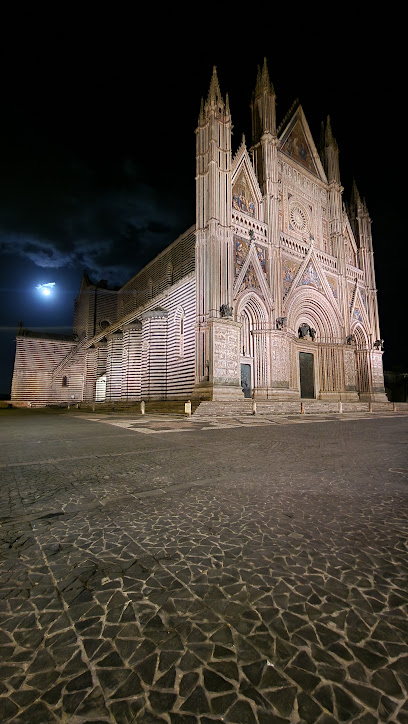
The Duomo di Orvieto, or Orvieto Cathedral, is a stunning example of Gothic architecture in Umbria, Italy. Its elaborate façade, adorned with mosaics, sculptures, and a large rose window, makes it a must-see attraction. Inside, the cathedral houses masterpieces of religious art, including frescoes by Luca Signorelli and the Chapel of the Corporal, home to a sacred relic.
A brief summary to Duomo di Orvieto
- Piazza del Duomo, 26, Orvieto, Province of Terni, 05018, IT
- +390763341167
- Visit website
- Monday 9:30 am-5 pm
- Tuesday 9:30 am-5 pm
- Wednesday 9:30 am-5 pm
- Thursday 9:30 am-5 pm
- Friday 9:30 am-5 pm
- Saturday 9:30 am-5 pm
- Sunday 9:30 am-5 pm
Local tips
- Purchase a cumulative ticket to visit the Duomo, Museo dell'Opera del Duomo, Museo Emilio Greco, and Orvieto Underground for a comprehensive experience.
- Dress respectfully when visiting the Duomo; shoulders and knees should be covered.
- Be aware that tours may be restricted during liturgical celebrations.
- Visit in the late afternoon to see the mosaics on the façade illuminated by the sun.
- Explore the Piazza del Duomo, the town square surrounding the cathedral, for shops, restaurants, and local life.

Getting There
-
Walking
From Piazza della Repubblica, walk along Corso Cavour, the main street, towards Piazza del Duomo. The Duomo will become visible as you approach. The walk is approximately 5-10 minutes and relatively flat. No costs are involved.
-
Public Transport
If arriving by train at Orvieto Scalo, take the funicular from Piazza Matteotti to Piazza Cahen in Orvieto. From Piazza Cahen, take bus A or B to Piazza Duomo. A funicular ticket costs €1.30 per person, and is valid for 90 minutes and includes the shuttle bus from Piazza Cahen to Piazza Duomo. Alternatively, from Piazza Cahen, it is possible to walk to Piazza del Duomo.
-
Taxi
Taxis are available at the Orvieto Scalo train station. A taxi ride from the train station to Piazza del Duomo typically costs between €15-€25, but there are only 4 taxis operating in Orvieto. Confirm the fare with the driver before starting the journey.
-
Parking
If driving, it is recommended to park at Campo della Fiera. From there, take the escalators or lifts to the city center. Follow Via Garibaldi, Corso Cavour, and Via del Duomo to reach Piazza del Duomo, about 800 meters away. Parking at Campo della Fiera costs €1.50 per hour. Other parking options include Piazza Marconi (€1.50/hour) and Via Roma Parking (€1.50/hour).
Discover more about Duomo di Orvieto
Iconic landmarks you can’t miss

Piazza del Duomo, 24
0.0 km
Explore the stunning Piazza del Duomo in Orvieto, where Gothic architecture meets vibrant local culture in a picturesque Italian setting.
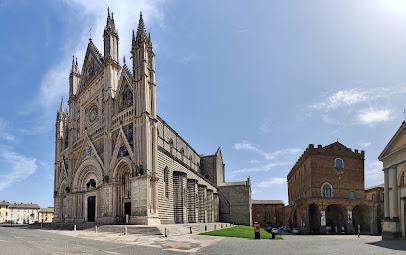
Piazza Duomo
0.0 km
Discover the charm of Piazza Duomo in Orvieto, a stunning town square featuring the magnificent cathedral and vibrant local life.
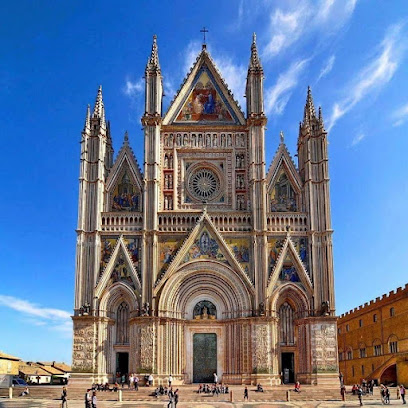
Orvieto Gran Tour
0.0 km
Experience the beauty and history of Orvieto with guided tours that explore its stunning architecture, rich culture, and exquisite cuisine.
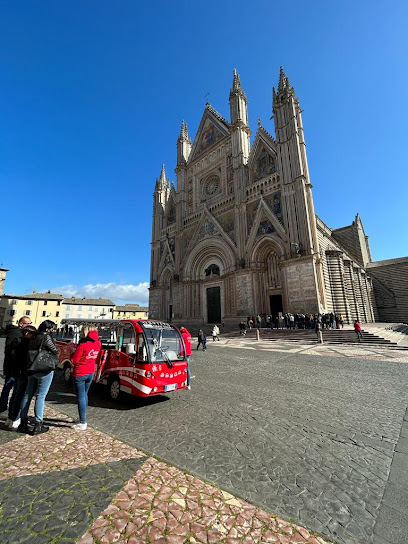
Torre di Maurizio
0.1 km
Explore the majestic Torre di Maurizio in Orvieto, a historic landmark offering stunning views and a glimpse into Italy's rich medieval heritage.
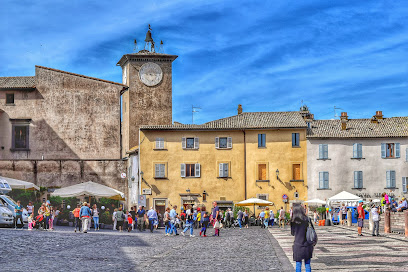
Al mercato
0.2 km
Discover the authentic tastes of Italy at Al Mercato in Orvieto, where every meal is a journey into the heart of Italian culinary excellence.
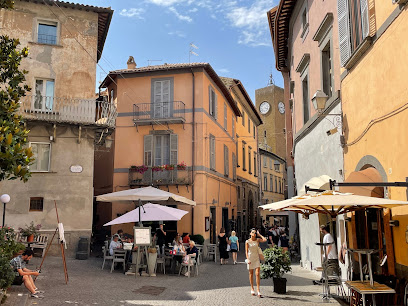
Tavern Engel Keller
0.2 km
Discover the authentic flavors of Italy at Tavern Engel Keller in Orvieto, where delicious pizzas and a warm atmosphere await every visitor.
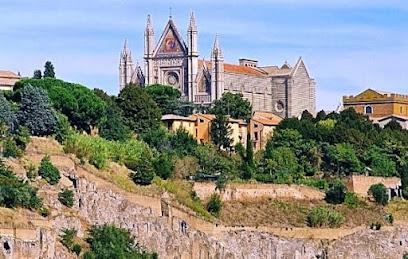
Orvieto
0.3 km
Experience the medieval charm and stunning views of Orvieto, a hilltop town in Italy's beautiful Umbria region, known for its rich history and exquisite cuisine.
Caffè Clandestino - Orvieto
0.3 km
Experience authentic Italian flavors at Caffè Clandestino in Orvieto, where every sip tells a story of tradition and warmth.
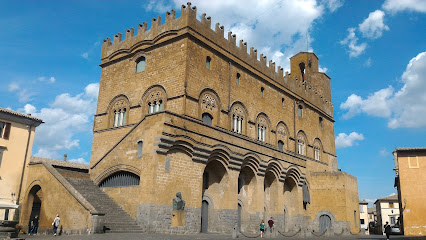
Palazzo Del Capitano Del Popolo
0.3 km
Explore the historic Palazzo Del Capitano Del Popolo, a stunning monument in Orvieto's bustling Piazza del Popolo, rich in culture and architectural beauty.
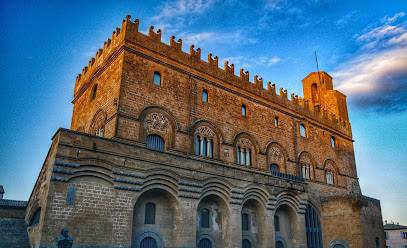
Piazza del Popolo Market
0.4 km
Experience the vibrant flavors and local culture at Piazza del Popolo Market, a fresh food haven in the heart of Orvieto, Italy.
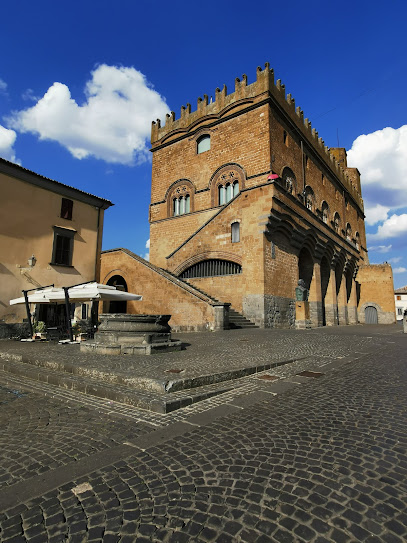
Affittacamere Valentina
0.4 km
Experience the charm of Orvieto with a stay at Affittacamere Valentina, your cozy home away from home in the heart of Italy.
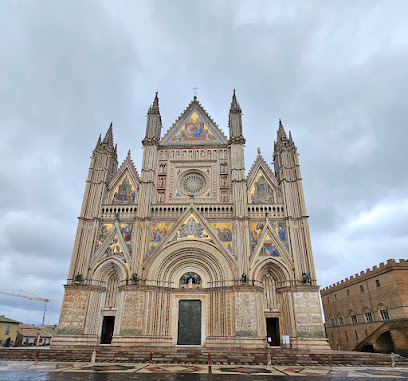
Via del Popolo & Piazza del Popolo
0.4 km
Discover the vibrant Via del Popolo & Piazza del Popolo in Orvieto, where history, culture, and local life beautifully intersect in a picturesque Italian setting.
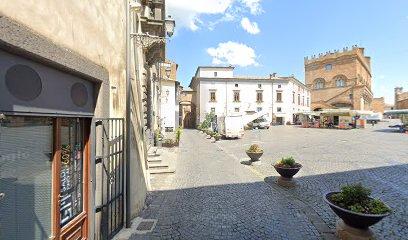
La Soffitta e La Torre Affittacamere
0.4 km
Experience the charm of Orvieto at La Soffitta e La Torre, your cozy bed and breakfast in the heart of Italy's historic landscape.

Grand Hotel Italia
0.4 km
Experience luxury and comfort at Grand Hotel Italia, your perfect getaway in the historic town of Orvieto, Italy.
Labirinto Di Adriano
0.4 km
Experience the perfect blend of exquisite Italian dining and captivating archaeological exhibits at Labirinto Di Adriano in Orvieto.
Unmissable attractions to see

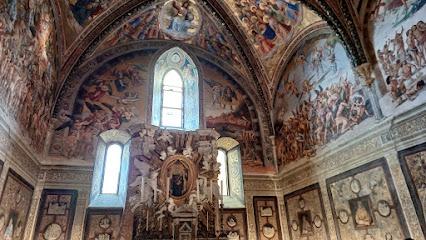
Chapel of St. Britius
0.1 km
Explore the Chapel of St. Britius in Orvieto, a stunning Gothic masterpiece that captures the spiritual and artistic heritage of Italy.
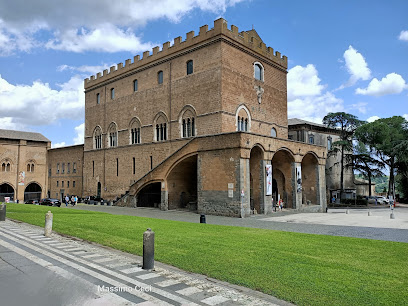
Museo Emilio Greco - Orvieto
0.1 km
Discover the sculptures, drawings, and prints of Emilio Greco in a historic palace next to Orvieto's Duomo, showcasing modern Italian art.
Etruscan Museum "Claudio Faina"
0.1 km
Explore the Etruscan Museum Claudio Faina in Orvieto, a historical treasure showcasing the rich heritage of the Etruscan civilization.
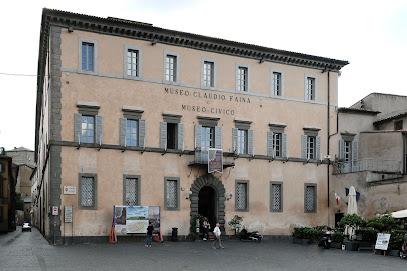
Museo Archeologico Nazionale di Orvieto
0.1 km
Explore Etruscan artifacts and reconstructed tombs in Orvieto's National Archaeological Museum, revealing the region's rich ancient history.
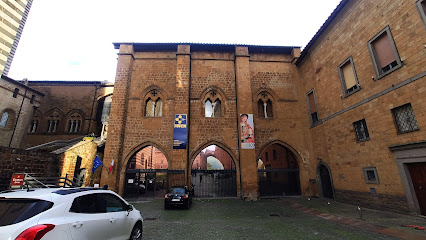
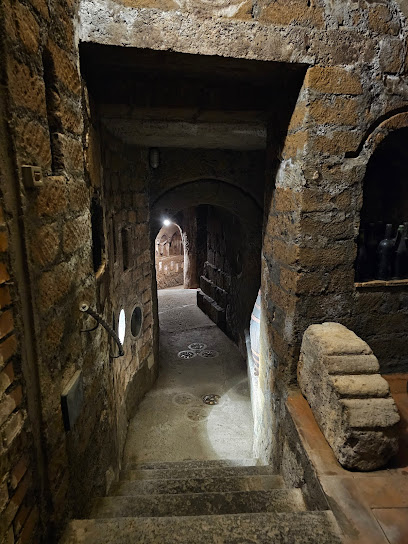
Orvieto Underground
0.1 km
Explore Orvieto Underground, a captivating historical landmark in Italy, revealing the secrets of Etruscan civilization beneath the charming town.
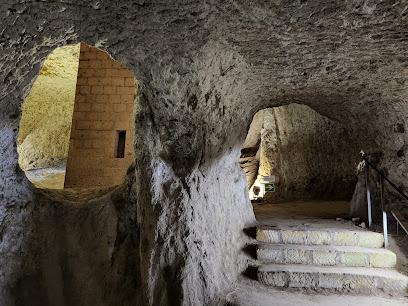
Palazzo Coelli
0.3 km
Discover Orvieto's history and art at Palazzo Coelli, an elegant palace hosting cultural events and exhibitions in the heart of the city.
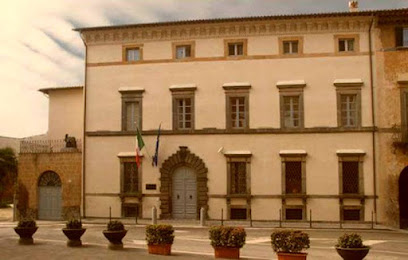
Torre del Moro Orvieto
0.3 km
Explore the Torre del Moro in Orvieto for breathtaking views and a journey through rich history in this stunning Italian town.
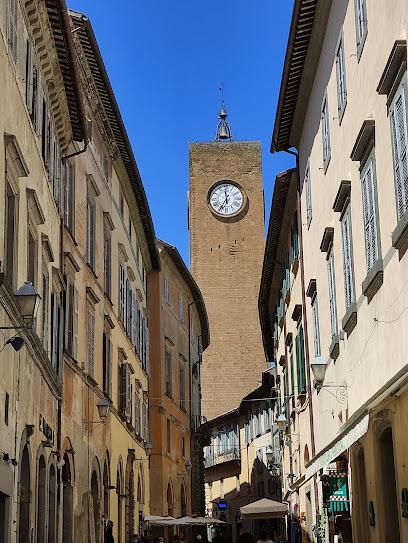
Vicolo degli Abbracci
0.3 km
Discover the enchanting Vicolo degli Abbracci in Orvieto, a charming tourist attraction perfect for couples and travelers seeking beauty and tranquility.
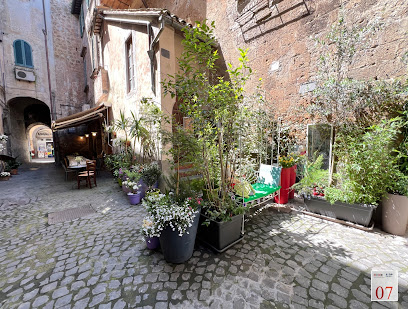
Piazza del Popolo
0.3 km
Discover Piazza del Popolo in Orvieto: a historic square with the Palazzo del Popolo, vibrant markets, and a hub for cultural events.
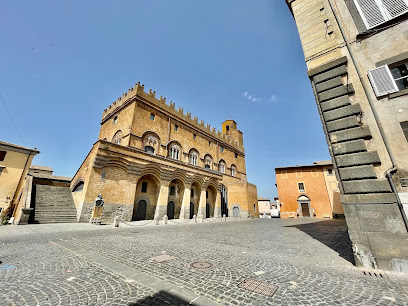
Church of Saint Dominic
0.4 km
Explore the Church of Saint Dominic in Orvieto: a historic Dominican church with notable art, architecture, and the legacy of St. Thomas Aquinas.
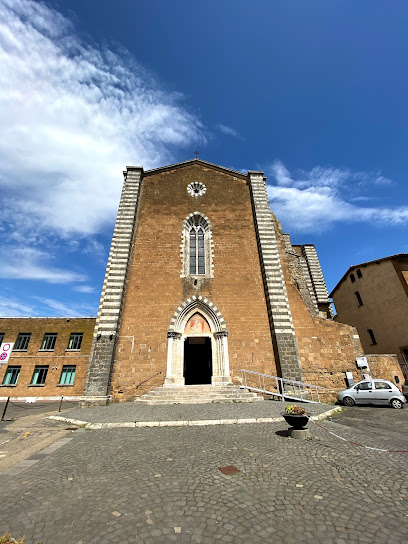
Piazza della Repubblica
0.4 km
Discover Orvieto's Piazza della Repubblica: a historic square with stunning architecture, local markets, and a vibrant atmosphere.
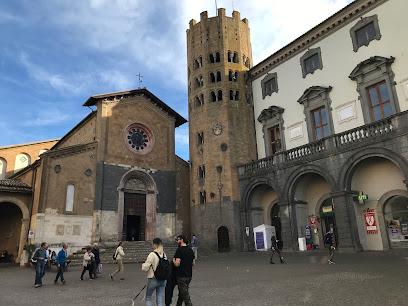
Porta Romana
0.5 km
Discover Porta Romana in Orvieto: A historic gateway blending modern architecture with ancient symbols and stunning views.
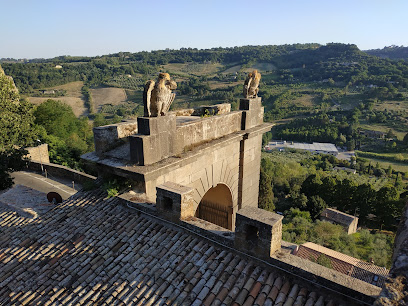
Pozzo della Cava
0.7 km
Explore the ancient underground caves of Pozzo della Cava in Orvieto, where history meets stunning archaeological wonders.
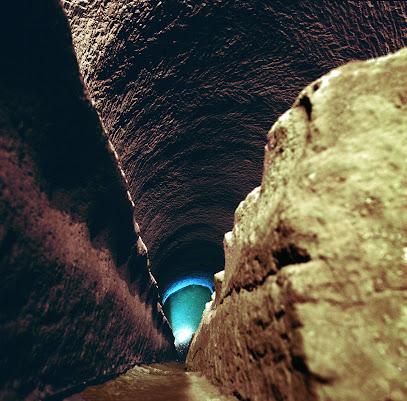
Palazzo Carvajal
0.7 km
Explore Palazzo Carvajal in Orvieto: A Renaissance palace with stunning views and a rich historical legacy.
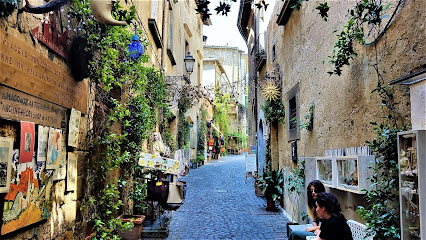
Rocca Albornoziana, Orvieto
0.7 km
Explore the breathtaking Rocca Albornoziana in Orvieto, a historical fortress with stunning views and rich cultural heritage.
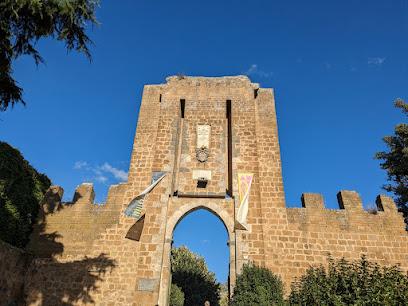
Essential places to dine

Ristorante Pellegrini
0.1 km
Experience authentic Italian cuisine at Ristorante Pellegrini in Orvieto – where tradition meets modern culinary artistry.
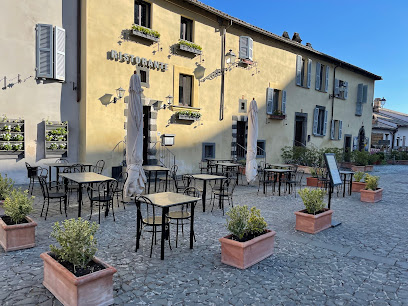
Enoteca al Duomo
0.1 km
Discover Enoteca al Duomo in Orvieto: an exquisite wine bar offering authentic Italian dishes paired with stunning views.
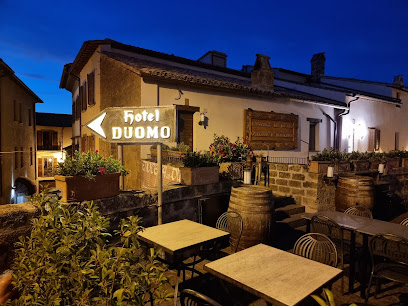
Trattoria Vinosus
0.1 km
Experience authentic Italian flavors at Trattoria Vinosus in Orvieto - where tradition meets culinary excellence.
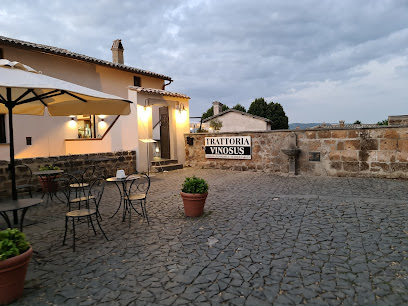
Ristorante Maurizio
0.1 km
Discover authentic Italian flavors at Ristorante Maurizio in Orvieto – where every meal is a celebration of tradition.
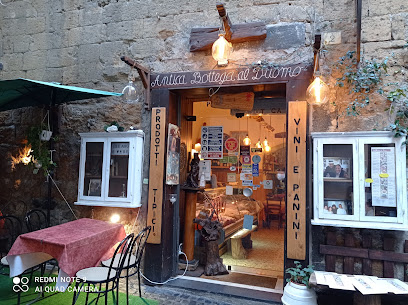
Antica Bottega al Duomo
0.1 km
Experience authentic Italian cuisine at Antica Bottega al Duomo - a family-friendly haven in the heart of Orvieto.
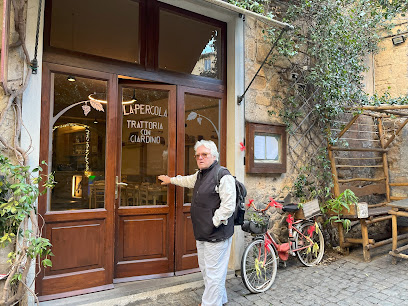
La Pergola Orvieto
0.1 km
Discover authentic Italian flavors at La Pergola Orvieto - where tradition meets taste in a charming setting.
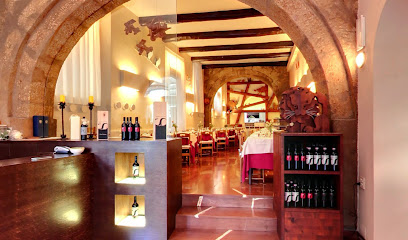
Coro Ristorante
0.2 km
Experience culinary excellence at Coro Ristorante in Orvieto - where traditional Italian cuisine meets modern elegance.
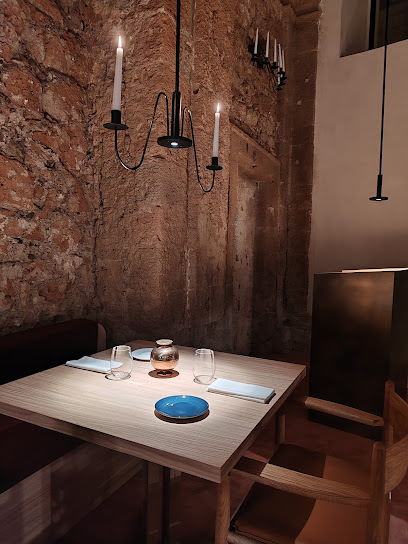
Tipica Trattoria Etrusca
0.2 km
Experience authentic Italian flavors at Tipica Trattoria Etrusca in Orvieto, where tradition meets culinary excellence.
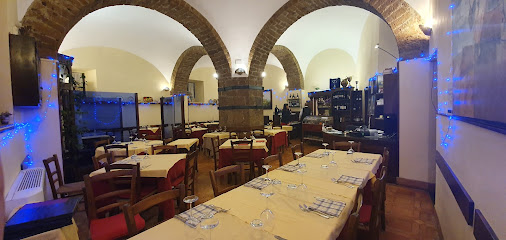
The best restaurant for Mr. Ali Egyptian
0.2 km
Experience the essence of Egypt through authentic cuisine at Mr. Ali's in Orvieto—where every dish is a celebration of flavor.
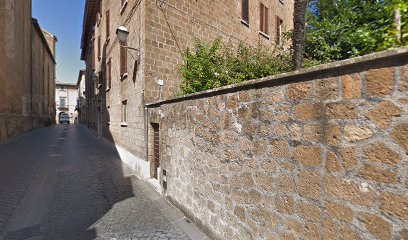
Il Miglio
0.2 km
Discover Il Miglio in Orvieto: A top destination for authentic Italian cuisine and fresh seafood in a charming setting.
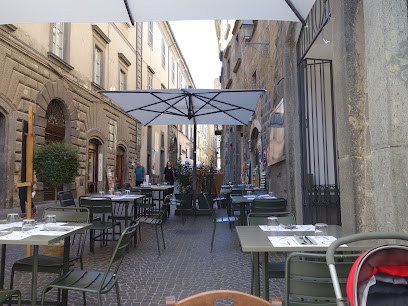
Il Dialogo Orvieto
0.2 km
Discover authentic Italian flavors at Il Dialogo Orvieto - where tradition meets taste in every delicious bite.
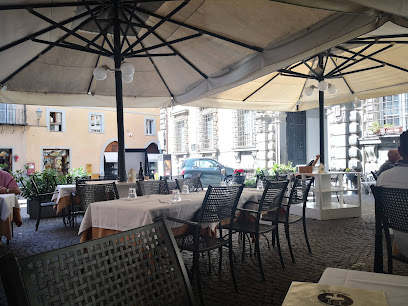
Trattoria la Grotta
0.2 km
Experience authentic Italian cuisine at Trattoria la Grotta in Orvieto – where every meal is a celebration of Italy's culinary heritage.
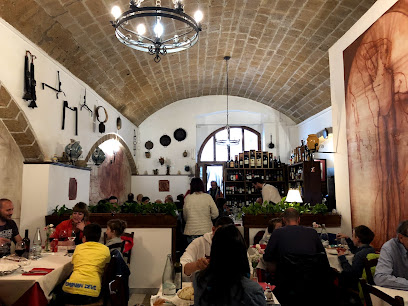
I Sette Consoli
0.2 km
Discover I Sette Consoli: A culinary treasure in Orvieto offering exquisite Italian dishes and an unforgettable dining experience.
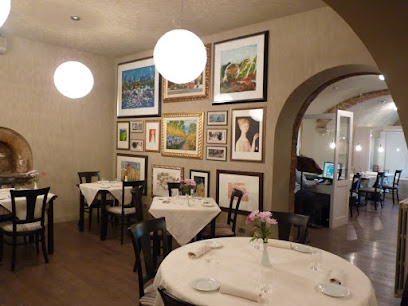
L'Oste del Re
0.2 km
Discover authentic Italian flavors at L'Oste del Re in Orvieto, where tradition meets exceptional culinary artistry.
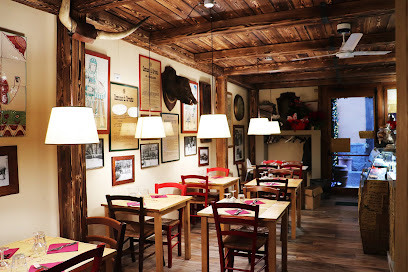
Gastronomia Aronne
0.2 km
Discover authentic Italian cuisine at Gastronomia Aronne in Orvieto - where tradition meets taste in every dish.
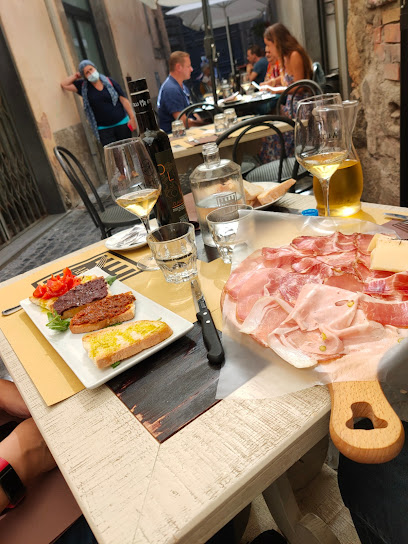
Markets, malls and hidden boutiques

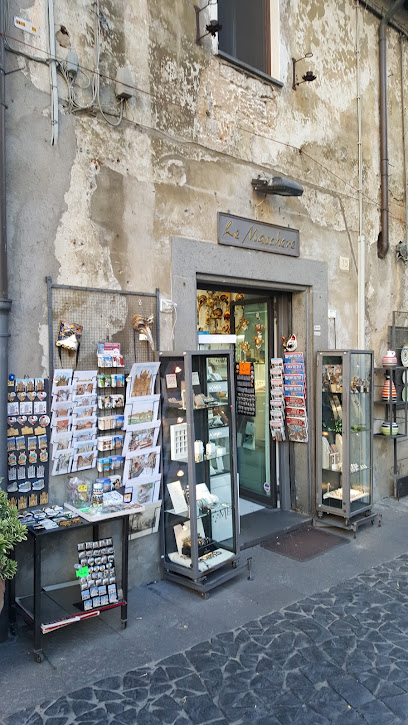
La Maschere Gioielli
0.1 km
Discover exquisite jewelry at La Maschere Gioielli in Orvieto, where Italian craftsmanship meets timeless elegance.
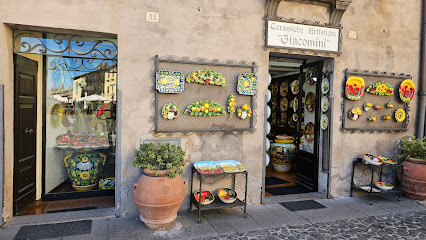
Ceramiche Giacomini
0.1 km
Discover exquisite handcrafted ceramics at Ceramiche Giacomini, Orvieto's premier pottery store where art meets tradition.
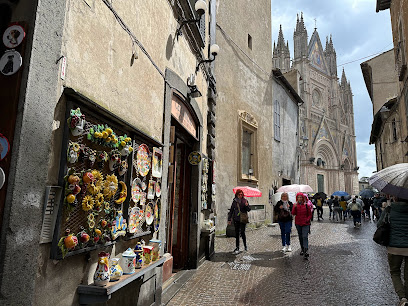
Marino Moretti Studio d’Arte
0.1 km
Explore the vibrant Marino Moretti Studio d’Arte in Orvieto, a unique blend of art and shopping that celebrates Italian creativity and craftsmanship.
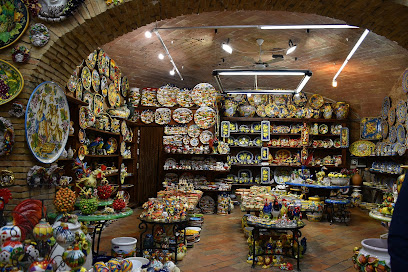
Jolanda artigianato
0.1 km
Discover unique handcrafted souvenirs at Jolanda Artigianato, a charming store in Orvieto, celebrating Italian craftsmanship and local artistry.
Newarc Arcangeletti (Palazzo Netti)
0.1 km
Experience the charm of Italian fashion at Newarc Arcangeletti, a premier dress store in Orvieto offering exquisite clothing and personalized service.
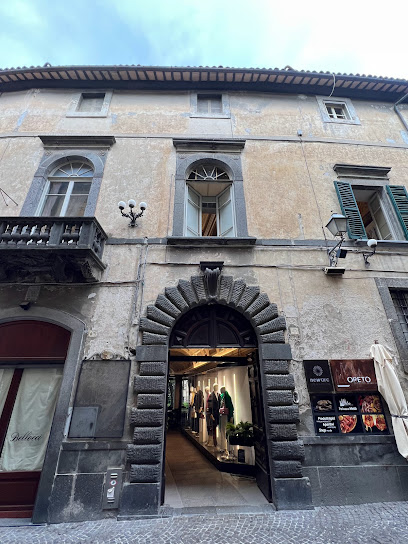
L'Orvietan
0.1 km
Discover authentic Italian flavors at L'Orvietan, the go-to grocery store in Orvieto for local delicacies and artisanal products.
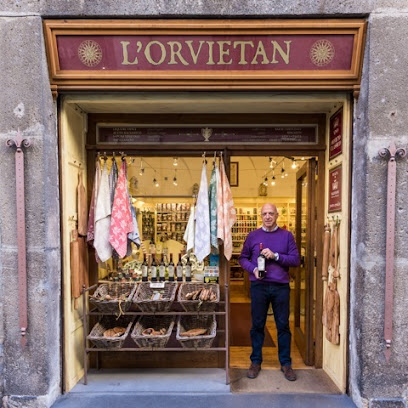
Cicciostore dal 1987
0.1 km
Discover exquisite handbags at Cicciostore dal 1987 in Orvieto, Italy - a perfect blend of timeless elegance and modern design.
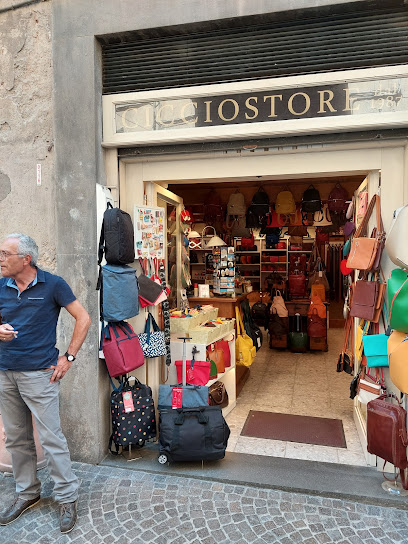
Bellocci E Fiazza Snc Di Bellocci Luigi E C.
0.1 km
Discover the artistry of handcrafted pottery at Bellocci E Fiazza, where tradition meets creativity in the heart of Orvieto.
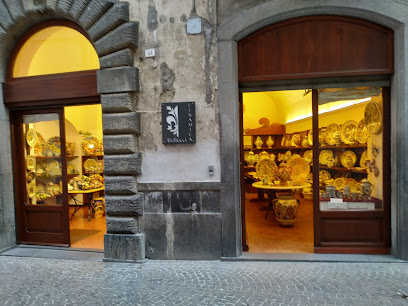
Le Maschere Gioielli
0.1 km
Explore Le Maschere Gioielli in Orvieto for exquisite handmade jewelry and unique novelties that capture the essence of Italian craftsmanship.
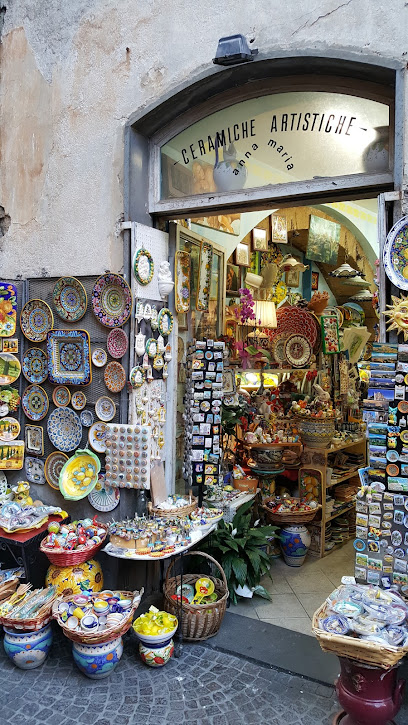
Stella Vintage Store
0.1 km
Explore Stella Vintage Store in Orvieto, a haven for vintage fashion lovers seeking unique clothing and accessories that embody timeless elegance.
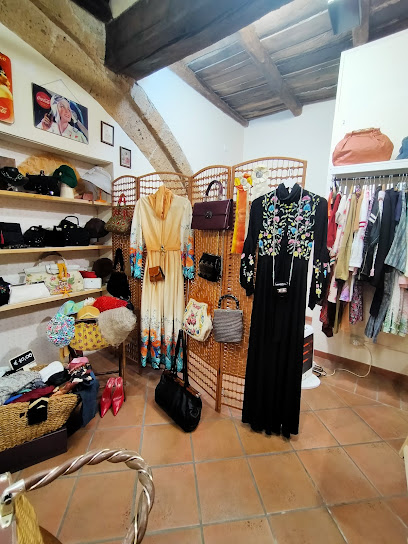
La Torretta Ceramiche Artistiche
0.1 km
Discover exquisite handcrafted ceramics at La Torretta Ceramiche Artistiche, a charming pottery store in the heart of Orvieto, Italy.
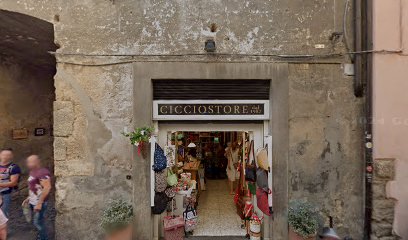
Il Mago di Oz
0.1 km
Discover handmade treasures at Il Mago di Oz, a craft store in Orvieto, where creativity and local artistry come alive.
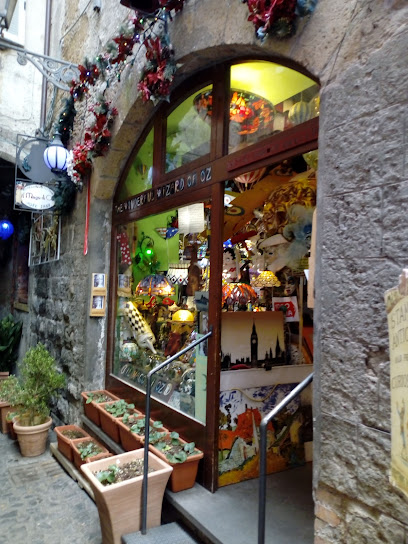
Arte del cuoio
0.2 km
Explore Arte del Cuoio in Orvieto for exquisite Italian leather craftsmanship, offering unique goods that embody tradition and quality.
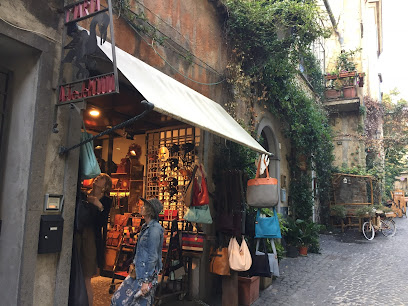
Patris Orvieto
0.2 km
Explore Patris Orvieto for exquisite handcrafted olive wood items and immerse yourself in the vibrant culture of this historic Italian town.
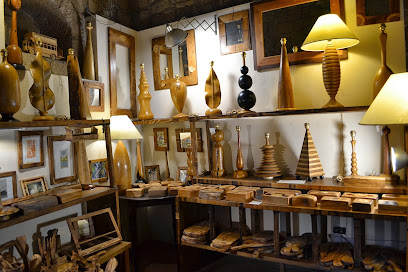
Il Negozietto
0.2 km
Experience the taste of Orvieto at Il Negozietto, where gourmet grocery meets authentic Italian sandwiches and cold cuts.
Essential bars & hidden hideouts

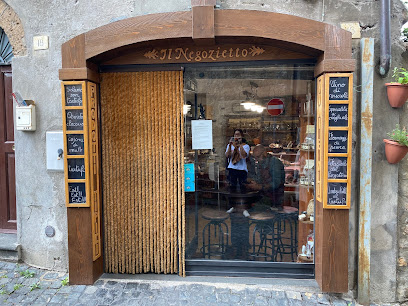
Bar Caffetteria Hescanas
0.1 km
Discover the charm of Bar Caffetteria Hescanas in Orvieto, offering delightful Italian coffee and treats in a picturesque piazza setting.
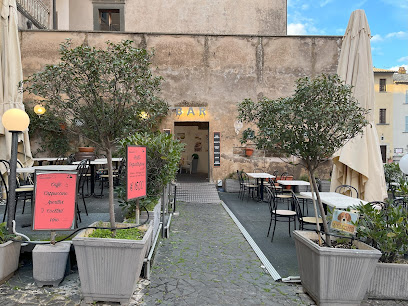
Cantina Foresi
0.1 km
Experience the heart of Orvieto at Cantina Foresi, where exquisite wines and local delicacies meet in a charming setting.
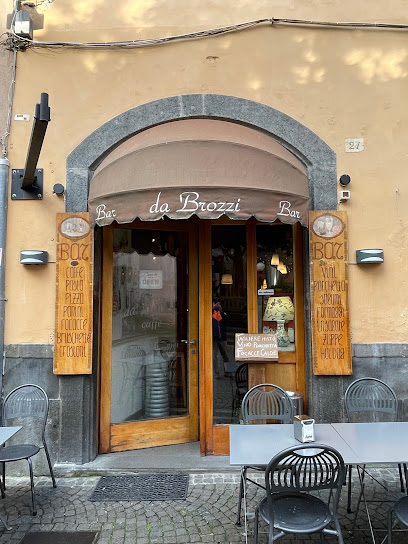
Bar Da Brozzi
0.2 km
Experience authentic Italian café culture at Bar Da Brozzi in Orvieto, a perfect retreat for delightful pastries and local drinks.
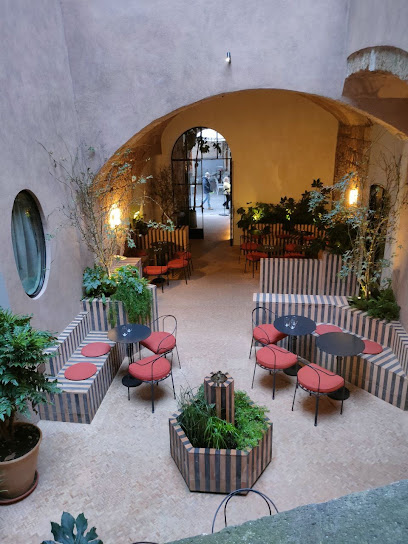
Gocce
0.2 km
Gocce in Orvieto: An exquisite cocktail bar and bistro offering innovative drinks and delightful bites in a cozy, welcoming atmosphere.
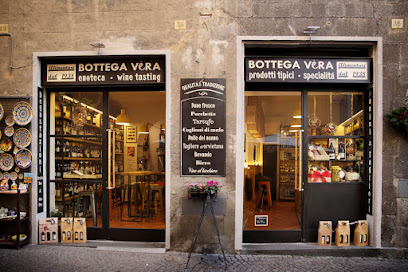
Bottega Vèra Orvieto
0.2 km
Experience the essence of Italian culture at Bottega Vèra Orvieto, where exquisite wines, artisanal cheeses, and cured meats await.
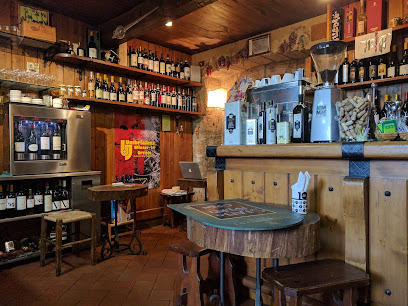
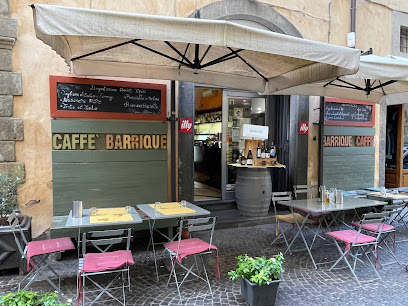
Caffè Barrique
0.2 km
Discover the flavors of Italy at Caffè Barrique, a charming bistro and bar in Orvieto, offering delightful pizzas and local wines.
OSTERIA-PIZZERIA WINE BAR CORNELIO
0.2 km
Experience authentic Italian cuisine with exquisite pizzas and a fine selection of wines at Osteria-Pizzeria Wine Bar Cornelio in Orvieto.
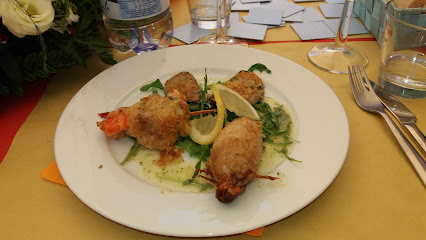
Maramao Pane E Birra
0.3 km
Discover the charm of Orvieto at Maramao Pane E Birra, where local flavors and a welcoming atmosphere await.
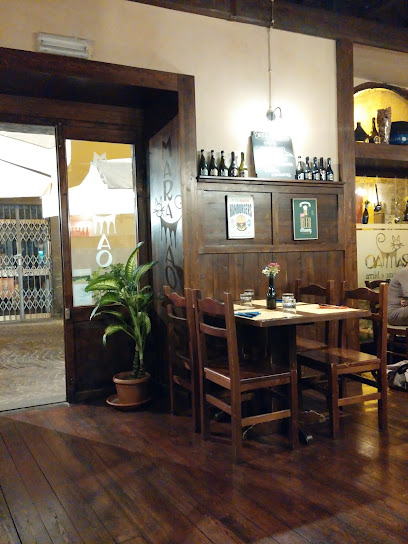
Bacaro Orvieto
0.4 km
Discover Bacaro Orvieto: A charming wine bar in the heart of Italy, offering exquisite local wines and traditional Italian small plates.
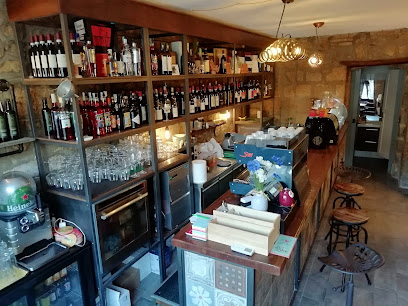
Bar Caffetteria San Domenico
0.4 km
Experience the essence of Italian coffee culture at Bar Caffetteria San Domenico in Orvieto, where every sip tells a story.
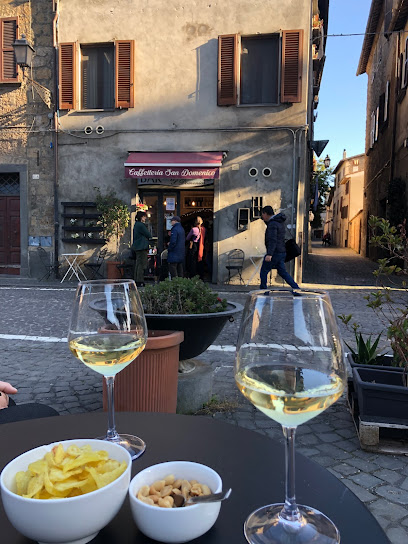
Blue Bar
0.5 km
Experience the authentic charm of Orvieto at Blue Bar, where local flavors and a vibrant atmosphere come together for an unforgettable visit.
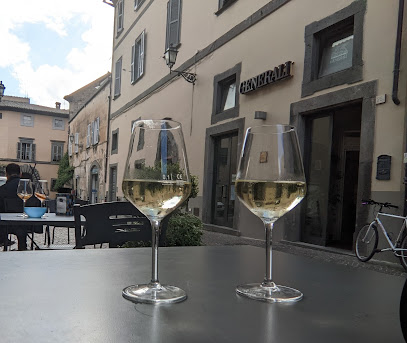
Big Bar Di Burattino Ubaldini Siro
0.5 km
Experience the best of Orvieto at Big Bar Di Burattino Ubaldini Siro, where local wines and Italian hospitality come together in a charming setting.
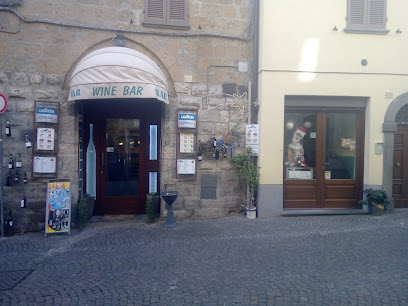
Vincaffé di Galanelli Stefano & C.
0.6 km
Unwind at Vincaffé di Galanelli Stefano & C., a charming wine bar in Orvieto offering exquisite local wines and a warm atmosphere.
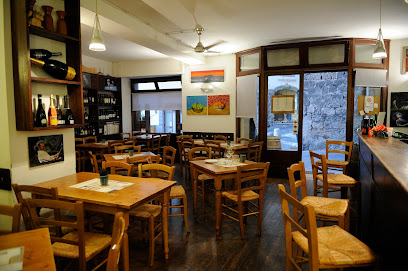
Chioccia Sandro Tre Due Sei Bar
0.6 km
Discover the charm of Orvieto at Chioccia Sandro Tre Due Sei Bar, your go-to spot for delightful drinks and local culture.
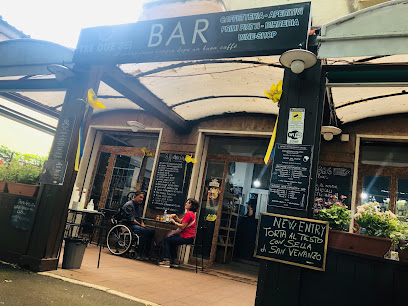
Bar Igloo Happy Food
0.7 km
Discover the charm of Orvieto Scalo at Bar Igloo Happy Food, where cozy ambiance meets delightful culinary offerings in the heart of Umbria.
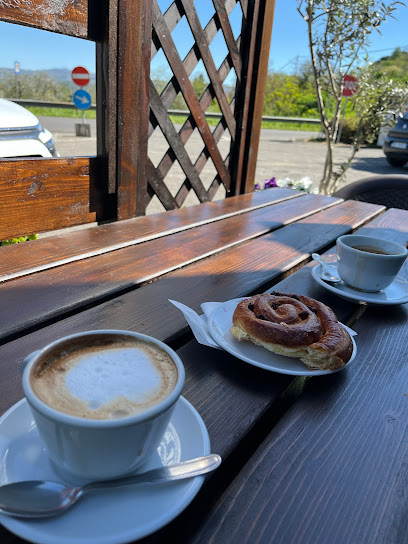
Nightclubs & after hour spots

Orvieto Tango Festival
0.2 km
Join the Orvieto Tango Festival for an unforgettable journey into the heart of Argentine tango, surrounded by breathtaking medieval beauty.
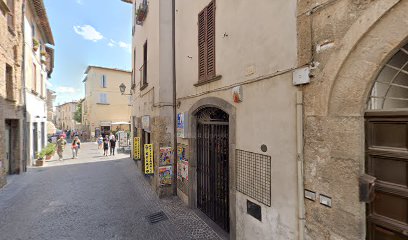
Lions Club - Orvieto
0.2 km
Explore the vibrant cultural scene of Orvieto at the Lions Club, where community spirit and local traditions come alive.
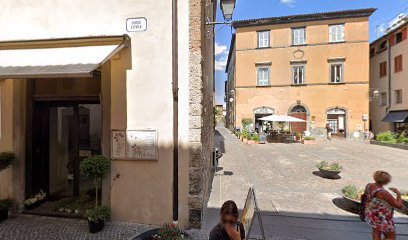
Caffè Montanucci
0.4 km
Experience the rich flavors of Italy at Caffè Montanucci, a charming bar and café in the heart of Orvieto, known for its pastries and artisan chocolates.
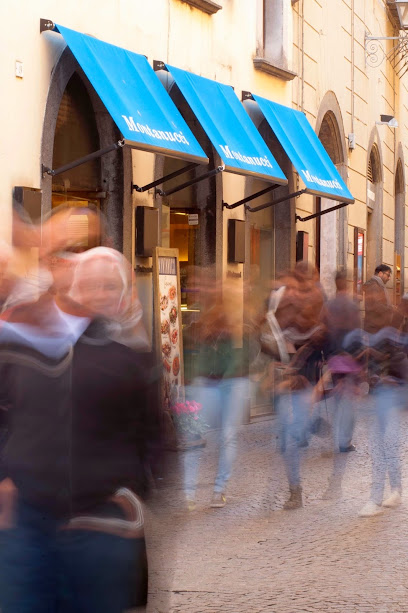
Festa della birra
1.7 km
Discover the lively Festa della Birra in Sferracavallo, a night club offering delicious brews and vibrant entertainment for an unforgettable experience.
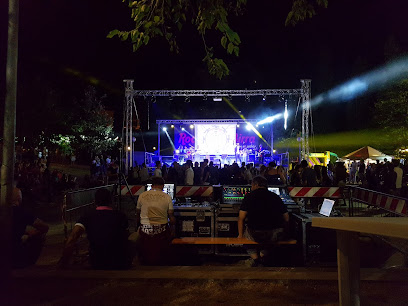
Le Grotte di Giano
27.6 km
Experience vibrant nightlife and captivating art at Le Grotte di Giano, a unique venue blending live music, art exhibitions, and fine wines.
Club 71
39.9 km
Discover the vibrant nightlife of Abbadia San Salvatore at Club 71, a premier destination for unforgettable music and dancing.
La Bussola Inn
39.9 km
Experience the electrifying nightlife at La Bussola Inn, a premier night club in Chiusi, Italy, where music and fun await.
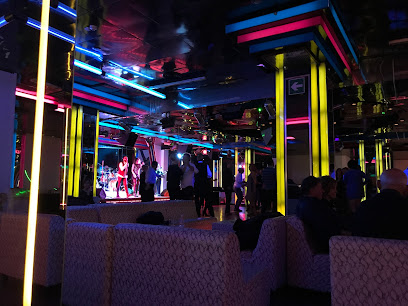
Bussolotto Club
40.0 km
Experience the vibrant nightlife at Bussolotto Club in Chiusi, where energetic beats and a lively atmosphere await every night.
Sonora Club - Different Pleasure
43.6 km
Discover the vibrant nightlife of Perugia at Sonora Club, where music, dance, and unforgettable memories await you.
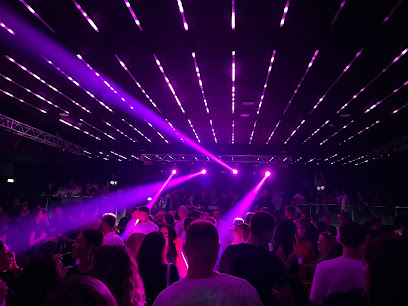
The Garden
44.2 km
Experience the electrifying nightlife at The Garden in Perugia, where music and energy come alive until dawn.
Vanessa Paradise Night Club
44.2 km
Unleash your night at Vanessa Paradise Night Club, Otricoli's vibrant venue for music, dance, and unforgettable experiences.
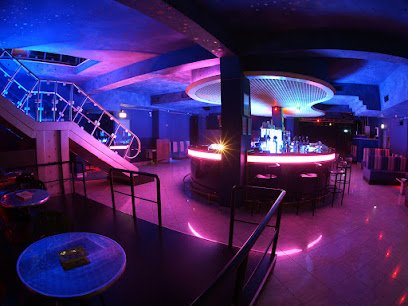
PRESTIGE AFRO CLUB
44.3 km
Discover the vibrant nightlife of Perugia at Prestige Afro Club, where music, dance, and culture converge for unforgettable experiences.

Fabrik Club
44.9 km
Experience the vibrant nightlife at Fabrik Club in Castiglione del Lago, where music, dance, and fun come alive in a stylish setting.
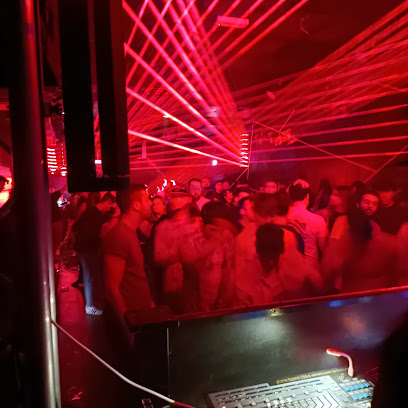
cafertyui
46.1 km
Experience the electrifying atmosphere of Cafertyui, Perugia's premier nightclub, where music and dance come alive in a vibrant setting.
Afterlife Live Club
46.1 km
Discover electrifying nightlife at Afterlife Live Club in Ponte San Giovanni, where the music never stops and the dance floor awaits.