

Free Sicily Travel Guide & Mobile App
Explore Sicily with free travel guides. Discover regional history, expert tips, proposed trips, and audio guides on web or mobile app.


Sicily combines Greek ruins, Baroque towns, volcanic landscapes, island coasts and distinctive food across Italy’s largest region.
Read more about Sicily
When is the best time to visit Sicily?
Best: June–July, September · 27–30°C| Month | High (°C) | Rainfall (mm) |
|---|---|---|
| January | 14 | 70 |
| February | 15 | 60 |
| March | 16 | 55 |
| April | 18 | 50 |
| May | 21 | 30 |
| June (best) | 27 | 20 |
| July (best) | 30 | 10 |
| August | 30 | 20 |
| September (best) | 27 | 30 |
| October | 22 | 50 |
| November | 18 | 60 |
| December | 15 | 70 |
Getting to and around Sicily
How to get there
Transportation
Top city travel guides in Sicily
The cities of Sicily, and the easiest places to base yourself.
-

-

-


Swipe for more cities
Best attractions in Sicily
Sicily’s attractions range from internationally important archaeology to volcanic landscapes and island environments. Greek temples and theatres at Agrigento, Segesta, Selinunte, Syracuse and Taormina reveal the scale of ancient settlement, while the Villa Romana del Casale near Piazza Armerina preserves exceptional Roman mosaics. Palermo, Monreale and Cefalù offer churches and palaces associated with Sicily’s Arab-Norman heritage, and the southeastern towns of Noto, Ragusa, Modica and Scicli provide concentrated Baroque architecture. Mount Etna supports walking, scenic drives and vineyard visits, subject to local conditions, while the Madonie and Nebrodi ranges offer forested hills and mountain villages. Coastal reserves, salt pans near Trapani, the Zingaro area and the islands add opportunities for swimming, boating, birdwatching and walking. Museums in Palermo, Syracuse, Agrigento and other cities place these landscapes in their archaeological and artistic context, while food markets, ceramics workshops and rural producers offer a more contemporary way to understand the island.
-
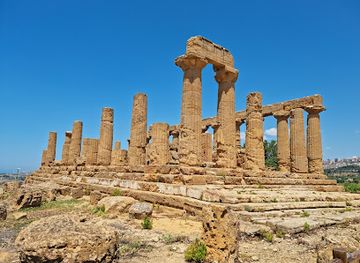
Archaeological site
Valley of the Temples
Discover the stunning Valley of the Temples in Sicily, a UNESCO World Heritage Site filled with ancient Greek ruins and breathtaking Mediterranean views.
-
Cathedral
Palermo Cathedral
Explore the stunning Palermo Cathedral, where history and faith intertwine in a breathtaking architectural masterpiece.
-
Amphitheater
Teatro Antico di Taormina
Explore the stunning Teatro Antico di Taormina, an ancient Greek theater with breathtaking views and rich cultural heritage in Sicily.
-
Park
Villa Bellini/Chiosco Bellini
Experience the tranquil charm of Villa Bellini, Catania's historic park with breathtaking views and lush gardens, perfect for relaxation and exploration.


Best landmarks in Sicily
Sicily’s most recognisable landmarks often combine architecture with evidence of the island’s successive civilisations. The Doric temples at Agrigento, Segesta and Selinunte are monumental reminders of Greek Sicily, while the ancient theatre at Syracuse and the theatre at Taormina show how performance spaces were adapted to dramatic landscapes. Palermo Cathedral, the Palatine Chapel and nearby Monreale Cathedral are central examples of the Arab-Norman artistic language, with mosaics and architectural details drawn from several traditions. In southeastern Sicily, Noto Cathedral and the historic centres of Ragusa Ibla, Modica and Scicli express the theatrical stonework of the Sicilian Baroque. Mount Etna is the region’s defining natural landmark, its summit and lava fields continually reshaped by volcanic activity. The medieval hill town of Erice, the salt pans and windmills around Trapani, and the fortified coastal settlements of the Aeolian islands add further visual markers of Sicily’s geography and history.
-
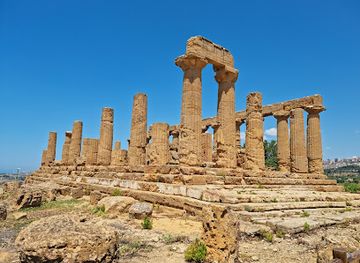
Archaeological site
Valley of the Temples
Explore the Valley of the Temples: a UNESCO World Heritage site in Agrigento, Italy, featuring stunning ancient Greek ruins and breathtaking landscapes.
-
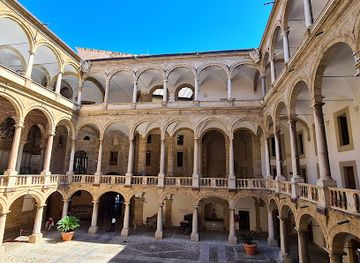
Historical place
Norman Palace
Explore the Norman Palace in Palermo, an iconic historical site showcasing stunning mosaics and lush gardens, a true treasure of Sicilian heritage.
-
Archaeological site
Neapolis Archaeological Park
Discover the ancient marvels of Neapolis Archaeological Park in Syracuse, where history and beauty intertwine amidst breathtaking ruins and landscapes.
-
Open air museum
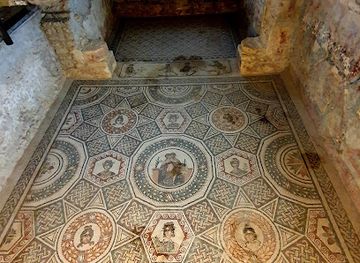
Villa Romana del Casale
Explore the breathtaking mosaics and rich history of Villa Romana del Casale, a UNESCO World Heritage Site in Sicily, Italy.
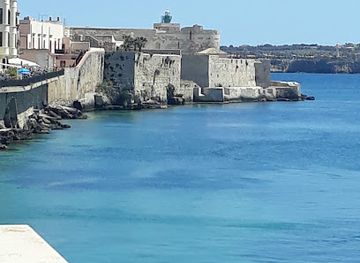
Explore Sicily on the map
Plan your trip on one map. See where the top cities, national parks and sights are, and book hotels and experiences in a few clicks.
Best hotels in Sicily
Best restaurants in Sicily
Sicilian cooking reflects fertile soils, fishing communities and centuries of Mediterranean exchange. Palermo is particularly associated with street food such as panelle, crocchè and arancine, while eastern Sicily is known for granita served with brioche and for pastries including cannoli. Pasta dishes vary by locality, with seafood, sardines, aubergines, pistachios and wild fennel appearing in different regional traditions. Coastal towns offer swordfish, tuna, anchovies and shellfish, while inland menus draw on lamb, pork, vegetables, pulses and local cheeses. Bronte pistachios, Modica chocolate, Marsala, Etna wines, citrus fruit and almonds are important regional products. Restaurants range from market stalls and informal cafés to family-run trattorie, rural agriturismi, seaside cooking and more formal establishments in Palermo, Catania, Syracuse and Taormina. Farmers’ markets and bakeries are often the best places to observe everyday food culture rather than relying solely on destination restaurants.
-
Restaurant
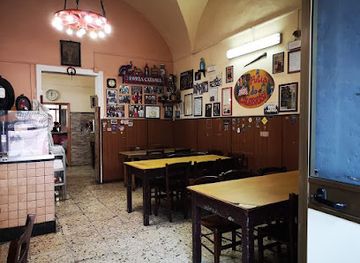
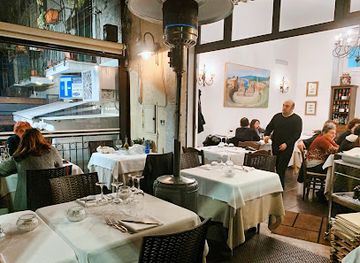
Ristorante Pizzeria Porta Messina
Authentic Sicilian pizzas and homemade pasta within ancient Greek walls in Taormina's historic heart.
-
Sicilian restaurant
A Putia Do Calabrisi
Experience authentic Sicilian cuisine at A Putia Do Calabrisi in Catania - a must-visit for food enthusiasts.
-
Seafood
Ristorante da Vittorio
Experience exquisite seafood dining at Ristorante da Vittorio in Menfi—where tradition meets culinary excellence by the Mediterranean Sea.
-
Restaurant
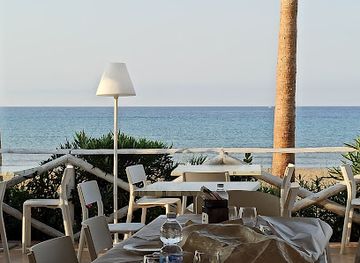
Malvasia
Experience authentic Sicilian cuisine at Malvasia in Taormina – where local flavors meet stunning views.

Best bars in Sicily
Sicilian evening life is varied but generally more centred on food, conversation and outdoor socialising than on a single large club scene. Palermo and Catania have the broadest choice of wine bars, cocktail venues, live music, late cafés and student-oriented nightlife, with activity concentrated around historic streets and central squares rather than one uniform district. Syracuse, Taormina, Cefalù and other coastal towns become livelier in summer, when restaurants, gelaterias and seafront bars stay open later. In smaller towns and inland villages, the evening usually revolves around traditional bars, cafés, local restaurants and occasional cultural performances. Breweries, wine bars and venues serving Etna or Sicilian wines provide alternatives to spirits, while island communities often follow a slower rhythm shaped by ferry timetables and seasonal tourism. Opening patterns and entertainment programmes change frequently, so local listings are useful.
-
Bar
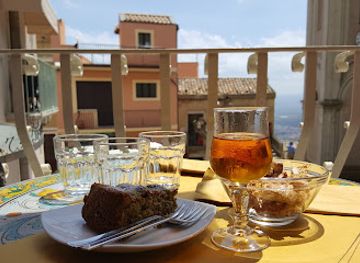
Bar Turrisi
Discover the charm of Bar Turrisi in Castelmola, where breathtaking views and authentic Sicilian flavors create an unforgettable experience.
-
Pub
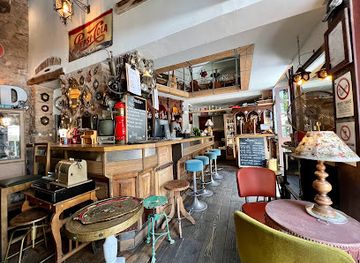
BarnAut
Discover BarnAut, Catania's eclectic pub and espresso bar with a vibrant atmosphere and affordable delights for every traveler.
-
Restaurant
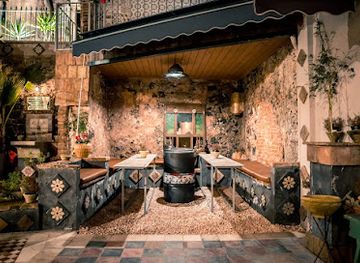
First
Experience the best of Catania's nightlife with live music, delicious Sicilian cuisine, and a vibrant atmosphere at First Lounge Bar.
-
Bar
Nautoscopio - NAUTO
Experience the vibrant flavors and stunning views at Nautoscopio, a quintessential bar and restaurant in Palermo.
Best nightclubs in Sicily
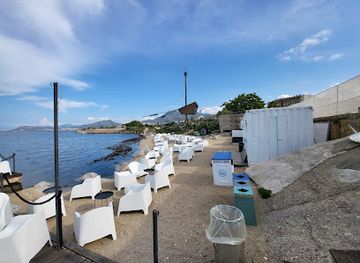
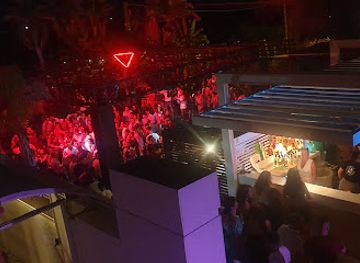
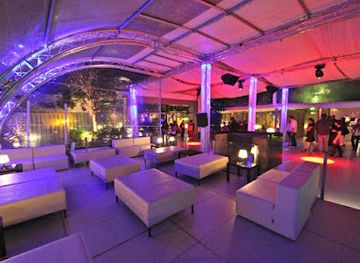
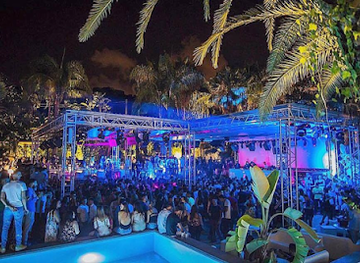
Sicilian evening life is varied but generally more centred on food, conversation and outdoor socialising than on a single large club scene. Palermo and Catania have the broadest choice of wine bars, cocktail venues, live music, late cafés and student-oriented nightlife, with activity concentrated around historic streets and central squares rather than one uniform district. Syracuse, Taormina, Cefalù and other coastal towns become livelier in summer, when restaurants, gelaterias and seafront bars stay open later. In smaller towns and inland villages, the evening usually revolves around traditional bars, cafés, local restaurants and occasional cultural performances. Breweries, wine bars and venues serving Etna or Sicilian wines provide alternatives to spirits, while island communities often follow a slower rhythm shaped by ferry timetables and seasonal tourism. Opening patterns and entertainment programmes change frequently, so local listings are useful.
-
Disco club
Koala maxi
Dance the night away at Koala Maxi, Santa Croce Camerina's premier disco club offering vibrant nightlife and unforgettable experiences.
-
Dance club
Country DiscoClub
Discover the vibrant nightlife of Palermo at Country DiscoClub, a lively dance club offering the best music and a unique cultural experience.
-
Night club
Banacher Discoteca
Discover the vibrant nightlife at Banacher Discoteca, a premier night club in Aci Castello offering music, dancing, and unforgettable memories.
-
Night club
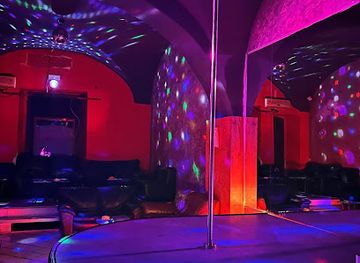
Dea Della Notte Night Club Lap Dance
Immerse yourself in the vibrant nightlife of Catania at Dea Della Notte Night Club, where electrifying performances and an unforgettable atmosphere await.
Best shops in Sicily
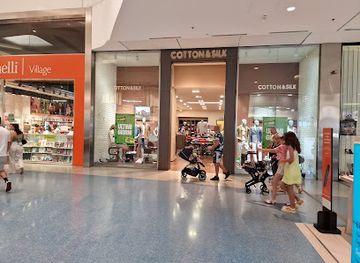
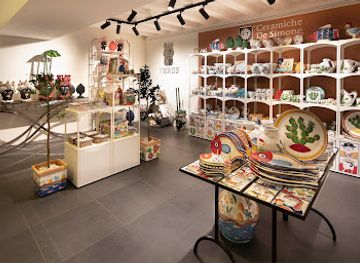
Shopping in Sicily is strongest in historic centres and market districts rather than in large concentrations of international luxury retail. Palermo’s markets are useful for spices, produce, street-food ingredients and everyday goods, while Catania, Syracuse and Trapani combine independent shops with traditional food retailers and modern high-street stores. Regional products make distinctive purchases: pistachios from the slopes around Bronte, almonds, citrus preserves, olive oil, wine, Modica chocolate and locally made sweets are widely available. Ceramics are especially associated with towns such as Caltagirone and Santo Stefano di Camastra, although designs and quality vary between workshops. Shops and studios in southeastern Baroque towns sell handmade objects, textiles, jewellery and decorative pieces, while island communities offer local food products, woven goods and maritime souvenirs. Check customs and airline restrictions before buying liquids, fresh produce or agricultural products for international travel.
-
Shopping mall
Centro Commerciale Centro Sicilia
Experience the ultimate shopping adventure at Centro Commerciale Centro Sicilia, where fashion meets dining and entertainment in Catania.
-
Outlet store
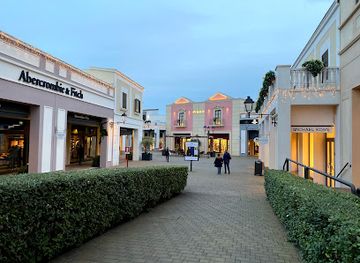
Sicilia Outlet Village
Discover unbeatable fashion deals and delightful dining at Sicilia Outlet Village, the ultimate shopping destination in Sicily.
-
Shopping mall
Etnapolis
Discover Etnapolis, Catania's vibrant shopping mall offering a delightful mix of stores, dining, and entertainment for every traveler.
-
Department store
Rinascente Palermo
Discover the elegance of shopping at Rinascente Palermo, a destination blending luxury brands and local Sicilian treasures in the heart of the city.
Get your free copy of our complete guide to Sicily, delivered straight to you.
Everything on this page, from attractions and restaurants to essentials and local phrases, in one PDF you can read offline, print or share.
Already have an account? Sign in
Your Sicily guide is ready.
We'll send it to · Not you? Sign out

Getting your guide ready…
We are putting together a fresh copy of the Sicily guide. This can take up to a minute.
This can take a few moments. If your browser asks, choose Allow so the download can start. You'll find the guide in your Downloads folder.
Nothing happened? Download it again
Sorry, the guide is taking longer than usual. Please try again in a minute, or get it by email instead.
Sicily essentials
Currency and Payment
Safety
Emergency Situations
Do's and Don'ts
Local Tips
From Eve
Local phrases worth knowing
You don't need to get them perfect. A few words go a long way, and locals appreciate the effort.
Basics
| English | Local | Say it |
|---|---|---|
| Hello | Ciao | [chow] |
| Goodbye | Addio | [ah-dee-oh] |
| Yes | Sì | [see] |
| No | No | [noh] |
| Please/You're welcome | Per favore/Prego | [per fah-voh-reh/preh-go] |
| Thank you | Grazie | [grah-tsee-eh] |
| Excuse me/Sorry | Scusa | [scoo-zah] |
| How are you? | Come stai? | [koh-meh sty] |
| Fine. And you? | Bene. E tu? | [beh-neh. eh too] |
| Do you speak English? | Parli inglese? | [par-lee een-gleh-zeh] |
| I don't understand | Non capisco | [non kah-pees-koh] |
Eating & Drinking
| English | Local | Say it |
|---|---|---|
| I'd like to see the menu, please | Vorrei vedere il menu, per favore | [vor-ray veh-deh-reh eel meh-nu, per fah-voh-reh] |
| I don't eat meat | Non mangio carne | [non mahn-jo kar-neh] |
| Cheers! | Salute! | [sah-loo-teh] |
| I would like to pay, please | Vorrei pagare, per favore | [vor-ray pah-gah-reh, per fah-voh-reh] |
Emergencies
| English | Local | Say it |
|---|---|---|
| Help! | Aiuto! | [ah-yoo-toh] |
| Go away! | Vai via! | [vai vee-ah] |
| Call the Police! | Chiama la Polizia! | [kee-ah-mah lah poh-lee-tsee-ah] |
| Call a doctor! | Chiama un dottore! | [kee-ah-mah oon doht-toh-reh] |
| I'm lost | Mi sono perso | [mee soh-noh pear-soh] |
| I'm ill | Sono malato | [soh-noh mah-lah-toh] |
Shopping
| English | Local | Say it |
|---|---|---|
| I'd like to buy... | Vorrei comprare... | [vor-ray kom-prah-reh] |
| I'm just looking | Sto solo guardando | [sto soh-loh gwahr-dahn-doh] |
| How much is it? | Quanto costa? | [kwan-toh koh-stah] |
| That's too expensive | È troppo costoso | [eh troh-poh koh-stoh-soh] |
| Can you lower the price? | Puoi abbassare il prezzo? | [pwoy ahb-bah-sah-reh eel prez-zo] |
Time & Numbers
| English | Local | Say it |
|---|---|---|
| What time is it? | Che ore sono? | [keh oh-reh soh-noh] |
| It's one o'clock | È l'una | [eh loo-nah] |
| Half past (10) | Dieci e mezzo | [dee-eh-chee eh meh-tso] |
| Morning | Mattina | [maht-tee-nah] |
| Afternoon | Pomeriggio | [poh-meh-ree-joh] |
| Evening | Sera | [seh-rah] |
| Yesterday | Ieri | [yeh-ree] |
| Today | Oggi | [oh-gee] |
| Tomorrow | Domani | [doh-mah-nee] |
| 1 | Uno | [oo-noh] |
| 2 | Due | [doo-eh] |
| 3 | Tre | [treh] |
| 4 | Quattro | [kwah-troh] |
| 5 | Cinque | [cheen-kweh] |
| 6 | Sei | [say] |
| 7 | Sette | [seht-teh] |
| 8 | Otto | [oht-toh] |
| 9 | Nove | [noh-veh] |
| 10 | Dieci | [dee-eh-chee] |
Transport & Directions
| English | Local | Say it |
|---|---|---|
| Where's a/the...? | Dove si trova...? | [doh-veh see troh-vah] |
| What's the address? | Qual è l'indirizzo? | [kwahl eh leen-dee-reet-soh] |
| Can you show me (on the map)? | Puoi mostrarmi (sulla mappa)? | [pwoy mohs-trar-mee (soo-lah mahp-pah)] |
| When's the next (bus)? | Quando passa il prossimo (autobus)? | [kwan-doh pah-sah eel prohs-see-mo (ow-toh-boos)] |
| A ticket (to ....) | Un biglietto (per ....) | [oon bee-lyet-toh (per ....)] |
History of Sicily
Prehistoric Communities and Early Mediterranean Trade
Sicily was inhabited long before written history, with prehistoric communities leaving settlements, tombs and artefacts across the island. Its position between Europe and North Africa made it a natural point of contact for Mediterranean seafarers. The Aeolian islands were especially important for obsidian, a volcanic glass used for tools and traded widely during the Neolithic period. Later Bronze Age cultures developed links with mainland Italy, the Aegean and the wider Mediterranean, establishing patterns of exchange that continued through subsequent civilisations.
Greek Colonisation and the Sicilian Poleis
From the eighth century BC, Greek settlers founded powerful city-states along Sicily’s eastern and southern coasts, including Naxos, Syracuse, Akragas, Selinunte and Himera. These communities developed agriculture, commerce, temples, theatres and distinctive political institutions. Syracuse became one of the Greek world’s major powers, while Akragas, now Agrigento, was celebrated for its monumental temples. Greek culture did not replace earlier populations completely; instead, Sicilian communities interacted through trade, conflict and cultural exchange, creating the archaeological landscape that remains one of the island’s defining legacies.
Roman Sicily and the Villa Economy
Rome gradually took control of Sicily during the First Punic War, making the island its first overseas province in 241 BC. Sicily became a major supplier of grain and other agricultural products to the Roman world. Roads, towns and estates expanded, while Greek traditions continued in cities such as Syracuse and Taormina. The late Roman villa at Piazza Armerina, with its extensive mosaics, demonstrates the wealth and complexity of elite rural life. Roman rule also connected Sicily more closely to imperial trade networks stretching across the Mediterranean.
Byzantine, Arab and Norman Sicily
After the decline of the Western Roman Empire, parts of Sicily came under Byzantine rule, before Muslim forces conquered most of the island between the ninth and tenth centuries. Arab administration promoted irrigation, citrus cultivation, new crops and commercial connections with North Africa. Norman rulers conquered Sicily in the eleventh century and established a kingdom that brought together Latin, Greek and Arabic traditions. Palermo and Monreale preserve the most visible evidence of this encounter, particularly in churches and palaces decorated with Byzantine mosaics and architectural forms influenced by Islamic craftsmanship.
The Medieval Kingdom and Changing Crowns
Sicily formed part of a powerful medieval kingdom whose political centre shifted between the island and southern Italy. After the death of Frederick II in 1250, conflict between the Angevin and Aragonese powers contributed to the Sicilian Vespers of 1282 and the division of the kingdom. Sicily subsequently came under Aragonese and then Spanish influence, while its towns, ports and landed estates developed within a wider Mediterranean political system. The period left castles, fortified settlements, churches and aristocratic estates across the island.
Spanish Rule, Earthquakes and the Sicilian Baroque
Under Spanish Habsburg rule, Sicily experienced powerful aristocratic institutions, economic inequality and repeated natural disasters. The earthquake of 1693 devastated much of southeastern Sicily, prompting extensive rebuilding in towns including Noto, Ragusa, Modica and Scicli. Architects and patrons created a local Baroque style using warm-coloured stone, theatrical façades and grand stairways. The resulting towns are not simply monuments to a disaster; they represent a major phase of urban reconstruction and remain central to southeastern Sicily’s cultural identity.
Unification, Autonomy and Modern Sicily
In 1860 Giuseppe Garibaldi’s Expedition of the Thousand landed in Sicily and helped bring the island into the Kingdom of Italy. Unification altered administration and taxation but did not remove longstanding social and economic inequalities. Large-scale emigration followed in the late nineteenth and early twentieth centuries, linking Sicilian communities to North America, northern Europe and elsewhere. After the Second World War, Sicily became an autonomous region within Italy, while agriculture, industry, tourism and migration reshaped its economy. Contemporary Sicily continues to balance historic identity, environmental pressures and modern urban life.
Sicily in Photos
Browse through our photo collection highlighting the charm and character of the destination.
Neighbouring regions of Sicily
The closest regions to Sicily, if you have time for more than one.
-

-

-
-

-


Swipe for more regions
Explore more

Explore more of Italy
Discover Italy: A land of ancient history, artistic marvels, and culinary delights; where every corner reveals a new story and every meal is a celebration.
Explore Italy