
Taormina, Italy Travel Guide
Discover Taormina, the jewel of Sicily, where ancient history, stunning vistas, and vibrant local culture create an unforgettable Mediterranean escape.
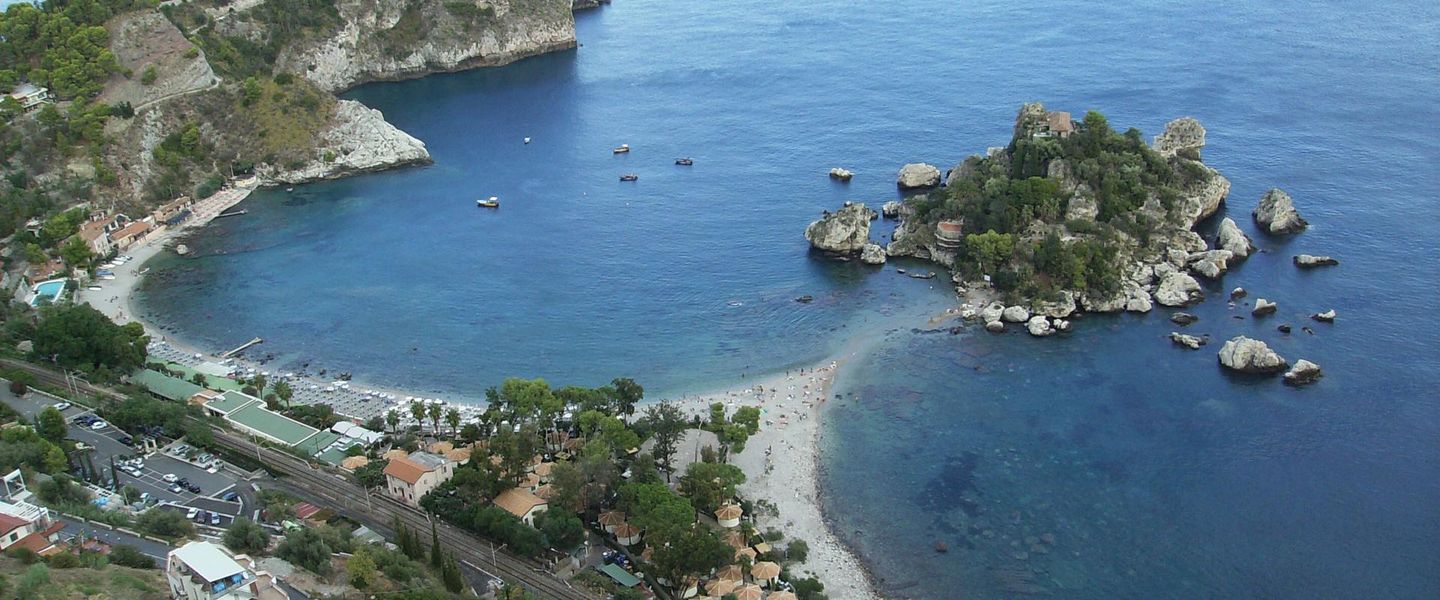
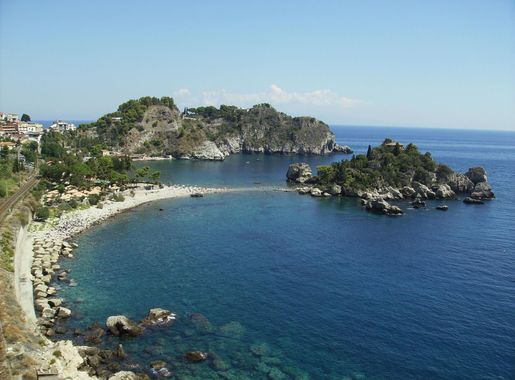
Taormina, a charming town perched on the cliffs of Sicily, offers a breathtaking view of the Ionian Sea. With its picturesque streets, historic sites, and stunning landscapes, it’s a perfect blend of culture, history, and natural beauty. The town's rich heritage stretches back to ancient Greek and Roman times, and this is evident in the well-preserved ruins that dot the area. One of the highlights is the ancient Greek Theatre, which not only showcases impressive architecture but also hosts performances against a backdrop of Mount Etna and the sea. Stroll along the Corso Umberto, Taormina's main street, where you will find a mix of quaint shops, cafes, and restaurants. The street is a hub of activity and offers a taste of local Sicilian life. Don't miss the Piazza IX Aprile, a bustling square with panoramic views, perfect for a leisurely coffee or a spot of people-watching. For those seeking tranquility, the public gardens of Taormina, known as the Villa Comunale, offer a peaceful escape with lush greenery and captivating views. If you’re an avid beachgoer, take the cable car down to Isola Bella, a small island and nature reserve with crystal clear waters. Whether you are exploring ancient ruins, enjoying local cuisine, or simply soaking up the Mediterranean sun, Taormina promises an unforgettable experience.

Know before you go
Hi, I'm Eve. Here are a few practical things to know before exploring Taormina.
- Visit the Greek Theatre early in the morning to avoid crowds and enjoy cooler temperatures.
- Wear comfortable shoes as the town is hilly and involves a lot of walking.
- Try local Sicilian dishes such as arancini and cannoli at family-run trattorias.
- Take the cable car down to Isola Bella for a unique beach experience.
- Check the schedule for performances at the Greek Theatre during your stay.
Explore Taormina: Things to Do, Places to Eat, Hotels & More
Handpicked recommendations for top attractions, local dining, accommodations, and more

Best attractions in Taormina
Top-rated picks
Best Attractions

Teatro Antico di Taormina
Discover the breathtaking Teatro Antico di Taormina, a remarkable ancient amphitheater offering stunning views and rich history in the heart of Sicily.

Villa Bellini/Chiosco Bellini
Discover the natural beauty and cultural charm of Villa Bellini, Catania's premier park featuring stunning landscapes and historical monuments.

Museo Archeologico Nazionale di Reggio Calabria
Explore Calabria's ancient heritage at the Museo Archeologico Nazionale di Reggio Calabria, home to the breathtaking Riace Bronzes and more.

Ursino Castle
Explore Catania's historic Ursino Castle, a stunning medieval fortress and museum that showcases the city's rich cultural heritage and breathtaking architecture.

Best landmarks in Taormina
Top-rated picks
Best Landmarks

Teatro Antico di Taormina
Explore the enchanting Teatro Antico di Taormina, a stunning ancient amphitheater offering breathtaking views, rich history, and vibrant cultural performances.

Villa Comunale di Taormina
Experience the breathtaking beauty and tranquility of Villa Comunale di Taormina, a stunning city park with lush gardens and rich history.

Piazza Stesicoro
Discover the vibrant history of Catania at Piazza Stesicoro, where ancient architecture meets lively local culture in the heart of Sicily.

Isola Bella
Explore Isola Bella, a serene nature preserve in Taormina, Italy, famous for its stunning landscapes and rich marine biodiversity.

Best restaurants in Taormina
Top-rated picks
Best Restaurants

Osteria da Rita (dal 1991)
Experience authentic Sicilian cuisine at Osteria da Rita – where tradition meets taste in beautiful Taormina.
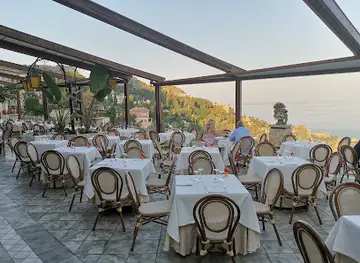
Granduca Restaurant Taormina
Experience exquisite seafood and authentic Italian cuisine at Granduca Restaurant in Taormina's stunning coastal setting.
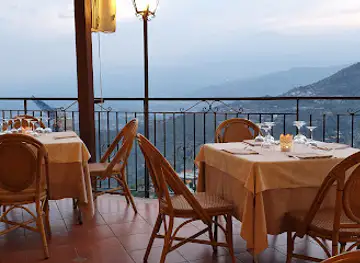
Al Saraceno
Discover Al Saraceno in Taormina - where authentic Italian cuisine meets stunning Mediterranean views for an unforgettable dining experience.

Trattoria Tiramisù Restaurant in Taormina
Experience authentic Sicilian cuisine at Trattoria Tiramisù in Taormina, where tradition meets modern flavors amidst stunning coastal views.

Best bars in Taormina
Top-rated picks
Best Bars
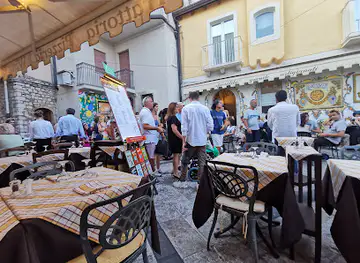
Bam Bar
Discover Bam Bar in Taormina, where vibrant flavors and stunning views create the perfect atmosphere for a refreshing break.

Licchio's Coffee&food
Discover authentic Italian flavors with great coffee and delightful breakfast options at Licchio's Coffee&food in beautiful Taormina.
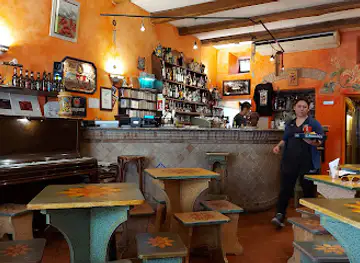
Re di Bastoni Pub
Experience the vibrant nightlife of Taormina at Re di Bastoni Pub, where great beers and live jazz create unforgettable moments.
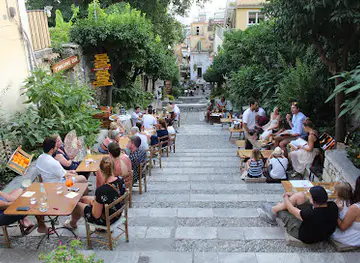
Timoleone Cocktail Bar & Vegetarian Restaurant Taormina
Experience the vibrant flavors and creative cocktails at Timoleone Cocktail Bar & Vegetarian Restaurant, a culinary haven in the heart of Taormina.

Best nightclubs in Taormina
Top-rated picks
Best Nightclubs

Re di Bastoni Pub
Enjoy a unique blend of local culture and vibrant nightlife at Re di Bastoni Pub, a top destination in Taormina for drinks, live jazz, and delicious food.

Q Lounge Bar
Experience the vibrant atmosphere of Q Lounge Bar in Taormina, where stylish decor and delicious cocktails create the perfect retreat for tourists.

Arkè
Experience the vibrant nightlife of Taormina at Arkè Lounge Bar, where exquisite cocktails and stunning views create unforgettable evenings.

TwoB Taormina
Dive into the exhilarating nightlife of Taormina at TwoB, where pulsating beats and vibrant energy create unforgettable moments.

Best shops in Taormina
Top-rated picks
Best Shops

Centro Commerciale Centro Sicilia
Discover Centro Commerciale Centro Sicilia in Misterbianco, a vibrant shopping mall with shops, restaurants, and entertainment for the perfect day out.

FELICIOTTO | Contemporary Fashion Concept
Explore contemporary fashion at FELICIOTTO in Taormina, where style meets Italian craftsmanship in a stunning boutique experience.

Sicilian Store
Explore the Sicilian Store in Taormina for authentic local products, delicious treats, and unique souvenirs that celebrate Sicily's rich heritage.

Sferra Store
Discover exquisite fashion accessories at Sferra Store in Taormina - where style meets the essence of Italian elegance.

Explore Taormina on the Map
A handpicked selection of must-see spots in Taormina, mapped for you.
Taormina Essentials
-
Taormina is well-connected by various modes of transportation. The nearest major airport is Catania-Fontanarossa Airport (CTA), approximately 65 kilometers away. From the airport, you can take a bus or a taxi to Taormina. There are also train services from major Italian cities to Taormina-Giardini Train Station, which is a short bus or taxi ride from the town center. If you are driving, Taormina is accessible via the A18 motorway.
-
Within Taormina, most attractions are within walking distance. Local buses are available for trips to nearby locations, such as the beach area of Isola Bella. Taxis are also readily available but can be more expensive. For a unique experience, consider taking the cable car from Taormina to Mazzarò. Renting a scooter can be a fun and convenient way to explore the area at your own pace.
-
The official currency in Italy is the Euro (EUR). Credit and debit cards are widely accepted in most hotels, restaurants, and shops. However, it is advisable to carry some cash for smaller establishments and markets. ATMs are plentiful in Taormina, and you can withdraw Euros using your international cards.
-
Taormina is generally a safe destination for tourists. However, as with any tourist-heavy area, be cautious of pickpockets, especially in crowded places like the Corso Umberto and during festivals. Avoid poorly lit areas at night and keep an eye on your belongings. There are no specific high-crime neighborhoods, but staying vigilant is always recommended.
-
In case of an emergency, dial 112 for immediate assistance. Taormina has a local police station and medical facilities. The nearest hospital is in the nearby town of Giardini Naxos, just a short drive away. It is advisable to have travel insurance that covers medical emergencies. Pharmacies are available for minor health concerns, and many pharmacists speak English.
-
Fashion: Do dress smartly, as Italians generally take pride in their appearance. Avoid overly casual attire, especially in the evenings. Religion: Do respect religious customs when visiting churches; dress modestly and avoid loud behavior. Public Transport: Do validate your ticket before boarding buses or trains. Don't eat or drink on public transport. Greetings: Do greet people with a friendly 'buongiorno' (good morning) or 'buonasera' (good evening). A firm handshake is customary. Eating & Drinking: Do try local dishes and wines. Don't rush through meals; dining is a leisurely experience in Italy.
-
To experience Taormina like a local, visit the weekly market at Piazza Carmine for fresh produce and local goods. Take a leisurely passeggiata (evening stroll) along Corso Umberto, where locals gather. Don’t miss the chance to attend a performance at the ancient Greek Theatre, especially during the Taormina Film Fest. For a quieter experience, explore the lesser-known but equally charming village of Castelmola, located just above Taormina.
When is the best time to visit Taormina?
Useful Local Phrases for Taormina
You don't need to speak the language perfectly. Even learning a few simple words can make conversations warmer—and locals usually appreciate the effort.
— Eve

Here are the phrases I use most often in Taormina. Try a few—you'll be surprised how far they go! 😊
❤️
-
- HelloCiao
[chow] - GoodbyeArrivederci
[ah-ree-veh-dehr-chee] - YesSì
[see] - NoNo
[noh] - Please/You're welcomePer favore/Prego
[pehr fah-voh-reh/preh-goh] - Thank youGrazie
[grah-tsyeh] - Excuse me/SorryScusa/Mi dispiace
[skoo-sah/mee dee-spyah-cheh] - How are you?Come stai?
[koh-meh stai] - Fine. And you?Bene. E tu?
[beh-neh/eh too] - Do you speak English?Parli inglese?
[pahr-lee een-gleh-zeh] - I don't understandNon capisco
[nohn kah-pee-scoh]
- HelloCiao
-
- I'd like to see the menu, pleaseVorrei vedere il menù, per favore
[vohr-reh-ee veh-deh-reh eel meh-noo, pehr fah-voh-reh] - I don't eat meatNon mangio carne
[nohn mahn-joh kahr-neh] - Cheers!Salute!
[sah-loo-teh] - I would like to pay, pleaseVorrei pagare, per favore
[vohr-reh-ee pah-gah-reh, pehr fah-voh-reh]
- I'd like to see the menu, pleaseVorrei vedere il menù, per favore
-
- Help!Aiuto!
[ah-yoo-toh] - Go away!Vai via!
[vah-ee vee-ah] - Call the Police!Chiama la polizia!
[kee-ah-mah lah poh-lee-tsya] - Call a doctor!Chiama un dottore!
[kee-ah-mah oon doht-toh-reh] - I'm lostMi sono perso/a
[mee soh-noh pehr-soh/ah] - I'm illSto male
[stoh mah-leh]
- Help!Aiuto!
-
- I'd like to buy...Vorrei comprare...
[vohr-reh-ee kohm-prah-reh] - I'm just lookingSto solo guardando
[stoh soh-loh gwar-dahn-doh] - How much is it?Quanto costa?
[kwahn-toh koh-stah] - That's too expensiveÈ troppo caro
[eh troh-poh kah-roh] - Can you lower the price?Puoi abbassare il prezzo?
[pwah-ee ahb-bahs-sah-reh eel preh-tsoh]
- I'd like to buy...Vorrei comprare...
-
- What time is it?Che ora è?
[keh oh-rah eh] - It's one o'clockÈ l'una
[eh loo-nah] - Half past (10)Le dieci e mezza
[leh dee-eh-chee eh meh-tzah] - MorningMattina
[maht-tee-nah] - AfternoonPomeriggio
[poh-meh-ree-joh] - EveningSera
[seh-rah] - YesterdayIeri
[yeh-ree] - TodayOggi
[ohd-jee] - TomorrowDomani
[doh-mah-nee] - 1Uno
[oo-noh] - 2Due
[doo-eh] - 3Tre
[treh] - 4Quattro
[kwah-troh] - 5Cinque
[cheen-kweh] - 6Sei
[say] - 7Sette
[seht-teh] - 8Otto
[oh-toh] - 9Nove
[noh-veh] - 10Dieci
[dee-eh-chee]
- What time is it?Che ora è?
-
- Where's a/the...?Dov'è il/la...?
[doh-veh eel/lah] - What's the address?Qual è l'indirizzo?
[kwahl eh leen-dee-ree-tsoh] - Can you show me (on the map)?Mi puoi mostrare (sulla mappa)?
[mee pwah-ee moh-strah-reh (sool-lah mahp-pah)] - When's the next (bus)?Quando passa il prossimo (autobus)?
[kwahn-doh pahs-sah eel prohs-see-moh (ow-toh-boos)] - A ticket (to ....)Un biglietto (per ....)
[oon beel-lyet-toh (pehr)]
- Where's a/the...?Dov'è il/la...?
History of Taormina
-
Taormina, originally known as Tauromenion, was founded in 734 BC by the Sicels. The town was later settled by Greeks from Naxos, making it a prominent Hellenistic city. The influence of Greek culture is still evident in the ruins and architectural remains scattered throughout the town.
-
In 212 BC, during the Second Punic War, Taormina came under Roman control. The Romans recognized the strategic importance of the town, and it thrived as a Roman colony. The ancient theatre, a grand architectural feat, was expanded during this period and remains one of the most significant landmarks in Taormina today.
-
After the fall of the Western Roman Empire, Taormina became part of the Byzantine Empire. In the 10th century, the town was conquered by the Arabs, who introduced new agricultural practices and architectural styles. The Arab influence can still be seen in the layout and design of the town's historic center.
-
In 1078, the Normans, led by Roger I of Sicily, captured Taormina. This period marked a time of prosperity and growth for the town. The Normans built several churches and fortifications, blending Arab and Norman architectural elements, which can still be admired in various structures throughout Taormina.
-
During the Renaissance and Baroque periods, Taormina experienced cultural and economic growth. The town became a hub for artists, writers, and intellectuals. Palaces and churches from this era, such as the Palazzo Corvaja and the Church of San Domenico, showcase the rich artistic heritage of Taormina.
-
In the late 19th and early 20th centuries, Taormina became a popular destination for European aristocrats and artists. Figures such as Oscar Wilde, Friedrich Nietzsche, and D.H. Lawrence visited the town, drawn by its scenic beauty and vibrant cultural scene. Today, Taormina continues to attract tourists from around the world, offering a unique blend of historical charm and modern amenities.
Cities near Taormina
The closest cities to Taormina, if you have time for more than one stop.



Your all‑in‑one travel companion app
Explore expert travel guides, compare and book tours, experiences, hotels, and more—all from the palm of your hand. Download now for seamless trip planning wherever your wanderlust takes you.


Taormina in Photos
Browse through our photo collection highlighting the charm and character of the destination.




Taormina: The Pearl of the Ionian Sea
Taormina, a charming town perched on the cliffs of Sicily, offers a breathtaking view of the Ionian Sea. With its picturesque streets, historic sites, and stunning landscapes, it’s a perfect blend of culture, history, and natural beauty. The town's rich heritage stretches back to ancient Greek and Roman times, and this is evident in the well-preserved ruins that dot the area. One of the highlights is the ancient Greek Theatre, which not only showcases impressive architecture but also hosts performances against a backdrop of Mount Etna and the sea. Stroll along the Corso Umberto, Taormina's main street, where you will find a mix of quaint shops, cafes, and restaurants. The street is a hub of activity and offers a taste of local Sicilian life. Don't miss the Piazza IX Aprile, a bustling square with panoramic views, perfect for a leisurely coffee or a spot of people-watching. For those seeking tranquility, the public gardens of Taormina, known as the Villa Comunale, offer a peaceful escape with lush greenery and captivating views. If you’re an avid beachgoer, take the cable car down to Isola Bella, a small island and nature reserve with crystal clear waters. Whether you are exploring ancient ruins, enjoying local cuisine, or simply soaking up the Mediterranean sun, Taormina promises an unforgettable experience.
Explore More of Sicily

Looking beyond Taormina? Discover Sicily for broader travel guides, local hot-spots, and regional highlights.
Explore SicilyExplore More of Italy

Looking beyond Taormina? Discover Italy for broader travel guides, local hot-spots, and regional highlights.
Explore Italy