

Free Val d'Orcia Travel Guide & Mobile App
Explore Val d'Orcia with free travel guides. Discover regional history, expert tips, proposed trips, and audio guides on web or mobile app.


Explore Val d'Orcia in southern Tuscany for Renaissance villages, vineyard roads, thermal springs, pecorino and UNESCO-listed rural landscapes.
When is the best time to visit Val d'Orcia?
Best: June–July, September · 25–29°C| Month | High (°C) | Rainfall (mm) |
|---|---|---|
| January | 9 | 62 |
| February | 11 | 51 |
| March | 15 | 51 |
| April | 17 | 57 |
| May | 22 | 64 |
| June (best) | 26 | 53 |
| July (best) | 29 | 30 |
| August | 29 | 42 |
| September (best) | 25 | 62 |
| October | 19 | 86 |
| November | 14 | 87 |
| December | 10 | 71 |
Getting to and around Val d'Orcia
How to get there
Transportation
Top city travel guides in Val d'Orcia
The cities of Val d'Orcia, and the easiest places to base yourself.

Swipe for more cities
Best attractions in Val d'Orcia
Val d'Orcia's attractions are dispersed through a cultivated landscape rather than concentrated in one urban centre. Pienza provides the region's clearest Renaissance experience, with its cathedral, civic palaces and views across the Orcia valley, while San Quirico d'Orcia combines a Romanesque collegiate church, medieval streets and the Horti Leonini gardens. Castiglione d'Orcia and nearby Rocca d'Orcia offer fortress architecture and elevated rural perspectives, and Radicofani is dominated by its historic fortress and southern Tuscan views. Bagno Vignoni centres on thermal waters and spa culture, with further bathing facilities in the surrounding area. Montalcino brings together a hilltop historic centre, wine estates and routes towards the Abbey of Sant'Antimo. Outside the towns, the principal attraction is the landscape itself: walkers, cyclists and photographers follow quiet roads, farm tracks and marked paths through vineyards, grain fields, olive groves and woodland. Visits are most rewarding when balanced between cultural sites, local food producers, thermal experiences and unhurried time in the countryside.
-
Wellness hotel
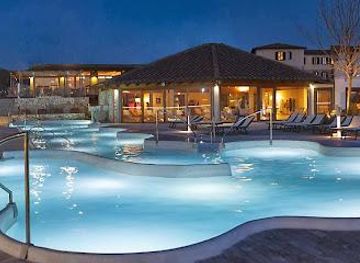
Terme San Giovanni
Discover the serene wellness retreat of Terme San Giovanni in Rapolano Terme, where thermal baths and rejuvenating treatments await.
-
 Thermal baths
Terme San Filippo
Discover the natural thermal springs of Terme San Filippo in Tuscany: Relax in warm waters, surrounded by stunning landscapes and rich history.
-
Church
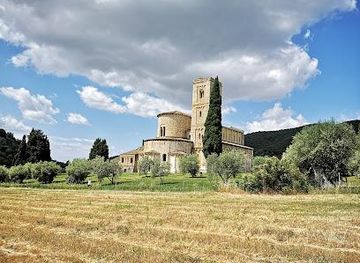
Abbazia di Sant'Antimo
Explore the historic Abbazia di Sant'Antimo, a serene Romanesque abbey in Tuscany, surrounded by stunning landscapes and rich cultural heritage.
-
Church
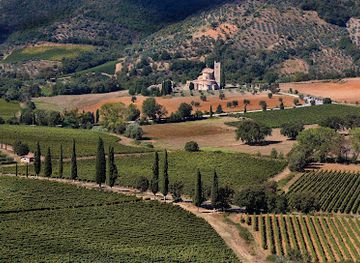
Abbey of Sant'Antimo
Discover the serene beauty and rich history of the Abbey of Sant'Antimo, a stunning Romanesque church nestled in the heart of Tuscany's Val d'Orcia.
Best landmarks in Val d'Orcia
Pienza's Piazza Pio II is Val d'Orcia's defining architectural landmark, bringing the cathedral, Palazzo Piccolomini and the episcopal palace into a carefully composed Renaissance setting. The town's orderly design reflects Pope Pius II's attempt to create an ideal civic centre and is inseparable from the surrounding views. At Bagno Vignoni, the broad rectangular thermal basin occupying the village's central square is an unusual landmark of Tuscan spa history, though it is not an ordinary public swimming pool. San Quirico d'Orcia is distinguished by its Collegiate Church of Saints Quiricus and Julietta, whose Romanesque and later architectural elements mark the medieval settlement. The fortress of Radicofani crowns a prominent hill on the historic route towards Rome, while the Rocca di Tentennano rises above Rocca d'Orcia as a powerful example of medieval defensive architecture. Montalcino's fortress, built in the sixteenth century after the fall of the Sienese Republic, reflects the region's political and military history. Beyond built monuments, the Orcia valley, cypress-lined ridges and cultivated hills are landmarks in their own right, protected as part of the recognised cultural landscape.
-
Church
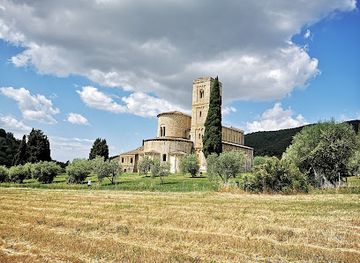
Abbey of Sant'Antimo
Experience the tranquil beauty of the Abbey of Sant'Antimo, a stunning Romanesque church in the heart of Tuscany's UNESCO World Heritage Val d'Orcia.
-
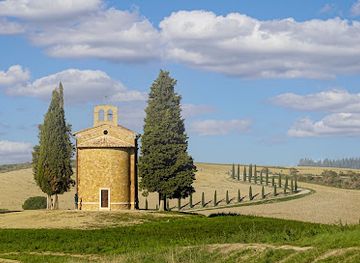
Chapel
Chapel Vitaleta
Experience the serene beauty of Chapel Vitaleta, a hidden gem in Tuscany, surrounded by stunning landscapes and rich cultural heritage.
-
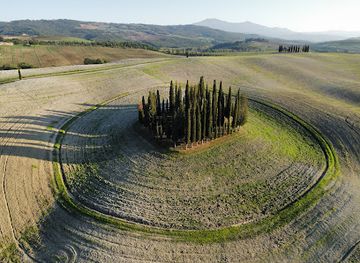
Tourist attraction
Cipressi di San Quirico d'Orcia
Explore the stunning Cypress Trees of San Quirico d'Orcia, a Tuscan paradise perfect for photography and cultural experiences amidst breathtaking landscapes.
-
Catholic church
Piazza Pio II
Discover the architectural splendor and vibrant culture of Piazza Pio II, Pienza’s iconic Renaissance square, a perfect blend of history and charm.

Explore Val d'Orcia on the map
Plan your trip on one map. See where the top cities, national parks and sights are, and book hotels and experiences in a few clicks.
Best hotels in Val d'Orcia
Best restaurants in Val d'Orcia
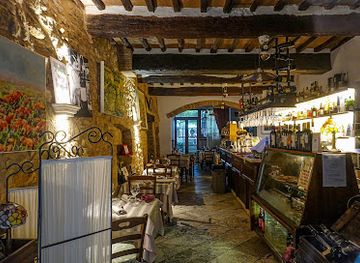
Dining in Val d'Orcia is rooted in Tuscan rural cooking, with menus often shaped by the season and by nearby farms. Pienza is closely associated with pecorino, served in varying stages of maturity and frequently paired with bread, preserves, vegetables or local wine. Across the valley, expect handmade pasta, beans, soups, grilled or braised meats, game where available, mushrooms, truffles in season and extra-virgin olive oil. Rustic trattorias, village restaurants, agriturismi and traditional inns are often more representative of the region than formal dining rooms, although contemporary cooking is also found in the larger towns and prominent wine areas. Montalcino's cellars and restaurants place particular emphasis on Brunello and Rosso di Montalcino, while local wine lists also include other Tuscan labels. Bakeries, cafés, food shops and periodic markets are useful for picnic supplies, especially when touring rural roads where meal times and opening arrangements can be limited.
-
Restaurant
Ristorante Trattoria Osenna
Experience authentic Italian cuisine with stunning views at Ristorante Trattoria Osenna in San Quirico d'Orcia.
-
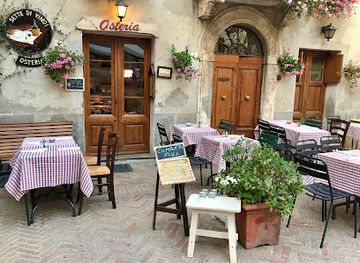
Italian
Sette Di Vino
Experience authentic Tuscan cuisine at Sette Di Vino in Pienza - where every dish tells a story.
-
Restaurant
Trattoria La Buca delle Fate
Experience authentic Tuscan cuisine at Trattoria La Buca delle Fate in Pienza – where tradition meets flavor.
-
Italian
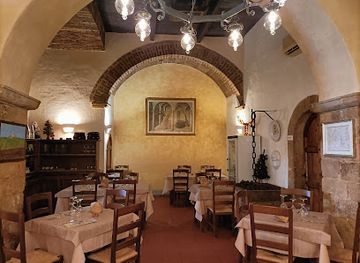
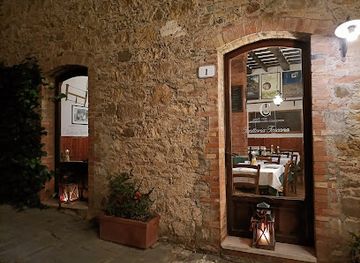
Ristorante Trattoria Toscana Al Vecchio Forno - Historic Capitano Collection
Experience authentic Tuscan flavors at Ristorante Trattoria Toscana Al Vecchio Forno in scenic San Quirico d'Orcia.
Best bars in Val d'Orcia
Evenings in Val d'Orcia are generally quiet and social rather than club-focused. Historic town centres offer small wine bars, cafés and restaurants where guests can sample Tuscan wines, aperitivi and local products, with Montalcino providing the strongest concentration of wine-oriented venues. Pienza, San Quirico d'Orcia and the smaller villages tend to wind down earlier, although summer cultural programmes and occasional live music can extend the evening. Rural agriturismi and village inns may provide a more atmospheric night than a dedicated nightlife district, while Bagno Vignoni is oriented towards leisurely dinners and spa stays. Nightclubs are not a defining feature of the region, so visitors seeking late-night entertainment should plan for a relaxed evening and arrange transport in advance rather than relying on infrequent rural buses or driving after drinking.
-
Restaurant
Ristorante Trattoria Osenna
Discover the authentic flavors of Tuscany at Ristorante Trattoria Osenna, where exquisite Italian cuisine meets breathtaking views of Val d'Orcia.
-
Italian
Sette Di Vino
Experience the essence of Tuscany at Sette Di Vino, where traditional Italian flavors meet a cozy atmosphere in the heart of Pienza.
-
Italian
Ristorante Trattoria Toscana Al Vecchio Forno - Historic Capitano Collection
Discover the taste of Tuscany at Ristorante Trattoria Toscana Al Vecchio Forno, where authentic Italian flavors meet charming ambiance.
-
Restaurant
Idyllium
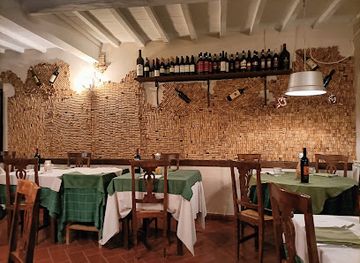
Experience the flavors of Tuscany at Idyllium, a restaurant and cocktail bar with stunning views of Val d'Orcia, perfect for food lovers.
Best nightclubs in Val d'Orcia
Evenings in Val d'Orcia are generally quiet and social rather than club-focused. Historic town centres offer small wine bars, cafés and restaurants where guests can sample Tuscan wines, aperitivi and local products, with Montalcino providing the strongest concentration of wine-oriented venues. Pienza, San Quirico d'Orcia and the smaller villages tend to wind down earlier, although summer cultural programmes and occasional live music can extend the evening. Rural agriturismi and village inns may provide a more atmospheric night than a dedicated nightlife district, while Bagno Vignoni is oriented towards leisurely dinners and spa stays. Nightclubs are not a defining feature of the region, so visitors seeking late-night entertainment should plan for a relaxed evening and arrange transport in advance rather than relying on infrequent rural buses or driving after drinking.
-
Disco club
Qube Disco
Experience the vibrant nightlife of Rome at Qube Disco, where themed parties and live music create unforgettable nights in the Eternal City.
-
Restaurant
Idyllium
Experience the vibrant culinary scene of Pienza at Idyllium, where traditional Italian cuisine meets innovative cocktails in a welcoming setting.
-
Bar
Bar Il Casello
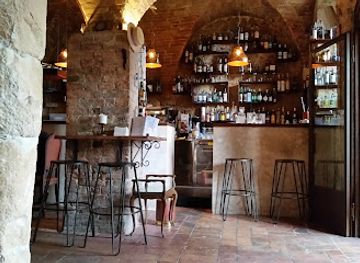
Experience the essence of Tuscany at Bar Il Casello, a cozy wine bar in Pienza offering exquisite wines and delightful small plates.
-
Cocktail bar
Il Barrino
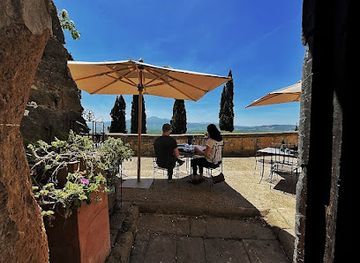
Experience the flavors of Tuscany at Il Barrino, Bagno Vignoni's premier cocktail bar, where expertly crafted drinks meet stunning views.

Best shops in Val d'Orcia
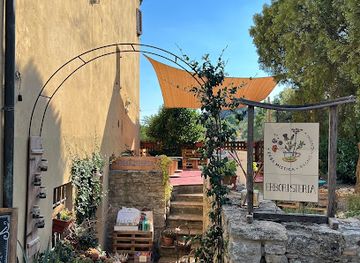
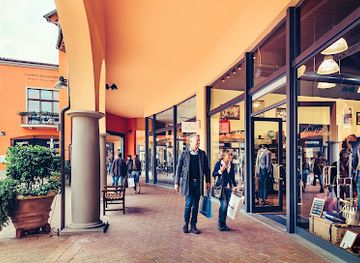
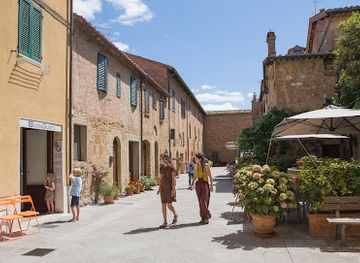
Shopping in Val d'Orcia is centred on market towns, specialist food shops, cellar doors and small independent businesses rather than large retail centres. Pienza is the principal place to look for pecorino, Tuscan pantry goods, ceramics, leather articles and locally themed gifts, while Montalcino specialises in the wines of its surrounding hills and associated food products. San Quirico d'Orcia and Castiglione d'Orcia have smaller selections of artisan goods, groceries, galleries and practical provisions. Look for extra-virgin olive oil, preserves, honey, dried pasta, saffron from southern Tuscany where labelled accurately, and regional wines, checking how products can be transported home. Weekly markets and seasonal fairs vary by municipality and date, so confirm local arrangements before planning a visit. In rural areas, buying directly from a farm or established producer can be rewarding, but visitors should respect collection times, payment requirements and the distinction between genuinely local products and generic souvenirs.
-
Outlet mall
Valdichiana Outlet Village
Explore Valdichiana Outlet Village: A Shopping Haven for Fashion Aficionados and Bargain Hunters in Italy.
-
Ice Cream
buongusto gelateria
Savor the finest artisanal gelato in Pienza at Buongusto Gelateria, where every scoop is a taste of Italian tradition.
-
Deli
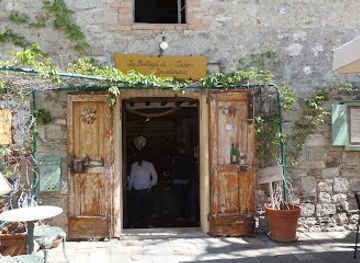
La Bottega Di Cacio
Experience authentic Tuscan flavors at La Bottega Di Cacio, a charming deli in the heart of Bagno Vignoni, Italy.
-
Restaurant
La Bottega Di Portanuova
Experience the heart of Tuscany at La Bottega Di Portanuova, where organic flavors and Italian tradition come together in a delightful culinary journey.
Get your free copy of our complete guide to Val d'Orcia, delivered straight to you.
Everything on this page, from attractions and restaurants to essentials and local phrases, in one PDF you can read offline, print or share.
Already have an account? Sign in
Your Val d'Orcia guide is ready.
We'll send it to · Not you? Sign out

Getting your guide ready…
We are putting together a fresh copy of the Val d'Orcia guide. This can take up to a minute.
This can take a few moments. If your browser asks, choose Allow so the download can start. You'll find the guide in your Downloads folder.
Nothing happened? Download it again
Sorry, the guide is taking longer than usual. Please try again in a minute, or get it by email instead.
Val d'Orcia essentials
Currency and Payment
Safety
Emergency Situations
Do's and Don'ts
Local Tips
From Eve
Local phrases worth knowing
You don't need to get them perfect. A few words go a long way, and locals appreciate the effort.
Basics
| English | Local | Say it |
|---|---|---|
| Hello | Ciao | [chow] |
| Goodbye | Arrivederci | [ah-ree-veh-DER-chee] |
| Yes | Sì | [see] |
| No | No | [no] |
| Please/You're welcome | Per favore | [per fah-VOH-ray] |
| Thank you | Grazie | [GRAHT-see-eh] |
| Excuse me/Sorry | Mi scusi | [mee SKOO-zee] |
| How are you? | Come stai? | [KOH-meh stah-ee] |
| Fine. And you? | Bene. E tu? | [BEH-neh. eh too] |
| Do you speak English? | Parli inglese? | [PAR-lee een-GLEH-zeh] |
| I don't understand | Non capisco | [non kah-PEE-skoh] |
Eating & Drinking
| English | Local | Say it |
|---|---|---|
| I'd like to see the menu, please | Vorrei vedere il menu, per favore | [vor-REY veh-DEH-ray eel meh-NOO, per fah-VOH-ray] |
| I don't eat meat | Non mangio carne | [non MAHN-joh KAR-neh] |
| Cheers! | Salute! | [sah-LOO-teh] |
| I would like to pay, please | Vorrei pagare, per favore | [vor-REY pah-GAH-ray, per fah-VOH-ray] |
Emergencies
| English | Local | Say it |
|---|---|---|
| Help! | Aiuto! | [ah-YOO-toh] |
| Go away! | Vai via! | [vie VEE-ah] |
| Call the Police! | Chiama la polizia! | [KYAH-mah lah poh-LEE-tsee-ah] |
| Call a doctor! | Chiama un dottore! | [KYAH-mah oon doht-TOH-ray] |
| I'm lost | Mi sono perso | [mee SOH-noh PEHR-soh] |
| I'm ill | Sono malato | [SOH-noh mah-LAH-toh] |
Shopping
| English | Local | Say it |
|---|---|---|
| I'd like to buy... | Vorrei comprare... | [vor-REY kom-PRAH-ray] |
| I'm just looking | Sto solo guardando | [sto SOH-loh gwahr-DAHN-doh] |
| How much is it? | Quanto costa? | [KWAN-toh KOH-stah] |
| That's too expensive | È troppo costoso | [eh TROH-poh koh-STOH-soh] |
| Can you lower the price? | Puoi abbassare il prezzo? | [pwoy ahb-BAH-sah-ray eel PRET-tsoh] |
Time & Numbers
| English | Local | Say it |
|---|---|---|
| What time is it? | Che ore sono? | [keh OH-reh SOH-noh] |
| It's one o'clock | È l'una | [eh LOO-nah] |
| Half past (10) | Dieci e mezza | [DYEH-cheh eh MEH-tzah] |
| Morning | Mattina | [maht-TEE-nah] |
| Afternoon | Pomeriggio | [poh-meh-REE-joh] |
| Evening | Sera | [SEH-rah] |
| Yesterday | Ieri | [YAY-ree] |
| Today | Oggi | [OH-jee] |
| Tomorrow | Domani | [doh-MAH-nee] |
| 1 | Uno | [OO-noh] |
| 2 | Due | [DOO-eh] |
| 3 | Tre | [TREH] |
| 4 | Quattro | [KWAHT-troh] |
| 5 | Cinque | [CHEEN-kweh] |
| 6 | Sei | [SAY] |
| 7 | Sette | [SEHT-teh] |
| 8 | Otto | [OHT-toh] |
| 9 | Nove | [NOH-veh] |
| 10 | Dieci | [DYAY-chee] |
Transport & Directions
| English | Local | Say it |
|---|---|---|
| Where's a/the...? | Dove si trova...? | [DOH-veh see TROH-vah] |
| What's the address? | Qual è l'indirizzo? | [kwahl eh leen-DEE-reet-soh] |
| Can you show me (on the map)? | Puoi mostrarmi (sulla mappa)? | [pwoy mohs-TRAR-mee (SOOL-lah MAH-pah)] |
| When's the next (bus)? | Quando passa il prossimo (autobus)? | [KWAN-doh PAH-sah eel PROS-simo (OW-toh-boos)] |
| A ticket (to ....) | Un biglietto (per ....) | [oon bee-LYEHT-toh (per ....)] |
History of Val d'Orcia
Etruscan and Roman Southern Tuscany
The wider Val d'Orcia belonged to a landscape occupied and cultivated before the emergence of medieval towns. Etruscan communities were active across southern Tuscany, while Roman rule brought roads, estates and administrative connections linking inland settlements with larger centres. The Via Cassia, the Roman route that crossed Tuscany towards Rome, helped give the area continuing strategic importance. Much of the surviving landscape cannot be attributed to one ancient settlement, but the persistence of roads, agricultural use and hilltop occupation reflects a long period of interaction between communities and the valley's fertile soils.
The Via Francigena and Medieval Routes
During the Middle Ages, routes through Val d'Orcia connected northern Europe, Tuscany and Rome. The Via Francigena, a major pilgrimage and travel road, passed through or near places including San Quirico d'Orcia and Radicofani. Pilgrims, merchants and officials used the route, supporting churches, hospices, fortified settlements and market activity. Radicofani's elevated position made it especially important for controlling movement through southern Tuscany. Medieval castles, parish churches and compact stone villages still reveal how defence, religion and travel shaped settlement in the valley.
Siena's Expansion and the Aldobrandeschi Legacy
From the later Middle Ages, Val d'Orcia became a zone of competing influence involving local noble families, ecclesiastical powers and the expanding Republic of Siena. The Aldobrandeschi family held extensive territories in southern Tuscany, while castles and fortified settlements guarded routes and agricultural resources. Siena gradually consolidated authority over much of the region, promoting roads, administrative links and a network of dependent communities. The period left a durable architectural legacy in the towers, walls, churches and hilltop fortresses of Castiglione d'Orcia, Rocca d'Orcia, San Quirico and Radicofani.
Pienza and the Renaissance Ideal
The transformation of Corsignano into Pienza in the fifteenth century is Val d'Orcia's most influential Renaissance episode. Enea Silvio Piccolomini, born in the village and later elected Pope Pius II, commissioned the architect Bernardo Rossellino to redesign its centre. The resulting cathedral, Palazzo Piccolomini, episcopal palace and civic square formed one of the earliest coherent Renaissance urban compositions. Pienza was intended to express ordered civic life and papal humanism, and its architecture continues to provide an unusually clear example of Renaissance town planning in a living Tuscan settlement.
Agriculture, Estates and the Shaping of the Landscape
The landscape admired today developed through centuries of farming, estate management and settlement rather than through untouched nature. Large landholdings and sharecropping influenced the pattern of farmhouses, fields, woods and livestock grazing. Roads connected rural estates to market towns, while cultivation adapted to the valley's dry summers and rolling terrain. Wheat, olives, vines and pasture became defining elements, and the repeated forms of cypresses, lanes and cultivated slopes were reinforced by agricultural practice. The modern landscape therefore represents a cultural history of land use as much as a scenic environment.
Thermal Traditions at Bagno Vignoni
The naturally warm waters at Bagno Vignoni have attracted visitors since antiquity and remained important through the medieval and Renaissance periods. The village developed around a large rectangular thermal basin, an unusual public space that still defines its identity. Thermal bathing formed part of the wider Tuscan culture of health, pilgrimage and seasonal travel, although historic bathing arrangements have changed over time. Today the springs connect Val d'Orcia with a continuing spa tradition, while visitors should use designated facilities rather than treating the historic central pool as an ordinary swimming area.
Heritage Protection and Contemporary Val d'Orcia
Economic and social change in the twentieth century altered rural life as mechanisation, depopulation and the decline of traditional sharecropping reshaped agriculture. At the same time, the valley became increasingly valued for its architectural and environmental coherence. The Val d'Orcia cultural landscape was inscribed on the UNESCO World Heritage List in 2004, recognising the interaction of Renaissance planning, historic settlements and managed countryside. Tourism, wine production, agritourism and food culture now form important parts of the local economy, while conservation remains central to protecting both the landscape and the communities that maintain it.
Val d'Orcia in Photos
Browse through our photo collection highlighting the charm and character of the destination.
Neighbouring regions of Val d'Orcia
The closest regions to Val d'Orcia, if you have time for more than one.
-

-

-

-
-


Swipe for more regions
Explore more

Explore more of Italy
Discover Italy: A land of ancient history, artistic marvels, and culinary delights; where every corner reveals a new story and every meal is a celebration.
Explore Italy