

Free Sagami Travel Guide & Mobile App
Explore Sagami with free travel guides. Discover regional history, expert tips, proposed trips, and audio guides on web or mobile app.


Explore Sagami in Japan for Kamakura temples, Shonan beaches, Miura seafood, Odawara heritage and Hakone hot springs near Tokyo.
Read more about Sagami
When is the best time to visit Sagami?
Best: April–May, October · 20–24°C| Month | High (°C) | Rainfall (mm) |
|---|---|---|
| January | 9 | 50 |
| February | 10 | 55 |
| March | 14 | 85 |
| April (best) | 20 | 110 |
| May (best) | 24 | 120 |
| June | 28 | 170 |
| July | 32 | 220 |
| August | 32 | 210 |
| September | 28 | 200 |
| October (best) | 23 | 150 |
| November | 17 | 95 |
| December | 12 | 65 |
Getting to and around Sagami
How to get there
Transportation
Top city travel guides in Sagami
The cities of Sagami, and the easiest places to base yourself.

Swipe for more cities
Destinations in Sagami
Resorts, valleys and scenic spots worth a trip of their own.

Swipe for more destinations
Best attractions in Sagami
Sagami's attractions range from medieval religious monuments to volcanic mountain scenery and working coastal communities. Kamakura is the principal heritage centre, with major Zen temples, Tsurugaoka Hachimangū, wooded walking routes and the celebrated Great Buddha. Fujisawa's Enoshima offers shrines, sea caves, gardens and elevated views across Sagami Bay, while the Shonan coast is suited to beach walks, surfing and cycling. Odawara combines castle grounds, museums and a historic gateway atmosphere. In Hakone, visitors can move between hot-spring settlements, Lake Ashi, volcanic landscapes and internationally recognised art museums, including the Hakone Open-Air Museum. The Miura Peninsula provides a less monumental but equally distinctive mix of fishing ports, farms, sea cliffs, coves and maritime history around Yokosuka. Outdoor pursuits vary from temple-and-hill walks to lakeside excursions and coastal cycling, while seasonal flowers, autumn colours and clear mountain views add a changing natural dimension. Because distances and terrain differ considerably, the region is better explored through focused day trips than through a single, hurried circuit.
-
Shinto shrine
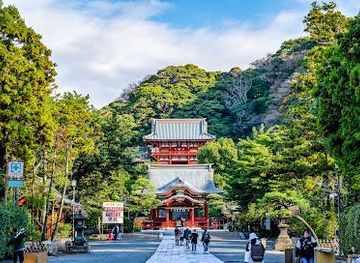
Tsurugaoka Hachimangu
Discover Kamakura's spiritual heart at Tsurugaoka Hachimangu, a historic Shinto shrine dedicated to the samurai spirit and cultural heritage.
-
Buddhist temple
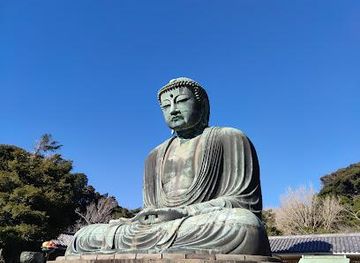
Kotoku-in
Discover the Great Buddha of Kamakura at Kotoku-in, a serene temple offering a glimpse into Japanese Buddhist art and history.
-
Tourist Information Centre
Owakudani
Experience Hakone's volcanic heart: witness steaming vents, savor black eggs, and capture stunning views of Mount Fuji from Owakudani.
-
Shinto shrine
Hakone Shrine
Discover Hakone Shrine, a spiritual gem on Lake Ashi with stunning views, rich history, and iconic torii gate.


Best landmarks in Sagami
Kamakura's Great Buddha at Kōtoku-in is Sagami's most recognisable religious landmark, a monumental bronze image that has stood outdoors since the medieval period. The approach to Tsurugaoka Hachimangū, with its axis through the centre of Kamakura, expresses the city's close connection with warrior government and Shinto tradition. Enoshima's elevated shrine precincts and lighthouse area form a distinctive island landmark above the Shonan coast, while the island's caves and cliffs reveal its relationship with the sea. Odawara Castle, though rebuilt, remains a powerful symbol of the castle town and the campaigns that ended Later Hōjō rule. In Hakone, Lake Ashi and the wooded slopes of Mount Hakone provide the region's most recognisable natural setting; the red torii associated with Hakone Shrine is especially prominent beside the lake. On the Miura Peninsula, the coastal cliffs and port landscapes around Misaki and Yokosuka convey a more maritime identity, shaped by fishing, shipping and naval history rather than courtly or castle architecture.
-
Business park
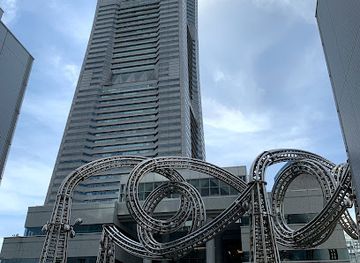
Yokohama Landmark Tower
Experience breathtaking views and vibrant urban life at Yokohama Landmark Tower, the iconic centerpiece of Minatomirai in Japan.
-
Buddhist temple
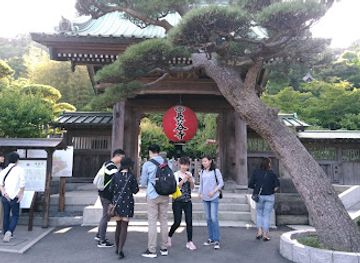
Hasedera
Explore Hasedera, a stunning Buddhist temple in Kamakura, offering breathtaking sea views, rich history, and serene gardens perfect for reflection.
-
Amusement park
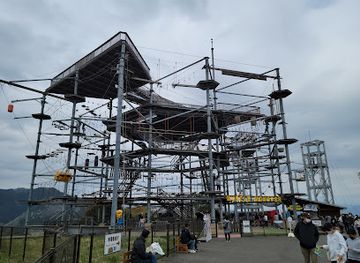
Sagamiko MORI MORI
Experience the thrill and joy of Sagamiko MORI MORI, an amusement park offering exciting rides and stunning nature in Kanagawa, Japan.
-
City park
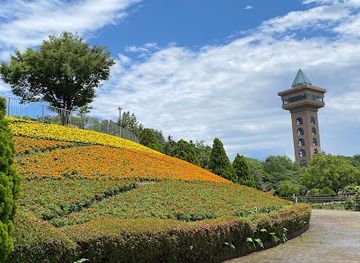
Sagamihara-Asamizo Park
Discover the serene beauty of Sagamihara-Asamizo Park, an urban oasis in Kanagawa perfect for nature lovers and leisure seekers.
Explore Sagami on the map
Plan your trip on one map. See where the top cities, national parks and sights are, and book hotels and experiences in a few clicks.
Best hotels in Sagami
Best restaurants in Sagami
Sagami's food reflects the meeting of Pacific fisheries, fertile coastal farmland and long-established post-town commerce. Along the Shonan coast, shirasu is a familiar local speciality, served in rice bowls or other preparations when seasonal supply permits. Miura is known for vegetables as well as seafood, and port towns offer fish that may vary with the day's landings. Odawara has a long association with processed seafood and traditional food shops, while Hakone's inns and restaurants serve regional Japanese cuisine shaped by hot-spring hospitality and mountain produce. Kamakura combines established Japanese restaurants, temple-area cafés, seaside dining and contemporary kitchens, though the busiest lanes can become crowded at meal times. Look for set meals, soba, tofu dishes, grilled fish, wagashi sweets and local pickles rather than assuming every menu is regionally specific. Markets and station food halls are useful for sampling produce, while quieter neighbourhoods often provide a more relaxed dining setting than the most photographed streets.
-
Ramen
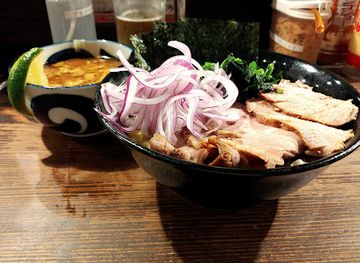
Cookla
Experience authentic ramen at Cookla in Sagamihara - where tradition meets flavor in every bowl.
-
Fish restaurant
Odawara minato diner
Fresh port seafood in a cozy station-side diner, blending Odawara's fishing legacy with welcoming Japanese hospitality for unforgettable meals.
-
Dessert restaurant
Shonan Chou-crème
Artisanal Shonan cream puffs with crisp meringue, premium vanilla custard, and citrus whispers—handmade daily near Odawara Station for irresistible, gift-worthy indulgence.
-
American
Demode heaven Sagamihara
Experience authentic American flavors at Demode Heaven Sagamihara – where comfort food meets Kanagawa charm.
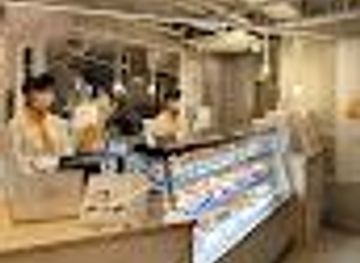
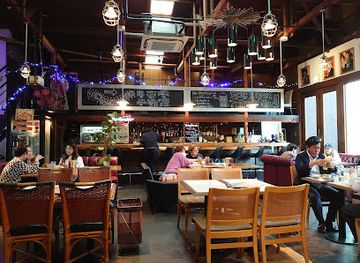
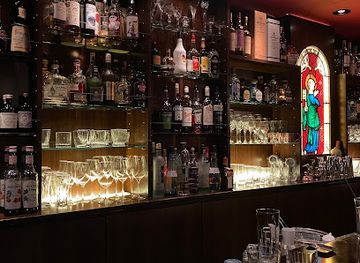
Best bars in Sagami
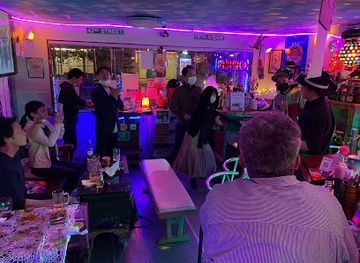
Evening life in Sagami is generally more intimate than that of central Tokyo or Yokohama. Kamakura and Fujisawa have the broadest selection of small izakaya, wine bars, cafés and restaurants, with Fujisawa tending to offer a later and more urban atmosphere. Enoshima and the Shonan coast can have a seasonal seaside rhythm, but many businesses close earlier outside the busiest periods. Yokosuka has a distinctive port-city evening scene, including bars and restaurants influenced by its long maritime and international connections. In Odawara, nightlife centres on compact streets near the station and traditional drinking establishments. Hakone is primarily an evening destination for ryokan dining, hotel bars and quiet drinks after bathing rather than clubbing. Rural Miura is best suited to a meal, a local pub or an early night, and visitors should not assume that late transport will be available after leaving the main towns.
-
Pub
HUB Sagamiono
Experience the essence of Japanese pub culture at HUB Sagamiono with delicious food, a wide selection of drinks, and a vibrant atmosphere.
-
Bar
Sports Restaurant & Bar Klass
Immerse yourself in the lively spirit of Sports Restaurant & Bar Klass, where delicious food and thrilling sports meet.
-
Bar
Soul Cocktail's Machida
Discover the fusion of traditional and modern at Soul Cocktail's Machida, a vibrant izakaya bar in Tokyo offering innovative cocktails and delicious cuisine.
-
Bar
BAR FLAMINGO (バー*フラミンゴ)
Experience the vibrant nightlife at Bar Flamingo, a top-rated bar in Sagamihara offering delicious drinks and a welcoming atmosphere.
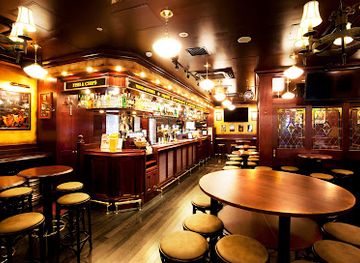
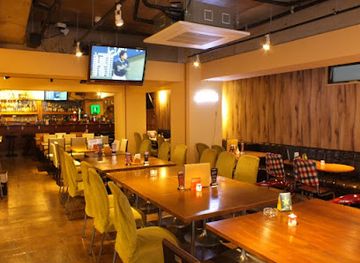
Best nightclubs in Sagami
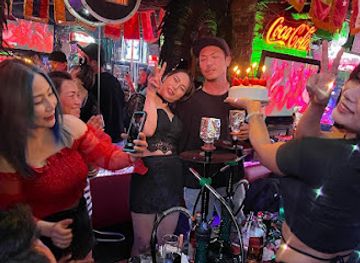
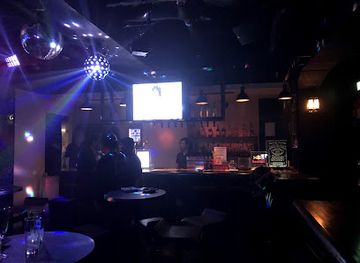
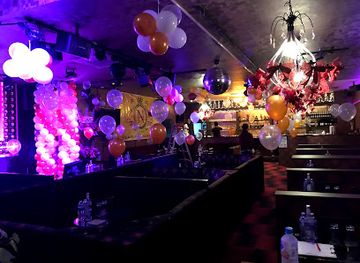
Evening life in Sagami is generally more intimate than that of central Tokyo or Yokohama. Kamakura and Fujisawa have the broadest selection of small izakaya, wine bars, cafés and restaurants, with Fujisawa tending to offer a later and more urban atmosphere. Enoshima and the Shonan coast can have a seasonal seaside rhythm, but many businesses close earlier outside the busiest periods. Yokosuka has a distinctive port-city evening scene, including bars and restaurants influenced by its long maritime and international connections. In Odawara, nightlife centres on compact streets near the station and traditional drinking establishments. Hakone is primarily an evening destination for ryokan dining, hotel bars and quiet drinks after bathing rather than clubbing. Rural Miura is best suited to a meal, a local pub or an early night, and visitors should not assume that late transport will be available after leaving the main towns.
-
Rock music club
Yokohama Partyzone Night Club
Immerse yourself in the pulsating energy of Yokohama Partyzone Night Club, where rock music comes alive and the nightlife never stops.
-
Disco club
Disco groovy
Discover the rhythm and spirit of Yokohama's nightlife at Disco Groovy, a disco club where music and dance come alive every night.
-
Night club
Club Alliance
Discover the vibrant nightlife at Club Alliance in Yokosuka, where music, dance, and energy create unforgettable nights.
-
Pub
Club N (クラブエン)
Discover the lively nightlife at Club N, a trendy pub in Sagamihara offering drinks, music, and a vibrant social scene.

Best shops in Sagami
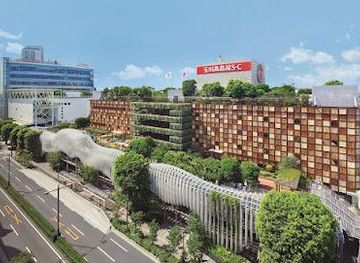
Shopping in Sagami is strongest in its historic and transport centres rather than in a single regional retail district. Kamakura's streets around the station and Komachi-dori offer sweets, Buddhist and Shinto goods, craft products, clothing, ceramics and souvenirs, alongside a substantial contemporary retail scene. Enoshima is known for small food shops and seaside gifts, while Fujisawa provides broader everyday shopping and department-store facilities. Odawara is a useful place to look for traditional food products, fish-related specialities, confectionery and crafts associated with the castle town. Hakone has galleries and studios selling woodwork, yosegi marquetry, ceramics, glass and other works, although quality and provenance vary between shops. Miura's markets and port areas are better for local produce, vegetables and seafood-related purchases than for formal souvenirs. Buy packaged food for travel where possible, respect rules at market stalls and remember that some small independent shops accept cash more readily than cards.
-
Shopping mall
Futako-Tamagawa Rise Shopping Center
Explore Futako-Tamagawa Rise Shopping Center in Setagaya, Tokyo - where fashion, food, and fun come together in a spectacular setting.
-
Shopping mall
Ario Hashimoto
Experience the vibrant shopping and dining culture at Ario Hashimoto, a premier shopping mall in Sagamihara, Kanagawa, with something for everyone.
-
Shopping mall
Tamagawa Takashimaya S.C.
Discover shopping, dining, and culture at Tamagawa Takashimaya S.C., a top destination for tourists in Setagaya City, Tokyo.
-
Shopping mall
Totoco Odawara
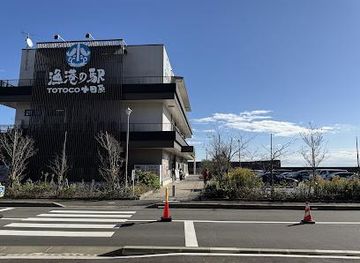
Explore Totoco Odawara, a vibrant shopping center and fresh food market in Kanagawa, offering a taste of local culture and delightful culinary experiences.


Get your free copy of our complete guide to Sagami, delivered straight to you.
Everything on this page, from attractions and restaurants to essentials and local phrases, in one PDF you can read offline, print or share.
Already have an account? Sign in
Your Sagami guide is ready.
We'll send it to · Not you? Sign out

Getting your guide ready…
We are putting together a fresh copy of the Sagami guide. This can take up to a minute.
This can take a few moments. If your browser asks, choose Allow so the download can start. You'll find the guide in your Downloads folder.
Nothing happened? Download it again
Sorry, the guide is taking longer than usual. Please try again in a minute, or get it by email instead.
Sagami essentials
Currency and Payment
Safety
Emergency Situations
Do's and Don'ts
Local Tips
From Eve
Local phrases worth knowing
You don't need to get them perfect. A few words go a long way, and locals appreciate the effort.
Basics
| English | Local | Say it |
|---|---|---|
| Hello | こんにちは | [Konnichiwa] |
| Goodbye | さようなら | [Sayōnara] |
| Yes | はい | [Hai] |
| No | いいえ | [Iie] |
| Please/You're welcome | どうぞ | [Dōzo] |
| Thank you | ありがとうございます | [Arigatou gozaimasu] |
| Excuse me/Sorry | すみません | [Sumimasen] |
| How are you? | お元気ですか? | [Ogenki desu ka?] |
| Fine. And you? | 元気です。あなたは? | [Genki desu. Anata wa?] |
| Do you speak English? | 英語を話せますか? | [Eigo o hanasemasu ka?] |
| I don't understand | わかりません | [Wakarimasen] |
Eating & Drinking
| English | Local | Say it |
|---|---|---|
| I'd like to see the menu, please | メニューを見せてください | [Menyū o misete kudasai] |
| I don't eat meat | 肉は食べません | [Niku wa tabemasen] |
| Cheers! | 乾杯! | [Kanpai!] |
| I would like to pay, please | お会計をお願いします | [Okaikei o onegaishimasu] |
Emergencies
| English | Local | Say it |
|---|---|---|
| Help! | 助けて! | [Tasukete!] |
| Go away! | 離れて! | [Hanarete!] |
| Call the Police! | 警察を呼んで! | [Keisatsu o yonde!] |
| Call a doctor! | 医者を呼んで! | [Isha o yonde!] |
| I'm lost | 道に迷いました | [Michi ni mayoimashita] |
| I'm ill | 具合が悪いです | [Guai ga warui desu] |
Shopping
| English | Local | Say it |
|---|---|---|
| I'd like to buy... | …を買いたいです | [… o kaitai desu] |
| I'm just looking | 見ているだけです | [Mite iru dake desu] |
| How much is it? | これはいくらですか? | [Kore wa ikura desu ka?] |
| That's too expensive | それは高すぎます | [Sore wa takasugimasu] |
| Can you lower the price? | 値段を下げてもらえますか? | [Nedan o sagete moraemasu ka?] |
Time & Numbers
| English | Local | Say it |
|---|---|---|
| What time is it? | 今何時ですか? | [Ima nanji desu ka?] |
| It's one o'clock | 1時です | [Ichi-ji desu] |
| Half past (10) | 10時半です | [Juu-ji han desu] |
| Morning | 朝 | [Asa] |
| Afternoon | 午後 | [Gogo] |
| Evening | 夕方 | [Yūgata] |
| Yesterday | 昨日 | [Kinō] |
| Today | 今日 | [Kyō] |
| Tomorrow | 明日 | [Ashita] |
| 1 | 1 | [Ichi] |
| 2 | 2 | [Ni] |
| 3 | 3 | [San] |
| 4 | 4 | [Shi] |
| 5 | 5 | [Go] |
| 6 | 6 | [Roku] |
| 7 | 7 | [Nana] |
| 8 | 8 | [Hachi] |
| 9 | 9 | [Kyū] |
| 10 | 10 | [Jū] |
Transport & Directions
| English | Local | Say it |
|---|---|---|
| Where's a/the...? | …はどこですか? | [… wa doko desu ka?] |
| What's the address? | 住所は何ですか? | [Jūsho wa nan desu ka?] |
| Can you show me (on the map)? | 地図で見せてもらえますか? | [Chizu de misete moraemasu ka?] |
| When's the next (bus)? | 次の(バス)はいつですか? | [Tsugi no (basu) wa itsu desu ka?] |
| A ticket (to ....) | …までの切符 | [… made no kippu] |
History of Sagami
Early Settlements and the Nara–Heian Provinces
The area later known as Sagami developed from prehistoric settled communities, farming landscapes and maritime networks. Under Japan's ancient provincial system, Sagami became a recognised province, with administrative and religious centres that connected the coast and interior valleys. Archaeological remains, early shrines and historic route patterns reflect long interaction between the Pacific shore, the Kantō plain and the mountain passes leading towards central Japan. The region's position beside Sagami Bay also encouraged fishing, coastal transport and communication well before the rise of the samurai governments.
Kamakura and the First Warrior Government, 1185–1333
Kamakura became the headquarters of the Minamoto leader Minamoto no Yoritomo after his victory over rival military forces, and it developed into the centre of the Kamakura shogunate. This was a decisive change in Japanese political history: warrior administration operated alongside the imperial court in Kyoto, while the town grew around temples, shrines, roads and defensive hills. The Hōjō regents later dominated the shogunate. The period's legacy survives in Kamakura's major Buddhist temples, shrine traditions and the Great Buddha, although many medieval buildings were subsequently lost or rebuilt.
Mongol Invasions and Medieval Religious Culture
The Mongol invasions of Japan in 1274 and 1281 profoundly affected Kamakura's government and religious life. Mobilisation placed financial pressure on the warrior administration, while prayers and rituals for national protection became especially prominent. The upheavals also formed the background for influential Buddhist movements associated with the Kamakura period, including Zen traditions supported by warrior elites and the teachings of Nichiren. Several temples in and around Kamakura preserve architectural, artistic and doctrinal links to this period, making the region an important place for understanding medieval Japanese Buddhism.
The Sengoku Age and Odawara Castle
After the Kamakura shogunate fell, Sagami became contested territory during the long civil conflicts of the Sengoku period. Odawara Castle was the principal stronghold of the Later Hōjō clan, whose power extended across much of the Kantō region. The castle town controlled routes approaching the Hakone pass and the eastern approaches to the capital. Toyotomi Hideyoshi's campaign against Odawara in 1590 ended Hōjō rule and helped bring the country under unified control. Present-day Odawara Castle is a reconstruction, but the surrounding topography and town history remain closely connected to this turning point.
Edo Roads, Coastal Trade and Hakone's Checkpoint
During the Edo period, Sagami occupied an important position on the Tōkaidō, the major road linking Edo with Kyoto. Odawara was a significant post town, while Hakone's checkpoint controlled movement through the mountain pass and became one of the route's most demanding stages. Travellers, merchants and officials passed through settlements around the bay and along the peninsula, supporting inns, ferry crossings, food production and craft activity. Although the checkpoint no longer functions as an original border control, reconstructed facilities and surviving route landscapes help explain Sagami's role in Tokugawa communications.
Meiji Modernisation and the Rise of Seaside Resorts
Railways, ports and modern roads transformed Sagami from a region of post towns, villages and pilgrimage routes into a more accessible leisure and industrial landscape. Kamakura and the Shonan coast attracted writers, artists and affluent visitors, while Yokosuka developed as a major naval and maritime centre. Hakone became increasingly accessible as a hot-spring resort, and Odawara retained commercial importance through transport and food processing. These changes established the combination of heritage, seaside recreation, mountain tourism and urban connections that still defines travel across Sagami.
Modern Conservation, Tourism and Regional Identity
After the Second World War, rapid urban growth linked much of Sagami more closely with Tokyo and Yokohama, while the coast became a major commuter and recreational zone. Kamakura's historic temples and natural setting prompted continuing conservation efforts, and Hakone developed a substantial network of museums, hotels and transport services around its volcanic environment. The Miura Peninsula retained fishing and farming communities beside naval and port facilities. Today, Sagami is best understood as a cultural-geographical region rather than a single administrative unit, united by the bay, historic routes and overlapping coastal and mountain identities.
Sagami in Photos
Browse through our photo collection highlighting the charm and character of the destination.
Neighbouring regions of Sagami
The closest regions to Sagami, if you have time for more than one.
-

-

-

-

-


Swipe for more regions
Explore more

Explore more of Japan
Discover the harmony of tradition and modernity in Japan, where ancient temples and cutting-edge technology coexist in perfect balance.
Explore Japan