

Free Izu Travel Guide & Mobile App
Explore Izu with free travel guides. Discover regional history, expert tips, proposed trips, and audio guides on web or mobile app.


Explore Izu’s volcanic coastline, hot-spring towns, mountain walks, historic Shimoda and seafood-rich villages on Japan’s Pacific peninsula.
Read more about Izu
When is the best time to visit Izu?
Best: May, October–November · 17–23°C| Month | High (°C) | Rainfall (mm) |
|---|---|---|
| January | 10 | 70 |
| February | 10 | 75 |
| March | 14 | 130 |
| April | 19 | 150 |
| May (best) | 23 | 160 |
| June | 26 | 200 |
| July | 30 | 210 |
| August | 31 | 190 |
| September | 28 | 210 |
| October (best) | 23 | 170 |
| November (best) | 17 | 110 |
| December | 12 | 80 |
Getting to and around Izu
How to get there
Transportation
Destinations in Izu
Resorts, valleys and scenic spots worth a trip of their own.
-

-


Swipe for more destinations
Best attractions in Izu
Izu’s attractions combine volcanic geology, hot-spring culture, coastal scenery and historic settlements. Atami and Ito provide gardens, museums, resort architecture and access to the peninsula’s eastern shoreline, while Mount Omuro offers a distinctive volcanic cone and broad views from its summit area. The Jogasaki Coast follows lava cliffs and suspension bridges, with walking sections that reveal the force of past eruptions. Inland, Shuzenji’s temple precinct and the wooded Amagi area lead towards waterfalls, ravines and mountain roads, while Kawazu is known for its seasonal early cherry blossom displays and river scenery. Shimoda brings maritime history, beaches and historic streets, including the Perry Road area and Ryosenji Temple. Along western Izu, Dogashima’s cliffs, caves and boat excursions illustrate the peninsula’s volcanic past, and Cape Kogane near Matsuzaki is valued for sunset views across Suruga Bay. Beaches and coves around Minamiizu offer swimming in season, while geopark viewpoints, cycling, fishing, hiking and bathing provide a slower alternative to sightseeing by attraction checklist.
-
Owakudani
Discover the breathtaking volcanic beauty of Owakudani in Hakone, where steaming vents and stunning Mount Fuji views await your exploration.
-
Shinto shrine
Hakone Shrine
Experience the serene beauty of Hakone Shrine, a spiritual retreat surrounded by nature's breathtaking landscapes in Japan.
-
Bridge
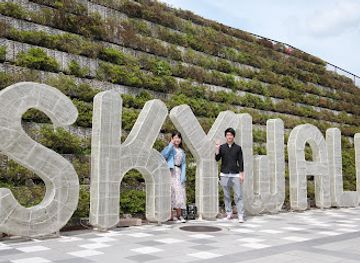
Mishima Sky Walk
Discover the majestic views of Mount Fuji at Mishima Sky Walk, Japan's longest suspension bridge, perfect for adventure seekers and nature lovers.
-
Tourist attraction
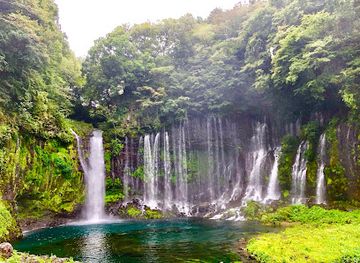
Shiraito Falls
Discover the enchanting beauty of Shiraito Falls in Fujinomiya, where cascading waters meet the majesty of Mount Fuji, creating a serene escape for nature lovers.


Best landmarks in Izu
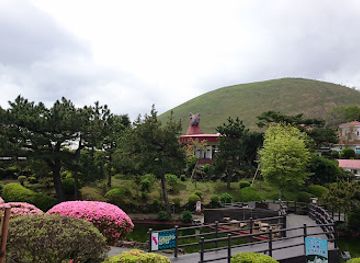
Mount Omuro is one of Izu’s most recognisable natural landmarks, a symmetrical volcanic cone whose grassy profile dominates views around Ito. Nearby, the Jogasaki Coast forms a dramatic line of lava cliffs, rocky inlets and bridges created by eruptions from the Izu volcanic field. Shuzenji Temple and its surrounding old lanes are enduring symbols of inland Izu’s religious and bathing culture, while the Amagi Tunnel represents the engineering effort required to cross the peninsula’s mountainous interior. In Shimoda, Ryosenji Temple is closely associated with the negotiations that followed Commodore Perry’s arrival, and the narrow Perry Road connects historic buildings and waterways. On the western shore, Dogashima’s sea caves and sculpted cliffs are among the peninsula’s most distinctive coastal formations; further south, Cape Aiai and the jagged shoreline of Minamiizu frame wide Pacific views. Mount Daruma, on western Izu, is valued for its elevated outlook across Suruga Bay towards Mount Fuji when visibility is clear.
-
Mountain peak
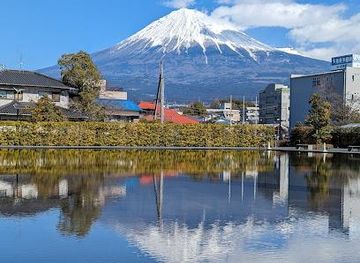
Mount Fuji
Climb or admire Japan's iconic Mount Fuji, a symbol of the country's natural beauty and spiritual significance, drawing millions annually.
-
Mountain peak
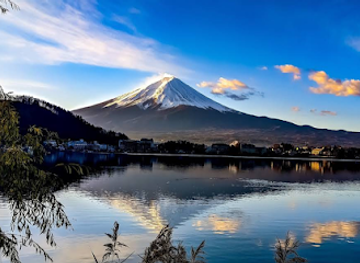
Mount Fuji
Ascend Japan's iconic Mount Fuji: a sacred peak, a UNESCO World Heritage Site, and a symbol of the nation's enduring spirit and natural beauty.
-
Zoo
Izu Shaboten Zoo
Discover a world where exotic animals and stunning cacti meet at Izu Shaboten Zoo, a unique destination on the Izu Peninsula.
-
Scenic spot
Joren Falls
Discover Joren Falls in Izu: A stunning waterfall, wasabi farms, and mythical legends await in a refreshing natural setting.
Explore Izu on the map
Plan your trip on one map. See where the top cities, national parks and sights are, and book hotels and experiences in a few clicks.
Best hotels in Izu
Best restaurants in Izu
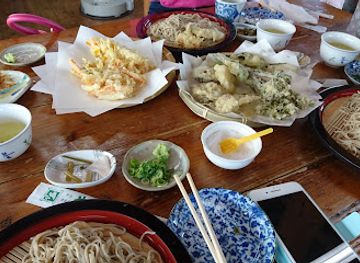
Izu’s food culture is shaped by both the Pacific and its cool mountain water. Coastal restaurants and traditional inns serve locally landed fish, with kinmedai red bream particularly associated with the peninsula’s waters, as well as seasonal shellfish, squid and spiny lobster in appropriate seasons. Inland streams and clear spring water support wasabi cultivation, and grated wasabi, pickled preparations and wasabi-flavoured foods appear across the region. Citrus grown in warmer coastal districts, mountain vegetables and locally produced tofu add variety to kaiseki-style meals and home-style cooking. Atami, Ito, Shimoda and the western ports offer the broadest choice of cafés, seafood restaurants and izakaya, while rural areas are more dependent on ryokan dining and small family establishments. Look for morning markets, roadside produce stands and regional sweets, and expect menus to reflect seasonality rather than a fixed list of dishes. Local sake and other Shizuoka beverages may accompany meals, though availability differs by town.
-
Dessert
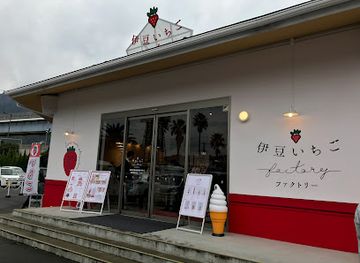
いちご BonBonBERRY 伊豆の国factory
Experience a delicious array of strawberry desserts at いちご BonBonBERRY in Izunokuni - A sweet destination for dessert lovers.
-
Soba noodle shop
Yamabiko
Discover authentic soba noodles and artisanal coffee at Yamabiko, nestled in the serene landscapes of Izu.
-
Soba noodle shop
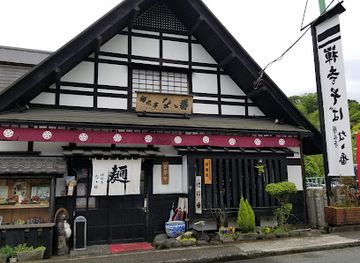
Zempuuteinanaban
Experience authentic Japanese soba noodles at Zempuuteinanaban in Shuzenji - where tradition meets flavor.
-
Fish restaurant
Odawara minato diner
Fresh port-to-table seafood in a welcoming station-front setting celebrating Odawara's maritime heritage.
Best bars in Izu
Evening life in Izu is generally quiet and centred on hot-spring inns, traditional pubs, seafood restaurants and small drinking establishments rather than a large nightclub scene. Atami and Ito have the widest selection of izakaya, bars and late-opening restaurants, with a more seasonal atmosphere during holidays and summer visits. Shimoda combines compact bars and restaurants with a port-town character, while Shuzenji and smaller western-coast settlements become subdued after dinner. Visitors staying in a ryokan often spend the evening bathing, eating a set meal and walking through the illuminated streets rather than moving between venues. Local sake, Shizuoka beer and regional spirits may be available, alongside familiar Japanese pub fare. Check transport before going out in rural districts, as the final bus or train can be early and taxis are less predictable away from the main resorts.
-
Western
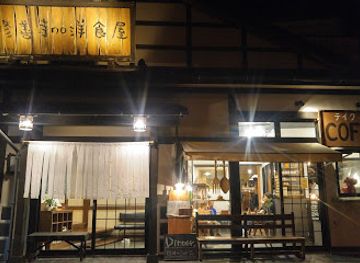
修善寺no洋食屋
Experience the delightful fusion of Japanese and Western cuisine at Shuzenji's charming Western Restaurant, a culinary gem in Izu.
-
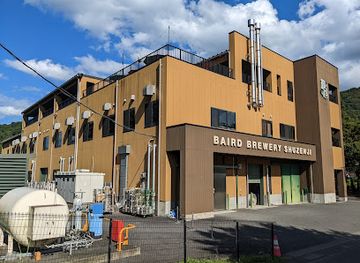
Brewpub
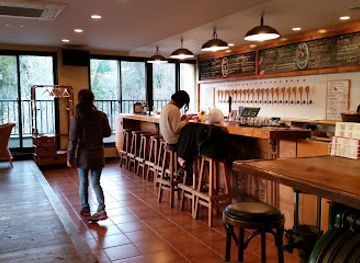
Baird brewery Gardens Shuzenji
Discover the enchanting Baird Brewery Gardens Shuzenji, where craft beer meets beautiful gardens in Izu's stunning landscape.
-
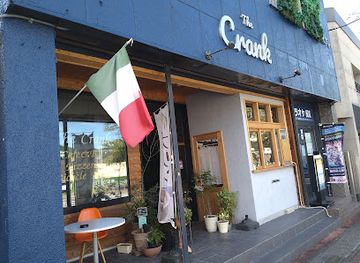
Italian
The Crank Pizzeria
Experience the authentic flavors of Italy at The Crank Pizzeria in Izu, where every meal is a celebration of Italian culinary traditions.
-
Bar
Camp Baird
Discover Camp Baird in Izu, Shizuoka - a unique blend of brewery, bar, and campground offering a serene escape for beer lovers and families alike.
Best nightclubs in Izu
Evening life in Izu is generally quiet and centred on hot-spring inns, traditional pubs, seafood restaurants and small drinking establishments rather than a large nightclub scene. Atami and Ito have the widest selection of izakaya, bars and late-opening restaurants, with a more seasonal atmosphere during holidays and summer visits. Shimoda combines compact bars and restaurants with a port-town character, while Shuzenji and smaller western-coast settlements become subdued after dinner. Visitors staying in a ryokan often spend the evening bathing, eating a set meal and walking through the illuminated streets rather than moving between venues. Local sake, Shizuoka beer and regional spirits may be available, alongside familiar Japanese pub fare. Check transport before going out in rural districts, as the final bus or train can be early and taxis are less predictable away from the main resorts.
-
Brewpub
Baird brewery Gardens Shuzenji
Experience the best of craft brewing and serene gardens at Baird Brewery Gardens Shuzenji, a must-visit destination for beer enthusiasts in Izu, Japan.
-
Japanese inn
Arcana Izu
Discover the serene beauty and traditional charm of Arcana Izu, a perfect Japanese inn retreat in the heart of Shizuoka.
-
Japanese inn
123MUSIC(伊豆山ミュージック)HOTEL & CAFEBAR
Discover the charm of 123MUSIC Hotel & Cafebar in Izusan, Atami – where traditional Japanese hospitality meets modern comfort and delightful cuisine.
-
Night club
G2 SHIZUOKA
Experience the vibrant nightlife of Shizuoka at G2 Shizuoka, where music, dancing, and fun come together in an unforgettable atmosphere.

Best shops in Izu
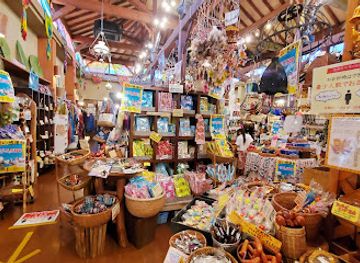
Shopping in Izu is oriented towards local food, craft and useful regional souvenirs rather than large-scale retail. Atami and Ito have the broadest high-street selection, including sweets, dried seafood, gift foods and shops serving the domestic hot-spring trade. Shimoda’s historic central streets offer cafés, small galleries and stores selling maritime and regional products, while Matsuzaki is associated with traditional namako-kabe plasterwork visible in historic buildings and represented in local craft culture. Roadside stands and farmers’ markets are good places to look for citrus, vegetables, pickles and wasabi products, although availability follows the season. Ceramic pieces, handmade goods, bathing products and local confectionery make practical gifts, and seafood products should be packed according to travel and customs requirements. Large shopping centres are more characteristic of the wider Shizuoka and Tokyo commuting zones than rural Izu, so visitors should buy specialist necessities before heading into the mountain or western-coast districts.
-
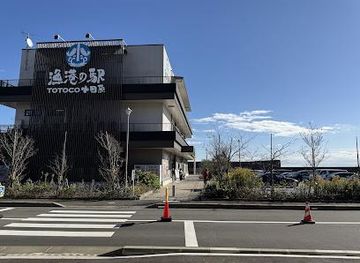
Shopping mall
Totoco Odawara
Discover the culinary delights and unique shopping experiences at Totoco Odawara, a vibrant hub in Kanagawa's picturesque city.
-
Shopping mall
Minaka Odawara
Discover the vibrant shopping and dining experiences at Minaka Odawara, a must-visit shopping mall in Kanagawa, Japan.
-
Home improvement store
CAINZ Shuzenji
Explore CAINZ Shuzenji in Izu - Your ultimate destination for home improvement, DIY projects, and stylish living essentials.
-
Asian household goods store
Asian Old Bazaar Izu
Explore the vibrant Asian Old Bazaar Izu for unique goods and authentic dining experiences in Itō, Shizuoka.

Get your free copy of our complete guide to Izu, delivered straight to you.
Everything on this page, from attractions and restaurants to essentials and local phrases, in one PDF you can read offline, print or share.
Already have an account? Sign in
Your Izu guide is ready.
We'll send it to · Not you? Sign out

Getting your guide ready…
We are putting together a fresh copy of the Izu guide. This can take up to a minute.
This can take a few moments. If your browser asks, choose Allow so the download can start. You'll find the guide in your Downloads folder.
Nothing happened? Download it again
Sorry, the guide is taking longer than usual. Please try again in a minute, or get it by email instead.
Izu essentials
Currency and Payment
Safety
Emergency Situations
Do's and Don'ts
Local Tips
From Eve
Local phrases worth knowing
You don't need to get them perfect. A few words go a long way, and locals appreciate the effort.
Basics
| English | Local | Say it |
|---|---|---|
| Hello | Howdy | [hau-dee] |
| Goodbye | See ya | [see ya] |
| Yes | Yep | [yehp] |
| No | Nah | [nah] |
| Please/You're welcome | Sure thing | [shur thing] |
| Thank you | Thanks | [thanks] |
| Excuse me/Sorry | Sorry 'bout that | [saw-ree 'bout that] |
| How are you? | How's it going? | [how's it go-ing] |
| Fine. And you? | Good. You? | [good. you?] |
| Do you speak English? | Can you speak English? | [can you speak ing-glish?] |
| I don't understand | I don't get it | [I don't get it] |
Eating & Drinking
| English | Local | Say it |
|---|---|---|
| I'd like to see the menu, please | Can I see the menu? | [can I see the men-yoo?] |
| I don't eat meat | I'm a vegetarian | [I'm a vege-tair-ee-an] |
| Cheers! | Cheers! | [cheers] |
| I would like to pay, please | Can I get the check? | [can I get the chek?] |
Emergencies
| English | Local | Say it |
|---|---|---|
| Help! | Help! | [help] |
| Go away! | Leave me alone! | [leave me a-lone!] |
| Call the Police! | Call the cops! | [call the cops] |
| Call a doctor! | Get a doctor! | [get a doc-tor] |
| I'm lost | I’m lost | [I'm lost] |
| I'm ill | I’m not feeling well | [I'm not feel-ing well] |
Shopping
| English | Local | Say it |
|---|---|---|
| I'd like to buy... | I want to buy... | [I want to buy...] |
| I'm just looking | Just browsing, thanks | [just brow-sing, thanks] |
| How much is it? | What’s the price? | [what’s the price?] |
| That's too expensive | That's a bit pricey | [that's a bit pry-see] |
| Can you lower the price? | Can you make it cheaper? | [can you make it chee-per?] |
Time & Numbers
| English | Local | Say it |
|---|---|---|
| What time is it? | What time is it? | [what time is it?] |
| It's one o'clock | It's one o'clock | [it's one o'clock] |
| Half past (10) | Half past ten | [half past ten] |
| Morning | Morning | [morning] |
| Afternoon | Afternoon | [afternoon] |
| Evening | Evening | [evening] |
| Yesterday | Yesterday | [yes-ter-day] |
| Today | Today | [to-day] |
| Tomorrow | Tomorrow | [to-mor-row] |
| 1 | One | [one] |
| 2 | Two | [two] |
| 3 | Three | [three] |
| 4 | Four | [four] |
| 5 | Five | [five] |
| 6 | Six | [six] |
| 7 | Seven | [seven] |
| 8 | Eight | [eight] |
| 9 | Nine | [nine] |
| 10 | Ten | [ten] |
Transport & Directions
| English | Local | Say it |
|---|---|---|
| Where's a/the...? | Where's the ...? | [where's the ...?] |
| What's the address? | What’s the address? | [what’s the ad-dress?] |
| Can you show me (on the map)? | Can you point it out on the map? | [can you point it out on the map?] |
| When's the next (bus)? | When does the next bus come? | [when does the next bus come?] |
| A ticket (to ....) | A ticket to ... | [a ticket to ...] |
History of Izu
Volcanic formation and the Izu Peninsula Geopark
Izu is geologically unusual because the peninsula began as a group of volcanic islands that collided with the Japanese mainland before continuing to rise and deform. Volcanic cones, lava flows, uplifted seabed, sea cliffs and hot springs record this long process. The Izu Peninsula Geopark presents these features through sites including Mount Omuro, the Jogasaki Coast, the Amagi area and western coastal formations. Its geological story explains both the peninsula’s rugged scenery and the concentration of thermal waters that later supported the development of hot-spring settlements.
Ancient roads, shrines and temple settlements
Before modern roads, Izu’s mountains and narrow coastal corridors made travel difficult, while sea routes connected its ports with the wider Suruga and Sagami Bay regions. Religious institutions and pilgrimage routes helped establish enduring settlements, including Shuzenji around Shuzenji Temple. Buddhist traditions, mountain worship and local shrine networks remain visible in temple precincts, cedar-lined approaches and village festivals. The region’s topography also meant that communities developed in separate valleys and bays, contributing to the distinctive local identities found across the peninsula.
Izu as a medieval place of exile
The peninsula’s relative remoteness made it a significant place of political exile during Japan’s medieval period. The warrior Minamoto no Yoritomo was sent to Izu after the defeat of his family’s faction, and his later rise to power transformed Japanese history. Shuzenji is also associated with the final years of Minamoto no Yoriie, Yoritomo’s son and the second shogun of the Kamakura government. These episodes lend historical depth to temples, springs and old routes that otherwise appear primarily as scenic destinations.
Hot springs, timber and coastal trade
Izu’s hot springs supported the growth of bathing settlements long before modern tourism, with inns serving travellers, pilgrims and people seeking therapeutic stays. Mountain forests supplied timber and other resources, while coastal villages depended on fishing, salt, small-scale farming and maritime exchange. Improved roads and steamship connections in the nineteenth century strengthened links between the peninsula and larger ports. Traditional inns, bath culture, local seafood and mountain produce still reflect this combination of resource-based livelihoods and travel trade.
Shimoda and the opening of Japan, 1854–1858
Shimoda became internationally significant after the Convention of Kanagawa in 1854, negotiated between the Tokugawa shogunate and the United States after Commodore Matthew Perry’s arrival. The agreement opened Shimoda and Hakodate to American vessels and established a United States consulate at Shimoda, where Townsend Harris later served. The port therefore became an important setting in the gradual ending of Japan’s policy of restricted foreign relations. Historic streets, the Perry Road and Ryosenji Temple provide tangible links to this period, although the wider political transition unfolded across Japan.
Modern resort development and the railway age
From the late nineteenth century onwards, improved transport made Izu increasingly accessible to visitors from Tokyo and other parts of Japan. Atami and Ito expanded as hot-spring resorts, while railways and better roads gradually connected the eastern peninsula with inland and southern destinations. The opening of the Tokaido Shinkansen at nearby gateways further shortened access to eastern Izu, though many western and southern districts remained dependent on winding roads. Modern tourism developed around bathing, coastal scenery, gardens, golf, seafood and artistic retreats without erasing the peninsula’s older fishing and mountain communities.
Izu in Photos
Browse through our photo collection highlighting the charm and character of the destination.
Neighbouring regions of Izu
The closest regions to Izu, if you have time for more than one.
-

-

-

-

-


Swipe for more regions
Explore more

Explore more of Japan
Discover the harmony of tradition and modernity in Japan, where ancient temples and cutting-edge technology coexist in perfect balance.
Explore Japan