

Suruga, Japan Travel Guide
Discover the serene beauty and rich history of Suruga, Japan - from breathtaking views of Mount Fuji to historic castles and exquisite green tea plantations.
Nestled in the heart of Shizuoka Prefecture, Suruga is a hidden gem that offers a perfect blend of natural beauty, rich history, and vibrant culture. Suruga Bay, with its breathtaking views of Mount Fuji, is a must-visit for any traveler. The clear waters and picturesque landscapes provide a serene escape from the hustle and bustle of city life. Visitors can explore the historic Sunpu Castle, which dates back to the 16th century and was once the residence of Tokugawa Ieyasu, the founder of the Tokugawa shogunate. The castle ruins and its surrounding park are a lovely spot for a leisurely stroll, especially during cherry blossom season. For a taste of local culture, head to Shizuoka Sengen Shrine, a complex of three beautiful shrines that offer a glimpse into Japan's Shinto traditions. Food enthusiasts will be delighted by the fresh seafood available at the bustling Shimizu Fish Market, where you can savor some of the best sushi and sashimi in the region. Suruga is also home to lush tea plantations, producing some of Japan's finest green tea. A visit to a local tea farm provides an opportunity to learn about the tea-making process and enjoy a traditional tea ceremony. Whether you're a history buff, nature lover, or foodie, Suruga has something special to offer every visitor.

Know before you go
Hi, I'm Eve. Here are a few practical things to know before exploring Suruga.
- Visit during cherry blossom season for stunning views and photo opportunities.
- Try the fresh seafood at Shimizu Fish Market early in the morning for the best selection.
- Take a guided tour of a local tea plantation to fully appreciate the region's tea culture.
- Wear comfortable shoes as there is a lot of walking involved when exploring the historic sites and natural areas.
- Check the weather forecast before planning a trip to Suruga Bay for the best visibility of Mount Fuji.
Destinations in Suruga
Resorts, valleys and scenic spots worth a trip of their own.


Explore Suruga: Things to Do, Places to Eat, Hotels & More
Handpicked recommendations for top attractions, local dining, accommodations, and more

Top Attractions & Sightseeing in Suruga
Top-rated picks
Best Attractions

Fuji-Q Highland
Discover adventure at Fuji-Q Highland, where thrilling rides meet breathtaking views of Mount Fuji in a family-friendly amusement park.

Shiraito Falls
Experience the ethereal beauty of Shiraito Falls near Mount Fuji, where delicate streams of water create a mesmerizing 'white threads' cascade.

Mount Fuji
Discover Mount Fuji, an iconic mountain peak in Japan offering breathtaking views, rich cultural heritage, and unforgettable outdoor adventures.

Fujisan Hongu Sengen Taisha Shrine
Discover the spiritual heart of Mount Fuji at this ancient shrine, the head of all Sengen shrines and a gateway to Japan's most sacred peak.

Best landmarks in Suruga
Top-rated picks
Best Landmarks

Kiyomizu-dera
Discover the breathtaking beauty and spiritual significance of Kiyomizu-dera, a must-visit Buddhist temple in the heart of Kyoto, Japan.

Kinkaku-ji
Discover the serene beauty and cultural richness of Kinkaku-ji, Kyoto's breathtaking Golden Pavilion nestled in tranquil gardens.

Miho no Matsubara (Miho Pine Forest)
Experience the serene beauty of Miho no Matsubara, a enchanting nature preserve with stunning views of Mount Fuji and a tranquil pine forest.

Numazu Deep Sea Aquarium
Discover the captivating underwater world at Numazu Deep Sea Aquarium, showcasing the unique marine life of Japan's deep waters.

Best restaurants in Suruga
Top-rated picks
Best Restaurants

Suruga Health Land
Experience ultimate relaxation at Suruga Health Land – a perfect blend of traditional onsen culture and modern wellness facilities in Shizuoka.

Sawayaka Shizuoka Ikeda
Discover the charm of Sawayaka Shizuoka Ikeda – where delicious Western cuisine meets family-friendly hospitality in the heart of Shizuoka.

Sawayaka Shizuoka Inter
Discover family-friendly dining at Sawayaka Shizuoka Inter - where Western flavors meet warm hospitality in beautiful Shizuoka.
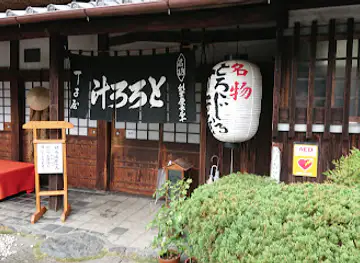
Chojiya
Experience the authentic taste of Japan at Chojiya, where traditional recipes meet local ingredients for an unforgettable dining adventure.

Best bars in Suruga
Top-rated picks
Best Bars

12 - twelve (West Coast Brewing)
Discover Twelve in Shizuoka: A vibrant bar and restaurant offering an extensive selection of craft beers and delicious local cuisine in a cozy atmosphere.
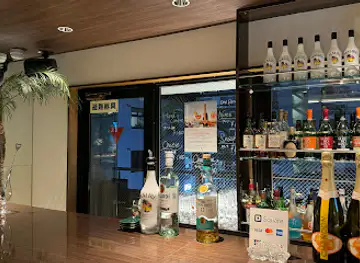
ResortBar Julian(リゾートバー ジュリアン)
Experience the vibrant nightlife at ResortBar Julian in Koyamachi, Shizuoka, where expertly crafted cocktails meet a stylish atmosphere.

Blue Label
Discover the vibrant nightlife of Shizuoka at Blue Label, a bar known for its exquisite cocktails and inviting ambiance.

Bar VINCENT
Experience the vibrant nightlife at Bar VINCENT, Shizuoka's favorite spot for exquisite drinks and a lively atmosphere.

Best nightclubs in Suruga
Top-rated picks
Best Nightclubs

MOGRA
Discover MOGRA in Akihabara, Tokyo – where DJ services meet anime culture in an unforgettable nightlife experience.

ODEON TOKYO
Discover the electrifying nightlife at ODEON Tokyo, where exquisite cocktails and vibrant dance floors create unforgettable memories.

IBEX-TOKYO アイベックス トウキョウ Hip Hop, reggae, afro Night Club
Discover the electric energy of IBEX-TOKYO, a premier night club in Roppongi, where hip hop, reggae, and afro beats come alive.

G2 SHIZUOKA
Experience the vibrant nightlife at G2 Shizuoka, a premier night club offering music, dance, and unforgettable memories in the heart of the city.

Best shops in Suruga
Top-rated picks
Best Shops

S-Pulse Dream Plaza
Discover the shopping and dining paradise at S-Pulse Dream Plaza in Shizuoka, Japan, where culture meets modern retail.

Matsuzakaya Department Store Shizuoka
Explore Matsuzakaya Department Store in Shizuoka, where shopping meets local culture, featuring cosmetics, gourmet groceries, and unique souvenirs.

Shizuoka PARCO
Discover fashion, flavor, and fun at Shizuoka PARCO, the ultimate shopping mall experience in the heart of Shizuoka, Japan.

APiTA Shizuoka
Explore the dynamic APiTA Shizuoka Shopping Mall for a unique blend of shopping and local flavors in the heart of Shizuoka.

Explore Suruga on the Map
A handpicked selection of must-see spots in Suruga, mapped for you.
Suruga Essentials
-
Suruga is located in the Shizuoka Prefecture of Japan. The nearest international airport is Chubu Centrair International Airport in Nagoya, approximately 180 kilometers away. From the airport, you can take a train or bus to Shizuoka City, the capital of the prefecture, and then transfer to a local train to reach Suruga. The journey typically takes around 3 to 4 hours by road or rail.
-
Suruga is well-served by public transportation, including trains and buses. The JR Tokaido Main Line and the Shizuoka Railway provide convenient access within the region. Local buses connect various parts of Suruga, and taxis are readily available. Renting a bicycle is also a popular option for exploring the area at a leisurely pace.
-
The official currency in Japan is the Japanese Yen (JPY). Credit cards are widely accepted in hotels, restaurants, and major shops, but it is advisable to carry some cash, especially when visiting smaller establishments or rural areas. ATMs are available throughout Suruga, and many accept international cards.
-
Suruga is generally a safe destination for tourists. However, it is always wise to take standard precautions such as avoiding walking alone at night in unfamiliar areas and keeping an eye on your belongings in crowded places. While Suruga does not have specific high-crime areas targeting tourists, it is always best to stay vigilant and aware of your surroundings.
-
In case of an emergency, dial 110 for police assistance or 119 for fire and medical emergencies. Suruga has several medical facilities and pharmacies where you can seek help. It is recommended to have travel insurance that covers medical emergencies. Familiarize yourself with the location of the nearest hospital and keep emergency contact numbers handy.
-
Fashion: Do dress modestly, especially when visiting religious sites. Avoid wearing revealing clothing. Religion: Do respect local customs and traditions. Always remove your shoes when entering temples and shrines. Public Transport: Do be respectful and give up your seat to elderly passengers, pregnant women, and those with disabilities. Don’t talk loudly or use your phone on public transport. Greetings: Do greet people with a bow or a polite 'Konnichiwa.' Eating & Drinking: Do try local delicacies and accept food offerings graciously. Don’t tip, as it is not customary in Japan and can be considered rude.
-
To experience Suruga like a local, visit the local markets and sample fresh seafood, a regional specialty. Take a stroll along the Miho no Matsubara, a scenic pine grove with views of Mount Fuji. Engage with locals, as they are often friendly and willing to share their knowledge about the area's history and culture. Don’t miss the annual Shizuoka Festival, which features traditional performances, parades, and food stalls.
When is the best time to visit Suruga?
Useful Local Phrases for Suruga
You don't need to speak the language perfectly. Even learning a few simple words can make conversations warmer—and locals usually appreciate the effort.
— Eve

Here are the phrases I use most often in Suruga. Try a few—you'll be surprised how far they go! 😊
❤️
-
- Helloこんにちは
[Konnichiwa] - Goodbyeさようなら
[Sayōnara] - Yesはい
[Hai] - Noいいえ
[Iie] - Please/You're welcomeお願いします/どういたしまして
[Onegaishimasu/Dōitashimashite] - Thank youありがとう
[Arigatou] - Excuse me/Sorryすみません
[Sumimasen] - How are you?お元気ですか?
[Ogenki desu ka?] - Fine. And you?元気です。あなたは?
[Genki desu. Anata wa?] - Do you speak English?英語を話せますか?
[Eigo o hanasemasu ka?] - I don't understandわかりません
[Wakarimasen]
- Helloこんにちは
-
- I'd like to see the menu, pleaseメニューを見せてください
[Menyū o misete kudasai] - I don't eat meat肉を食べません
[Niku o tabemasen] - Cheers!乾杯!
[Kanpai!] - I would like to pay, pleaseお会計をお願いします
[Okaikei o onegaishimasu]
- I'd like to see the menu, pleaseメニューを見せてください
-
- Help!助けて!
[Tasukete!] - Go away!どいて!
[Doite!] - Call the Police!警察を呼んで!
[Keisatsu o yonde!] - Call a doctor!医者を呼んで!
[Isha o yonde!] - I'm lost迷いました
[Mayoimashita] - I'm ill具合が悪いです
[Guai ga warui desu]
- Help!助けて!
-
- I'd like to buy......を買いたいです
[... o kaitai desu] - I'm just looking見ているだけです
[Mite iru dake desu] - How much is it?これはいくらですか?
[Kore wa ikura desu ka?] - That's too expensiveそれは高すぎます
[Sore wa takasugimasu] - Can you lower the price?値段を下げてもらえますか?
[Nedan o sagete moraemasu ka?]
- I'd like to buy......を買いたいです
-
- What time is it?今何時ですか?
[Ima nanji desu ka?] - It's one o'clock1時です
[Ichi-ji desu] - Half past (10)10時半です
[Jū-ji han desu] - Morning朝
[Asa] - Afternoon午後
[Gogo] - Evening夕方
[Yūgata] - Yesterday昨日
[Kinō] - Today今日
[Kyō] - Tomorrow明日
[Ashita] - 11
[Ichi] - 22
[Ni] - 33
[San] - 44
[Shi] - 55
[Go] - 66
[Roku] - 77
[Nana] - 88
[Hachi] - 99
[Kyū] - 1010
[Jū]
- What time is it?今何時ですか?
-
- Where's a/the...?どこに...がありますか?
[Doko ni ... ga arimasu ka?] - What's the address?住所は何ですか?
[Jūsho wa nan desu ka?] - Can you show me (on the map)?地図で見せてくれますか?
[Chizu de misete kuremasu ka?] - When's the next (bus)?次の(バス)はいつですか?
[Tsugi no (basu) wa itsu desu ka?] - A ticket (to ....)(...)行きの切符
[(...) yuki no kippu]
- Where's a/the...?どこに...がありますか?
History of Suruga
-
Suruga Province, located in the central part of Japan's Honshu island, has a rich history that dates back to the Nara period (710-794 AD). It was once a thriving center of power and culture, strategically important due to its location along the Tōkaidō, the main road connecting Kyoto and Edo (modern-day Tokyo).
-
During the Kamakura period (1185-1333), Suruga became significant as it was closely associated with the influential Hōjō clan, who were the regents of the Kamakura shogunate. Its strategic coastal location made it an important point for maritime trade and military logistics.
-
In 1560, the Battle of Okehazama took place, a pivotal event in Japanese history. Imagawa Yoshimoto, a powerful daimyo from Suruga, was defeated by Oda Nobunaga in a surprise attack. This battle significantly altered the power dynamics in the region and marked the rise of Nobunaga.
-
In the late 16th century, Tokugawa Ieyasu, one of Japan's most influential historical figures, took control of Suruga. He established Sumpu Castle (later known as Sunpu Castle) in what is now Shizuoka City. The castle became a crucial base for Ieyasu and played a significant role in the consolidation of his power, eventually leading to the establishment of the Tokugawa shogunate.
-
During the Edo period (1603-1868), Suruga thrived under the rule of the Tokugawa shogunate. The province benefited from its location on the Tōkaidō road, which facilitated trade and travel. Sumpu Castle served as a retirement home for Tokugawa Ieyasu, and the surrounding area developed into a bustling urban center.
-
The Meiji Restoration in 1868 brought significant changes to Suruga as Japan transitioned from feudal rule to a modern state. Suruga Province was reorganized into Shizuoka Prefecture. The region saw the introduction of modern infrastructure, including railways and schools, transforming it into a modern urban area while preserving its historical heritage.
-
Suruga has a rich cultural heritage, with traditional arts such as tea ceremonies, Noh theater, and unique crafts like Suruga bamboo ware. The region is also known for its culinary delights, including a variety of seafood and green tea, which is grown in the picturesque landscapes surrounding Mount Fuji.
-
Shizuoka Sengen Shrine, located in Shizuoka City, is a significant historical and cultural site in Suruga. The shrine complex consists of three main shrines: Otoshimioya Shrine, Kanbe Shrine, and Asama Shrine. It has been a center of Shinto worship for centuries and offers a glimpse into the spiritual traditions of the region.
Neighbouring Regions of Suruga
The closest regions to Suruga, if you have time for more than one.



Your all‑in‑one travel companion app
Explore expert travel guides, compare and book tours, experiences, hotels, and more—all from the palm of your hand. Download now for seamless trip planning wherever your wanderlust takes you.


Explore More of Japan

Looking beyond Suruga? Discover Japan for broader travel guides, local hot-spots, and regional highlights.
Explore JapanSuruga in Photos
Browse through our photo collection highlighting the charm and character of the destination.


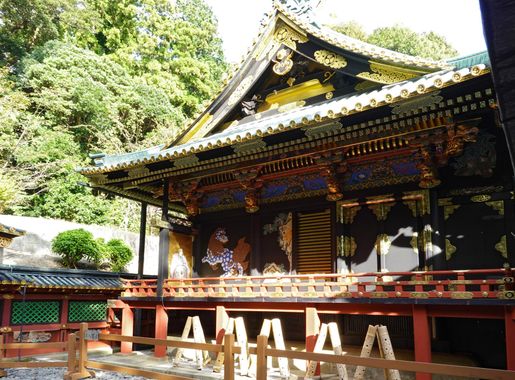
The Enchanting Charm of Suruga
Nestled in the heart of Shizuoka Prefecture, Suruga is a hidden gem that offers a perfect blend of natural beauty, rich history, and vibrant culture. Suruga Bay, with its breathtaking views of Mount Fuji, is a must-visit for any traveler. The clear waters and picturesque landscapes provide a serene escape from the hustle and bustle of city life. Visitors can explore the historic Sunpu Castle, which dates back to the 16th century and was once the residence of Tokugawa Ieyasu, the founder of the Tokugawa shogunate. The castle ruins and its surrounding park are a lovely spot for a leisurely stroll, especially during cherry blossom season. For a taste of local culture, head to Shizuoka Sengen Shrine, a complex of three beautiful shrines that offer a glimpse into Japan's Shinto traditions. Food enthusiasts will be delighted by the fresh seafood available at the bustling Shimizu Fish Market, where you can savor some of the best sushi and sashimi in the region. Suruga is also home to lush tea plantations, producing some of Japan's finest green tea. A visit to a local tea farm provides an opportunity to learn about the tea-making process and enjoy a traditional tea ceremony. Whether you're a history buff, nature lover, or foodie, Suruga has something special to offer every visitor.