

Free Musashi Travel Guide & Mobile App
Explore Musashi with free travel guides. Discover regional history, expert tips, proposed trips, and audio guides on web or mobile app.


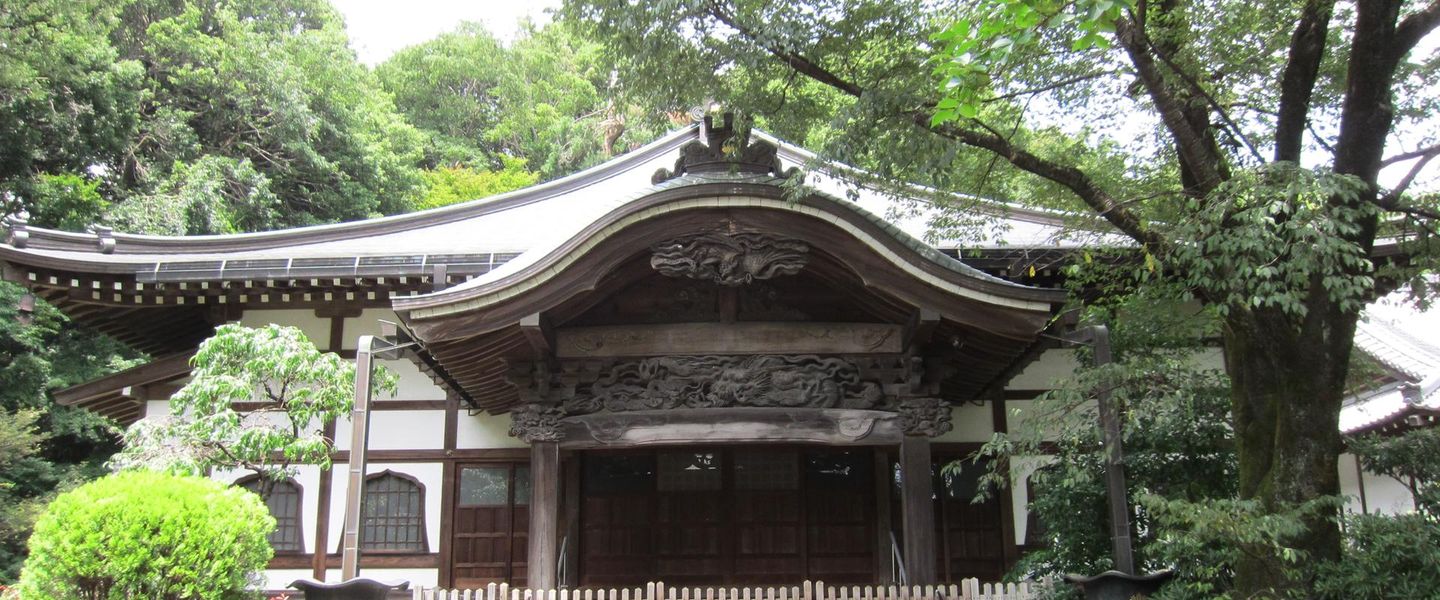


Explore historic Musashi across Tokyo, Saitama and eastern Kanagawa, from Edo heritage and port cities to river plains and wooded hills.
Read more about Musashi
When is the best time to visit Musashi?
Best: April–June · 19–27°C| Month | High (°C) | Rainfall (mm) |
|---|---|---|
| January | 9 | 50 |
| February | 10 | 50 |
| March | 14 | 100 |
| April (best) | 19 | 120 |
| May (best) | 24 | 130 |
| June (best) | 27 | 180 |
| July | 30 | 170 |
| August | 31 | 160 |
| September | 27 | 200 |
| October | 21 | 160 |
| November | 15 | 100 |
| December | 10 | 50 |
Getting to and around Musashi
How to get there
Transportation
Top city travel guides in Musashi
The cities of Musashi, and the easiest places to base yourself.

Swipe for more cities
Destinations in Musashi
Resorts, valleys and scenic spots worth a trip of their own.
-

-

-


Swipe for more destinations
Best attractions in Musashi
Musashi offers an unusually broad range of attractions because its historic territory includes the Tokyo metropolis, the port cities of southern Kanagawa, the market and farming landscapes of Saitama, and the wooded hills west of the urban plain. In Tokyo, major museums, temple precincts, gardens and neighbourhoods reveal the transformation from Edo to modern capital. Kawagoe provides a more concentrated encounter with preserved merchant architecture and castle-town history, while the railway-linked cities of Saitama offer museums, sports and contemporary cultural venues. Yokohama combines waterfront parks, museums and international port heritage; Kawasaki adds industrial history, religious sites and riverfront landscapes. Western Musashi shifts towards walking, mountain scenery, reservoirs and outdoor recreation around Hachioji, the Tama hills and Chichibu. Riverside cycling, seasonal gardens, traditional festivals and local food markets add smaller-scale experiences between the principal centres. The attraction landscape is therefore less about one single scenic viewpoint than about moving through contrasting urban, historic, agricultural and forested environments.
-
Theme park
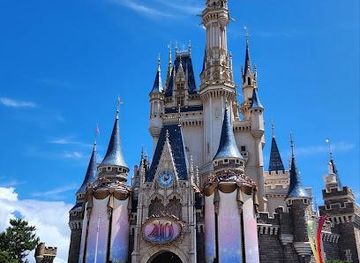
Tokyo Disneyland
Discover the magic of Tokyo Disneyland, where beloved Disney characters come to life in a spectacular theme park experience for all ages.
-
Buddhist temple
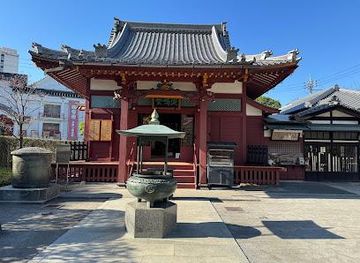
Kaminarimon
Explore Kaminarimon, the iconic gateway to Senso-ji Temple, where history, culture, and spirituality converge in the heart of Tokyo.
-
Zoo
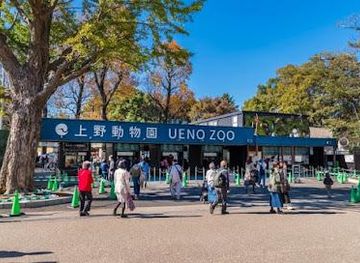
Ueno Zoological Gardens
Experience the charm of Ueno Zoological Gardens, Tokyo's historic zoo featuring diverse wildlife and beautiful gardens in the heart of the city.
-
Tourist attraction
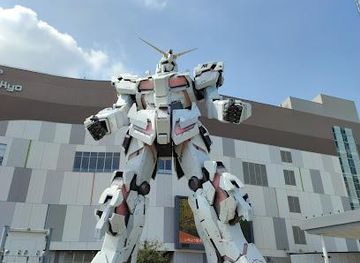
Unicorn Gundam
Experience the iconic Unicorn Gundam in Tokyo, a stunning blend of creativity and technology, celebrating Japan's anime legacy.
Best landmarks in Musashi
The Imperial Palace and its surviving stone walls, moats and gardens occupy the central site of Edo Castle, the political foundation of modern Tokyo and one of Musashi’s defining places. In Asakusa, Sensō-ji and the Kaminarimon gate form a powerful Buddhist landmark associated with the old city, while Meiji Jingū represents a later imperial and religious landscape within a substantial wooded precinct. Kawagoe’s warehouse-lined Ichibangai street and the bell tower known as Toki no Kane preserve the visual character of an Edo-period commercial town. Yokohama’s historic waterfront and the Yokohama Red Brick Warehouse express the city’s modern port development, while Kawasaki Daishi remains an important temple landmark in the south. Farther west, Mount Takao provides a prominent natural and religious landmark above the Tokyo plain, and the Chichibu mountains create a contrasting regional skyline of forests, ridges and river valleys. Together these places show how Musashi’s identity is built from castle power, temple culture, port modernisation and varied terrain.
-
Tourist attraction
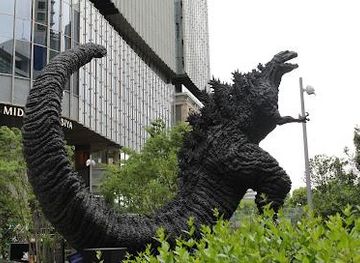
Godzilla Statue
Discover the legendary Godzilla Statue in Tokyo's Yurakucho, a cultural landmark that embodies Japan's cinematic history and vibrant pop culture.
-
Buddhist temple
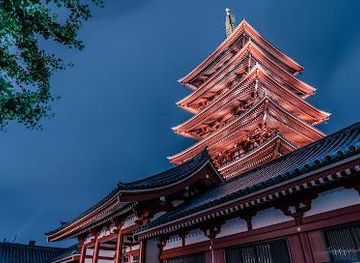
Five-Storied Pagoda
Explore the iconic Five-Storied Pagoda in Asakusa, Tokyo, a stunning historical landmark rich in culture and Buddhist heritage.
-
Sculpture
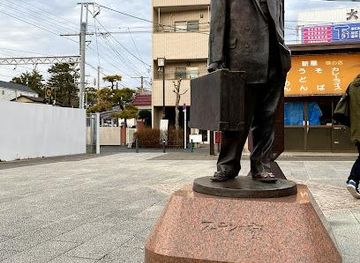
Futen Tora Statue and Sakura Statue
Discover the Futen Tora and Sakura Statues in Katsushika City, Tokyo, where art meets cultural heritage in a serene and picturesque setting.
-
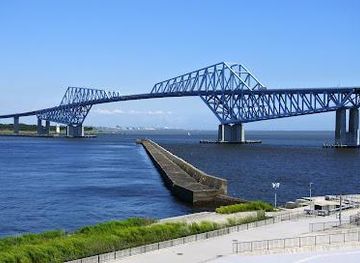
Bridge
Tokyo Gate Bridge
Experience breathtaking views and modern engineering at Tokyo Gate Bridge, a must-visit landmark in the heart of Tokyo Bay.
Explore Musashi on the map
Plan your trip on one map. See where the top cities, national parks and sights are, and book hotels and experiences in a few clicks.
Best hotels in Musashi
Best restaurants in Musashi
Dining in Musashi reflects the extraordinary variety of its metropolitan and rural landscapes. Tokyo supplies an immense range of sushi, soba, tempura, eel, yakitori, modern Japanese cooking and international cuisine, while distinct neighbourhood specialities such as monjayaki are associated with the capital’s older eastern districts. Yokohama’s port history has encouraged a cosmopolitan food culture, including Chinese restaurants and Western-influenced dishes, while Kawasaki and Saitama offer busy station dining, family restaurants and local establishments serving noodles, rice dishes and seasonal produce. In Kawagoe, sweet-potato confections and traditional sweets are closely linked with the town’s commercial heritage. Western Tokyo and the Saitama countryside provide farm produce, bakeries, cafés, soba restaurants and rural inns, with regional vegetables and locally made drinks appearing on contemporary menus. Department-store food halls, covered markets, depachika counters and neighbourhood izakaya are useful places to compare everyday and celebratory food traditions without assuming that one dish represents the whole historical region.
-
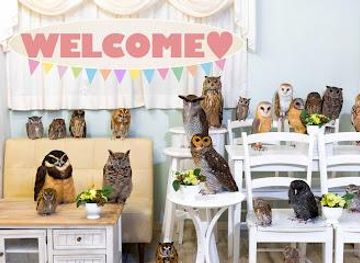
Cafe
Owl Cafe Tokyo
Whisper among wise owls in Tokyo's serene sanctuary, where gentle bonds form in a tranquil haven of feathers, facts, and unforgettable calm near Akihabara.
-
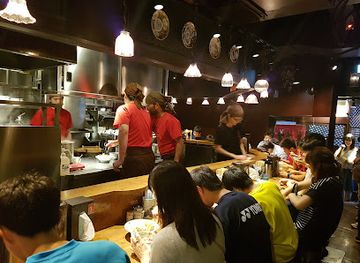
Ramen
Soushi Menya Musashi
Experience authentic Japanese ramen in the heart of Shinjuku at Soushi Menya Musashi—where tradition meets flavor.
-
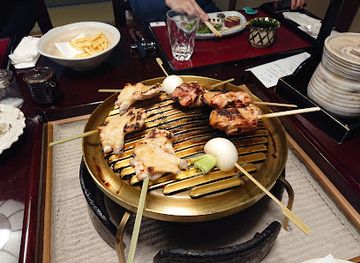
Japanese
Ukai Toriyama
Experience authentic Japanese kaiseki cuisine amidst serene gardens at Ukai Toriyama in Hachioji, Tokyo - a true culinary gem.
-
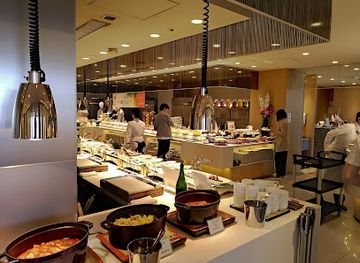
Buffet
Sky Grill Buffet Musashi
Discover the exquisite flavors of Japan at Sky Grill Buffet Musashi – where culinary artistry meets breathtaking views in Tokyo.
Best bars in Musashi
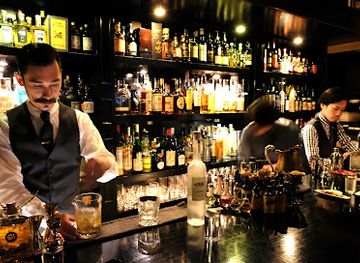
Nightlife in Musashi varies sharply by district. Central Tokyo contains the region’s largest concentration of izakaya, cocktail bars, jazz venues, live houses, theatres and late-night dining, with contrasting atmospheres in areas such as Shinjuku, Shibuya, Ueno and Asakusa. Yokohama offers waterfront and central-city bars, live music and dining shaped partly by its port history, while Kawasaki has an active evening economy around its main station. In Saitama, nightlife is more concentrated in larger railway centres, particularly around Omiya, rather than spread across the countryside. Smaller towns and western districts generally centre on local pubs, izakaya, cafés and occasional live performances; Chichibu’s evenings are quieter still. Visitors should check the exact location and last train times, as the metropolitan rail network often determines how late a night can continue. Drinks are not essential to experiencing the region, and many cultural venues, dessert shops and late-opening restaurants provide alternatives.
-
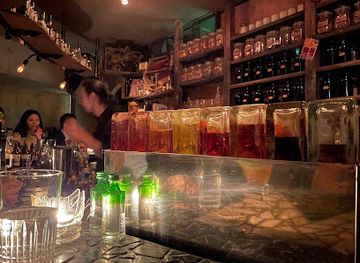
Cocktail bar
Bar Nayuta
Explore Osaka's vibrant nightlife at Bar Nayuta, a cocktail bar offering expertly crafted drinks in an inviting atmosphere.
-
Bar
The SG Club
Discover the vibrant cocktail scene at The SG Club, where innovative drinks and chic ambiance create an unforgettable experience in Shibuya, Tokyo.
-
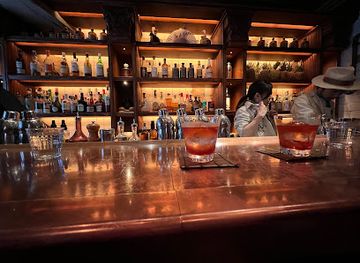
Bar
Bar Benfiddich
Experience the artistry of cocktails at Bar Benfiddich in Tokyo, where each drink is a crafted masterpiece in an intimate setting.
-
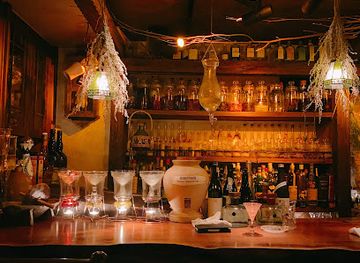
Cocktail bar
Bar TRENCH
Experience the art of mixology at Bar TRENCH, Tokyo's premier cocktail bar, where every drink tells a story and ambiance invites relaxation.
Best nightclubs in Musashi
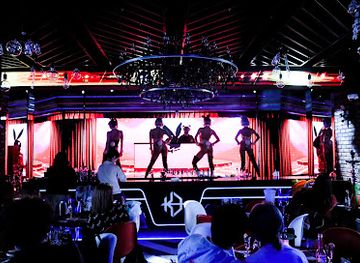
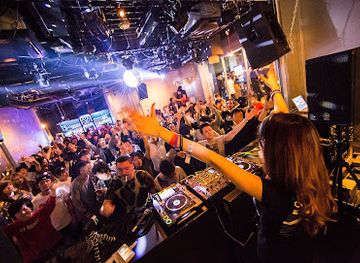
Nightlife in Musashi varies sharply by district. Central Tokyo contains the region’s largest concentration of izakaya, cocktail bars, jazz venues, live houses, theatres and late-night dining, with contrasting atmospheres in areas such as Shinjuku, Shibuya, Ueno and Asakusa. Yokohama offers waterfront and central-city bars, live music and dining shaped partly by its port history, while Kawasaki has an active evening economy around its main station. In Saitama, nightlife is more concentrated in larger railway centres, particularly around Omiya, rather than spread across the countryside. Smaller towns and western districts generally centre on local pubs, izakaya, cafés and occasional live performances; Chichibu’s evenings are quieter still. Visitors should check the exact location and last train times, as the metropolitan rail network often determines how late a night can continue. Drinks are not essential to experiencing the region, and many cultural venues, dessert shops and late-opening restaurants provide alternatives.
-
Night club
TK
Discover the electrifying nightlife at TK Nightclub in Shibuya, Tokyo, where music, dance, and excitement collide for an unforgettable experience.
-
Night club
Kujira Entertainment
Experience the electrifying nightlife of Tokyo at Kujira Entertainment, where cocktails, live shows, and vibrant energy come together in Shinjuku.
-
Night club
V2 TOKYO
Dive into the exhilarating nightlife of Tokyo at V2 TOKYO, where great music, lively dance floors, and a vibrant atmosphere await you.
-
Night club
WOMB
Dive into Tokyo's exhilarating nightlife at WOMB, a premier nightclub in Shibuya, featuring top DJs, vibrant atmosphere, and unforgettable experiences.


Best shops in Musashi
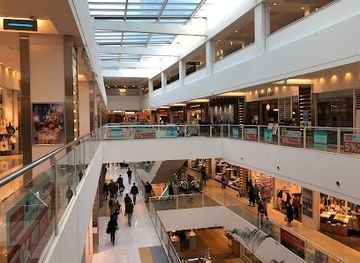
Shopping across Musashi ranges from vast metropolitan department stores and specialist streets to market-town arcades and small rural producers. Tokyo’s major commercial centres cover fashion, electronics, books, design, crafts and regional food, while older districts such as Asakusa are better suited to traditional sweets, souvenirs, kitchenware and artisan goods. Kawagoe’s historic streets combine confectionery, snacks, craft items and independent shops with a setting shaped by its former merchant economy. Yokohama offers department stores, port-oriented retail and the dense dining and shopping environment around its principal stations; Saitama’s largest urban centres provide practical high-street and mall shopping. Farmers’ markets and roadside shops in western Tokyo, Saitama and the Tama area are places to look for seasonal fruit, vegetables, pickles, sweets and locally made products. Visitors interested in Japanese crafts should allow time for galleries and specialist shops rather than expecting one unified regional style, since Musashi’s retail character reflects both the capital’s scale and its surrounding market communities.
-
Shopping mall
Lazona Kawasaki Plaza
Explore a vibrant shopping and dining experience at Lazona Kawasaki Plaza, a premier shopping destination in Kawasaki, Japan.
-
Department store
SEIBU Ikebukuro Main Store
Discover the SEIBU Ikebukuro Main Store, Tokyo's ultimate shopping destination, blending fashion, food, and culture in one vibrant location.
-
Shopping mall
DECKS
Discover DECKS, Tokyo's vibrant shopping mall in Odaiba, offering entertainment, dining, and stunning views of Tokyo Bay.
-
Shopping mall
Futako-Tamagawa Rise Shopping Center
Explore Futako-Tamagawa Rise Shopping Center, a vibrant hub of shopping, dining, and culture in the heart of Tokyo's Setagaya district.


Get your free copy of our complete guide to Musashi, delivered straight to you.
Everything on this page, from attractions and restaurants to essentials and local phrases, in one PDF you can read offline, print or share.
Already have an account? Sign in
Your Musashi guide is ready.
We'll send it to · Not you? Sign out

Getting your guide ready…
We are putting together a fresh copy of the Musashi guide. This can take up to a minute.
This can take a few moments. If your browser asks, choose Allow so the download can start. You'll find the guide in your Downloads folder.
Nothing happened? Download it again
Sorry, the guide is taking longer than usual. Please try again in a minute, or get it by email instead.
Musashi essentials
Currency and Payment
Safety
Emergency Situations
Do's and Don'ts
Local Tips
From Eve
Local phrases worth knowing
You don't need to get them perfect. A few words go a long way, and locals appreciate the effort.
Basics
| English | Local | Say it |
|---|---|---|
| Hello | こんにちは | [Konnichiwa] |
| Goodbye | さようなら | [Sayōnara] |
| Yes | はい | [Hai] |
| No | いいえ | [Iie] |
| Please/You're welcome | どうぞ | [Dōzo] |
| Thank you | ありがとう | [Arigatou] |
| Excuse me/Sorry | すみません | [Sumimasen] |
| How are you? | お元気ですか? | [Ogenki desu ka?] |
| Fine. And you? | 元気です。あなたは? | [Genki desu. Anata wa?] |
| Do you speak English? | 英語を話せますか? | [Eigo o hanasemasu ka?] |
| I don't understand | わかりません | [Wakarimasen] |
Eating & Drinking
| English | Local | Say it |
|---|---|---|
| I'd like to see the menu, please | メニューを見せてください | [Menyū o misete kudasai] |
| I don't eat meat | 肉は食べません | [Niku wa tabemasen] |
| Cheers! | 乾杯! | [Kanpai!] |
| I would like to pay, please | お会計をお願いします | [Okaikei o onegaishimasu] |
Emergencies
| English | Local | Say it |
|---|---|---|
| Help! | 助けて! | [Tasukete!] |
| Go away! | どこかへ行って! | [Dokoka e itte!] |
| Call the Police! | 警察を呼んで! | [Keisatsu o yonde!] |
| Call a doctor! | 医者を呼んで! | [Isha o yonde!] |
| I'm lost | 道に迷いました | [Michi ni mayoimashita] |
| I'm ill | 具合が悪いです | [Guai ga warui desu] |
Shopping
| English | Local | Say it |
|---|---|---|
| I'd like to buy... | ...を買いたいです | [... o kaitai desu] |
| I'm just looking | 見ているだけです | [Mite iru dake desu] |
| How much is it? | これはいくらですか? | [Kore wa ikura desu ka?] |
| That's too expensive | それは高すぎます | [Sore wa takasugimasu] |
| Can you lower the price? | 値段を下げてもらえますか? | [Nedan o sagete moraemasu ka?] |
Time & Numbers
| English | Local | Say it |
|---|---|---|
| What time is it? | 今、何時ですか? | [Ima, nanji desu ka?] |
| It's one o'clock | 1時です | [Ichi ji desu] |
| Half past (10) | 10時半です | [Jū ji han desu] |
| Morning | 朝 | [Asa] |
| Afternoon | 午後 | [Gogo] |
| Evening | 夕方 | [Yūgata] |
| Yesterday | 昨日 | [Kinō] |
| Today | 今日 | [Kyō] |
| Tomorrow | 明日 | [Ashita] |
| 1 | 1 | [Ichi] |
| 2 | 2 | [Ni] |
| 3 | 3 | [San] |
| 4 | 4 | [Shi] |
| 5 | 5 | [Go] |
| 6 | 6 | [Roku] |
| 7 | 7 | [Nana] |
| 8 | 8 | [Hachi] |
| 9 | 9 | [Kyū] |
| 10 | 10 | [Jū] |
Transport & Directions
| English | Local | Say it |
|---|---|---|
| Where's a/the...? | ...はどこですか? | [... wa doko desu ka?] |
| What's the address? | 住所は何ですか? | [Jūsho wa nan desu ka?] |
| Can you show me (on the map)? | 地図で見せてもらえますか? | [Chizu de misete moraemasu ka?] |
| When's the next (bus)? | 次の(バス)はいつですか? | [Tsugi no (basu) wa itsu desu ka?] |
| A ticket (to ....) | (...)までのチケット | [(...) made no chiketto] |
History of Musashi
Ancient Musashi and Early State Formation
Musashi was one of the large provinces established in ancient Japan and occupied a substantial part of the Kantō Plain. Its rivers, fertile lowlands and uplands supported farming communities, while routes through the plain linked settlements to the wider imperial state. Early Buddhist temples, burial mounds and archaeological remains across Tokyo, Saitama and Kanagawa testify to changing patterns of authority and belief. The province’s size and position made it strategically important long before the rise of Edo, and its broad geographical identity still helps explain the connected settlement pattern of the region.
Kamakura Authority and the Rise of the Kantō Warrior
During the late Heian and Kamakura periods, warrior families gained influence across Musashi as the Kamakura shogunate developed nearby in present-day Kanagawa. Local military lineages controlled estates, roads and agricultural territory, while Buddhist institutions expanded their spiritual and economic presence. The region was not simply a rural hinterland: its proximity to Kamakura and its access to the Kantō plain made it part of the power struggles that shaped medieval eastern Japan. Temple traditions and fortified sites in the wider region preserve traces of this warrior-led order.
Medieval Castles and Sengoku Rivalries
From the fifteenth to the sixteenth centuries, Musashi became a contested zone during the Sengoku period. The Later Hōjō, Uesugi and other military powers competed for control of strategic castles, river crossings and productive plains. Hachigata Castle in present-day Yorii and Kawagoe Castle in Saitama were among the fortified centres associated with these struggles. Warfare altered local administration and settlement, while castle towns and market networks laid foundations for later urban development. The eventual victory of Tokugawa Ieyasu brought Musashi into a more stable political framework.
Edo and the Tokugawa Transformation
Tokugawa Ieyasu established his headquarters at Edo in 1590, and the city became the shogunate’s seat from 1603. Edo Castle, officially required residence for many regional lords under the sankin-kōtai system, attracted administrators, artisans, merchants and labourers from across Japan. Canals, roads and river transport were developed to supply the rapidly expanding metropolis. Musashi’s villages, farmland and waterways were drawn into Edo’s economy, while neighbouring castle and post towns prospered. The period created the urban, social and cultural structures that continue to define central Tokyo.
Meiji Modernisation and the Opening of the Ports
The Meiji Restoration ended the shogunate in 1868 and renamed Edo as Tokyo, making it the imperial capital. Railways, factories, modern government institutions and new educational establishments transformed the Musashi plain. Yokohama, opened to international trade in the nineteenth century, became a major gateway for goods, technology and foreign communities, while Kawasaki developed as an important industrial centre. Traditional farming and craft districts survived beside modern infrastructure, creating the layered urban geography now visible across southern and eastern Musashi.
Earthquake, War and Reconstruction
The 1923 Great Kantō Earthquake devastated large parts of Tokyo and Yokohama, causing fires, deaths and extensive displacement. Reconstruction reshaped roads, parks, bridges and neighbourhoods, although later wartime bombing again destroyed substantial areas of the metropolitan region. Post-war rebuilding was followed by rapid economic growth, suburban expansion and major transport investment. Tokyo’s hosting of the 1964 Olympic Games symbolised Japan’s renewed international position, while the wider Musashi region became an immense network of residential, industrial and commercial settlements.
A Metropolitan Region with Rural Edges
Late twentieth- and early twenty-first-century Musashi has been shaped by continued urban concentration, commuter railways, redevelopment and the growth of service industries. Yet the historical province has not become uniformly urban. Agricultural land remains in parts of Saitama and western Tokyo, wooded hills survive around Hachioji and the Tama area, and mountain districts towards Chichibu retain distinct rural economies and traditions. Contemporary Musashi is therefore best understood as a metropolitan landscape with strong historical continuities, rather than as a city that has erased its older regional geography.
Musashi in Photos
Browse through our photo collection highlighting the charm and character of the destination.
Neighbouring regions of Musashi
The closest regions to Musashi, if you have time for more than one.
-

-
-

-

-


Swipe for more regions
Explore more

Explore more of Japan
Discover the harmony of tradition and modernity in Japan, where ancient temples and cutting-edge technology coexist in perfect balance.
Explore Japan