

Free Bingo Travel Guide & Mobile App
Explore Bingo with free travel guides. Discover regional history, expert tips, proposed trips, and audio guides on web or mobile app.


Explore Bingo in Japan for historic ports, hillside temples, Inland Sea islands, cycling routes, castle towns and distinctive regional food.
Read more about Bingo
When is the best time to visit Bingo?
Best: May–June, October · 23–29°C| Month | High (°C) | Rainfall (mm) |
|---|---|---|
| January | 9 | 75 |
| February | 10 | 80 |
| March | 14 | 90 |
| April | 19 | 110 |
| May (best) | 24 | 120 |
| June (best) | 29 | 130 |
| July | 33 | 160 |
| August | 33 | 145 |
| September | 29 | 135 |
| October (best) | 23 | 115 |
| November | 17 | 95 |
| December | 12 | 85 |
Getting to and around Bingo
How to get there
Transportation
Best attractions in Bingo
Bingo's attractions range from compact historic quarters to broad Inland Sea landscapes. Fukuyama Castle, reconstructed beside Fukuyama Station, introduces the area's feudal history, while nearby Tomonoura offers harbour walks, traditional buildings and maritime heritage. Onomichi is known for its temple route, hillside lanes, small museums and views across the water; it is also the mainland gateway to the Shimanami Kaido. Across the bridges, Innoshima and Setoda provide citrus-growing scenery, cycling, contemporary sculpture and island port life. Mihara combines castle history with coastal access, while inland districts offer quieter temples, rural scenery and archaeological evidence of earlier settlement. Outdoor visitors can cycle, walk wooded hills, explore waterfronts or use ferries to see the fragmented geography of the Seto Inland Sea. The attraction landscape is therefore less about a single monumental sight than about the relationship between towns, water, transport and terrain. Allow time for seasonal scenery, especially spring blossom, summer sea views and autumn colour, while checking access arrangements for smaller museums, temples and island facilities.
-
Theme park
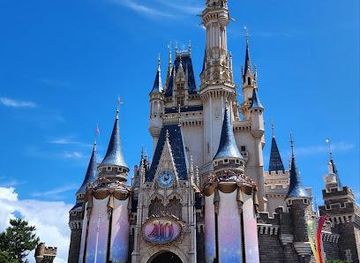
Tokyo Disneyland
Experience the magic of Tokyo Disneyland, where beloved Disney characters come to life in a world of adventure and enchantment.
-
Theme park
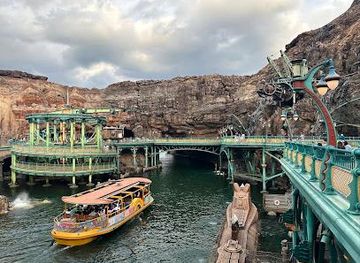
Tokyo DisneySea
Dive into adventure at Tokyo DisneySea, a unique theme park offering enchanting attractions and cultural experiences for all ages in Japan.
-
 Tourist attraction
Chiang Kai-shek Memorial Hall
Discover the historic charm and cultural significance of the Chiang Kai-shek Memorial Hall, a must-see landmark in Taipei, Taiwan.
-
Buddhist temple
Kaminarimon
Discover the iconic Kaminarimon, the stunning Thunder Gate of Senso-ji Temple, and immerse yourself in Asakusa's vibrant culture and history.

Best landmarks in Bingo
Fukuyama Castle is Bingo's most recognisable urban landmark, standing immediately beside the railway station on the site of the early Edo-period castle town and symbolising the area's feudal administration. In Tomonoura, the stone Joyato lighthouse, waterfront buildings and historic harbour form a distinctive maritime ensemble; together they show how ships navigated and rested in the Inland Sea before modern navigation systems. Onomichi's hillside temples and the Senkoji area create one of the region's most memorable townscapes, with streets rising above the harbour and views towards the islands. Mihara Castle Ruins, close to Mihara Station, preserve the location of a major sixteenth-century coastal castle, although the modern city has replaced much of its original fabric. The bridges and elevated roadways of the Shimanami Kaido are contemporary landmarks linking Bingo's mainland edge with the islands, while the narrow lanes, tiled roofs and harbour frontages of the old port settlements provide a more intimate architectural record of regional history.
-
Shinto shrine
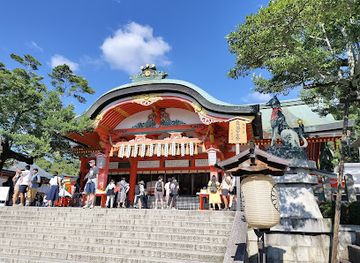
Fushimi Inari Taisha
Explore Kyoto's iconic Fushimi Inari-taisha: a mesmerizing mountain path through thousands of vibrant vermilion torii gates. Open 24/7, free entry.
-
Observation deck
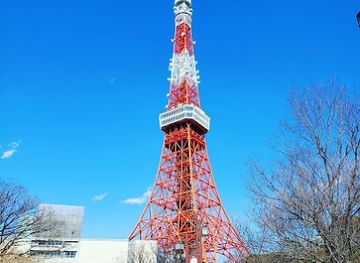
Tokyo Tower
An iconic symbol of Tokyo, offering stunning city views and a glimpse into Japan's post-war resurgence.
-
Buddhist temple
Sensō-ji
Explore Tokyo's oldest temple, Sensō-ji, a vibrant center of Buddhist worship, traditional shopping, and cultural events in the heart of Asakusa.
-
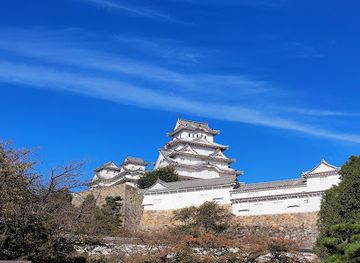
Castle
Himeji Castle
Explore Japan's most spectacular castle, a UNESCO World Heritage site with stunning architecture and rich history, in Himeji, Hyogo Prefecture.
Explore Bingo on the map
Plan your trip on one map. See where the top cities, national parks and sights are, and book hotels and experiences in a few clicks.
Best hotels in Bingo
Best restaurants in Bingo
Bingo's food reflects the sheltered Seto Inland Sea and the agricultural land around its rivers and hills. Seafood, including locally landed fish and shellfish, appears in simple set meals, sushi, grilled dishes and the cooking of traditional inns. The islands and coastal slopes are associated with citrus cultivation, so visitors will find oranges, lemons and related products in drinks, sweets, preserves and seasonal desserts. Fukuyama, Onomichi, Mihara and Tomonoura offer restaurants ranging from noodle shops and cafés to izakaya, family-run eateries and more formal Japanese dining. Local sake is another important part of the region's food culture, supported by the wider brewing traditions of the Inland Sea area. Markets, station food shops and specialist producers are useful places to sample packaged seafood, citrus products and regional confectionery. Dining choices become more limited in rural and island districts, where advance planning is sensible, but that smaller scale often highlights everyday cooking rather than a heavily packaged tourist cuisine.
-
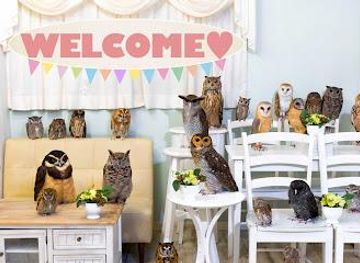
Cafe
Owl Cafe Tokyo
Discover serenity with majestic owls at Akihabara's premier cafe: whisper-quiet interactions, expert care, and timeless photos in an elegant haven.
-
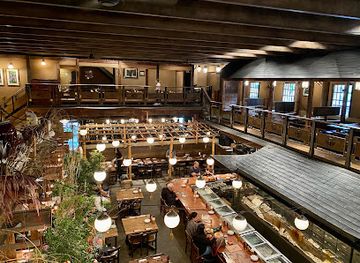
Japanese
Gonpachi Nishi-Azabu
Discover Gonpachi Nishi-Azabu: where traditional Japanese cuisine meets modern dining in Tokyo's vibrant Minato City.
-
Kushiyaki restaurant
Sanrokuen
Discover Sanrokuen: A delightful kushiyaki restaurant in Fujikawaguchiko offering authentic Japanese flavors and stunning views.
-
Cat cafe
Cat cafe MoCHA Akihabara Store
Akihabara's premier cat cafe where stylish comfort meets playful felines, unlimited drinks, and otaku vibes for ultimate Tokyo relaxation and charm.

Best bars in Bingo
Evening life in Bingo is generally modest and local in character. Fukuyama has the broadest choice of izakaya, small bars, karaoke venues and restaurants, especially around the central station area, while Onomichi combines intimate bars and cafés with a quieter atmosphere shaped by its hillside streets and creative communities. Tomonoura and the island ports focus more on traditional inns, seafood restaurants and a small number of relaxed drinking places than on late-night entertainment. Craft beer, sake and regional drinks can often be enjoyed alongside food, but nightlife is not centred on a large club scene. In smaller towns, establishments may close earlier and transport options become limited after the last trains or buses, so visitors staying outside the main urban centres should confirm their return arrangements. Seasonal festivals may bring temporary evening activity, but they should be checked locally rather than assumed to run every year in the same form.
-
Dart bar
Beer Pong Bar GROVE Shinjuku
Dive into the energetic nightlife of Shinjuku at Beer Pong Bar GROVE, where games meet great drinks in a vibrant atmosphere.
-
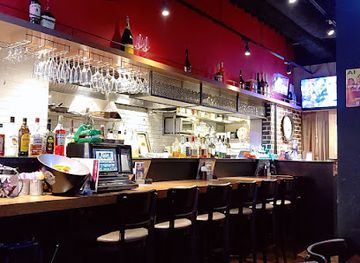
Bar
The SG Club
Experience the vibrant nightlife of Shibuya at The SG Club, renowned for its innovative cocktails and stylish ambiance.
-
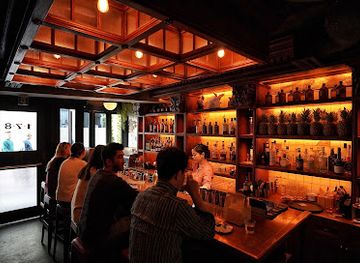
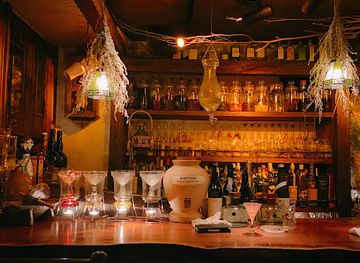
Bar
Bar Benfiddich
Discover the artistry of cocktails at Bar Benfiddich, Tokyo's premier destination for craft beverages in an intimate setting.
-
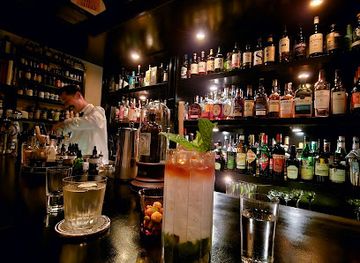
Cocktail bar
Bar TRENCH
Discover the artistry of mixology at Bar TRENCH, Tokyo’s premier cocktail bar in the vibrant Ebisu district, perfect for every cocktail enthusiast.
Best nightclubs in Bingo
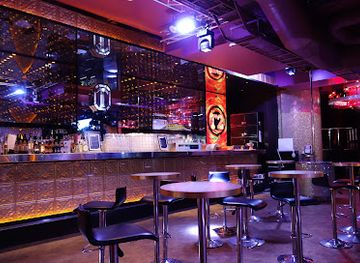
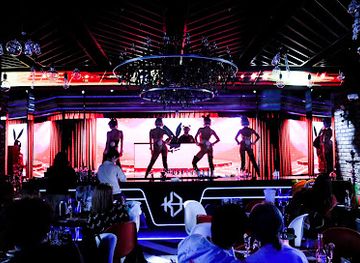
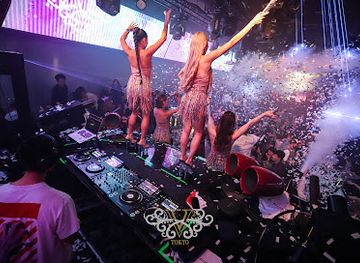
Evening life in Bingo is generally modest and local in character. Fukuyama has the broadest choice of izakaya, small bars, karaoke venues and restaurants, especially around the central station area, while Onomichi combines intimate bars and cafés with a quieter atmosphere shaped by its hillside streets and creative communities. Tomonoura and the island ports focus more on traditional inns, seafood restaurants and a small number of relaxed drinking places than on late-night entertainment. Craft beer, sake and regional drinks can often be enjoyed alongside food, but nightlife is not centred on a large club scene. In smaller towns, establishments may close earlier and transport options become limited after the last trains or buses, so visitors staying outside the main urban centres should confirm their return arrangements. Seasonal festivals may bring temporary evening activity, but they should be checked locally rather than assumed to run every year in the same form.
-
Night club
TK
Dive into the electrifying nightlife of Tokyo at TK Nightclub, where the music is vibrant and the atmosphere is unforgettable.
-
Night club
Kujira Entertainment
Immerse yourself in the vibrant nightlife of Tokyo at Kujira Entertainment, where eclectic cocktails, delectable desserts, and lively entertainment await.
-
Night club
V2 TOKYO
Dive into Tokyo's electrifying nightlife at V2 Tokyo, a premier night club in Roppongi featuring vibrant music and a stylish atmosphere.
-
Event venue
club asia
Discover Tokyo's music scene at Club Asia, a premier event venue in Shibuya, where unforgettable performances and vibrant nightlife await.
Best shops in Bingo
Shopping in Bingo is strongest in its market towns, station districts, port streets and specialist food shops rather than in a single large retail quarter. Fukuyama provides department stores, everyday high-street shopping and regional food counters, while Onomichi is known for independent cafés, bookshops, galleries, craft retailers and small stores in and around its older lanes. Tomonoura offers maritime-themed gifts, local confectionery, drinks and products associated with its port heritage. On the islands, look for citrus, jams, juices, sweets and other produce from the Seto Inland Sea, along with cycling-related services and locally made crafts. Sake, seafood products, Japanese confectionery and regional seasonings make practical gifts, though temperature-sensitive foods require suitable packing. Traditional crafts and ceramics may be found through specialist shops and galleries, but stock and opening arrangements vary. Shopping is best approached as part of exploring the towns themselves, with independent businesses often operating on a smaller scale and outside the hours familiar in major Japanese cities.
-
Department store
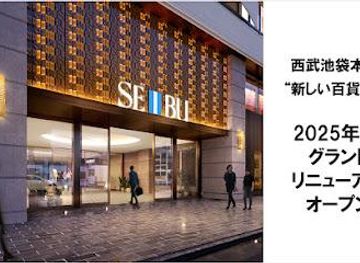
SEIBU Ikebukuro Main Store
Explore SEIBU Ikebukuro Main Store in Tokyo for a unique shopping experience blending luxury brands, local delicacies, and cultural events.
-
Discount store
MEGA Don Quijote
Discover unique treasures and everyday essentials at MEGA Don Quijote in Shibuya, Tokyo's ultimate discount store experience.
-
Electronics store
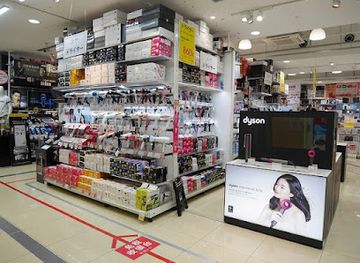
BicCamera Shinjuku east exit store
Explore BicCamera Shinjuku East Exit Store for a unique blend of electronics, Japanese culture, and diverse shopping in the heart of Tokyo.
-
Shopping mall
DECKS
Discover DECKS, a vibrant shopping mall in Odaiba, Tokyo, featuring a unique blend of retail, dining, and entertainment options with stunning bay views.


Get your free copy of our complete guide to Bingo, delivered straight to you.
Everything on this page, from attractions and restaurants to essentials and local phrases, in one PDF you can read offline, print or share.
Already have an account? Sign in
Your Bingo guide is ready.
We'll send it to · Not you? Sign out

Getting your guide ready…
We are putting together a fresh copy of the Bingo guide. This can take up to a minute.
This can take a few moments. If your browser asks, choose Allow so the download can start. You'll find the guide in your Downloads folder.
Nothing happened? Download it again
Sorry, the guide is taking longer than usual. Please try again in a minute, or get it by email instead.
Bingo essentials
Currency and Payment
Safety
Emergency Situations
Do's and Don'ts
Local Tips
From Eve
Local phrases worth knowing
You don't need to get them perfect. A few words go a long way, and locals appreciate the effort.
Basics
| English | Local | Say it |
|---|---|---|
| Hello | こんにちは | [Konnichiwa] |
| Goodbye | さようなら | [Sayōnara] |
| Yes | はい | [Hai] |
| No | いいえ | [Iie] |
| Please/You're welcome | どうぞ | [Dōzo] |
| Thank you | ありがとう | [Arigatou] |
| Excuse me/Sorry | すみません | [Sumimasen] |
| How are you? | お元気ですか? | [Ogenki desu ka?] |
| Fine. And you? | 元気です。あなたは? | [Genki desu. Anata wa?] |
| Do you speak English? | 英語を話せますか? | [Eigo o hanasemasu ka?] |
| I don't understand | わかりません | [Wakarimasen] |
Eating & Drinking
| English | Local | Say it |
|---|---|---|
| I'd like to see the menu, please | メニューを見せてください | [Menyū o misete kudasai] |
| I don't eat meat | 肉は食べません | [Niku wa tabemasen] |
| Cheers! | 乾杯! | [Kanpai!] |
| I would like to pay, please | お会計をお願いします | [Okaikei o onegaishimasu] |
Emergencies
| English | Local | Say it |
|---|---|---|
| Help! | 助けて! | [Tasukete!] |
| Go away! | どいて! | [Doite!] |
| Call the Police! | 警察を呼んで! | [Keisatsu o yonde!] |
| Call a doctor! | 医者を呼んで! | [Isha o yonde!] |
| I'm lost | 道に迷いました | [Michi ni mayoimashita] |
| I'm ill | 具合が悪いです | [Guai ga warui desu] |
Shopping
| English | Local | Say it |
|---|---|---|
| I'd like to buy... | …を買いたいです | [… o kaitai desu] |
| I'm just looking | 見ているだけです | [Mite iru dake desu] |
| How much is it? | これはいくらですか? | [Kore wa ikura desu ka?] |
| That's too expensive | それは高すぎます | [Sore wa takasugimasu] |
| Can you lower the price? | 値段を下げてもらえますか? | [Nedan o sagete moraemasu ka?] |
Time & Numbers
| English | Local | Say it |
|---|---|---|
| What time is it? | 今何時ですか? | [Ima nanji desu ka?] |
| It's one o'clock | 1時です | [Ichi-ji desu] |
| Half past (10) | 10時半です | [Jū-ji han desu] |
| Morning | 朝 | [Asa] |
| Afternoon | 午後 | [Gogo] |
| Evening | 夕方 | [Yūgata] |
| Yesterday | 昨日 | [Kinō] |
| Today | 今日 | [Kyō] |
| Tomorrow | 明日 | [Ashita] |
| 1 | 1 | [Ichi] |
| 2 | 2 | [Ni] |
| 3 | 3 | [San] |
| 4 | 4 | [Shi] |
| 5 | 5 | [Go] |
| 6 | 6 | [Roku] |
| 7 | 7 | [Nana] |
| 8 | 8 | [Hachi] |
| 9 | 9 | [Kyuu] |
| 10 | 10 | [Juu] |
Transport & Directions
| English | Local | Say it |
|---|---|---|
| Where's a/the...? | …はどこですか? | [… wa doko desu ka?] |
| What's the address? | 住所は何ですか? | [Jūsho wa nan desu ka?] |
| Can you show me (on the map)? | 地図で見せてくれますか? | [Chizu de misete kuremasu ka?] |
| When's the next (bus)? | 次の(バス)はいつですか? | [Tsugi no (basu) wa itsu desu ka?] |
| A ticket (to ....) | (…への)切符 | [… e no kippu] |
History of Bingo
Early Settlement and the Kusadocho Archaeological Site
The lower Ashida River area around present-day Fukuyama preserves evidence of medieval settlement at the Kusadocho site, where excavations revealed buildings, wells, pottery and everyday objects from a busy riverside community. Such archaeology is important because it shows that Bingo's development was not limited to castles and temples: river transport, craft activity and market exchange shaped ordinary life as well. The site also illustrates how waterways influenced settlement patterns before modern embankments and urban expansion altered the landscape.
Bingo Province and Medieval Temple Networks
Bingo became one of Japan's historical provinces, administered from a region that corresponded broadly to eastern Hiroshima Prefecture. During the medieval period, powerful warrior families controlled estates and transport routes, while Buddhist temples and shrines served as religious, cultural and economic centres. Onomichi's hillside temples and the religious institutions around Fukuyama and the Inland Sea ports reflect this long development. Maritime connections linked Bingo with neighbouring provinces and with wider routes across the Seto Inland Sea.
The Rise of Castle Towns
The political reorganisation of Japan in the late sixteenth and early seventeenth centuries strengthened castle towns across Bingo. Fukuyama Castle was established in the early Edo period under Mizuno Katsunari, creating an administrative and commercial centre beside the Ashida River and important inland-sea routes. Mihara also developed around a substantial castle built by Kobayakawa Takakage in the sixteenth century, although much of the original structure has disappeared. Their surviving sites and urban patterns show how military government redirected settlement and trade.
Tomonoura and Inland Sea Maritime Trade
Tomonoura's sheltered harbour became a significant calling point for vessels navigating the Seto Inland Sea. Its tidal currents, anchorage and position along coastal routes supported shipping, fishing, commerce and diplomatic travel. The port's remaining historic structures, including the celebrated stone lighthouse and waterfront buildings, convey the practical world of pre-modern maritime Japan. Tomonoura also gained literary and cultural associations, but its importance rests first on the working harbour and the network of sea routes that connected Bingo with the rest of the country.
Edo-Period Commerce, Sake and Rural Production
Under the Tokugawa shogunate, Bingo's castle towns, ports and post stations operated within a more stable commercial order. Rice, timber, salt, fish and manufactured goods moved through the Inland Sea, while farming villages supplied growing urban markets. Brewing traditions also developed and remain visible in local sake culture. The region's historic lanes and merchant houses are reminders of an economy that depended on small-scale transport by river and sea rather than on modern roads and railways.
Modernisation, Industry and the Railway
From the late nineteenth century, railways and modern industry transformed the relationship between Bingo's towns and the sea. Fukuyama expanded as a regional commercial centre, while coastal manufacturing, shipbuilding and engineering became increasingly important. The railway made long-distance movement faster and helped connect the former provincial area with Hiroshima, Okayama and the wider Japanese network. Modern industry remains part of the region's identity, existing alongside historic ports, agricultural districts and temple communities rather than replacing them entirely.
Post-war Mobility and the Seto Inland Sea Islands
After 1945, roads, bridges and improved ferry connections reshaped travel across the Inland Sea. The completion of the Shimanami Kaido in the late twentieth century linked Onomichi with several islands and Imabari in Shikoku, creating one of Japan's best-known long-distance cycling corridors. For Bingo, this development brought new visibility to island landscapes and port settlements while preserving the importance of ferries and local communities. Tourism today sits alongside fishing, citrus cultivation, manufacturing and everyday regional life.
Bingo in Photos
Browse through our photo collection highlighting the charm and character of the destination.
Neighbouring regions of Bingo
The closest regions to Bingo, if you have time for more than one.
-

-

-

-

-


Swipe for more regions
Explore more

Explore more of Japan
Discover the harmony of tradition and modernity in Japan, where ancient temples and cutting-edge technology coexist in perfect balance.
Explore Japan