

Free Mimasaka Travel Guide & Mobile App
Explore Mimasaka with free travel guides. Discover regional history, expert tips, proposed trips, and audio guides on web or mobile app.


Explore Mimasaka in northern Okayama for Tsuyama's heritage, mountain forests, Hiruzen scenery, rural food and restorative hot springs.
When is the best time to visit Mimasaka?
Best: April–May, October · 19–24°C| Month | High (°C) | Rainfall (mm) |
|---|---|---|
| January | 7 | 80 |
| February | 8 | 90 |
| March | 13 | 120 |
| April (best) | 19 | 130 |
| May (best) | 24 | 140 |
| June | 28 | 200 |
| July | 32 | 240 |
| August | 32 | 220 |
| September | 28 | 200 |
| October (best) | 22 | 150 |
| November | 16 | 110 |
| December | 9 | 90 |
Getting to and around Mimasaka
How to get there
Transportation
Best attractions in Mimasaka
Mimasaka's attractions combine historic townscapes, hot springs, mountain scenery and small cultural institutions rather than a single major visitor complex. Tsuyama is the principal heritage centre, with the stone walls of Tsuyama Castle in Kakuzan Park, the preserved Jōtō district and the landscaped garden of Shurakuen. In Maniwa, the Hiruzen Highlands provide open countryside for cycling, walking, farm visits and seasonal outdoor activities, while Yubara Onsen and the surrounding river valley offer a slower spa-town experience. Okutsu Onsen and Yunogo Onsen bring different forms of hot-spring culture, from forested retreat to established resort settlement. Nagi's Museum Of Contemporary Art is a distinctive destination for architecture and site-specific modern art, and Nishiawakura introduces visitors to community forestry in the Chūgoku Mountains. Rural shrines, waterfalls, farm shops and local museums fill the spaces between the better-known sights. Distances are significant, so the region is best explored through carefully chosen clusters rather than a checklist of isolated stops.
-
Tourist attraction
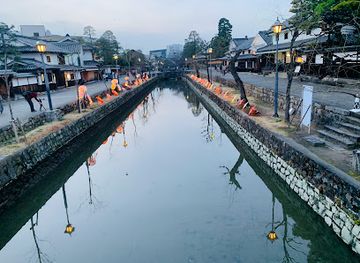
Kurashiki Bikan Historical Quarter
Explore the rich cultural heritage and stunning architecture of Kurashiki Bikan Historical Quarter, a must-see destination in Okayama, Japan.
-
Museum
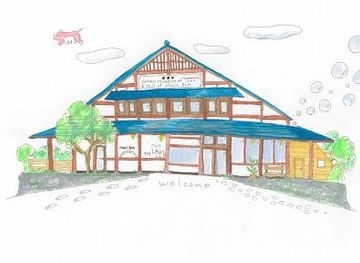
Japan Museum of Contemporary Toy & Hall of Music Box
Explore the Japan Museum of Contemporary Toy & Hall of Music Box, a whimsical experience that celebrates the joy of play and the artistry of music boxes in Okayama.
-
Tourist attraction
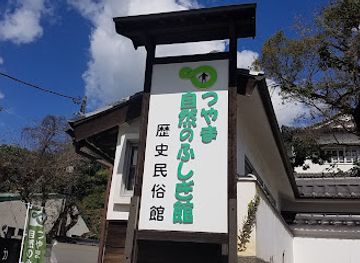
Tsuyama Natural Science History Museum
Explore the wonders of nature at Tsuyama Natural Science History Museum, where science and discovery await every curious traveler.
-
Religious destination
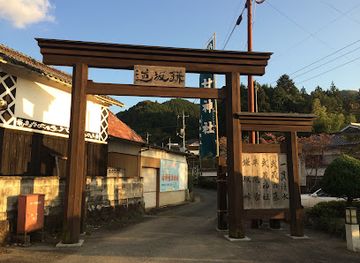
Miyamoto Musashi birthplace
Explore the serene birthplace of Miyamoto Musashi, a historical landmark in Okayama, offering a glimpse into Japan's rich martial arts heritage.
Best landmarks in Mimasaka
Tsuyama Castle's surviving stone walls and elevated position in Kakuzan Park are Mimasaka's most recognisable historic landmark, expressing the political importance of the former castle town even though the original buildings are gone. The adjacent Jōtō district is notable for its long streets of merchant houses, temples and traditional façades, which preserve the town's Edo-period structure. Shurakuen, a garden created in the eighteenth century for the Tsuyama domain, provides a quieter expression of the same feudal culture through ponds, bridges and carefully composed scenery. In the countryside, the Hiruzen Highlands are a major natural landmark, distinguished by open upland pasture in a region otherwise dominated by wooded mountains. Nagi's Museum Of Contemporary Art is an architectural landmark whose unusual forms frame the surrounding landscape, while the old streets and hot-spring settings of Yunogo, Yubara and Okutsu illustrate how spa settlements adapted valley environments for travel and hospitality.
-
Garden
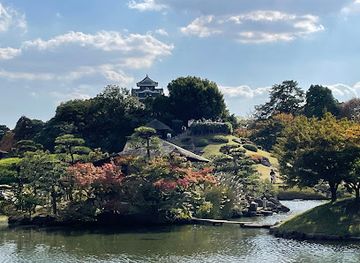
Okayama Korakuen
Explore Okayama Korakuen, a stunning Japanese garden with serene landscapes and rich cultural experiences in the heart of Okayama.
-
Tourist attraction
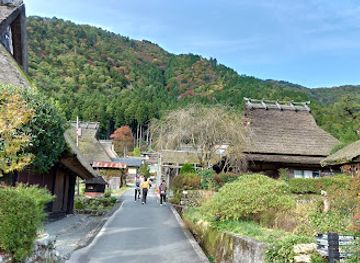
Kayabuki No Sato
Experience the rich cultural heritage and serene beauty of Kayabuki No Sato, a traditional Japanese village in Kyoto, perfect for an authentic getaway.
-
Castle
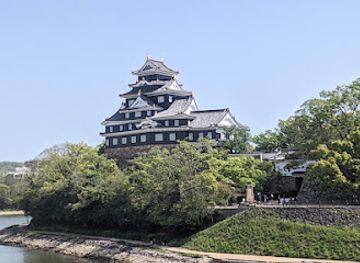
Okayama Castle
Experience the grandeur of Okayama Castle, a historical marvel that showcases Japan's rich feudal heritage amidst stunning landscapes.
-
Shinto shrine
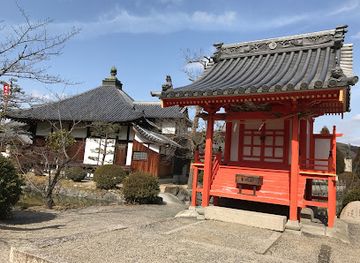
Kibitsu Jinja (Sanbi Ichinomiya)
Explore Kibitsu Jinja in Okayama, a historic Shinto shrine known for its stunning architecture and tranquil gardens, perfect for a cultural escape.
Explore Mimasaka on the map
Plan your trip on one map. See where the top cities, national parks and sights are, and book hotels and experiences in a few clicks.
Best hotels in Mimasaka
Best restaurants in Mimasaka
Mimasaka's food culture is rooted in inland farming, mountain produce and the cooking of hot-spring inns. Rice, seasonal vegetables, mushrooms, bamboo shoots and river fish appear frequently, with menus changing noticeably between spring, summer, autumn and winter. The Hiruzen area is known for dairy production, and milk, yoghurt, cheese and soft-serve products are common regional treats. Tsuyama has a reputation for substantial beef-based cooking, while rural restaurants and accommodation may serve locally sourced pork, chicken or freshwater fish alongside rice and pickles. Farm shops are useful for fruit, vegetables and prepared foods, and roadside facilities often showcase produce from nearby communities. In Yunogo, Yubara and Okutsu, traditional inns generally provide the most complete expression of local seasonal cooking, whereas Tsuyama offers the broadest choice of cafés, izakaya and contemporary restaurants. Visitors should expect some small establishments to operate limited hours and may need cash outside the main town.
-
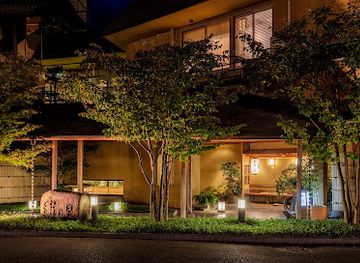
Japanese inn
Kifunosato
Experience authentic Japanese hospitality at Kifunosato, where tradition meets tranquility in Mimasaka's scenic landscapes.
-
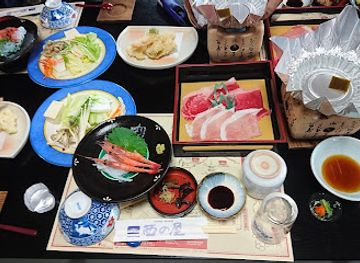
Syokudo and Teishoku restaurant
Nishinoya
Experience authentic Japanese flavors at Nishinoya, where delicious udon noodles meet warm hospitality in the heart of Okayama.
-
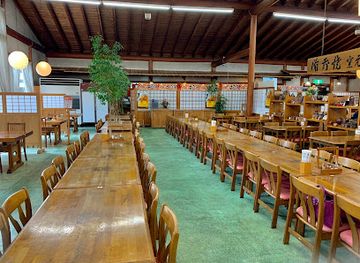
Restaurant
Nishinoya Mimasaka
Discover authentic Japanese cuisine at Nishinoya Mimasaka in Okayama, where ramen and udon take center stage in a cozy dining atmosphere.
-
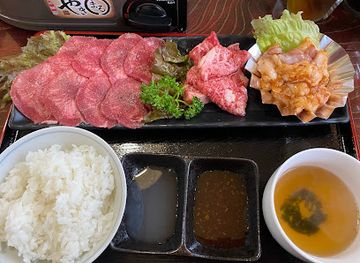
Yakiniku
Horuyan
Experience authentic yakiniku at Horuyan in Mimasaka – where quality meets tradition in every delicious bite.
Best bars in Mimasaka
Evening life in Mimasaka is low-key and dispersed, with traditional pubs, izakaya, hotel restaurants and small cafés providing the main social settings. Tsuyama has the region's broadest choice, particularly around the central town and station area, where visitors can find Japanese-style dining and drinks without the scale of nightlife in Okayama or Osaka. Yunogo, Yubara and Okutsu are oriented towards evening meals, bathing and conversation at inns rather than clubs. Local sake and beer may accompany dinner, and some establishments offer regional produce in small dishes. Hiruzen has a more seasonal atmosphere, with resort accommodation and food venues becoming livelier during holidays and outdoor tourism periods. Night buses and rural taxis can be limited, so visitors staying outside Tsuyama should arrange transport through their accommodation and should not assume that late-night venues are within walking distance.
-
Western
Bon appetit
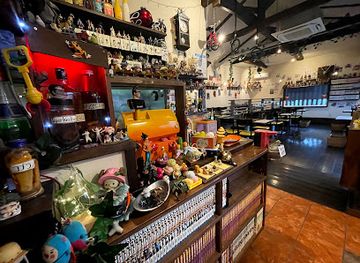
Experience the delightful fusion of Western cuisine in the heart of Mimasaka, Okayama at Bon Appetit.
-
Hotel
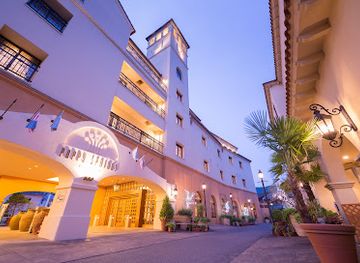
Poppy Springs Resort & Spa
Discover the luxury and tranquility of Poppy Springs Resort & Spa in Okayama, your perfect escape into nature's embrace.
-
Bar
Aussie Bar
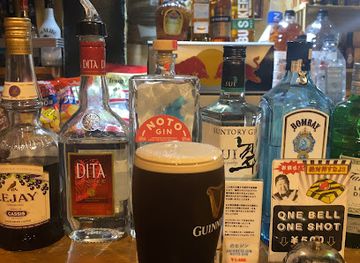
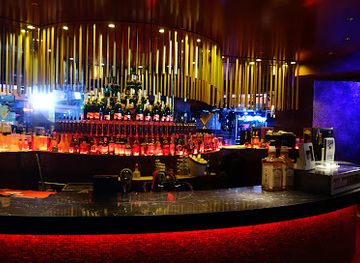
Experience the vibrant atmosphere and authentic Australian flavors at Aussie Bar in Okayama, where nightlife meets culture.
-
Japanese
K's Garden
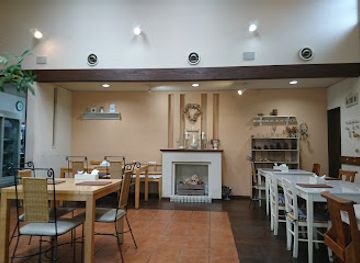
Experience the tranquility of K's Garden, where authentic Japanese cuisine meets serene natural beauty in Yunogo, Okayama.
Best nightclubs in Mimasaka
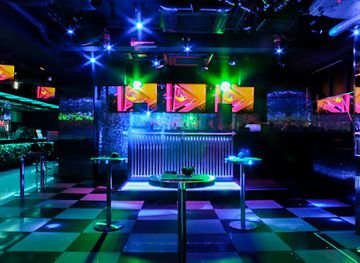
Evening life in Mimasaka is low-key and dispersed, with traditional pubs, izakaya, hotel restaurants and small cafés providing the main social settings. Tsuyama has the region's broadest choice, particularly around the central town and station area, where visitors can find Japanese-style dining and drinks without the scale of nightlife in Okayama or Osaka. Yunogo, Yubara and Okutsu are oriented towards evening meals, bathing and conversation at inns rather than clubs. Local sake and beer may accompany dinner, and some establishments offer regional produce in small dishes. Hiruzen has a more seasonal atmosphere, with resort accommodation and food venues becoming livelier during holidays and outdoor tourism periods. Night buses and rural taxis can be limited, so visitors staying outside Tsuyama should arrange transport through their accommodation and should not assume that late-night venues are within walking distance.
-
Night club
KITSUNE KYOTO
Experience the vibrant nightlife of Kyoto at Kitsune, a premier nightclub featuring electrifying music and a lively atmosphere.
-
Night club
TK
Discover TK Nightclub in Shibuya for an electrifying nightlife experience filled with vibrant music, dance, and unforgettable moments.
-
Resort hotel
Sakushumusashi Country Club
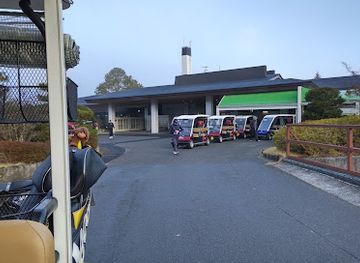
Discover the serene beauty and recreational opportunities at Sakushumusashi Country Club, a premier resort hotel in Okayama, Japan.
-
Hotel
Poppy Springs Resort & Spa
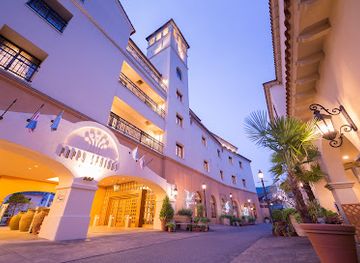
Discover the perfect escape at Poppy Springs Resort & Spa, where luxury meets nature in the heart of Okayama.
Best shops in Mimasaka
Shopping in Mimasaka centres on market towns, farm shops, roadside produce stands and the independent streets of Tsuyama rather than large luxury malls. Tsuyama's central districts are the best place for everyday shops, cafés, local food and small specialist retailers, while historic streets offer traditional buildings and a more atmospheric setting. Across the region, visitors can look for rice, pickles, mushrooms, honey, seasonal fruit, Hiruzen dairy products, local confectionery and packaged foods suitable for travel. Forestry communities such as Nishiawakura are associated with timber and woodcraft, although availability varies between individual shops and visitor facilities. Hot-spring towns sell bathing products, regional sweets and practical souvenirs connected with the local inns. Galleries and small cultural venues in Nagi and other rural centres may offer locally made art or craft items. Market days and farm outlets are often seasonal, so travellers should check local arrangements rather than expect a permanent market in every town.
-
Grocery store
Marunaka Mimasaka
Discover local flavors and culinary treasures at Marunaka Mimasaka, a must-visit grocery store in Okayama's charming city of Mimasaka.
-
Shopping mall
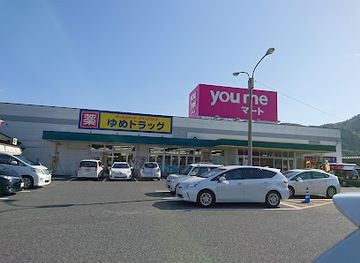
youme Mart Mimasaka
Experience a blend of shopping, dining, and entertainment at Youme Mart Mimasaka, a vibrant hub in Okayama perfect for tourists.
-
Dollar store
DAISO
Discover unbeatable prices and a wide variety of unique items at DAISO, the ultimate dollar store in Mimasaka, Okayama.
-
Home improvement store
Home Plaza Nafco Mimasaka Inter
Discover the ultimate home improvement store in Mimasaka, Okayama, offering a vast selection of tools, materials, and expert assistance.

Get your free copy of our complete guide to Mimasaka, delivered straight to you.
Everything on this page, from attractions and restaurants to essentials and local phrases, in one PDF you can read offline, print or share.
Already have an account? Sign in
Your Mimasaka guide is ready.
We'll send it to · Not you? Sign out

Getting your guide ready…
We are putting together a fresh copy of the Mimasaka guide. This can take up to a minute.
This can take a few moments. If your browser asks, choose Allow so the download can start. You'll find the guide in your Downloads folder.
Nothing happened? Download it again
Sorry, the guide is taking longer than usual. Please try again in a minute, or get it by email instead.
Mimasaka essentials
Currency and Payment
Safety
Emergency Situations
Do's and Don'ts
Local Tips
From Eve
Local phrases worth knowing
You don't need to get them perfect. A few words go a long way, and locals appreciate the effort.
Basics
| English | Local | Say it |
|---|---|---|
| Hello | こんにちは | [Konnichiwa] |
| Goodbye | さようなら | [Sayōnara] |
| Yes | はい | [Hai] |
| No | いいえ | [Iie] |
| Please/You're welcome | お願いします | [Onegaishimasu] |
| Thank you | ありがとう | [Arigatou] |
| Excuse me/Sorry | すみません | [Sumimasen] |
| How are you? | お元気ですか? | [Ogenki desu ka?] |
| Fine. And you? | 元気です。あなたは? | [Genki desu. Anata wa?] |
| Do you speak English? | 英語を話せますか? | [Eigo o hanasemasu ka?] |
| I don't understand | わかりません | [Wakarimasen] |
Eating & Drinking
| English | Local | Say it |
|---|---|---|
| I'd like to see the menu, please | メニューを見せてください | [Menyū o misete kudasai] |
| I don't eat meat | 肉は食べません | [Niku wa tabemasen] |
| Cheers! | 乾杯! | [Kanpai!] |
| I would like to pay, please | お会計をお願いします | [Okaikei o onegaishimasu] |
Emergencies
| English | Local | Say it |
|---|---|---|
| Help! | 助けて! | [Tasukete!] |
| Go away! | どこか行って! | [Doko ka itte!] |
| Call the Police! | 警察を呼んで! | [Keisatsu o yonde!] |
| Call a doctor! | 医者を呼んで! | [Isha o yonde!] |
| I'm lost | 道に迷いました | [Michi ni mayoimashita] |
| I'm ill | 具合が悪いです | [Guai ga warui desu] |
Shopping
| English | Local | Say it |
|---|---|---|
| I'd like to buy... | これを買いたいです | [Kore o kaitai desu] |
| I'm just looking | 見ているだけです | [Mite iru dake desu] |
| How much is it? | これはいくらですか? | [Kore wa ikura desu ka?] |
| That's too expensive | それは高すぎます | [Sore wa takasugimasu] |
| Can you lower the price? | 値段を下げてもらえますか? | [Nedan o sagete moraemasu ka?] |
Time & Numbers
| English | Local | Say it |
|---|---|---|
| What time is it? | 今何時ですか? | [Ima nanji desu ka?] |
| It's one o'clock | 1時です | [Ichi-ji desu] |
| Half past (10) | 10時半です | [Jū-ji han desu] |
| Morning | 朝 | [Asa] |
| Afternoon | 午後 | [Gogo] |
| Evening | 夕方 | [Yūgata] |
| Yesterday | 昨日 | [Kinō] |
| Today | 今日 | [Kyō] |
| Tomorrow | 明日 | [Ashita] |
| 1 | 1 | [Ichi] |
| 2 | 2 | [Ni] |
| 3 | 3 | [San] |
| 4 | 4 | [Shi] |
| 5 | 5 | [Go] |
| 6 | 6 | [Roku] |
| 7 | 7 | [Nana] |
| 8 | 8 | [Hachi] |
| 9 | 9 | [Kyuu] |
| 10 | 10 | [Juu] |
Transport & Directions
| English | Local | Say it |
|---|---|---|
| Where's a/the...? | どこに...がありますか? | [Doko ni ... ga arimasu ka?] |
| What's the address? | 住所は何ですか? | [Jūsho wa nan desu ka?] |
| Can you show me (on the map)? | 地図で見せてもらえますか? | [Chizu de misete moraemasu ka?] |
| When's the next (bus)? | 次の(バス)はいつですか? | [Tsugi no (basu) wa itsu desu ka?] |
| A ticket (to ....) | (...)までの切符をください | [(...) made no kippu o kudasai] |
History of Mimasaka
Formation of Mimasaka Province in the Eighth Century
Mimasaka was established as a separate province in 713, when territory was divided from Bizen under the Ritsuryō administrative system of ancient Japan. Its name is closely associated with the northern interior of present-day Okayama Prefecture. Government offices and religious institutions helped organise the valleys, settlements and agricultural resources of the area, while mountain routes connected Mimasaka with neighbouring provinces. Although the provincial system later lost its administrative force, the name survived in local identity, place names and cultural descriptions. The modern travel region is best understood as a broad successor to this historic province rather than as a current prefectural unit.
Medieval Warrior Clans and Castle Settlements
During the medieval period, Mimasaka was divided among competing warrior families and local strongholds. Its inland position made control of river valleys and road routes strategically important, particularly as regional powers competed across the Chūgoku region. Fortified sites were generally built on hills, while settlements and market activity developed below them. Many medieval structures have not survived intact, but the pattern of hilltop defences, temple precincts and valley communities remains visible in parts of northern Okayama. The period also strengthened the Buddhist institutions and local networks that later supported castle towns and pilgrimage routes.
The Izumo Kaidō and the Growth of Tsuyama
Roads linking the Kinai region with Izumo passed through Mimasaka, making the province part of an important inland communications network. The Izumo Kaidō connected castle towns, post stations and commercial communities, carrying travellers, officials and goods through the Chūgoku Mountains. Tsuyama developed as the leading urban centre of the region, and its streets, merchant culture and surrounding temple districts reflect this role. The route also helped connect agricultural villages and hot-spring settlements with wider markets. Later roads and railways changed the pattern of movement, but the historic road corridor remains an important key to understanding Mimasaka's geography.
Tsuyama Castle and the Edo-Period Domain
Tsuyama Castle was built in the early seventeenth century after the establishment of the Tsuyama domain under the Mori and subsequently Matsudaira families. The castle town became a political and economic centre, with domain administration, samurai residences, temples and merchant districts arranged around the stronghold. Most of the castle buildings were dismantled after the Meiji Restoration, but substantial stone walls survive in Kakuzan Park, giving Tsuyama one of Mimasaka's clearest historic profiles. The Edo period also brought more regular travel, agricultural production and commercial exchange, leaving a legacy visible in the city's street plan and preserved buildings.
Agriculture, Forestry and Mountain Economies
For centuries, Mimasaka's economy depended on a combination of rice cultivation in valley bottoms, small-scale farming, forestry and mountain resources. Timber production became particularly important in the Chūgoku Mountains, where managed woodland shaped both the landscape and village livelihoods. In the Hiruzen area, dairy farming later became prominent, while hot springs supported inns and local service economies. These activities were not isolated industries: woodland supplied materials, rivers connected settlements and seasonal food traditions developed around mountain produce. Contemporary community forestry in places such as Nishiawakura reflects an ongoing effort to maintain these rural economies in the face of population decline.
Modern Railways and Regional Transformation
Railway construction in the late nineteenth and early twentieth centuries altered Mimasaka's relationship with Okayama, Himeji and the wider transport network. Lines serving Tsuyama and the surrounding valleys encouraged the movement of agricultural goods, timber, visitors and students, while the town became a regional administrative and commercial hub. Road improvements later made more remote hot springs, highland farms and forest areas accessible by car. At the same time, rural depopulation and the decline of some traditional industries transformed many communities. Historic preservation, nature tourism, hot-spring hospitality and forestry initiatives now form part of the region's continuing economic adaptation.
Contemporary Art and Rural Cultural Renewal
Mimasaka's contemporary identity includes cultural projects that reinterpret rural landscapes rather than simply preserve old buildings. The Nagi Museum Of Contemporary Art, opened in 1994 in Nagi, was designed by Arata Isozaki with artists including Shusaku Arakawa and Madeline Gins, Kazuo Okazaki and Aiko Miyawaki. Its large-scale architectural spaces engage directly with the surrounding mountains and fields. The museum represents a broader regional interest in connecting art, local communities and place. Alongside historic townscapes, forestry projects and hot-spring traditions, such institutions show how Mimasaka continues to develop a cultural role beyond its traditional agricultural identity.
Mimasaka in Photos
Browse through our photo collection highlighting the charm and character of the destination.
Neighbouring regions of Mimasaka
The closest regions to Mimasaka, if you have time for more than one.
-

-

-

-

-


Swipe for more regions
Explore more

Explore more of Japan
Discover the harmony of tradition and modernity in Japan, where ancient temples and cutting-edge technology coexist in perfect balance.
Explore Japan