

Free Sanuki Travel Guide & Mobile App
Explore Sanuki with free travel guides. Discover regional history, expert tips, proposed trips, and audio guides on web or mobile app.


Explore Sanuki in Japan for coastal islands, historic towns, Ritsurin Garden, pilgrimage temples and the distinctive flavours of Sanuki udon.
Read more about Sanuki
When is the best time to visit Sanuki?
Best: April–May, October · 20–25°C| Month | High (°C) | Rainfall (mm) |
|---|---|---|
| January | 9 | 50 |
| February | 11 | 55 |
| March | 15 | 70 |
| April (best) | 20 | 90 |
| May (best) | 25 | 120 |
| June | 29 | 140 |
| July | 33 | 170 |
| August | 33 | 160 |
| September | 30 | 130 |
| October (best) | 23 | 110 |
| November | 17 | 90 |
| December | 11 | 70 |
Getting to and around Sanuki
How to get there
Transportation
Best attractions in Sanuki
Sanuki’s attractions range from carefully designed landscapes to working ports, pilgrimage temples and contemporary art venues. In Takamatsu, Ritsurin Garden is the region’s defining historic garden, while the port provides access to Seto Inland Sea islands with museums, galleries and architecture integrated into their communities. Kotohira combines the long approach to Konpira-san with traditional inns, theatre history and mountain scenery; nearby Zentsū-ji is one of the most important stops on the Shikoku pilgrimage. Marugame offers castle heritage and views across the plain, while western Sanuki includes temple routes, coastal scenery and the distinctive Zenigata sand landscape at Kan’onji. Outdoor opportunities include cycling on quieter roads, walking pilgrimage sections, exploring island paths and visiting viewpoints over the Inland Sea. Seasonal flower gardens, local museums, craft workshops and food-focused stops add variety, although rural sites often require more planning than the central cities.
-
Tourist attraction
Tsumago-juku
Experience the tranquility of Japan's Edo period in Tsumago-juku, a beautifully preserved post town on the historic Nakasendo Trail in Nagano.
-
Tourist attraction
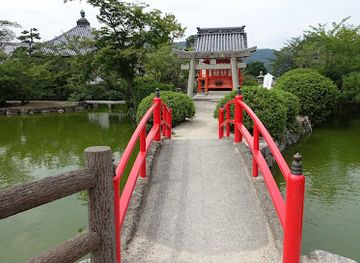
Kibitsu Jinja (Sanbi Ichinomiya)
Explore Kibitsu Jinja in Okayama: a historic shrine with unique architecture, a Momotaro connection, and tranquil seasonal beauty.
-
 Tourist attraction
Tokushima Prefectural Uzu-no-Michi Walkway
Walk above the Naruto whirlpools on a glass-floored walkway for a thrilling and unforgettable experience. Witness nature's power from a unique vantage point.
-
Tourist attraction
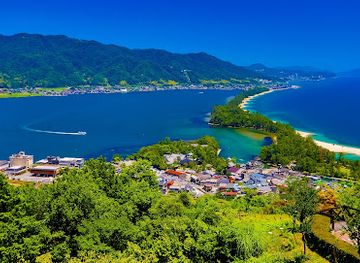
Amanohashidate
Discover Amanohashidate: Japan's iconic 'bridge to heaven,' a pine-covered sandbar offering breathtaking views and rich cultural history.

Best landmarks in Sanuki
Ritsurin Garden is Sanuki’s most accomplished landscape landmark, with ponds, historic tea houses, carefully shaped trees and views towards Mount Shiun. Marugame Castle is especially significant for its surviving original keep and steep stone walls, which overlook the city and the Inland Sea plain. In Kotohira, the stone stairway and shrine complex of Konpira-san form a powerful cultural and visual landmark, combining worship, pilgrimage and maritime tradition. Zentsū-ji’s temple precinct is closely connected with the story of Kūkai and remains a major religious landmark on the Shikoku pilgrimage. Along the coast, the islands and narrow channels of the Seto Inland Sea create a geographical identity as distinctive as any building. The Great Seto Bridge, linking Shikoku with Honshu, is a major modern engineering landmark at Sanuki’s northern edge, while Kan’onji’s Zenigata sand formation adds an unusual historic and landscape feature to the western part of the region.
-
Shinto shrine
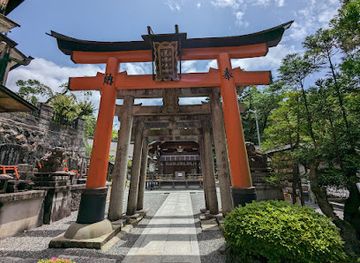
Fushimi Inari Taisha
Explore the enchanting Fushimi Inari Taisha, a Shinto shrine adorned with thousands of vibrant torii gates, nestled in the stunning landscapes of Kyoto.
-
Observation deck
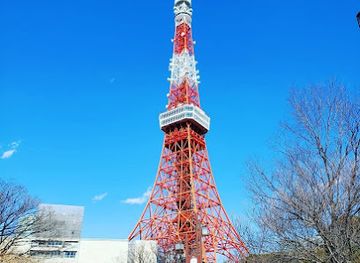
Tokyo Tower
Experience breathtaking views and cultural delights at Tokyo Tower, a must-see landmark that embodies Japan's spirit and innovation.
-
Castle
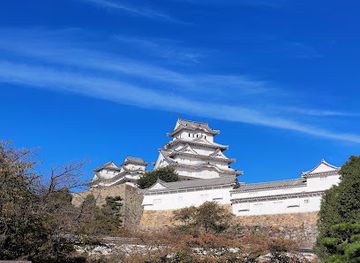
Himeji Castle
Discover the grandeur of Himeji Castle, Japan's stunning symbol of feudal history and architectural beauty, surrounded by serene gardens and rich culture.
-
Buddhist temple
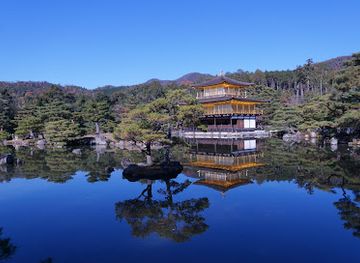
Kinkaku-ji
Discover the breathtaking beauty of Kinkaku-ji, Kyoto's Golden Pavilion, a UNESCO World Heritage Site showcasing exquisite architecture and serene gardens.
Explore Sanuki on the map
Plan your trip on one map. See where the top cities, national parks and sights are, and book hotels and experiences in a few clicks.
Best hotels in Sanuki
Best restaurants in Sanuki
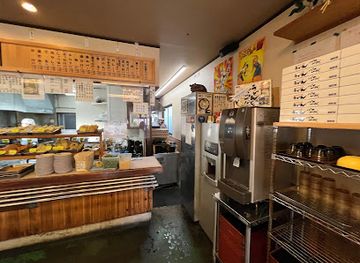
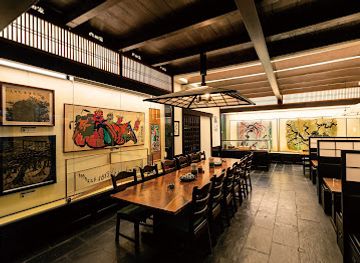
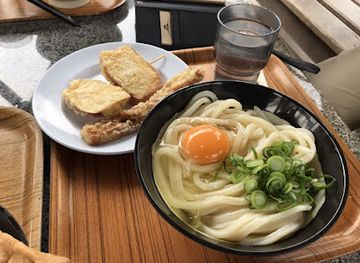
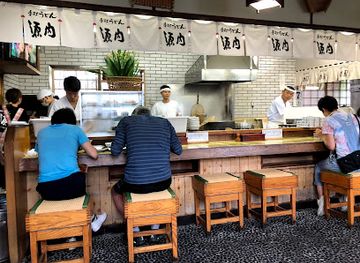
Sanuki’s food identity begins with Sanuki udon, known for resilient wheat noodles served in forms ranging from hot broth to chilled noodles with dipping sauce. Shops often operate as informal, quick-service establishments, and toppings such as green onion, tempura, grated ginger or local egg are chosen according to the house style. The region’s wider larder reflects its mild climate and Inland Sea setting: rice, olives from Shōdoshima, citrus, soy products, seafood and seasonal vegetables appear in restaurants and markets. Takamatsu has the broadest choice of dining, including izakaya, cafés, sushi restaurants and modern interpretations of regional ingredients, while smaller towns are better known for family-run noodle shops, traditional Japanese meals and local sweets. Kotohira and other historic centres also offer dining in long-established inn districts, though opening days and hours can be limited outside busy periods.
-
Japanese
Udon Baka Ichidai
Discover the rich flavors of Kagawa with exquisite Sanuki udon at Udon Baka Ichidai in Takamatsu.
-
Japanese
Udon Honjin Yamadaya Main Branch
Experience authentic Sanuki udon and tempura at Udon Honjin Yamadaya in Takamatsu - where tradition meets taste.
-
udon noodles
Yamagoe Udon
Discover the heart of Kagawa's culinary tradition at Yamagoe Udon - where every bowl tells a story.
-
udon noodles
Teuchi Udon Gennai Shido Shop
Discover the authentic taste of Kagawa at Teuchi Udon Gennai Shido Shop - where tradition and flavor unite in every bowl.
Best bars in Sanuki
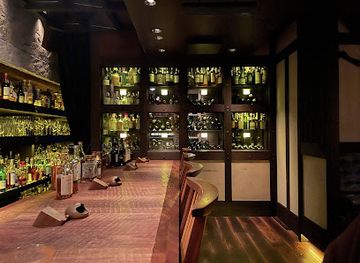
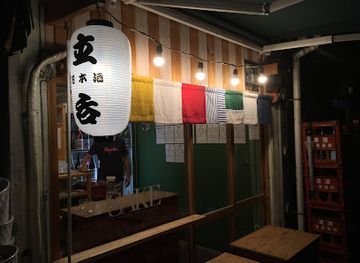
Evening life in Sanuki is concentrated in Takamatsu, where the central shopping arcades and streets around the station contain izakaya, yakitori restaurants, cocktail bars, cafés and venues for live music. The city offers the region’s widest late-night choice, although its scale is more relaxed than that of Japan’s largest metropolitan centres. In Kotohira, Marugame and other towns, nightlife generally centres on small bars, restaurants and traditional drinking establishments rather than large clubs. Rural areas and the islands become quiet after dinner, with the emphasis on local food, conversation and accommodation-based hospitality. Visitors should check last trains and ferry times carefully, as transport options can narrow considerably in the evening. Local craft beers, sake and other drinks can be sampled responsibly, but alcohol is not necessary to appreciate Sanuki’s evening culture.
-
Bar
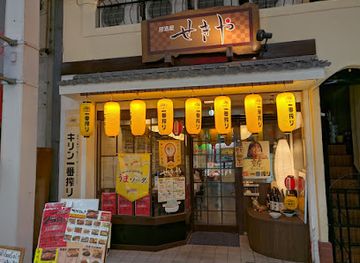
BAR 足袋
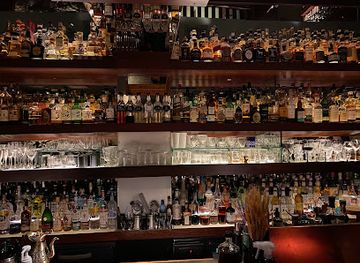
Experience the vibrant nightlife of Takamatsu at BAR 足袋, where innovative cocktails and a lively atmosphere await you.
-
Bar
Darts&Bar BURST バースト
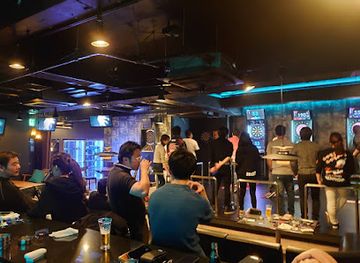
Discover the excitement of darts and karaoke at Darts&Bar BURST in Takamatsu, a lively bar perfect for socializing and entertainment.
-
Bar
Bar Tabishiki
Experience the vibrant nightlife at Bar Tabishiki in Takamatsu, where exceptional drinks and lively atmosphere create unforgettable moments.
-
Stand bar
芽論(ROOM the MELON)
Immerse yourself in the vibrant nightlife of Takamatsu at Room the Melon, a stand bar offering local flavors and a unique social atmosphere.
Best nightclubs in Sanuki
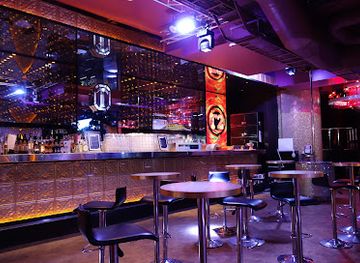
Evening life in Sanuki is concentrated in Takamatsu, where the central shopping arcades and streets around the station contain izakaya, yakitori restaurants, cocktail bars, cafés and venues for live music. The city offers the region’s widest late-night choice, although its scale is more relaxed than that of Japan’s largest metropolitan centres. In Kotohira, Marugame and other towns, nightlife generally centres on small bars, restaurants and traditional drinking establishments rather than large clubs. Rural areas and the islands become quiet after dinner, with the emphasis on local food, conversation and accommodation-based hospitality. Visitors should check last trains and ferry times carefully, as transport options can narrow considerably in the evening. Local craft beers, sake and other drinks can be sampled responsibly, but alcohol is not necessary to appreciate Sanuki’s evening culture.
-
Night club
KITSUNE KYOTO
Experience the vibrant nightlife of Kyoto at KITSUNE KYOTO, a premier night club offering electrifying music and an unforgettable atmosphere.
-
Night club
TK
Experience the electrifying nightlife at TK Night Club in Shibuya, where vibrant music and unforgettable moments await every party-goer.
-
Night club
Kujira Entertainment
Dive into the electrifying nightlife of Tokyo at Kujira Entertainment, a premier nightclub offering cocktails, entertainment, and culinary delights.
-
Night club
WOMB
Experience the dynamic nightlife of Tokyo at WOMB, a premier club featuring top DJs, live music, and an unforgettable atmosphere.



Best shops in Sanuki
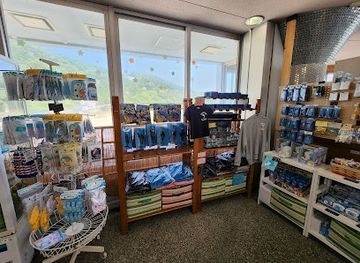
Takamatsu provides Sanuki’s broadest shopping selection, from covered arcades and department stores to specialist food shops, cafés, craft sellers and boutiques. Local products include packaged Sanuki udon, soy-based foods, olive goods from Shōdoshima, Japanese sweets, regional seasonings and small craft items suitable for travel. Kotohira’s approach to Konpira-san is lined with shops selling souvenirs, snacks and religious items, while Marugame is associated with traditional uchiwa fans, historically made in the area. Island communities offer pottery, art-related goods, olive products and food from local producers, though selection and opening times vary. Farmers’ markets and roadside shops are useful for seasonal fruit, vegetables and regional specialities, particularly when travelling by car. Visitors should distinguish permanent local crafts and food traditions from temporary exhibition merchandise, whose availability changes with events and seasons.
-
Aquarium
Japan Dolphin Center
Discover the enchanting world of dolphins at the Japan Dolphin Center, an aquarium and water park offering a unique marine adventure for all ages.
-
Souvenir store
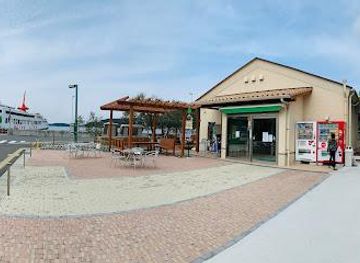
Tonosho port Tourist centre
Experience the charm of Tonosho with local crafts and culinary delights at the Tonosho Port Tourist Centre, your gateway to Kagawa's treasures.
-
Shopping mall
Takamatsu Central Shopping Street
Explore Takamatsu Central Shopping Street for an unforgettable shopping experience filled with local flavors and vibrant culture in the heart of Japan.
-
Home improvement store
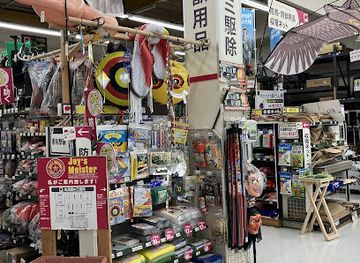
Nishimura JOY Shido Shop
Discover endless possibilities at Nishimura JOY Shido Shop, your ultimate destination for home improvement and DIY projects in Sanuki, Kagawa.
Get your free copy of our complete guide to Sanuki, delivered straight to you.
Everything on this page, from attractions and restaurants to essentials and local phrases, in one PDF you can read offline, print or share.
Already have an account? Sign in
Your Sanuki guide is ready.
We'll send it to · Not you? Sign out

Getting your guide ready…
We are putting together a fresh copy of the Sanuki guide. This can take up to a minute.
This can take a few moments. If your browser asks, choose Allow so the download can start. You'll find the guide in your Downloads folder.
Nothing happened? Download it again
Sorry, the guide is taking longer than usual. Please try again in a minute, or get it by email instead.
Sanuki essentials
Currency and Payment
Safety
Emergency Situations
Do's and Don'ts
Local Tips
From Eve
Local phrases worth knowing
You don't need to get them perfect. A few words go a long way, and locals appreciate the effort.
Basics
| English | Local | Say it |
|---|---|---|
| Hello | Howdy | [haʊdi] |
| Goodbye | See ya | [siː jə] |
| Yes | Yep | [jɛp] |
| No | Nah | [nɑː] |
| Please/You're welcome | Sure thing | [ʃʊr θɪŋ] |
| Thank you | Thanks a lot | [θæŋks ə lɑt] |
| Excuse me/Sorry | Pardon me | [ˈpɑrdən mi] |
| How are you? | How's it going? | [haʊz ɪt ˈɡoʊɪŋ] |
| Fine. And you? | Good. You? | [ɡʊd. ju?] |
| Do you speak English? | Can you speak English? | [kæn ju spik ˈɪŋɡlɪʃ] |
| I don't understand | I don't get it | [aɪ doʊnt ɡɛt ɪt] |
Eating & Drinking
| English | Local | Say it |
|---|---|---|
| I'd like to see the menu, please | Can I see the menu? | [kæn aɪ si ðə ˈmɛnju] |
| I don't eat meat | I'm not a meat eater | [aɪm nɑt ə mit ˈiːtər] |
| Cheers! | Cheers! | [ʧɪrz] |
| I would like to pay, please | Can I get the check? | [kæn aɪ ɡɛt ðə ʧɛk] |
Emergencies
| English | Local | Say it |
|---|---|---|
| Help! | Help! | [hɛlp] |
| Go away! | Leave me alone! | [liːv mi əˈloʊn] |
| Call the Police! | Call 911! | [kɔl naɪn wʌn wʌn] |
| Call a doctor! | Get a doctor! | [ɡɛt ə ˈdɑktər] |
| I'm lost | I'm lost | [aɪm lɔst] |
| I'm ill | I'm not feeling well | [aɪm nɑt ˈfiːlɪŋ wɛl] |
Shopping
| English | Local | Say it |
|---|---|---|
| I'd like to buy... | I want to buy... | [aɪ wɑnt tə baɪ] |
| I'm just looking | Just browsing | [dʒʌst ˈbraʊzɪŋ] |
| How much is it? | What's the price? | [wʌts ðə praɪs] |
| That's too expensive | That's pricey | [ðæts ˈpraɪsi] |
| Can you lower the price? | Can you do any better on the price? | [kæn ju du ˈɛni ˈbɛtər ɑn ðə praɪs] |
Time & Numbers
| English | Local | Say it |
|---|---|---|
| What time is it? | What time is it? | [wʌt taɪm ɪt] |
| It's one o'clock | It's one | [ɪts wʌn] |
| Half past (10) | Half past ten | [hæf pæst tɛn] |
| Morning | Morning | [ˈmɔrnɪŋ] |
| Afternoon | Afternoon | [ˌæftərˈnun] |
| Evening | Evening | [ˈivnɪŋ] |
| Yesterday | Yesterday | [ˈjɛstərdeɪ] |
| Today | Today | [təˈdeɪ] |
| Tomorrow | Tomorrow | [təˈmɔroʊ] |
| 1 | One | [wʌn] |
| 2 | Two | [tu] |
| 3 | Three | [θri] |
| 4 | Four | [fɔr] |
| 5 | Five | [faɪv] |
| 6 | Six | [sɪks] |
| 7 | Seven | [sɛvən] |
| 8 | Eight | [eɪt] |
| 9 | Nine | [naɪn] |
| 10 | Ten | [tɛn] |
Transport & Directions
| English | Local | Say it |
|---|---|---|
| Where's a/the...? | Where's the...? | [wɛrz ðə] |
| What's the address? | What's the address? | [wʌts ði ˈædrɛs] |
| Can you show me (on the map)? | Can you point it out on the map? | [kæn ju pɔɪnt ɪt aʊt ɑn ðə mæp] |
| When's the next (bus)? | When's the next bus? | [wɛnz ðə nɛkst bʌs] |
| A ticket (to ....) | A ticket to... | [ə ˈtɪkɪt tə] |
History of Sanuki
Ancient Sanuki Province
Sanuki was established as one of the provinces of ancient Japan and occupied much of the territory of today’s Kagawa Prefecture. Its relatively fertile plain, access to the Seto Inland Sea and proximity to the Inland Sea routes made it an important area for farming, administration and maritime exchange. Buddhist temples and Shinto shrines developed alongside provincial institutions, while the sea connected Sanuki with the wider Kinai region around present-day Nara and Kyoto. The province’s name survives in food, place names and cultural references, even though modern government is organised through prefectures rather than the old provincial system.
The Shikoku Pilgrimage and Religious Networks
Sanuki became an important section of the pilgrimage associated with Kūkai, the Buddhist monk traditionally regarded as the founder of Shingon Buddhism and born in neighbouring Kagawa tradition. Several of the 88 temples on the Shikoku pilgrimage lie in the region, including Zentsū-ji, traditionally identified with Kūkai’s birthplace, and the temples around Kotohira and the western plain. Pilgrimage supported lodging, trade and local religious culture over centuries. Today, pilgrims travelling on foot, by bus or in organised groups still connect rural roads and temple communities across Sanuki.
Medieval Lords and Maritime Routes
During the medieval period, Sanuki was shaped by competing warrior families and by the strategic importance of the Seto Inland Sea. Its ports and islands formed part of maritime networks linking western Japan, while local strongholds controlled approaches across the province. Religious institutions, estate lands and coastal traffic all contributed to regional wealth and political competition. Although much of the medieval built environment has disappeared, the pattern of fortified hills, temple settlements, port communities and routes across the plain remains part of Sanuki’s historical geography.
The Takamatsu Domain and the Matsudaira
Under the Tokugawa shogunate, much of eastern Sanuki was governed by the Matsudaira family from Takamatsu Castle. The domain developed its castle town, administrative institutions and connections with the ruling house in Edo. Takamatsu’s Ritsurin Garden began as a landscape associated with local lords and was expanded into a major residence and pleasure garden during the Edo period. In western Sanuki, other domains and castle towns, including Marugame, created a more divided political landscape. The surviving gardens, street plans and castle remains reflect this period of regulated peace and domain administration.
Konpira-san and Inland Sea Commerce
Kotohira’s shrine, commonly known as Konpira-san, became a major centre of worship for sailors, merchants and travellers during the Edo period. Its association with maritime protection drew visitors from across Japan, many of whom travelled by sea before continuing inland to the shrine. The pilgrimage stimulated inns, shops, theatre and craft production around the approach. Sanuki’s wider economy also benefited from rice cultivation, salt, soy products, shipping and other forms of Inland Sea commerce, giving the region an outward-looking character despite its relatively small size.
Modernisation, Railways and the Great Bridges
The late nineteenth and twentieth centuries brought prefectural government, modern schooling, industrial development and new transport links to Sanuki. Railways connected Takamatsu with towns across the plain, while ports remained essential for links with Honshu and the islands. The opening of the Great Seto Bridge in 1988 created a direct road and rail connection between Shikoku and Okayama Prefecture, transforming long-distance travel to and from Kagawa. It also reinforced Sanuki’s role as a meeting point between island, coastal and inland transport systems.
The Setouchi Art Movement
From the late twentieth century, several Seto Inland Sea islands in Kagawa became associated with contemporary art, architecture and the regeneration of declining island communities. Naoshima, Teshima and Inujima are the best-known examples, alongside projects on other islands and in Takamatsu. The movement has brought international attention to the region while also raising questions about tourism, conservation and local life. Visitors should understand the art destinations as working communities rather than open-air exhibition grounds alone, and should respect ferry schedules, residential areas and environmental limits.
Sanuki in Photos
Browse through our photo collection highlighting the charm and character of the destination.
Neighbouring regions of Sanuki
The closest regions to Sanuki, if you have time for more than one.
-

-

-

-

-


Swipe for more regions
Explore more

Explore more of Japan
Discover the harmony of tradition and modernity in Japan, where ancient temples and cutting-edge technology coexist in perfect balance.
Explore Japan