

Free Shikoku Travel Guide & Mobile App
Explore Shikoku with free travel guides. Discover regional history, expert tips, proposed trips, and audio guides on web or mobile app.


Explore Shikoku’s temples, mountain valleys, castle towns, hot springs, udon kitchens and Pacific and Inland Sea coastlines across four distinctive prefectures.
Read more about Shikoku
When is the best time to visit Shikoku?
Best: April–May, October · 19–24°C| Month | High (°C) | Rainfall (mm) |
|---|---|---|
| January | 10 | 59 |
| February | 11 | 86 |
| March | 15 | 118 |
| April (best) | 19 | 114 |
| May (best) | 24 | 147 |
| June | 28 | 235 |
| July | 31 | 228 |
| August | 31 | 170 |
| September | 29 | 258 |
| October (best) | 23 | 124 |
| November | 16 | 84 |
| December | 12 | 53 |
Getting to and around Shikoku
How to get there
Transportation
Top city travel guides in Shikoku
The cities of Shikoku, and the easiest places to base yourself.

Swipe for more cities
Destinations in Shikoku
Resorts, valleys and scenic spots worth a trip of their own.
-

-

-


Swipe for more destinations
Best attractions in Shikoku
Shikoku’s attractions range from major urban heritage to remote landscapes reached by winding roads. Matsuyama Castle, Kochi Castle and the castle remains and gardens around Takamatsu provide contrasting views of feudal city planning, while Dogo Onsen offers a celebrated hot-spring setting in Matsuyama. The 88-temple pilgrimage introduces visitors to Buddhist architecture, wooded approaches and rural communities across all four prefectures; Ryozenji, Zentsuji, Hotsumisaki-ji and Okuboji are among its notable temple destinations. In Tokushima, the Naruto Strait is known for powerful tidal currents and the Iya valleys for steep mountain scenery, vine bridges and traditional settlements. Kagawa’s gardens and Inland Sea outlooks contrast with southern Kochi’s Pacific coast, river valleys and open-air markets. The Shimanami Kaido attracts cyclists with bridges and island views, while museums, craft centres, agricultural landscapes and seasonal festivals add cultural depth beyond the principal sightseeing sites.
-
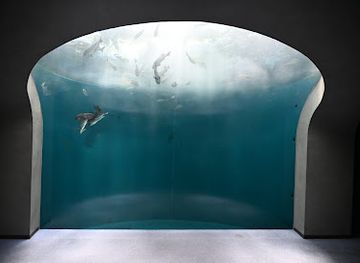
Shikoku Aquarium
Discover Shikoku's underwater world at this state-of-the-art aquarium featuring diverse marine life and stunning exhibits, a must-see for all ages.
-
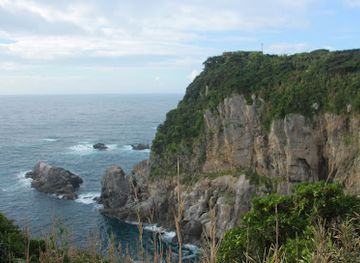
Cape Ashizuri
Discover panoramic ocean views, a historic lighthouse, and subtropical flora at Shikoku's southernmost point, steeped in history and natural beauty.
-
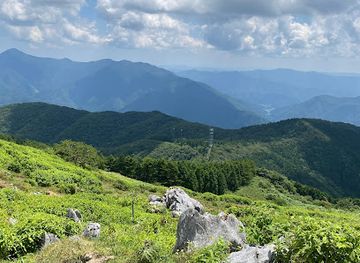
Shikoku Karst
Discover Shikoku Karst: Japan's hidden gem with stunning limestone scenery, panoramic views, and tranquil nature escapes in Ehime and Kochi.
-
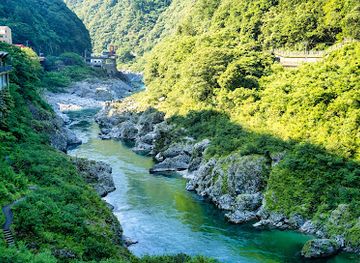
Roadside Station Oboke (Lapis Oboke)
Discover local flavors, Yokai folklore, and gem collections at this scenic rest stop with breathtaking views of Oboke Gorge in Tokushima.
Best landmarks in Shikoku
Shikoku’s most recognisable landmarks reflect its religious, feudal and geographical character. Matsuyama Castle rises above Matsuyama on Mount Katsuyama and is one of Japan’s best-preserved surviving castle structures, while Kochi Castle is especially notable because much of its historic complex remains in place. Kotohira-gu, reached by a long stone staircase on Mount Zozu in Kagawa, is one of the island’s most prominent Shinto pilgrimage sites. Zentsuji, associated with Kobo Daishi’s birthplace, has particular importance within the Shikoku Henro. In Tokushima, the Naruto Strait and its tidal whirlpools form a powerful natural landmark, best viewed from established observation points or boats in suitable conditions. The Iya Valley’s vine bridges and precipitous slopes express the remoteness of Shikoku’s interior, while the Great Seto Bridge and the bridges of the Shimanami Kaido represent the island’s modern connection with Honshu. Dogo Onsen’s historic main building is another distinctive landmark, linking Matsuyama’s hot-spring tradition with modern Japanese literary history.
-
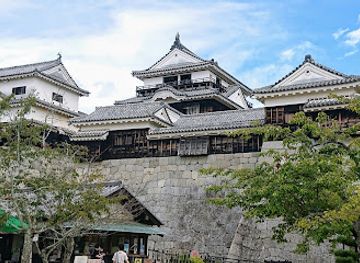
Castle
Matsuyama Castle
Explore the historical Matsuyama Castle, a stunning 1603 fortress offering breathtaking views and a glimpse into Japan's rich cultural heritage.
-
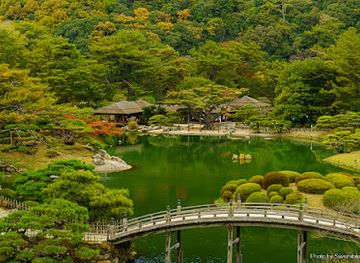
Park
Ritsurin Garden
Explore Ritsurin Garden, a magnificent traditional Japanese garden in Takamatsu, featuring serene landscapes, historic architecture, and seasonal beauty.
-
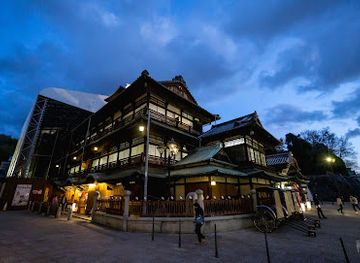
Onsen
Dogo Onsen Main Building
Discover the cultural and historical significance of Dogo Onsen Main Building, Japan's oldest hot spring, nestled in the scenic Matsuyama.
-
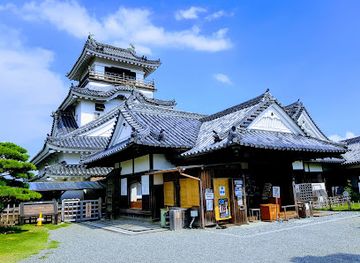
Castle
Kochi Castle
Explore Kochi Castle, a historic landmark showcasing Japan's rich cultural heritage and stunning architecture amidst serene gardens.
Explore Shikoku on the map
Plan your trip on one map. See where the top cities, national parks and sights are, and book hotels and experiences in a few clicks.
Best hotels in Shikoku
Best restaurants in Shikoku
Shikoku’s food culture is strongly regional. Kagawa is famous for Sanuki udon, whose springy noodles are served in styles ranging from simple broth to chilled noodles with dipping sauce; small udon shops are particularly characteristic of the prefecture. Kochi is associated with katsuo no tataki, lightly seared bonito traditionally finished over flame, as well as dishes using yuzu, the aromatic citrus grown in the prefecture’s valleys. Tokushima has its own ramen style, commonly made with a rich pork-and-soy broth and served with pork and egg, while Ehime is a major citrus-growing area and offers mikan and other citrus products alongside seafood from the Inland Sea. Izakaya, family restaurants, cafés, market stalls, hotel dining rooms and traditional inns provide different ways to eat locally. Regional sake and craft drinks are available, though local specialities can vary considerably between towns.
-
Toll road rest stop
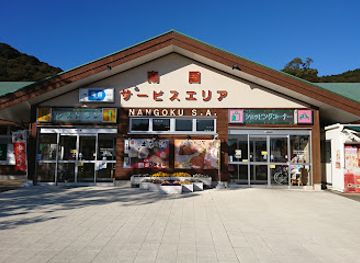
Nangoku SA East bound
Discover convenience and comfort at Nangoku SA East Bound – a perfect pit stop with delicious food, EV charging stations, and local souvenirs.
-
Syokudo and Teishoku restaurant
Dining Room Hibari
Discover authentic Japanese cuisine at Dining Room Hibari - home of the best katsudon in Japan.
-
Toll road rest stop
Roadside Station Tosa-Sameura
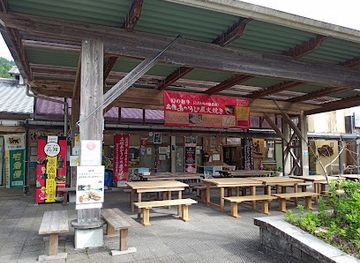
Experience local flavors and culture at Roadside Station Tosa-Sameura – a perfect stop for travelers exploring Kochi Prefecture.
-
Restaurant
Farm Restaurant TRITON
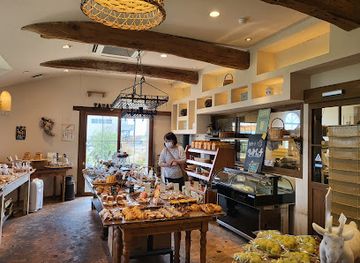
Discover Farm Restaurant TRITON: A culinary gem in Kochi offering fresh dishes made from locally-sourced ingredients.

Best bars in Shikoku
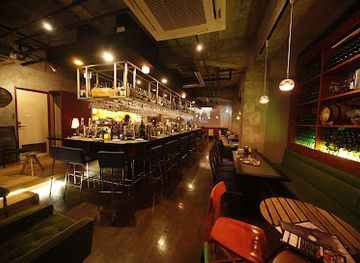
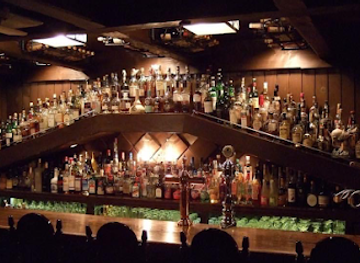
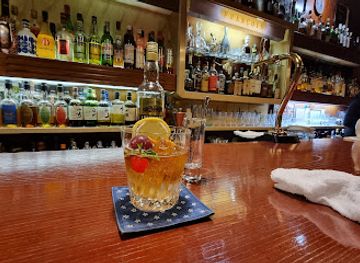
Evening life in Shikoku is concentrated in the four prefectural capitals and larger towns rather than spread across a single island-wide nightlife district. Matsuyama has the broadest mix of izakaya, bars, cafés and entertainment around the city centre, with Dogo providing a quieter hot-spring evening atmosphere. Takamatsu has restaurants, small bars and live-music venues near its central shopping arcades, while Kochi is known for sociable dining, drinking establishments and the food stalls of Hirome Market, which generally operates as a daytime and evening venue rather than a nightclub. Tokushima’s nightlife and seasonal identity are closely linked to Awa Odori, especially during the August festival, although arrangements vary from year to year. In rural Shikoku, evenings are more likely to centre on a traditional inn, local restaurant or pub; visitors should not expect late-night transport or a large club scene outside the main cities.
-
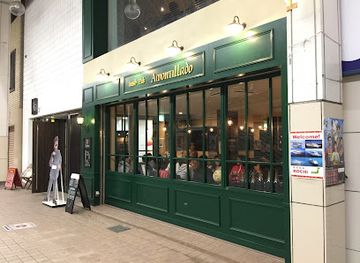
Irish Pub Amontillado
Discover the cozy ambiance and diverse flavors at Irish Pub Amontillado, a perfect blend of Irish and Japanese culture in Kochi.
-
Restaurant
gattina bar & brasserie
Experience the best of Kochi's dining scene at Gattina Bar & Brasserie, where exquisite cuisine meets an extensive wine selection.
-
Bar
Bar Kohno
Discover the lively atmosphere and local spirits at Bar Kohno, a must-visit bar in the heart of Tokushima's nightlife.
-
Bar
フランソワ
Discover the vibrant nightlife at フランソワ, a premier bar in Kochi offering a unique blend of cocktails and local drinks in a lively atmosphere.
Best nightclubs in Shikoku
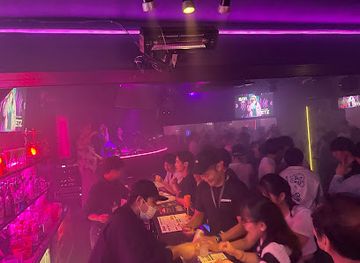
Evening life in Shikoku is concentrated in the four prefectural capitals and larger towns rather than spread across a single island-wide nightlife district. Matsuyama has the broadest mix of izakaya, bars, cafés and entertainment around the city centre, with Dogo providing a quieter hot-spring evening atmosphere. Takamatsu has restaurants, small bars and live-music venues near its central shopping arcades, while Kochi is known for sociable dining, drinking establishments and the food stalls of Hirome Market, which generally operates as a daytime and evening venue rather than a nightclub. Tokushima’s nightlife and seasonal identity are closely linked to Awa Odori, especially during the August festival, although arrangements vary from year to year. In rural Shikoku, evenings are more likely to centre on a traditional inn, local restaurant or pub; visitors should not expect late-night transport or a large club scene outside the main cities.
-
Night club
nude
Experience the vibrant nightlife of Takamatsu at Nude Night Club, where electrifying music and an energetic atmosphere await.
-
Bar
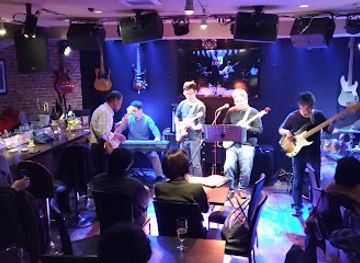
Music Bar Ricky
Discover the vibrant nightlife of Tokushima at Music Bar Ricky, where live music and a friendly atmosphere create unforgettable memories.
-
Disco club
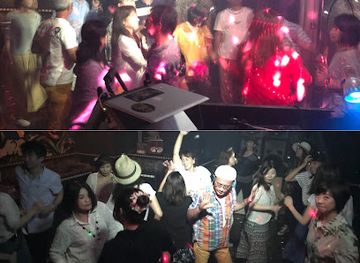
Love&Soul GET
Experience the electrifying nightlife of Kochi at Love&Soul GET, a lively disco club perfect for dancing and socializing.
-
Night club
Nightclub【LAGOON HIROSHIMA】
Discover the electrifying nightlife of Hiroshima at LAGOON HIROSHIMA, where music and dance come alive in an unforgettable setting.

Best shops in Shikoku
Shopping in Shikoku is strongest in the prefectural capitals, market towns and traditional shopping arcades rather than in large luxury districts. Takamatsu’s covered arcades provide a substantial urban retail area, while Matsuyama and Kochi combine department stores, independent shops, cafés and regional food retailers. Visitors can look for Kagawa’s fine Sanuki udon products, Tokushima’s indigo textiles and dyed goods, Kochi’s yuzu products, bonito-based foods and traditional crafts, and Ehime’s wide range of mikan and other citrus preserves, sweets and drinks. Inland Sea ports and tourist areas often sell ceramics, wooden objects, food specialities and pilgrimage-related items. Temple stamps, white pilgrimage clothing and other henro goods are meaningful purchases when acquired respectfully, but they should be treated as religious items rather than ordinary souvenirs. Farmers’ markets and roadside produce stands are useful for seasonal fruit, vegetables and locally made foods, particularly when travelling through rural districts.
-
Market
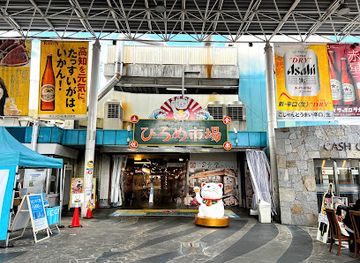
Hirome Market
Explore Hirome Market in Kochi for an authentic taste of local culture, delicious food, and vibrant shopping in a bustling atmosphere.
-
Shopping mall
emifull MASAKI
Explore Emifull Masaki, your ultimate shopping and dining destination in Ehime, Japan, featuring diverse brands and culinary delights.
-
Department store
Iyotetsu Takashimaya
Discover the essence of Matsuyama at Iyotetsu Takashimaya, where shopping meets culture in a vibrant department store.
-
Shopping mall
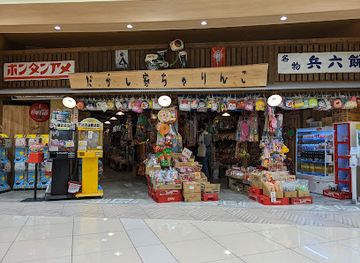
AEON MALL AYAGAWA
Experience the best of shopping, dining, and entertainment at AEON MALL AYAGAWA in Kagawa.

Get your free copy of our complete guide to Shikoku, delivered straight to you.
Everything on this page, from attractions and restaurants to essentials and local phrases, in one PDF you can read offline, print or share.
Already have an account? Sign in
Your Shikoku guide is ready.
We'll send it to · Not you? Sign out

Getting your guide ready…
We are putting together a fresh copy of the Shikoku guide. This can take up to a minute.
This can take a few moments. If your browser asks, choose Allow so the download can start. You'll find the guide in your Downloads folder.
Nothing happened? Download it again
Sorry, the guide is taking longer than usual. Please try again in a minute, or get it by email instead.
Shikoku essentials
Currency and Payment
Safety
Emergency Situations
Do's and Don'ts
Local Tips
From Eve
Local phrases worth knowing
You don't need to get them perfect. A few words go a long way, and locals appreciate the effort.
Basics
| English | Local | Say it |
|---|---|---|
| Hello | こんにちは | [Konnichiwa] |
| Goodbye | さようなら | [Sayōnara] |
| Yes | はい | [Hai] |
| No | いいえ | [Iie] |
| Please/You're welcome | お願いします | [Onegaishimasu] |
| Thank you | ありがとう | [Arigatou] |
| Excuse me/Sorry | すみません | [Sumimasen] |
| How are you? | お元気ですか? | [Ogenki desu ka?] |
| Fine. And you? | 元気です。あなたは? | [Genki desu. Anata wa?] |
| Do you speak English? | 英語を話せますか? | [Eigo o hanasemasu ka?] |
| I don't understand | わかりません | [Wakarimasen] |
Eating & Drinking
| English | Local | Say it |
|---|---|---|
| I'd like to see the menu, please | メニューを見せてください | [Menyū o misete kudasai] |
| I don't eat meat | 肉を食べません | [Niku o tabemasen] |
| Cheers! | 乾杯! | [Kanpai!] |
| I would like to pay, please | お会計をお願いします | [Okaikei o onegaishimasu] |
Emergencies
| English | Local | Say it |
|---|---|---|
| Help! | 助けて! | [Tasukete!] |
| Go away! | どいて! | [Doite!] |
| Call the Police! | 警察を呼んで! | [Keisatsu o yonde!] |
| Call a doctor! | 医者を呼んで! | [Isha o yonde!] |
| I'm lost | 迷いました | [Mayoimashita] |
| I'm ill | 具合が悪いです | [Guai ga warui desu] |
Shopping
| English | Local | Say it |
|---|---|---|
| I'd like to buy... | これを買いたいです | [Kore o kaitai desu] |
| I'm just looking | 見ているだけです | [Mite iru dake desu] |
| How much is it? | これはいくらですか? | [Kore wa ikura desu ka?] |
| That's too expensive | それは高すぎます | [Sore wa takasugimasu] |
| Can you lower the price? | 値段を下げてもらえますか? | [Nedan o sagete moraemasu ka?] |
Time & Numbers
| English | Local | Say it |
|---|---|---|
| What time is it? | 今何時ですか? | [Ima nanji desu ka?] |
| It's one o'clock | 1時です | [Ichi-ji desu] |
| Half past (10) | 10時半です | [Jū-ji han desu] |
| Morning | 朝 | [Asa] |
| Afternoon | 午後 | [Gogo] |
| Evening | 夕方 | [Yūgata] |
| Yesterday | 昨日 | [Kinō] |
| Today | 今日 | [Kyō] |
| Tomorrow | 明日 | [Ashita] |
| 1 | 1 | [Ichi] |
| 2 | 2 | [Ni] |
| 3 | 3 | [San] |
| 4 | 4 | [Yon] |
| 5 | 5 | [Go] |
| 6 | 6 | [Roku] |
| 7 | 7 | [Nana] |
| 8 | 8 | [Hachi] |
| 9 | 9 | [Kyū] |
| 10 | 10 | [Jū] |
Transport & Directions
| English | Local | Say it |
|---|---|---|
| Where's a/the...? | どこに...がありますか? | [Doko ni ... ga arimasu ka?] |
| What's the address? | 住所は何ですか? | [Jūsho wa nan desu ka?] |
| Can you show me (on the map)? | 地図で見せてくれますか? | [Chizu de misete kuremasu ka?] |
| When's the next (bus)? | 次のバスはいつですか? | [Tsugi no basu wa itsu desu ka?] |
| A ticket (to ....) | (...までの)切符 | [(... made no) kippu] |
History of Shikoku
Jomon and Yayoi Settlement
Archaeological sites across Shikoku record human activity from the Jomon period, when communities combined hunting, gathering and fishing, through the Yayoi period, when wet-rice agriculture and new technologies spread across the Japanese archipelago. The island’s rivers, coastal plains and sheltered Inland Sea shores supported settlement, while its interior mountains remained comparatively difficult to cross. Finds from sites in Tokushima, Kagawa, Ehime and Kochi contribute to the wider understanding of how agricultural communities, exchange networks and social hierarchies developed in ancient Japan.
Ancient Provinces and Early Buddhism
In the Nara and Heian periods, Shikoku was divided into provinces including Awa, Sanuki, Iyo and Tosa, names that remain visible in historical and cultural references. Government institutions, Buddhist temples and Shinto shrines became established across the island, while maritime links connected its ports with the rest of western Japan. The monk Kukai, later known as Kobo Daishi, was born in Sanuki Province and became central to Shingon Buddhism. His association with Shikoku underpins the island’s most enduring pilgrimage tradition.
The Shikoku Henro
The pilgrimage to 88 temples developed over centuries from journeys associated with Kukai and the Shingon Buddhist tradition. Its route passes through all four prefectures, traditionally beginning at Ryozenji in Tokushima and concluding at Okuboji in Kagawa. Pilgrims, known as henro, historically travelled on foot, although modern participants may walk selected sections or use public transport and vehicles. The route helped connect remote communities and remains a living religious practice as well as a major cultural journey for visitors.
Medieval Lords and Castle Towns
During the medieval and early modern periods, competing warrior families controlled Shikoku’s provinces, and the island became involved in wider struggles for power among regional lords. The campaigns of Chosokabe Motochika in the sixteenth century briefly brought much of Shikoku under one authority before Toyotomi Hideyoshi’s invasion in 1585. Under the Tokugawa shogunate, domains such as Tosa, Iyo, Awa and Takamatsu developed their own administrations. Castles, planned streets and merchant districts in places including Kochi, Matsuyama and Takamatsu reflect this era.
Maritime Trade and Salt Production
Shikoku’s position between the Inland Sea and the Pacific made shipping, fishing and coastal commerce important for centuries. Ports connected the island with Osaka, the Inland Sea islands and Kyushu, while salt production flourished particularly along suitable shores of Kagawa and neighbouring Inland Sea districts. Inland waterways and sea routes often offered easier movement than the mountain roads. This maritime heritage remains visible in port settlements, former merchant areas, island-facing landscapes and the continued importance of seafood and citrus cultivation in coastal economies.
Meiji Modernisation and Industry
The Meiji Restoration transformed Shikoku’s political and economic structures as the old domains became prefectures and new national institutions were introduced. Railways, improved roads, modern schools and industrial enterprises gradually reduced the island’s isolation, although mountain districts remained remote. Paper-making, agriculture, mining, shipping and food production developed in different areas, with industries shaped by local resources and access to the sea. Urban centres such as Matsuyama, Takamatsu, Tokushima and Kochi expanded as administrative and commercial hubs.
Bridges, Tourism and Contemporary Shikoku
The completion of large bridges linking Shikoku with Honshu changed the island’s relationship with mainland Japan. The Great Seto Bridge, opened in 1988, connected Kagawa with Okayama; the Akashi Kaikyo and Ohnaruto route improved access to Tokushima; and the Nishiseto Expressway, commonly known as the Shimanami Kaido, created a road and cycle connection between Ehime and Hiroshima via Inland Sea islands. These links encouraged tourism, commuting and logistics while leaving much of the interior distinctly rural. Contemporary Shikoku balances modern access with pilgrimage, agriculture, crafts and regional food traditions.
Shikoku in Photos
Browse through our photo collection highlighting the charm and character of the destination.
Neighbouring regions of Shikoku
The closest regions to Shikoku, if you have time for more than one.
-

-

-

-

-


Swipe for more regions
Explore more

Explore more of Japan
Discover the harmony of tradition and modernity in Japan, where ancient temples and cutting-edge technology coexist in perfect balance.
Explore Japan