

Free Chugoku Travel Guide & Mobile App
Explore Chugoku with free travel guides. Discover regional history, expert tips, proposed trips, and audio guides on web or mobile app.


Explore Chugoku’s castles, sacred islands, mountain scenery, historic towns, coastal foodways and the peace heritage of Hiroshima in western Japan.
Read more about Chugoku
When is the best time to visit Chugoku?
Best: May, October–November · 18–26°C| Month | High (°C) | Rainfall (mm) |
|---|---|---|
| January | 10 | 61 |
| February | 11 | 72 |
| March | 15 | 113 |
| April | 21 | 118 |
| May (best) | 26 | 150 |
| June | 30 | 202 |
| July | 33 | 248 |
| August | 33 | 171 |
| September | 29 | 193 |
| October (best) | 24 | 113 |
| November (best) | 18 | 83 |
| December | 12 | 58 |
Getting to and around Chugoku
How to get there
Transportation
Top city travel guides in Chugoku
The cities of Chugoku, and the easiest places to base yourself.
-

-

-

-


Swipe for more cities
Destinations in Chugoku
Resorts, valleys and scenic spots worth a trip of their own.
-

-

-

-

-

-


Swipe for more destinations
Best attractions in Chugoku
Chugoku offers a broad mix of cultural, historical and outdoor attractions spread across five prefectures. Hiroshima combines the Peace Memorial Park and Museum with the temple and shrine landscape of Miyajima, while the surrounding Inland Sea provides ferry journeys, beaches and island scenery. Okayama is a base for the formal gardens of Korakuen, the castle city and the canal-side heritage quarter of Kurashiki. In Shimane, Matsue Castle, Lake Shinji, Izumo Taisha and the art collections of the Adachi Museum of Art create a strong cultural itinerary. Tottori’s sand dunes form the region’s most distinctive coastal landscape, with nearby routes towards Mount Daisen and the Sea of Japan. Yamaguchi contributes Hagi’s preserved castle-town streets, the limestone plateau and caves of Akiyoshidai, and the historic temple town of Rurikoji in Yamaguchi city. Hiking, cycling, scenic rail travel, craft visits and seafood-focused coastal excursions all reward slower planning.
-
Tourist attraction
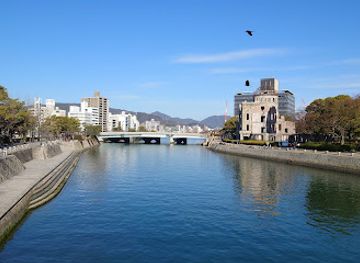
Atomic Bomb Dome
Visit the Atomic Bomb Dome, a UNESCO World Heritage Site in Hiroshima, reflecting on peace, resilience, and the profound impact of history.
-
Tourist attraction
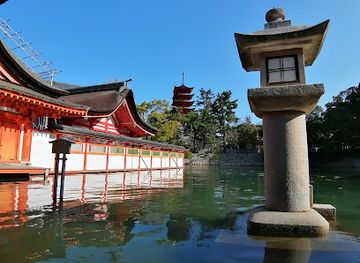
Itsukushima Jinja
Experience the ethereal beauty and cultural richness of Itsukushima Jinja, a floating shrine on the sacred island of Miyajima near Hiroshima.
-
Tourist attraction
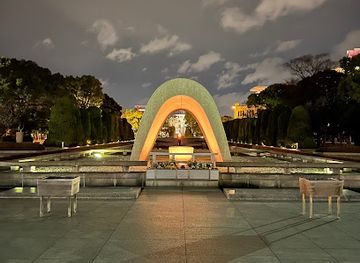
Peace Memorial Park - Hiroshima
Discover the profound history and unwavering spirit of Hiroshima at the Peace Memorial Park, a place of reflection and hope for peace.
-
Tourist attraction
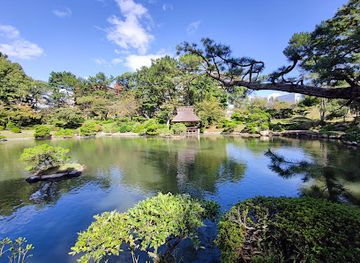
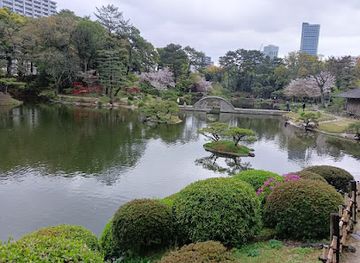
Shukkeien Garden
Discover the serene beauty of Shukkeien Garden in Hiroshima, a historical landscape garden that blends nature and culture in a tranquil setting.
Best landmarks in Chugoku
Chugoku’s most recognisable landmarks range from sacred architecture to sites shaped by war, trade and geology. The Atomic Bomb Dome in Hiroshima is a preserved ruin and a globally recognised symbol of the city’s peace message. Across the water, the great torii and elevated buildings of Itsukushima Shrine on Miyajima form one of Japan’s best-known historic landscapes, their appearance changing with the tide. Matsue Castle is one of the country’s surviving original castles, while Okayama’s Korakuen is a major landscaped garden associated with the city’s former feudal domain. Izumo Taisha carries exceptional religious significance in Japanese Shinto tradition, and Hagi’s former castle-town streets retain the scale of an Edo-period domain centre. Further west, Akiyoshidai’s pale karst plateau and limestone caves create a natural landmark unlike the coastal scenery of the Seto Inland Sea.
-
War memorial
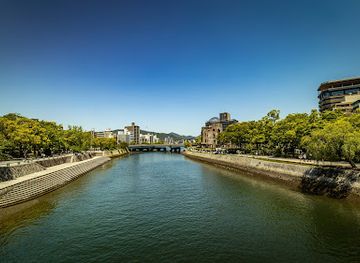
Atomic Bomb Dome
A haunting reminder of Hiroshima's past, the Atomic Bomb Dome stands as a symbol of peace and a call for nuclear disarmament.
-
Shinto shrine
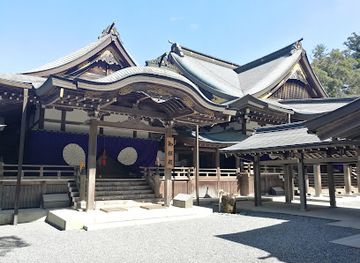
Kotai Jingu (Ise Jingu Naiku, Inner Sanctuary)
Discover Japan's most sacred Shinto shrine, Ise Jingu Naiku, dedicated to Amaterasu Omikami, and experience its rich history and spiritual significance.
-
Heritage preservation
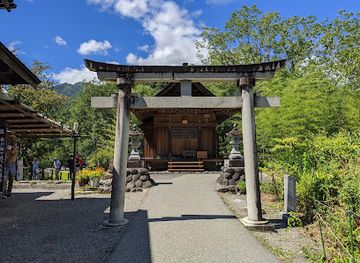
Shirakawa-go
Discover Shirakawa-go: A UNESCO World Heritage village with iconic gassho-zukuri farmhouses, offering a glimpse into Japan's traditional past.
-
Shinto shrine
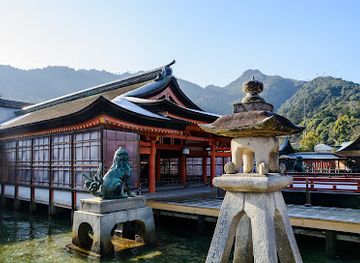
Itsukushima Jinja
Discover the serene beauty of Itsukushima Shrine, a historic Shinto site with a iconic floating torii gate on Miyajima Island, Japan.
Explore Chugoku on the map
Plan your trip on one map. See where the top cities, national parks and sights are, and book hotels and experiences in a few clicks.
Best hotels in Chugoku
Best restaurants in Chugoku
Dining in Chugoku reflects the meeting of mountain agriculture, Inland Sea fisheries and the open coast of the San’in. Hiroshima is associated with oysters and okonomiyaki prepared in a layered style, while nearby coastal communities offer locally landed fish and shellfish. Okayama’s fertile plains and mild climate support peaches, grapes and other fruit, often sold fresh or used in desserts and drinks. Tottori is known for its pears, and Shimane has a strong soba tradition, especially around Izumo, alongside seafood and regional sake. Yamaguchi is noted for fugu cuisine, although preparation should be left to properly licensed establishments. Traditional ryokan meals, rural set-meal restaurants, market counters, cafés, bakeries and izakaya provide different ways to explore local produce, while Kurashiki, Hiroshima and Okayama have broader contemporary dining scenes.
-
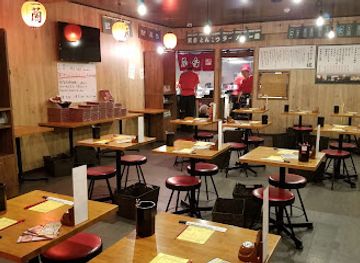
Ramen
Ichiran Hiroshima Hondori shop
Discover the authentic taste of Japan at Ichiran Hiroshima Hondori – home to exquisite tonkotsu ramen and unique dining experiences.
-
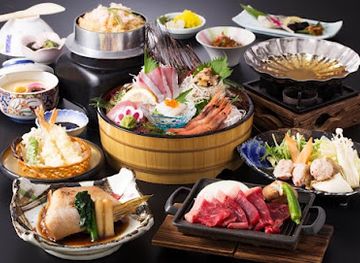
Restaurant
Sakyu Kaikan
Discover authentic Japanese seafood at Sakyu Kaikan while enjoying stunning views near Tottori's famous sand dunes.
-
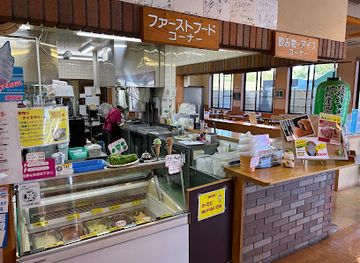
Restaurant
Roadside station Kume-no-sato
Discover local flavors and unique souvenirs at Roadside Station Kume-no-sato in Tsuyama, Okayama - your perfect travel pit stop.
-
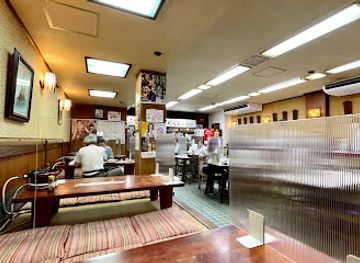
Meat
Masui
Experience Hiroshima's finest tonkatsu at Masui - where crispy meets juicy in every bite.
Best bars in Chugoku
Evening life varies considerably across Chugoku. Hiroshima has the region’s broadest urban scene, with izakaya, standing bars, cocktail venues, live music and late-night restaurants concentrated around the central entertainment area. Okayama also offers a substantial selection of bars, dining rooms and small music venues, while Fukuyama, Kurashiki, Shimonoseki and Yamaguchi provide more compact local scenes. In Matsue, Hagi, Tottori and other smaller centres, traditional pubs, sake bars, cafés and restaurants are more important than large nightclubs. The region’s breweries and sake culture offer alternatives to late-night entertainment, and rural evenings often centre on a quiet meal at an inn or neighbourhood restaurant. Opening arrangements vary widely, so advance checks are sensible outside the largest cities.
-
Pub
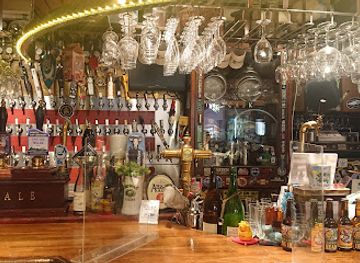
Beer Club Popeye
Discover a diverse selection of local and international beers at Beer Club Popeye in Tokyo's vibrant Ryogoku district.
-
Cocktail bar
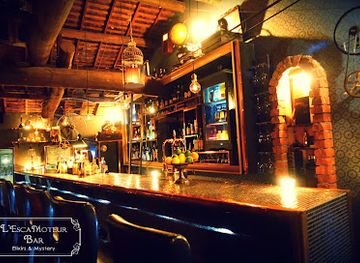
L'Escamoteur
Experience the enchanting atmosphere and innovative cocktails of L'Escamoteur, a must-visit cocktail bar in Kyoto's vibrant nightlife scene.
-
Bar
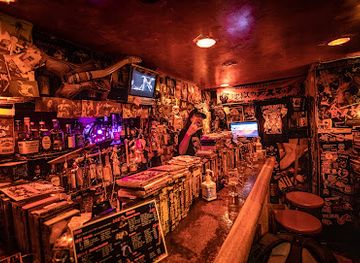
Deathmatch in Hell
Discover the unique blend of macabre and whimsy at Deathmatch in Hell, a must-visit bar in the vibrant Golden Gai district of Shinjuku, Tokyo.
-
Cocktail bar
Gen Yamamoto
Discover the art of cocktail making at Gen Yamamoto, where seasonal ingredients create unique flavors in the heart of Tokyo.
Best nightclubs in Chugoku
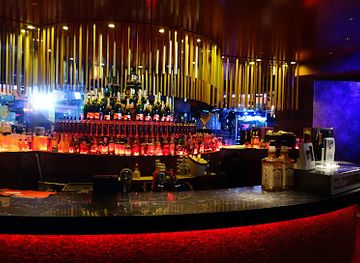
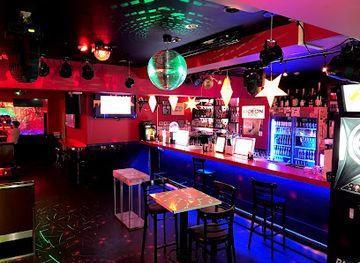
Evening life varies considerably across Chugoku. Hiroshima has the region’s broadest urban scene, with izakaya, standing bars, cocktail venues, live music and late-night restaurants concentrated around the central entertainment area. Okayama also offers a substantial selection of bars, dining rooms and small music venues, while Fukuyama, Kurashiki, Shimonoseki and Yamaguchi provide more compact local scenes. In Matsue, Hagi, Tottori and other smaller centres, traditional pubs, sake bars, cafés and restaurants are more important than large nightclubs. The region’s breweries and sake culture offer alternatives to late-night entertainment, and rural evenings often centre on a quiet meal at an inn or neighbourhood restaurant. Opening arrangements vary widely, so advance checks are sensible outside the largest cities.
-
Night club
TK
Discover the electrifying energy of TK Nightclub in Shibuya, Tokyo's hotspot for unforgettable nightlife experiences and vibrant dance parties.
-
Night club
ODEON TOKYO
Discover the vibrant nightlife at ODEON Tokyo, where bar elegance meets dance club energy in the heart of Roppongi.
-
Night club
IBEX-TOKYO アイベックス トウキョウ Hip Hop, reggae, afro Night Club
IBEX-TOKYO in Roppongi offers an unforgettable nightlife experience filled with hip hop, reggae, and afro music, perfect for all party enthusiasts.
-
Club
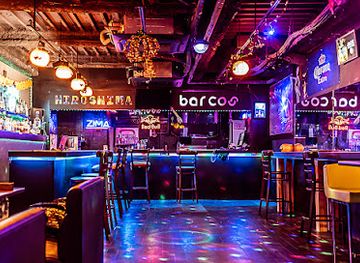
BARCOS International Club
Discover the dynamic nightlife of Hiroshima at BARCO International Club, where great music and dancing await you.

Best shops in Chugoku
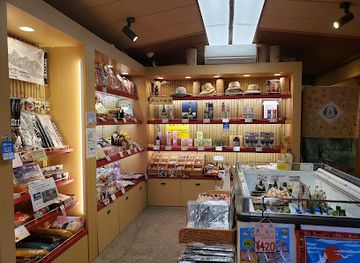
Shopping in Chugoku is strongest when approached through its towns, food traditions and crafts rather than through luxury retail. Hiroshima’s central department stores and arcades offer regional confectionery, food gifts and contemporary goods, while Miyajima is known for souvenirs connected with the island and local culinary products. Okayama and Kurashiki combine modern retail with independent shops, galleries and craft outlets in historic surroundings; Kurashiki is particularly associated with denim and textile production. Matsue, Izumo, Tottori and Hagi offer pottery, traditional sweets, sake, tea and locally made objects through smaller specialist shops. Farmers’ markets and seasonal fruit stands are useful places to find Okayama peaches and grapes, Tottori pears and other produce, although availability depends on the harvest. Look for Bizen ware in southern Okayama, Hagi ware in Yamaguchi and folk crafts from the wider San’in area.
-
Garden
Okayama Korakuen
Explore Okayama Korakuen, a serene garden blending nature's beauty with Japanese culture, perfect for relaxation and exploration.
-
Garden
Shukkeien Garden
Discover the serene beauty and historic charm of Shukkeien Garden in Hiroshima, a picturesque escape filled with nature and culture.
-
National reserve
Tomonoura (Setonaikai National Park)
Explore Tomonoura in Setonaikai National Park, where scenic beauty meets rich history in a charming coastal town.
-
Shopping mall
Hiroshima PARCO
Explore Hiroshima PARCO – a vibrant shopping paradise offering an array of fashion, dining, and cultural experiences in the heart of Hiroshima.
Get your free copy of our complete guide to Chugoku, delivered straight to you.
Everything on this page, from attractions and restaurants to essentials and local phrases, in one PDF you can read offline, print or share.
Already have an account? Sign in
Your Chugoku guide is ready.
We'll send it to · Not you? Sign out

Getting your guide ready…
We are putting together a fresh copy of the Chugoku guide. This can take up to a minute.
This can take a few moments. If your browser asks, choose Allow so the download can start. You'll find the guide in your Downloads folder.
Nothing happened? Download it again
Sorry, the guide is taking longer than usual. Please try again in a minute, or get it by email instead.
Chugoku essentials
Currency and Payment
Safety
Emergency Situations
Do's and Don'ts
Local Tips
From Eve
Local phrases worth knowing
You don't need to get them perfect. A few words go a long way, and locals appreciate the effort.
Basics
| English | Local | Say it |
|---|---|---|
| Hello | こんにちは | [Konnichiwa] |
| Goodbye | さようなら | [Sayōnara] |
| Yes | はい | [Hai] |
| No | いいえ | [Iie] |
| Please/You're welcome | お願いします/どういたしまして | [Onegaishimasu/Dōitashimashite] |
| Thank you | ありがとうございます | [Arigatou gozaimasu] |
| Excuse me/Sorry | すみません/ごめんなさい | [Sumimasen/Gomen nasai] |
| How are you? | お元気ですか? | [Ogenki desu ka?] |
| Fine. And you? | 元気です。あなたは? | [Genki desu. Anata wa?] |
| Do you speak English? | 英語を話せますか? | [Eigo o hanasemasu ka?] |
| I don't understand | わかりません | [Wakarimasen] |
Eating & Drinking
| English | Local | Say it |
|---|---|---|
| I'd like to see the menu, please | メニューを見せてください | [Menyū o misete kudasai] |
| I don't eat meat | 肉は食べません | [Niku wa tabemasen] |
| Cheers! | 乾杯! | [Kanpai!] |
| I would like to pay, please | お会計をお願いします | [Okaikei o onegaishimasu] |
Emergencies
| English | Local | Say it |
|---|---|---|
| Help! | 助けて! | [Tasukete!] |
| Go away! | どいて! | [Doite!] |
| Call the Police! | 警察を呼んで! | [Keisatsu o yonde!] |
| Call a doctor! | 医者を呼んで! | [Isha o yonde!] |
| I'm lost | 迷いました | [Mayoimashita] |
| I'm ill | 具合が悪いです | [Guai ga warui desu] |
Shopping
| English | Local | Say it |
|---|---|---|
| I'd like to buy... | …を買いたいです | [… o kaitai desu] |
| I'm just looking | 見ているだけです | [Mite iru dake desu] |
| How much is it? | これはいくらですか? | [Kore wa ikura desu ka?] |
| That's too expensive | それは高すぎます | [Sore wa takasugimasu] |
| Can you lower the price? | 値下げできますか? | [Nesage dekimasu ka?] |
Time & Numbers
| English | Local | Say it |
|---|---|---|
| What time is it? | 今何時ですか? | [Ima nanji desu ka?] |
| It's one o'clock | 1時です | [Ichi-ji desu] |
| Half past (10) | 10時半です | [Jū-ji han desu] |
| Morning | 朝 | [Asa] |
| Afternoon | 午後 | [Gogo] |
| Evening | 夕方 | [Yūgata] |
| Yesterday | 昨日 | [Kinō] |
| Today | 今日 | [Kyō] |
| Tomorrow | 明日 | [Ashita] |
| 1 | 1 | [Ichi] |
| 2 | 2 | [Ni] |
| 3 | 3 | [San] |
| 4 | 4 | [Shi/Yon] |
| 5 | 5 | [Go] |
| 6 | 6 | [Roku] |
| 7 | 7 | [Nana] |
| 8 | 8 | [Hachi] |
| 9 | 9 | [Kyū] |
| 10 | 10 | [Jū] |
Transport & Directions
| English | Local | Say it |
|---|---|---|
| Where's a/the...? | …はどこですか? | [… wa doko desu ka?] |
| What's the address? | 住所は何ですか? | [Jūsho wa nan desu ka?] |
| Can you show me (on the map)? | 地図で見せてくれますか? | [Chizu de misete kuremasu ka?] |
| When's the next (bus)? | 次の(バス)はいつですか? | [Tsugi no (basu) wa itsu desu ka?] |
| A ticket (to ....) | …までの切符 | [… made no kippu] |
History of Chugoku
Izumo and Early State Formation
The lands of present-day Shimane were central to early Japanese mythology and political development. The Izumo area appears prominently in the Kojiki and Nihon Shoki, eighth-century chronicles that describe the transfer of authority between divine lineages. Archaeological sites such as the Kogane-zuka and Kojindani areas demonstrate the wealth and connections of ancient communities in the region, while Izumo Taisha preserves a major religious tradition associated with the area. Chugoku was not a peripheral backwater: its coastal routes linked the Japanese archipelago with the Inland Sea, the Korean Peninsula and northern Kyushu.
The San’in and San’yō in Medieval Japan
During the medieval period, Chugoku was divided among powerful military families and provincial institutions. The Inland Sea supported shipping, pilgrimage and commercial exchange, while the Sea of Japan coast connected western Honshu with Korea and the Hokuriku region. Buddhist temples and Shinto shrines accumulated land and influence, and fortified settlements developed at strategic points. The Ōuchi family, based in western Honshu, cultivated close cultural and diplomatic links with the Asian mainland, particularly in Yamaguchi, which became known for its learning, religious institutions and imitation of aspects of Kyoto culture.
Mori Power and the Battle of Sekigahara
The lords of the Mori family became the dominant power across much of Chugoku during the sixteenth century. Mori Motonari expanded his influence from Aki Province, using alliances and military strategy to control important Inland Sea routes. After the Mori side lost at the Battle of Sekigahara in 1600, its territories were reduced and the family established its principal base at Hagi in present-day Yamaguchi. The resulting political geography shaped the region for the Edo period, with castle towns, domain boundaries and transport routes leaving a lasting imprint on urban form.
Castle Towns, Maritime Trade and Edo Society
Under the Tokugawa shogunate, Chugoku’s domains developed distinctive castle towns and commercial centres. Hiroshima, Okayama, Matsue, Tottori, Hagi and Tsuyama grew as administrative capitals, while Kurashiki prospered through rice storage and distribution. The Inland Sea carried grain, textiles, salt and other goods between western Japan and Osaka. Domain schools and private academies encouraged education, and the region’s shrines, temples, gardens and merchant quarters expanded. Many surviving street plans, earthen storehouses, samurai residences and gardens date from, or were shaped by, this period.
Meiji Restoration and the Chōshū Contribution
The Chōshū domain, centred on Hagi and wider western Yamaguchi, played a major role in the political movement that overthrew the Tokugawa shogunate in 1868. Figures associated with Chōshū, including Kido Takayoshi, Itō Hirobumi and Yamagata Aritomo, were influential in constructing modern Japan’s government and military institutions. Hagi’s preserved streets and former domain sites reveal the setting in which many of these leaders were educated. The restoration brought the abolition of domains, new prefectural boundaries, conscription and rapid state-led modernisation across Chugoku.
Industry, Railways and the Inland Sea
Modern transport and industry transformed Chugoku from the late nineteenth century onwards. Railways connected the San’yō corridor with national markets, while ports and shipyards expanded around the Inland Sea. Steel, machinery, chemicals and shipbuilding became particularly important in Hiroshima, Okayama and Yamaguchi, alongside agriculture and fishing. Kurashiki’s industrial growth was closely associated with the Ōhara family and textile production, while the region’s rivers, coal resources and port facilities supported wider economic change. Industrial heritage remains visible in working waterfronts, former canals and company foundations.
Hiroshima, War and Peace Memory
On 6 August 1945, an atomic bomb was dropped on Hiroshima, killing large numbers of people immediately and causing continuing deaths from injuries and radiation exposure. The city was rebuilt, and the Hiroshima Peace Memorial Museum, Peace Memorial Park and Atomic Bomb Dome became places of education and international remembrance. The experience also shaped civic movements for nuclear disarmament. Hiroshima’s peace heritage is a central part of Chugoku’s modern identity, but it exists alongside the region’s older shrine, castle-town, maritime and industrial histories.
Chugoku in Photos
Browse through our photo collection highlighting the charm and character of the destination.
Neighbouring regions of Chugoku
The closest regions to Chugoku, if you have time for more than one.
-

-

-

-

-


Swipe for more regions
Explore more

Explore more of Japan
Discover the harmony of tradition and modernity in Japan, where ancient temples and cutting-edge technology coexist in perfect balance.
Explore Japan