

Free Bungo Travel Guide & Mobile App
Explore Bungo with free travel guides. Discover regional history, expert tips, proposed trips, and audio guides on web or mobile app.


Explore Bungo in eastern Kyushu for Beppu hot springs, sacred Kunisaki temples, stone Buddhas, historic towns and seafood-rich coastal landscapes.
Read more about Bungo
When is the best time to visit Bungo?
Best: April–May, October · 19–25°C| Month | High (°C) | Rainfall (mm) |
|---|---|---|
| January | 9 | 60 |
| February | 11 | 70 |
| March | 14 | 90 |
| April (best) | 19 | 110 |
| May (best) | 25 | 120 |
| June | 28 | 170 |
| July | 31 | 220 |
| August | 32 | 190 |
| September | 28 | 150 |
| October (best) | 23 | 120 |
| November | 16 | 90 |
| December | 11 | 70 |
Getting to and around Bungo
How to get there
Transportation
Destinations in Bungo
Resorts, valleys and scenic spots worth a trip of their own.

Swipe for more destinations
Best attractions in Bungo
Bungo's attractions range from major hot-spring resorts to quiet religious and rural landscapes. Beppu is the best-known centre, with bathing facilities, steam-filled neighbourhoods and the visually distinctive hot-spring phenomena known as the Hells. The Kunisaki Peninsula offers forested walks, stone paths and temple precincts associated with Rokugo Manzan, while Usa Jingu provides a major Shinto destination with extensive grounds and a long Hachiman tradition. History is particularly tangible in the Usuki Stone Buddhas, the castle-town streets of Kitsuki, the former Oka domain landscape around Taketa and the temples and white-walled lanes of Usuki. Along the coast, Saiki and the Bungo Channel provide access to fishing culture, seafood and maritime scenery. Inland visitors can explore river valleys, rural shrines, volcanic uplands and farming communities, with walking, cycling and scenic driving best suited to different areas. The region's appeal lies in the way cultural sites remain connected to mountains, water, agriculture and everyday town life rather than standing as isolated monuments.
-
Observation deck
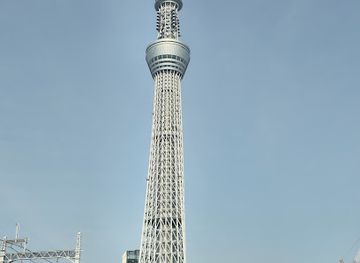
Tokyo Skytree
Discover the stunning views of Tokyo from the iconic Tokyo Skytree, the tallest structure in Japan, and enjoy a unique perspective on this vibrant city.
-
 Cultural landmark
Chiang Kai-shek Memorial Hall
Experience the grandeur of Chiang Kai-shek Memorial Hall, a must-visit cultural and historical landmark in the heart of Taipei, Taiwan.
-
Business park
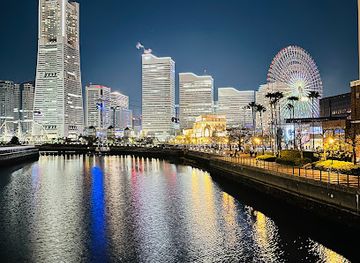
Yokohama Landmark Tower
Discover Yokohama Landmark Tower, a fusion of shopping, dining, and breathtaking views, embodying the essence of Yokohama's vibrant urban landscape.
-
Park
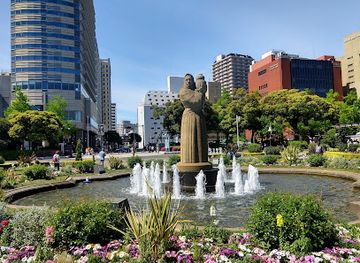
Yamashita Park
Explore the beauty of Yokohama at Yamashita Park, a stunning waterfront destination perfect for relaxation and sightseeing.
Best landmarks in Bungo
Usa Jingu is one of Bungo's defining landmarks, recognised for its long association with Hachiman worship and its spacious shrine complex surrounded by wooded hills. On the Kunisaki Peninsula, Futagoji's temple buildings, stone guardians and mountain setting represent the enduring visual language of Rokugo Manzan. The Usuki Stone Buddhas are more intimate but equally significant: medieval figures carved into cliffs and protected volcanic rock, they are among the region's most important surviving religious artworks. Kitsuki Castle and the town's opposing hills, linked by a valley of merchant streets, preserve the structure of an Edo-period castle town. In Usuki, white-plastered streets and temple districts recall the former domain centre, while Oita's Funai Castle remains visible through its moat, stonework and reconstructed elements despite the loss of much of the original complex. The ruins of Oka Castle above Taketa add a dramatic mountain stronghold to the region's architectural heritage. Along the coast, the Bungo Channel itself is a geographical landmark, shaping fishing communities, maritime routes and the region's cuisine.
-
Observation deck
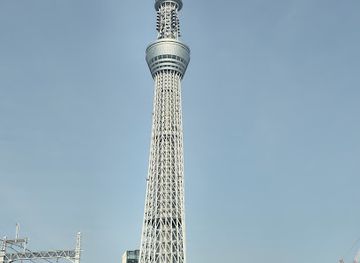
Tokyo Skytree
Experience breathtaking panoramic views of Tokyo from Japan's tallest structure, a modern landmark blending futuristic design with cultural aesthetics.
-
Tourist attraction
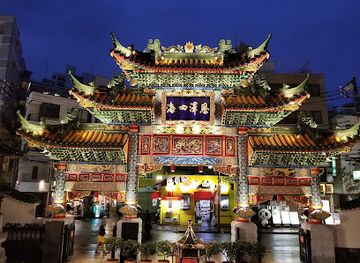
Yokohama Chinatown
Explore Japan's largest Chinatown in Yokohama for authentic cuisine, vibrant culture, and historical landmarks.
-
Cultural landmark
Yokohama Red Brick Warehouse
Experience Yokohama's history and culture at the iconic Red Brick Warehouse, a vibrant waterfront destination for shopping, dining, and events.
-
Park
Ueno Park
Discover Tokyo's Ueno Park: Museums, zoo, temples, and cherry blossoms create a vibrant cultural and natural escape in the heart of the city.

Explore Bungo on the map
Plan your trip on one map. See where the top cities, national parks and sights are, and book hotels and experiences in a few clicks.
Best hotels in Bungo
Best restaurants in Bungo
Bungo's food reflects both the volcanic interior and the productive waters of the Bungo Channel. Beppu and Oita are associated with toriten, pieces of chicken served in a light fried batter, while dangojiru combines broad handmade noodles with vegetables in a hearty miso-based soup. Kabosu, a local green citrus, is used to sharpen fish, grilled dishes and drinks. Coastal towns such as Saiki and the waters around Saganoseki are known for high-quality fish, including preparations of horse mackerel and mackerel, while Usuki has a longstanding reputation for fugu cuisine. Bungo beef appears in restaurants and inns, and inland areas offer river fish, mushrooms, seasonal vegetables and rice-based dishes. Traditional ryokan meals provide a useful introduction to local produce, but izakaya, family restaurants, cafés and market-oriented eateries often offer a more informal view of regional eating. Availability varies by season, particularly for seafood and citrus.
-
Hotel
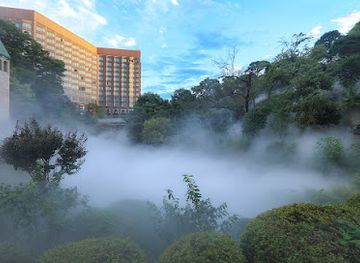
Hotel Chinzanso Tokyo
Experience unparalleled luxury and tranquility at Hotel Chinzanso Tokyo – your serene retreat in the heart of Japan's vibrant capital.
-
Japanese regional restaurant
Yufu Mabushi "Shin" Yufuin Ekimae Branch
Experience authentic unagi cuisine at Yufu Mabushi 'Shin', where traditional flavors meet warm hospitality in beautiful Yufuin.
-
Izakaya
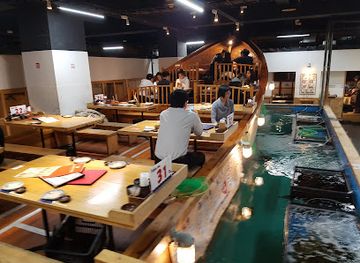
Fishing Restaurant Zauo Shinjuku
Catch your own seafood at Fishing Restaurant Zauo Shinjuku - an unforgettable dining adventure in Tokyo's izakaya culture.
-
Japanese
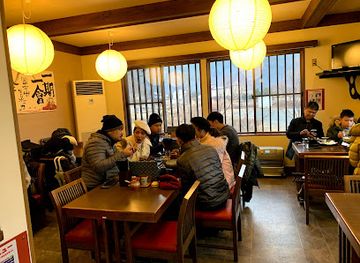
Momijitei-Hoto
Experience authentic Japanese flavors at Momijitei-Hoto in Fujikawaguchiko—home to delicious Hoto noodles and breathtaking mountain views.

Best bars in Bungo
Evening life in Bungo is concentrated in Beppu and Oita, with smaller but more local scenes in Usuki, Saiki, Kitsuki and other town centres. Beppu combines izakaya, small bars, hotel lounges and live-music venues around its busy hot-spring districts, while Oita has the region's broadest choice of restaurants, drinking establishments and late-evening entertainment. In smaller towns, traditional pubs and snack bars, where conversation and regular customers are important, are more common than large nightclubs. Coastal areas often become quiet after dinner, and rural districts generally centre their evening culture on local restaurants, inns and community events rather than nightlife venues. Craft beer, shochu, sake and citrus-based drinks can be found, but alcohol is not necessary to experience the region after dark. Transport becomes less frequent in rural areas at night, so plan the return journey before settling into an out-of-town meal.
-
Scenic spot
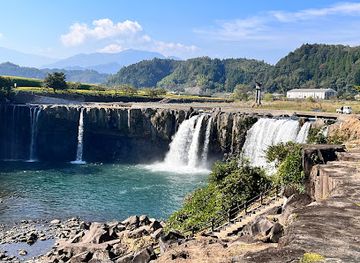
Harajiri Falls
Experience the breathtaking beauty of Harajiri Falls, a stunning waterfall in Oita, Japan, surrounded by lush nature and scenic trails.
-
Grill
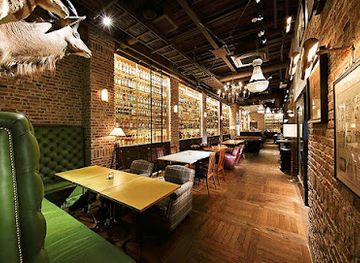
TOKYO Whisky Library
Experience the essence of whisky culture at the Tokyo Whisky Library, featuring over 1,000 selections in a sophisticated, inviting atmosphere.
-
Japanese
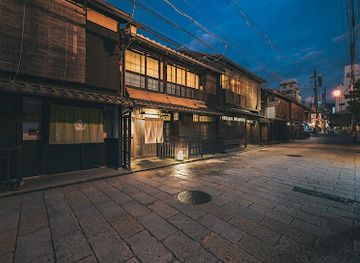
Wagyu Ryotei Bungo Gion
Experience the finest Wagyu beef at Wagyu Ryotei Bungo Gion, a culinary treasure in the heart of Kyoto's historic Gion district.
-
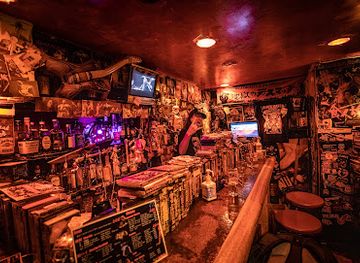
Bar
Deathmatch in Hell
Dive into the eccentric nightlife of Tokyo at Deathmatch in Hell, a bar that offers unique cocktails and thrilling themed entertainment.
Best nightclubs in Bungo
Evening life in Bungo is concentrated in Beppu and Oita, with smaller but more local scenes in Usuki, Saiki, Kitsuki and other town centres. Beppu combines izakaya, small bars, hotel lounges and live-music venues around its busy hot-spring districts, while Oita has the region's broadest choice of restaurants, drinking establishments and late-evening entertainment. In smaller towns, traditional pubs and snack bars, where conversation and regular customers are important, are more common than large nightclubs. Coastal areas often become quiet after dinner, and rural districts generally centre their evening culture on local restaurants, inns and community events rather than nightlife venues. Craft beer, shochu, sake and citrus-based drinks can be found, but alcohol is not necessary to experience the region after dark. Transport becomes less frequent in rural areas at night, so plan the return journey before settling into an out-of-town meal.
-
Night club
TK
Dive into the heart of Tokyo's nightlife at TK Nightclub, where electrifying music and vibrant crowds create unforgettable nights.
-
Night club
V2 TOKYO
Experience the electrifying nightlife of Tokyo at V2 TOKYO, a premier night club in the heart of Roppongi, offering world-class DJs and a vibrant atmosphere.
-
Night club
WOMB
Discover WOMB, Tokyo's electrifying night club that blends world-class music, stunning visuals, and an unforgettable party atmosphere in the heart of Shibuya.
-
Event venue
club asia
Discover the heart of Tokyo's nightlife at Club Asia, an iconic venue for live music and unforgettable experiences in the vibrant Shibuya district.


Best shops in Bungo
Shopping in Bungo is strongest in historic town centres, covered arcades and local markets rather than in large luxury districts. Beppu offers the broadest range of souvenirs, including bathing-related goods, ceramics, food products and crafts associated with the hot-spring town, while Oita has the region's main concentration of department-store shopping and contemporary retail. Usuki and Kitsuki are better suited to browsing small galleries, traditional craft shops, confectioners and stores in preserved streets. Look for kabosu products, locally made sweets, bottled seasonings, sake, shochu and regional dried or preserved foods, checking transport and customs restrictions before buying fresh produce. Pottery and ceramics are also associated with Oita's wider craft culture, though individual workshops and stock vary. Farmers' markets and roadside produce stands provide a more direct connection with the inland countryside, offering seasonal vegetables, citrus and locally prepared foods rather than a standardised souvenir selection.
-
Shopping mall
CANAL CITY HAKATA
Discover Canal City Hakata, Fukuoka's vibrant shopping and entertainment haven with unique shops, delightful dining, and cultural experiences.
-
Shopping mall
Tokyo Character Street
Discover the enchanting Tokyo Character Street, a shopping paradise brimming with beloved anime and manga characters' merchandise in the heart of Tokyo Station.
-
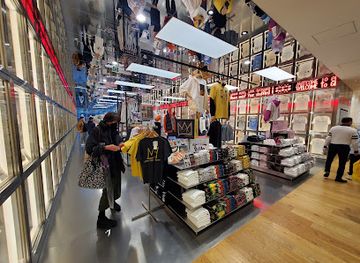
Clothing store
Uniqlo Ginza Flagship Store
Explore the Uniqlo Ginza Flagship Store, Tokyo's premier destination for stylish clothing and unique fashion finds in the heart of Ginza.
-
Outlet mall
Tosu Premium Outlets
Discover unbeatable deals and an array of shopping experiences at Tosu Premium Outlets, your go-to destination in Saga, Japan.



Get your free copy of our complete guide to Bungo, delivered straight to you.
Everything on this page, from attractions and restaurants to essentials and local phrases, in one PDF you can read offline, print or share.
Already have an account? Sign in
Your Bungo guide is ready.
We'll send it to · Not you? Sign out

Getting your guide ready…
We are putting together a fresh copy of the Bungo guide. This can take up to a minute.
This can take a few moments. If your browser asks, choose Allow so the download can start. You'll find the guide in your Downloads folder.
Nothing happened? Download it again
Sorry, the guide is taking longer than usual. Please try again in a minute, or get it by email instead.
Bungo essentials
Currency and Payment
Safety
Emergency Situations
Do's and Don'ts
Local Tips
From Eve
Local phrases worth knowing
You don't need to get them perfect. A few words go a long way, and locals appreciate the effort.
Basics
| English | Local | Say it |
|---|---|---|
| Hello | Hey | [Hey] |
| Goodbye | See ya | [See ya] |
| Yes | Yep | [Yep] |
| No | Nah | [Nah] |
| Please/You're welcome | Sure thing | [Shur thing] |
| Thank you | Thanks | [Thanks] |
| Excuse me/Sorry | Sorry | [Sorry] |
| How are you? | How's it going? | [How's it going?] |
| Fine. And you? | Good. You? | [Good. You?] |
| Do you speak English? | Do you speak English? | [Do you speak English?] |
| I don't understand | I don't get it | [I don't get it] |
Eating & Drinking
| English | Local | Say it |
|---|---|---|
| I'd like to see the menu, please | Can I see the menu? | [Can I see the menu?] |
| I don't eat meat | I'm a vegetarian | [I'm a vegetarian] |
| Cheers! | Cheers! | [Cheers!] |
| I would like to pay, please | Can I get the check? | [Can I get the check?] |
Emergencies
| English | Local | Say it |
|---|---|---|
| Help! | Help! | [Help!] |
| Go away! | Leave me alone! | [Leave me alone!] |
| Call the Police! | Call the cops! | [Call the cops!] |
| Call a doctor! | Get a doctor! | [Get a doctor!] |
| I'm lost | I'm lost | [I'm lost] |
| I'm ill | I'm not feeling well | [I'm not feeling well] |
Shopping
| English | Local | Say it |
|---|---|---|
| I'd like to buy... | I want to buy... | [I want to buy...] |
| I'm just looking | Just browsing | [Just browsing] |
| How much is it? | What's the price? | [What's the price?] |
| That's too expensive | That's pricey | [That's pricey] |
| Can you lower the price? | Can you give me a discount? | [Can you give me a discount?] |
Time & Numbers
| English | Local | Say it |
|---|---|---|
| What time is it? | What time is it? | [What time is it?] |
| It's one o'clock | It's one | [It's one] |
| Half past (10) | Half past ten | [Half past ten] |
| Morning | Morning | [Morning] |
| Afternoon | Afternoon | [Afternoon] |
| Evening | Evening | [Evening] |
| Yesterday | Yesterday | [Yesterday] |
| Today | Today | [Today] |
| Tomorrow | Tomorrow | [Tomorrow] |
| 1 | One | [One] |
| 2 | Two | [Two] |
| 3 | Three | [Three] |
| 4 | Four | [Four] |
| 5 | Five | [Five] |
| 6 | Six | [Six] |
| 7 | Seven | [Seven] |
| 8 | Eight | [Eight] |
| 9 | Nine | [Nine] |
| 10 | Ten | [Ten] |
Transport & Directions
| English | Local | Say it |
|---|---|---|
| Where's a/the...? | Where's the...? | [Where's the...?] |
| What's the address? | What's the address? | [What's the address?] |
| Can you show me (on the map)? | Can you show me on the map? | [Can you show me on the map?] |
| When's the next (bus)? | When's the next bus? | [When's the next bus?] |
| A ticket (to ....) | One ticket to... | [One ticket to...] |
History of Bungo
Early Communities and Ancient Bungo
The eastern Kyushu landscape was settled long before the formation of Japan's medieval domains. Evidence from shell middens, burial mounds and other archaeological sites records communities that farmed, fished and traded around the Bungo Channel and inland basins. In the ancient ritsuryo administrative system, Bungo Province occupied much of what is now eastern and southern Oita Prefecture. Its position between the Inland Sea, Shikoku and the wider Kyushu interior gave it importance as a maritime and overland link, while mountains and forests encouraged distinctive local communities in areas such as Kunisaki.
Hachiman Worship and Usa Jingu
Usa Jingu became the principal centre of Hachiman worship, a religious tradition later associated with the imperial ancestor and the guardian deity of warriors. Its influence expanded widely across Japan, and the shrine's connection with Buddhism helped shape the syncretic religious culture of northern Bungo. Although the present buildings have been reconstructed over time, the shrine's historical setting, rituals and institutional legacy remain central to the region's identity. The relationship between Usa and the mountain temples of the Kunisaki Peninsula laid foundations for a religious landscape that combined courtly, popular, Buddhist and local traditions.
Rokugo Manzan and Mountain Buddhism
From the medieval period, the valleys and wooded hills of Kunisaki developed the Rokugo Manzan tradition, centred on temples connected with mountain asceticism, Tendai Buddhism and local worship. Religious communities used caves, forests and ridges as places of practice, while temples served settlements distributed around the peninsula's six historic districts. Futagoji and other temples preserve elements of this legacy in their halls, stone guardians, pathways and ritual landscapes. The tradition is important not simply as a collection of old buildings but as an example of Japan's long interaction between Buddhism, Shinto and reverence for natural features.
Medieval Lords, Estates and Coastal Exchange
During the Kamakura and Muromachi periods, Bungo was divided among competing warrior families and estate interests. Its ports and coastal settlements participated in trade across the Inland Sea, while inland routes connected farming communities with castles and religious centres. The region's strategic position exposed it to the political struggles that accompanied the rise of powerful warlords in Kyushu. Medieval remains are especially visible in temple precincts, castle sites, stone monuments and historic town patterns, even where later rebuilding has replaced the original timber architecture.
The Otomo Domain and Christian Encounters
The Otomo family controlled much of Bungo during the sixteenth century and made Funai, now Oita, an important political and commercial centre. Under Otomo Sorin, who converted to Christianity, the domain developed links with Portuguese traders and Jesuit missionaries. Funai became one of the notable points of contact between Japan and European merchants and religious visitors, although the experiment was limited by warfare and changing political circumstances. The Otomo period left a significant mark on Bungo's history, linking local power struggles with the wider maritime and religious transformations of late sixteenth-century Japan.
Edo-Period Castle Towns and Domains
After the establishment of the Tokugawa shogunate, Bungo was divided among several domains rather than governed as one unified territory. Kitsuki, Hiji, Oka in Taketa and Funai each developed as domain centres, while Usuki and Saiki also became important political and commercial settlements. The surviving street plans, samurai residences, merchant districts, stone walls and castle ruins reflect this period of regulated travel and urban administration. Beppu's hot springs continued to draw local visitors, while agriculture, forestry, fishing and coastal shipping supported domain economies.
Modernisation, Railways and Regional Tourism
The abolition of the domains in the late nineteenth century and the creation of Oita Prefecture placed the historic Bungo area within a modern administrative framework. Railways, improved roads and steamship connections strengthened links between Oita, Beppu, the coast and the wider Kyushu network. Beppu developed into a nationally important hot-spring resort, while ports and fishing towns continued to serve regional commerce. In the twentieth and twenty-first centuries, conservation of the Usuki Stone Buddhas, the Kunisaki religious landscape and historic castle towns has broadened Bungo's identity from a former province into a distinctive cultural travel region.
Bungo in Photos
Browse through our photo collection highlighting the charm and character of the destination.
Neighbouring regions of Bungo
The closest regions to Bungo, if you have time for more than one.
-

-
-

-

-


Swipe for more regions
Explore more

Explore more of Japan
Discover the harmony of tradition and modernity in Japan, where ancient temples and cutting-edge technology coexist in perfect balance.
Explore Japan