

Free Higo Travel Guide & Mobile App
Explore Higo with free travel guides. Discover regional history, expert tips, proposed trips, and audio guides on web or mobile app.


Explore historic Higo through Kumamoto Castle, Aso volcanoes, Kuma valley hot springs, regional cuisine and the island landscapes of Amakusa.
Read more about Higo
When is the best time to visit Higo?
Best: May, October–November · 18–24°C| Month | High (°C) | Rainfall (mm) |
|---|---|---|
| January | 10 | 60 |
| February | 11 | 70 |
| March | 16 | 100 |
| April | 20 | 130 |
| May (best) | 24 | 150 |
| June | 28 | 230 |
| July | 32 | 240 |
| August | 32 | 190 |
| September | 29 | 180 |
| October (best) | 24 | 120 |
| November (best) | 18 | 100 |
| December | 12 | 70 |
Getting to and around Higo
How to get there
Transportation
Top city travel guides in Higo
The cities of Higo, and the easiest places to base yourself.

Swipe for more cities
Destinations in Higo
Resorts, valleys and scenic spots worth a trip of their own.
-

-


Swipe for more destinations
Best attractions in Higo
Higo's attractions range from major urban heritage to volcanic landscapes and island communities. In Kumamoto, Kumamoto Castle and the surrounding cultural institutions provide the strongest introduction to the region's political history, while Suizenji Jojuen offers a quieter expression of Edo-period garden design. Aso is the principal outdoor destination, with a vast caldera, grass-covered volcanic slopes, scenic roads, walking areas and hot-spring settlements; access to the central crater varies with volcanic conditions. The southern districts bring together Hitoyoshi's historic townscape, Kuma valley scenery, river-based recreation and onsen culture. Along the western coast, Amakusa offers marine landscapes, churches and Christian heritage, fishing villages, sea views and opportunities for boat trips. Visitors can also find archaeological sites, traditional craft experiences, agricultural tourism and regional museums across the prefecture. The appeal lies in the contrast between a substantial castle city, working countryside, active volcanic terrain and a scattered maritime world, rather than in a single concentrated attraction zone.
-
Tourist attraction
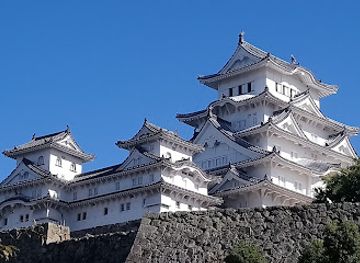
Himeji Castle
Discover the enchanting beauty and rich history of Himeji Castle, Japan's iconic white fortress and a UNESCO World Heritage Site.
-
Tourist attraction
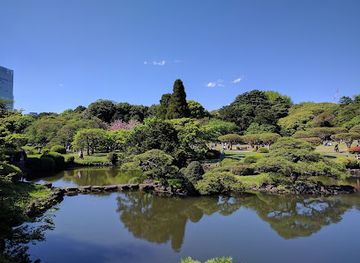
Yoyogi Park
Discover Yoyogi Park, a serene urban oasis in Tokyo, blending nature, culture, and leisure in one iconic destination for unforgettable experiences.
-
Tourist attraction
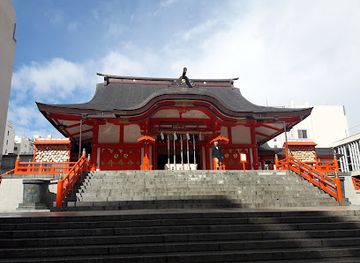
Shinjuku Golden-Gai
Experience the vibrant nightlife of Shinjuku Golden-Gai, Tokyo's iconic district filled with charming bars and delicious ramen restaurants.
-
Tourist attraction
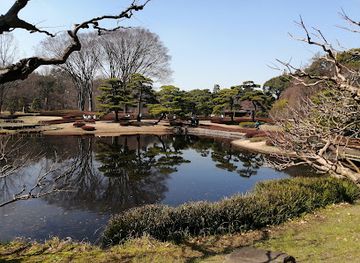
Imperial Palace East National Gardens
Explore the Imperial Palace East National Gardens, a serene blend of nature and history in Tokyo's vibrant heart, perfect for tranquility and reflection.
Best landmarks in Higo
Kumamoto Castle is Higo's defining landmark, recognised for its imposing keeps, extensive stone walls and defensive earthworks. Its history reaches back to the early modern construction associated with Kato Kiyomasa, while earthquake damage and ongoing restoration have become part of its contemporary story. Suizenji Jojuen is a different kind of landmark: a refined garden whose paths, ponds and miniature landscapes express the cultural world of the Hosokawa rulers. In Aso, the broad volcanic caldera and the peaks around Mount Aso function as geographical landmarks as much as scenic attractions, marking one of Japan's most recognisable volcanic regions. Aso Shrine is an important religious and architectural centre with deep connections to the ancient province. In the south, Hitoyoshi Castle's surviving stonework and riverside setting recall the long rule of the Sagara family, while the churches and coastal settlements of Amakusa bear witness to the islands' complex Christian history. These sites represent Higo's military, religious, geological and maritime identities.
-
Buddhist temple
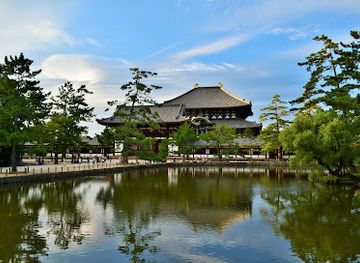
Tōdai-ji
Explore Tōdai-ji, Nara's iconic temple: home to the Great Buddha, a UNESCO World Heritage site, and a symbol of ancient Japan.
-
Tourist attraction
The Life-Sized UNICORN GUNDAM Statue
A towering tribute to the Mobile Suit Gundam Unicorn series, featuring dynamic transformations and spectacular evening light shows in Odaiba, Tokyo.
-
Sculpture
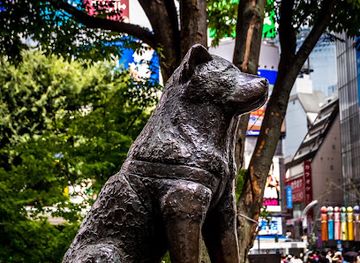
Hachikō Memorial Statue
A tribute to Hachikō, the loyal Akita dog, this statue outside Shibuya Station is a popular meeting spot and symbol of unwavering devotion.
-
Buddhist temple
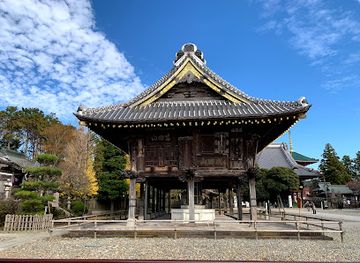
Naritasan Shinsho-ji
Discover a millennium of history and spiritual tradition at Naritasan Shinsho-ji Temple, a serene escape near Narita Airport.

Explore Higo on the map
Plan your trip on one map. See where the top cities, national parks and sights are, and book hotels and experiences in a few clicks.
Best hotels in Higo
Best restaurants in Higo
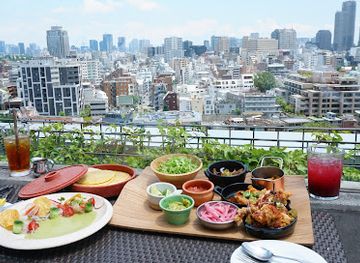
Higo's food reflects the fertile plains, mountain valleys and western seas of present-day Kumamoto Prefecture. Kumamoto-style basashi, thinly sliced raw horse meat, is a well-known local speciality and is usually served with ginger, soy sauce and other condiments; unfamiliar diners can find cooked alternatives throughout the region. Karashi renkon, lotus root filled with mustard miso and fried, is another distinctive Kumamoto preparation. Aso contributes dairy products, vegetables and dishes based on local pastureland, while the Kuma and Amakusa districts offer freshwater fish, seafood and regional agricultural produce. Kumamoto ramen, with its pork broth, garlic and noodles, is widely available, although ramen is a broader Kyushu tradition rather than an exclusively Higo invention. City restaurants, market counters, cafés, rural inns and traditional izakaya provide different ways to eat, while local shochu, including Kuma shochu in the river basin, accompanies regional meals.
-
Mexican
Hacienda
Experience authentic Mexican cuisine at Hacienda in Shibuya—where vibrant flavors meet Tokyo's energetic atmosphere.
-
Tonkatsu restaurant
Ichikatsu
Experience authentic tonkatsu at Ichikatsu, where deliciously crispy pork cutlets meet traditional Japanese culinary artistry in Tokyo's Sumida City.
-
Italian
THE RIGOLETTO ocean club
Savor exquisite Italian and Spanish cuisine at THE RIGOLETTO Ocean Club in Yokohama—where culinary artistry meets stunning ocean views.
-
Italian
RIGOLETTO SMOKE GRILL & BAR
Discover exquisite Italian and Spanish flavors at Rigoletto Smoke Grill & Bar in Kyoto, where culinary artistry meets vibrant ambiance.
Best bars in Higo
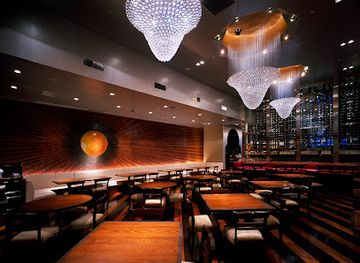
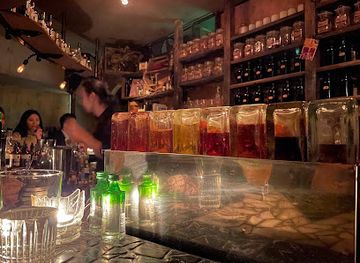
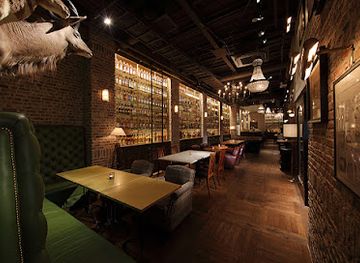
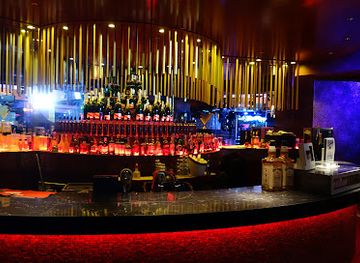
Nightlife in Higo is concentrated in Kumamoto city, particularly around the central entertainment area near Shimotori and Sakae-dori, where restaurants, izakaya, karaoke establishments, small bars and late-night venues occupy covered streets and side lanes. The atmosphere is urban but generally more compact than in Japan's largest cities. Traditional bars and dining counters offer local drinks and conversation, while live music and cultural performances appear in selected venues rather than forming a single dominant scene. Outside Kumamoto, evening life is quieter and usually centres on izakaya, hotel bars, cafés, traditional inns and hot-spring accommodation. Aso, Hitoyoshi and Amakusa are better suited to dinners, baths and early starts than to clubbing. Seasonal events can bring temporary evening activity, but visitors should check current listings rather than assume regular nightlife in rural districts.
-
Pub
Beer Club Popeye
Discover the vibrant craft beer culture at Beer Club Popeye, Tokyo's premier destination for beer enthusiasts with a diverse selection and welcoming atmosphere.
-
Italian
RIGOLETTO WINE AND BAR
Experience the best of Italian and Spanish cuisine at Rigoletto Wine and Bar, featuring an exquisite wine selection in Tokyo's Marunouchi district.
-
Cocktail bar
Bar Nayuta
Experience the art of cocktail crafting at Bar Nayuta, Osaka's elegant bar in Nishishinsaibashi, where tradition meets innovation.
-
Grill
TOKYO Whisky Library
Discover the exquisite Tokyo Whisky Library, where over 1,000 whiskies and gourmet dishes create an unforgettable culinary experience in the heart of Tokyo.
Best nightclubs in Higo
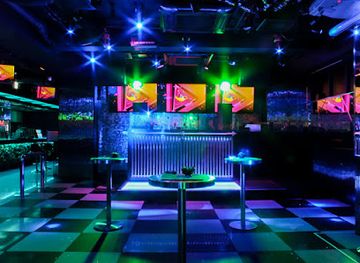
Nightlife in Higo is concentrated in Kumamoto city, particularly around the central entertainment area near Shimotori and Sakae-dori, where restaurants, izakaya, karaoke establishments, small bars and late-night venues occupy covered streets and side lanes. The atmosphere is urban but generally more compact than in Japan's largest cities. Traditional bars and dining counters offer local drinks and conversation, while live music and cultural performances appear in selected venues rather than forming a single dominant scene. Outside Kumamoto, evening life is quieter and usually centres on izakaya, hotel bars, cafés, traditional inns and hot-spring accommodation. Aso, Hitoyoshi and Amakusa are better suited to dinners, baths and early starts than to clubbing. Seasonal events can bring temporary evening activity, but visitors should check current listings rather than assume regular nightlife in rural districts.
-
Night club
KITSUNE KYOTO
Experience the pulsating nightlife at Kitsune Kyoto, a premier nightclub offering electrifying music, vibrant atmosphere, and unforgettable memories.
-
Night club
TK
Discover the electrifying nightlife of Tokyo at TK Nightclub – where the music never stops and the dancing goes on all night long.
-
Night club
Kujira Entertainment
Discover the ultimate nightlife experience at Kujira Entertainment, Tokyo's premier destination for cocktails, desserts, and captivating performances in Kabukicho.
-
Night club
Ammona
Dive into the electrifying nightlife of Ammona, Osaka's premier night club featuring an unforgettable blend of bar, dance, and disco experiences.


Best shops in Higo
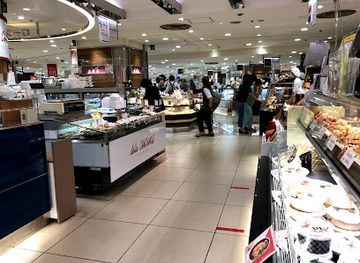
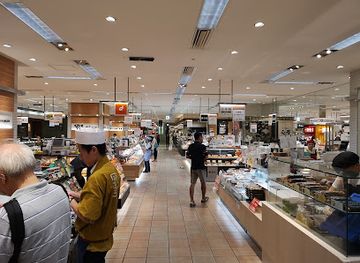
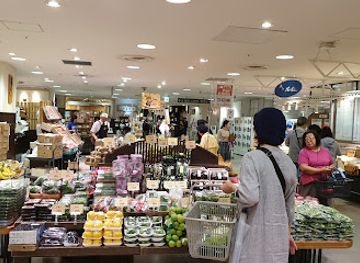
Shopping in Higo is strongest in Kumamoto city, where covered arcades, department stores, specialist food shops and independent retailers serve both local residents and visitors. Traditional sweets, roasted tea, seasonings and packaged versions of karashi renkon or regional snacks make practical souvenirs, while craft shops may stock pottery, woodwork, woven goods and other Kyushu-made products. Kumamoto's horse-meat products are available in specialist food establishments, although travellers should consider customs regulations before taking animal products overseas. Aso and the rural districts are good places to look for dairy goods, vegetables, preserves, honey and farm-produced items, often through roadside markets and direct-sales shops. Hitoyoshi is associated with Kuma shochu and local foods, while Amakusa offers seafood products, citrus and island crafts. Opening days and payment facilities vary widely outside the city, so cash and flexible timing remain useful when visiting small markets or workshops.
-
Shopping mall
CANAL CITY HAKATA
Explore the vibrant CANAL CITY HAKATA in Fukuoka, where shopping, dining, and entertainment come together in a stunning architectural marvel.
-
Department store
Yokohama Takashimaya
Explore Yokohama Takashimaya for an unforgettable shopping experience featuring fashion, gourmet foods, and unique souvenirs in the heart of Yokohama.
-
Department store
Takashimaya
Discover Takashimaya in Tokyo, a luxurious department store offering fashion, gourmet delights, and unique souvenirs in a beautiful setting.
-
Department store
Osaka Takashimaya
Explore Osaka Takashimaya, a vibrant department store with diverse shopping, dining, and cultural experiences in the heart of Osaka.

Get your free copy of our complete guide to Higo, delivered straight to you.
Everything on this page, from attractions and restaurants to essentials and local phrases, in one PDF you can read offline, print or share.
Already have an account? Sign in
Your Higo guide is ready.
We'll send it to · Not you? Sign out

Getting your guide ready…
We are putting together a fresh copy of the Higo guide. This can take up to a minute.
This can take a few moments. If your browser asks, choose Allow so the download can start. You'll find the guide in your Downloads folder.
Nothing happened? Download it again
Sorry, the guide is taking longer than usual. Please try again in a minute, or get it by email instead.
Higo essentials
Currency and Payment
Safety
Emergency Situations
Do's and Don'ts
Local Tips
From Eve
Local phrases worth knowing
You don't need to get them perfect. A few words go a long way, and locals appreciate the effort.
Basics
| English | Local | Say it |
|---|---|---|
| Hello | こんにちは | [Konnichiwa] |
| Goodbye | さようなら | [Sayōnara] |
| Yes | はい | [Hai] |
| No | いいえ | [Iie] |
| Please/You're welcome | どうぞ | [Dōzo] |
| Thank you | ありがとう | [Arigatou] |
| Excuse me/Sorry | すみません | [Sumimasen] |
| How are you? | お元気ですか? | [Ogenki desu ka?] |
| Fine. And you? | 元気です。あなたは? | [Genki desu. Anata wa?] |
| Do you speak English? | 英語を話せますか? | [Eigo o hanasemasu ka?] |
| I don't understand | わかりません | [Wakarimasen] |
Eating & Drinking
| English | Local | Say it |
|---|---|---|
| I'd like to see the menu, please | メニューを見せてください | [Menyū o misete kudasai] |
| I don't eat meat | 肉は食べません | [Niku wa tabemasen] |
| Cheers! | 乾杯! | [Kanpai!] |
| I would like to pay, please | お会計をお願いします | [Okaikei o onegaishimasu] |
Emergencies
| English | Local | Say it |
|---|---|---|
| Help! | 助けて! | [Tasukete!] |
| Go away! | どこか行って! | [Doko ka itte!] |
| Call the Police! | 警察を呼んで! | [Keisatsu o yonde!] |
| Call a doctor! | 医者を呼んで! | [Isha o yonde!] |
| I'm lost | 迷いました | [Mayoimashita] |
| I'm ill | 具合が悪いです | [Guai ga warui desu] |
Shopping
| English | Local | Say it |
|---|---|---|
| I'd like to buy... | …を買いたいです | [… o kaitai desu] |
| I'm just looking | 見ているだけです | [Mite iru dake desu] |
| How much is it? | これはいくらですか? | [Kore wa ikura desu ka?] |
| That's too expensive | それは高すぎます | [Sore wa takasugimasu] |
| Can you lower the price? | 値下げできますか? | [Nesage dekimasu ka?] |
Time & Numbers
| English | Local | Say it |
|---|---|---|
| What time is it? | 今、何時ですか? | [Ima, nanji desu ka?] |
| It's one o'clock | 1時です | [Ichi-ji desu] |
| Half past (10) | 10時半です | [Jū-ji han desu] |
| Morning | 朝 | [Asa] |
| Afternoon | 午後 | [Gogo] |
| Evening | 夕方 | [Yūgata] |
| Yesterday | 昨日 | [Kinō] |
| Today | 今日 | [Kyō] |
| Tomorrow | 明日 | [Ashita] |
| 1 | 1 | [Ichi] |
| 2 | 2 | [Ni] |
| 3 | 3 | [San] |
| 4 | 4 | [Shi] |
| 5 | 5 | [Go] |
| 6 | 6 | [Roku] |
| 7 | 7 | [Nana] |
| 8 | 8 | [Hachi] |
| 9 | 9 | [Kyū] |
| 10 | 10 | [Jū] |
Transport & Directions
| English | Local | Say it |
|---|---|---|
| Where's a/the...? | …はどこですか? | [… wa doko desu ka?] |
| What's the address? | 住所は何ですか? | [Jūsho wa nan desu ka?] |
| Can you show me (on the map)? | 地図で見せてくれますか? | [Chizu de misete kuremasu ka?] |
| When's the next (bus)? | 次の(バス)はいつですか? | [Tsugi no (basu) wa itsu desu ka?] |
| A ticket (to ....) | …へのチケット | [… e no chiketto] |
History of Higo
Early Settlement and the Kofun Landscape
The Higo area was inhabited from prehistoric times, with archaeological evidence of farming communities, settlements and burial practices developing across the fertile plains and river basins of modern Kumamoto Prefecture. The region contains numerous kofun, or keyhole-shaped burial mounds, dating mainly from the third to seventh centuries. These monuments indicate the influence of powerful local political groups and their connections with wider Kyushu and the emerging Yamato state. Aso's volcanic terrain and the western coastal routes also shaped settlement, agriculture and exchange, giving Higo a varied early history rather than a single political centre.
Formation of Higo Province
Under Japan's ancient ritsuryo administrative system, the territory became Higo Province. Provincial institutions helped connect the region to the central court through taxation, roads, religious foundations and official administration. Buddhist temples and mountain worship developed alongside older local beliefs, particularly around Aso, where the volcanic landscape encouraged a powerful sacred tradition. The Aso Shrine complex became an important religious centre, while river valleys, coastal routes and productive agricultural land sustained communities across the province.
Medieval Warrior Houses and Aso Authority
During the medieval period, authority in Higo was divided among warrior families, temple estates and regional powers. The Aso family held particular religious and political importance in the Aso district through its association with Aso Shrine. Control of fortified settlements, river routes and agricultural land shifted repeatedly as national power weakened and local warfare intensified. The province's position in southern Kyushu also exposed it to the influence of larger forces based in neighbouring regions, making Higo an important strategic territory during the Sengoku, or Warring States, era.
Kato Kiyomasa and the Castle Town of Kumamoto
After the campaigns that unified Japan in the late sixteenth century, Kato Kiyomasa became lord of much of Higo and developed Kumamoto as a major castle town. He expanded and strengthened Kumamoto Castle, improved roads and waterways, promoted flood-control works and encouraged agricultural development. The castle's extensive stonework and defensive design reflected both military needs and the political importance of the territory. Although earthquakes and later conflicts caused serious damage, the castle remains the clearest architectural expression of Higo's transformation into a centrally governed domain.
The Hosokawa Domain in the Edo Period
In 1632, the Hosokawa family replaced the Kato house as lords of the Kumamoto Domain. Their rule lasted until the end of the Tokugawa shogunate and left a deep cultural imprint on Higo. Kumamoto developed as an administrative and educational centre, while the domain managed rice production, forestry, river systems and trade. The Hosokawa connection is especially visible at Suizenji Jojuen, a garden created for the family, and in the region's surviving traditions of tea, literature, martial arts and refined urban culture.
Christian Communities and the Amakusa Rebellion
Christianity reached parts of western Kyushu in the sixteenth century, and Christian communities became established in Amakusa and neighbouring areas. The religion was later suppressed by the Tokugawa authorities, who combined persecution with strict control of travel and belief. In 1637 and 1638, distressed peasants and Christian followers in Shimabara and Amakusa rose against local authorities in what became known as the Shimabara-Amakusa Rebellion. The uprising was defeated at Hara Castle, outside modern Higo, but Amakusa's connection with the movement remains central to its historical identity.
Meiji Modernisation and Kumamoto's Military Role
The abolition of the domains in 1871 replaced the old Kumamoto Domain with modern prefectural administration, helping establish the boundaries associated today with Kumamoto Prefecture and historic Higo. Kumamoto also became an important military and educational centre. During the Satsuma Rebellion of 1877, government forces defended Kumamoto Castle against the insurgent army, and the castle's strategic importance was demonstrated once again. Modern schools, railways, communications and commercial agriculture subsequently connected inland, mountain and coastal districts more closely.
Earthquakes, Floods and Contemporary Renewal
Higo's modern history has been shaped by both industrial growth and natural hazards. The Kumamoto earthquakes of 2016 damaged Kumamoto Castle, Aso's transport links and many homes, while severe flooding in the Kuma valley in 2020 caused further loss and disruption. Reconstruction has been gradual and has influenced how heritage, infrastructure and tourism are managed. Today, the region combines a major urban centre with agriculture, forestry, hot-spring tourism, manufacturing, coastal fisheries and protected volcanic landscapes, while continuing to preserve distinctive local traditions.
Higo in Photos
Browse through our photo collection highlighting the charm and character of the destination.
Neighbouring regions of Higo
The closest regions to Higo, if you have time for more than one.
-

-

-

-

-


Swipe for more regions
Explore more

Explore more of Japan
Discover the harmony of tradition and modernity in Japan, where ancient temples and cutting-edge technology coexist in perfect balance.
Explore Japan