

Free Kyushu Travel Guide & Mobile App
Explore Kyushu with free travel guides. Discover regional history, expert tips, proposed trips, and audio guides on web or mobile app.


Explore Kyushu for volcanic landscapes, hot springs, historic ports, regional cuisine and distinctive southern Japanese culture.
Read more about Kyushu
When is the best time to visit Kyushu?
Best: May, October–November · 18–25°C| Month | High (°C) | Rainfall (mm) |
|---|---|---|
| January | 11 | 75 |
| February | 12 | 80 |
| March | 16 | 130 |
| April | 20 | 170 |
| May (best) | 25 | 190 |
| June | 28 | 240 |
| July | 32 | 230 |
| August | 33 | 210 |
| September | 29 | 180 |
| October (best) | 23 | 120 |
| November (best) | 18 | 100 |
| December | 13 | 80 |
Getting to and around Kyushu
How to get there
Transportation
Top city travel guides in Kyushu
The cities of Kyushu, and the easiest places to base yourself.

Swipe for more cities
Destinations in Kyushu
Resorts, valleys and scenic spots worth a trip of their own.
-

-

-


Swipe for more destinations
Best attractions in Kyushu
Kyushu’s attractions range from major cities and historic ports to volcanic uplands, hot-spring resorts and remote islands. Fukuoka combines museums, food culture and the ancient setting of nearby Dazaifu, while Nagasaki offers churches, temples, gardens and sites connected with international trade and twentieth-century history. Kumamoto Castle and the surrounding city provide an important encounter with feudal architecture and modern restoration. Inland, the grasslands and volcanic scenery of the Aso region support walking, scenic drives and visits to traditional settlements, while Oita’s Beppu and Yufuin are centres of bathing culture. The Unzen area offers volcanic landscapes and mountain scenery, and Miyazaki is known for forested gorges, coastal views and religious sites such as Takachiho Shrine. Kagoshima provides access to Sakurajima, Satsuma heritage and southern island environments, with Yakushima offering ancient forest landscapes and demanding outdoor excursions. Attractions are widely dispersed, so a useful itinerary combines urban rail travel with a car, local buses or overnight stays in the areas being explored.
-
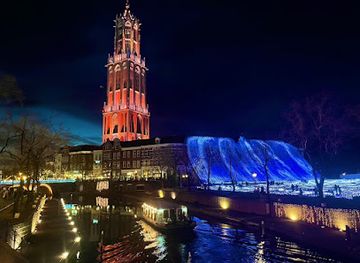
Theme park
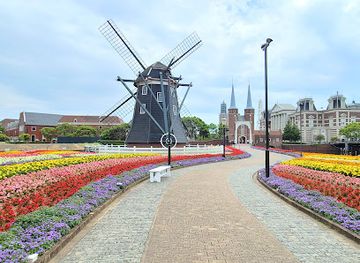
Huis Ten Bosch
Experience the charm of the Netherlands in Japan at Huis Ten Bosch, a theme park with stunning architecture, gardens, and thrilling attractions.
-
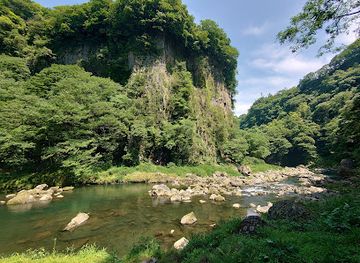
Scenic spot
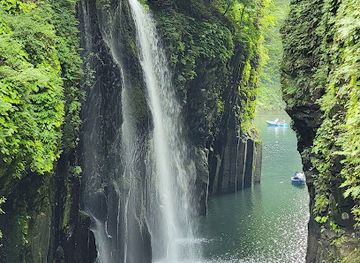
Takachiho Gorge
Explore the enchanting Takachiho Gorge, a natural masterpiece in Japan featuring stunning cliffs, tranquil waters, and rich cultural heritage.
-
Scenic spot
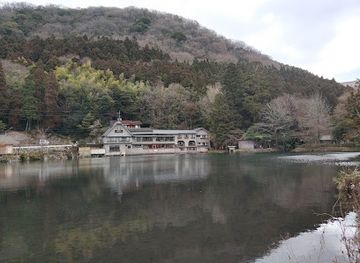
Kinrin Lake
Experience the serene beauty and tranquil atmosphere of Kinrin Lake in Yufu, Oita, Japan - a perfect escape for nature lovers.
-
Historical landmark
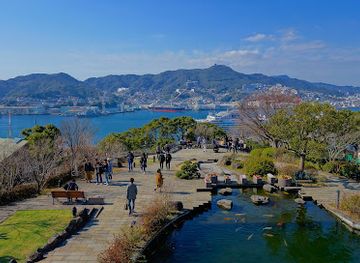
Glover Garden
Discover the enchanting Glover Garden in Nagasaki, where Western and Japanese cultures beautifully intersect amidst stunning landscapes and rich history.
Best landmarks in Kyushu
Kyushu’s most recognisable landmarks often express the relationship between volcanoes, maritime exchange and regional power. Mount Aso’s broad caldera and active volcanic landscape form the natural centrepiece of the island, while Sakurajima rises across Kagoshima Bay as an enduring symbol of southern Kyushu. Kumamoto Castle remains one of the region’s defining architectural sights, with extensive repair work reflecting the impact of the 2016 earthquakes. In Nagasaki, Oura Church and the former foreign settlement represent the city’s unusual history of Christian contact and international commerce. Dazaifu Tenmangu and the remains of ancient Dazaifu point to Kyushu’s role in early diplomacy and administration. The ruined Hara Castle site in Nagasaki Prefecture recalls the seventeenth-century Shimabara Rebellion, while Yoshinogari’s archaeological settlement in Saga preserves evidence of early rice-farming society. In the mountains, Takachiho Gorge provides a powerful natural landmark, with columnar basalt cliffs formed by ancient volcanic activity.
-
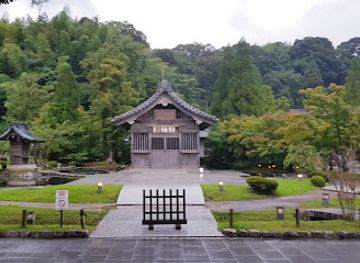
Shinto shrine
Dazaifu Tenmangu太宰府天満宮
Explore the beauty and spirituality of Dazaifu Tenmangu, a historic Shinto shrine in Fukuoka, where nature and culture blend harmoniously.
-
Theme park
Huis Ten Bosch
Experience the charm of Europe in Japan at Huis Ten Bosch, a spectacular theme park filled with attractions, gardens, and cultural festivities.
-
Scenic spot
Takachiho Gorge
Explore the stunning Takachiho Gorge, a natural treasure in Miyazaki, Japan, renowned for its breathtaking cliffs and rich cultural heritage.
-
 Observation deck
Fukuoka Tower
Discover breathtaking views and cultural experiences at Fukuoka Tower, Japan's iconic observation deck and cultural landmark.
Explore Kyushu on the map
Plan your trip on one map. See where the top cities, national parks and sights are, and book hotels and experiences in a few clicks.
Best hotels in Kyushu
Best restaurants in Kyushu
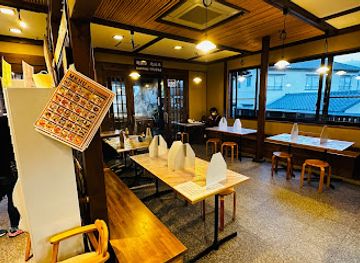
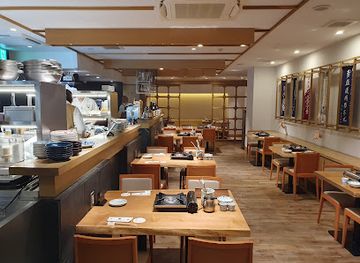
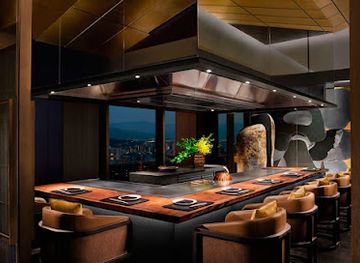
Kyushu has one of Japan’s most recognisable regional food cultures, with strong differences between prefectures. Fukuoka is famous for Hakata-style tonkotsu ramen, mentaiko and informal yatai stalls, while Kumamoto has its own ramen style and is associated with horse-meat dishes served in specialised restaurants. Saga is noted for local beef, seafood and traditional ceramics that often feature in regional dining, and Nagasaki reflects centuries of Chinese, Portuguese and Japanese exchange through dishes such as champon and castella. Miyazaki is known for chicken preparations, beef and sweet tropical produce, while Kagoshima’s black pork, sweet potatoes and shochu are central to the southern table. Beppu and other hot-spring towns offer everything from family-run restaurants to contemporary dining. Markets, izakaya, cafés, rural inns and seafood restaurants provide the best range of everyday regional tastes, with menus changing according to season and locality.
-
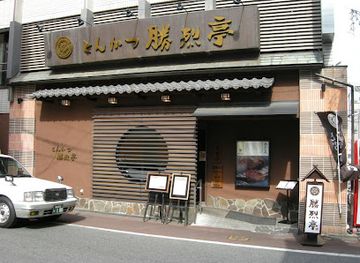
Tonkatsu restaurant
Katsuretsu Tei Shinshigai
Savor authentic tonkatsu at Katsuretsu Tei Shinshigai in Kumamoto - a culinary gem blending tradition with flavor.
-
Japanese regional restaurant
Jigokumushikobo Kannawa
Discover authentic Japanese flavors at Jigokumushikobo Kannawa - where tradition meets taste in Beppu's culinary scene.
-
Chicken
Hakata Mizutaki Toriden
Experience authentic mizutaki at Hakata Mizutaki Toriden in Fukuoka - where tradition meets flavor.
-
Restaurant
Genjyu
Savor exquisite Japanese cuisine at Genjyu in Fukuoka – where tradition meets elegance.
Best bars in Kyushu
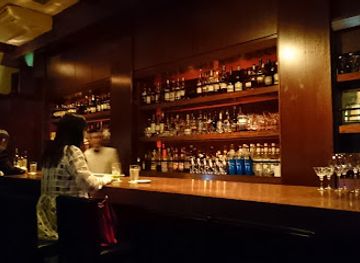
Evening life in Kyushu is concentrated in the larger cities, especially Fukuoka, whose Tenjin and Nakasu areas contain izakaya, cocktail bars, live-music venues and late-night food stalls. The atmosphere is social but largely centred on eating and conversation rather than a single club scene. Nagasaki offers bars and small music venues around its central entertainment districts, while Kumamoto has a substantial selection of izakaya, lounges and bars near the city centre. In hot-spring towns such as Beppu and Yufuin, evenings tend to revolve around relaxed meals, traditional inns and a limited number of bars rather than large nightclubs. Kagoshima has lively urban drinking areas and shochu-focused establishments, while smaller towns generally depend on pubs, snack bars and local restaurants. Opening arrangements vary, and rural transport becomes limited at night, so visitors staying outside city centres should plan their return journey.
-
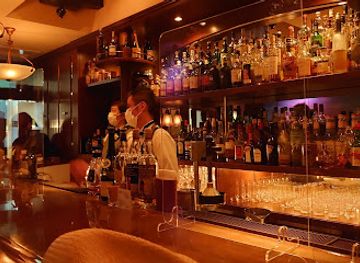
Cocktail bar
Oscar
Discover Oscar, a chic cocktail bar in Fukuoka's Daimyo district, offering an exceptional selection of handcrafted cocktails and a vibrant nightlife experience.
-
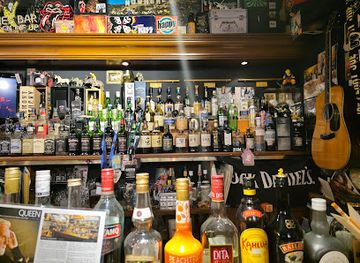
Bar
ニッカバー 七島
Discover the vibrant nightlife at ニッカバー 七島 in Fukuoka, where traditional Japanese bar culture meets modern flair.
-
Bar
Barr Nowhere
Experience the vibrant nightlife of Fukuoka at Barr Nowhere, where eclectic drinks meet a lively atmosphere.
-
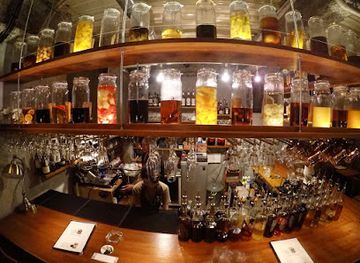
Cocktail bar
CITADEL
Discover CITADEL, Fukuoka's vibrant cocktail bar, renowned for its creative drinks and inviting ambiance that perfectly captures the spirit of nightlife.
Best nightclubs in Kyushu
Evening life in Kyushu is concentrated in the larger cities, especially Fukuoka, whose Tenjin and Nakasu areas contain izakaya, cocktail bars, live-music venues and late-night food stalls. The atmosphere is social but largely centred on eating and conversation rather than a single club scene. Nagasaki offers bars and small music venues around its central entertainment districts, while Kumamoto has a substantial selection of izakaya, lounges and bars near the city centre. In hot-spring towns such as Beppu and Yufuin, evenings tend to revolve around relaxed meals, traditional inns and a limited number of bars rather than large nightclubs. Kagoshima has lively urban drinking areas and shochu-focused establishments, while smaller towns generally depend on pubs, snack bars and local restaurants. Opening arrangements vary, and rural transport becomes limited at night, so visitors staying outside city centres should plan their return journey.
-
Night club
Ibiza
Discover the electrifying nightlife of Ibiza, Fukuoka's premier night club, where music, dance, and unforgettable moments come alive.
-
Night club
GALA RESORT Nakasu Fukuoka Hakata Night club
Unleash your inner party spirit at GALA RESORT Nakasu, Fukuoka's ultimate nightlife destination for music, dance, and unforgettable experiences.
-
Night club
Happy Cock
Discover the lively nightlife at Happy Cock, Fukuoka's top night club, where music, dancing, and fun come together for an unforgettable experience.
-
Bar
COYOTE UGLY SALON FUKUOKA
Discover Fukuoka's vibrant nightlife at Coyote Ugly Saloon, where lively performances and delicious drinks await every visitor.




Best shops in Kyushu
Shopping in Kyushu ranges from the department stores and specialist food shops of Fukuoka to pottery villages, market streets and craft traditions in smaller towns. Fukuoka is a practical place to buy regional foods such as mentaiko, ramen ingredients, sweets and bottled condiments, while Nagasaki offers castella, Chinese-influenced confectionery and souvenirs connected with its port history. Saga Prefecture is particularly important for ceramics, including the traditions associated with Arita and Imari, where visitors can find tableware from established kilns and contemporary makers. Kumamoto and Kagoshima sell local food products, shochu, sweet-potato goods and craft items, with rural roadside markets offering seasonal fruit and vegetables. Beppu is known for practical bathing-related goods and local produce rather than luxury retail. Markets and independent shops may close earlier than urban department stores, and fragile ceramics should be packed carefully or shipped by the retailer.
-
Gift shop
CANAL CITY HAKATA
Discover Canal City Hakata: Fukuoka's premier shopping, dining, and entertainment destination with stunning architecture and vibrant culture.
-
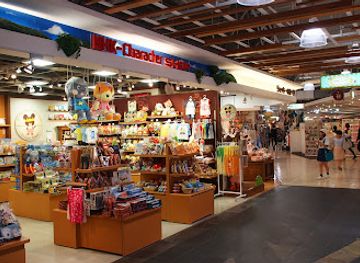
Shopping mall
AMU Plaza Hakata City
Discover AMU Plaza Hakata City, Fukuoka's premier shopping mall featuring diverse shops, delightful dining, and a unique Pokémon Center experience.
-
Outlet mall
Tosu Premium Outlets
Explore Tosu Premium Outlets for unbeatable deals on top designer brands in a vibrant shopping atmosphere.
-
Shopping mall
Marinoa City Fukuoka
Experience shopping, dining, and stunning waterfront views at Marinoa City Fukuoka, a top destination for tourists in Japan.


Get your free copy of our complete guide to Kyushu, delivered straight to you.
Everything on this page, from attractions and restaurants to essentials and local phrases, in one PDF you can read offline, print or share.
Already have an account? Sign in
Your Kyushu guide is ready.
We'll send it to · Not you? Sign out

Getting your guide ready…
We are putting together a fresh copy of the Kyushu guide. This can take up to a minute.
This can take a few moments. If your browser asks, choose Allow so the download can start. You'll find the guide in your Downloads folder.
Nothing happened? Download it again
Sorry, the guide is taking longer than usual. Please try again in a minute, or get it by email instead.
Kyushu essentials
Currency and Payment
Safety
Emergency Situations
Do's and Don'ts
Local Tips
From Eve
Local phrases worth knowing
You don't need to get them perfect. A few words go a long way, and locals appreciate the effort.
Basics
| English | Local | Say it |
|---|---|---|
| Hello | こんにちは | [Konnichiwa] |
| Goodbye | さようなら | [Sayōnara] |
| Yes | はい | [Hai] |
| No | いいえ | [Iie] |
| Please/You’re welcome | どうぞ | [Dōzo] |
| Thank you | ありがとう | [Arigatō] |
| Excuse me/Sorry | すみません | [Sumimasen] |
| How are you? | お元気ですか? | [Ogenki desu ka?] |
| Fine. And you? | 元気です。あなたは? | [Genki desu. Anata wa?] |
| Do you speak English? | 英語を話せますか? | [Eigo o hanasemasu ka?] |
| I don't understand | わかりません | [Wakarimasen] |
Eating & Drinking
| English | Local | Say it |
|---|---|---|
| I’d like to see the menu, please | メニューを見せてください | [Menyū o misete kudasai] |
| I don't eat meat | 肉を食べません | [Niku o tabemasen] |
| Cheers! | 乾杯! | [Kanpai!] |
| I would like to pay, please | 支払いをお願いします | [Shiharai o onegaishimasu] |
Emergencies
| English | Local | Say it |
|---|---|---|
| Help! | 助けて! | [Tasukete!] |
| Go away! | どいて! | [Doite!] |
| Call the Police! | 警察を呼んで! | [Keisatsu o yonde!] |
| Call a doctor! | 医者を呼んで! | [Isha o yonde!] |
| I’m lost | 迷いました | [Mayoimashita] |
| I’m ill | 具合が悪いです | [Guai ga warui desu] |
Shopping
| English | Local | Say it |
|---|---|---|
| I’d like to buy... | …を買いたいです | [… o kaitai desu] |
| I’m just looking | 見ているだけです | [Mite iru dake desu] |
| How much is it? | これはいくらですか? | [Kore wa ikura desu ka?] |
| That’s too expensive | それは高すぎます | [Sore wa takasugimasu] |
| Can you lower the price? | 値段を下げてくれますか? | [Nedan o sagete kuremasu ka?] |
Time & Numbers
| English | Local | Say it |
|---|---|---|
| What time is it? | 今何時ですか? | [Ima nanji desu ka?] |
| It’s one o’clock | 1時です | [Ichi-ji desu] |
| Half past (10) | 10時半です | [Jū-ji han desu] |
| Morning | 朝 | [Asa] |
| Afternoon | 午後 | [Gogo] |
| Evening | 夕方 | [Yūgata] |
| Yesterday | 昨日 | [Kinō] |
| Today | 今日 | [Kyō] |
| Tomorrow | 明日 | [Ashita] |
| 1 | 一 | [Ichi] |
| 2 | 二 | [Ni] |
| 3 | 三 | [San] |
| 4 | 四 | [Shi] |
| 5 | 五 | [Go] |
| 6 | 六 | [Roku] |
| 7 | 七 | [Shichi] |
| 8 | 八 | [Hachi] |
| 9 | 九 | [Kyū] |
| 10 | 十 | [Jū] |
Transport & Directions
| English | Local | Say it |
|---|---|---|
| Where's a/the...? | …はどこですか? | [… wa doko desu ka?] |
| What’s the address? | 住所は何ですか? | [Jūsho wa nan desu ka?] |
| Can you show me (on the map)? | 地図で見せてくれますか? | [Chizu de misete kuremasu ka?] |
| When’s the next (bus)? | 次の(バス)はいつですか? | [Tsugi no (basu) wa itsu desu ka?] |
| A ticket (to ....) | …への切符 | [… e no kippu] |
History of Kyushu
Yayoi Agriculture and Early Exchange
Northern Kyushu was one of the earliest parts of the Japanese archipelago to receive wet-rice farming, metalworking and other influences from the Korean Peninsula and mainland Asia during the Yayoi period, beginning around the first millennium BC. Archaeological sites in Fukuoka and Saga, notably the large settlement remains at Yoshinogari, show organised communities, defensive structures and developing social hierarchies. Kyushu’s location made it a frontier of exchange long before the formation of a unified Japanese state.
Dazaifu and the Ancient Imperial Frontier
From the seventh century, Dazaifu in present-day Fukuoka Prefecture served as the imperial government’s administrative and military centre for Kyushu. It supervised relations with the Korean Peninsula, managed taxation and defended the western approaches to the Japanese state. The associated Tenmangu shrine later became an important centre of worship dedicated to Sugawara no Michizane. Temple ruins, embankments and historic religious sites around Dazaifu preserve the importance of this early administrative landscape.
Mongol Invasions and Coastal Defence
In 1274 and 1281, Mongol-led forces launched invasions of Japan, landing and fighting along the coast of northern Kyushu. The Japanese authorities constructed defensive walls and mobilised warriors from across the country, while storms contributed to the failure of the second invasion. Although the popular term kamikaze refers to these storms, the campaigns also involved substantial Japanese military organisation. Coastal remains and memorial sites in Fukuoka help explain Kyushu’s role in this major medieval conflict.
Christianity, Trade and Nagasaki
Portuguese merchants and Jesuit missionaries reached Kyushu in the sixteenth century, when ports such as Hirado and Nagasaki became centres of international trade and Christian activity. Local lords sometimes supported the newcomers for commercial and political reasons. Christianity was later suppressed, and Japan’s ruling authorities restricted foreign contact, leaving Nagasaki as the principal authorised window onto European and Chinese commerce. The city’s churches, former foreign settlement and Chinese-influenced sites reflect this complex period of openness and control.
The Shimazu Domain and Southern Kyushu
The Shimazu family governed much of southern Kyushu from Kagoshima for centuries, administering the Satsuma Domain. Its territory included the Ryukyu trade route and maintained distinctive political and commercial links with the islands to the south. Satsuma developed notable agricultural, ceramic and educational traditions, while its samurai administration later played an important role in the political upheavals that ended the Tokugawa shogunate. Kagoshima’s gardens, residences and regional museums illuminate this influential southern domain.
Meiji Modernisation and the Satsuma Rebellion
After the Meiji Restoration of 1868, former samurai from Satsuma became prominent in Japan’s new government and military. Tensions between centralisation and the loss of samurai privileges culminated in the Satsuma Rebellion of 1877, led by Saigo Takamori. Fighting occurred across southern and central Kyushu, and the rebellion ended at Shiroyama in Kagoshima. The conflict marked the definitive collapse of the old warrior order, while Saigo remains a powerful and sometimes contested regional historical figure.
War, Reconstruction and Industrial Change
Kyushu was heavily involved in Japan’s modern industrial and military development. Coal mining expanded in areas such as northern Fukuoka, while Nagasaki became a major shipbuilding centre. The atomic bombings of Hiroshima and Nagasaki in 1945 brought devastating destruction and enduring international significance to Nagasaki. Post-war reconstruction transformed the island’s economy, with manufacturing, transport, tourism and services joining agriculture, fishing and traditional industries as key components of contemporary Kyushu.
Kyushu in Photos
Browse through our photo collection highlighting the charm and character of the destination.
Neighbouring regions of Kyushu
The closest regions to Kyushu, if you have time for more than one.
-

-
-

-

-


Swipe for more regions
Explore more

Explore more of Japan
Discover the harmony of tradition and modernity in Japan, where ancient temples and cutting-edge technology coexist in perfect balance.
Explore Japan