

Free Hyuga Travel Guide & Mobile App
Explore Hyuga with free travel guides. Discover regional history, expert tips, proposed trips, and audio guides on web or mobile app.


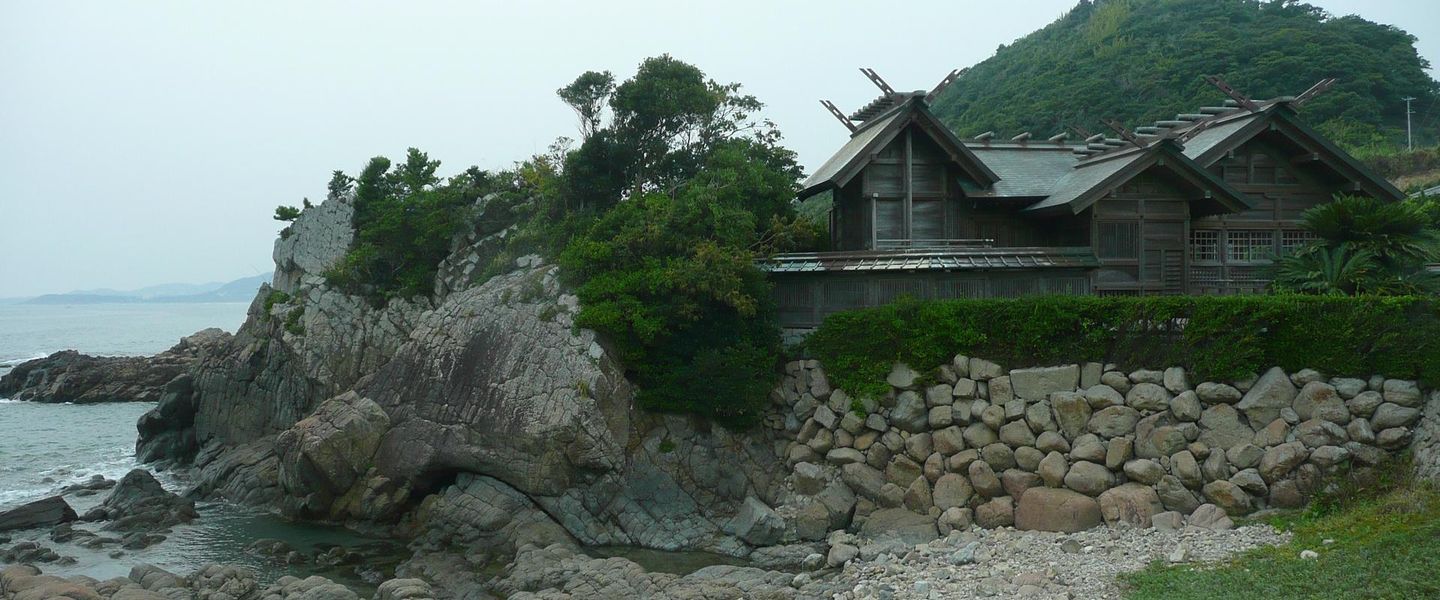


Explore Hyuga in Miyazaki for Pacific views, surfing beaches, Omi Shrine, historic Mimitsu streets and distinctive local citrus flavours.
Read more about Hyuga
When is the best time to visit Hyuga?
Best: May, October–November · 20–25°C| Month | High (°C) | Rainfall (mm) |
|---|---|---|
| January | 13 | 70 |
| February | 14 | 80 |
| March | 18 | 110 |
| April | 22 | 140 |
| May (best) | 25 | 150 |
| June | 29 | 220 |
| July | 32 | 220 |
| August | 32 | 200 |
| September | 29 | 180 |
| October (best) | 25 | 130 |
| November (best) | 20 | 110 |
| December | 15 | 90 |
Getting to and around Hyuga
How to get there
Transportation
Best attractions in Hyuga
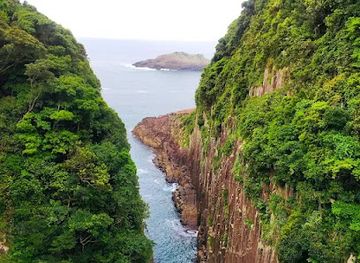
Hyuga’s attractions are closely tied to its Pacific setting. The Hyuga Cape area combines sea views, walking routes and the narrow volcanic-rock formation of Umagase, while nearby Omi Shrine provides a cultural counterpoint in a forested coastal setting. The city’s beaches, including Okuragahama and Kanegahama, are particularly associated with surfing and other seaside recreation, although visitors should check conditions before entering the water. Mimitsu offers a different experience: its preserved port-town streets, traditional houses and historic atmosphere invite slow exploration rather than a quick landmark stop. Inland roads lead through greener, more rural scenery, with opportunities for scenic drives and an understanding of the agricultural landscape that supports local food production. Small shrines, fishing communities and viewpoints add texture between the principal sights. Hyuga is therefore less a destination of large ticketed attractions than a place where natural scenery, religious heritage, maritime history and outdoor activity are experienced across a broad coastal municipality.
-
Shinto shrine
Amanoiwato Shrine
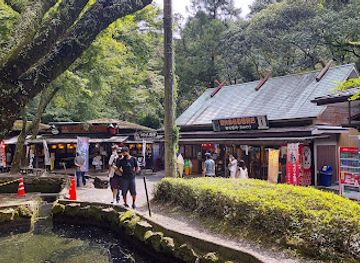
Explore the serene beauty and spiritual significance of Amanoiwato Shrine, a must-visit Shinto site in Takachiho, Miyazaki, Japan.
-
Religious destination
Amanoyasukawara
Discover the serene beauty and spiritual significance of Amanoyasukawara, a hidden shrine in Takachiho's enchanting ravine.
-
Observation deck
Skeluccha Viewing deck
Explore the breathtaking vistas at Skeluccha Viewing Deck in Hyuga, Miyazaki, where nature's beauty unfolds at every glance.
-
Scenic spot
Horikiri Pass
Discover the stunning coastal views and serene nature of Horikiri Pass, a scenic spot in Miyazaki, Japan, perfect for unforgettable experiences.
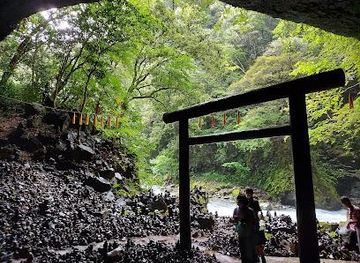
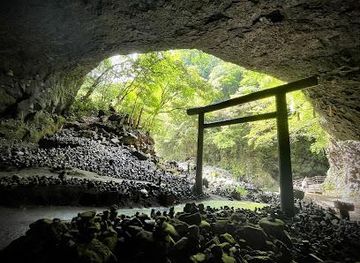

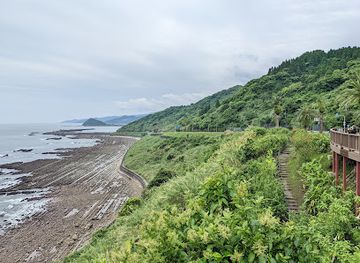
Best landmarks in Hyuga
Hyuga Cape is the city’s defining geographical landmark, projecting into the Pacific with cliffs, vegetation and wide ocean views. At its edge, Umagase is a narrow, deeply cut rock formation whose column-like volcanic structure illustrates the force of coastal erosion and gives the headland its distinctive profile. Omi Shrine, set within a dramatic coastal landscape, is one of Hyuga’s most important cultural landmarks and gains much of its significance from the relationship between the sanctuary, forest and sea. Farther south, Mimitsu’s historic streets form an architectural landmark of a different kind. White-plastered walls, tiled roofs, wooden merchant houses and narrow lanes preserve the character of a former maritime port. The district’s value lies in its coherent townscape rather than a single monumental building. Together, these places express Hyuga’s central identity: a city defined by ocean-facing geology, sacred tradition and the surviving architecture of coastal commerce.
-
Scenic spot
Takachiho Gorge
Experience the stunning beauty and mythical atmosphere of Takachiho Gorge, a natural wonder in Miyazaki Prefecture, Japan.
-
Tourist attraction
Saitobaru Burial Mounds
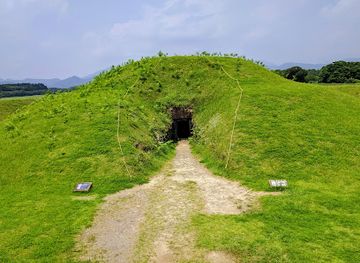
Discover ancient mysteries and breathtaking floral displays at Saitobaru Burial Mounds, a unique historical and scenic destination in Miyazaki, Japan.
-
Shinto shrine
Ōmi Shrine
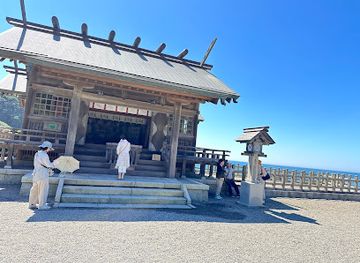
Discover Ōmi Shrine in Hyuga: coastal views, dragon legends, and sacred stones await at this spiritual haven.
-
Observation deck
Skeluccha Viewing deck
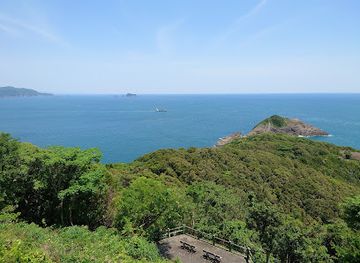
Experience breathtaking ocean views from Skeluccha Viewing Deck in Miyazaki, a serene escape perfect for nature lovers and photographers.
Explore Hyuga on the map
Plan your trip on one map. See where the top cities, national parks and sights are, and book hotels and experiences in a few clicks.
Best hotels in Hyuga
Best restaurants in Hyuga
Hyuga’s dining is shaped by the Pacific and by the produce of Miyazaki Prefecture. Seafood restaurants and local eateries may serve fresh fish, sashimi, grilled catches and other dishes reflecting the city’s fishing communities, while chicken and pork from Miyazaki appear widely in regional cooking. Hebesu, a small aromatic green citrus associated with Hyuga, is used as a fragrant seasoning for fish, meat, drinks and sweets, and is one of the most useful flavours to look for on menus or in local products. Cafés, family-run restaurants and Japanese-style set-meal establishments are more characteristic than a concentrated fine-dining district. In Mimitsu, the historic surroundings provide a setting for exploring local specialities, though the district remains residential rather than a large restaurant quarter. Seasonal availability varies, so food markets and local shops can be as informative as formal dining rooms.
-
Yakiniku
Nagomi
Experience authentic Yakiniku at Nagomi in Takachiho – where quality meets tradition for an unforgettable dining adventure.
-
Seafood
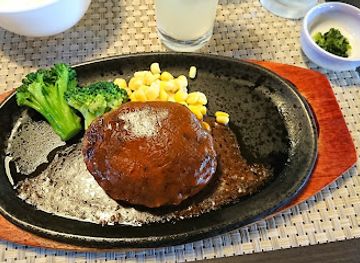
Seaside Station Hososhima
Discover authentic seafood donburi at Seaside Station Hososhima in Hyuga - where fresh flavors meet stunning coastal views.
-
Syokudo and Teishoku restaurant
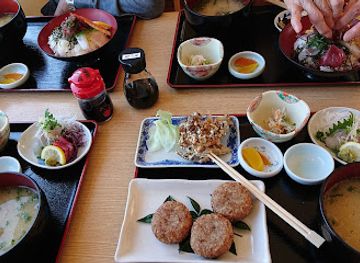
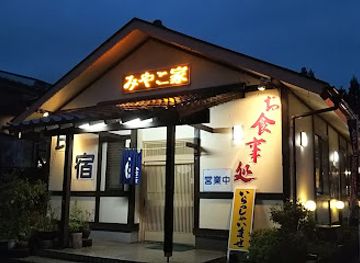
Miyako Ya
Experience authentic Japanese teishoku at Miyako Ya in Hyuga – where casual dining meets traditional flavors.
-
Tonkatsu restaurant
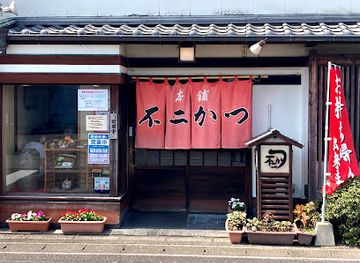
Fujikatsu Hyuuga
Experience authentic tonkatsu at Fujikatsu Hyuuga – where every bite captures the essence of Japanese culinary tradition.
Best bars in Hyuga
Hyuga has a modest evening scene rather than the large nightclub culture found in Japan’s major cities. The central area around Hyuga-shi Station is the most practical place to look for izakaya, small restaurants and drinking establishments where visitors can try local seafood, regional dishes and Japanese beverages. Traditional pubs and family-run eateries generally provide the main social focus, with nightlife tending to be conversational and local in scale. Mimitsu is atmospheric after dark but is not a major entertainment district, and many of its historic streets are quiet residential spaces. Visitors seeking live entertainment or a wider choice of late-night venues may need to travel to a larger regional centre, but that should be treated as an excursion rather than part of Hyuga’s own nightlife identity. Check last-train times and taxi availability before staying out late.
-
Bar
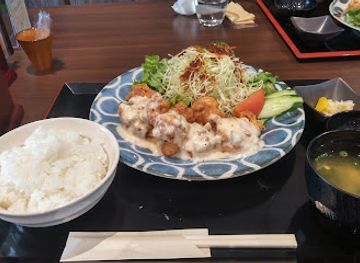
Swell Guesthouse &Cafe
Discover the cozy charm of Swell Guesthouse & Cafe in Hyuga, where hospitality meets delicious local cuisine in a vibrant setting.
-
Cocktail bar
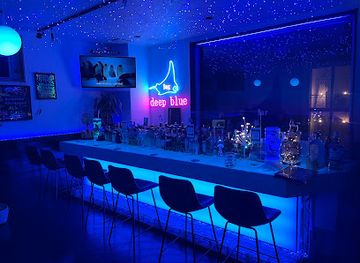
Deep Blue
Experience the art of mixology at Deep Blue, Hyuga's premier cocktail bar, where innovative drinks and a lively atmosphere await.
-
Bar
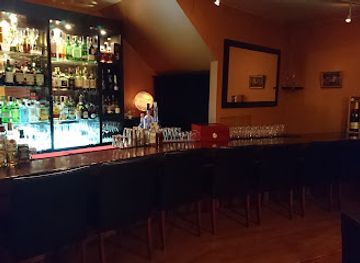
ショットバー S (S倶楽部)
Unwind at ショットバー S in Hyuga – a cozy bar offering exquisite cocktails and a vibrant atmosphere perfect for tourists.
-
Bar
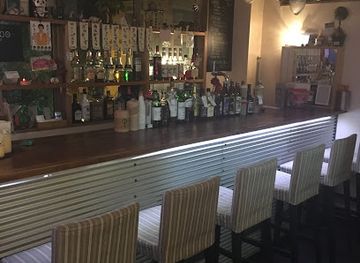
+bar Danbo 2nd-floor
Experience the vibrant nightlife of Hyuga at +bar Danbo, where delicious drinks and a lively atmosphere await you.
Best nightclubs in Hyuga
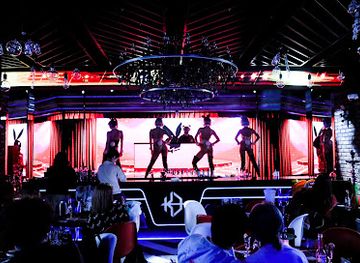
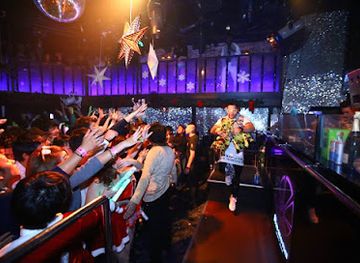
Hyuga has a modest evening scene rather than the large nightclub culture found in Japan’s major cities. The central area around Hyuga-shi Station is the most practical place to look for izakaya, small restaurants and drinking establishments where visitors can try local seafood, regional dishes and Japanese beverages. Traditional pubs and family-run eateries generally provide the main social focus, with nightlife tending to be conversational and local in scale. Mimitsu is atmospheric after dark but is not a major entertainment district, and many of its historic streets are quiet residential spaces. Visitors seeking live entertainment or a wider choice of late-night venues may need to travel to a larger regional centre, but that should be treated as an excursion rather than part of Hyuga’s own nightlife identity. Check last-train times and taxi availability before staying out late.
-
Observation deck
Skeluccha Viewing deck
Discover stunning coastal views at Skeluccha Viewing Deck, the perfect observation point in Miyazaki for breathtaking sunsets and serene nature.
-
Night club
TK
Discover the electrifying nightlife of TK Nightclub in Shibuya, where great music and a vibrant atmosphere create unforgettable experiences.
-
Bar
Kujira Entertainment
Experience the essence of Tokyo nightlife at Kujira Entertainment, where cocktails, cuisine, and captivating performances come together.
-
Night club
Ammona
Experience the vibrant nightlife at Ammona, Osaka's premier night club for dancing, drinks, and unforgettable memories in the heart of the city.

Best shops in Hyuga
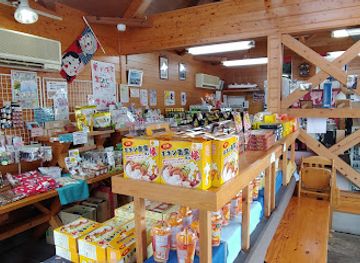
Shopping in Hyuga is practical and locally focused, with the greatest choice around the city centre and railway station rather than in a large luxury retail district. Look for regional food products, including Hebesu-based juices, seasonings, sweets and other gifts that reflect Hyuga’s agricultural identity. Fish products, prepared foods and Miyazaki produce are also useful souvenirs when packaging and travel conditions permit. Mimitsu’s traditional streets contain a smaller-scale selection of craft and local-product opportunities, but visitors should not expect a continuous shopping arcade; its principal appeal is historic atmosphere. Supermarkets, convenience stores and local food shops can be useful for picnic supplies and everyday necessities. Independent cafés and small retailers are generally more representative of the city than major shopping centres, while visitors interested in crafts should explore local information points for current exhibitions or workshops rather than assuming permanent displays.
-
Observation deck
Skeluccha Viewing deck
Experience breathtaking views and serene landscapes at Skeluccha Viewing Deck, a must-visit destination in Miyazaki, Japan.
-
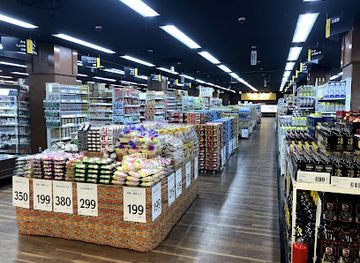
Discount store
TRIAL Hyuga
Discover unbeatable prices at TRIAL Hyuga, the ultimate discount store for appliances, outdoor gear, and everyday essentials in Miyazaki.
-
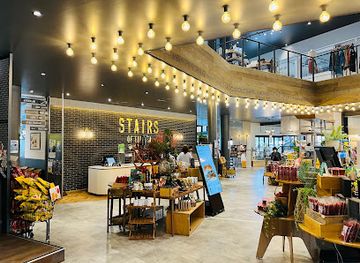
Shopping mall
Stairs of the Sea
Experience unique shopping and breathtaking ocean views at the Stairs of the Sea, a gem in Miyazaki perfect for tourists.
-
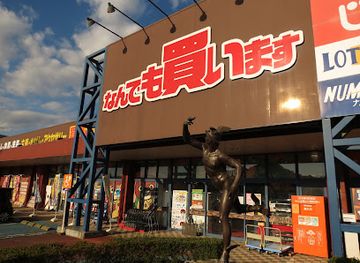
Second hand store
Manga Soko Hyuga
Explore the eclectic treasures of Manga Soko Hyuga, a second-hand store filled with books, music, clothing, and more in the heart of Miyazaki.
Get your free copy of our complete guide to Hyuga, delivered straight to you.
Everything on this page, from attractions and restaurants to essentials and local phrases, in one PDF you can read offline, print or share.
Already have an account? Sign in
Your Hyuga guide is ready.
We'll send it to · Not you? Sign out

Getting your guide ready…
We are putting together a fresh copy of the Hyuga guide. This can take up to a minute.
This can take a few moments. If your browser asks, choose Allow so the download can start. You'll find the guide in your Downloads folder.
Nothing happened? Download it again
Sorry, the guide is taking longer than usual. Please try again in a minute, or get it by email instead.
Hyuga essentials
Currency and Payment
Safety
Emergency Situations
Do's and Don'ts
Local Tips
From Eve
Local phrases worth knowing
You don't need to get them perfect. A few words go a long way, and locals appreciate the effort.
Basics
| English | Local | Say it |
|---|---|---|
| Hello | こんにちは | [Konnichiwa] |
| Goodbye | さようなら | [Sayōnara] |
| Yes | はい | [Hai] |
| No | いいえ | [Iie] |
| Please/You're welcome | どうぞ | [Dōzo] |
| Thank you | ありがとう | [Arigatou] |
| Excuse me/Sorry | すみません | [Sumimasen] |
| How are you? | お元気ですか? | [O-genki desu ka?] |
| Fine. And you? | 元気です。あなたは? | [Genki desu. Anata wa?] |
| Do you speak English? | 英語を話せますか? | [Eigo o hanasemasu ka?] |
| I don't understand | わかりません | [Wakarimasen] |
Eating & Drinking
| English | Local | Say it |
|---|---|---|
| I'd like to see the menu, please | メニューを見せてください | [Menyū o misete kudasai] |
| I don't eat meat | 肉は食べません | [Niku wa tabemasen] |
| Cheers! | 乾杯! | [Kanpai!] |
| I would like to pay, please | お会計をお願いします | [O-kaikei o onegaishimasu] |
Emergencies
| English | Local | Say it |
|---|---|---|
| Help! | 助けて! | [Tasukete!] |
| Go away! | どいて! | [Doite!] |
| Call the Police! | 警察を呼んで! | [Keisatsu o yonde!] |
| Call a doctor! | 医者を呼んで! | [Isha o yonde!] |
| I'm lost | 迷いました | [Mayoimashita] |
| I'm ill | 具合が悪いです | [Guai ga warui desu] |
Shopping
| English | Local | Say it |
|---|---|---|
| I'd like to buy... | …を買いたいです | [… o kaitai desu] |
| I'm just looking | 見ているだけです | [Mite iru dake desu] |
| How much is it? | これはいくらですか? | [Kore wa ikura desu ka?] |
| That's too expensive | それは高すぎます | [Sore wa takasugimasu] |
| Can you lower the price? | 値段を下げてもらえますか? | [Nedan o sagete moraemasu ka?] |
Time & Numbers
| English | Local | Say it |
|---|---|---|
| What time is it? | 今何時ですか? | [Ima nanji desu ka?] |
| It's one o'clock | 1時です | [Ichi-ji desu] |
| Half past (10) | 10時半です | [Jū-ji han desu] |
| Morning | 朝 | [Asa] |
| Afternoon | 午後 | [Gogo] |
| Evening | 夕方 | [Yūgata] |
| Yesterday | 昨日 | [Kinō] |
| Today | 今日 | [Kyō] |
| Tomorrow | 明日 | [Ashita] |
| 1 | 1 | [Ichi] |
| 2 | 2 | [Ni] |
| 3 | 3 | [San] |
| 4 | 4 | [Shi/Yon] |
| 5 | 5 | [Go] |
| 6 | 6 | [Roku] |
| 7 | 7 | [Nana] |
| 8 | 8 | [Hachi] |
| 9 | 9 | [Kyū] |
| 10 | 10 | [Jū] |
Transport & Directions
| English | Local | Say it |
|---|---|---|
| Where's a/the...? | どこに…がありますか? | [Doko ni… ga arimasu ka?] |
| What's the address? | 住所は何ですか? | [Jūsho wa nan desu ka?] |
| Can you show me (on the map)? | 地図で見せてくれますか? | [Chizu de misete kuremasu ka?] |
| When's the next (bus)? | 次の(バス)はいつですか? | [Tsugi no (basu) wa itsu desu ka?] |
| A ticket (to ....) | (…)までの切符 | [… made no kippu] |
History of Hyuga
Early settlement and the ancient Hyuga region
The wider Hyuga area has been inhabited since prehistoric times, as archaeological remains across Miyazaki Prefecture demonstrate. Coastal resources, river valleys and fertile lowlands supported communities long before the formation of Japan’s central state. In ancient administrative geography, Hyuga referred to a much larger territory corresponding broadly to present-day Miyazaki Prefecture and parts of southern Kyushu. That older name survives in the modern identity of Hyuga City, although the contemporary municipality is only one part of the historical region.
Shinto traditions of the Pacific coast
Hyuga’s coastal religious landscape developed within the mythology and shrine traditions associated with southern Kyushu. Omi Shrine, set beside the Pacific near Hyuga Cape, is dedicated to deities connected with the local sacred tradition and is closely associated with the sea-facing scenery. Such sites were not isolated monuments: cliffs, forests, caves and offshore waters formed part of the religious landscape. The continuing importance of shrines in Hyuga reflects the long relationship between maritime communities, natural forces and ritual practice.
Mimitsu as a maritime port
Mimitsu grew as a port settlement on the coast of historical Hyuga. Its position allowed it to participate in coastal shipping and the movement of timber and other goods, linking local producers with commercial networks elsewhere in Kyushu and Japan. Prosperity was expressed through substantial merchant houses, storehouses and carefully planned streets. Although the port’s economic role changed with modern transport, much of the historic urban fabric survived, leaving one of the clearest examples in the region of a traditional coastal trading town.
The unification of Japan and the Hyuga domain
During the political upheavals of the sixteenth and early seventeenth centuries, Hyuga was affected by the rivalries that shaped Kyushu. After the Tokugawa shogunate established its rule, the territory was divided among domains and directly governed areas rather than functioning as one unified modern prefecture. Mimitsu and nearby coastal communities continued to depend on maritime commerce under this domain system. The period’s legacy can be read in the townscape, religious institutions and historic routes that connected local settlements to wider political and economic networks.
Modernisation, ports and railways
The Meiji period brought the abolition of the feudal domains and the creation of modern prefectural government, placing Hyuga within Miyazaki Prefecture. Roads, harbours and eventually railways altered the balance between coastal shipping and land transport. The Nippō Main Line connected northern Miyazaki with the rest of Kyushu, supporting the growth of the modern urban area around the station and improving access to markets. Mimitsu’s older port economy declined in relative importance, but its historic streets remained a record of the pre-industrial coastal town.
The creation of modern Hyuga City
Hyuga City was formed through post-war municipal reorganisation and later expanded through mergers with neighbouring communities, including Mimitsu. This process brought together an urban centre, rural hinterland, fishing settlements and a historically important port district. The result is a municipality with marked internal variety: modern public and commercial areas around the railway corridor, older communities along the coast and agricultural landscapes inland. Contemporary Hyuga continues to balance port and manufacturing activity with tourism based on scenery, heritage and outdoor recreation.
Surfing and a renewed coastal identity
In recent decades, Hyuga’s Pacific beaches and consistent coastal setting have strengthened its profile as an outdoor destination, particularly for surfing. Beaches such as Okuragahama and Kanegahama are used by local and visiting surfers, while the headlands and sea cliffs remain important for walking and sightseeing. This newer recreational identity exists alongside fishing, agriculture and shrine traditions rather than replacing them. It has helped present Hyuga as a destination shaped by the ocean in both historical and contemporary ways.
Hyuga in Photos
Browse through our photo collection highlighting the charm and character of the destination.
Neighbouring regions of Hyuga
The closest regions to Hyuga, if you have time for more than one.
-

-

-

-

-


Swipe for more regions
Explore more

Explore more of Japan
Discover the harmony of tradition and modernity in Japan, where ancient temples and cutting-edge technology coexist in perfect balance.
Explore Japan