

Sensō-ji, Buzen Travel Guide
Explore Tokyo's oldest temple, Sensō-ji, with its iconic gates, traditional shopping street, and serene temple complex in the heart of Asakusa.
Sensō-ji, Tokyo's oldest temple, is a vibrant and historically significant Buddhist site in Asakusa. Founded in 645 AD, it's dedicated to Kannon, the Bodhisattva of compassion. The temple complex features the iconic Kaminarimon gate, Nakamise shopping street, Hozomon Gate, a five-story pagoda, and the main hall, offering visitors a glimpse into Tokyo's rich cultural heritage.
A brief summary to Sensō-ji
- 2 Chome-3-1 Asakusa, Taito City, 2 Chome Asakusa, Tokyo, 111-0032, JP
- Click to display
- Click to display

Know before you go
Hi, I'm Eve. Here are a few practical things to know before exploring Sensō-ji.
- Visit early in the morning or later in the afternoon to avoid the largest crowds.
- Take time to explore Nakamise street for unique souvenirs and local snacks.
- Try your luck with an 'omikuji' (fortune slip) for 100 yen, but don't be discouraged if you get a bad one – you can tie it to a designated post to change your destiny.
- Rub the smoke from the large incense burner onto any painful areas of your body, as it is believed to have healing properties.
- Check out the Asakusa Culture Tourist Information Center across from Kaminarimon Gate for free panoramic views of Sensoji and Tokyo Skytree.
Do you manage this location?
Take control to get all the benefits, like improved information, better appearance, and stronger visibility across AI-powered discovery. Learn more about listing your business on Evendo
Activate your presenceOther nearby places you may find interesting
The closest places of the same kind, if this one is not quite what you had in mind.

Explore Sensō-ji on the Map
A handpicked selection of must-see spots near Sensō-ji, mapped for you.
Unlock the Best of Sensō-ji
Buy tickets
-
No tickets available
Book tours with entry


Getting There
-
Public Transport
From Asakusa Station, served by the Ginza Subway Line, Asakusa Subway Line, and Tobu Railway, Sensō-ji Temple is a short walk away. From the Ginza Line, use Exit 1; from the Toei Asakusa Line, use Exit A5; and from the Tobu Skytree Line, use the Main Exit. The temple is within a 1-5 minute walk from any of these exits. Subway fares in Tokyo range from 180 to 330 yen depending on the distance.
-
Walking
If you are already in the Asakusa area or near Tokyo Skytree, walking to Sensō-ji is a great option. From Tokyo Skytree, the walk is approximately 20 minutes. From Ueno Park, the walk is about 30-35 minutes, passing through Kappabashi, Tokyo's kitchen street. Walking allows you to explore the surrounding neighborhood and experience the local atmosphere.
-
Taxi
Taxis are readily available in Asakusa, especially on the west side of Tobu Asakusa Station. A short taxi ride from Asakusa Station to Sensō-ji costs approximately 1,300 - 1,600 yen. The standard taxi fare starts at 410 yen for the first 1,052 meters, with an additional 80 yen for every 237 meters thereafter. Note that there may be a 20% surcharge for rides between 10:00 PM and 5:00 AM.
Discover more about Sensō-ji













Your all‑in‑one travel companion app
Explore expert travel guides, compare and book tours, experiences, hotels, and more—all from the palm of your hand. Download now for seamless trip planning wherever your wanderlust takes you.


Explore More of Buzen
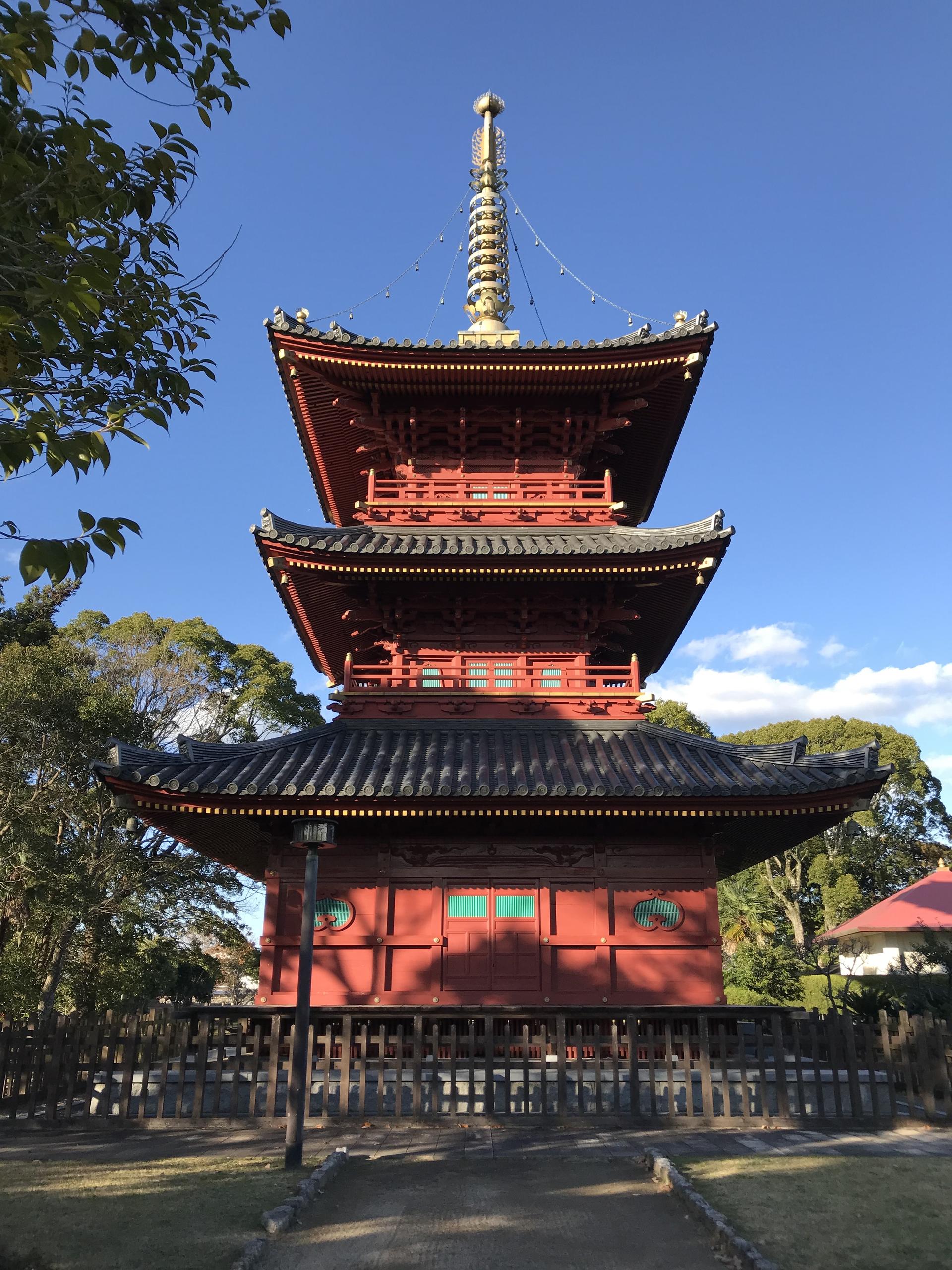
Looking beyond Sensō-ji? Discover Buzen for broader travel guides, local hot-spots, and regional highlights.
Explore Buzen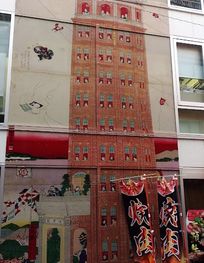
Explore the Ryōunkaku Memorial Marker in Asakusa, Tokyo, where history and culture converge to tell the story of Japan's architectural evolution.
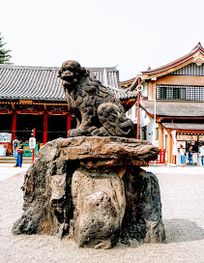
Explore Asakusa Shrine in Tokyo, a tranquil Shinto sanctuary rich in history and culture, surrounded by vibrant festivals and stunning architecture.
