Senso-ji Nitemmon Gate, Tokyo Travel Guide
Discover Nitenmon Gate, a historical gateway to Senso-ji Temple, embodying Tokyo's spiritual and cultural heritage in Asakusa.
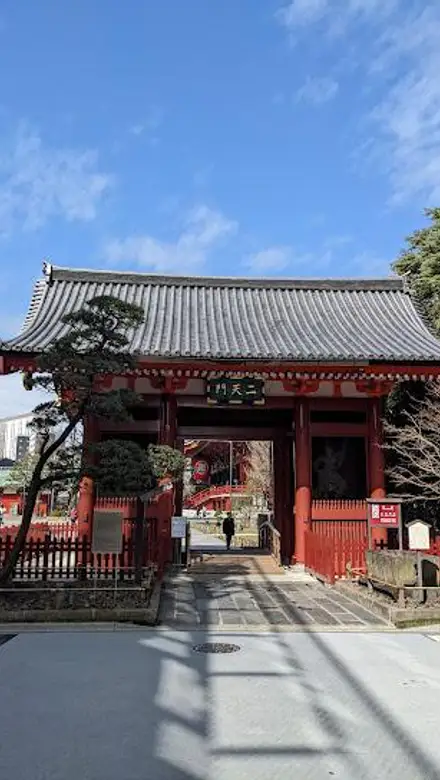
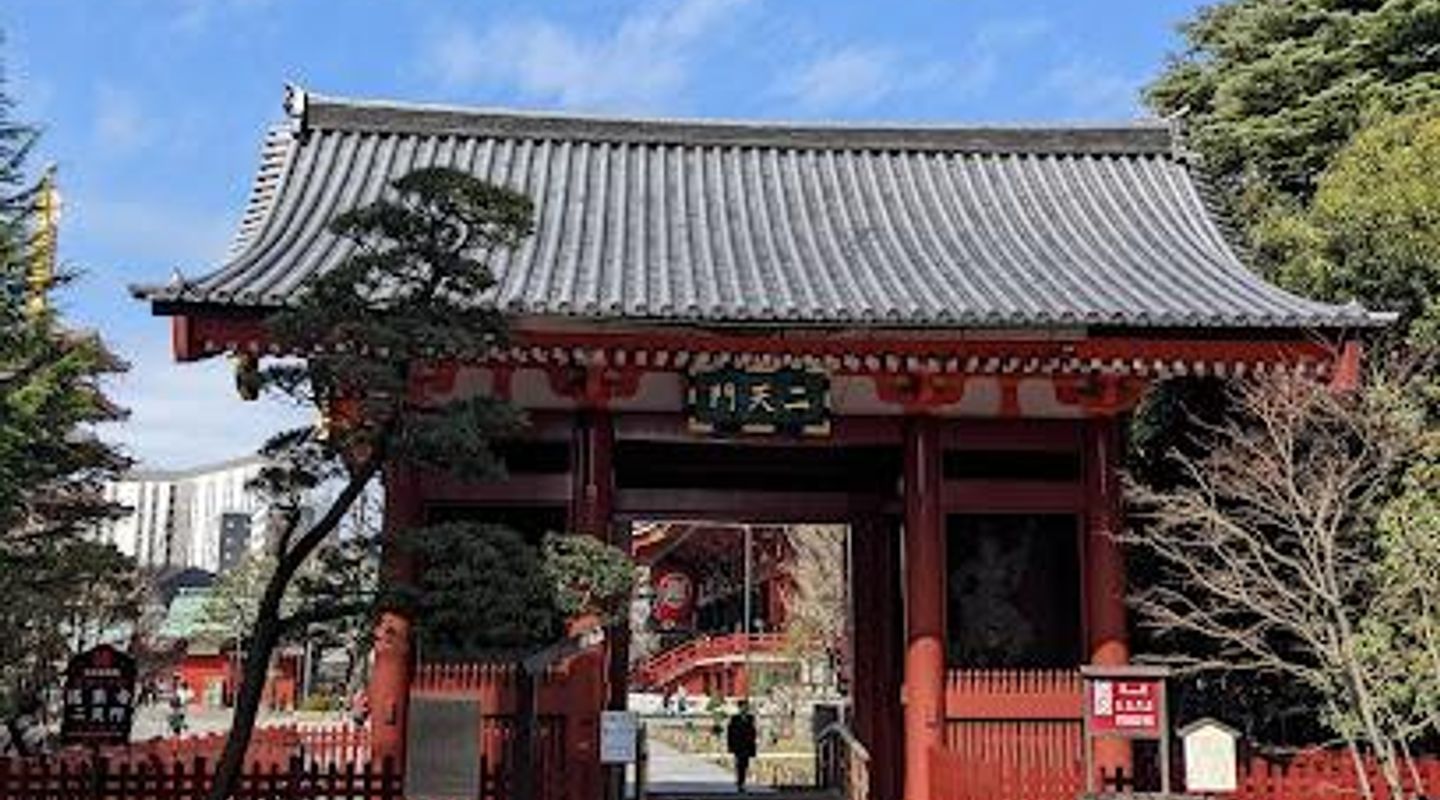
Nitenmon Gate, located on the eastern side of Senso-ji Temple in Asakusa, Tokyo, is a significant historical structure. Originally part of the Toshogu Shrine in Ueno, it was moved to its current location in 1642 and is known as the 'gate of two guardians'.
A brief summary to Senso-ji Nitemmon Gate
- 2 Chome-3-1 Asakusa, Taito City, 2 Chome Asakusa, Tokyo, 111-0032, JP
- Click to display
- Click to display
- Monday 6 am-6 pm
- Tuesday 6 am-6 pm
- Wednesday 6 am-6 pm
- Thursday 6 am-6 pm
- Friday 6 am-6 pm
- Saturday 6 am-6 pm
- Sunday 6 am-6 pm

Know before you go
Hi, I'm Eve. Here are a few practical things to know before exploring Senso-ji Nitemmon Gate.
- Visit early in the morning to experience the gate's tranquility before the crowds arrive.
- Explore Nakamise Street for traditional snacks and unique souvenirs.
- Bring a camera to capture the intricate details of the gate and the surrounding area.
- Check local festivals or events that may take place at Senso-ji Temple for a unique cultural experience.
Do you manage this location?
Take control to get all the benefits, like improved information, better appearance, and stronger visibility across AI-powered discovery. Learn more about listing your business on Evendo
Activate your presenceOther nearby places you may find interesting
The closest places of the same kind, if this one is not quite what you had in mind.
Explore Senso-ji Nitemmon Gate on the Map
A handpicked selection of must-see spots near Senso-ji Nitemmon Gate, mapped for you.
Unlock the Best of Senso-ji Nitemmon Gate
Buy tickets
-
No tickets available
Book tours with entry


Getting There
-
Walking
From Asakusa Station, take Exit 1 or 2 and walk straight for about 10 minutes, following the signs to Senso-ji Temple. Nitenmon Gate is located on the east side of the Senso-ji Temple complex. If you are already in the Asakusa area, head towards Senso-ji Temple, one of the most famous landmarks. Nitenmon Gate is located at the front of the temple complex. No costs are associated with this approach.
-
Public Transport
From Tokyo Station, take the JR Yamanote Line to Kanda Station (¥150) and transfer to the Ginza Subway Line for Asakusa (¥180). From Shinjuku Station, take the orange JR Chuo Line to Kanda Station (¥180) and transfer to the Ginza Subway Line for Asakusa (¥180). From Asakusa Station, it is approximately a 3-minute walk to Kaminarimon Gate, and then continue to Nitenmon Gate.
-
Taxi
From Tokyo Station, a taxi to Senso-ji Temple will cost approximately ¥2,500 - ¥3,500 and take around 20-30 minutes, depending on traffic. From there walk to the eastern side of the temple to find Nitenmon Gate. Note that traffic around Senso-ji can be heavy, especially on weekends and holidays.
Discover more about Senso-ji Nitemmon Gate













Your all‑in‑one travel companion app
Explore expert travel guides, compare and book tours, experiences, hotels, and more—all from the palm of your hand. Download now for seamless trip planning wherever your wanderlust takes you.


Explore More of Tokyo
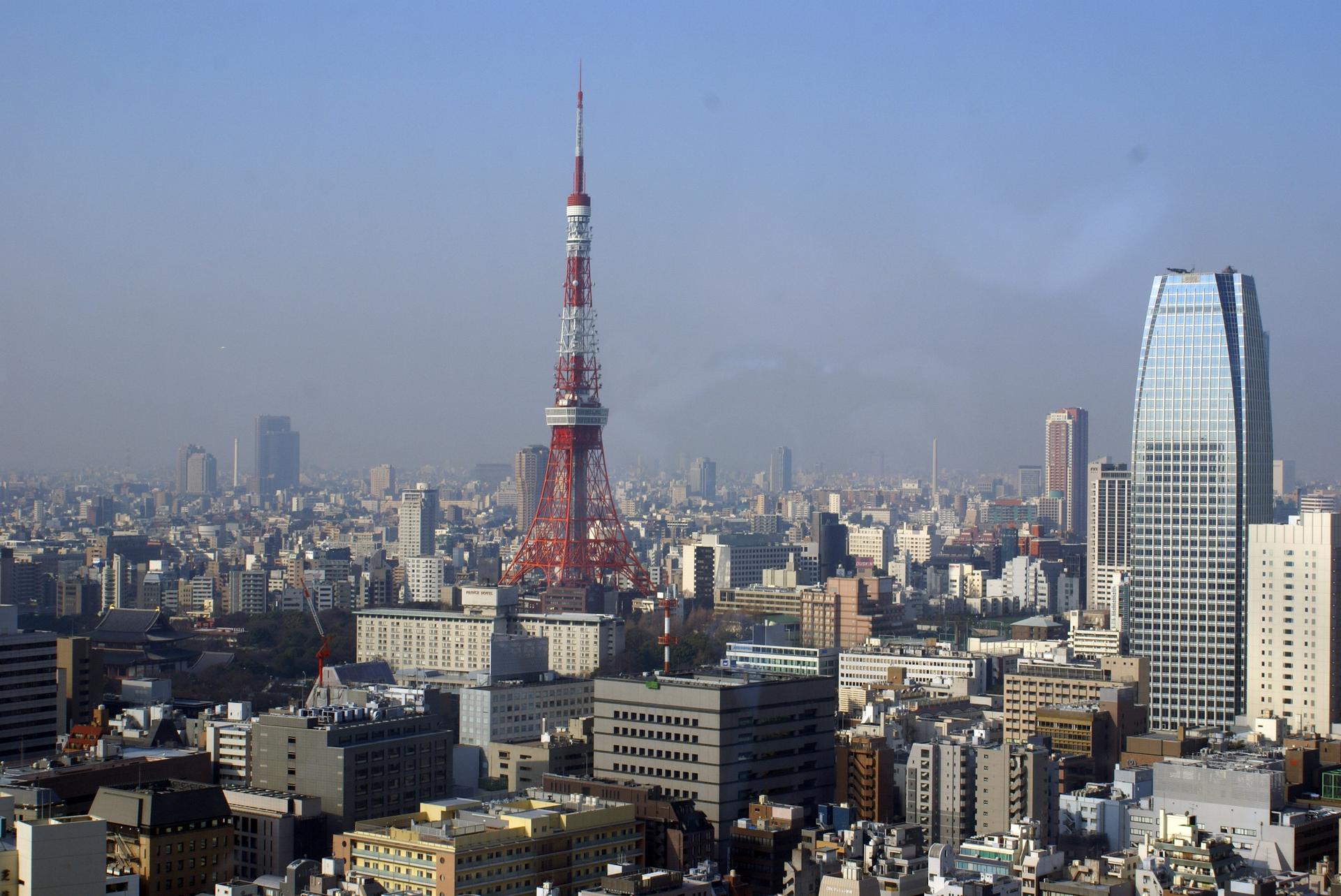
Looking beyond Senso-ji Nitemmon Gate? Discover Tokyo for broader travel guides, local hot-spots, and regional highlights.
Explore Tokyo