
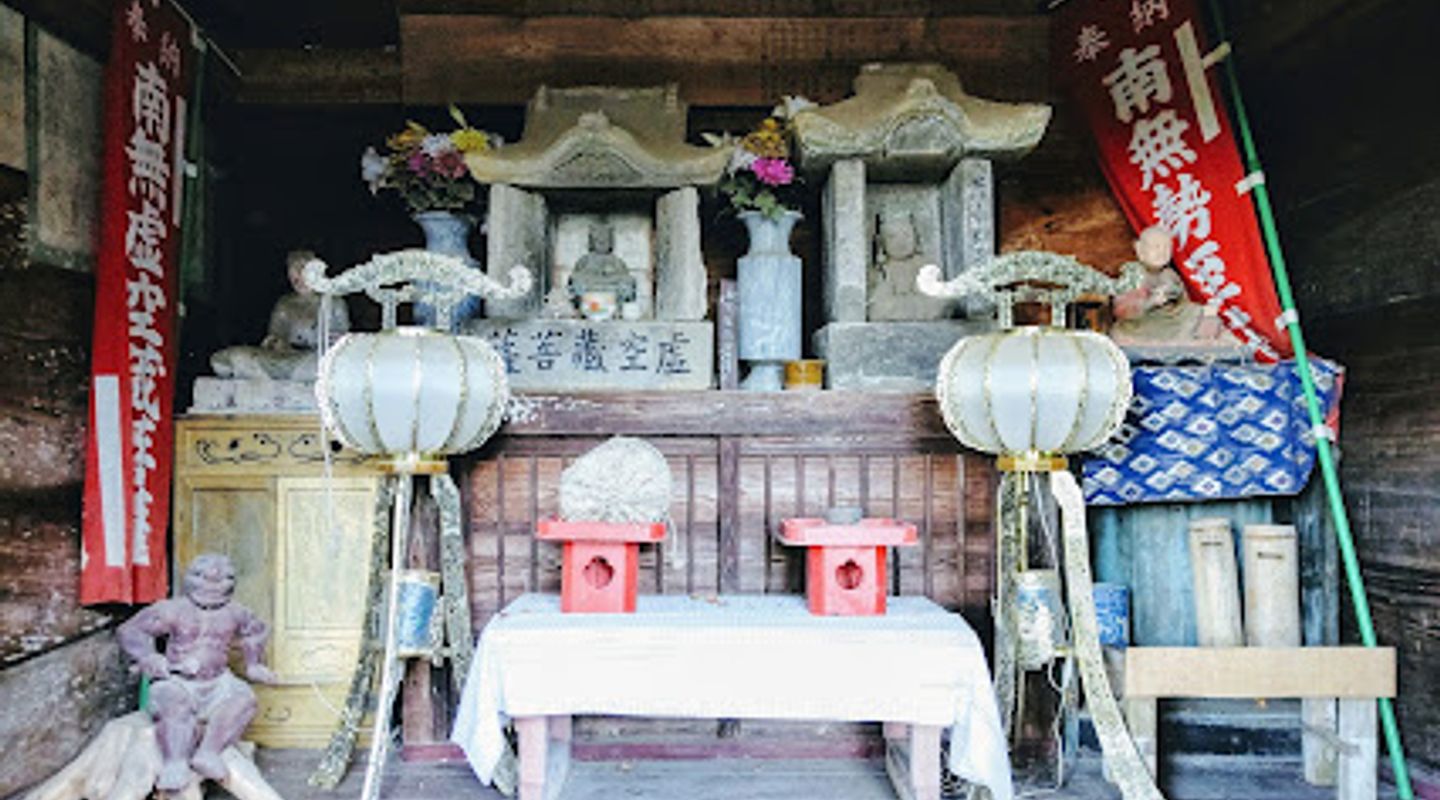
Eishoji Temple, Chikugo Travel Guide
Discover Kurume's Eishoji Temple, a historic sanctuary of healing and tranquility, dating back to the 7th century.
Eishoji Temple in Kurume is a serene Buddhist temple with a rich history, dating back to 680 AD. Known as one of Japan's Three Major Temples of Medicinal Healing, it offers a peaceful retreat and a glimpse into ancient traditions.
A brief summary to Eishoji Temple
- 2155 Yamamotomachi, Kurume, Toyoda Yamamotomachi, Fukuoka, 839-0827, JP
- Click to display
- Click to display

Know before you go
Hi, I'm Eve. Here are a few practical things to know before exploring Eishoji Temple.
- Visit during the autumn foliage season to witness the stunning transformation of the temple grounds.
- Take your time climbing the stone steps, and enjoy the serene atmosphere of the surrounding forest.
- Look for the Jizo statue dedicated to healing whooping cough, a unique feature of this temple.
Do you manage this location?
Take control to get all the benefits, like improved information, better appearance, and stronger visibility across AI-powered discovery. Learn more about listing your business on Evendo
Activate your presenceOther nearby places you may find interesting
The closest places of the same kind, if this one is not quite what you had in mind.
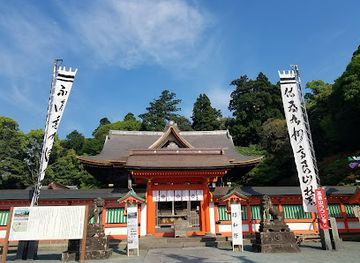

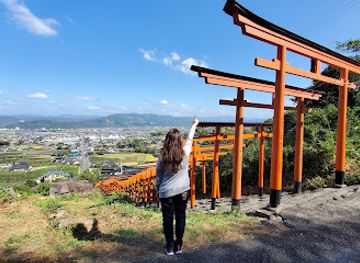
Explore Eishoji Temple on the Map
A handpicked selection of must-see spots near Eishoji Temple, mapped for you.
Getting There
-
Public Transport
To reach Eishoji Temple via public transport, take the Nishitetsu bus number 25 and disembark at the Yanagisaka bus stop. From there, it's a 15-minute walk to the temple. The Nishitetsu bus fare is approximately ¥210. Alternatively, the 'Kurume GoGo Ticket' offers unlimited rides within a designated area, including access to the temple, for ¥550 for adults and ¥280 for children.
-
Taxi
A taxi from Kurume Station to Eishoji Temple typically costs around ¥3120 for a 5km ride. Taxi services are readily available in Kurume. Consider using a ride-hailing app for potentially better service quality.
Discover more about Eishoji Temple













Your all‑in‑one travel companion app
Explore expert travel guides, compare and book tours, experiences, hotels, and more—all from the palm of your hand. Download now for seamless trip planning wherever your wanderlust takes you.


Explore More of Chikugo
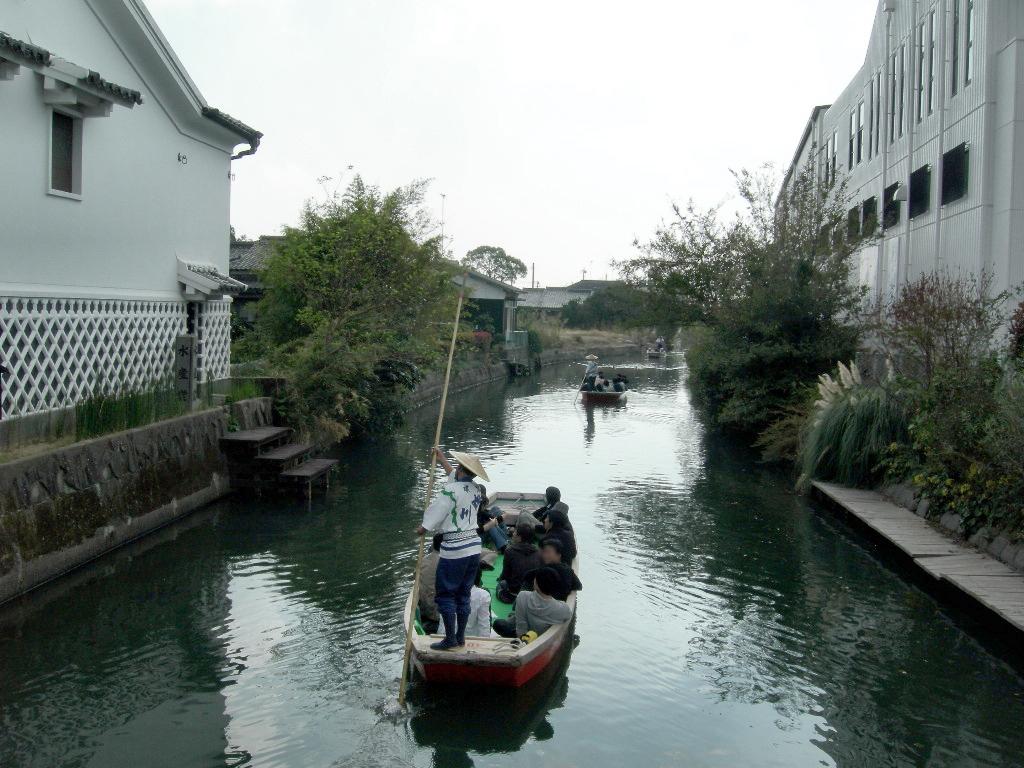
Looking beyond Eishoji Temple? Discover Chikugo for broader travel guides, local hot-spots, and regional highlights.
Explore Chikugo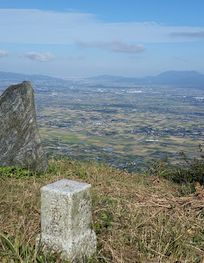
Experience breathtaking views and thrilling adventures at Kurume's Hang Glider Launch Site, a must-visit for adventure and nature enthusiasts.
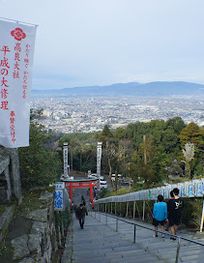
Discover Kurume Forest Tsutsuji Park: A vibrant azalea paradise offering stunning views and a peaceful escape in Kurume, Fukuoka.
