Nagoya Castle Travel Guide
Free Guide: Explore Nagoya Castle, a symbol of the Tokugawa Shogunate, featuring reconstructed palaces, impressive architecture, and beautiful gardens.


A brief summary of Nagoya Castle
Explore Nagoya Castle, a symbol of the Tokugawa Shogunate, featuring reconstructed palaces, impressive architecture, and beautiful gardens.
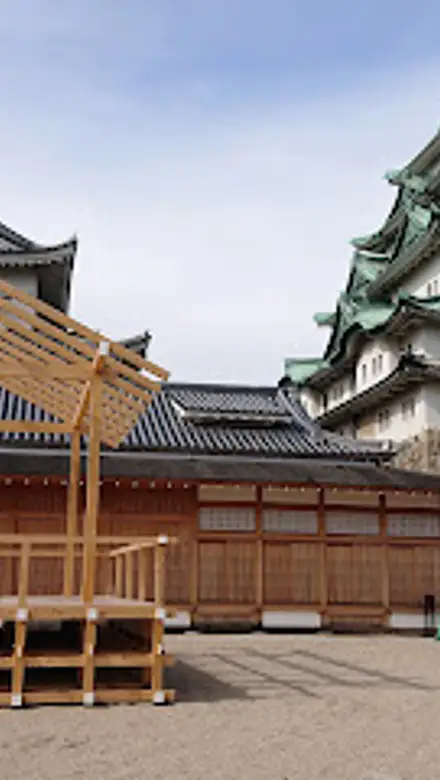
Nagoya Castle, originally built in 1612 by Tokugawa Ieyasu, stands as a testament to the power of the Tokugawa shogunate. Though largely destroyed in WWII, the castle has been partially reconstructed, including the Hommaru Palace, offering visitors a glimpse into Japan's feudal past.
Opening hours
- Every day9 am–4:30 pm
Opening hours as listed on the venue’s Google Business Profile. Hours can change for services and special events, so check with the venue before you go.
- Address
- 1-1 Honmaru, Naka Ward, Nagoya, Aichi 460-0031
- Phone
- Website
Getting there
Public Transport
Walking
Taxi
Driving
Discover more about Nagoya Castle
Overview
Nagoya Castle, constructed in 1612 by order of Tokugawa Ieyasu, served as the seat of the Owari branch of the Tokugawa family. It was one of the largest castles in Japan, and the surrounding castle town grew to become Nagoya, now Japan's fourth-largest city. The castle played a crucial role in solidifying Tokugawa authority and protecting the route between Edo (Tokyo) and Osaka.Most of the castle buildings, including the main keep and palace, were destroyed in air raids during World War II. However, reconstruction efforts have restored some of its former glory. The Hommaru Palace was meticulously rebuilt using traditional materials and techniques, reopening to the public in 2018. This palace showcases exquisite Shoin architecture and replicated paintings on sliding doors. While the main keep is currently closed due to earthquake resistance concerns and is undergoing a wooden reconstruction project, visitors can still explore the castle grounds, moats, and impressive walls.The castle is adorned with two glittering, 18-karat gold Kinshachi (tiger-fish ornaments) on the roof, symbols of the Tokugawa clan's power and prestige. The castle grounds also feature beautiful gardens, making it a popular spot for cherry blossom viewing in the spring.
Evendo Review Centre
 Google
Guest reviews
Explore Nagoya Castle on the map
A handpicked selection of must-see spots near Nagoya Castle, mapped for you.
Get your free copy of our complete guide to Nagoya Castle, delivered straight to you.
Everything on this page, from opening hours and how to get there to Eve’s tips and the best time to go, in one PDF you can read offline, print or share.
Already have an account? Sign in
Your Nagoya Castle guide is ready.
We'll send it to · Not you? Sign out

Getting your guide ready…
We are putting together a fresh copy of the Nagoya Castle guide. This can take up to a minute.
This can take a few moments. If your browser asks, choose Allow so the download can start. You'll find the guide in your Downloads folder.
Nothing happened? Download it again
Sorry, the guide is taking longer than usual. Please try again in a minute, or get it by email instead.
Unlock the best of Nagoya Castle
Skip-the-line tickets, guided tours with entry, and walking tours of the area, booked in a few clicks.
 Tour with entry
What to do in Nagoya GPS App Walking Tour Mobile Game
from $12.27 Tour with entry
Nagoya Castle Tour: Discover History & Culture with a Local Guide
from $24.05 Tour with entry
Nagoya: English-Guided Jogging Tour of the City (2 hours)
from $58.93 Tour with entry
Nagoya Highlight 4 Spots Day Tour from Osaka
from $76.00
 Tour
TourNagoya Castle and Local Flavor Samurai Tales and Street Food Walk
from $48.10 Tour
TourPrivate Tour in Nagoya with friendly guide and Photographer!
from $90.19 Tour
TourNagoya Private Custom Tour with a Local: Highlights & Hidden Gems
from $105.02 Tour
TourFamily day in Nagoya with a local: private & personalized
from $105.02
Other nearby places you may find interesting
The closest places of the same kind, if this one is not quite what you had in mind.
-
-
-
-
-


Swipe for more places
More to explore near Nagoya Castle

 Best experiences near Nagoya Castle
 Best hotels near Nagoya Castle
 Best landmarks near Nagoya Castle
 Best attractions near Nagoya Castle
 Best shops near Nagoya Castle
 Best restaurants near Nagoya Castle
 Best bars near Nagoya Castle
Do you manage this location?
Take control to get all the benefits, like improved information, better appearance, and stronger visibility across AI-powered discovery.
Explore more

Explore more of Chubu
Discover Chubu, Japan's heartland, where stunning landscapes, cultural treasures, and serene hot springs await every traveler.
Explore Chubu
Explore more of Japan
Discover the harmony of tradition and modernity in Japan, where ancient temples and cutting-edge technology coexist in perfect balance.
Explore Japan