

Free Echigo Travel Guide & Mobile App
Explore Echigo with free travel guides. Discover regional history, expert tips, proposed trips, and audio guides on web or mobile app.


Explore Echigo in Japan for snowy mountains, rice-growing plains, sake, historic towns, hot springs and the Sea of Japan coast.
Read more about Echigo
When is the best time to visit Echigo?
Best: May–June, September · 22–25°C| Month | High (°C) | Rainfall (mm) |
|---|---|---|
| January | 5 | 180 |
| February | 7 | 150 |
| March | 12 | 130 |
| April | 17 | 120 |
| May (best) | 22 | 130 |
| June (best) | 25 | 190 |
| July | 29 | 230 |
| August | 29 | 180 |
| September (best) | 25 | 190 |
| October | 20 | 170 |
| November | 15 | 160 |
| December | 8 | 170 |
Getting to and around Echigo
How to get there
Transportation
Destinations in Echigo
Resorts, valleys and scenic spots worth a trip of their own.

Swipe for more destinations
Best attractions in Echigo
Echigo's attractions range from urban museums and waterfront heritage in Niigata City to shrine precincts, castle sites, snowy mountains and working agricultural landscapes. Niigata's Furumachi district and riverside areas introduce the region's port history, while the Northern Culture Museum presents the scale of a former rural estate. In central Echigo, Nagaoka combines museums and memorials with its famous fireworks tradition, and the surrounding countryside reveals the effects of the Chuetsu earthquake and subsequent reconstruction. Yahiko Shrine and the forested slopes of Mount Yahiko form one of the region's most accessible cultural and outdoor excursions. Murakami offers historic town streets and salmon-related food culture, while Joetsu includes the Kasugayama area associated with Uesugi Kenshin and Takada's castle-town heritage. Farther inland, Minamiuonuma, Uonuma and Echigo-Yuzawa provide rice-country scenery, hot springs, skiing and summer mountain activities. Myoko adds hiking, waterfalls, forests and established ski terrain near the western edge of the former province. The appeal lies in the relationship between nature and settlement: rivers, snow, rice, shrines, breweries and transport routes are not separate themes but parts of one regional landscape.
-
Tourist attraction
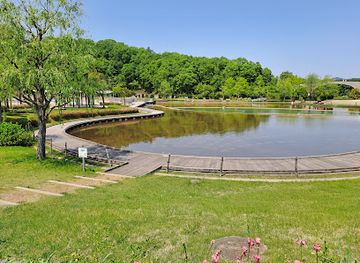
Echigo Hillside Park
Explore the breathtaking landscapes and family-friendly attractions of Echigo Hillside Park in Nagaoka, Niigata, a perfect destination for nature lovers.
-
Park
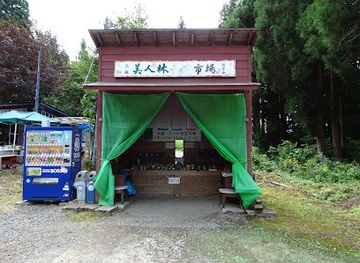
Bijin Bayashi Forest
Explore the tranquil Bijin Bayashi Forest in Tokamachi, Niigata; a stunning natural retreat perfect for photography, leisurely walks, and reconnecting with nature.
-
Tourist attraction
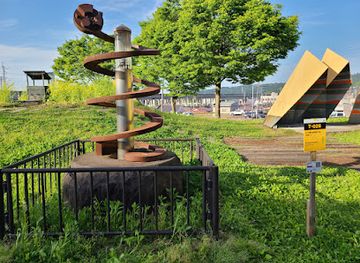
Echigo-Tsumari Satoyama Museum of Contemporary Art, MonET
Explore the fusion of contemporary art and nature at Echigo-Tsumari Satoyama Museum of Contemporary Art, MonET in Niigata, Japan.
-
Tourist attraction
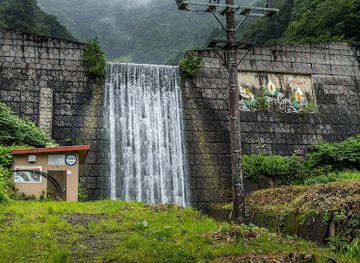
Fudo Falls
Discover the serene beauty of Fudo Falls in Yuzawa, a captivating waterfall surrounded by lush nature and stunning landscapes.
Best landmarks in Echigo
Niigata's Bandai Bridge, spanning the Shinano River, is a defining civic landmark and a reminder of the city's relationship with its port, river trade and expanding urban waterfront. In Murakami, preserved merchant streets and traditional town houses express the prosperity of a former castle town, while Murakami Castle's hilltop remains provide historical context even though the original fortress does not survive intact. Yahiko Shrine, set at the foot of Mount Yahiko, is one of the region's most important religious landmarks and is closely tied to local identity. The Kasugayama Castle site near Joetsu is a major historical landscape associated with Uesugi Kenshin; its earthworks and elevated setting convey the scale and strategic character of the former stronghold. Takada Castle Park, with its unusual three-storey keep reconstruction and surrounding moats, represents the planned castle-town legacy of southern Echigo. In the mountains, the high snow country and the broad rice plains themselves are significant regional landmarks: together they show how climate, engineering and agriculture have shaped Echigo's visual character.
-
Scenic spot
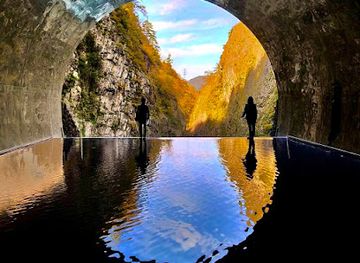
Kiyotsu Gorge
Experience the stunning beauty of Kiyotsu Gorge, where nature's grandeur meets captivating art in the heart of Niigata, Japan.
-
Park
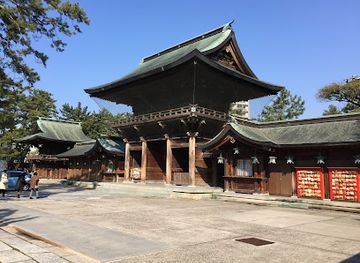
Hakusan Park
Discover Niigata's iconic Hakusan Park: a Dutch-style garden offering seasonal beauty, historical monuments, and tranquil spaces for relaxation.
-
Bar
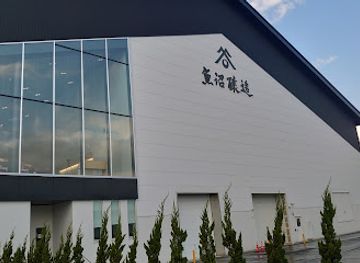
Echigo Sake Museum Ponshukan (Sake Sampling Service)
Immerse yourself in the world of Japanese sake at Echigo Sake Museum Ponshukan, where tradition meets taste in the heart of Yuzawa.
-
Ski resort
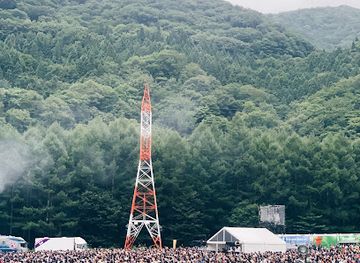
Naeba Ski Resort
Experience world-class skiing and snowboarding at Naeba Ski Resort, easily accessible from Tokyo and offering fun for all skill levels.
Explore Echigo on the map
Plan your trip on one map. See where the top cities, national parks and sights are, and book hotels and experiences in a few clicks.
Best hotels in Echigo
Best restaurants in Echigo
Echigo's food culture is grounded in rice, mountain water, preserved foods and the produce of the Sea of Japan. Uonuma Koshihikari is the region's best-known rice, and specialist rice restaurants serve it simply so that texture and aroma remain central. Hegi soba, associated especially with the Uonuma and snow-country area, uses funori seaweed as a binding ingredient and is often presented in neat portions on a wooden tray. Along the coast, restaurants serve seasonal fish, salmon, crab, roe and other seafood, while Murakami is particularly associated with carefully prepared salmon products. Niigata City has the widest range of izakaya, cafés and contemporary restaurants, while rural towns are more likely to offer soba shops, family-run diners, traditional Japanese restaurants and food linked to local breweries. Sake is a major regional product, supported by rice cultivation and clean water, and is commonly paired with seafood, pickles and seasonal vegetables. Winter specialities, mountain vegetables and fermented foods add variety to the menu, with availability changing according to season.
-
Ramen
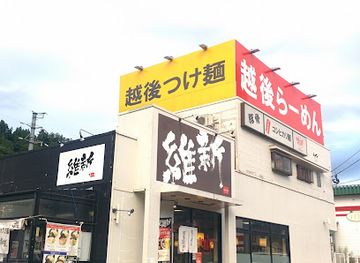
Echigo Ishin Yuzawa Flagship
Discover the heart of Japanese cuisine at Echigo Ishin Yuzawa Flagship - indulge in authentic ramen and local flavors.
-
Shopping mall
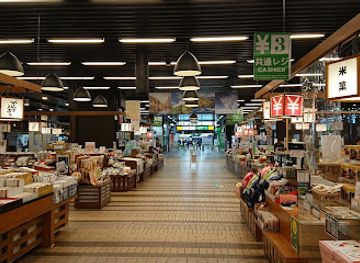
CoCoLoYuzawa Gangidori
Experience exceptional shopping and authentic ramen at CoCoLoYuzawa Gangidori - your go-to destination in Yuzawa, Japan.
-
Japanese
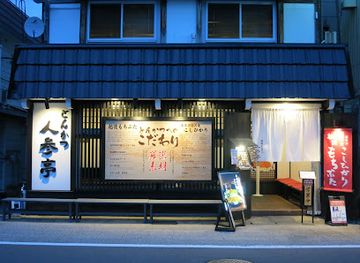
Ninjintei
Experience the essence of Japanese cuisine at Ninjintei, where delicious tonkatsu and exquisite meat dishes await your taste buds.
-
Pizza
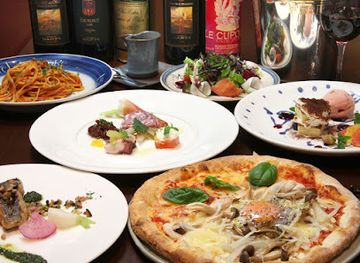
Pizzeria La locanda del pittore Iwappara
Discover authentic Italian flavors at Pizzeria La locanda del pittore in Yuzawa – where every bite feels like a trip to Italy.
Best bars in Echigo
Evening life in Echigo is concentrated in Niigata City, especially around the Furumachi entertainment quarter and the station area, where visitors find izakaya, sake bars, cafés and a modest selection of late-night venues. Furumachi has a long association with restaurants and geisha culture, although contemporary nightlife is more varied than that historical image suggests. Nagaoka, Joetsu and other larger towns offer local pubs, dining bars, karaoke and small live-music venues rather than a dense club scene. In mountain resorts such as Echigo-Yuzawa and Myoko, evenings revolve around hotel bars, restaurants, après-ski gatherings and onsen accommodation, with the atmosphere changing considerably between winter and the quieter seasons. Rural communities generally close earlier, and the most characteristic evening may be an unhurried meal with regional sake rather than nightclub entertainment. Visitors should check current opening arrangements locally, particularly outside the main cities and during periods of heavy snow.
-
Hotel
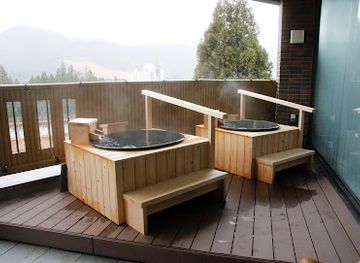
Hotel Angel Grandia Echigo Nakazato
Discover serene comfort and local charm at Hotel Angel Grandia Echigo Nakazato, the perfect retreat in Yuzawa's breathtaking landscapes.
-
Liquor store
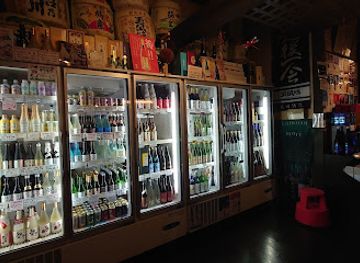
Echigo Sake Museum Ponshukan (Sake Sampling Service)
Explore the enchanting world of sake at Echigo Sake Museum Ponshukan in Yuzawa, where rich flavors meet cultural heritage.
-
Shopping mall
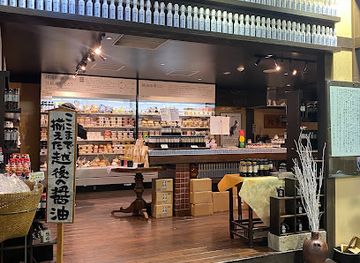
CoCoLoYuzawa Gangidori
Discover the vibrant shopping and authentic dining experience at CoCoLoYuzawa Gangidori, where tradition meets modern convenience in Yuzawa.
-
Bar
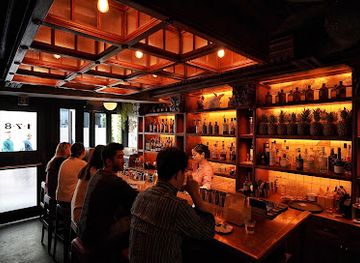
The SG Club
Discover the vibrant cocktail scene at The SG Club in Shibuya, Tokyo - a must-visit bar known for its innovative drinks and lively ambiance.
Best nightclubs in Echigo
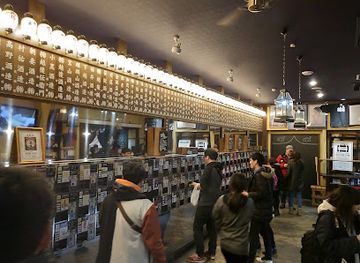
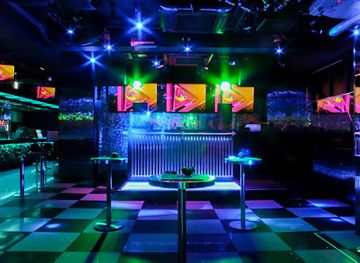
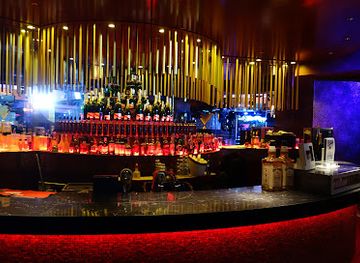
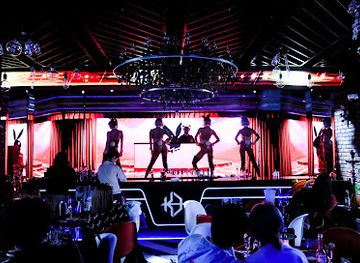
Evening life in Echigo is concentrated in Niigata City, especially around the Furumachi entertainment quarter and the station area, where visitors find izakaya, sake bars, cafés and a modest selection of late-night venues. Furumachi has a long association with restaurants and geisha culture, although contemporary nightlife is more varied than that historical image suggests. Nagaoka, Joetsu and other larger towns offer local pubs, dining bars, karaoke and small live-music venues rather than a dense club scene. In mountain resorts such as Echigo-Yuzawa and Myoko, evenings revolve around hotel bars, restaurants, après-ski gatherings and onsen accommodation, with the atmosphere changing considerably between winter and the quieter seasons. Rural communities generally close earlier, and the most characteristic evening may be an unhurried meal with regional sake rather than nightclub entertainment. Visitors should check current opening arrangements locally, particularly outside the main cities and during periods of heavy snow.
-
Bar
Echigo Sake Museum Ponshukan (Sake Sampling Service)
Explore the rich tradition of sake at Echigo Sake Museum Ponshukan, featuring tastings, exhibits, and unique gifts in the heart of Yuzawa.
-
Night club
KITSUNE KYOTO
Dive into Kyoto's nightlife at KITSUNE KYOTO, where electrifying music meets a vibrant atmosphere for an unforgettable experience.
-
Night club
TK
Discover the vibrant energy of TK Nightclub in Shibuya, where unforgettable nights and electrifying beats await in Tokyo's nightlife hub.
-
Night club
Kujira Entertainment
Discover the vibrant nightlife of Kujira Entertainment, where stylish cocktails meet electrifying live performances in Tokyo's iconic Kabukicho.
Best shops in Echigo
Shopping in Echigo is strongest when it focuses on food, craft and locally made products rather than large-scale luxury retail. Niigata City offers the broadest selection of department stores, station shops, food halls, sake retailers and independent stores, with packaged rice products, regional confectionery and seafood making practical gifts. In smaller towns, traditional streets and market areas sell pickles, miso, rice crackers, crafts and seasonal produce. Murakami is known for distinctive lacquerware and salmon products, while regional breweries and specialist shops provide opportunities to buy sake in different styles. Around mountain resorts, shops stock outdoor equipment, preserved foods, local sweets and snow-country souvenirs, although the range varies by season. Farmers' markets and direct-sales stands are useful for fruit, vegetables and rice, particularly when travelling by car. Visitors should protect food purchases from heat, check luggage limits for liquids and remember that some small shops accept cash more readily than overseas cards.
-
Shopping mall
Karuizawa Prince Shopping Plaza
Experience shopping like never before at Karuizawa Prince Shopping Plaza, where luxury brands meet stunning natural landscapes in Nagano, Japan.
-
Outlet mall
Nasu Garden Outlet
Experience the charm of Tochigi at Nasu Garden Outlet, where shopping meets nature in a delightful blend for all visitors.
-
Department store
Niigata Isetan
Experience the best of Niigata shopping at Niigata Isetan, where modern retail meets local culture and exquisite regional specialties.
-
Shopping mall
Bandai City Bus Center Bldg
Explore Bandai City Bus Center Bldg in Niigata: A vibrant shopping mall with diverse stores, delightful eateries, and cultural experiences waiting for tourists.

Get your free copy of our complete guide to Echigo, delivered straight to you.
Everything on this page, from attractions and restaurants to essentials and local phrases, in one PDF you can read offline, print or share.
Already have an account? Sign in
Your Echigo guide is ready.
We'll send it to · Not you? Sign out

Getting your guide ready…
We are putting together a fresh copy of the Echigo guide. This can take up to a minute.
This can take a few moments. If your browser asks, choose Allow so the download can start. You'll find the guide in your Downloads folder.
Nothing happened? Download it again
Sorry, the guide is taking longer than usual. Please try again in a minute, or get it by email instead.
Echigo essentials
Currency and Payment
Safety
Emergency Situations
Do's and Don'ts
Local Tips
From Eve
Local phrases worth knowing
You don't need to get them perfect. A few words go a long way, and locals appreciate the effort.
Basics
| English | Local | Say it |
|---|---|---|
| Hello | こんにちは | [Konnichiwa] |
| Goodbye | さようなら | [Sayōnara] |
| Yes | はい | [Hai] |
| No | いいえ | [Iie] |
| Please/You're welcome | お願いします | [Onegaishimasu] |
| Thank you | ありがとう | [Arigatou] |
| Excuse me/Sorry | すみません | [Sumimasen] |
| How are you? | お元気ですか? | [Ogenki desu ka?] |
| Fine. And you? | 元気です。あなたは? | [Genki desu. Anata wa?] |
| Do you speak English? | 英語を話せますか? | [Eigo o hanasemasu ka?] |
| I don't understand | わかりません | [Wakarimasen] |
Eating & Drinking
| English | Local | Say it |
|---|---|---|
| I'd like to see the menu, please | メニューを見せてください | [Menyū o misete kudasai] |
| I don't eat meat | 肉は食べません | [Niku wa tabemasen] |
| Cheers! | 乾杯! | [Kanpai!] |
| I would like to pay, please | お会計をお願いします | [Okaikei o onegaishimasu] |
Emergencies
| English | Local | Say it |
|---|---|---|
| Help! | 助けて! | [Tasukete!] |
| Go away! | あっちに行って! | [Acchi ni itte!] |
| Call the Police! | 警察を呼んで! | [Keisatsu o yonde!] |
| Call a doctor! | 医者を呼んで! | [Isha o yonde!] |
| I'm lost | 迷いました | [Mayoimashita] |
| I'm ill | 具合が悪いです | [Guai ga warui desu] |
Shopping
| English | Local | Say it |
|---|---|---|
| I'd like to buy... | …を買いたいです | [… o kaitai desu] |
| I'm just looking | 見ているだけです | [Mite iru dake desu] |
| How much is it? | これはいくらですか? | [Kore wa ikura desu ka?] |
| That's too expensive | それは高すぎます | [Sore wa takasugimasu] |
| Can you lower the price? | 値段を下げてもらえますか? | [Nedan o sagete moraemasu ka?] |
Time & Numbers
| English | Local | Say it |
|---|---|---|
| What time is it? | 今何時ですか? | [Ima nanji desu ka?] |
| It's one o'clock | 1時です | [1-ji desu] |
| Half past (10) | 10時半です | [10-ji han desu] |
| Morning | 朝 | [Asa] |
| Afternoon | 午後 | [Gogo] |
| Evening | 夕方 | [Yūgata] |
| Yesterday | 昨日 | [Kinō] |
| Today | 今日 | [Kyō] |
| Tomorrow | 明日 | [Ashita] |
| 1 | 1 | [Ichi] |
| 2 | 2 | [Ni] |
| 3 | 3 | [San] |
| 4 | 4 | [Shi] |
| 5 | 5 | [Go] |
| 6 | 6 | [Roku] |
| 7 | 7 | [Nana] |
| 8 | 8 | [Hachi] |
| 9 | 9 | [Kyū] |
| 10 | 10 | [Jū] |
Transport & Directions
| English | Local | Say it |
|---|---|---|
| Where's a/the...? | …はどこですか? | [… wa doko desu ka?] |
| What's the address? | 住所は何ですか? | [Jūsho wa nan desu ka?] |
| Can you show me (on the map)? | 地図で見せてくれますか? | [Chizu de misete kuremasu ka?] |
| When's the next (bus)? | 次の(バス)はいつですか? | [Tsugi no (basu) wa itsu desu ka?] |
| A ticket (to ....) | …への切符 | [… e no kippu] |
History of Echigo
Ancient Echigo and the Formation of the Province
Echigo developed as an important province on the Japan Sea side of Honshu during the ancient formation of Japan's provincial administration. Its rivers, coastal routes and mountain passes linked the area with neighbouring provinces and with settlements farther north. The broad plain was difficult to control and cultivate in places because of flooding and winter conditions, but the same rivers eventually supported intensive rice agriculture. Ancient shrines, temple traditions and surviving place names reflect the gradual incorporation of local communities into wider political and religious networks.
Medieval Estates, Temples and Coastal Exchange
During the medieval period, Echigo was divided among competing warrior families, religious institutions and estate holders. Joetsu's Kasugayama area became the base of Uesugi Kenshin, one of the most influential military leaders of the sixteenth century. His campaigns were connected to the strategic importance of the Japan Sea coast and the passes leading into central Japan. Inland temples, castle sites and old roads preserve traces of this era, while maritime exchange carried grain, timber and other goods along the coast.
Uesugi Kenshin and the Sengoku Legacy
Uesugi Kenshin ruled from Echigo during the turbulent Sengoku period and is remembered both as a formidable warlord and as a patron of Buddhist institutions. Kasugayama Castle, near present-day Joetsu, was the centre of his authority, although the original castle was a large earthwork complex rather than a surviving stone fortress. Kenshin's rivalry with neighbouring powers helped make Echigo strategically important. Modern memorials and museums in the Joetsu area interpret his career, while the surrounding hills retain the landscape of his former stronghold.
Castle Towns and the Edo-Period Rice Economy
Under the Tokugawa shogunate, Echigo was divided among several domains rather than governed as one political unit. Castle towns including Takada, Nagaoka and Murakami developed administrative, commercial and transport functions. The Shinano, Agano and other rivers helped move rice and timber, while coastal shipping connected Echigo with ports around the Japan Sea. Agricultural expansion gradually transformed wetlands and flood-prone land into productive paddies. Merchant houses, samurai districts, shrine precincts and traditional town plans in several communities reflect this period of regulated growth.
The Boshin War and the Nagaoka Domain
The Nagaoka Domain became a significant centre of resistance during the Boshin War of 1868–69, the conflict that accompanied the Meiji Restoration. Fighting in and around Nagaoka caused severe destruction, and the domain's military leader Kawai Tsugunosuke became associated with the campaign. The war marked the end of the feudal domain system and brought Echigo into the new prefectural administration. Nagaoka's memorials and museums present the conflict as a formative episode in the city's modern identity.
Modernisation, Railways and the Rice Landscape
From the Meiji period onwards, new prefectural institutions, improved roads and railways connected Echigo's ports, towns and agricultural districts more closely with Tokyo and other parts of Japan. Drainage and irrigation projects enabled the expansion and stabilisation of rice farming across the plains, while textile production, brewing, fishing and food processing supported local economies. Niigata City grew as a port and regional capital. The resulting landscape of villages, paddies, waterways and railway towns remains one of the clearest legacies of modern Echigo.
Snow Country, Industry and Contemporary Recovery
The twentieth century brought deeper integration with Japan's industrial economy, but winter snow continued to shape housing, transport and seasonal work in the mountains. Ski tourism developed in areas such as Myoko and Minamiuonuma, while sake brewing and rice cultivation retained their importance. The 2004 Chuetsu Earthquake caused major damage in central Niigata, particularly around communities in the mountains, and prompted extensive reconstruction. Today Echigo combines advanced transport and urban services with strong regional industries, traditional foodways and a culture adapted to snow.
Echigo in Photos
Browse through our photo collection highlighting the charm and character of the destination.
Neighbouring regions of Echigo
The closest regions to Echigo, if you have time for more than one.
-

-

-
-

-


Swipe for more regions
Explore more

Explore more of Japan
Discover the harmony of tradition and modernity in Japan, where ancient temples and cutting-edge technology coexist in perfect balance.
Explore Japan