

Free Shinano Travel Guide & Mobile App
Explore Shinano with free travel guides. Discover regional history, expert tips, proposed trips, and audio guides on web or mobile app.


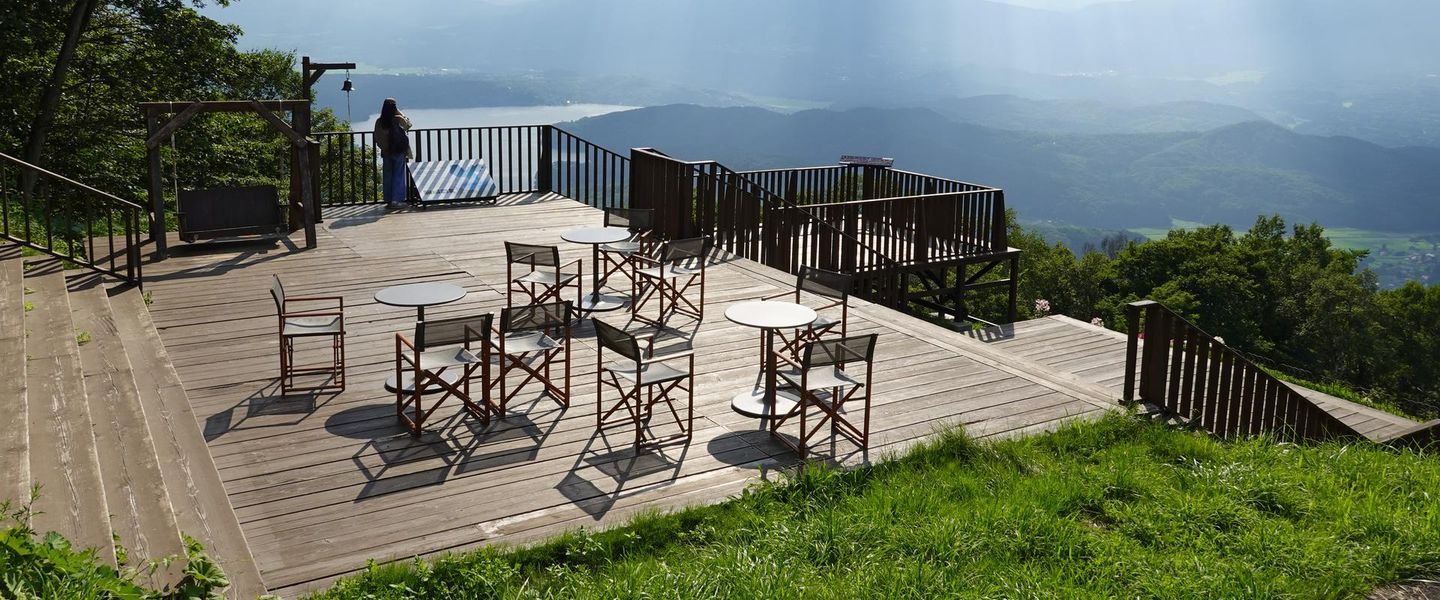


Explore Shinano in Nagano Prefecture for Alpine scenery, historic towns, temple culture, hot springs, soba and four-season outdoor travel.
Read more about Shinano
When is the best time to visit Shinano?
Best: May–June, September · 20–25°C| Month | High (°C) | Rainfall (mm) |
|---|---|---|
| January | 3 | 40 |
| February | 4 | 35 |
| March | 8 | 50 |
| April | 14 | 60 |
| May (best) | 20 | 70 |
| June (best) | 25 | 90 |
| July | 28 | 100 |
| August | 28 | 95 |
| September (best) | 23 | 85 |
| October | 18 | 70 |
| November | 11 | 60 |
| December | 4 | 50 |
Getting to and around Shinano
How to get there
Transportation
Top city travel guides in Shinano
The cities of Shinano, and the easiest places to base yourself.

Swipe for more cities
Destinations in Shinano
Resorts, valleys and scenic spots worth a trip of their own.
-

-

-


Swipe for more destinations
Best attractions in Shinano
Shinano's attractions are shaped by its mountains, historic corridors and seasonal contrasts. Zenkō-ji in Nagano provides a major cultural focus, while Matsumoto Castle and Ueda's castle-town heritage connect visitors with the region's samurai history. The Kiso Valley offers preserved Nakasendō post towns and wooded walking routes, especially around the historic settlements of Tsumago, Magome and Narai. Alpine landscapes form another major group of experiences: Kamikōchi, the Norikura Highlands, Hakuba, Shiga Kōgen and the Yatsugatake area support hiking, cycling, climbing, skiing and nature observation. Lake districts around Suwa and Aoki add boating, lakeside walks and shrine visits, while hot-spring towns provide a traditional way to experience the region's volcanic geography. Museums, craft workshops, orchards, sake breweries and farm visits broaden the picture beyond outdoor tourism. Access and scenery change sharply with elevation and season, so a valley itinerary is often more rewarding than trying to combine distant mountain districts in a single day.
-
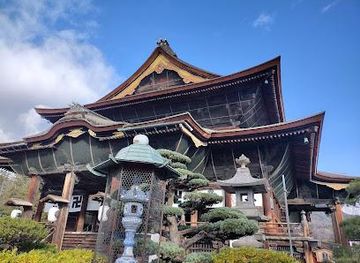
Buddhist temple
Zenkōji temple
Explore the serene beauty and spiritual significance of Zenkōji Temple, a historic Buddhist sanctuary in Nagano, Japan, rich in culture and tradition.
-
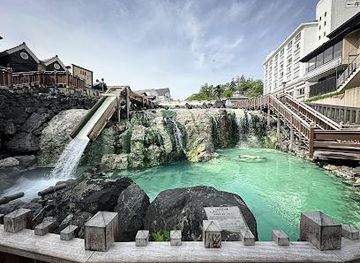
Tourist attraction
Yubatake
Experience the therapeutic waters and captivating atmosphere of Yubatake, the iconic 'hot water field' at the heart of Kusatsu Onsen.
-
Animal park
Snow Monkey Park (Jigokudani Yaen Koen)
Observe wild snow monkeys bathing in natural hot springs at Jigokudani Monkey Park, a unique wildlife experience in the stunning Japanese Alps.
-
National reserve
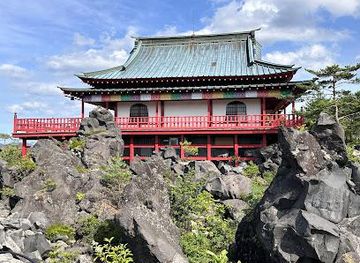
Onioshidashi Volcanic Park in Joshin'etsukogen National Park
Explore a surreal volcanic landscape at Onioshidashi Volcanic Park, where hardened lava meets resilient alpine flora in a stunning natural setting.
Best landmarks in Shinano
Zenkō-ji in Nagano is Shinano's most significant religious landmark, a large Buddhist temple whose pilgrimage tradition has influenced the city and the wider region for centuries. Matsumoto Castle, with its dark timber and plaster exterior and distinctive keep, is one of Japan's best-known surviving original castles and a powerful symbol of the old castle town. In the Kiso Valley, the preserved streets of Tsumago, Narai and Kiso-Fukushima express the architecture of the Nakasendō, with inns and merchant buildings aligned along the historic highway. Suwa Taisha's Upper and Lower Shrines represent a major regional sacred complex with deep connections to local ritual. The mountains themselves provide Shinano's most imposing natural landmarks: the peaks and valleys of the Northern Alps, the high volcanic form of Mount Asama and the dramatic uplands around Mount Ontake. These places are not merely scenic backdrops; they explain the region's pilgrimage routes, settlement patterns, outdoor culture and long-standing relationship with forests and water.
-
Castle
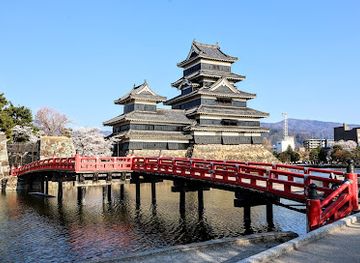
Matsumoto-jō Castle
Discover the enchanting Matsumoto-jō Castle, a historical landmark that showcases Japan's rich heritage amid stunning natural beauty.
-
Buddhist temple
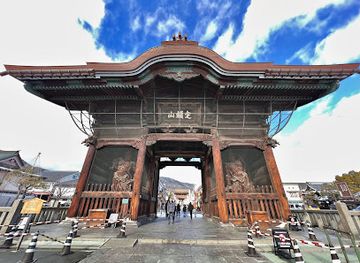
Zenkōji temple
Discover the spiritual and architectural wonders of Zenkōji Temple in Nagano, a must-visit destination for tourists seeking cultural enrichment.
-
Animal park
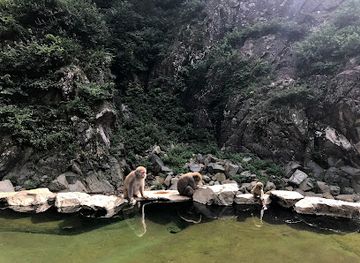
Snow Monkey Park (Jigokudani Yaen Koen)
Experience the unique wildlife of Japan at Snow Monkey Park, home to playful macaques soaking in natural hot springs amidst stunning mountain scenery.
-
Historical place
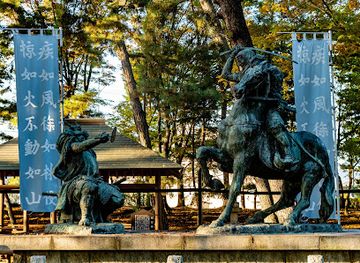
Kawanakajima Old Battlefield
Discover the historical significance and serene beauty of Kawanakajima Old Battlefield, a key site of Japan's samurai battles in Nagano.
Explore Shinano on the map
Plan your trip on one map. See where the top cities, national parks and sights are, and book hotels and experiences in a few clicks.
Best hotels in Shinano
Best restaurants in Shinano
Dining in Shinano reflects altitude, farming and the region's clear mountain water. Soba is the best-known speciality, served in forms that vary between towns and often accompanied by seasonal mountain vegetables, mushrooms or tempura. Oyaki, wheat or buckwheat dumplings filled with vegetables, miso-based mixtures or other savoury ingredients, are associated particularly with Nagano and surrounding areas. Orchards in the Nagano Basin supply apples and other fruit, while miso, pickles, wasabi, river fish and locally raised meats appear in regional cooking. Matsumoto, Nagano and the larger resort towns offer contemporary Japanese restaurants, cafés and international food, whereas rural districts rely more on family-run eateries, traditional inns and soba restaurants. Local sake and craft drinks complement both formal meals and casual izakaya dining. Farmers' markets and roadside stations are useful for discovering produce, preserves and snacks that differ from one valley to another.
-
Soba noodle shop
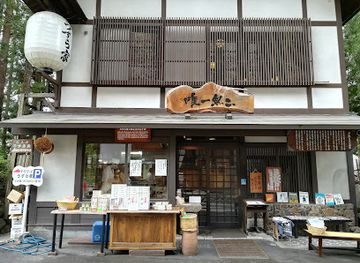
Uzuraya
Discover the heart of Japanese cuisine at Uzuraya – home to hand-crafted soba noodles in stunning Togakushi, Nagano.
-
Katsudon restaurant
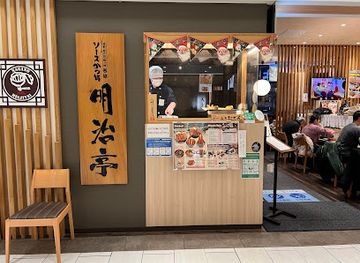
Nagano Meijitei
Experience authentic Katsudon at Meijitei, Nagano's favorite culinary gem known for its delicious pork cutlets and warm hospitality.
-
Japanese
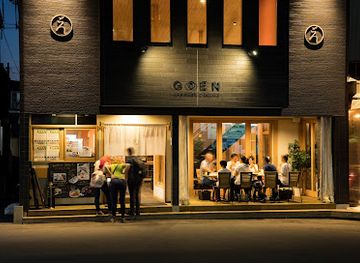
Japanese Dining GOEN
Savor authentic sushi and izakaya delights at Japanese Dining GOEN in Nagano's serene setting.
-
 Restaurant
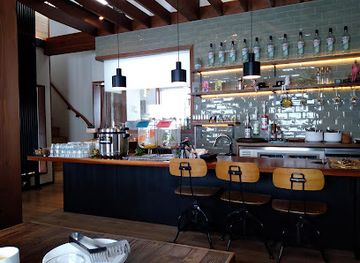
Guest House LAMP
Experience tranquility at Guest House LAMP: A restaurant-café offering delicious cuisine and serene wellness retreats in picturesque Nagano.
Best bars in Shinano
Evening life in Shinano is generally intimate rather than club-focused. Nagano and Matsumoto have the broadest choice of izakaya, small bars, cafés, live-music spaces and restaurants, with activity concentrated around their central railway districts. Ueda and Suwa also offer local drinking streets and evening dining, while resort towns such as Hakuba and Nozawa Onsen develop a more international après-ski atmosphere during the winter season. In hot-spring communities, the traditional evening pattern is an inn dinner, bathing and a short walk through the town rather than late-night entertainment. Rural areas may have only a few bars or dining rooms, and some close relatively early. Visitors should expect Japanese-style service, compact venues and seasonal variation, and should not assume that a busy ski season represents the region's nightlife throughout the year.
-
Restaurant
Guest House LAMP
Experience the perfect blend of adventure and relaxation at Guest House LAMP in Nojiri, Nagano. Savor delicious cuisine, explore pristine waters, and unwind in tranquility.
-
Italian
NICOLI
Discover the essence of Italian cuisine at NICOLI in Nagano, where fresh ingredients meet culinary tradition in a delightful dining experience.
-
Restaurant
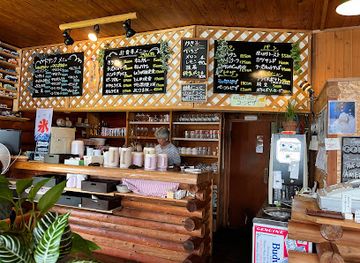
Lumber Jack
Experience the flavors of Nagano at Lumber Jack, a charming restaurant offering local cuisine in a picturesque setting.
-
Italian
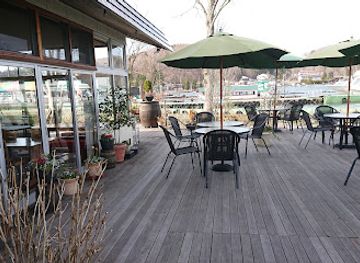
Funagoya 舟小屋
Savor exquisite Italian dishes amid the serene beauty of Nagano at Funagoya, a must-visit culinary destination for tourists.
Best nightclubs in Shinano
Evening life in Shinano is generally intimate rather than club-focused. Nagano and Matsumoto have the broadest choice of izakaya, small bars, cafés, live-music spaces and restaurants, with activity concentrated around their central railway districts. Ueda and Suwa also offer local drinking streets and evening dining, while resort towns such as Hakuba and Nozawa Onsen develop a more international après-ski atmosphere during the winter season. In hot-spring communities, the traditional evening pattern is an inn dinner, bathing and a short walk through the town rather than late-night entertainment. Rural areas may have only a few bars or dining rooms, and some close relatively early. Visitors should expect Japanese-style service, compact venues and seasonal variation, and should not assume that a busy ski season represents the region's nightlife throughout the year.
-
Night club
Kujira Entertainment
Experience the vibrant nightlife at Kujira Entertainment, Shinjuku's premier night club offering cocktails, modern izakaya dining, and live entertainment.
-
Night club
T2 SHINJUKU
Experience the vibrant nightlife of Tokyo at T2 Shinjuku, where dance, drinks, and delicious izakaya cuisine await you in the heart of Shinjuku.
-
Night club
WARP SHINJUKU
Dive into Tokyo's vibrant nightlife at WARP SHINJUKU, where electrifying music and unforgettable experiences await every night.
-
Hotel
Guest House LAMP
Experience the perfect blend of relaxation and adventure at Guest House LAMP in Nojiri, Nagano, offering cozy stays and stunning natural beauty.



Best shops in Shinano
Shopping in Shinano is strongest in its historic town centres, markets and food-producing districts rather than in large luxury malls. Nagano's temple approach has shops selling regional sweets, crafts and souvenirs, while Matsumoto combines independent retailers, galleries, cafés, antiques and traditional craft businesses. Ueda, Suwa and the Kiso post towns offer smaller-scale shopping focused on local character, including woodwork, lacquerware, textiles and items made from regional materials. Food is an important purchase: soba, miso, pickles, dried mushrooms, apple products, fruit, sake and other farm goods travel well when properly packed. Roadside markets and agricultural stands are useful for seasonal produce, although availability changes through the year. In resort areas, shops tend to concentrate on outdoor equipment, winter sports clothing and locally made gifts. Compare packaging and transport requirements before buying food or craft objects, particularly if continuing by rail or flying internationally.
-
Department store
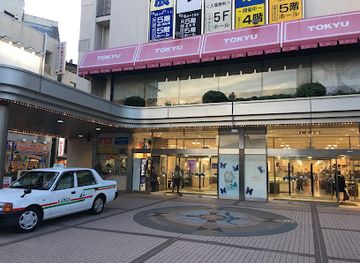
Nagano Tokyu Department Store
Discover the essence of shopping in Nagano at the vibrant Nagano Tokyu Department Store, where local culture meets modern retail.
-
Shopping mall
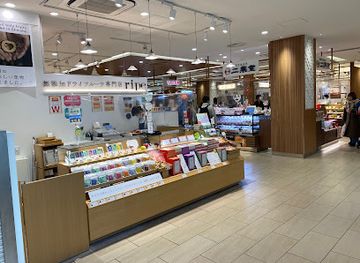
MIDORI Nagano
Explore MIDORI Nagano, a dynamic shopping mall offering diverse stores, delightful dining, and unique local finds in the heart of Nagano.
-
Toll road rest stop
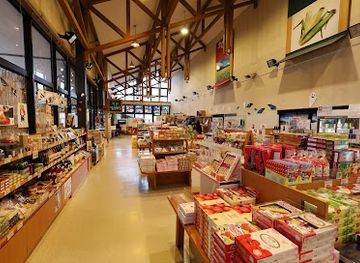
Roadside Station Shinano
Explore the delights of Roadside Station Shinano, a charming stop for travelers offering local souvenirs, delicious cuisine, and a respite in Nagano's beautiful landscapes.
-
Souvenir store
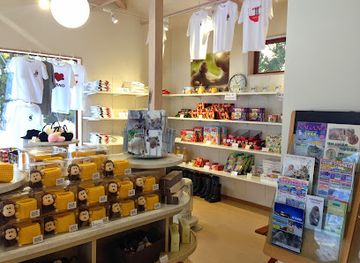
Snow Monkey Resorts Info & Gift Shop
Explore the charming Snow Monkey Resorts Info & Gift Shop for unique souvenirs and local insights on your Nagano adventure.
Get your free copy of our complete guide to Shinano, delivered straight to you.
Everything on this page, from attractions and restaurants to essentials and local phrases, in one PDF you can read offline, print or share.
Already have an account? Sign in
Your Shinano guide is ready.
We'll send it to · Not you? Sign out

Getting your guide ready…
We are putting together a fresh copy of the Shinano guide. This can take up to a minute.
This can take a few moments. If your browser asks, choose Allow so the download can start. You'll find the guide in your Downloads folder.
Nothing happened? Download it again
Sorry, the guide is taking longer than usual. Please try again in a minute, or get it by email instead.
Shinano essentials
Currency and Payment
Safety
Emergency Situations
Do's and Don'ts
Local Tips
From Eve
Local phrases worth knowing
You don't need to get them perfect. A few words go a long way, and locals appreciate the effort.
Basics
| English | Local | Say it |
|---|---|---|
| Hello | こんにちは | [Konnichiwa] |
| Goodbye | さようなら | [Sayōnara] |
| Yes | はい | [Hai] |
| No | いいえ | [Iie] |
| Please/You're welcome | お願いします | [Onegaishimasu] |
| Thank you | ありがとう | [Arigatou] |
| Excuse me/Sorry | すみません | [Sumimasen] |
| How are you? | お元気ですか? | [Ogenki desu ka?] |
| Fine. And you? | 元気です。あなたは? | [Genki desu. Anata wa?] |
| Do you speak English? | 英語を話せますか? | [Eigo o hanasemasu ka?] |
| I don't understand | わかりません | [Wakarimasen] |
Eating & Drinking
| English | Local | Say it |
|---|---|---|
| I'd like to see the menu, please | メニューを見せてください | [Menyū o misete kudasai] |
| I don't eat meat | 肉は食べません | [Niku wa tabemasen] |
| Cheers! | 乾杯! | [Kanpai!] |
| I would like to pay, please | 支払いをお願いします | [Shiharai o onegaishimasu] |
Emergencies
| English | Local | Say it |
|---|---|---|
| Help! | 助けて! | [Tasukete!] |
| Go away! | どこか行って! | [Doko ka itte!] |
| Call the Police! | 警察を呼んで! | [Keisatsu o yonde!] |
| Call a doctor! | 医者を呼んで! | [Isha o yonde!] |
| I'm lost | 迷いました | [Mayoimashita] |
| I'm ill | 体調が悪いです | [Taichō ga warui desu] |
Shopping
| English | Local | Say it |
|---|---|---|
| I'd like to buy... | …を買いたいです | [… o kaitai desu] |
| I'm just looking | 見ているだけです | [Mite iru dake desu] |
| How much is it? | いくらですか? | [Ikura desu ka?] |
| That's too expensive | それは高すぎます | [Sore wa takasugimasu] |
| Can you lower the price? | 値段を下げてもらえますか? | [Nedan o sagete moraemasu ka?] |
Time & Numbers
| English | Local | Say it |
|---|---|---|
| What time is it? | 今何時ですか? | [Ima nanji desu ka?] |
| It's one o'clock | 1時です | [Ichi-ji desu] |
| Half past (10) | 10時半です | [Jū-ji han desu] |
| Morning | 朝 | [Asa] |
| Afternoon | 午後 | [Gogo] |
| Evening | 夕方 | [Yūgata] |
| Yesterday | 昨日 | [Kinō] |
| Today | 今日 | [Kyō] |
| Tomorrow | 明日 | [Ashita] |
| 1 | 1 | [Ichi] |
| 2 | 2 | [Ni] |
| 3 | 3 | [San] |
| 4 | 4 | [Shi] |
| 5 | 5 | [Go] |
| 6 | 6 | [Roku] |
| 7 | 7 | [Nana] |
| 8 | 8 | [Hachi] |
| 9 | 9 | [Kyū] |
| 10 | 10 | [Jū] |
Transport & Directions
| English | Local | Say it |
|---|---|---|
| Where's a/the...? | …はどこですか? | [… wa doko desu ka?] |
| What's the address? | 住所は何ですか? | [Jūsho wa nan desu ka?] |
| Can you show me (on the map)? | 地図で見せてくれますか? | [Chizu de misete kuremasu ka?] |
| When's the next (bus)? | 次の(バス)はいつですか? | [Tsugi no (basu) wa itsu desu ka?] |
| A ticket (to ....) | (…)までの切符 | [(…) made no kippu] |
History of Shinano
Jōmon Communities and Early Mountain Settlement
The valleys and uplands of Shinano were settled long before written records, with archaeological sites revealing substantial Jōmon communities from Japan's prehistoric period. The region's forests, rivers and volcanic soils supported hunting, gathering, fishing and later cultivation, while elevated basins offered habitable spaces between the mountains. Sites around the central and eastern parts of present-day Nagano Prefecture have produced distinctive pottery and evidence of long-distance exchange. These remains show that inland Japan was not an isolated wilderness: communities moved through mountain corridors and maintained connections with surrounding regions.
Formation of Ancient Shinano Province
During the formation of Japan's early state, the area became Shinano Province, administered within the imperial system that developed during the Nara and Heian periods. Its great distances and rugged terrain made governance more difficult than in the lowlands around the capital, but the province supplied agricultural products, timber and mineral resources. Buddhist institutions and mountain religious traditions spread through the valleys, leaving a legacy visible in temples, pilgrimage routes and sacred peaks. The emergence of Zenkō-ji at Nagano as a major pilgrimage centre was especially important to the cultural identity of the province.
The Nakasendō and Medieval Mountain Trade
Shinano's passes connected the Kantō, central Japan and the old capital through routes that crossed the interior. From the Edo period, the Nakasendō formalised one of the most important highways between Edo, modern Tokyo, and Kyoto. Post towns including Narai, Kiso-Fukushima, Nagiso and Tsumago developed services for travellers, officials and packhorse traffic. Their inns, storehouses and street plans preserve the material legacy of this movement. The route also encouraged the circulation of goods, religious ideas and craft traditions through valleys that might otherwise have remained locally focused.
Warring States Politics and Castle Towns
The valleys of Shinano became strategically important during the Sengoku, or Warring States, period because control of the mountain passes opened routes towards eastern and central Japan. Takeda Shingen fought campaigns in the region, while the Murakami and Sanada families became influential local powers. Castles and fortified settlements shaped places such as Matsumoto and Ueda, though many original structures disappeared during later political changes. Surviving castle towers, earthworks, temple networks and town plans help explain how geography made Shinano both a defensive frontier and a contested corridor.
Silk, Farming and Rural Industry in the Edo and Meiji Eras
Under the Tokugawa shogunate, Shinano was divided among domains and territories rather than governed as one unified unit. Agriculture expanded in the basins, with irrigation supporting rice and other crops, while mountain communities developed forestry, horse breeding, textiles and food processing. From the nineteenth century, sericulture and silk reeling became especially significant, linking the region to Japan's export economy. The arrival of railways in the Meiji period reduced the isolation of inland towns and accelerated the movement of farm products, silk, travellers and manufactured goods.
Modernisation, Silk Decline and the Rise of Highland Tourism
Industrial change in the twentieth century weakened the central role of raw silk, but Shinano's mountains created new economic possibilities. Karuizawa developed as a highland resort, while hot-spring towns, lakes and alpine valleys attracted domestic visitors. Winter sports expanded after the growth of ski facilities and improved transport, particularly in northern areas. Agricultural production also modernised, with apples, grapes and other fruit becoming important in suitable basins. These changes shifted the region from a primarily agrarian and textile economy towards a mixed landscape of farming, tourism, services and outdoor recreation.
Nagano 1998 and Shinano's International Profile
The 1998 Winter Olympic and Paralympic Games were held across Nagano Prefecture, bringing international attention to Shinano's snow conditions, mountain scenery and transport infrastructure. Events took place in and around Nagano, Hakuba, Shiga Kōgen and other parts of the prefecture, strengthening the region's reputation as a winter-sports destination. The legacy is broader than sport: improved facilities and global recognition complemented older assets such as temples, post towns, hot springs and agricultural landscapes. Today, the region continues to balance visitor demand with the environmental and social pressures of mountain tourism.
Shinano in Photos
Browse through our photo collection highlighting the charm and character of the destination.
Neighbouring regions of Shinano
The closest regions to Shinano, if you have time for more than one.
-

-

-

-

-


Swipe for more regions
Explore more

Explore more of Japan
Discover the harmony of tradition and modernity in Japan, where ancient temples and cutting-edge technology coexist in perfect balance.
Explore Japan