

Free Shimotsuke Travel Guide & Mobile App
Explore Shimotsuke with free travel guides. Discover regional history, expert tips, proposed trips, and audio guides on web or mobile app.


Explore Shimotsuke in Tochigi for Nikkō’s sacred heritage, mountain scenery, hot springs, pottery towns, local cuisine and rural Japanese landscapes.
Read more about Shimotsuke
When is the best time to visit Shimotsuke?
Best: April–May, October · 20–25°C| Month | High (°C) | Rainfall (mm) |
|---|---|---|
| January | 9 | 40 |
| February | 10 | 50 |
| March | 15 | 80 |
| April (best) | 20 | 100 |
| May (best) | 25 | 120 |
| June | 27 | 140 |
| July | 31 | 160 |
| August | 31 | 150 |
| September | 27 | 140 |
| October (best) | 22 | 120 |
| November | 15 | 90 |
| December | 9 | 50 |
Getting to and around Shimotsuke
How to get there
Transportation
Destinations in Shimotsuke
Resorts, valleys and scenic spots worth a trip of their own.

Swipe for more destinations
Best attractions in Shimotsuke
Shimotsuke’s attractions range from major religious monuments to mountain scenery and working craft communities. Nikkō’s UNESCO-listed shrines and temples form the region’s most important cultural visit, while Lake Chūzenji, Kegon Falls and the wider Oku-Nikkō area provide walks, viewpoints and seasonal landscapes at higher altitude. The Nasu and Shiobara districts offer hot springs, forest trails and volcanic upland scenery, with a range of museums, farms and family-oriented attractions. In the south, Ashikaga combines historic associations with extensive seasonal planting at Ashikaga Flower Park, while Mashiko is known for pottery studios, galleries and kiln visits. Utsunomiya’s Oya district presents the unusual industrial and geological heritage of underground stone quarries, and the surrounding plains are suited to cycling, agricultural visits and food-focused excursions. The region’s attractions are distributed across a large area, so a trip built around one town or corridor is usually more rewarding than attempting to see every district in a single itinerary.
-
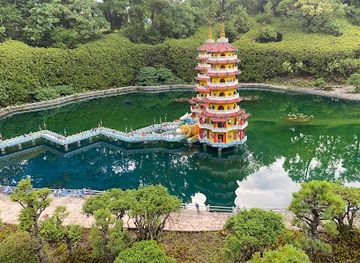
Tobu World Square
Explore the world's wonders in miniature at Tobu World Square, featuring over 100 iconic landmarks replicated in stunning detail. A global adventure awaits!
-
Edo Wonderland Nikko Edomura
Experience the life and culture of Edo Japan at this immersive theme park with ninja, samurai, and traditional performances.
-
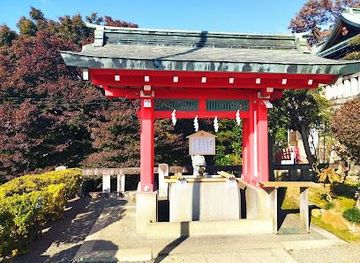
Ashikaga Orihime-jinja Shrine
A vibrant shrine in Ashikaga, offering blessings for love, industry, and panoramic views of the Kanto Plain and Watarase River.
-
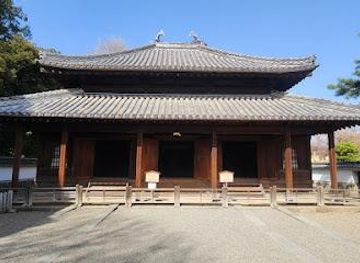
Ashikaga Gakkō (Former Academy)
Discover the historical significance of Ashikaga Gakkō, Japan's oldest academy, and immerse yourself in its rich cultural heritage amidst serene gardens.

Best landmarks in Shimotsuke
Nikkō Tōshō-gū is Shimotsuke’s most recognisable landmark, celebrated for its lavishly carved gates, halls and symbolic decoration within a forested shrine complex. Nearby Rinnō-ji and Futarasan-jinja complete a sacred ensemble whose origins reach back before the Tokugawa period. In the surrounding mountains, Kegon Falls plunges from Lake Chūzenji and is one of the region’s defining natural sights, while Mount Nantai gives the lake basin its dramatic volcanic profile. Ashikaga School represents the historical importance of education and scholarship associated with Ashikaga, and the town’s Bannaji temple preserves a strong medieval connection with the Ashikaga family. In Utsunomiya, the Oya stone quarries offer a very different landmark: vast underground chambers carved from local tuff, reflecting the area’s industrial history. Mashiko’s kiln landscapes and traditional pottery workshops are less monumental but equally significant as living markers of regional craft culture.
-
Observation deck
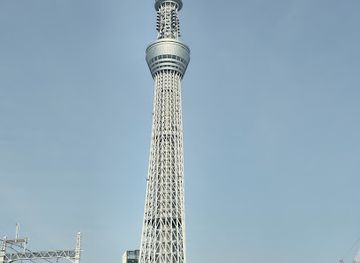
Tokyo Skytree
Experience breathtaking views from the Tokyo Skytree, Japan's tallest structure, and immerse yourself in the vibrant culture of Tokyo.
-
 Buddhist temple
Sensō-ji
Experience the spiritual essence of Tokyo at Sensō-ji, the city's oldest Buddhist temple, rich in history and cultural significance.
-
Shinto shrine
Nikkō Tōshogū
Experience the spiritual beauty and historical grandeur of Nikkō Tōshōgū, a UNESCO World Heritage Site in Japan's stunning Tochigi Prefecture.
-
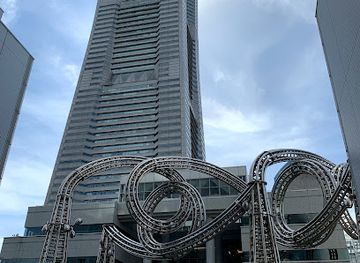
Business park
Yokohama Landmark Tower
Explore the heights of Yokohama Landmark Tower, a stunning blend of shopping, dining, and breathtaking views in the heart of Minato Mirai.

Explore Shimotsuke on the map
Plan your trip on one map. See where the top cities, national parks and sights are, and book hotels and experiences in a few clicks.
Best hotels in Shimotsuke
Best restaurants in Shimotsuke
Dining in Shimotsuke reflects both the fertile Kantō plain and the colder mountain districts. Utsunomiya is widely associated with gyoza, served in specialist eateries as well as ordinary restaurants, while Sano is known for its regional ramen style. Tochigi’s strawberries are an important local product, and visitors will also encounter dairy foods from the northern highlands, seasonal vegetables, soba, river fish and produce from farm shops. Nikkō has traditional restaurants and inns serving yuba, the delicate skin formed during tofu production, alongside vegetarian Buddhist-influenced dishes and modern Japanese cuisine. Mashiko’s pottery culture gives meals a strong craft connection, with local vessels displayed in cafés and restaurants. Rural inns and hot-spring resorts often offer multi-course Japanese dinners, while Utsunomiya and larger towns provide the broadest choice of casual dining, bakeries, cafés and contemporary restaurants.
-
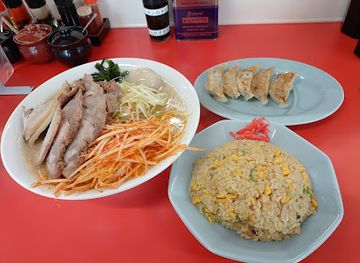
Ramen
NEWラーメンショップR4
Experience the rich flavors of authentic ramen at NEWラーメンショップR4 in Shimotsuke - where tradition meets taste.
-
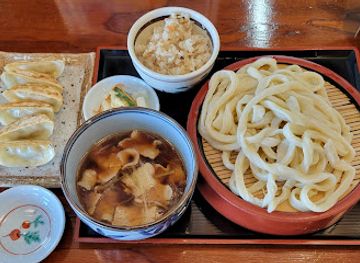
udon noodles
Inakaya
Discover the rich flavors of authentic udon noodles at Inakaya in Shimotsuke, Tochigi – A must-visit for food lovers!
-
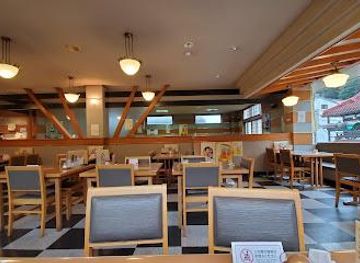
Restaurant
Asaya Resthouse
Savor Nikko's delicate yuba specialties with bridge views at this tatami-lined resthouse, blending local flavors, tradition, and convenience near Toshogu Shrine.
-
Japanese
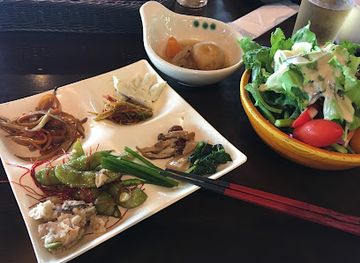
釜戸ごはん 春夏秋冬食堂 gen-ten
Savor the essence of Japan at 釜戸ごはん 春夏秋冬食堂 gen-ten with seasonal dishes crafted from local ingredients.
Best bars in Shimotsuke
Evening life in Shimotsuke is generally modest and local rather than centred on a large nightclub scene. Utsunomiya has the broadest selection of izakaya, casual bars, gyoza venues and late-opening restaurants, particularly around its central railway and entertainment areas. Nikkō and the hot-spring resorts of Nasu and Shiobara focus more on hotel dining, traditional inns, quiet bars and small restaurants than on clubs. Craft beer, sake and regional drinks can be found in specialist establishments and some contemporary eateries, while live music and seasonal events appear mainly in larger towns. In rural districts, evenings often finish early, and visitors staying in a ryokan should check meal and bathing times rather than expecting a late-night social scene. Alcohol is not essential to experiencing local culture, and respectful, low-key behaviour is appreciated in residential and accommodation areas.
-
Offal barbecue restaurant
Kurai
Discover Kurai: A must-visit offal barbecue restaurant in Tochigi, Japan, where unique flavors and authentic Japanese cuisine come together.
-
Pub
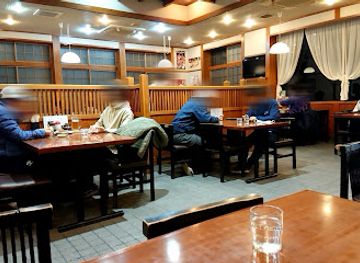
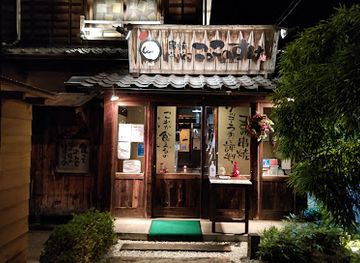
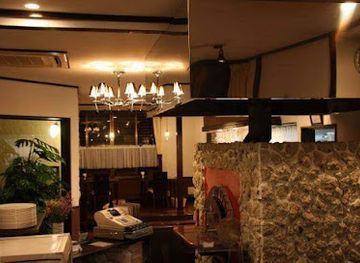
串焼だいどここっこのすけ
Experience authentic Japanese izakaya culture at Kushi Yaki Daidoko Kokkono Suke, where delicious skewers and a warm atmosphere await.
-
La Calmo
Discover authentic Italian flavors at La Calmo, a cozy restaurant in Tochigi, Japan, perfect for food lovers seeking culinary delights.
-
Pub
レザンヌ
Discover authentic French cuisine at レザンヌ in Tochigi, where every dish tells a story of culinary tradition and passion.
Best nightclubs in Shimotsuke
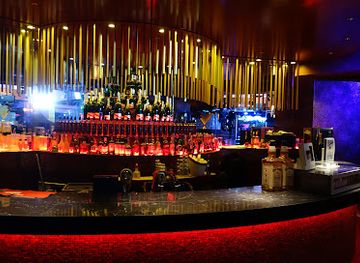
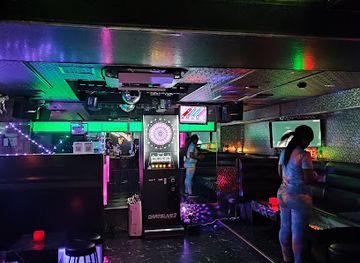
Evening life in Shimotsuke is generally modest and local rather than centred on a large nightclub scene. Utsunomiya has the broadest selection of izakaya, casual bars, gyoza venues and late-opening restaurants, particularly around its central railway and entertainment areas. Nikkō and the hot-spring resorts of Nasu and Shiobara focus more on hotel dining, traditional inns, quiet bars and small restaurants than on clubs. Craft beer, sake and regional drinks can be found in specialist establishments and some contemporary eateries, while live music and seasonal events appear mainly in larger towns. In rural districts, evenings often finish early, and visitors staying in a ryokan should check meal and bathing times rather than expecting a late-night social scene. Alcohol is not essential to experiencing local culture, and respectful, low-key behaviour is appreciated in residential and accommodation areas.
-
Night club
TK
Discover the electrifying nightlife of Tokyo at TK Nightclub, a hub of music, dance, and vibrant energy in Shibuya.
-
Dance club
Ibiza55 Lounge
Discover the vibrant nightlife of Tokyo at Ibiza55 Lounge—where electrifying beats and unforgettable memories await in the heart of Shinjuku.
-
Night club
IBEX-TOKYO アイベックス トウキョウ Hip Hop, reggae, afro Night Club
Unleash your spirit at IBEX-TOKYO, the ultimate night club for hip hop, reggae, and Afro music lovers in the vibrant Roppongi district.
-
Izakaya
URAGIN〜ウラギン〜
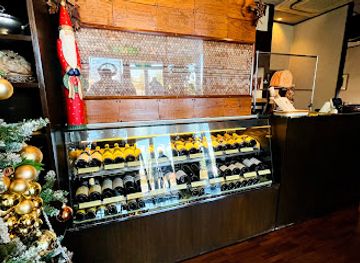
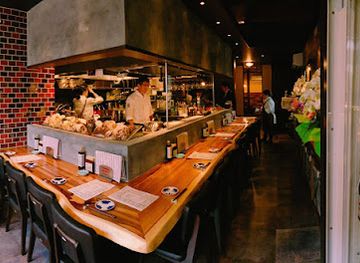
URAGIN offers a unique izakaya experience in Tochigi, featuring aged sushi and fine wines in a cozy, welcoming atmosphere.

Best shops in Shimotsuke
Shopping in Shimotsuke is strongest in market towns, craft centres and food-producing districts rather than in large luxury malls. Mashiko is the principal destination for pottery, with galleries, studios and kilns selling Mashiko ware in both traditional and contemporary forms; visitors should allow time to compare individual makers’ glazes and shapes. Nikkō offers wooden crafts, confectionery, yuba products and souvenirs connected with its religious heritage, while Utsunomiya has department stores, specialist food shops and everyday urban retail. Local farm shops and roadside markets sell strawberries, vegetables, rice products, dairy goods and preserved foods according to the season. Ashikaga and Sano provide independent shops and established town-centre retail, with Sano also known for its outlet shopping outside the historic core. When buying antiques, ceramics or religious objects, check baggage restrictions and ask the seller about safe international packing.
-
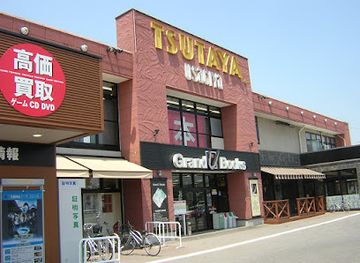
Book store
TSUTAYA Jichiidaiten
Discover a diverse selection of books, music, and games at TSUTAYA Jichiidaiten, a must-visit destination in Shimotsuke, Tochigi.
-
Home improvement store
Kanseki Koganei Shop
Explore Kanseki Koganei Shop for DIY supplies, crafts, gardening tools, and pet essentials in the heart of Shimotsuke, Tochigi.
-
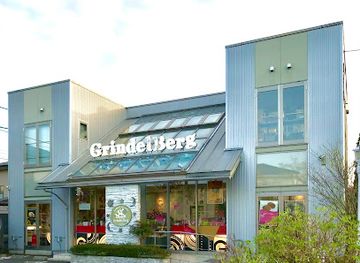
Pastries
Grindelberg Jichiidai
Discover the culinary charm of Grindelberg Jichiidai, a must-visit pastry haven in Tochigi for dessert lovers and travelers alike.
-
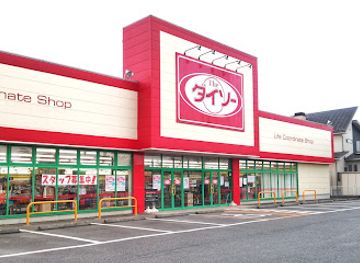
Dollar store
DAISO
Explore DAIOS Dollar Store in Shimotsuke for an affordable shopping experience with a delightful mix of Japanese products and everyday essentials.
Get your free copy of our complete guide to Shimotsuke, delivered straight to you.
Everything on this page, from attractions and restaurants to essentials and local phrases, in one PDF you can read offline, print or share.
Already have an account? Sign in
Your Shimotsuke guide is ready.
We'll send it to · Not you? Sign out

Getting your guide ready…
We are putting together a fresh copy of the Shimotsuke guide. This can take up to a minute.
This can take a few moments. If your browser asks, choose Allow so the download can start. You'll find the guide in your Downloads folder.
Nothing happened? Download it again
Sorry, the guide is taking longer than usual. Please try again in a minute, or get it by email instead.
Shimotsuke essentials
Currency and Payment
Safety
Emergency Situations
Do's and Don'ts
Local Tips
From Eve
Local phrases worth knowing
You don't need to get them perfect. A few words go a long way, and locals appreciate the effort.
Basics
| English | Local | Say it |
|---|---|---|
| Hello | こんにちは | [Konnichiwa] |
| Goodbye | さようなら | [Sayōnara] |
| Yes | はい | [Hai] |
| No | いいえ | [Iie] |
| Please/You're welcome | どうぞ | [Dōzo] |
| Thank you | ありがとう | [Arigatou] |
| Excuse me/Sorry | すみません | [Sumimasen] |
| How are you? | お元気ですか? | [Ogenki desu ka?] |
| Fine. And you? | 元気です。あなたは? | [Genki desu. Anata wa?] |
| Do you speak English? | 英語を話せますか? | [Eigo o hanasemasu ka?] |
| I don't understand | わかりません | [Wakarimasen] |
Eating & Drinking
| English | Local | Say it |
|---|---|---|
| I'd like to see the menu, please | メニューを見せてください | [Menyū o misete kudasai] |
| I don't eat meat | 肉は食べません | [Niku wa tabemasen] |
| Cheers! | 乾杯! | [Kanpai!] |
| I would like to pay, please | お会計をお願いします | [Okaikei o onegaishimasu] |
Emergencies
| English | Local | Say it |
|---|---|---|
| Help! | 助けて! | [Tasukete!] |
| Go away! | どいて! | [Doite!] |
| Call the Police! | 警察を呼んで! | [Keisatsu o yonde!] |
| Call a doctor! | 医者を呼んで! | [Isha o yonde!] |
| I'm lost | 迷いました | [Mayoimashita] |
| I'm ill | 具合が悪いです | [Guai ga warui desu] |
Shopping
| English | Local | Say it |
|---|---|---|
| I'd like to buy... | …を買いたいです | [… o kaitai desu] |
| I'm just looking | 見ているだけです | [Mite iru dake desu] |
| How much is it? | これはいくらですか? | [Kore wa ikura desu ka?] |
| That's too expensive | それは高すぎます | [Sore wa takasugimasu] |
| Can you lower the price? | 値段を下げてもらえますか? | [Nedan o sagete moraemasu ka?] |
Time & Numbers
| English | Local | Say it |
|---|---|---|
| What time is it? | 今何時ですか? | [Ima nanji desu ka?] |
| It's one o'clock | 1時です | [Ichi ji desu] |
| Half past (10) | 10時半です | [Jū ji han desu] |
| Morning | 朝 | [Asa] |
| Afternoon | 午後 | [Gogo] |
| Evening | 夕方 | [Yūgata] |
| Yesterday | 昨日 | [Kinō] |
| Today | 今日 | [Kyō] |
| Tomorrow | 明日 | [Ashita] |
| 1 | 1 | [Ichi] |
| 2 | 2 | [Ni] |
| 3 | 3 | [San] |
| 4 | 4 | [Shi] |
| 5 | 5 | [Go] |
| 6 | 6 | [Roku] |
| 7 | 7 | [Nana] |
| 8 | 8 | [Hachi] |
| 9 | 9 | [Kyū] |
| 10 | 10 | [Jū] |
Transport & Directions
| English | Local | Say it |
|---|---|---|
| Where's a/the...? | どこに...がありますか? | [Doko ni ... ga arimasu ka?] |
| What's the address? | 住所は何ですか? | [Jūsho wa nan desu ka?] |
| Can you show me (on the map)? | 地図で見せてくれますか? | [Chizu de misete kuremasu ka?] |
| When's the next (bus)? | 次の(バス)はいつですか? | [Tsugi no (basu) wa itsu desu ka?] |
| A ticket (to ....) | (...への)切符 | [(... e no) kippu] |
History of Shimotsuke
Prehistoric Settlements and Burial Mounds
The area now associated with Shimotsuke has a long archaeological record, including Jōmon settlements, Yayoi agricultural communities and large Kofun-period burial mounds. The Kinugawa and Watarase river systems supported farming and movement across the Kantō plain, while the northern mountains provided timber, hunting grounds and routes towards the interior. Burial mounds and excavated remains show the growth of regional political communities before the formation of Japan’s classical state. The Oya district near Utsunomiya is also noted for its later stone resources, although its extensive quarrying history belongs to a much later period.
The Formation of Shimotsuke Province
During the ritsuryō reforms of the seventh and eighth centuries, the imperial government organised the northern Kantō into provinces, including Shimotsuke. Provincial administration, official roads and Buddhist institutions tied the region more closely to the court-centred state. Temples and shrines developed around important settlements and sacred mountains, while the broad plains became increasingly important for rice cultivation. The province’s position between the Kantō lowlands and the northern interior gave it strategic value, and traces of ancient administrative and religious activity remain an important part of Tochigi’s historical landscape.
Ashikaga and Medieval Warrior Power
Ashikaga, in southern Shimotsuke, gave its name to the Ashikaga family that became one of Japan’s most influential warrior lineages. The family’s political centre later shifted elsewhere, but Ashikaga retained an important cultural and educational association through the Ashikaga School, traditionally regarded as one of Japan’s oldest institutions of higher learning. Medieval temples, fortified settlements and networks of warrior families shaped the region, while religious estates and agricultural communities continued to develop across the province. Ashikaga’s surviving historic associations help explain the wider significance of southern Tochigi in medieval Japanese history.
Nikkō’s Sacred Landscape and Tokugawa Rule
Nikkō became a major centre of state-sponsored religious and dynastic memory after Tokugawa Ieyasu, founder of the Tokugawa shogunate, was enshrined at Nikkō Tōshō-gū in 1617. His grandson Tokugawa Iemitsu later expanded and embellished the shrine complex, creating the richly decorated architecture seen today. Rinnō-ji and Futarasan-jinja formed part of the older sacred landscape around Mount Nikkō, where Buddhist and Shintō practices had long overlapped. The resulting complex expressed Tokugawa authority and remains the region’s most internationally recognised historical legacy.
Edo Roads, Post Towns and Regional Commerce
Under the Tokugawa shogunate, roads connecting Edo with northern domains crossed Shimotsuke. The Nikkō Kaidō linked the capital with the Tokugawa mausoleum, while other routes supported movement between the Kantō plain, mountain districts and northern Japan. Post towns, river crossings and market centres benefited from travellers, officials and trade. Farming remained fundamental, but local economies also developed around forestry, food production, textiles, stone and pottery. The period’s road network helped establish the settlement patterns and commercial relationships that still shape travel through Tochigi.
Modernisation, Railways and Industrial Change
After the Meiji Restoration, Shimotsuke was incorporated into the modern prefectural system as Tochigi Prefecture. Railways connected Utsunomiya and other towns with Tokyo and northern Japan, accelerating movement of people, goods and agricultural produce. Industrial development included mining and stone quarrying, food processing and manufacturing, while Nikkō increasingly became a destination for domestic and international tourism. The Oya area’s distinctive volcanic tuff was quarried extensively and used in buildings, monuments and underground spaces. These changes shifted the region from a largely agrarian province towards a mixed industrial, service and tourism economy.
Craft, Conservation and Contemporary Tochigi
In the twentieth and twenty-first centuries, Tochigi’s identity has increasingly combined heritage conservation with regional craft, food and nature-based tourism. Mashiko pottery gained national and international recognition, particularly through the work of Hamada Shōji and the mingei, or folk-craft, movement. Nikkō’s religious monuments and surrounding natural environment received international recognition through UNESCO inscription in 1999. At the same time, rural towns have promoted strawberries, dairy farming, gyoza, ramen, hot springs and outdoor recreation. Contemporary Shimotsuke is therefore shaped by both long-established traditions and accessible links to greater Tokyo.
Shimotsuke in Photos
Browse through our photo collection highlighting the charm and character of the destination.
Neighbouring regions of Shimotsuke
The closest regions to Shimotsuke, if you have time for more than one.
-
-

-

-

-


Swipe for more regions
Explore more

Explore more of Japan
Discover the harmony of tradition and modernity in Japan, where ancient temples and cutting-edge technology coexist in perfect balance.
Explore Japan