

Sado, Japan Travel Guide
Discover the enchanting beauty and rich history of Sado Island, Japan's hidden gem with its lush landscapes, cultural heritage, and serene natural beauty.
Sado Island, nestled in the Sea of Japan, offers a mesmerizing blend of nature, history, and culture. Known for its lush landscapes, rugged coastlines, and rich cultural heritage, Sado is a hidden gem waiting to be discovered by travelers seeking a unique and serene experience. One of the island's highlights is its historical significance. Sado was once a place of exile for political dissidents and has a long history of gold mining. Visitors can explore the Sado Kinzan Gold Mine, a UNESCO World Heritage site, and learn about the island's golden past. The mine offers a fascinating glimpse into the labor-intensive gold mining process and the lives of those who worked there. Nature enthusiasts will be captivated by Sado's diverse landscapes. From the stunning Senkaku Bay with its dramatic cliffs and crystal-clear waters to the rolling rice paddies and terraced fields, the island's scenery is a feast for the eyes. The Ogi Peninsula, with its picturesque fishing villages and breathtaking views, is a must-visit for anyone looking to immerse themselves in Sado's natural beauty. Cultural experiences abound on Sado Island. The island is home to the famous Kodo Taiko drummers, who perform traditional Japanese drumming at the Kodo Village. Visitors can also enjoy the annual Earth Celebration festival, where music, dance, and cultural exchange take center stage. The island's many temples and shrines, such as the historic Seisuiji Temple, offer a tranquil retreat and a glimpse into Japan's spiritual traditions.

Know before you go
Hi, I'm Eve. Here are a few practical things to know before exploring Sado.
- Visit during the Earth Celebration festival in August to experience vibrant music and cultural performances.
- Rent a bicycle to explore the island's picturesque landscapes and coastal roads at your own pace.
- Take a guided tour of the Sado Kinzan Gold Mine to fully appreciate its historical significance.
- Try the local seafood, especially the fresh sashimi and Sado's famous oysters.
- Stay in a traditional ryokan to experience authentic Japanese hospitality and enjoy hot spring baths.
Explore Sado: Things to Do, Places to Eat, Hotels & More
Handpicked recommendations for top attractions, local dining, accommodations, and more

Top Attractions & Sightseeing in Sado
Top-rated picks
Best Attractions

Sado Kinzan (Sado gold mine)
Discover Japan's golden heritage at Sado Kinzan Gold Mine, a historic site with tunnels, museums, and stunning industrial ruins.

Site of Kitazawa Flotation Plant
Explore the historic Kitazawa Flotation Plant on Sado Island, a fascinating landmark that reveals Japan's mining history amidst stunning landscapes.

Tokinomori Park
Discover the beauty of Sado Island and witness the successful reintroduction of the Japanese Crested Ibis at Tokinomori Park.

Niigata Senbei Oukoku (Rice Cracker Kingdom)
Experience the art of senbei making, taste unique rice cracker creations, and explore the history of Japan's beloved snack at Niigata Senbei Oukoku.

Best landmarks in Sado
Top-rated picks
Best Landmarks

Sado Kinzan (Sado gold mine)
Explore the rich history of Sado Kinzan, a UNESCO World Heritage Site, where the legacy of gold mining meets stunning natural beauty.

Site of Kitazawa Flotation Plant
Discover the rich mining history at the Site of Kitazawa Flotation Plant on Sado Island, a captivating historical landmark for every tourist.

Niigata Senbei Oukoku (Rice Cracker Kingdom)
Explore Niigata Senbei Oukoku, the Rice Cracker Kingdom, for a unique culinary adventure celebrating Japan's beloved rice cracker culture.
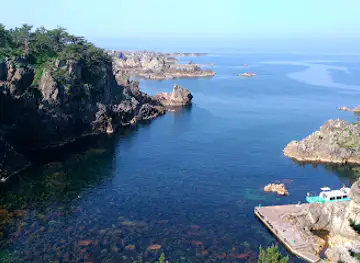
Senkakuwan Bay
Experience the serene beauty of Senkakuwan Bay, a scenic coastal gem on Sado Island, perfect for relaxation and exploration amidst nature.

Best restaurants in Sado
Top-rated picks
Best Restaurants
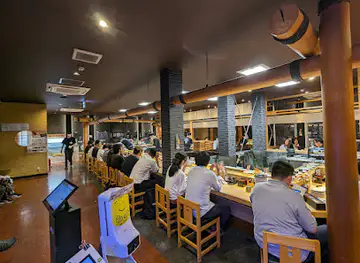
Minato Marche Pier Bandai
Discover local flavors and unique souvenirs at Minato Marche Pier Bandai - Niigata's premier market experience.

Benkei Pier Bandai
Discover the exquisite flavors of sushi at Benkei Pier Bandai in Niigata - a culinary gem with breathtaking waterfront views.

Momijitei-Hoto
Experience authentic Japanese cuisine at Momijitei-Hoto - renowned for its hoto noodles and tempura dishes amidst breathtaking Yamanashi landscapes.

Sado Kaiten Sushi Benkei Main Branch
Discover the ultimate kaiten sushi experience at Sado Kaiten Sushi Benkei with fresh ingredients and vibrant atmosphere.

Best bars in Sado
Top-rated picks
Best Bars

スナック アリス
Explore the vibrant nightlife at スナック アリス, a cozy snack bar in Sado offering drinks, entertainment, and a taste of local culture.
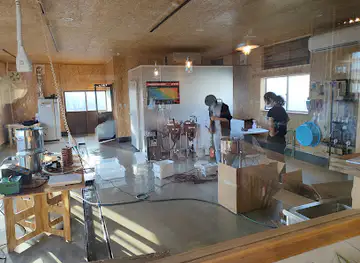
t0ki brewery トキブルワリー
Experience Sado's finest craft beer at t0ki Brewery, where tradition meets innovation in every pint.

憩カフェバー&ゲストハウス
Discover the tranquil charm of 憩カフェバー&ゲストハウス, a perfect blend of relaxation and local culture in Sado, Japan.
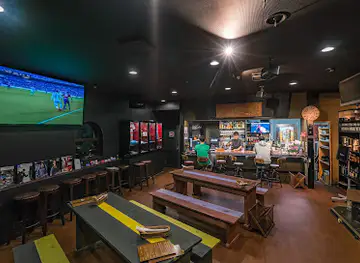
Sushika
Experience the vibrant nightlife of Sado at Sushika, a bar that combines karaoke, darts, and a friendly atmosphere for unforgettable evenings.

Best nightclubs in Sado
Top-rated picks
Best Nightclubs

KITSUNE KYOTO
Experience the ultimate nightlife at KITSUNE KYOTO, where electrifying music, vibrant dancing, and unforgettable moments await in the heart of Kyoto.

TK
Dive into the vibrant nightlife of Tokyo at TK Nightclub, where electric beats and a lively atmosphere promise an unforgettable experience.

Kujira Entertainment
Discover the allure of Tokyo's nightlife at Kujira Entertainment, a premier night club offering cocktails, desserts, and live entertainment in Kabukicho.

Ammona
Experience the vibrant nightlife of Osaka at Ammona, a premier night club where music, dancing, and unforgettable memories come alive.

Best shops in Sado
Top-rated picks
Best Shops

Sado Kinzan (Sado gold mine)
Explore Sado Kinzan, the historic gold mine of Sado Island, Japan, and uncover the rich heritage and stunning landscapes that define this unique attraction.

Sado nishimikawa gold park
Explore the rich history of gold mining and breathtaking scenery at Sado Nishimikawa Gold Park, a unique tourist attraction on Sado Island.

Onogame
Discover Onogame on Sado Island, a breathtaking hiking area featuring stunning landscapes and rich cultural heritage, perfect for outdoor enthusiasts.

Tsutaya Books Sado Sawada
Explore the cultural treasure of Tsutaya Books Sado Sawada, a vibrant bookstore offering books, music, and multimedia in the heart of Sado Island.

Explore Sado on the Map
A handpicked selection of must-see spots in Sado, mapped for you.
Sado Essentials
-
Sado Island, located in the Niigata Prefecture, is accessible by ferry or jetfoil from the port city of Niigata. The Sado Kisen operates both ferries and high-speed jetfoils. The ferry ride takes approximately 2.5 hours, while the jetfoil takes about an hour. You can reach Niigata by Shinkansen (bullet train) from Tokyo in around 2 hours. Once at Niigata port, tickets for the ferry or jetfoil can be purchased on-site or online in advance.
-
Public transportation on Sado Island consists mainly of buses operated by Niigata Kotsu Sado. The bus network covers most tourist attractions, but the schedules may be infrequent. Renting a car or bicycle is highly recommended for more flexibility and to explore the island at your own pace. There are several rental agencies near the Ryotsu Port. Taxis are also available but can be expensive for long distances.
-
The official currency in Japan is the Japanese Yen (JPY). While major credit cards are accepted in bigger hotels, restaurants, and convenience stores, many smaller establishments on Sado Island prefer cash. ATMs are available, but it's advisable to bring sufficient cash, especially when visiting rural areas. Post offices and 7-Eleven stores usually have international ATMs.
-
Sado Island is generally very safe for travelers. The crime rate is low, and violent crime is rare. However, standard precautions such as not leaving your belongings unattended and avoiding poorly lit areas at night are advisable. There are no specific high-crime areas targeting tourists, but staying vigilant is always a good practice.
-
In case of an emergency, dial 110 for police and 119 for fire and medical services. English-speaking operators may be available, but having a translation app can be helpful. The main hospital on the island is Sado General Hospital located in Aikawa. Pharmacies are available for minor health issues. It's recommended to have travel insurance that covers medical emergencies.
-
Fashion: Do dress modestly, especially when visiting temples and shrines. Avoid wearing revealing clothing. Religion: Do respect local customs and traditions. Always bow slightly when entering religious sites and follow any posted guidelines. Public Transport: Do be respectful and quiet on public buses. Don't talk loudly or use your phone. Greetings: Do greet people with a slight bow or a polite nod. Handshakes are less common but acceptable. Eating & Drinking: Do try local delicacies like Sado's fresh seafood. Don't eat or drink while walking, as it is considered impolite.
-
To experience Sado like a local, visit the local markets and try fresh seafood, especially the island's famous oysters and squid. Engage with the locals, who are often welcoming and willing to share stories about the island's history and culture. Don't miss the Sado Gold Mine for a glimpse into the island's past, and take a ride on a tarai-bune (tub boat) for a unique experience. Attend local festivals such as the Earth Celebration, which features traditional Kodo drumming.
When is the best time to visit Sado?
Useful Local Phrases for Sado
You don't need to speak the language perfectly. Even learning a few simple words can make conversations warmer—and locals usually appreciate the effort.
— Eve

Here are the phrases I use most often in Sado. Try a few—you'll be surprised how far they go! 😊
❤️
-
- Helloこんにちは
[Konnichiwa] - Goodbyeさようなら
[Sayōnara] - Yesはい
[Hai] - Noいいえ
[Iie] - Please/You're welcomeどうぞ
[Dōzo] - Thank youありがとう
[Arigatou] - Excuse me/Sorryすみません
[Sumimasen] - How are you?お元気ですか?
[Ogenki desu ka?] - Fine. And you?元気です。そしてあなたは?
[Genki desu. Soshite anata wa?] - Do you speak English?英語を話せますか?
[Eigo o hanasemasu ka?] - I don't understandわかりません
[Wakarimasen]
- Helloこんにちは
-
- I'd like to see the menu, pleaseメニューを見せてください
[Menyū o misete kudasai] - I don't eat meat肉を食べません
[Niku o tabemasen] - Cheers!乾杯!
[Kanpai!] - I would like to pay, please支払いをお願いします
[Shiharai o onegaishimasu]
- I'd like to see the menu, pleaseメニューを見せてください
-
- Help!助けて!
[Tasukete!] - Go away!離れてください!
[Hanarete kudasai!] - Call the Police!警察を呼んで!
[Keisatsu o yonde!] - Call a doctor!医者を呼んで!
[Isha o yonde!] - I'm lost道に迷いました
[Michi ni mayoimashita] - I'm ill具合が悪いです
[Guai ga warui desu]
- Help!助けて!
-
- I'd like to buy...…を買いたいです
[… o kaitai desu] - I'm just looking見ているだけです
[Mite iru dake desu] - How much is it?これはいくらですか?
[Kore wa ikura desu ka?] - That's too expensiveそれは高すぎます
[Sore wa takasugimasu] - Can you lower the price?値段を下げてもらえますか?
[Nedan o sagete moraemasu ka?]
- I'd like to buy...…を買いたいです
-
- What time is it?今何時ですか?
[Ima nanji desu ka?] - It's one o'clock1時です
[Ichi-ji desu] - Half past (10)10時半です
[Jū-ji han desu] - Morning朝
[Asa] - Afternoon午後
[Gogo] - Evening夕方
[Yūgata] - Yesterday昨日
[Kinō] - Today今日
[Kyō] - Tomorrow明日
[Ashita] - 11
[Ichi] - 22
[Ni] - 33
[San] - 44
[Shi] - 55
[Go] - 66
[Roku] - 77
[Nana] - 88
[Hachi] - 99
[Kyū] - 1010
[Jū]
- What time is it?今何時ですか?
-
- Where's a/the...?…はどこですか?
[… wa doko desu ka?] - What's the address?住所は何ですか?
[Jūsho wa nan desu ka?] - Can you show me (on the map)?地図で見せてもらえますか?
[Chizu de misete moraemasu ka?] - When's the next (bus)?次の(バス)はいつですか?
[Tsugi no (basu) wa itsu desu ka?] - A ticket (to ....)(行き先)のチケット
[(Ikisaki) no chiketto]
- Where's a/the...?…はどこですか?
History of Sado
-
Sado Island has been inhabited since the Jōmon period, which dates back to around 14,000 - 300 BCE. Archaeological findings such as pottery, stone tools, and shell mounds indicate that the island was home to early hunter-gatherer societies. These ancient communities thrived through fishing, hunting, and gathering, leaving behind a rich legacy of artifacts that provide a glimpse into their daily lives.
-
In the Heian period (794-1185), Sado Island gained notoriety as a place of exile for political dissidents and other individuals who fell out of favor with the ruling class. Notable exiles include Emperor Juntoku, who was sent to Sado after the Jōkyū War in the early 13th century, and the renowned Buddhist monk Nichiren, who was exiled to the island in 1271. These exiles contributed to the island's cultural and intellectual development.
-
The discovery of gold and silver on Sado Island in the early 17th century transformed its economy and significance. The Sado Kinzan Gold Mine became one of the most productive mining sites in Japan. Under the Tokugawa shogunate, the mines were operated with advanced techniques for the time, attracting workers and merchants, and contributing significantly to the shogunate's wealth. Visitors to Sado can still tour the historic mine and learn about its impact on the island's development.
-
Sado Island holds a special place in the history of Noh theater. Zeami Motokiyo, a seminal figure in Noh, was exiled to Sado in the 15th century. During his time on the island, he continued to refine and develop Noh, leaving a lasting cultural legacy. Today, Sado is known for its vibrant Noh performances, and the island hosts several Noh stages where visitors can experience this traditional Japanese art form.
-
The Meiji Restoration in 1868 marked a period of significant change for Japan, including Sado Island. The island transitioned from a feudal society to a more modern one, with improvements in infrastructure and industry. The gold mines continued to operate, but new industries such as fishing and tourism began to emerge. The Meiji era also saw the construction of schools and hospitals, contributing to the island's modernization.
-
Sado Island is renowned for its stunning natural landscapes, including rugged coastlines, pristine beaches, and lush forests. The island's unique geography has fostered a rich biodiversity, making it a haven for wildlife enthusiasts. Additionally, Sado is home to numerous cultural festivals, such as the Earth Celebration, an annual music and arts festival hosted by the world-famous Kodo Taiko drummers. These festivals celebrate the island's cultural heritage and attract visitors from around the globe.
Neighbouring Regions of Sado
The closest regions to Sado, if you have time for more than one.



Your all‑in‑one travel companion app
Explore expert travel guides, compare and book tours, experiences, hotels, and more—all from the palm of your hand. Download now for seamless trip planning wherever your wanderlust takes you.


Explore More of Japan

Looking beyond Sado? Discover Japan for broader travel guides, local hot-spots, and regional highlights.
Explore JapanSado in Photos
Browse through our photo collection highlighting the charm and character of the destination.


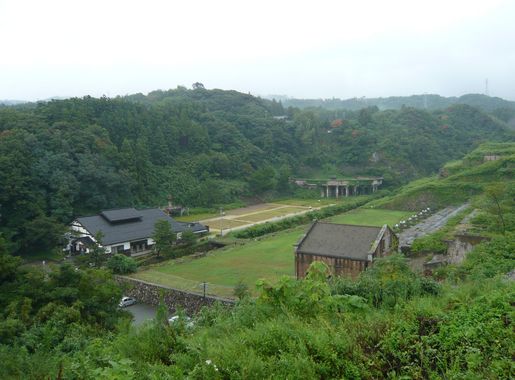


Exploring the Enchanting Isle of Sado
Sado Island, nestled in the Sea of Japan, offers a mesmerizing blend of nature, history, and culture. Known for its lush landscapes, rugged coastlines, and rich cultural heritage, Sado is a hidden gem waiting to be discovered by travelers seeking a unique and serene experience. One of the island's highlights is its historical significance. Sado was once a place of exile for political dissidents and has a long history of gold mining. Visitors can explore the Sado Kinzan Gold Mine, a UNESCO World Heritage site, and learn about the island's golden past. The mine offers a fascinating glimpse into the labor-intensive gold mining process and the lives of those who worked there. Nature enthusiasts will be captivated by Sado's diverse landscapes. From the stunning Senkaku Bay with its dramatic cliffs and crystal-clear waters to the rolling rice paddies and terraced fields, the island's scenery is a feast for the eyes. The Ogi Peninsula, with its picturesque fishing villages and breathtaking views, is a must-visit for anyone looking to immerse themselves in Sado's natural beauty. Cultural experiences abound on Sado Island. The island is home to the famous Kodo Taiko drummers, who perform traditional Japanese drumming at the Kodo Village. Visitors can also enjoy the annual Earth Celebration festival, where music, dance, and cultural exchange take center stage. The island's many temples and shrines, such as the historic Seisuiji Temple, offer a tranquil retreat and a glimpse into Japan's spiritual traditions.