

Free Harima Travel Guide & Mobile App
Explore Harima with free travel guides. Discover regional history, expert tips, proposed trips, and audio guides on web or mobile app.


Explore Harima in Hyogo for Himeji Castle, Seto Inland Sea towns, historic streets, local cuisine, temples and enduring craft traditions.
Read more about Harima
When is the best time to visit Harima?
Best: April–May, October · 18–23°C| Month | High (°C) | Rainfall (mm) |
|---|---|---|
| January | 9 | 45 |
| February | 10 | 55 |
| March | 13 | 75 |
| April (best) | 18 | 100 |
| May (best) | 23 | 120 |
| June | 27 | 170 |
| July | 31 | 220 |
| August | 32 | 200 |
| September | 28 | 170 |
| October (best) | 22 | 130 |
| November | 16 | 90 |
| December | 11 | 60 |
Getting to and around Harima
How to get there
Transportation
Best attractions in Harima
Harima’s attractions range from major architectural monuments to landscapes and working traditions spread across southern and western Hyogo. Himeji Castle is the central draw, but the full castle precinct experience includes the defensive lanes, gardens and nearby historic atmosphere. Mount Shosha’s Engyoji offers a very different visit, with temple halls distributed through mature woodland and reached by mountain transport and walking paths. In eastern Harima, Akashi’s coastal setting, museums and observatories reflect the city’s relationship with the strait and the wider Inland Sea. West of Himeji, Tatsuno combines historic streets with soy sauce and noodle traditions, while Ako offers castle remains, domain history, coastal scenery and salt-making heritage. Inland districts provide hiking, reservoirs, agricultural landscapes and craft-related visits, though access is more dispersed. Seasonal festivals, shrine grounds, river corridors and local museums add depth to an itinerary, particularly for visitors willing to move beyond the region’s best-known castle.
-
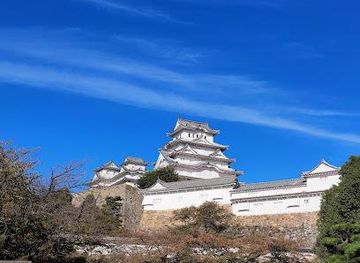
Himeji Castle
Explore the beauty and history of Himeji Castle, a UNESCO World Heritage treasure in Japan, renowned for its stunning architecture and serene gardens.
-
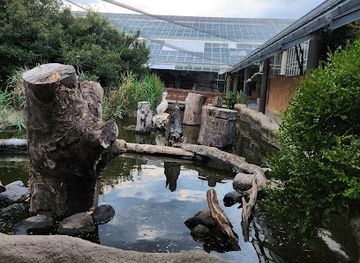
神戸どうぶつ王国(Kobe Animal Kingdom)
Explore Kobe Animal Kingdom, a captivating zoo and botanical garden where wildlife encounters and lush landscapes await every visitor.
-
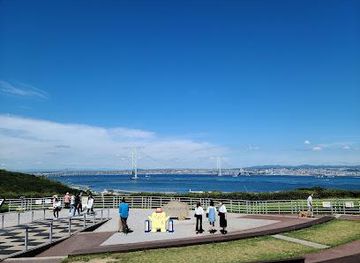
Awaji Service Area For Sumuto (down)
Discover the Awaji Service Area: your essential stop for local flavors and breathtaking views on Awaji Island.
-
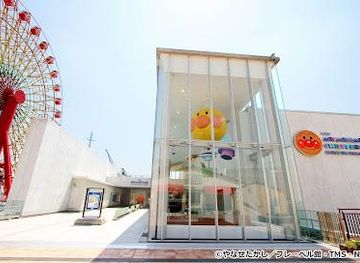
Kōbe Anpanman Children’s Museum & Mall
Explore the magical world of Anpanman at Kōbe Anpanman Children’s Museum & Mall, a delightful family-friendly attraction in Kobe, Japan.
Best landmarks in Harima
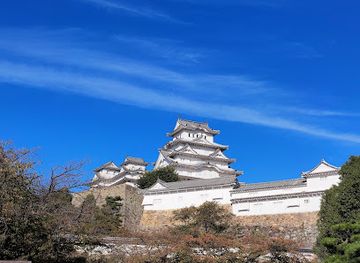
Himeji Castle is Harima’s defining landmark, its white-plastered keep and complex series of gates, walls and defensive approaches forming one of Japan’s most complete surviving feudal castle landscapes. On Mount Shosha, the halls of Engyoji establish a strong visual and spiritual contrast: timber buildings stand among wooded slopes rather than in a city precinct. Ako Castle’s surviving foundations and reconstructed elements mark the former domain associated with the Forty-seven Ronin, while Oishi Shrine reinforces that historical memory. In Tatsuno, traditional streets and buildings along the Ibo River preserve the scale of a former castle and merchant town, with the red-lacquered Tatsuno Bridge providing a recognisable local view. Akashi Castle’s remaining towers and stonework occupy a central park overlooking the city, and the Akashi Kaikyō Bridge, although its main structure lies across the strait outside Harima, is an important nearby visual reference from the eastern coast rather than a landmark within the region. Inland, the broad river plains and wooded hills are geographical landmarks that help explain Harima’s historic settlement pattern.
-
Castle
Himeji Castle
Explore Himeji Castle, Japan's best-preserved feudal castle, a UNESCO World Heritage site showcasing stunning architecture and rich history.
-
Observation deck
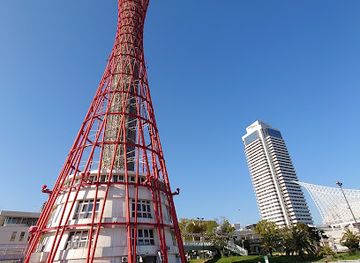
Kobe Port Tower
Iconic Kobe landmark with panoramic views of the city, harbor, and mountains, blending modern design with Japanese tradition.
-
Historical landmark
Sakuramon-bashi Bridge
Cross the Sakuramon-bashi Bridge for a scenic entrance to Himeji Castle, a UNESCO World Heritage site and Japan's iconic White Heron Castle.
-
Bridge
Shiromi Bridge
Capture stunning Himeji Castle views from this picturesque bridge, a perfect blend of history, culture, and natural beauty.

Explore Harima on the map
Plan your trip on one map. See where the top cities, national parks and sights are, and book hotels and experiences in a few clicks.
Best hotels in Harima
Best restaurants in Harima
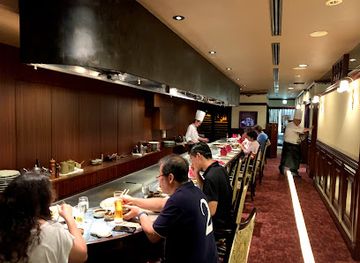
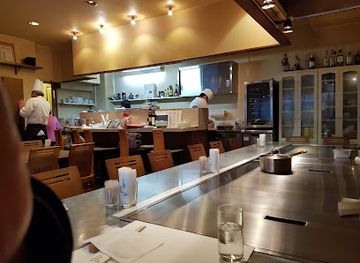
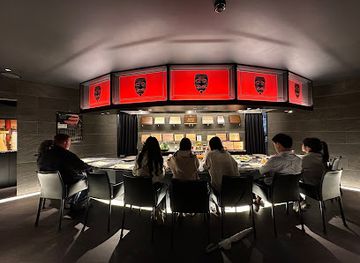
Harima’s food culture reflects both the Inland Sea and the productive plains and valleys behind it. Himeji is known for Himeji oden, in which familiar oden ingredients are commonly served with a ginger-soy accompaniment, and for the local station-dish tradition of Himeji ekisoba. Akashi is associated with Akashiyaki, soft egg-rich dumplings served with dashi, as well as seafood from the nearby coast. Tatsuno’s somen noodles and soy sauce are important regional products, while western Harima also has links with salt, oysters and other coastal produce. Menus in Himeji and the larger towns range from izakaya and noodle counters to contemporary Japanese restaurants, cafés and formal dining rooms; rural areas are more likely to centre on family-run eateries, traditional inns and farm-linked restaurants. Banshu beef, local vegetables and Harima sake may appear in seasonal menus, although availability varies by establishment. Farmers’ markets and food shops are useful for discovering packaged noodles, sauces, pickles and other regional products.
-
Teppanyaki
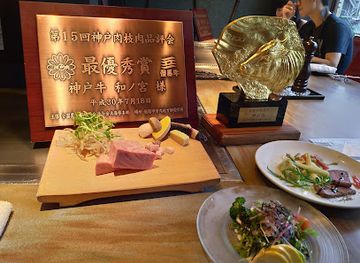
Wanomiya Kobe Beef
Experience the pinnacle of Japanese cuisine with authentic Kobe beef at Osaka's premier teppanyaki restaurant.
-
Steak
Kobe Beef Steak Restaurant Royal Mouriya
Discover the exquisite taste of authentic Kobe beef at Royal Mouriya - a must-visit teppanyaki restaurant in the heart of Kobe.
-
Japanese steakhouse
Tor Road Steak Aoyama
Discover unparalleled Kobe beef at Tor Road Steak Aoyama - where tradition meets culinary excellence in every bite.
-
Teppanyaki
Genkichi Kobe Beef
Experience the best of Japanese cuisine with exquisite teppanyaki at Genkichi Kobe Beef in the heart of Kobe.
Best bars in Harima
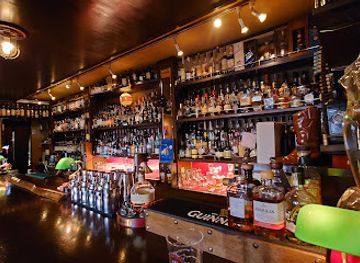
Evening life in Harima is concentrated in Himeji, Akashi and Kakogawa rather than distributed evenly across the countryside. Himeji has the broadest choice of izakaya, sake bars, casual dining rooms and small cocktail establishments, especially around the station and central shopping streets. Akashi’s maritime setting supports relaxed places serving seafood and drinks, while Kakogawa has a local after-work scene of restaurants, pubs and izakaya. Traditional drinking establishments remain more important than large nightclubs, and western or rural Harima generally becomes quiet after dinner apart from neighbourhood bars, hotel lounges and occasional live-music venues. Local breweries, sake retailers and restaurants provide alternatives to late-night entertainment, and visitors should check last-train times because rural taxi availability and public transport become limited. Drinking is not necessary to experience the region’s evening culture: illuminated castle views, night walks through town centres and a meal of local specialities can be equally characteristic.
-
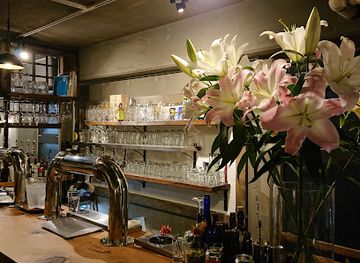
Bar
バートライベッカ
Experience the cozy atmosphere and delightful drinks at バートライベッカ, a charming bar in Kakogawa, perfect for unwinding after a day of exploration.
-
Brewpub
Milestone Brewing 東加古川醸造所
Explore the vibrant world of craft beers at Milestone Brewing, a cozy brewpub in Kakogawa, Hyogo offering unique local brews and a friendly atmosphere.
-
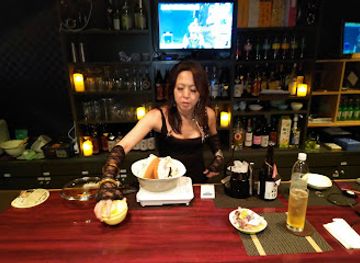
Bar
おネエBar カロリーナ
Discover the lively atmosphere and vibrant nightlife at おネエBar カロリーナ in Kakogawa, where unforgettable experiences await every visitor.
-
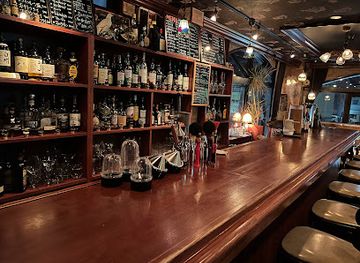
Bar
cafe bar AxeL
Discover the cozy charm of Cafe Bar AxeL in Kakogawa, where delightful drinks and a welcoming atmosphere await your visit.
Best nightclubs in Harima
Evening life in Harima is concentrated in Himeji, Akashi and Kakogawa rather than distributed evenly across the countryside. Himeji has the broadest choice of izakaya, sake bars, casual dining rooms and small cocktail establishments, especially around the station and central shopping streets. Akashi’s maritime setting supports relaxed places serving seafood and drinks, while Kakogawa has a local after-work scene of restaurants, pubs and izakaya. Traditional drinking establishments remain more important than large nightclubs, and western or rural Harima generally becomes quiet after dinner apart from neighbourhood bars, hotel lounges and occasional live-music venues. Local breweries, sake retailers and restaurants provide alternatives to late-night entertainment, and visitors should check last-train times because rural taxi availability and public transport become limited. Drinking is not necessary to experience the region’s evening culture: illuminated castle views, night walks through town centres and a meal of local specialities can be equally characteristic.
-
Night club
KITSUNE KYOTO
Experience the vibrant nightlife of Kyoto at KITSUNE KYOTO, where music, dance, and culture unite for an unforgettable evening.
-
Night club
TK
Discover the electrifying atmosphere of TK Night Club in Shibuya, where the heart of Tokyo's nightlife beats strong.
-
Night club
Ammona
Dive into the energetic nightlife of Osaka at Ammona, where dance, music, and vibrant culture collide for an unforgettable experience.
-
Night club
V2 TOKYO
Discover the electrifying nightlife of V2 TOKYO, a premier nightclub in Roppongi that offers a vibrant atmosphere and unforgettable music experiences.


Best shops in Harima
Shopping in Harima is strongest in the station areas, covered arcades and traditional commercial streets of Himeji, Akashi, Kakogawa, Tatsuno and Ako. Himeji combines department-store and everyday retail with shops selling castle-themed goods, regional food and crafts, while smaller towns offer a more local selection of provisions, clothing, household goods and independent businesses. Food is among the most practical regional purchases: Tatsuno somen, soy sauce, pickles, rice products, sweets and Harima sake travel well when properly packaged. Textile products connected with Banshu織 and local craft traditions may be found through specialist shops or regional exhibitions, although production and retail are not confined to a single visitor district. Markets and farmers’ stalls are useful for seasonal fruit, vegetables and preserved foods, particularly outside the largest urban centres. Around historic sites, choose locally made goods where possible rather than relying only on generic souvenirs, and remember that smaller shops may close earlier or accept cash only.
-
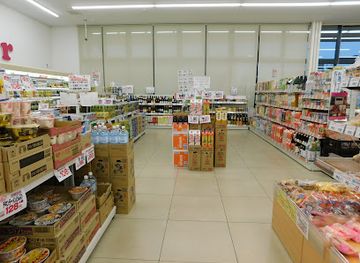
Supermarket
Maruai
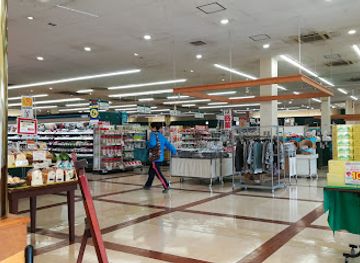
Experience local flavors and unique Japanese snacks at Maruai Supermarket in Harima, a vibrant hub for tourists seeking culinary delights.
-
Supermarket
Coop Harima
Explore Coop Harima, your go-to supermarket for fresh produce and authentic Japanese delicacies in the heart of Hyogo.
-
Bakery
Blanca Blanca
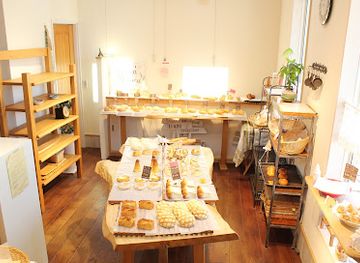
Discover Blanca Blanca, a charming bakery in Harima, Hyogo, renowned for its exquisite pastries and warm atmosphere.
-
Used clothing store
古着屋Amber
Explore unique second-hand fashion at 古着屋Amber, Harima's premier vintage clothing store, where every piece has a story.

Get your free copy of our complete guide to Harima, delivered straight to you.
Everything on this page, from attractions and restaurants to essentials and local phrases, in one PDF you can read offline, print or share.
Already have an account? Sign in
Your Harima guide is ready.
We'll send it to · Not you? Sign out

Getting your guide ready…
We are putting together a fresh copy of the Harima guide. This can take up to a minute.
This can take a few moments. If your browser asks, choose Allow so the download can start. You'll find the guide in your Downloads folder.
Nothing happened? Download it again
Sorry, the guide is taking longer than usual. Please try again in a minute, or get it by email instead.
Harima essentials
Currency and Payment
Safety
Emergency Situations
Do's and Don'ts
Local Tips
From Eve
Local phrases worth knowing
You don't need to get them perfect. A few words go a long way, and locals appreciate the effort.
Basics
| English | Local | Say it |
|---|---|---|
| Hello | こんにちは | [Konnichiwa] |
| Goodbye | さようなら | [Sayōnara] |
| Yes | はい | [Hai] |
| No | いいえ | [Iie] |
| Please/You're welcome | お願いします/どういたしまして | [Onegaishimasu/Dōitashimashite] |
| Thank you | ありがとう | [Arigatou] |
| Excuse me/Sorry | すみません | [Sumimasen] |
| How are you? | お元気ですか? | [Ogenki desu ka?] |
| Fine. And you? | 元気です。あなたは? | [Genki desu. Anata wa?] |
| Do you speak English? | 英語を話せますか? | [Eigo o hanasemasu ka?] |
| I don't understand | わかりません | [Wakarimasen] |
Eating & Drinking
| English | Local | Say it |
|---|---|---|
| I'd like to see the menu, please | メニューを見せてください | [Menyū o misete kudasai] |
| I don't eat meat | 肉は食べません | [Niku wa tabemasen] |
| Cheers! | 乾杯! | [Kanpai!] |
| I would like to pay, please | お会計をお願いします | [Okaikei o onegaishimasu] |
Emergencies
| English | Local | Say it |
|---|---|---|
| Help! | 助けて! | [Tasukete!] |
| Go away! | どいて! | [Doite!] |
| Call the Police! | 警察を呼んで! | [Keisatsu o yonde!] |
| Call a doctor! | 医者を呼んで! | [Isha o yonde!] |
| I'm lost | 道に迷いました | [Michi ni mayoimashita] |
| I'm ill | 具合が悪いです | [Guai ga warui desu] |
Shopping
| English | Local | Say it |
|---|---|---|
| I'd like to buy... | これを買いたいです... | [Kore o kaitai desu...] |
| I'm just looking | 見ているだけです | [Mite iru dake desu] |
| How much is it? | おいくらですか? | [Oikura desu ka?] |
| That's too expensive | それは高すぎます | [Sore wa takasugimasu] |
| Can you lower the price? | 値段を下げてもらえますか? | [Nedan o sagete moraemasu ka?] |
Time & Numbers
| English | Local | Say it |
|---|---|---|
| What time is it? | 今何時ですか? | [Ima nanji desu ka?] |
| It's one o'clock | 1時です | [Ichi-ji desu] |
| Half past (10) | 10時半です | [Jū-ji han desu] |
| Morning | 朝 | [Asa] |
| Afternoon | 午後 | [Gogo] |
| Evening | 夕方 | [Yūgata] |
| Yesterday | 昨日 | [Kinō] |
| Today | 今日 | [Kyō] |
| Tomorrow | 明日 | [Ashita] |
| 1 | 1 | [Ichi] |
| 2 | 2 | [Ni] |
| 3 | 3 | [San] |
| 4 | 4 | [Shi] |
| 5 | 5 | [Go] |
| 6 | 6 | [Roku] |
| 7 | 7 | [Nana] |
| 8 | 8 | [Hachi] |
| 9 | 9 | [Kyū] |
| 10 | 10 | [Jū] |
Transport & Directions
| English | Local | Say it |
|---|---|---|
| Where's a/the...? | どこに...がありますか? | [Doko ni... ga arimasu ka?] |
| What's the address? | 住所は何ですか? | [Jūsho wa nan desu ka?] |
| Can you show me (on the map)? | 地図で見せてもらえますか? | [Chizu de misete moraemasu ka?] |
| When's the next (bus)? | 次の(バス)はいつですか? | [Tsugi no (basu) wa itsu desu ka?] |
| A ticket (to ....) | (...)までのチケット | [(...) made no chiketto] |
History of Harima
Ancient Harima and the Harima Fudoki
Harima was one of Japan’s ancient provinces, occupying much of what is now southern and western Hyogo Prefecture. Its landscape, settlements, myths and place names were recorded in the Harima Fudoki, an early eighth-century provincial report and one of the surviving Fudoki texts. The account offers evidence of rice cultivation, local communities, waterways, sacred places and the political process by which the central court incorporated western Japan. Archaeological remains, including burial mounds and settlement sites across the Harima plain, add material evidence of social change before and during the formation of the early Japanese state.
The Inland Sea and Medieval Trade
Harima’s position on the Seto Inland Sea and along routes linking the Kinai region with western Japan encouraged trade, transport and religious movement. River valleys such as those of the Kako and Ibo connected the coast with inland settlements, while ports handled salt, grain, timber and other goods. Buddhist institutions and fortified sites grew in importance during the medieval period. Mount Shosha, west of Himeji, became a major religious centre through Engyoji, whose buildings and mountain setting still express the influence of pilgrimage networks that crossed the region.
Himeji Castle and the Early Edo Order
Himeji Castle developed from a medieval fortification into the great castle complex visible today, particularly under Ikeda Terumasa, who received Himeji after the establishment of Tokugawa rule and carried out major rebuilding in the early seventeenth century. Its walls, gates, baileys and white plastered keep formed both a military system and a statement of authority. During the Edo period, Himeji became the seat of successive feudal lords, while castle towns and post stations across Harima supported administration, commerce and travel along the western routes.
Ako and the Forty-seven Ronin
Ako is closely associated with the 1701–03 incident involving Asano Naganori, lord of Ako, and the later revenge of his former retainers. After Asano was compelled to commit ritual suicide following an attack on a senior official, forty-seven former retainers eventually avenged him at Edo and were themselves condemned. The episode became a lasting subject of Japanese theatre, literature and popular memory. Ako Castle, the former domain town and Oishi Shrine preserve the local connection, although the later cultural legend is broader than the historical events themselves.
Salt, Soy Sauce and Regional Production
The Harima coast supported salt production through the cultivation and processing of seawater, an important activity in the economy of the Inland Sea. Inland agriculture and river transport helped supply food-producing and commercial towns. In Tatsuno, soy sauce making became particularly significant, with local producers benefiting from established food-processing knowledge and access to transport routes. These industries developed alongside other practical crafts rather than replacing them, helping to shape the culinary and commercial identity still associated with western Harima.
Textiles and Industrial Harima
From the late nineteenth century onwards, Harima combined older commercial traditions with modern factories, railways and mechanised production. Nishiwaki and nearby parts of the region became strongly associated with Banshu織, a cotton textile tradition whose development was supported by local cotton cultivation, water power, merchant networks and later industrial technology. Himeji and the coastal cities also acquired engineering, metalworking, chemical and port-related industries. The result was a region in which textile towns, agricultural plains and industrial waterfronts developed alongside historic castle and temple communities.
Post-war Urban and Coastal Transformation
After 1945, rapid economic growth changed Harima’s settlement pattern. Himeji expanded as a regional commercial and manufacturing centre, while Akashi, Kakogawa and the coastal belt became increasingly connected to the wider Osaka–Kobe economic area. Steel, engineering, food processing and other industries altered sections of the shoreline, while improved railways and roads made commuting and tourism easier. At the same time, castle restoration, historic-town conservation, traditional food production and cultural tourism created new ways to maintain and interpret Harima’s older landscapes.
Harima in Photos
Browse through our photo collection highlighting the charm and character of the destination.
Neighbouring regions of Harima
The closest regions to Harima, if you have time for more than one.
-

-

-

-

-



Swipe for more regions
Explore more

Explore more of Japan
Discover the harmony of tradition and modernity in Japan, where ancient temples and cutting-edge technology coexist in perfect balance.
Explore Japan