Hiroshima Castle, Hiroshima Countryside Travel Guide
Explore Hiroshima Castle, a symbol of resilience, showcasing samurai culture & offering panoramic city views. A key landmark in Hiroshima's history.
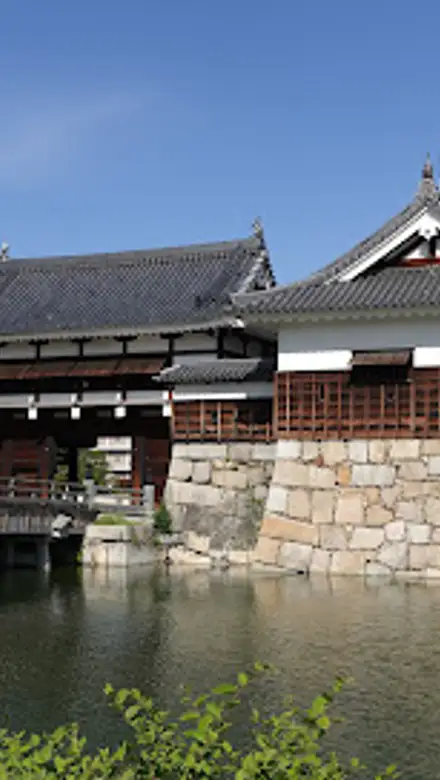
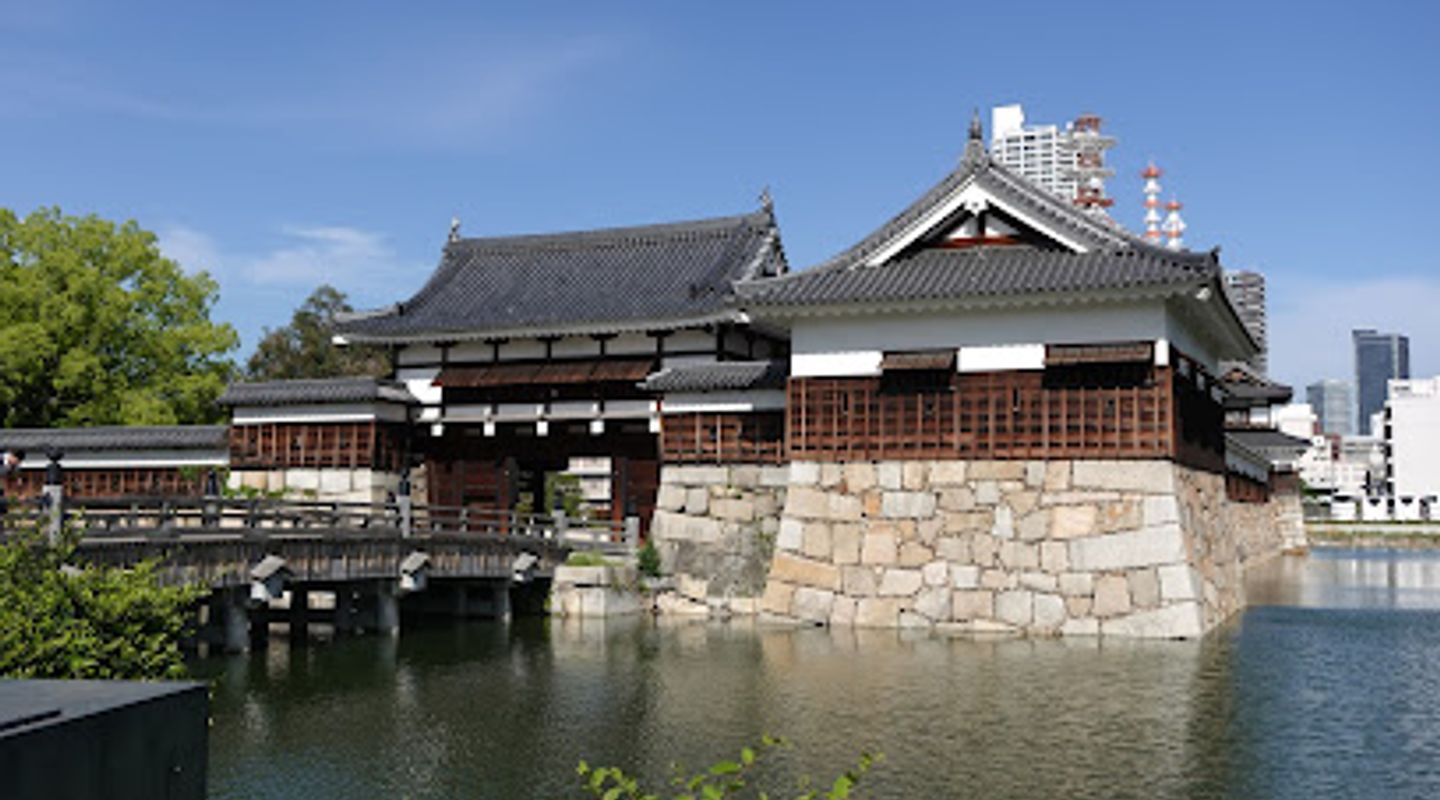
Hiroshima Castle, also known as Carp Castle, is a reconstructed landmark in Hiroshima, Japan. Originally built in the 1590s, it was destroyed by the atomic bomb in 1945 but rebuilt in 1958. Today, it serves as a museum showcasing Hiroshima's history and samurai culture.
A brief summary to Hiroshima Castle
- 21-1 Motomachi, Hiroshima, Motomachi, Naka Ward, Hiroshima, 730-0011, JP
- Click to display
- Click to display
- Monday 9 am-6 pm
- Tuesday 9 am-6 pm
- Wednesday 9 am-6 pm
- Thursday 9 am-6 pm
- Friday 9 am-6 pm
- Saturday 9 am-6 pm
- Sunday 9 am-6 pm

Know before you go
Hi, I'm Eve. Here are a few practical things to know before exploring Hiroshima Castle.
- Visit the main keep museum to learn about the castle's history and see samurai armor and weaponry.
- Explore the Ninomaru (second circle of defense) to see reconstructed gates and turrets.
- Take a walk around the castle grounds to enjoy the moat and surrounding park.
- Combine your visit with nearby attractions like the Peace Memorial Park and Shukkei-en Garden.
Do you manage this location?
Take control to get all the benefits, like improved information, better appearance, and stronger visibility across AI-powered discovery. Learn more about listing your business on Evendo
Activate your presenceOther nearby places you may find interesting
The closest places of the same kind, if this one is not quite what you had in mind.

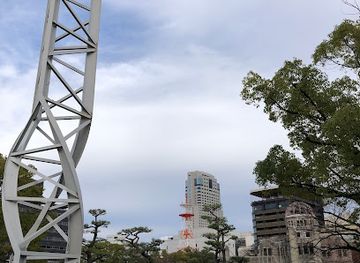

Explore Hiroshima Castle on the Map
A handpicked selection of must-see spots near Hiroshima Castle, mapped for you.
Unlock the Best of Hiroshima Castle
Buy tickets
-
No tickets available
Book tours with entry


Getting There
-
Public Transport
From Hiroshima Station, take the Hiroshima Electric Railway (Hiroden) tram lines 1, 2, or 6 to Kamiyacho-nishi or Kamiyacho-higashi stop. The ride takes about 12 minutes and costs ¥240. From either tram stop, it's a 10-minute walk north to Hiroshima Castle. Alternatively, take the Hiroshima Sightseeing Loop Bus (Meipuru-pu) from Hiroshima Station. The ride takes about 6 minutes. The fare is ¥220.
-
Walking
From the Peace Memorial Park, it is approximately a 15-minute walk to Hiroshima Castle. Head north, following the main roads, and you'll see signs directing you to the castle. From Shukkei-en Garden, it's about a 10-minute walk.
Discover more about Hiroshima Castle













Your all‑in‑one travel companion app
Explore expert travel guides, compare and book tours, experiences, hotels, and more—all from the palm of your hand. Download now for seamless trip planning wherever your wanderlust takes you.


Explore More of Hiroshima Countryside
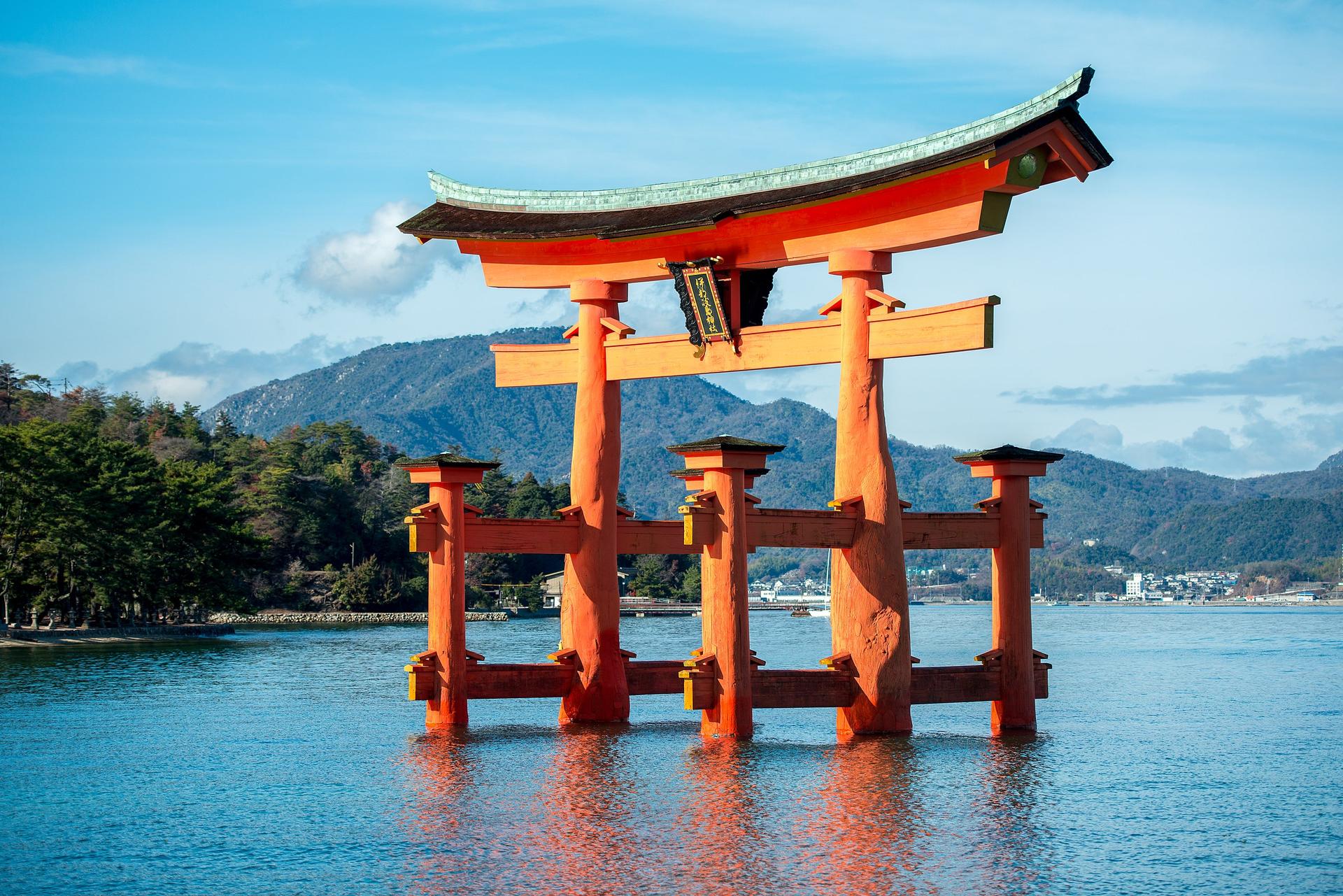
Looking beyond Hiroshima Castle? Discover Hiroshima Countryside for broader travel guides, local hot-spots, and regional highlights.
Explore Hiroshima Countryside
Experience tranquility in Hiroshima's Shukkei-en Garden, a meticulously restored Japanese landscape showcasing miniature mountains, valleys, and historic charm.
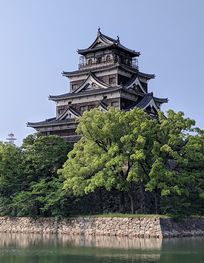
Explore the remains of Hiroshima Castle's Eastern Small Tower, a window into the past and a symbol of resilience in Hiroshima's city center.