Fugoppe Cave Travel Guide
Free Guide: Explore ancient mysteries at Fugoppe Cave in Yoichi, Hokkaido, home to intriguing petroglyphs from Japan's Jōmon period.


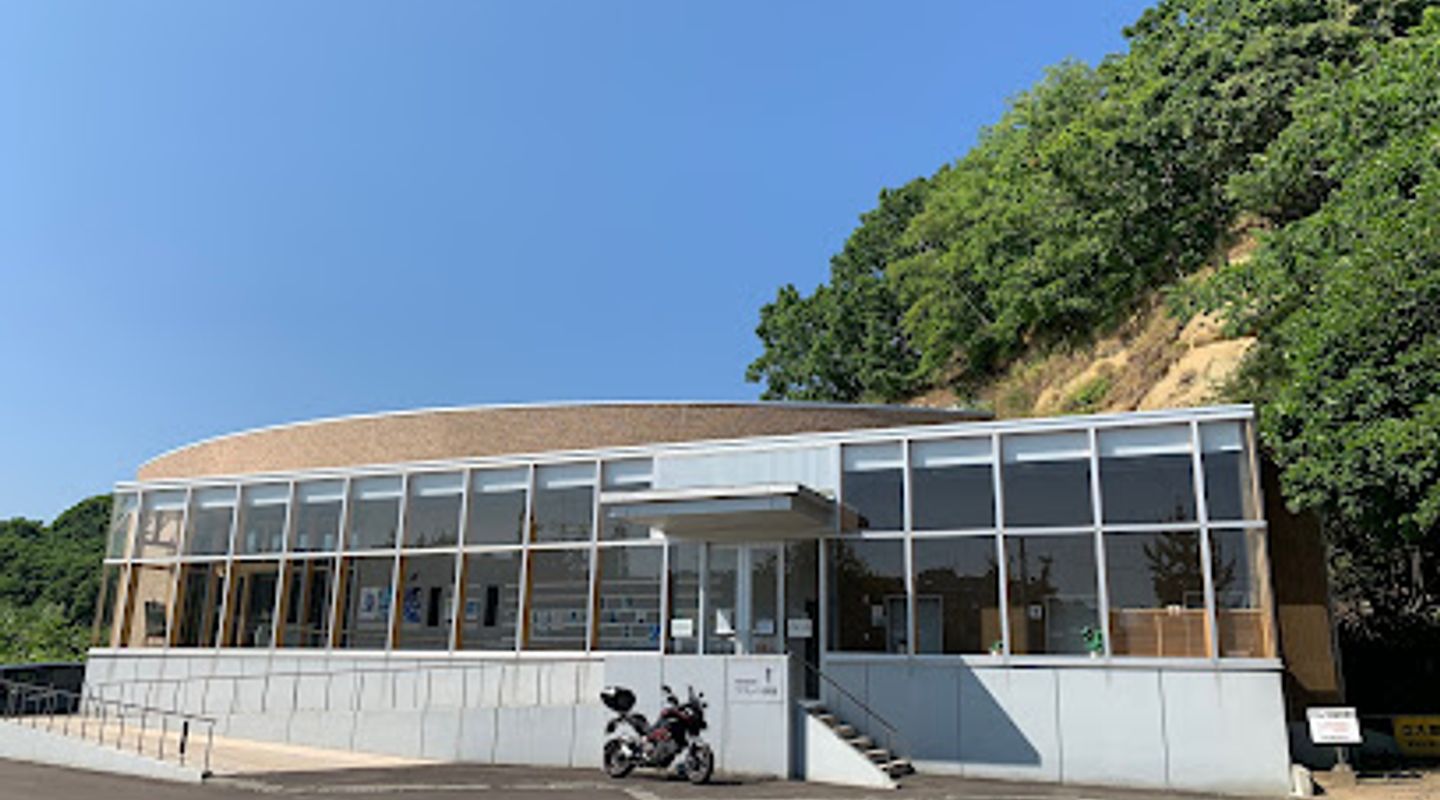
A brief summary of Fugoppe Cave
Explore ancient mysteries at Fugoppe Cave in Yoichi, Hokkaido, home to intriguing petroglyphs from Japan's Jōmon period.
Fugoppe Cave in Yoichi, Hokkaido, is an archaeological site featuring petroglyphs dating back 2,000 years. The cave contains over 800 carvings, including human figures, animals, and enigmatic symbols, offering a glimpse into the island's ancient past.
Opening hours
- MonClosed
- Tue9 am–4:30 pm
- Wed9 am–4:30 pm
- Thu9 am–4:30 pm
- Fri9 am–4:30 pm
- Sat9 am–4:30 pm
- Sun9 am–4:30 pm
Opening hours as listed on the venue’s Google Business Profile. Hours can change for services and special events, so check with the venue before you go.
- Address
- 87 Sakaemachi, Yoichi, Yoichi District, Hokkaido 046-0001
- Phone
- Website
Getting there
Bus
Taxi
Walking
Discover more about Fugoppe Cave
Overview
Fugoppe Cave, located in Yoichi, Hokkaido, is a significant archaeological site that provides a window into the island's ancient Jōmon and Epi-Jōmon cultures. Discovered in 1950, the cave is adorned with over 800 petroglyphs, dating back approximately 2,000 years. These carvings depict a variety of figures, including human-like forms (some with wings or horns), animals, boats, and mysterious symbols, sparking debate about their origins and meaning.The cave itself is relatively small, about 7 meters deep, formed from soft hyaloclastite, which allowed for the carvings. The site is now protected within a museum-like structure to preserve the delicate petroglyphs from the elements. Inside, visitors can view the engravings in a controlled environment, enhancing their visibility and ensuring their long-term survival.Fugoppe Cave is one of only two sites in Japan with rock carvings on the cave walls, the other being Temiya Cave in Otaru. The site has been designated as a National Historic Site. The carvings bear similarities to petroglyphs found in Northeast Asia, suggesting possible cultural connections. Various theories exist regarding the creators of the carvings, ranging from ancient Ainu inhabitants to influences from mainland Asia. The artifacts unearthed at Fugoppe Cave, including pottery and bone tools, provide additional insights into the lives and practices of the people who created the petroglyphs.
Evendo Review Centre
 Google
Guest reviews
Explore Fugoppe Cave on the map
A handpicked selection of must-see spots near Fugoppe Cave, mapped for you.
Get your free copy of our complete guide to Fugoppe Cave, delivered straight to you.
Everything on this page, from opening hours and how to get there to Eve’s tips and the best time to go, in one PDF you can read offline, print or share.
Already have an account? Sign in
Your Fugoppe Cave guide is ready.
We'll send it to · Not you? Sign out

Getting your guide ready…
We are putting together a fresh copy of the Fugoppe Cave guide. This can take up to a minute.
This can take a few moments. If your browser asks, choose Allow so the download can start. You'll find the guide in your Downloads folder.
Nothing happened? Download it again
Sorry, the guide is taking longer than usual. Please try again in a minute, or get it by email instead.
Unlock the best of Fugoppe Cave
Skip-the-line tickets, guided tours with entry, and walking tours of the area, booked in a few clicks.

Other nearby places you may find interesting
The closest places of the same kind, if this one is not quite what you had in mind.
-

-
-
-
-


Swipe for more places
More to explore near Fugoppe Cave

 Best experiences near Fugoppe Cave
 Best hotels near Fugoppe Cave
 Best landmarks near Fugoppe Cave
 Best attractions near Fugoppe Cave
 Best shops near Fugoppe Cave
 Best restaurants near Fugoppe Cave
 Best bars near Fugoppe Cave
Do you manage this location?
Take control to get all the benefits, like improved information, better appearance, and stronger visibility across AI-powered discovery.
Explore more
Explore more of Hokkaido
Discover the natural beauty and cultural richness of Hokkaido, Japan's northernmost island, famed for its seasonal wonders, culinary delights, and outdoor adventures.
Explore Hokkaido
Explore more of Japan
Discover the harmony of tradition and modernity in Japan, where ancient temples and cutting-edge technology coexist in perfect balance.
Explore Japan