

Free Ise Travel Guide & Mobile App
Explore Ise with free travel guides. Discover regional history, expert tips, proposed trips, and audio guides on web or mobile app.


Ise combines Japan’s most revered Shinto shrines with pilgrimage streets, coastal scenery, traditional food and the sacred Wedded Rocks of Futami.
Read more about Ise
When is the best time to visit Ise?
Best: April–May, October · 20–24°C| Month | High (°C) | Rainfall (mm) |
|---|---|---|
| January | 10 | 70 |
| February | 11 | 80 |
| March | 15 | 120 |
| April (best) | 20 | 130 |
| May (best) | 24 | 150 |
| June | 27 | 200 |
| July | 31 | 250 |
| August | 32 | 220 |
| September | 29 | 180 |
| October (best) | 23 | 140 |
| November | 18 | 110 |
| December | 12 | 80 |
Getting to and around Ise
How to get there
Transportation
Destinations in Ise
Resorts, valleys and scenic spots worth a trip of their own.
-

-
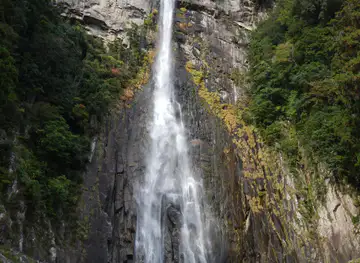


Swipe for more destinations
Best attractions in Ise
Ise’s attractions are organised around pilgrimage, sacred woodland and the coast rather than around a dense collection of conventional museums. Ise Jingū is the central experience, with Gekū and Naikū offering contrasting settings, formal ritual spaces and carefully maintained timber architecture. The approach to Naikū through Oharai-machi and Okage Yokochō combines historic-style streets with food, crafts and explanations of pilgrimage culture. Near the coast, Futami Okitama Shrine and the Meoto Iwa provide a maritime and mythological counterpoint to the inland shrine forests. The Isuzu River and its surrounding paths add opportunities for quiet walking, while the Ise-Shima region beyond the city offers further coastal landscapes but should be treated as a separate excursion. In central Ise, the Kawasaki district preserves traces of the merchant town that supplied pilgrims and shrine communities. Visitors interested in craftsmanship, religious history and local life can complement shrine visits with small museums and cultural facilities, while families may prefer the food stalls, confectionery shops and open spaces around the main approaches. The attraction landscape is strongest when experienced at a measured pace, allowing the active religious character of the shrines to remain as important as the buildings themselves.
-
Tourist attraction
Kotai Jingu (Ise Jingu Naiku, Inner Sanctuary)
Experience the spiritual heart of Japan at Kotai Jingu, a serene Shinto shrine surrounded by nature's beauty and rich cultural heritage.
-
Tourist attraction
Okage Yokocho
Discover the enchanting Okage Yokocho in Ise, where traditional Japan comes alive with delightful shops, authentic cuisine, and rich cultural heritage.
-
 Tourist attraction
Toyouke Daijingu (Ise Jingu Geku, Outer Sanctuary)
Experience the spiritual serenity of Toyouke Daijingu, a historic Shinto shrine in Ise, Japan, surrounded by nature's beauty and rich traditions.
-
Tourist attraction
Futamiokitama Shrine
Discover the tranquil beauty and spiritual essence of Futamiokitama Shrine in Ise, a must-visit destination for every tourist exploring Japan.


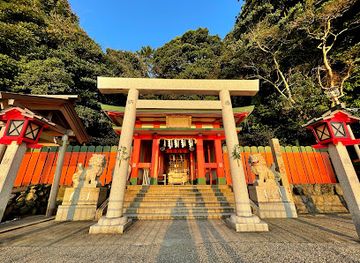
Best landmarks in Ise
Ise Jingū is Japan’s defining sacred landmark and the principal physical symbol of the city. Gekū, the Outer Shrine, stands within a spacious wooded precinct dedicated to Toyouke Ōmikami, while Naikū, the Inner Shrine, is reached across the Uji Bridge and a ceremonial approach through forest. Their restrained timber buildings, prescribed layouts and recurring rebuilding tradition express a form of architecture in which renewal is as important as age. The Uji Bridge itself marks the transition from the ordinary city to Naikū’s sacred grounds, although it is also a busy working route for worshippers and visitors. In Futami, the Meoto Iwa are immediately recognisable natural landmarks joined by a sacred rope and associated with Shinto creation symbolism. Futami Okitama Shrine provides their ritual setting. The Isuzu River and its wooded banks form another important element of Ise’s visual identity, linking the city’s sacred centre with its surrounding landscape. Around Kawasaki, historic waterways and merchant buildings recall the commercial infrastructure that once supported pilgrimage, offering a less monumental but valuable architectural reminder of Ise as a town shaped by travellers.
-
Shinto shrine
Fushimi Inari Taisha
Explore Kyoto's iconic Fushimi Inari Taisha: a mesmerizing mountain path winding through thousands of vibrant vermilion torii gates.
-
Observation deck
Tokyo Tower
Experience classic Tokyo from this iconic tower, offering panoramic city views, entertainment, and a taste of Japan's vibrant culture.
-
Buddhist temple
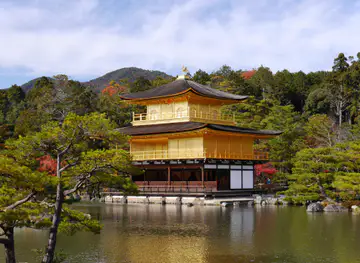
Kinkaku-ji
Experience the serene beauty of Kyoto's Golden Pavilion, a UNESCO World Heritage Site and iconic Zen Buddhist temple reflecting centuries of history and culture.
-
Shinto shrine
Kotai Jingu (Ise Jingu Naiku, Inner Sanctuary)
Discover Kotai Jingu, Japan's most sacred Shinto shrine, dedicated to the sun goddess Amaterasu, in the serene heart of Ise.


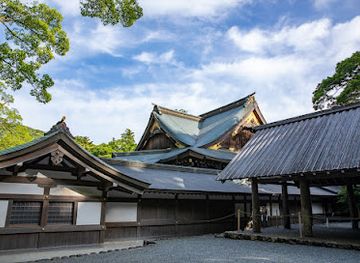
Explore Ise on the map
Plan your trip on one map. See where the top cities, national parks and sights are, and book hotels and experiences in a few clicks.
Best hotels in Ise
Best restaurants in Ise
Ise’s food culture is closely connected with pilgrimage and the practical needs of travellers. Ise udon, served with notably soft noodles and a dark, flavourful sauce, is the city’s best-known savoury speciality and is widely available in restaurants near the shrine approaches. Sweet shops and cafés sell akafuku, a confection of red bean paste over mochi that has long been associated with Ise pilgrimage, alongside other seasonal Japanese sweets. The Oharai-machi and Okage Yokochō area is convenient for sampling grilled foods, seafood, rice dishes and small regional snacks, though its busiest venues can attract queues. Traditional tea houses, casual noodle shops, family restaurants and modern cafés provide more varied options around Iseshi and Ujiyamada. Fresh seafood reflects Ise’s proximity to Ise Bay and the wider Mie coast, while local shops also make useful stops for packaged gifts. Dining is generally informal and compact, with many visitors choosing several small tastings during the day rather than one extended meal.
-
Sushi
Sushikyu
Discover the essence of Japanese cuisine at Sushikyu in Ise – where fresh sushi and grilled eel come together in perfect harmony.
-
Japanese
Ebiya large cafeteria / Ebiya shop
Discover Ebiya in Ise: Experience Authentic Japanese Cuisine with Local Flavors and Fresh Ingredients.
-
Japanese
Toufuya
Discover the authentic taste of Japan at Toufuya - where handmade tofu meets traditional culinary artistry in Ise.
-
Japanese
Butasute Gekumaeten
Experience authentic Japanese cuisine at Butasute Gekumaeten in Ise, where traditional flavors meet modern dining.


Best bars in Ise
Ise’s evening scene is modest and closely tied to its role as a pilgrimage city. Around Iseshi and Ujiyamada stations, visitors can find izakaya, small bars, casual restaurants and establishments serving local sake or beer, while the historic districts are more subdued after daytime visitor activity ends. Traditional eateries provide opportunities to eat and talk in the Japanese style, but the city is not primarily a late-night club destination. Futami and the shrine approaches are particularly quiet in the evening, with limited options once shops and visitor facilities close. Those seeking live music or a broader selection of bars may find more choice in larger Mie or Kansai cities, but doing so involves leaving the Ise area. Advance checks are sensible for small venues, whose opening patterns can change and whose seating may be limited.
-
Brewpub
Ise Kadoya Beer
Explore the unique taste of craft beer and local cuisine at Ise Kadoya Beer, a must-visit brewpub in the scenic city of Ise, Japan.
-
Cocktail bar
Bar ENISI
Experience the vibrant cocktail culture at Bar ENISI in Ise, where every drink tells a story and every visit is memorable.
-
Bar
Nousagiya
Experience the authentic charm of Nousagiya, a cozy bar in Ise, Mie, serving unique drinks and a warm, welcoming atmosphere.
-
Wine bar
Poni Anela
Discover Ise's enchanting wine bar, Poni Anela, where every sip is a celebration of fine wines and local flavors in a cozy atmosphere.


Best nightclubs in Ise
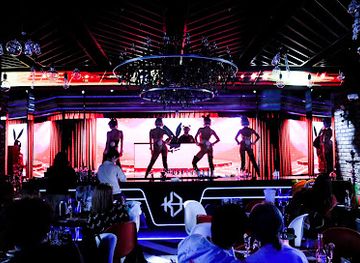
Ise’s evening scene is modest and closely tied to its role as a pilgrimage city. Around Iseshi and Ujiyamada stations, visitors can find izakaya, small bars, casual restaurants and establishments serving local sake or beer, while the historic districts are more subdued after daytime visitor activity ends. Traditional eateries provide opportunities to eat and talk in the Japanese style, but the city is not primarily a late-night club destination. Futami and the shrine approaches are particularly quiet in the evening, with limited options once shops and visitor facilities close. Those seeking live music or a broader selection of bars may find more choice in larger Mie or Kansai cities, but doing so involves leaving the Ise area. Advance checks are sensible for small venues, whose opening patterns can change and whose seating may be limited.
-
Night club
KITSUNE KYOTO
Experience the electrifying nightlife at Kitsune Kyoto, where vibrant parties and unforgettable memories await in the heart of the city.
-
Night club
TK
Discover the electrifying nightlife at TK Nightclub in Shibuya, Tokyo's premier destination for music, dancing, and unforgettable experiences.
-
Night club
Kujira Entertainment
Experience the vibrant nightlife at Kujira Entertainment in Tokyo, where cocktails, gourmet dishes, and live entertainment come together for an unforgettable evening.
-
Night club
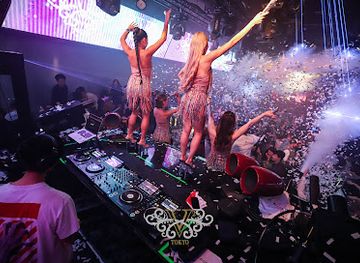
V2 TOKYO
Experience the vibrant nightlife of Tokyo at V2 Tokyo, a premier night club in Roppongi known for its electrifying atmosphere and world-class DJs.

Best shops in Ise
Shopping in Ise centres on pilgrimage streets, local food and small-scale craft rather than large commercial malls. Oharai-machi and Okage Yokochō offer the broadest concentration of confectioners, tea shops, souvenir stores, food stalls and traditional-style premises near Naikū. Regional gifts include packaged akafuku and other Japanese sweets, tea, seasonings, seafood products and locally made snacks, although travellers should check storage requirements for perishable goods. The streets around Gekū and the stations provide additional cafés, practical shops and everyday retail, while Kawasaki’s historic merchant setting is suited to slower browsing where independent businesses and cultural venues are open. Ise is also a useful place to look for Japanese craft objects and shrine-related souvenirs, but visitors should distinguish genuinely local products from nationally distributed goods. Market-style shopping is generally most rewarding in the morning and during daytime, as many small businesses close earlier than urban department stores.
-
Tourist attraction
Okage Yokocho
Experience the heart of traditional Japan at Okage Yokocho, a vibrant destination filled with unique shops, local cuisine, and rich cultural heritage.
-
Japanese confectionery shop
AKAFUKU Geku square extraordinary store
Experience the exquisite taste of traditional Japanese sweets at Akafuku Geku Square in Ise, where craftsmanship meets delightful flavor.
-
Shopping mall
Ise Meotoiwa Shopping Plaza
Discover local crafts, delicious cuisine, and cultural experiences at Ise Meotoiwa Shopping Plaza, a vibrant shopping destination in Ise, Japan.
-
Souvenir store
Ise Sekiya Honten
Discover authentic Japanese souvenirs at Ise Sekiya Honten, a charming store in the heart of Ise, offering a unique shopping experience.


Get your free copy of our complete guide to Ise, delivered straight to you.
Everything on this page, from attractions and restaurants to essentials and local phrases, in one PDF you can read offline, print or share.
Already have an account? Sign in
Your Ise guide is ready.
We'll send it to · Not you? Sign out

Getting your guide ready…
We are putting together a fresh copy of the Ise guide. This can take up to a minute.
This can take a few moments. If your browser asks, choose Allow so the download can start. You'll find the guide in your Downloads folder.
Nothing happened? Download it again
Sorry, the guide is taking longer than usual. Please try again in a minute, or get it by email instead.
Ise essentials
Currency and Payment
Safety
Emergency Situations
Do's and Don'ts
Local Tips
From Eve
Local phrases worth knowing
You don't need to get them perfect. A few words go a long way, and locals appreciate the effort.
Basics
| English | Local | Say it |
|---|---|---|
| Hello | Hello | [Hello] |
| Goodbye | Goodbye | [Goodbye] |
| Yes | Yes | [Yes] |
| No | No | [No] |
| Please/You're welcome | Please/You're welcome | [Please/You're welcome] |
| Thank you | Thank you | [Thank you] |
| Excuse me/Sorry | Excuse me/Sorry | [Excuse me/Sorry] |
| How are you? | How are you? | [How are you?] |
| Fine. And you? | Fine. And you? | [Fine. And you?] |
| Do you speak English? | Do you speak English? | [Do you speak English?] |
| I don't understand | I don't understand | [I don't understand] |
Eating & Drinking
| English | Local | Say it |
|---|---|---|
| I'd like to see the menu, please | I'd like to see the menu, please | [I'd like to see the menu, please] |
| I don't eat meat | I don't eat meat | [I don't eat meat] |
| Cheers! | Cheers! | [Cheers!] |
| I would like to pay, please | I would like to pay, please | [I would like to pay, please] |
Emergencies
| English | Local | Say it |
|---|---|---|
| Help! | Help! | [Help!] |
| Go away! | Go away! | [Go away!] |
| Call the Police! | Call the Police! | [Call the Police!] |
| Call a doctor! | Call a doctor! | [Call a doctor!] |
| I'm lost | I'm lost | [I'm lost] |
| I'm ill | I'm ill | [I'm ill] |
Shopping
| English | Local | Say it |
|---|---|---|
| I'd like to buy... | I'd like to buy... | [I'd like to buy...] |
| I'm just looking | I'm just looking | [I'm just looking] |
| How much is it? | How much is it? | [How much is it?] |
| That's too expensive | That's too expensive | [That's too expensive] |
| Can you lower the price? | Can you lower the price? | [Can you lower the price?] |
Time & Numbers
| English | Local | Say it |
|---|---|---|
| What time is it? | What time is it? | [What time is it?] |
| It's one o'clock | It's one o'clock | [It's one o'clock] |
| Half past (10) | Half past (10) | [Half past (10)] |
| Morning | Morning | [Morning] |
| Afternoon | Afternoon | [Afternoon] |
| Evening | Evening | [Evening] |
| Yesterday | Yesterday | [Yesterday] |
| Today | Today | [Today] |
| Tomorrow | Tomorrow | [Tomorrow] |
| 1 | 1 | [1] |
| 2 | 2 | [2] |
| 3 | 3 | [3] |
| 4 | 4 | [4] |
| 5 | 5 | [5] |
| 6 | 6 | [6] |
| 7 | 7 | [7] |
| 8 | 8 | [8] |
| 9 | 9 | [9] |
| 10 | 10 | [10] |
Transport & Directions
| English | Local | Say it |
|---|---|---|
| Where's a/the...? | Where's a/the...? | [Where's a/the...?] |
| What's the address? | What's the address? | [What's the address?] |
| Can you show me (on the map)? | Can you show me (on the map)? | [Can you show me (on the map)?] |
| When's the next (bus)? | When's the next (bus)? | [When's the next (bus)?] |
| A ticket (to ....) | A ticket (to ....) | [A ticket (to ....)] |
History of Ise
Early Ise and the Imperial Shrine Tradition
Ise’s importance is rooted in the establishment of the imperial shrine tradition associated with Amaterasu Ōmikami, the ancestral deity of Japan’s imperial line. The Inner Shrine, or Naikū, is traditionally said to have been established in the late first millennium BCE, although the details belong partly to sacred tradition rather than securely documented history. The Outer Shrine, Gekū, was established later and is dedicated to Toyouke Ōmikami, a deity connected with food and sustenance. Together, the two shrines made Ise a major religious centre whose influence extended well beyond the surrounding communities.
The Shrine Estates and Medieval Pilgrimage
During the medieval period, Ise Jingū was supported by estates, religious institutions and networks of administrators, craftsmen and suppliers. The shrine complex maintained distinctive rituals and buildings while the surrounding settlement grew to serve worshippers travelling from across Japan. Although access and political circumstances changed over time, the shrines remained closely tied to imperial legitimacy and agricultural rites. This long continuity helped preserve Ise’s importance even when power shifted between court nobles, warrior governments and regional authorities.
Okage Mairi and the Pilgrimage Economy
From the Edo period, pilgrimage to Ise became a mass phenomenon. Groups of travellers undertook okage mairi, journeys made to express gratitude and seek blessings, sometimes travelling without the direct supervision of their households. The approach to Naikū developed inns, food stalls, entertainers, merchants and craft businesses to serve them. Oharai-machi and the broader shrine town still reflect this relationship between devotion and commerce. Contemporary visitor culture is more regulated and accessible, but the idea of Ise as a shared national pilgrimage destination remains central to the city’s identity.
The Shikinen Sengū Rebuilding Tradition
One of Ise Jingū’s most distinctive traditions is Shikinen Sengū, the ceremonial rebuilding and transfer of the shrine buildings at regular intervals, traditionally every twenty years. The practice preserves ancient architectural forms, ritual knowledge, carpentry skills and methods of preparing sacred objects. It is not simply restoration: new buildings are constructed beside the existing ones, and the rites of transfer renew the relationship between the shrines, their materials and the communities involved. The sixty-second cycle was completed in 2013, while the tradition continues to shape the appearance and living craftsmanship of Ise.
Futami, Maritime Ritual and Meoto Iwa
Futami’s coastal shrine traditions developed alongside Ise pilgrimage. Travellers historically purified themselves at the coast before visiting the great shrines, and Futami Okitama Shrine became associated with this preparatory rite. The Meoto Iwa, two offshore rocks joined by a sacred shimenawa rope, represent a married couple in Shinto symbolism and are linked to the mythological creation of Japan. Their present appearance is periodically renewed, reflecting the continuing ritual care given to the rocks and their surroundings rather than treating them simply as a scenic monument.
Modern Ise and Cultural Tourism
The arrival of modern railways transformed access to Ise, bringing larger numbers of visitors from Japan’s principal cities and strengthening the city’s role as a pilgrimage and tourism centre. In the twentieth and twenty-first centuries, conservation, shrine observance and visitor management have developed alongside practical urban services. Ise’s contemporary economy now combines religious tourism with hospitality, food production, craft and cultural interpretation. The city’s modern identity is therefore not a break from its past but an ongoing adaptation of an old pilgrimage landscape to present-day travel.
Ise in Photos
Browse through our photo collection highlighting the charm and character of the destination.
Neighbouring regions of Ise
The closest regions to Ise, if you have time for more than one.
-

-

-

-
-


Swipe for more regions
Explore more

Explore more of Japan
Discover the harmony of tradition and modernity in Japan, where ancient temples and cutting-edge technology coexist in perfect balance.
Explore Japan