

Free Kawachi Travel Guide & Mobile App
Explore Kawachi with free travel guides. Discover regional history, expert tips, proposed trips, and audio guides on web or mobile app.




Explore Kawachi in Osaka for ancient kofun, hillside shrines, rugby heritage, craft towns, vineyards and mountain-edge walks.
Read more about Kawachi
When is the best time to visit Kawachi?
Best: April–May, October · 20–25°C| Month | High (°C) | Rainfall (mm) |
|---|---|---|
| January | 10 | 50 |
| February | 11 | 60 |
| March | 15 | 100 |
| April (best) | 20 | 110 |
| May (best) | 25 | 130 |
| June | 29 | 180 |
| July | 32 | 190 |
| August | 33 | 180 |
| September | 29 | 230 |
| October (best) | 23 | 150 |
| November | 17 | 110 |
| December | 11 | 70 |
Getting to and around Kawachi
How to get there
Transportation
Top city travel guides in Kawachi
The cities of Kawachi, and the easiest places to base yourself.
-

-


Swipe for more cities
Best attractions in Kawachi
Kawachi’s attractions range from major archaeological remains to everyday places that reveal how eastern Osaka has grown. Fujiidera and Habikino contain part of the Mozu-Furuichi Kofungun, where vast ancient burial mounds stand among modern roads and residential districts. Temples and shrines provide a different perspective: Fujiidera Temple, Domyoji Tenmangu, Hiraoka Shrine and Ishikiri Tsurugi Shrine connect architecture, pilgrimage and local religious practice. In Higashiosaka, Hanazono Rugby Stadium represents the area’s modern sporting identity, while the Shiba Ryotaro Memorial Museum offers insight into one of Japan’s best-known historical novelists. Yao and Kashiwara combine manufacturing heritage with agricultural landscapes, vineyards and foothill views. Farther south, Tondabayashi and Kawachinagano lead towards forested valleys, historic temple communities and walking country near the Osaka-Nara and Osaka-Wakayama borders. Seasonal festivals, blossom viewing, local museums, craft workshops and produce markets add smaller-scale experiences. The appeal lies less in a single headline attraction than in the contrast between dense urban life, protected ancient sites, working industrial neighbourhoods and wooded mountain edges.
-
Theme park
Tokyo Disneyland
Experience the enchantment and joy of Tokyo Disneyland, where dreams come true and adventure awaits around every corner.
-
Theme park
Universal Studios Japan
Discover the magic of movies and adventure at Universal Studios Japan, where excitement and unforgettable experiences await in Osaka.
-
Theme park
Tokyo DisneySea
Explore the magical realms of Tokyo DisneySea, where adventure meets fantasy in a breathtaking aquatic paradise.
-
Castle
Osaka Castle
Explore Osaka Castle, a historical gem showcasing stunning architecture, rich history, and breathtaking views in the heart of Osaka, Japan.


Best landmarks in Kawachi
Kawachi’s most distinctive landmarks are the ancient tombs and religious buildings that punctuate its modern urban landscape. The enormous keyhole-shaped tombs at Fujiidera and Habikino belong to the Mozu-Furuichi Kofungun and express the power of Japan’s early ruling elite; viewed from surrounding roads and paths, their broad wooded forms are reminders of a very different landscape. Fujiidera Temple is an important Buddhist landmark, while nearby Domyoji Tenmangu is associated with Sugawara no Michizane and traditional shrine architecture. At the eastern edge of Higashiosaka, Ishikiri Tsurugi Shrine is recognised by its long approach and devotional atmosphere, and Hiraoka Shrine occupies a wooded setting linked to ancient Kawachi. Hanazono Rugby Stadium provides a contrasting modern landmark, representing Higashiosaka’s sporting culture. In the south, temple settlements and the wooded slopes towards Kawachinagano reveal the geographical boundary between Osaka’s plain and its mountain country. Together these places make Kawachi legible as a region shaped by ritual, burial, sport, agriculture and industry.
-
Exhibit
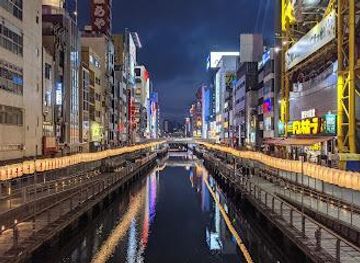
Glico Sign Dotonbori
Experience the dazzling Glico Sign in Dotonbori, an iconic symbol of Osaka's vibrant street culture, famous for its stunning neon displays and lively atmosphere.
-
Bridge
Ebisubashi Bridge
Experience the vibrant heart of Osaka at Ebisubashi Bridge, a stunning landmark connecting you to the bustling Dotonbori district.
-
Tourist attraction
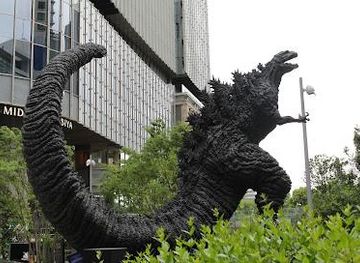
Godzilla Statue
Roaring presence in Shinjuku! Witness the King of the Monsters at Hotel Gracery's Godzilla Head, a colossal tribute to Japan's iconic kaiju.
-
Tourist attraction
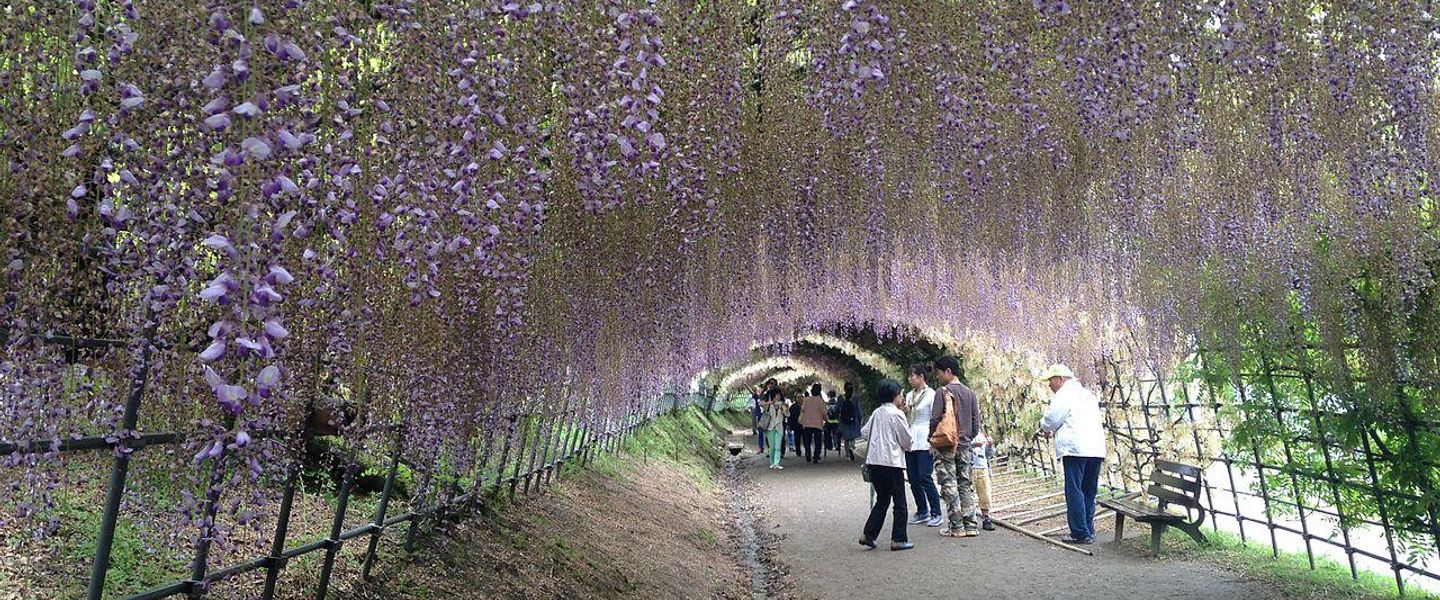
Kawachi Fujien
Experience the ethereal beauty of wisteria tunnels and a floral wonderland at Kawachi Fujien in Kitakyushu, Japan.

Explore Kawachi on the map
Plan your trip on one map. See where the top cities, national parks and sights are, and book hotels and experiences in a few clicks.
Best hotels in Kawachi
Best restaurants in Kawachi
Kawachi’s food culture reflects both Osaka’s broad culinary traditions and the fertile plain and foothills of the former province. In urban districts, visitors find noodle shops, casual Japanese restaurants, bakeries, izakaya and family-run eateries serving familiar Osaka dishes, while temple approaches and station streets often have seasonal sweets and light meals. Yao, Kashiwara, Habikino and the southern districts are associated with agricultural production, including vegetables, fruit and locally grown grapes; seasonal produce appears in farm shops, markets and contemporary restaurants rather than in one single defining dish. Habikino and neighbouring foothill areas are also known for regional wine production, and tastings or direct sales may be available through individual producers at particular times. Small cafés, traditional confectioners and rural restaurants provide a slower counterpoint to the city. As elsewhere in Japan, menus and opening arrangements can be limited outside central commercial areas, so carrying a translation app and checking payment options is sensible.
-
Unagi restaurant
Surugaya
Experience authentic Japanese cuisine at Surugaya - Narita's premier destination for exquisite unagi dishes.
-
Cat cafe
Cat cafe MoCHA Akihabara Store
Cozy Akihabara cat haven where sleepy felines, unlimited drinks, and manga create an irresistible urban oasis for pet lovers and otaku explorers alike.
-
Ramen
Ramen Shop Tsubaki Kawachi
Discover authentic ramen delights at Ramen Shop Tsubaki Kawachi—where tradition meets flavor in every delicious bowl.
-
Seafood
Marumiya
Experience authentic Japanese seafood at Marumiya in Inzai, Chiba – a perfect blend of tradition and taste.



Best bars in Kawachi
Kawachi’s evening life is local and dispersed rather than organised around a large nightclub district. Higashiosaka, Yao and the areas around major railway stations have izakaya, casual bars, karaoke venues and restaurants where residents gather after work, while smaller towns tend to rely on traditional pubs, snack bars and family-run establishments. Shrine approaches and historic districts are generally quiet at night, and southern Kawachi has more of a dining, drinking and early-evening countryside atmosphere than a late-night scene. Craft beer, Japanese whisky, sake and locally produced wine may appear on selected menus, but availability varies by venue. Visitors should check the last train carefully, particularly when staying near the foothills, and should not assume that a rural bar will accept cards or offer English menus. Osaka’s major late-night entertainment areas are outside Kawachi and require a separate journey.
-
Cocktail bar
Bar Nayuta
Experience the vibrant nightlife of Osaka at Bar Nayuta, a premier cocktail bar offering expertly crafted drinks in a chic atmosphere.
-
Bar
Bar Benfiddich
Experience the artistry of cocktails in an elegant setting at Bar Benfiddich, a hidden gem in Shinjuku, Tokyo's vibrant nightlife.
-
Bar
PC and Retro Bar Space Station
Experience an unforgettable night at Osaka's PC and Retro Bar Space Station, blending classic gaming with a vibrant bar atmosphere.
-
Bar
Tír na nÓg
Experience a slice of Irish culture in the heart of Tokyo at Tír na nÓg, where excellent drinks and a vibrant atmosphere await you.


Best nightclubs in Kawachi
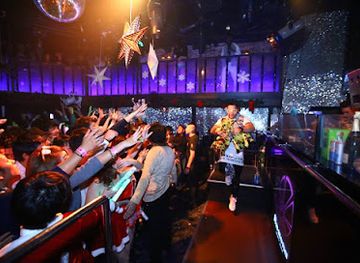
Kawachi’s evening life is local and dispersed rather than organised around a large nightclub district. Higashiosaka, Yao and the areas around major railway stations have izakaya, casual bars, karaoke venues and restaurants where residents gather after work, while smaller towns tend to rely on traditional pubs, snack bars and family-run establishments. Shrine approaches and historic districts are generally quiet at night, and southern Kawachi has more of a dining, drinking and early-evening countryside atmosphere than a late-night scene. Craft beer, Japanese whisky, sake and locally produced wine may appear on selected menus, but availability varies by venue. Visitors should check the last train carefully, particularly when staying near the foothills, and should not assume that a rural bar will accept cards or offer English menus. Osaka’s major late-night entertainment areas are outside Kawachi and require a separate journey.
-
Night club
Kujira Entertainment
Experience the vibrant nightlife of Tokyo at Kujira Entertainment, a unique blend of night club, cocktail bar, and live entertainment.
-
Night club
Ammona
Experience Osaka's nightlife at Ammona, a top night club with vibrant dance floors, delicious drinks, and an electric atmosphere.
-
Night club
Ibiza
Discover the vibrant nightlife at Ibiza, Fukuoka's premier night club, where electrifying music and an exhilarating atmosphere await.
-
Night club
GALA RESORT Nakasu Fukuoka Hakata Night club
Discover the vibrant nightlife at GALA RESORT Nakasu, Fukuoka's premier night club with electrifying beats and an unforgettable atmosphere.



Best shops in Kawachi
Shopping in Kawachi is centred on station-front streets, neighbourhood arcades, market areas, shrine approaches and practical local commerce rather than a single destination retail quarter. Around Ishikiri Tsurugi Shrine, the traditional approach contains food stalls, confectionery shops and small businesses serving visitors and worshippers. Yao, Higashiosaka and other larger centres offer supermarkets, department-style retail, independent shops, bakeries and everyday Japanese goods, while smaller towns provide a more limited high-street experience. Farm shops and seasonal markets in Yao, Kashiwara, Habikino and the southern foothills are useful for fruit, vegetables, pickles, sweets and other regional food products. Local wine from the foothill vineyards can make a distinctive purchase where direct sales are available. Craft and manufacturing-related goods may also appear through specialist workshops and small businesses, though these are not always arranged for casual tourism. Carry cash for small vendors, check luggage restrictions before buying bottles, and regard opening days as variable outside major commercial areas.
-
Gift shop
CANAL CITY HAKATA
Discover the vibrant shopping, dining, and entertainment hub of Canal City Hakata in Fukuoka, Japan, where modernity meets tradition.
-
Business park
Shinsaibashi-Suji Shopping Street
Experience the vibrant atmosphere of Shinsaibashi-Suji Shopping Street, Osaka's ultimate shopping destination filled with culture, cuisine, and charm.
-
Business park
Kuromon Ichiba Market
Discover the culinary heart of Osaka at Kuromon Ichiba Market, where fresh ingredients and vibrant street food come alive in a cultural experience.
-
Business park
Osaka Station City
Discover the vibrant heart of Osaka at Osaka Station City, where shopping, dining, and entertainment converge in a stunning urban landscape.


Get your free copy of our complete guide to Kawachi, delivered straight to you.
Everything on this page, from attractions and restaurants to essentials and local phrases, in one PDF you can read offline, print or share.
Already have an account? Sign in
Your Kawachi guide is ready.
We'll send it to · Not you? Sign out

Getting your guide ready…
We are putting together a fresh copy of the Kawachi guide. This can take up to a minute.
This can take a few moments. If your browser asks, choose Allow so the download can start. You'll find the guide in your Downloads folder.
Nothing happened? Download it again
Sorry, the guide is taking longer than usual. Please try again in a minute, or get it by email instead.
Kawachi essentials
Currency and Payment
Safety
Emergency Situations
Do's and Don'ts
Local Tips
From Eve
Local phrases worth knowing
You don't need to get them perfect. A few words go a long way, and locals appreciate the effort.
Basics
| English | Local | Say it |
|---|---|---|
| Hello | Hi | [Hai] |
| Goodbye | See ya | [See ya] |
| Yes | Yep | [Yep] |
| No | Nope | [Nope] |
| Please/You're welcome | Sure thing | [Shur thing] |
| Thank you | Thanks | [Thanks] |
| Excuse me/Sorry | Sorry | [Sorry] |
| How are you? | How's it going? | [How's it goin'?] |
| Fine. And you? | Good. You? | [Good. You?] |
| Do you speak English? | You speak English? | [You speak English?] |
| I don't understand | I don’t get it | [I don’t get it] |
Eating & Drinking
| English | Local | Say it |
|---|---|---|
| I'd like to see the menu, please | Can I see the menu? | [Can I see the menu?] |
| I don't eat meat | I'm a vegetarian | [I'm a vegetarian] |
| Cheers! | Cheers! | [Cheers!] |
| I would like to pay, please | Can I get the check? | [Can I get the check?] |
Emergencies
| English | Local | Say it |
|---|---|---|
| Help! | Help! | [Help!] |
| Go away! | Leave me alone! | [Leave me alone!] |
| Call the Police! | Call the cops! | [Call the cops!] |
| Call a doctor! | I need a doctor! | [I need a doctor!] |
| I'm lost | I’m lost | [I’m lost] |
| I'm ill | I’m not feeling well | [I’m not feeling well] |
Shopping
| English | Local | Say it |
|---|---|---|
| I'd like to buy... | I wanna buy... | [I wanna buy...] |
| I'm just looking | Just browsing | [Just browsing] |
| How much is it? | What’s the price? | [What’s the price?] |
| That's too expensive | That's pricey | [That's pricey] |
| Can you lower the price? | Can you give me a better deal? | [Can you give me a better deal?] |
Time & Numbers
| English | Local | Say it |
|---|---|---|
| What time is it? | What’s the time? | [What’s the time?] |
| It's one o'clock | It's one | [It's one] |
| Half past (10) | Half past ten | [Half past ten] |
| Morning | Morning | [Morning] |
| Afternoon | Afternoon | [Afternoon] |
| Evening | Evening | [Evening] |
| Yesterday | Yesterday | [Yesterday] |
| Today | Today | [Today] |
| Tomorrow | Tomorrow | [Tomorrow] |
| 1 | One | [One] |
| 2 | Two | [Two] |
| 3 | Three | [Three] |
| 4 | Four | [Four] |
| 5 | Five | [Five] |
| 6 | Six | [Six] |
| 7 | Seven | [Seven] |
| 8 | Eight | [Eight] |
| 9 | Nine | [Nine] |
| 10 | Ten | [Ten] |
Transport & Directions
| English | Local | Say it |
|---|---|---|
| Where's a/the...? | Where’s a...? | [Where’s a...?] |
| What's the address? | What’s the address? | [What’s the address?] |
| Can you show me (on the map)? | Show me on the map? | [Show me on the map?] |
| When's the next (bus)? | When’s the next bus? | [When’s the next bus?] |
| A ticket (to ....) | A ticket to... | [A ticket to...] |
History of Kawachi
Kawachi Province and Early State Formation
Kawachi emerged as an important province in the ancient Japanese system of regional administration, occupying the fertile plain east of Osaka Bay and close to routes linking the Nara Basin with the coast. Its rivers, wetlands and productive farmland supported settlement, while its position near the political centres of the Kinai gave it strategic importance. Although the modern landscape is heavily urbanised, the historical province survives in place names, shrines and archaeological remains. Kawachi’s proximity to Yamato meant that it was closely involved in the development of the early state that took shape in the fifth and sixth centuries.
The Kofun Landscape of Fujiidera and Habikino
Between the late fourth and early sixth centuries, powerful political families built large burial mounds across the southern Osaka plain. The tombs at Fujiidera and Habikino form part of the Mozu-Furuichi Kofungun, a UNESCO-listed group that includes monumental keyhole-shaped mounds, smaller burials and associated relics. These structures demonstrate the authority, labour organisation and ritual practices of the ruling elite during Japan’s Kofun period. Many are now enclosed by vegetation and surrounded by modern neighbourhoods, making the archaeological landscape a striking example of ancient history embedded in contemporary urban life.
Temples, Shrines and the Medieval Kawachi Genji
From the medieval period, Kawachi was associated with influential warrior families and religious institutions. The Kawachi Genji, a branch of the Minamoto lineage based around the region, produced figures who played major roles in the formation of the Kamakura shogunate. Shrines and temples accumulated estates, patronage and local authority, while strategic routes across the plain and towards the mountain passes brought military significance. The enduring importance of Hiraoka Shrine, Ishikiri Tsurugi Shrine, Domyoji and other religious sites reflects the region’s long connection with court ritual, popular devotion and warrior politics.
Agriculture, Rivers and Early Modern Trade
Under the Tokugawa shogunate, Kawachi became a productive agricultural zone supplying the rapidly growing cities of Osaka and the surrounding Kinai. River channels, irrigation works and land reclamation helped manage a flood-prone plain, while villages cultivated rice, cotton, vegetables and other commercial crops. Water transport connected rural communities with Osaka’s markets, and local commerce developed around post towns, shrine approaches and market settlements. The period established patterns of farming, craft production and distribution that remained influential even as roads, railways and modern industry later transformed the region.
Cotton, Manufacturing and the Modern Plain
Kawachi’s cotton cultivation and textile work expanded during the Edo period and continued into the modern era, linking village households with Osaka’s commercial economy. Industrialisation brought railways, factories and dense new settlements across the plain, while small workshops often specialised in highly technical processes rather than mass production alone. Higashiosaka in particular developed a reputation for small and medium-sized manufacturers serving engineering, machinery and other industrial sectors. The region’s contemporary streetscape—part residential suburb, part manufacturing district—owes much to this long transition from agricultural production to specialised industry.
Rugby and the Contemporary Regional Identity
Sport has become one of Higashiosaka’s most recognisable modern associations. Hanazono, opened as a major sporting ground in the early twentieth century, became closely identified with rugby and with the national high-school rugby tournament. Rugby’s presence complements, rather than replaces, Kawachi’s older identities as an archaeological, religious and manufacturing region. Today the former province is best understood through these overlapping layers: ancient tombs, enduring pilgrimage routes, market towns, industrial expertise, agricultural foothills and the metropolitan growth of Osaka Prefecture.
Kawachi in Photos
Browse through our photo collection highlighting the charm and character of the destination.
Neighbouring regions of Kawachi
The closest regions to Kawachi, if you have time for more than one.
-
-

-
-

-


Swipe for more regions
Explore more

Explore more of Japan
Discover the harmony of tradition and modernity in Japan, where ancient temples and cutting-edge technology coexist in perfect balance.
Explore Japan