

Free Mikawa Travel Guide & Mobile App
Explore Mikawa with free travel guides. Discover regional history, expert tips, proposed trips, and audio guides on web or mobile app.


Explore Mikawa in eastern Aichi for samurai history, automobile heritage, mountain temples, tea fields, Pacific coastlines and Mikawa Bay scenery.
Read more about Mikawa
When is the best time to visit Mikawa?
Best: May, October–November · 17–24°C| Month | High (°C) | Rainfall (mm) |
|---|---|---|
| January | 10 | 60 |
| February | 11 | 66 |
| March | 14 | 111 |
| April | 19 | 121 |
| May (best) | 24 | 146 |
| June | 29 | 175 |
| July | 33 | 221 |
| August | 33 | 185 |
| September | 29 | 175 |
| October (best) | 23 | 136 |
| November (best) | 17 | 91 |
| December | 11 | 55 |
Getting to and around Mikawa
How to get there
Transportation
Best attractions in Mikawa
Mikawa’s attractions range from castle history and temple culture to manufacturing, coastlines and mountain scenery. Okazaki Castle and nearby sites associated with Tokugawa Ieyasu provide a historical focus, while Toyohashi combines urban museums, a regional transport hub and access to the Atsumi Peninsula. Gamagori is oriented towards Mikawa Bay, with marine attractions, resort facilities and waterfront recreation, whereas Nishio offers tea-growing landscapes, traditional food culture and access to coastal communities. Inland, Asuke’s historic streets and Korankei’s wooded valley are particularly notable in autumn, while Shinshiro offers waterfalls, ravines, hiking country and the mountain temple of Horaiji. Toyota and Kariya reveal the region’s modern industrial character through automobile and engineering heritage. Beaches, cycling routes, agricultural landscapes and seafood towns add variety along the coast, though some sites are widely spaced and are better combined with careful rail, bus or car planning.
-
Tourist attraction
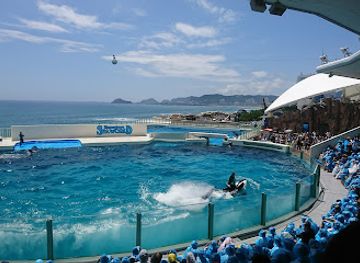
Kamogawa Sea World
Experience the excitement of marine life and thrilling rides at Kamogawa Sea World, a perfect destination for families and adventure-seekers alike.
-
Scenic spot
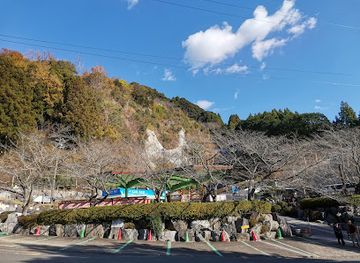
Korankei Gorge
Experience the breathtaking beauty of Korankei Gorge, a picturesque hiking area in Aichi, Japan, renowned for its stunning autumn foliage and serene landscapes.
-
Tourist attraction
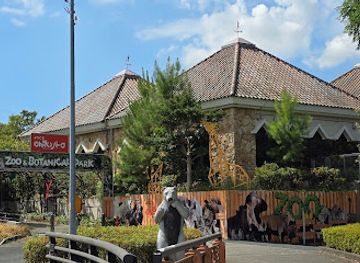
Nonhoi Park, Toyohashi Zoo and Botanical Park
Discover Nonhoi Park: A beautiful blend of botanical gardens, a zoo, and expansive parklands in Toyohashi, perfect for family adventures and relaxation.
-
Tourist attraction
Ryugashido Cavern
Explore the stunning Ryugashido Cavern, home to Japan's largest cave waterfall and mesmerizing geological formations in Hamamatsu, Shizuoka.

Best landmarks in Mikawa
Okazaki Castle is Mikawa’s most recognisable historical landmark because it is associated with Tokugawa Ieyasu’s birth and the rise of the Tokugawa house. The castle itself is a modern reconstruction, but its park and surrounding sacred and historical sites retain the setting’s political significance. In Toyohashi, Yoshida Castle’s remaining structures and earthworks recall the former castle town known historically as Yoshida, even though much of the original complex has vanished. Horaiji’s mountain temple precinct in Shinshiro is significant for its forested setting, stone steps and long religious history. Asuke’s old townscape, with traditional merchant and residential buildings, represents the former commercial role of a mountain settlement. Along the coast, the Atsumi Peninsula’s Pacific-facing dunes and headlands provide natural landmarks rather than monumental architecture, while the wooded valley of Korankei is a defining landscape feature of inland Mikawa, particularly during autumn foliage.
-
Park
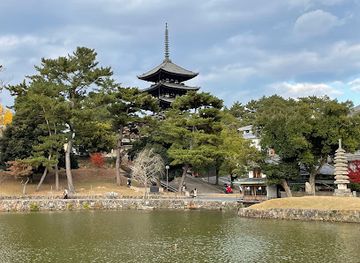
Nara Park
Discover the tranquil beauty and cultural richness of Nara Park, where history, nature, and friendly deer await your exploration.
-
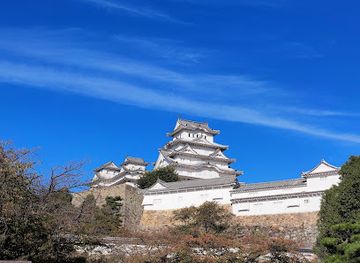
Castle
Himeji Castle
Explore Himeji Castle, a UNESCO World Heritage site, showcasing stunning architecture and rich history in the heart of Japan.
-
War memorial
Atomic Bomb Dome
Explore the Atomic Bomb Dome in Hiroshima, a UNESCO World Heritage Site symbolizing resilience and the quest for peace.
-
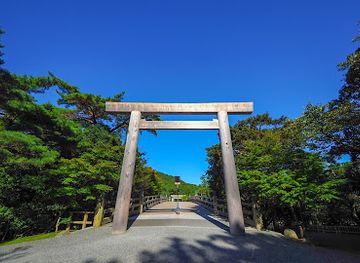
Shinto shrine
Kotai Jingu (Ise Jingu Naiku, Inner Sanctuary)
Explore Kotai Jingu, the Inner Sanctuary of Ise Jingu, a revered Shinto shrine rich in history and spiritual significance amidst Japan's natural beauty.

Explore Mikawa on the map
Plan your trip on one map. See where the top cities, national parks and sights are, and book hotels and experiences in a few clicks.
Best hotels in Mikawa
Best restaurants in Mikawa
Mikawa’s food reflects its productive plains, tea districts, rivers and two contrasting coasts. Okazaki is closely associated with Hatcho miso, a dark, fermented soybean paste used in dishes such as miso katsu and miso-based stews, while Nishio is one of Japan’s best-known tea-producing areas and is a good place to encounter matcha in sweets, drinks and traditional preparations. Toyohashi and the coastal towns serve seafood, eel and local produce, and restaurants around Mikawa Bay use seasonal catches alongside rice and vegetables. The Atsumi Peninsula is noted for farming as well as fishing, so roadside shops and local markets may feature melons, vegetables and other regional products. Traditional Japanese set meals, noodle shops, family restaurants, cafés and izakaya are more common than a concentrated fine-dining scene, while rural inns and temple-area eateries offer quieter meals shaped by their surroundings.
-
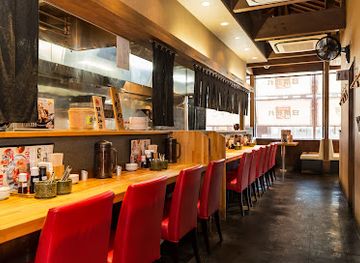
Ramen
Mikawa Ramen Nihon-bare
Experience authentic Japanese flavors at Mikawa Ramen Nihon-bare in Okazaki—where tradition meets taste.
-
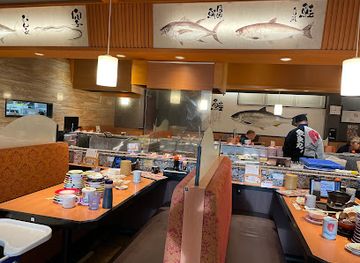
Sushi
Totomaru Mikawa Anjo
Experience authentic sushi craftsmanship at Totomaru Mikawa Anjo, where tradition meets flavor in every bite.
-
Ramen
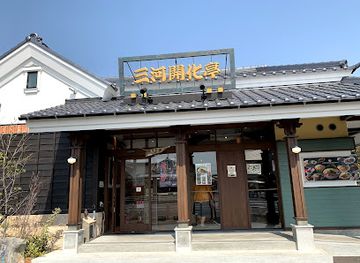
Mikawa Kaika-tei Toyokawa
Discover authentic flavors at Mikawa Kaika-tei Toyokawa – where every bowl tells a story of tradition and taste.
-
Tempura
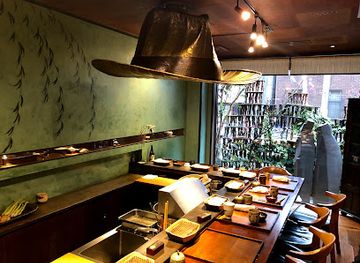
Mikawa Zezankyo
Experience the finest tempura dining at Mikawa Zezankyo in Tokyo - where culinary artistry meets tradition.
Best bars in Mikawa
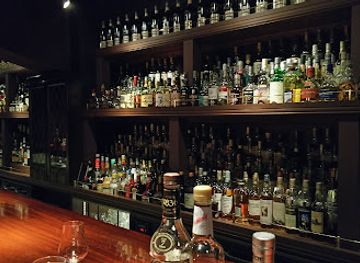
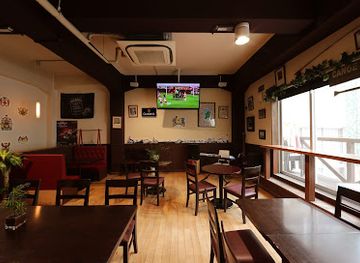
Mikawa’s evening life is concentrated in the larger railway cities rather than in a single nightlife district. Toyohashi, Okazaki and the central industrial cities have clusters of izakaya, casual restaurants, karaoke venues and small bars around their stations, serving office workers, residents and visitors passing through. Gamagori offers a more seasonal resort atmosphere, with restaurants and bars connected to the waterfront and accommodation areas, while smaller towns generally close earlier and centre their social life on local pubs and dining rooms. Traditional sake, regional beer and tea-based drinks can appear alongside the usual Japanese choices, but alcohol is not essential to enjoying the region. In rural Mikawa, evening options may be limited, so visitors staying outside the main cities should arrange transport and dining plans before leaving their accommodation.
-
Cocktail bar
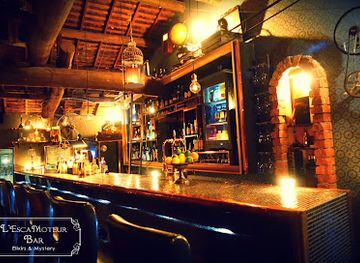
L'Escamoteur
L'Escamoteur: Experience Kyoto's magical cocktail bar, where every drink is a crafted masterpiece in a whimsical setting.
-
Sports bar
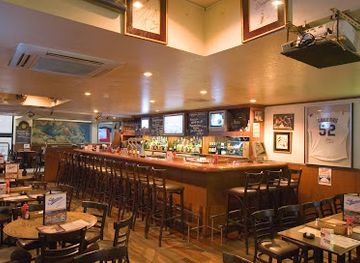
Shooters
Experience the vibrant sports bar culture at Shooters in Nagoya, where great food, cold drinks, and live sports meet.
-
Bar
BAR BARNS
Experience the vibrant nightlife of Nagoya at BAR BARNS, where cozy ambiance meets an extensive drink menu in the heart of Sakae.
-
Bar
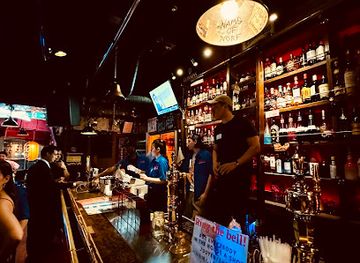
Coat of Arms Bar and Restaurant
Discover the vibrant atmosphere and delicious meat dishes at Coat of Arms Bar and Restaurant in the heart of Nagoya, a must-visit for food lovers.
Best nightclubs in Mikawa
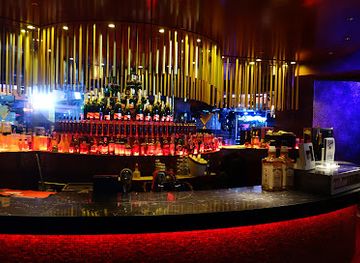
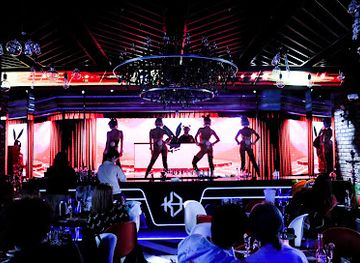
Mikawa’s evening life is concentrated in the larger railway cities rather than in a single nightlife district. Toyohashi, Okazaki and the central industrial cities have clusters of izakaya, casual restaurants, karaoke venues and small bars around their stations, serving office workers, residents and visitors passing through. Gamagori offers a more seasonal resort atmosphere, with restaurants and bars connected to the waterfront and accommodation areas, while smaller towns generally close earlier and centre their social life on local pubs and dining rooms. Traditional sake, regional beer and tea-based drinks can appear alongside the usual Japanese choices, but alcohol is not essential to enjoying the region. In rural Mikawa, evening options may be limited, so visitors staying outside the main cities should arrange transport and dining plans before leaving their accommodation.
-
Night club
TK
Discover the heart of Tokyo's nightlife at TK Nightclub, where electrifying music and unforgettable moments await in Shibuya.
-
Night club
Kujira Entertainment
Experience the vibrant nightlife of Shinjuku at Kujira Entertainment, Tokyo's ultimate destination for cocktails, cuisine, and captivating performances.
-
Tour operator
The Tokyo Pub Crawl
Discover Tokyo's exhilarating nightlife with The Tokyo Pub Crawl, where unforgettable experiences and new friendships await in Roppongi!
-
Night club
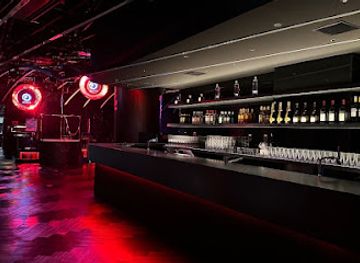
ZEROTOKYO
Discover the electrifying nightlife of ZEROTOKYO, Tokyo's premier night club, where unforgettable moments and vibrant energy await you.
Best shops in Mikawa
Shopping in Mikawa is strongest in market towns, station areas and local food-producing districts rather than in a single regional retail centre. Okazaki is a useful place to look for Hatcho miso and related prepared foods, while Nishio’s tea shops sell matcha, powdered tea sweets and gifts connected with local cultivation. Toyohashi and Okazaki have the broadest urban selection of department stores, supermarkets, station retail and independent shops, whereas smaller towns offer local confectionery, ceramics, traditional craft goods and seasonal produce. Roadside markets and farm shops around the Atsumi Peninsula and inland valleys are practical places to find vegetables, fruit and regional specialities, although stock follows the growing season. In historic areas such as Asuke, small businesses and preserved buildings provide a more local shopping experience than large commercial centres. Japanese stationery, kitchenware, tea utensils and packaged food also make useful souvenirs, particularly when bought from specialist shops rather than generic tourist outlets.
-
Shopping mall
AEON MALL MIKAWA
Discover endless shopping, dining, and entertainment at AEON MALL MIKAWA, your ultimate destination in Yamagata, Japan.
-
Discount store
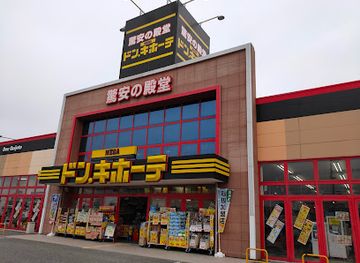
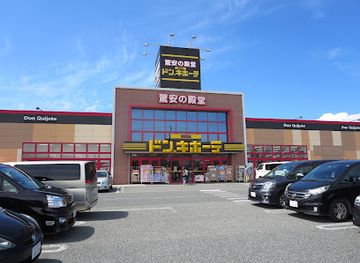
MEGA Don Quijote
Explore MEGA Don Quijote in Mikawa: The ultimate discount store for unique finds and unforgettable souvenirs.
-
Jewelry buyer
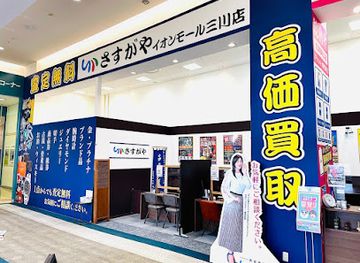
Kaitorisenmontensasugaya Ionmorumikawaten
Explore unique jewelry treasures and expert appraisals at Kaitorisenmontensasugaya Ionmorumikawaten in the heart of Mikawa's Ion Mall.
-
Shopping mall
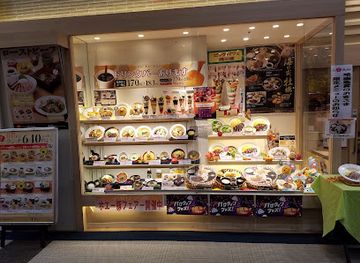
Le Parc Mikawa Shipping Square
Discover shopping, dining, and cultural experiences at Le Parc Mikawa Shipping Square in Mikawa, Yamagata, Japan.
Get your free copy of our complete guide to Mikawa, delivered straight to you.
Everything on this page, from attractions and restaurants to essentials and local phrases, in one PDF you can read offline, print or share.
Already have an account? Sign in
Your Mikawa guide is ready.
We'll send it to · Not you? Sign out

Getting your guide ready…
We are putting together a fresh copy of the Mikawa guide. This can take up to a minute.
This can take a few moments. If your browser asks, choose Allow so the download can start. You'll find the guide in your Downloads folder.
Nothing happened? Download it again
Sorry, the guide is taking longer than usual. Please try again in a minute, or get it by email instead.
Mikawa essentials
Currency and Payment
Safety
Emergency Situations
Do's and Don'ts
Local Tips
From Eve
Local phrases worth knowing
You don't need to get them perfect. A few words go a long way, and locals appreciate the effort.
Basics
| English | Local | Say it |
|---|---|---|
| Hello | Howdy | [haʊdi] |
| Goodbye | See ya | [si jə] |
| Yes | Yep | [jɛp] |
| No | Nope | [noʊp] |
| Please/You're welcome | Sure thing | [ʃʊr θɪŋ] |
| Thank you | Thanks | [θæŋks] |
| Excuse me/Sorry | Pardon me | [ˈpɑrdən mi] |
| How are you? | How's it going? | [haʊz ɪt ˈɡoʊɪŋ] |
| Fine. And you? | Good. You? | [ɡʊd. ju?] |
| Do you speak English? | You speak English? | [ju spiːk ˈɪŋɡlɪʃ?] |
| I don't understand | I don't get it | [aɪ doʊnt ɡɛt ɪt] |
Eating & Drinking
| English | Local | Say it |
|---|---|---|
| I'd like to see the menu, please | Can I see the menu? | [kæn aɪ si ðə ˈmɛnju?] |
| I don't eat meat | I'm a vegetarian | [aɪm ə ˌvɛdʒəˈtɛriən] |
| Cheers! | Cheers! | [ʧɪrz] |
| I would like to pay, please | Can I get the check? | [kæn aɪ ɡɛt ðə ʧɛk?] |
Emergencies
| English | Local | Say it |
|---|---|---|
| Help! | Help! | [hɛlp] |
| Go away! | Leave me alone! | [liːv mi əˈloʊn] |
| Call the Police! | Call the cops! | [kɔl ðə kɑps] |
| Call a doctor! | Get a doctor! | [ɡɛt ə ˈdɑktər] |
| I'm lost | I'm lost | [aɪm lɔst] |
| I'm ill | I'm not feeling well | [aɪm nɑt ˈfiːlɪŋ wɛl] |
Shopping
| English | Local | Say it |
|---|---|---|
| I'd like to buy... | I want to buy... | [aɪ wɑnt tu baɪ...] |
| I'm just looking | Just browsing | [dʒʌst ˈbraʊzɪŋ] |
| How much is it? | What's the price? | [wɑts ðə praɪs?] |
| That's too expensive | That's too rich for me | [ðæts tu rɪʧ fɔr mi] |
| Can you lower the price? | Can you give me a deal? | [kæn ju ɡɪv mi ə diːl?] |
Time & Numbers
| English | Local | Say it |
|---|---|---|
| What time is it? | What's the time? | [wɑts ðə taɪm?] |
| It's one o'clock | It's one | [ɪts wʌn] |
| Half past (10) | Half past ten | [hæf pæst tɛn] |
| Morning | Morning | [ˈmɔrnɪŋ] |
| Afternoon | Afternoon | [ˌæftərˈnun] |
| Evening | Evening | [ˈivnɪŋ] |
| Yesterday | Yesterday | [ˈjɛstərdeɪ] |
| Today | Today | [təˈdeɪ] |
| Tomorrow | Tomorrow | [təˈmɔroʊ] |
| 1 | One | [wʌn] |
| 2 | Two | [tu] |
| 3 | Three | [θri] |
| 4 | Four | [fɔr] |
| 5 | Five | [faɪv] |
| 6 | Six | [sɪks] |
| 7 | Seven | [ˈsɛvən] |
| 8 | Eight | [eɪt] |
| 9 | Nine | [naɪn] |
| 10 | Ten | [tɛn] |
Transport & Directions
| English | Local | Say it |
|---|---|---|
| Where's a/the...? | Where's the...? | [wɛrz ðə...?] |
| What's the address? | What's the address? | [wɑts ði ˈædrɛs?] |
| Can you show me (on the map)? | Can you point it out? | [kæn ju pɔɪnt ɪt aʊt?] |
| When's the next (bus)? | When's the next bus? | [wɛnʤ ðə nɛkst bʌs?] |
| A ticket (to ....) | A ticket to ... | [ə ˈtɪkɪt tu ...] |
History of Mikawa
Early Settlements and Agricultural Landscapes
Mikawa has been inhabited since prehistoric times, with archaeological evidence of settlements, farming and craft production across the plains and coastal districts. The region’s rivers and fertile lowlands supported rice cultivation, while the surrounding hills supplied timber and other resources. Mikawa Bay connected communities to maritime exchange, and the Atsumi Peninsula and surrounding shores developed their own fishing and coastal economies. Although surviving remains are often presented through local museums and archaeological sites rather than monumental ruins, these early foundations help explain the enduring importance of agriculture, river routes and the sea in regional life.
Mikawa as a Medieval Political Region
During the medieval period, Mikawa was divided among competing warrior families and religious institutions. Fortified settlements and temple networks controlled strategic routes linking the inland mountains, coastal plains and the Tokaido corridor. The region’s position between eastern and western Japan gave it political importance, while its rice-producing districts and access to Mikawa Bay supported local power. Okazaki and other castle settlements grew in significance as military authority became more centralised. Many later castle towns and temple precincts in Mikawa retain traces of this medieval organisation, even where the original fortifications have disappeared.
Tokugawa Ieyasu and Okazaki
Tokugawa Ieyasu was born at Okazaki Castle in 1543, when the region was contested during the Sengoku period. Okazaki became the base of his early power and remained symbolically important after he established the Tokugawa shogunate in 1603. The castle town developed under Tokugawa rule, and temples, shrines and transport routes preserved links with the family and its followers. Modern Okazaki Castle is a reconstruction, but the surrounding historical sites and the city’s annual traditions reflect the lasting importance of Ieyasu’s Mikawa origins in Japanese political history.
Castle Towns and the Tokaido
Under the Tokugawa shogunate, the Tokaido highway connected Edo with Kyoto and passed through eastern Aichi, including important post towns in and around Mikawa. Castle towns such as Okazaki and Yoshida, the historical name associated with present-day Toyohashi, served administrative, military and commercial functions. Travellers, officials and merchants moved through the region, while agricultural villages supplied food and materials. The road system strengthened links between Mikawa’s inland settlements and ports on Mikawa Bay. Present-day urban development has altered much of the historic landscape, but selected temples, street plans and post-town traces remain.
Tea, Agriculture and Coastal Commerce
Mikawa’s productive plains, gently rising uplands and coastal districts supported a range of industries during the early modern and modern periods. Nishio became strongly associated with tencha and matcha production, while farming communities cultivated rice, vegetables and other crops. Ports and fishing settlements around Mikawa Bay handled local trade, and the Atsumi Peninsula developed a distinctive agricultural economy shaped by its mild climate and ocean exposure. Food traditions, tea cultivation and regional markets remain visible parts of Mikawa’s identity, even as manufacturing and urbanisation have transformed many rural districts.
Modern Industry and the Automobile Region
Mikawa underwent major industrial change during the twentieth century. Textile production, engineering and machinery expanded, and the Toyota Motor Company’s growth turned Toyota, Kariya and neighbouring cities into a major centre of automobile manufacturing and technological research. The industrial economy brought new transport links, urban growth and migration, while also preserving strong connections with surrounding farming communities. Today, factories and corporate facilities are part of the region’s economic landscape, alongside museums and public spaces that explain the development of Japanese manufacturing without reducing Mikawa’s identity to industry alone.
Mikawa in Photos
Browse through our photo collection highlighting the charm and character of the destination.
Neighbouring regions of Mikawa
The closest regions to Mikawa, if you have time for more than one.
-

-

-

-

-


Swipe for more regions
Explore more

Explore more of Japan
Discover the harmony of tradition and modernity in Japan, where ancient temples and cutting-edge technology coexist in perfect balance.
Explore Japan