

Shima, Japan Travel Guide
Discover Shima, Japan's coastal treasure, where natural beauty meets cultural heritage. Experience serene landscapes, rich marine life, and exquisite seafood.
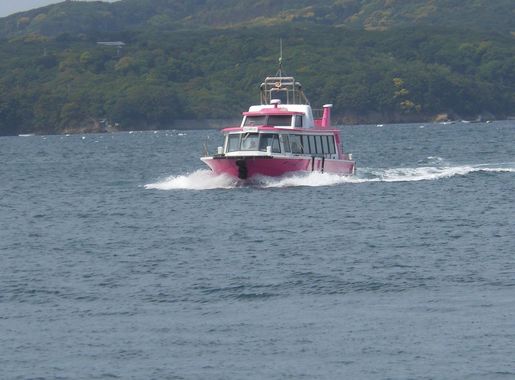
Shima, located in the heart of the Mie Prefecture, is a coastal gem that offers a rich blend of natural beauty and cultural heritage. Known for its breathtaking ocean views and serene landscapes, Shima provides a perfect escape for those looking to experience the tranquil side of Japan. The area is dotted with picturesque fishing villages, lush forests, and rugged coastlines that beckon visitors to explore and unwind. One of the highlights of Shima is the Ise-Shima National Park, which is home to a variety of wildlife and stunning scenery. This park is an ideal spot for hiking, bird watching, and soaking in the natural splendor. The Ago Bay, also known as the 'Bay of Pearls,' is famous for its pearl cultivation and offers boat tours that give tourists an insight into the intricate process of pearl farming. A visit to Shima would be incomplete without exploring the local culinary delights. Fresh seafood is a staple here, with many restaurants offering dishes made from the day's catch. Don't miss trying the famous Ise lobster and abalone, which are considered delicacies in this region. Additionally, Shima's local markets are vibrant places to experience the culture and buy unique souvenirs crafted by local artisans.

Know before you go
Hi, I'm Eve. Here are a few practical things to know before exploring Shima.
- Visit Ise-Shima National Park early in the morning to avoid crowds and enjoy the best views.
- Take a boat tour in Ago Bay to learn about pearl cultivation and see the floating pearl farms.
- Try the local seafood, especially Ise lobster and abalone, for a true taste of Shima.
- Wear comfortable shoes as many attractions involve walking and exploring nature trails.
- Check local weather conditions before planning outdoor activities, as the coastal climate can be unpredictable.
Explore Shima: Things to Do, Places to Eat, Hotels & More
Handpicked recommendations for top attractions, local dining, accommodations, and more

Top Attractions & Sightseeing in Shima
Top-rated picks
Best Attractions

Shima Spain Village
Experience the passion of Spain in Japan! Thrilling rides, vibrant shows, delicious cuisine, and relaxing onsen await at Shima Spain Village.

Yokoyama Observatory Deck
Experience breathtaking panoramic views of Ago Bay and the stunning Ise-Shima National Park from Yokoyama Observatory Deck.

Itsukushima
Discover the iconic 'floating' torii gate and serene beauty of Itsukushima Shrine, a UNESCO World Heritage site on the sacred Miyajima Island.

Shima potholes
Discover the mesmerizing turquoise waters and unique rock formations of the Shima Potholes, a natural wonder sculpted over millennia by the Shima River.

Best landmarks in Shima
Top-rated picks
Best Landmarks

Asahiyama Zoo
Discover the unique wildlife experiences at Asahiyama Zoo, an innovative wildlife park in Hokkaido, showcasing animals in their natural habitats.

Sengan-en
Discover the serene beauty and cultural heritage of Sengan-en, a historical garden in Kagoshima offering breathtaking views of Sakurajima.
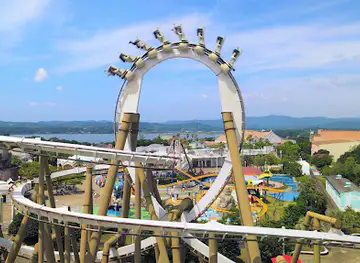
Shima Spain Village
Discover the vibrant charm of Shima Spain Village, a theme park where thrilling rides meet rich Spanish culture in a beautiful setting.
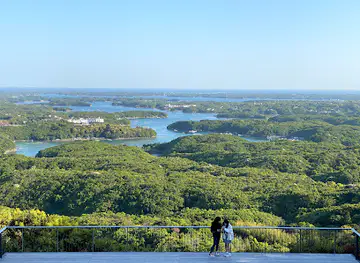
Yokoyama Observatory Deck
Experience the breathtaking landscapes of Ise-Shima National Park from the stunning Yokoyama Observatory Deck, a must-visit for every traveler.

Best restaurants in Shima
Top-rated picks
Best Restaurants

Shima Spain Village
Experience the magic of Spain without leaving Japan at Shima Spain Village—where culture meets excitement in a stunning theme park setting.

Shima Mediterranean Village
Discover Shima Mediterranean Village: A coastal gem offering exquisite dining, unique shopping, and breathtaking views in Mie Prefecture.
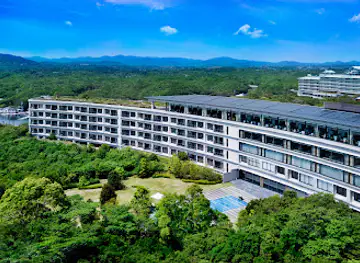
Shima Kanko Hotel The Bay Suites
Discover unparalleled luxury at Shima Kanko Hotel The Bay Suites, where breathtaking views meet exquisite dining experiences.

Enoshima Uomi-tei
Experience fresh seafood delights with stunning ocean views at Enoshima Uomi-tei, a top-rated Japanese restaurant on beautiful Enoshima Island.

Best bars in Shima
Top-rated picks
Best Bars

Shima Kanko Hotel The Bay Suites
Experience unparalleled luxury and stunning coastal views at Shima Kanko Hotel The Bay Suites, a serene escape in Japan's breathtaking landscape.

Shima Kanko Hotel The Classic
Discover the elegance and charm of Shima Kanko Hotel The Classic, where luxury meets breathtaking coastal views in Japan.

Matoyakaki Terrace
Experience the freshest oysters and seafood in Shima at Matoyakaki Terrace, where delicious flavors meet stunning ocean views.

La Mer the Classic
Discover the exquisite flavors of French cuisine at La Mer the Classic in Shima, Japan, where luxury meets breathtaking coastal views.

Best nightclubs in Shima
Top-rated picks
Best Nightclubs
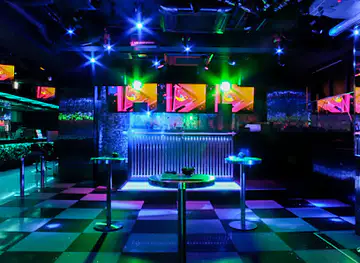
KITSUNE KYOTO
Experience the vibrant nightlife of Kyoto at Kitsune Kyoto, a premier night club offering an electrifying atmosphere and unforgettable music.

TK
Discover the electrifying energy of TK Nightclub in Shibuya, Tokyo, where unforgettable nights and vibrant music come together.

Kujira Entertainment
Kujira Entertainment in Shinjuku: A Fusion of Cocktails, Dessert, and Lively Entertainment in Tokyo's Nightlife Hub.

T2 SHINJUKU
T2 Shinjuku: Dive into Tokyo's electrifying nightlife at this premier night club, where unforgettable music and vibrant energy meet.

Best shops in Shima
Top-rated picks
Best Shops

Shima Spain Village
Experience the charm of Spain in Japan at Shima Spain Village, featuring thrilling rides, cultural performances, and delectable cuisine.

Yokoyama Observatory Deck
Discover awe-inspiring views and serene surroundings at the Yokoyama Observatory Deck, a top tourist attraction in Shima, Mie, Japan.

Shima Kanko Hotel The Classic
Discover the elegance and serenity of Shima Kanko Hotel The Classic, a luxurious retreat with stunning views and exceptional dining experiences.

Ise Meotoiwa Shopping Plaza
Experience a unique blend of shopping and dining at Ise Meotoiwa Shopping Plaza, where tradition meets modern convenience in a scenic setting.

Explore Shima on the Map
A handpicked selection of must-see spots in Shima, mapped for you.
Shima Essentials
-
Shima is located in Mie Prefecture, Japan. The nearest international airport is Chubu Centrair International Airport in Nagoya, approximately 170 kilometers away. From Nagoya, you can take the Meitetsu Airport Line to Nagoya Station, then transfer to the Kintetsu Limited Express train to Ugata Station in Shima. The journey typically takes around 3 hours. Alternatively, you can reach Shima by car or bus; major highways and expressways connect Nagoya and Shima.
-
Shima is well-connected by public transportation. The Kintetsu Railway runs through the area, with several stations including Ugata, Kashikojima, and Shima-Isobe. Local buses complement the railway services, making it easy to reach various tourist spots. Taxis are also readily available but can be expensive. Renting a car is a convenient option if you plan to explore more remote areas. Bicycles can be rented for a more eco-friendly and leisurely way to see the sights.
-
The official currency in Japan is the Japanese Yen (JPY). Credit cards are widely accepted in hotels, restaurants, and shops in Shima, but it is advisable to carry some cash for smaller establishments and local markets. ATMs that accept international cards are available at convenience stores like 7-Eleven and at major train stations. Note that some rural areas might have limited ATM availability.
-
Shima is generally a very safe destination for tourists. Japan has a low crime rate, but it is always wise to take standard precautions. Avoid leaving your belongings unattended and be cautious in crowded areas. There are no specific high-crime areas targeting tourists in Shima. Petty crimes such as pickpocketing are rare but can happen, especially in busy tourist spots.
-
In case of emergency, dial 110 for police and 119 for fire and medical emergencies. Most locals and emergency responders speak only Japanese, so having a translation app can be helpful. Shima has hospitals and clinics for medical emergencies. It is recommended to have travel insurance that covers medical emergencies. For minor health issues, pharmacies (薬局 yakkyoku) are available in the town.
-
Fashion: Do dress modestly, especially when visiting religious sites. Avoid wearing overly revealing clothing. Religion: Do respect local customs, especially at Shinto shrines and Buddhist temples. Bow slightly when greeting and praying. Public Transport: Do be respectful and keep your voice low. Don't eat, drink, or talk on the phone while on public transport. Greetings: Do bow as a sign of respect. Handshakes are less common but accepted. Eating & Drinking: Do try local delicacies like seafood. Don't tip, as it is not customary and may be considered rude.
-
To experience Shima like a local, visit the local markets and try fresh seafood, especially lobster and abalone. Engage with local fishermen and artisans, who are often willing to share their knowledge and stories. Don't miss visiting the Ago Bay, famous for its pearl cultivation. For a unique experience, take a boat tour around the bay. Stay in a ryokan (traditional Japanese inn) to experience Japanese hospitality and cuisine.
When is the best time to visit Shima?
Useful Local Phrases for Shima
You don't need to speak the language perfectly. Even learning a few simple words can make conversations warmer—and locals usually appreciate the effort.
— Eve

Here are the phrases I use most often in Shima. Try a few—you'll be surprised how far they go! 😊
❤️
-
- HelloHowdy
[haʊdi] - GoodbyeSee ya
[si jə] - YesYep
[jɛp] - NoNah
[nɑ] - Please/You're welcomeSure thing
[ʃʊr θɪŋ] - Thank youThanks
[θæŋks] - Excuse me/SorryPardon me
[ˈpɑrdən mi] - How are you?How's it going?
[haʊz ɪt ˈgoʊɪŋ] - Fine. And you?Good. You?
[ɡʊd ju] - Do you speak English?Can you talk English?
[kæn ju tɔk ˈɪŋɡlɪʃ] - I don't understandI ain't gettin' it
[aɪ eɪnt ˈɡɛtɪn ɪt]
- HelloHowdy
-
- I'd like to see the menu, pleaseCan I see the menu?
[kæn aɪ si ðə ˈmɛnju] - I don't eat meatI ain't eatin' meat
[aɪ eɪnt ˈitɪn mit] - Cheers!Cheers!
[ʧɪrz] - I would like to pay, pleaseCan I get the check?
[kæn aɪ ɡɛt ðə ʧɛk]
- I'd like to see the menu, pleaseCan I see the menu?
-
- Help!Help!
[hɛlp] - Go away!Beat it!
[bit ɪt] - Call the Police!Call the cops!
[kɔl ðə kɑps] - Call a doctor!Get a doc!
[ɡɛt ə dɑk] - I'm lostI'm turned around
[aɪm tɜrnd əˈraʊnd] - I'm illI'm sick
[aɪm sɪk]
- Help!Help!
-
- I'd like to buy...I wanna buy...
[aɪ ˈwɑnə baɪ] - I'm just lookingJust browsing
[dʒʌst ˈbraʊzɪŋ] - How much is it?What's the price?
[wʌts ðə praɪs] - That's too expensiveThat's pricey
[ðæts ˈpraɪsi] - Can you lower the price?Can you drop the price?
[kæn ju drɑp ðə praɪs]
- I'd like to buy...I wanna buy...
-
- What time is it?What time we got?
[wʌt taɪm wi ɡɑt] - It's one o'clockIt's one
[ɪts wʌn] - Half past (10)Half past ten
[hæf pæst tɛn] - MorningMornin'
[ˈmɔrnɪn] - AfternoonAfternoon
[ˈæftərˌnun] - EveningEvenin'
[ˈivnɪn] - YesterdayYesterday
[ˈjɛstərdeɪ] - TodayToday
[təˈdeɪ] - TomorrowTomorrow
[təˈmɔroʊ] - 1One
[wʌn] - 2Two
[tu] - 3Three
[θri] - 4Four
[fɔr] - 5Five
[faɪv] - 6Six
[sɪks] - 7Seven
[ˈsɛvən] - 8Eight
[eɪt] - 9Nine
[naɪn] - 10Ten
[tɛn]
- What time is it?What time we got?
-
- Where's a/the...?Where's the...?
[wɛrz ðə] - What's the address?What's the addy?
[wʌts ði ˈædi] - Can you show me (on the map)?Can you point it out?
[kæn ju pɔɪnt ɪt aʊt] - When's the next (bus)?When's the next bus?
[wɛn's ðə nɛkst bʌs] - A ticket (to ....)One ticket to ...
[wʌn ˈtɪkɪt tu]
- Where's a/the...?Where's the...?
History of Shima
-
Shima, situated in Mie Prefecture, has a history that dates back to ancient times. During the Heian period (794-1185), the region was known for its rich natural resources, particularly its abundant seafood. The coastal communities thrived on fishing and pearl diving, which have remained integral to Shima's culture and economy.
-
During the Edo period (1603-1868), the Ise-Shima region, which includes Shima, gained prominence due to its proximity to the Ise Grand Shrine, one of Japan's most significant Shinto shrines. Pilgrims traveling to the shrine would often pass through Shima, bringing economic growth and cultural exchange to the area.
-
The Meiji Restoration in 1868 marked a period of rapid modernization for Japan, and Shima was no exception. The introduction of new fishing techniques and the development of transportation infrastructure helped boost the local economy. Shima's pearl industry, pioneered by Mikimoto Kōkichi, flourished during this time, making the region famous worldwide for its cultured pearls.
-
World War II brought significant challenges to Shima, as it did to the rest of Japan. The area experienced economic hardship and resource shortages. However, the post-war period saw a remarkable recovery. Government initiatives and local efforts revitalized the fishing industry and tourism sector, with Shima becoming a popular destination for domestic travelers seeking natural beauty and cultural heritage.
-
In 1946, Ise-Shima National Park was established, encompassing Shima and its surrounding areas. This designation helped preserve the region's natural landscapes and promote sustainable tourism. The park's diverse ecosystems, including coastal areas, forests, and wetlands, attract nature enthusiasts and contribute to Shima's reputation as a scenic travel destination.
-
In 2016, Shima gained international attention as the host of the G7 Ise-Shima Summit. World leaders gathered in the region to discuss global issues, and the event showcased Shima's natural beauty and cultural heritage on a global stage. The summit brought significant infrastructure improvements and increased global awareness of Shima as a travel destination.
Neighbouring Regions of Shima
The closest regions to Shima, if you have time for more than one.



Your all‑in‑one travel companion app
Explore expert travel guides, compare and book tours, experiences, hotels, and more—all from the palm of your hand. Download now for seamless trip planning wherever your wanderlust takes you.


Explore More of Japan

Looking beyond Shima? Discover Japan for broader travel guides, local hot-spots, and regional highlights.
Explore JapanShima in Photos
Browse through our photo collection highlighting the charm and character of the destination.


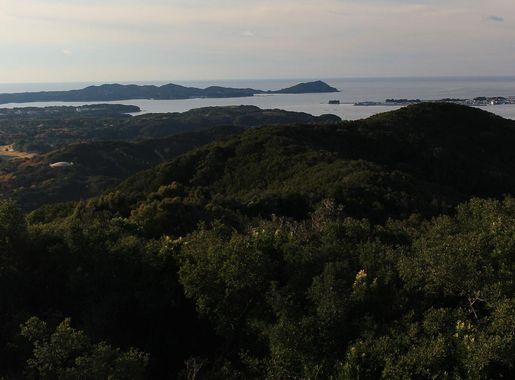


Shima: The Jewel of Japan's Coastline
Shima, located in the heart of the Mie Prefecture, is a coastal gem that offers a rich blend of natural beauty and cultural heritage. Known for its breathtaking ocean views and serene landscapes, Shima provides a perfect escape for those looking to experience the tranquil side of Japan. The area is dotted with picturesque fishing villages, lush forests, and rugged coastlines that beckon visitors to explore and unwind. One of the highlights of Shima is the Ise-Shima National Park, which is home to a variety of wildlife and stunning scenery. This park is an ideal spot for hiking, bird watching, and soaking in the natural splendor. The Ago Bay, also known as the 'Bay of Pearls,' is famous for its pearl cultivation and offers boat tours that give tourists an insight into the intricate process of pearl farming. A visit to Shima would be incomplete without exploring the local culinary delights. Fresh seafood is a staple here, with many restaurants offering dishes made from the day's catch. Don't miss trying the famous Ise lobster and abalone, which are considered delicacies in this region. Additionally, Shima's local markets are vibrant places to experience the culture and buy unique souvenirs crafted by local artisans.