Meiji Jingu, Iyo Travel Guide
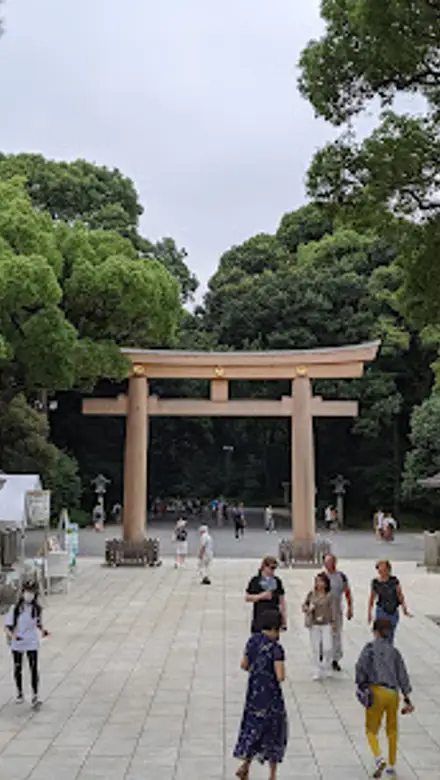
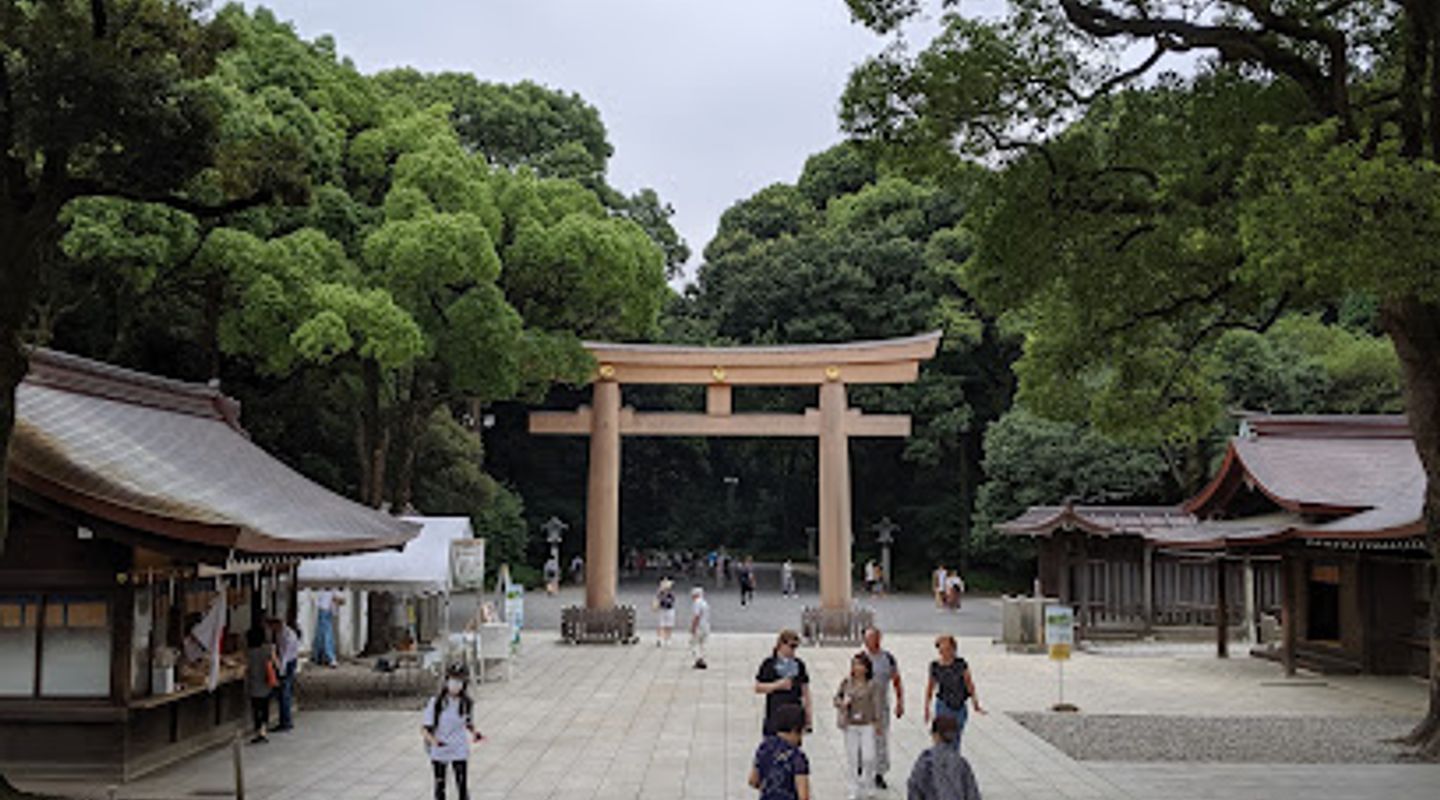
Escape the city bustle at Meiji Jingu Shrine: A peaceful Shinto retreat honoring Emperor Meiji and Empress Shoken in a lush, man-made forest.
Meiji Jingu Shrine, dedicated to Emperor Meiji and Empress Shoken, is a peaceful escape from Tokyo's bustling city life. Completed in 1920 and rebuilt in 1958 after WWII damage, it features a man-made forest of over 100,000 trees donated from across Japan. Visitors can experience traditional Shinto rituals and enjoy the serene atmosphere.
A brief summary to Meiji Jingu
- 1-1 Yoyogikamizonocho, Shibuya City, Yoyogikamizonocho, Tokyo, 151-8557, JP
- Click to display
- Click to display

Know before you go
Hi, I'm Eve. Here are a few practical things to know before exploring Meiji Jingu.
- Visit early in the morning to avoid crowds and experience the shrine's peaceful atmosphere.
- Take part in traditional Shinto rituals, such as making offerings or writing wishes on an ema tablet.
- Explore the Inner Garden (separate fee) to see Kiyomasa's Well, a renowned 'power spot'.
- Visit the Meiji Jingu Museum to view artifacts related to Emperor Meiji and Empress Shoken (admission fee required).
- Check the shrine's calendar for festivals and events, especially the vibrant Spring Grand Festival.
Do you manage this location?
Take control to get all the benefits, like improved information, better appearance, and stronger visibility across AI-powered discovery. Learn more about listing your business on Evendo
Activate your presenceOther nearby places you may find interesting
The closest places of the same kind, if this one is not quite what you had in mind.

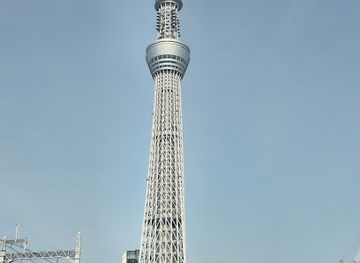

Explore Meiji Jingu on the Map
A handpicked selection of must-see spots near Meiji Jingu, mapped for you.
Unlock the Best of Meiji Jingu
Buy tickets
-
No tickets available
Book tours with entry


Getting There
-
Walking
From Harajuku Station (JR Yamanote Line), take the Omotesando Exit and walk north. Follow the signs for Meiji Jingu Shrine. The entrance to the shrine is about a 5-minute walk from the station. The walk to the main shrine complex from the entrance takes approximately 10 minutes. No cost for walking.
-
Public Transport
From Shibuya Station, take the JR Yamanote Line to Harajuku Station (approx. 3 minutes, ¥140). Alternatively, take the Fukutoshin Line to Meiji-jingumae Station (approx. 2 minutes, ¥170-210). From either station, follow the walking directions to the shrine entrance. An IC card (Suica or Pasmo) can streamline payment.
-
Taxi
From Shibuya Station, a taxi to Meiji Jingu Shrine takes approximately 5 minutes, depending on traffic. The estimated fare is ¥2,100 - ¥2,600. Note that traffic can be heavy, especially on weekends and holidays.
Discover more about Meiji Jingu













Your all‑in‑one travel companion app
Explore expert travel guides, compare and book tours, experiences, hotels, and more—all from the palm of your hand. Download now for seamless trip planning wherever your wanderlust takes you.


Explore More of Iyo
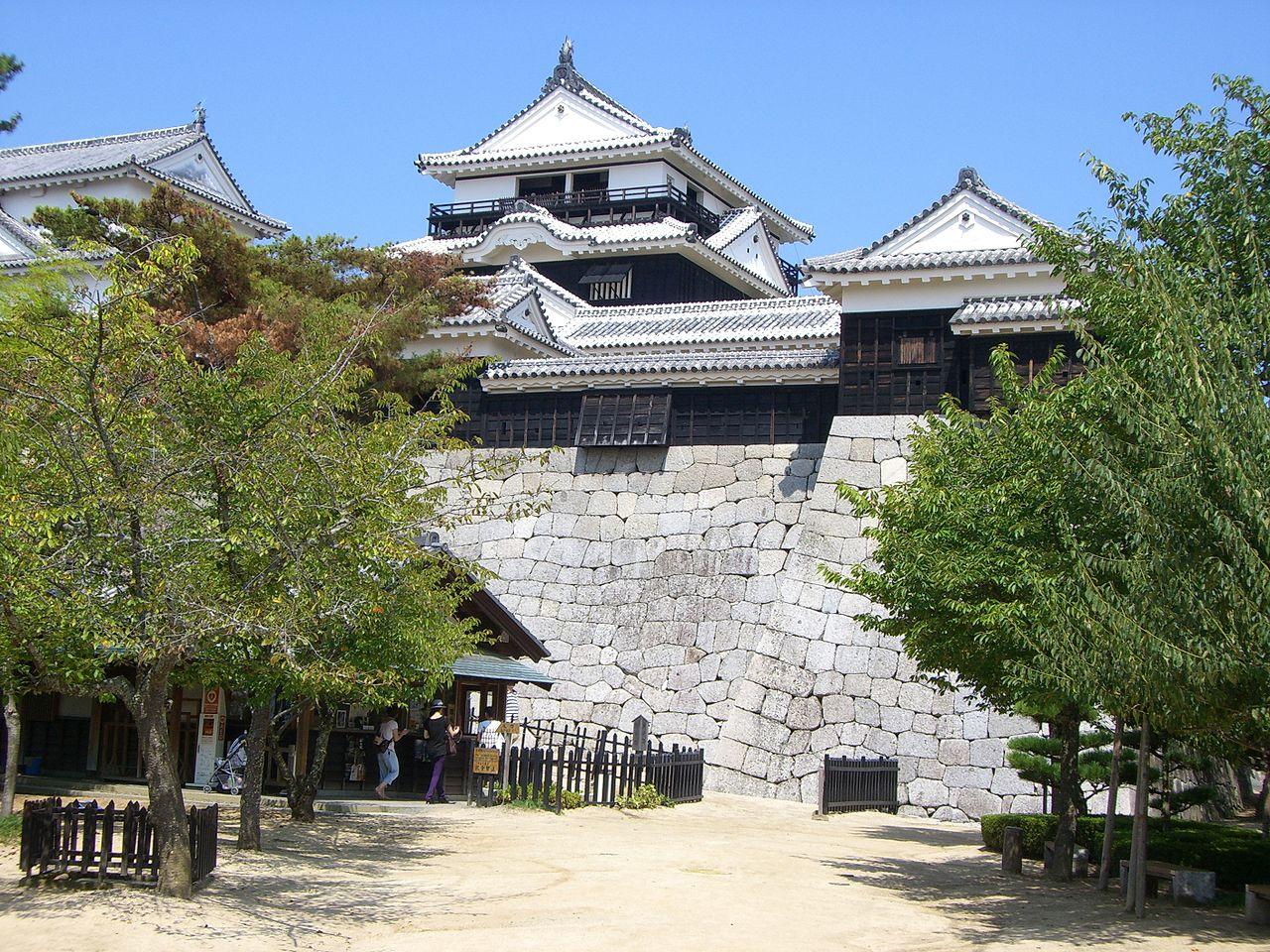
Looking beyond Meiji Jingu? Discover Iyo for broader travel guides, local hot-spots, and regional highlights.
Explore Iyo
Experience the vibrant shopping scene at SoLaDo Takeshita-dori, where Tokyo's fashion-forward culture meets unique shops and delightful cafes.

Explore Kiyomasa's Well, a historical landmark in Tokyo offering tranquil waters and lush gardens, perfect for relaxation and reflection amidst nature.