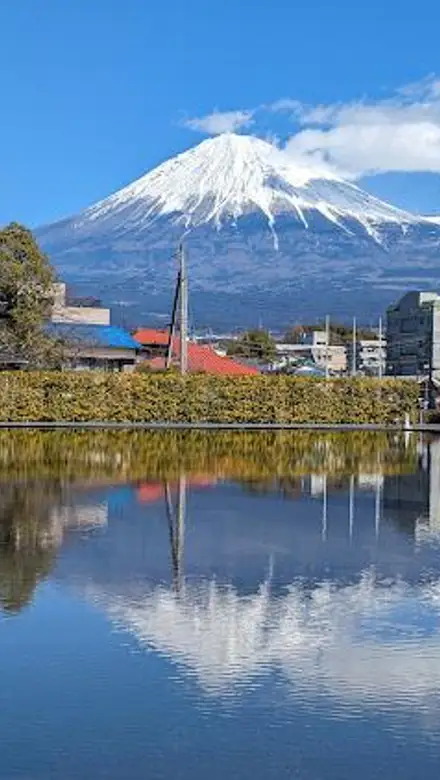
Mount Fuji Travel Guide
Free Guide: Climb or admire Japan's iconic Mount Fuji, a symbol of the country's natural beauty and spiritual significance, drawing millions annually.


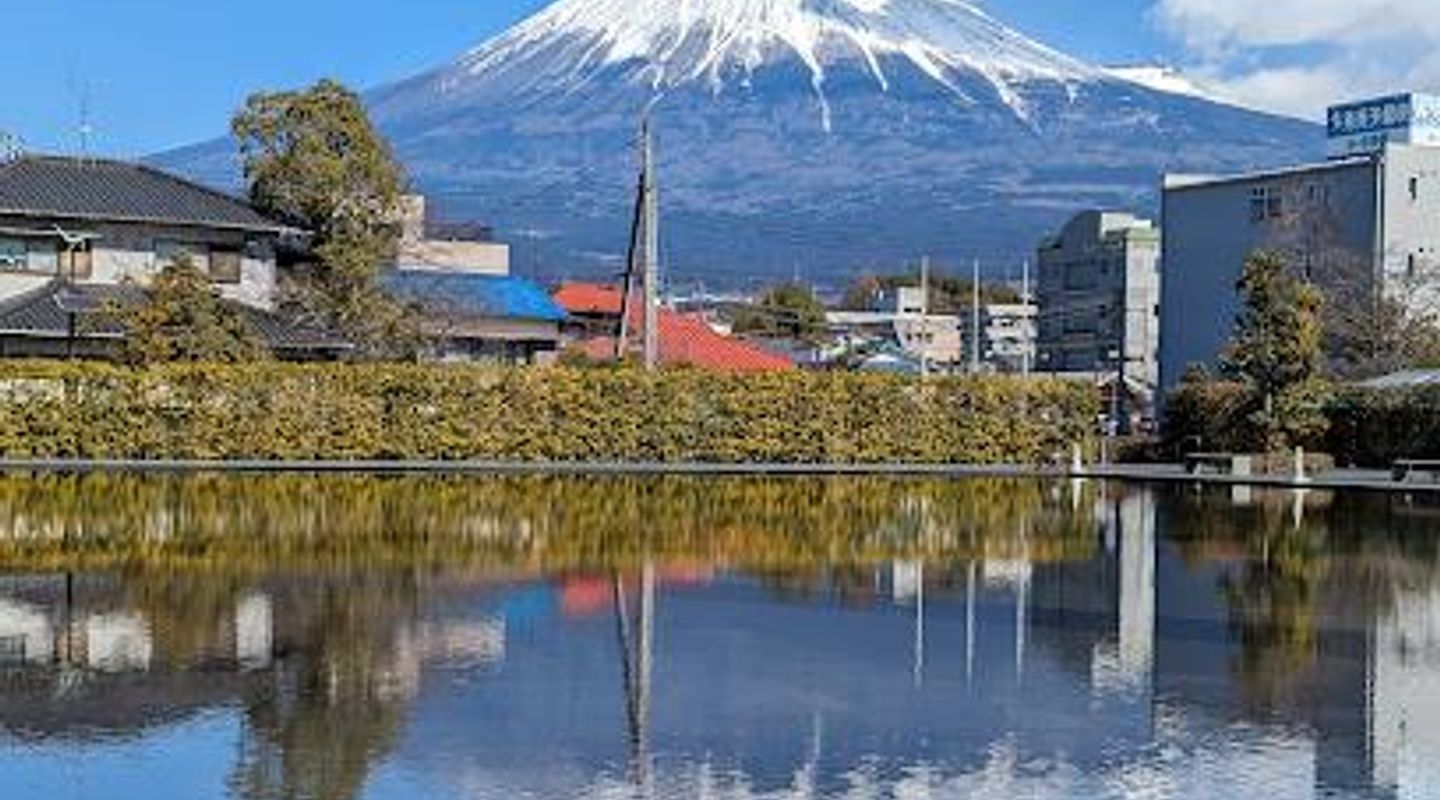
A brief summary of Mount Fuji
Climb or admire Japan's iconic Mount Fuji, a symbol of the country's natural beauty and spiritual significance, drawing millions annually.
Mount Fuji (Fujisan), Japan's tallest and most iconic mountain, is a dormant volcano revered for its symmetrical cone shape and cultural significance. A UNESCO World Heritage Site, it attracts millions of visitors annually for climbing and sightseeing.
- Address
- Kitayama, Fujinomiya, Shizuoka 418-0112
- Website
Getting there
Public Transport
Driving
Discover more about Mount Fuji
Overview
Mount Fuji (Fujisan), standing at 3,776 meters, is more than just Japan's highest peak; it's a symbol of the country's identity and a cornerstone of its philosophy, religion, art, and literature. This dormant volcano, with its nearly perfect symmetrical cone, has been worshipped as a sacred mountain for centuries.Mount Fuji's history dates back thousands of years, with the Ainu people, the indigenous inhabitants of Japan, first worshipping the mountain in the 9th century. Shinto and Buddhist beliefs further solidified its spiritual importance, with pilgrims climbing its slopes as an act of devotion. During the Edo period (1603-1868), climbing Mount Fuji for religious reasons became increasingly popular.The mountain's last eruption in 1707 sent volcanic ash as far as Tokyo. Today, Mount Fuji is a UNESCO World Heritage Site, attracting millions of tourists and climbers each year. The official climbing season runs from early July to early September, when the weather is relatively mild and the trails are open. However, climbing outside this period is strongly discouraged due to hazardous conditions.Whether you're drawn to its spiritual significance, artistic inspiration, or the challenge of reaching its summit, Mount Fuji offers an unforgettable experience. From the stunning views from the summit to the serene beauty of the Fuji Five Lakes at its base, Mount Fuji is a destination that captivates the hearts of all who visit.
Evendo Review Centre
 Google
Guest reviews
Explore Mount Fuji on the map
A handpicked selection of must-see spots near Mount Fuji, mapped for you.
Get your free copy of our complete guide to Mount Fuji, delivered straight to you.
Everything on this page, from opening hours and how to get there to Eve’s tips and the best time to go, in one PDF you can read offline, print or share.
Already have an account? Sign in
Your Mount Fuji guide is ready.
We'll send it to · Not you? Sign out

Getting your guide ready…
We are putting together a fresh copy of the Mount Fuji guide. This can take up to a minute.
This can take a few moments. If your browser asks, choose Allow so the download can start. You'll find the guide in your Downloads folder.
Nothing happened? Download it again
Sorry, the guide is taking longer than usual. Please try again in a minute, or get it by email instead.
Unlock the best of Mount Fuji
Skip-the-line tickets, guided tours with entry, and walking tours of the area, booked in a few clicks.
 Tour with entry
Mt. Fuji Tours with Kawaguchi Lake Ropeway View English Speaking
from $77.34 Tour with entry
Mt. Fuji Skiing And Onsen Experience 1 Day Tour
from $87.19 Tour with entry
Mount Fuji, Kamakura, Big Buddha, & Lake Ashi Day Trip
from $113.05 Tour with entry
Mt Fuji and Hakone 1-Day Bus Tour Return by Bus
from $135.68
 Tour
TourMt Fuji Views and Hokusai Special Train Ride from Mishima
from $12.03 Tour
TourMount Fuji & Lake Kawaguchi Small Group Tour & Tokyo Hotel Pickup
from $52.25 Tour
TourMt. Fuji, Chureito Pagoda & Lake Kawaguchiko Day Tour from Tokyo
from $55.18 Tour
TourTokyo: Mt. Fuji, Oshino Hakkai and Gotemba Outlets 1-Day Bus Tour
from $55.18
Other nearby places you may find interesting
The closest places of the same kind, if this one is not quite what you had in mind.
-
-
-
-
-


Swipe for more places
More to explore near Mount Fuji

 Best experiences near Mount Fuji
 Best hotels near Mount Fuji
 Best landmarks near Mount Fuji
 Best attractions near Mount Fuji
 Best shops near Mount Fuji
 Best restaurants near Mount Fuji
 Best bars near Mount Fuji
Do you manage this location?
Take control to get all the benefits, like improved information, better appearance, and stronger visibility across AI-powered discovery.
Explore more

Explore more of Izu
Discover Izu, Japan: A picturesque peninsula known for its scenic coastlines, relaxing hot springs, historical temples, and vibrant cherry blossoms.
Explore Izu
Explore more of Japan
Discover the harmony of tradition and modernity in Japan, where ancient temples and cutting-edge technology coexist in perfect balance.
Explore Japan