

Free Izumi Travel Guide & Mobile App
Explore Izumi with free travel guides. Discover regional history, expert tips, proposed trips, and audio guides on web or mobile app.


Explore Izumi in Kagoshima for winter cranes, preserved samurai homes, rural landscapes and a considered taste of northern Kyushu.
Read more about Izumi
When is the best time to visit Izumi?
Best: October–December · 12–23°C| Month | High (°C) | Rainfall (mm) |
|---|---|---|
| January | 9 | 55 |
| February | 10 | 69 |
| March | 13 | 103 |
| April | 20 | 140 |
| May | 24 | 174 |
| June | 27 | 270 |
| July | 32 | 264 |
| August | 32 | 194 |
| September | 29 | 189 |
| October (best) | 23 | 105 |
| November (best) | 17 | 76 |
| December (best) | 12 | 50 |
Getting to and around Izumi
How to get there
Transportation
Best attractions in Izumi
Izumi’s principal attractions combine wildlife, agricultural scenery and Satsuma history rather than concentrating in a single large visitor complex. The winter crane grounds around Komenotsu are the city’s best-known sight, with the Izumi Crane Museum and Crane Observation Centre explaining the birds’ migration and conservation. Viewing is seasonal and weather-dependent, but the surrounding fields remain an important part of the experience. Izumi Fumoto provides a contrasting attraction: its preserved samurai residences, lanes and stonework reveal the defensive planning of an Edo-period settlement. Visitors can also explore local shrines, museums, river landscapes and the farming districts that give the city its visual character. The wider city is well suited to cycling or self-drive touring when conditions permit, particularly for travellers interested in birdlife, rural photography and traditional architecture. There is little emphasis on large-scale entertainment; Izumi rewards close observation, seasonal timing and a willingness to move between several modest sites.
-
Osaka Castle Park
Experience the beauty and history of Osaka Castle Park, a serene escape filled with lush gardens and rich cultural heritage in the heart of Osaka.
-
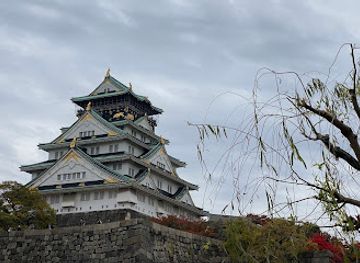
Osaka Castle Main Tower (Osaka Castle Museum)
Discover the rich history and breathtaking architecture of Osaka Castle, a must-see landmark that beautifully blends tradition and modernity.
-
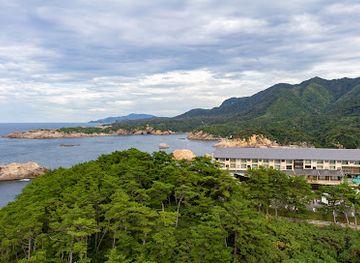
Izumo Hinomisaki Lighthouse
Experience the breathtaking views and rich history at the Izumo Hinomisaki Lighthouse, a must-visit tourist attraction in Shimane, Japan.
-
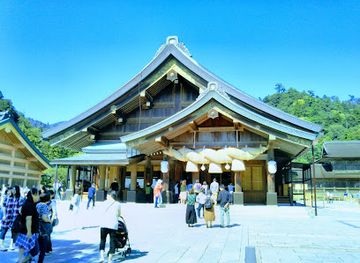
Shimane Prefecture Ancient Izumo History Museum
Explore the Ancient Izumo History Museum in Shimane Prefecture, where rich cultural heritage and fascinating historical exhibits await every visitor.

Best landmarks in Izumi
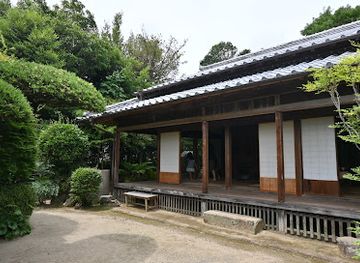
The defining historic landmark of Izumi is Izumi Fumoto, a surviving Satsuma samurai settlement whose stone walls, hedges, drainage channels and carefully arranged streets preserve the logic of an Edo-period defensive community. Its significance lies not in monumental scale but in the way an entire neighbourhood expresses domain government and samurai residence. The traditional houses within the district add architectural detail, including tiled roofs, gardens and boundary walls. A very different landmark is the seasonal crane landscape around Komenotsu, where thousands of migratory birds transform ordinary cultivated fields into an internationally recognised wildlife site during winter. The Komenotsu River and surrounding lowlands help explain why the birds and agriculture coexist here. Izumi’s shrines, old roads and rural settlements are less concentrated than the main heritage district, but together they reveal the city’s relationship with Satsuma’s religious, agricultural and defensive past. Izumi Station, with its Shinkansen connection, represents the modern counterpart to these older landmarks and the city’s continuing role as a northern Kagoshima gateway.
-
Park
Izumi Recycle Environment Park
Discover a sustainable oasis in Osaka's Izumi Recycle Environment Park: a vibrant blend of nature, recreation, and community.
-
Park
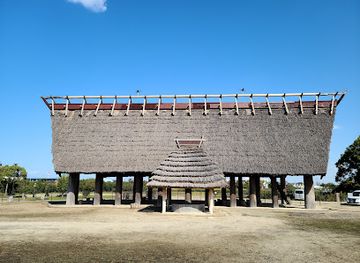
Ikegami-Sone Archaeological Park
Step back in time at Ikegami-Sone Archaeological Park in Osaka, exploring ancient ruins and experiencing Japan's rich Yayoi history.
-
Buddhist temple
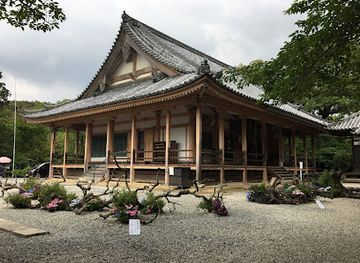
Matsuoji
Discover tranquility at Matsuoji Temple in Izumi, Osaka, a serene escape with traditional architecture and peaceful gardens, perfect for reflection and cultural appreciation.
-
Shinto shrine
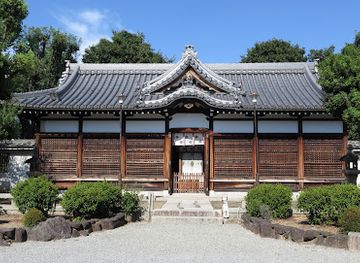
Izumiinoue Shrine
Discover Osaka's ancient Izumiinoue Shrine: a serene escape steeped in legend, emperors, and sacred waters.
Explore Izumi on the map
Plan your trip on one map. See where the top cities, national parks and sights are, and book hotels and experiences in a few clicks.
Best hotels in Izumi
Best restaurants in Izumi
Dining in Izumi reflects northern Kagoshima’s agricultural and coastal setting. Local restaurants and izakaya commonly serve rice-based meals, grilled or fried chicken, pork and Satsuma-style home cooking, while seafood from the Yatsushiro Sea appears in season. Kagoshima’s regional flavours may include black pork, sweetened soy-based sauces, satsuma-age fish cakes and dishes accompanied by pickles and miso, although these are part of the wider prefectural food culture rather than exclusive to Izumi. Citrus and other locally grown produce are important in the surrounding countryside, and small cafés provide a useful pause between heritage and wildlife visits. Shochu, the sweet-potato spirit strongly associated with Kagoshima, is available in restaurants, but it is only one part of the local drinks culture. Dining options are more varied around central Izumi and the station than in the scattered rural districts, where opening arrangements may be limited.
-
Ramen
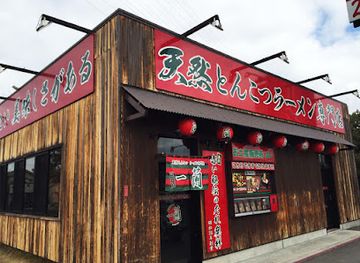
Ichiran Izumiotsu
Experience authentic Japanese ramen at Ichiran Izumiotsu in Osaka, where flavor meets tradition in every delicious bowl.
-
Cafe
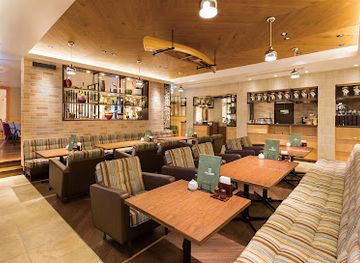
Musashinomori Coffee Izumi Fuchu
Experience cozy dining at Musashinomori Coffee Izumi Fuchu - where delicious breakfasts meet warm hospitality in Osaka.
-
Japanese
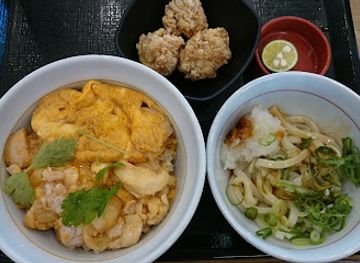
Nakau Izumi Fuchu
Explore authentic Japanese flavors at Nakau Izumi Fuchu in Osaka – home to delicious gyudon and comforting noodle dishes.
-
Japanese
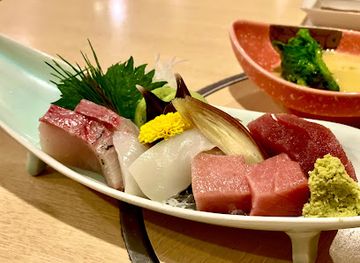
Hakata
Explore Hakata's vibrant dining scene where authentic Japanese flavors come alive amidst a rich cultural backdrop.
Best bars in Izumi
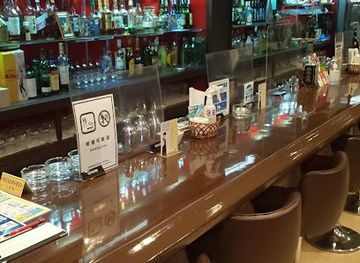
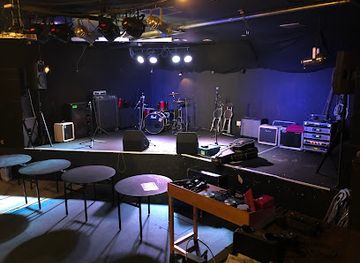
Izumi has a modest evening scene suited to conversation rather than large-scale clubbing. Central streets around Izumi Station and the city centre contain izakaya, small bars and restaurants where residents and visitors can sample local food and Kagoshima shochu. Traditional drinking establishments may be compact and Japanese-language menus are common, so hotel staff can be useful when choosing a place or making a reservation. Live music and nightlife are considerably less prominent than in Kagoshima city, and rural areas become quiet after dinner. Seasonal visitors who spend the day at the crane fields generally find the evening atmosphere relaxed and local rather than entertainment-led. Non-alcoholic drinks, cafés and restaurant dining are also part of the available evening experience, while larger clubs and a wider choice of late-night venues are found outside Izumi in the major cities of the region.
-
Bar
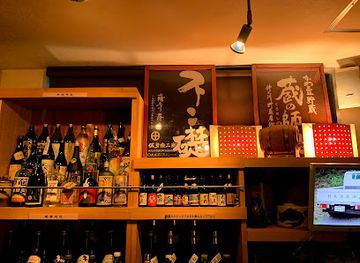
Honkaku Shochu Bar ISHIZUE
Discover the essence of Kagoshima at Honkaku Shochu Bar ISHIZUE, where authentic shochu meets warm hospitality in a cozy atmosphere.
-
Bar
バハマバー
Discover the vibrant nightlife at バハマバー in Izumi, where great drinks and lively entertainment await until the early morning hours.
-
Zip!!
Experience the vibrant nightlife of Izumi at Zip!!, a cozy bar offering local drinks and snacks in a welcoming atmosphere.
-
Bar
ラウンジバー テール
Experience the vibrant nightlife of Izumi at Lounge Bar Tail, where expertly crafted cocktails meet a cozy ambiance for a perfect night out.
Best nightclubs in Izumi
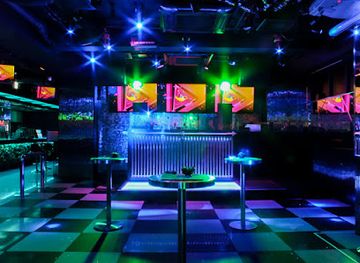
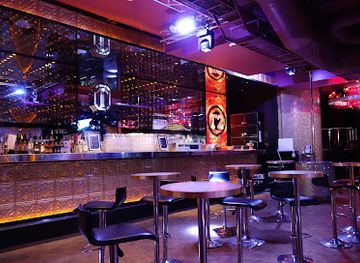
Izumi has a modest evening scene suited to conversation rather than large-scale clubbing. Central streets around Izumi Station and the city centre contain izakaya, small bars and restaurants where residents and visitors can sample local food and Kagoshima shochu. Traditional drinking establishments may be compact and Japanese-language menus are common, so hotel staff can be useful when choosing a place or making a reservation. Live music and nightlife are considerably less prominent than in Kagoshima city, and rural areas become quiet after dinner. Seasonal visitors who spend the day at the crane fields generally find the evening atmosphere relaxed and local rather than entertainment-led. Non-alcoholic drinks, cafés and restaurant dining are also part of the available evening experience, while larger clubs and a wider choice of late-night venues are found outside Izumi in the major cities of the region.
-
Night club
KITSUNE KYOTO
Experience the vibrant nightlife at Kitsune Kyoto, where energetic beats and an inviting atmosphere create unforgettable memories.
-
Night club
TK
Unleash your night at TK Nightclub in Shibuya, Tokyo's ultimate destination for unforgettable parties and electrifying music.
-
Night club
Pure Osaka
Discover the vibrant nightlife of Osaka at Pure Osaka, a premier night club featuring live music and an electrifying atmosphere.
-
Night club
Ammona
Experience Osaka's vibrant nightlife at Ammona, a premier night club blending electrifying music, cocktails, and unforgettable moments.


Best shops in Izumi
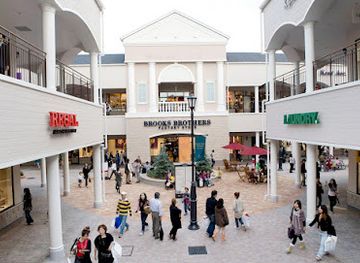
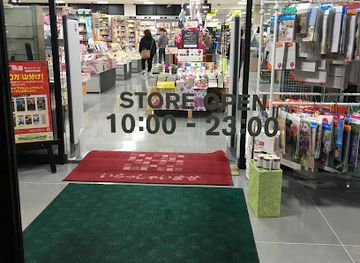
Shopping in Izumi is primarily local and practical, with the greatest interest found in produce, food and regional crafts rather than luxury retail. Shops and roadside outlets around the agricultural districts may sell citrus, rice, seasonal vegetables, prepared foods and other products from northern Kagoshima, while central streets provide everyday shops, bakeries, cafés and small specialist businesses. Visitors looking for souvenirs can consider regional sweets, tea, preserved foods, ceramics and Kagoshima shochu where legally permitted and appropriately packaged for travel. Izumi Fumoto and nearby cultural facilities may offer more heritage-oriented gifts, though the historic district is not a large commercial shopping quarter. Farmers’ produce and local food products change with the season, so selection varies. For department stores, extensive fashion retail or a broad contemporary shopping choice, visitors generally need to travel beyond Izumi to larger urban centres rather than expecting the city to function as a major retail destination.
-
Outlet mall
Sendai Izumi PREMIUM OUTLETS
Shop till you drop at Sendai Izumi PREMIUM OUTLETS, featuring over 100 brands and unbeatable discounts in beautiful Sendai, Japan.
-
Historical landmark
Izumi-Fumoto Samurai Residences
Immerse yourself in the captivating history of the Izumi-Fumoto Samurai Residences, a treasure of Japan's samurai culture.
-
Book store
Tsutaya Izumi Midorimachi
Explore Tsutaya Izumi Midorimachi, a cultural oasis in Kagoshima, filled with books, music, comics, and more for every kind of traveler.
-
Grocery store
Plasse Daiwa Izumi
Discover the rich culinary heritage at Plasse Daiwa Izumi, a grocery store offering local delicacies and a taste of Kagoshima's vibrant food culture.
Get your free copy of our complete guide to Izumi, delivered straight to you.
Everything on this page, from attractions and restaurants to essentials and local phrases, in one PDF you can read offline, print or share.
Already have an account? Sign in
Your Izumi guide is ready.
We'll send it to · Not you? Sign out

Getting your guide ready…
We are putting together a fresh copy of the Izumi guide. This can take up to a minute.
This can take a few moments. If your browser asks, choose Allow so the download can start. You'll find the guide in your Downloads folder.
Nothing happened? Download it again
Sorry, the guide is taking longer than usual. Please try again in a minute, or get it by email instead.
Izumi essentials
Currency and Payment
Safety
Emergency Situations
Do's and Don'ts
Local Tips
From Eve
Local phrases worth knowing
You don't need to get them perfect. A few words go a long way, and locals appreciate the effort.
Basics
| English | Local | Say it |
|---|---|---|
| Hello | Hi | [Hai] |
| Goodbye | Bye | [Bai] |
| Yes | Yeah | [Yea] |
| No | Nope | [Nope] |
| Please/You're welcome | You're welcome | [Yur welkum] |
| Thank you | Thanks | [Thangs] |
| Excuse me/Sorry | Sorry | [Sori] |
| How are you? | How's it going? | [Hows it goin?] |
| Fine. And you? | Good. You? | [Gud. You?] |
| Do you speak English? | Do you speak English? | [Do you speak English?] |
| I don't understand | I don’t get it | [I dont get it] |
Eating & Drinking
| English | Local | Say it |
|---|---|---|
| I'd like to see the menu, please | Can I see the menu? | [Kan I see the menu?] |
| I don't eat meat | I’m vegetarian | [Im vegetarian] |
| Cheers! | Cheers! | [Cheers!] |
| I would like to pay, please | Can I get the check? | [Kan I get the chek?] |
Emergencies
| English | Local | Say it |
|---|---|---|
| Help! | Help! | [Help!] |
| Go away! | Leave me alone! | [Leev me alon!] |
| Call the Police! | Call 911! | [Call 911!] |
| Call a doctor! | Get a doctor! | [Get a doktor!] |
| I'm lost | I'm lost | [Im lost] |
| I'm ill | I’m not feeling well | [Im not feeling wel] |
Shopping
| English | Local | Say it |
|---|---|---|
| I'd like to buy... | I want to buy... | [I want to buy...] |
| I'm just looking | Just browsing | [Just browsing] |
| How much is it? | What’s the price? | [Whats the price?] |
| That's too expensive | That's too pricey | [Thats too pricy] |
| Can you lower the price? | Can you give me a better price? | [Can you give me a better price?] |
Time & Numbers
| English | Local | Say it |
|---|---|---|
| What time is it? | What time is it? | [What time is it?] |
| It's one o'clock | It's one | [Its one] |
| Half past (10) | Half past ten | [Half past ten] |
| Morning | Morning | [Morning] |
| Afternoon | Afternoon | [Afternoon] |
| Evening | Evening | [Evening] |
| Yesterday | Yesterday | [Yesterday] |
| Today | Today | [Today] |
| Tomorrow | Tomorrow | [Tomorrow] |
| 1 | One | [One] |
| 2 | Two | [Two] |
| 3 | Three | [Three] |
| 4 | Four | [Four] |
| 5 | Five | [Five] |
| 6 | Six | [Six] |
| 7 | Seven | [Seven] |
| 8 | Eight | [Eight] |
| 9 | Nine | [Nine] |
| 10 | Ten | [Ten] |
Transport & Directions
| English | Local | Say it |
|---|---|---|
| Where's a/the...? | Where’s the...? | [Wheres the...?] |
| What's the address? | What’s the address? | [Whats the address?] |
| Can you show me (on the map)? | Can you show me on the map? | [Can you show me on the map?] |
| When's the next (bus)? | When's the next bus? | [Whens the next bus?] |
| A ticket (to ....) | A ticket to ... | [A tiket to ...] |
History of Izumi
Early settlement and the northern Satsuma landscape
The plains and river corridors around present-day Izumi have supported human settlement since prehistoric periods, although much of the visible historic character dates from later agricultural development. The area’s fertile lowlands, access to the Yatsushiro Sea and routes towards northern Kyushu gave it continuing practical importance. Archaeological remains in the wider region record long patterns of cultivation, exchange and settlement, while the nearby sea connected communities with coastal routes beyond Kagoshima.
The Shimazu domain and Satsuma rule
From the medieval period, the Shimazu family consolidated control over Satsuma and neighbouring territories, creating the political framework that later shaped Izumi. Satsuma developed a strong regional identity and maintained close links with trade and warfare across southern Kyushu. Izumi’s northern position meant that it was not simply an agricultural backwater: it occupied a strategic landscape where roads, river crossings and approaches from neighbouring domains required oversight.
Izumi Fumoto in the Edo period
During the Edo period, the Satsuma domain established Izumi Fumoto as one of its planned military settlements. Fumoto communities housed samurai families and helped guard important approaches into Satsuma territory. Their streets were organised for defence, with stone walls, winding routes, gates and controlled entrances. The surviving layout and traditional residences at Izumi Fumoto convey how domain government extended beyond castle towns and how samurai administration was embedded in provincial communities.
Agriculture, coastal exchange and local industry
For centuries, Izumi’s economy rested on the combination of rice cultivation, livestock, forestry, fishing and small-scale commerce. The broad plain around the Komenotsu River made agriculture central to local life, while coastal access supported movement of goods around northern Kagoshima and the Yatsushiro Sea. In the modern period, improved roads and railways strengthened links with other parts of Kyushu without erasing the city’s rural economic base.
Railways and modern regional connections
The opening of the Kagoshima Main Line brought Izumi into a more dependable railway network, linking northern Kagoshima with Kumamoto and the wider Kyushu system. In the twenty-first century, the Kyushu Shinkansen gave the city a further connection through Izumi Station. These changes shortened journeys while leaving Izumi distinct from the larger urban centres of Kagoshima and Kumamoto, which remain outside the city and serve as gateways rather than substitutes for its local character.
The winter cranes and conservation
Crane wintering around Izumi became a defining modern feature of the city as scientific monitoring and habitat protection developed. Thousands of cranes now arrive seasonally, particularly in farmland around the Komenotsu area, where feeding and observation are managed to reduce conflict with agriculture and disturbance to the birds. The winter gathering has created an important conservation and educational focus, linking Izumi’s identity to international migratory routes as well as to its longstanding farming landscape.
Izumi in Photos
Browse through our photo collection highlighting the charm and character of the destination.
Neighbouring regions of Izumi
The closest regions to Izumi, if you have time for more than one.
-

-

-

-

-


Swipe for more regions
Explore more

Explore more of Japan
Discover the harmony of tradition and modernity in Japan, where ancient temples and cutting-edge technology coexist in perfect balance.
Explore Japan