

Free Satsuma Travel Guide & Mobile App
Explore Satsuma with free travel guides. Discover regional history, expert tips, proposed trips, and audio guides on web or mobile app.


Explore Satsuma in southern Kagoshima for samurai history, volcanic hot springs, tea fields, coastal scenery and distinctive Kyushu cuisine.
Read more about Satsuma
When is the best time to visit Satsuma?
Best: April–May, October · 20–24°C| Month | High (°C) | Rainfall (mm) |
|---|---|---|
| January | 11 | 75 |
| February | 12 | 75 |
| March | 15 | 100 |
| April (best) | 20 | 125 |
| May (best) | 24 | 125 |
| June | 27 | 200 |
| July | 31 | 200 |
| August | 31 | 200 |
| September | 28 | 150 |
| October (best) | 23 | 125 |
| November | 17 | 100 |
| December | 13 | 75 |
Getting to and around Satsuma
How to get there
Transportation
Destinations in Satsuma
Resorts, valleys and scenic spots worth a trip of their own.

Swipe for more destinations
Best attractions in Satsuma
Satsuma’s attractions range from urban history to geothermal landscapes and working agricultural communities. In Kagoshima City, visitors can explore the Museum of the Meiji Restoration, the Kagoshima City Aquarium and the historic Iso district, where Sengan-en combines a landscaped garden, a Shimadzu residence and views across Kagoshima Bay. Ibusuki is known for its hot springs and traditional sand bathing, while the southern peninsula offers beaches, coastal viewpoints and quiet fishing settlements. Chiran’s samurai district and Peace Museum provide contrasting perspectives on the region’s past. Around Minamikyushu, tea fields and rural roads reveal a major agricultural landscape, while Makurazaka is associated with bonito fishing and processing. The Satsuma Peninsula also contains pottery studios, local museums, gardens and small festivals whose dates vary annually. Island excursions to the Koshikijima group offer beaches, cliffs and maritime communities, but require careful planning around weather and transport. Outdoor activities are generally low-key rather than concentrated in a single resort: walking, cycling, bathing, scenic driving and food-focused visits suit the region’s dispersed character.
-
Garden
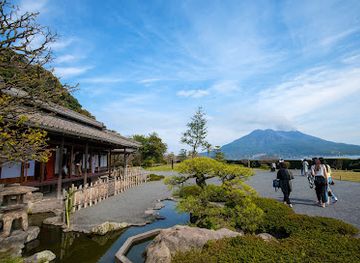
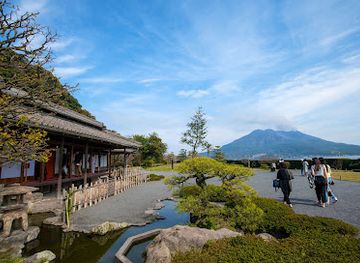
Sengan-en
Explore a stunning Japanese garden with breathtaking views of Sakurajima volcano, offering a glimpse into feudal lord life and industrial history.
-
Aquarium
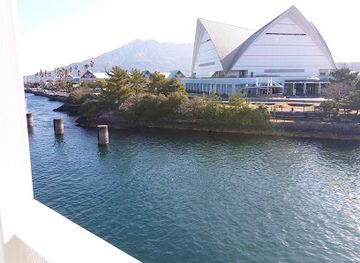
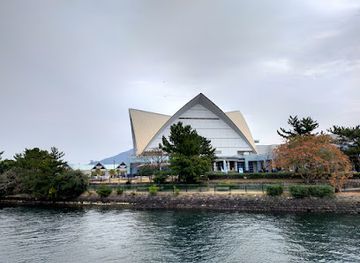
Kagoshima City Aquarium
Explore diverse marine life at Kagoshima City Aquarium: whale sharks, dolphins, coral reefs, and deep-sea creatures await!
-
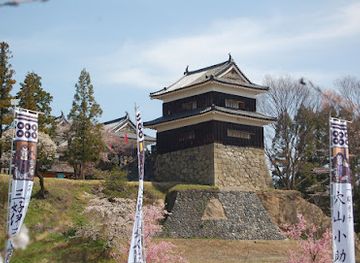
Uedajo Castle Ruins
Discover Ueda Castle: Explore samurai history, stunning architecture, and beautiful gardens in Nagano Prefecture. A historic fortress of the Sanada clan.
-
Observation deck
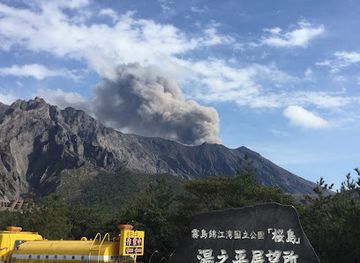
Yunohira Observation Deck
Witness Sakurajima's volcanic activity and panoramic views of Kagoshima Bay from the closest publicly accessible point on the mountain.
Best landmarks in Satsuma
Sengan-en at Iso is one of Satsuma’s defining historic landscapes: the former Shimadzu residence and its gardens use the mountain, water and views across Kagoshima Bay as part of the design, while nearby industrial remains recall the domain’s early experiments with modern technology. In Kagoshima City, the stone gateways and grounds associated with Tsurugaoka Castle’s former site, together with memorials to Saigo Takamori and the Meiji Restoration, help explain the city’s political importance even though the original castle no longer survives. Chiran’s samurai district is notable for its carefully preserved streets, stone walls, gates and gardens, offering a rare sense of an Edo-period residential quarter. Farther south, the volcanic coastline, warm sands and geothermal waters around Ibusuki form a natural landmark rather than a single monument. The Satsuma Peninsula’s tea-covered hills and long Pacific-facing and East China Sea coastlines are also part of its visual identity, linking productive landscapes with historic travel routes and fishing communities.
-
Garden
Sengan-en
Experience the tranquility of Sengan-en Garden in Kagoshima, where nature, history, and stunning views of Sakurajima come together.
-
War museum
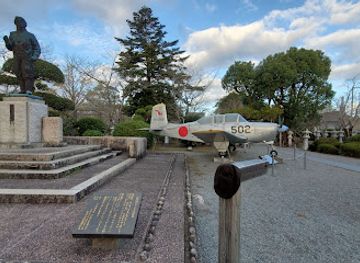
Chiran Peace Museum
Explore the past at Chiran Peace Museum, a poignant tribute to Japan’s wartime history and a beacon for peace in the heart of Kagoshima.
-
Aquarium
Kagoshima City Aquarium
Explore the vibrant marine life and breathtaking exhibits at Kagoshima City Aquarium, a premier tourist attraction in the heart of Kagoshima.
-
Observation deck
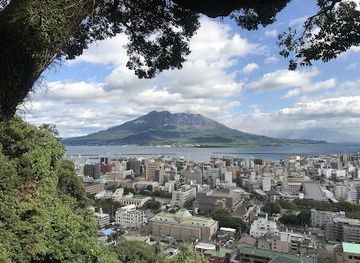
Shiroyama Park Observation Deck
Discover stunning panoramic views of Kagoshima and Sakurajima at Shiroyama Park Observation Deck, a must-visit for nature lovers and photographers.
Explore Satsuma on the map
Plan your trip on one map. See where the top cities, national parks and sights are, and book hotels and experiences in a few clicks.
Best hotels in Satsuma
Best restaurants in Satsuma
Satsuma’s food reflects volcanic soil, warm coastal waters and a strong sweet-potato-growing tradition. Kagoshima black pork is widely served as grilled meat, shabu-shabu or tonkatsu, while black beef and locally raised chicken appear in restaurants across Kagoshima City and the peninsula. Makurazaki is particularly associated with bonito, often prepared as seared katsuo or processed into flakes used in Japanese cooking. Sweet potatoes are central not only to the cuisine but also to Satsuma shochu, the region’s best-known spirit. Ibusuki and southern Kagoshima produce distinctive citrus and vegetables, and local green tea is served in cafés, sweet shops and homes. Restaurants range from izakaya and noodle shops to seafood counters, traditional inns, rural diners and contemporary kitchens. Markets and department-food halls are useful places to sample packaged tea, dried bonito, confectionery and snacks, while smaller towns offer seasonal dishes that may not appear on English-language menus. The regional style is practical, produce-led and closely connected to agriculture and fishing.
-
Sushi
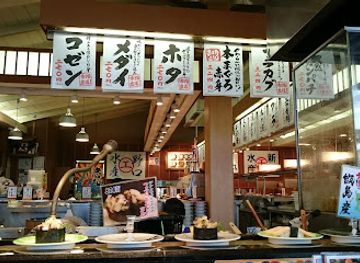
Mawaru Sushi Mekkemon Dolphin Port
Experience the best of Japanese cuisine at Mawaru Sushi Mekkemon Dolphin Port with fresh sushi and vibrant atmosphere.
-
Unagi restaurant
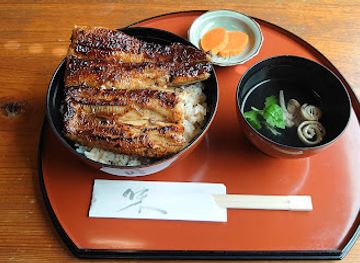
Eel Mitsuru
Discover Eel Mitsuru in Kagoshima – where authentic unagi delights await every discerning palate.
-
Japanese
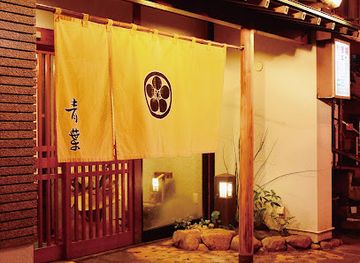
Aoba
Experience authentic shabu-shabu at Aoba in Ibusuki – where traditional Japanese flavors meet modern dining.
-
Restaurant
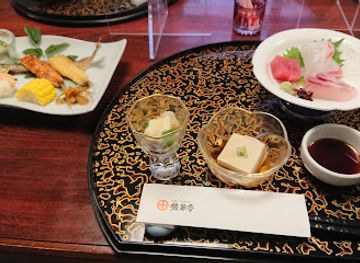
Kumasotei
Discover Kumasotei: Kagoshima's iconic izakaya specializing in Shabu Shabu and Sukiyaki - where tradition meets flavor.
Best bars in Satsuma
Nightlife in Satsuma is concentrated in Kagoshima City, especially around the Tenmonkan entertainment and shopping area, where izakaya, small bars, karaoke venues and restaurants stay active into the evening. The atmosphere is more local and conversational than club-oriented, with Satsuma shochu commonly served alongside food. Kagoshima City has the region’s broadest choice of live music, cocktail bars and late-night venues, while Ibusuki and other resort towns offer hotel lounges, casual bars and dining after a day in the hot springs. In Chiran, Makurazaki and rural parts of the peninsula, evening life is quieter and generally centres on family-run restaurants, traditional pubs and accommodation venues rather than nightclubs. Visitors should check the final train or bus before going out, particularly outside Kagoshima City. Drinking is not necessary for enjoying the region, and many cafés, dessert shops and cultural venues provide earlier evening alternatives.
-
Bar
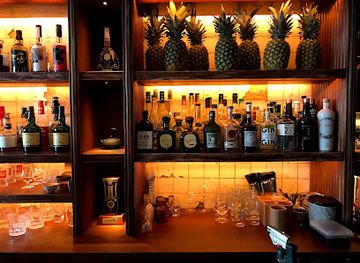
The SG Club
Discover the vibrant nightlife of Shibuya at The SG Club, renowned for its innovative cocktails and chic atmosphere that promise an unforgettable experience.
-
Cocktail bar
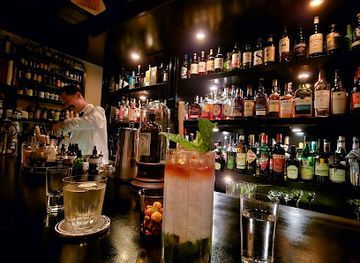
Bar TRENCH
Discover the art of mixology at Bar TRENCH, an exquisite cocktail bar in Shibuya, Tokyo, where every sip tells a story.
-
Bar
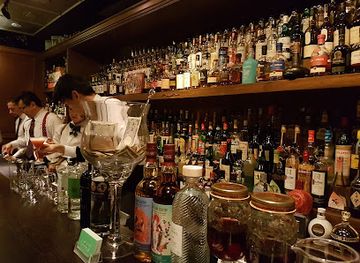
High Five
Discover High Five, a unique bar in Tokyo's Ginza, where skilled bartenders create exquisite cocktails in a warm and inviting atmosphere.
-
Bar
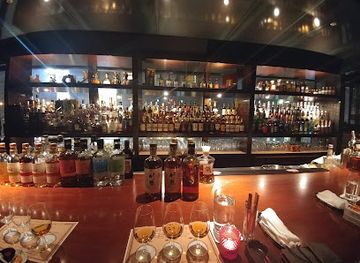
THE NIKKA BAR
Discover the essence of Japanese whisky at The Nikka Bar in Sapporo, a cozy haven for whisky lovers and cultural enthusiasts.
Best nightclubs in Satsuma
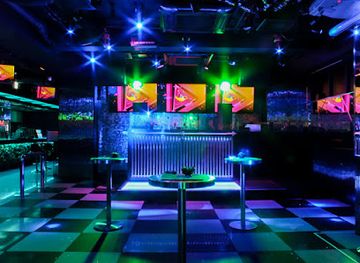
Nightlife in Satsuma is concentrated in Kagoshima City, especially around the Tenmonkan entertainment and shopping area, where izakaya, small bars, karaoke venues and restaurants stay active into the evening. The atmosphere is more local and conversational than club-oriented, with Satsuma shochu commonly served alongside food. Kagoshima City has the region’s broadest choice of live music, cocktail bars and late-night venues, while Ibusuki and other resort towns offer hotel lounges, casual bars and dining after a day in the hot springs. In Chiran, Makurazaki and rural parts of the peninsula, evening life is quieter and generally centres on family-run restaurants, traditional pubs and accommodation venues rather than nightclubs. Visitors should check the final train or bus before going out, particularly outside Kagoshima City. Drinking is not necessary for enjoying the region, and many cafés, dessert shops and cultural venues provide earlier evening alternatives.
-
Night club
KITSUNE KYOTO
Discover KITSUNE KYOTO, an electrifying night club blending vibrant music, exquisite drinks, and an unforgettable atmosphere in the heart of Kyoto's nightlife.
-
Night club
TK
Experience Tokyo's vibrant nightlife at TK Nightclub, where electrifying music and an exhilarating atmosphere await in the heart of Shibuya.
-
Night club
Kujira Entertainment
Experience the vibrant nightlife of Shinjuku at Kujira Entertainment, where exquisite cocktails, delightful desserts, and lively entertainment await you.
-
Night club
Ammona
Discover Ammona, Osaka's vibrant nightlife hotspot, where great music, lively dancing, and unforgettable memories await every night.


Best shops in Satsuma
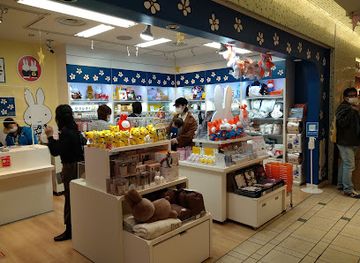
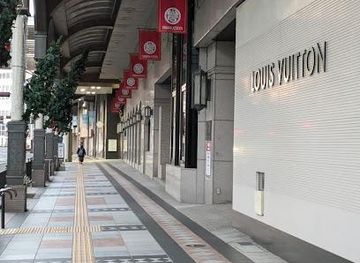
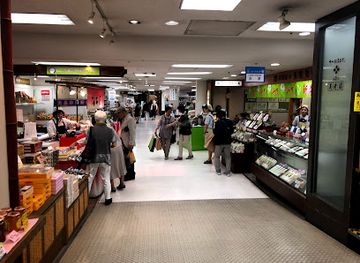
Shopping in Satsuma is strongest in Kagoshima City, particularly around Tenmonkan and the main station area, where department stores, covered arcades, food halls and independent shops sell regional produce alongside national brands. Useful local purchases include Satsuma shochu, green tea, sweet-potato confectionery, dried bonito from the southern coast, citrus products and seasonally made sweets. Satsuma ware, known in Japan as Satsuma-yaki, is represented by galleries and specialist shops, although styles, quality and prices vary considerably between studios and retailers. Chiran, Ibusuki and other smaller towns offer farm shops, roadside produce stalls, pottery workshops and craft displays rather than large shopping complexes. Look for clearly labelled local tea and food products, and ask about packaging if carrying bottles or ceramics on international flights. Rural markets can be modest and may operate on particular days, so they are best treated as part of a town visit rather than assumed to be permanent tourist attractions.
-
Shopping mall
Tokyo Character Street
Immerse yourself in the vibrant world of Japanese pop culture at Tokyo Character Street, a shopping paradise for character lovers.
-
Department store
Yamakataya Dept. Store
Explore Yamakataya Department Store in Kagoshima for an unforgettable shopping experience filled with local culture and exquisite goods.
-
Department store
Yamakataya Dept. Store
Explore the Yamakataya Department Store in Kagoshima: a shopping paradise blending traditional and modern Japanese culture, culinary delights, and unique souvenirs.
-
Hypermarket
A-Z Akune
Discover the ultimate shopping experience at A-Z Akune in Kagoshima, where local flavors and quality products await every visitor.
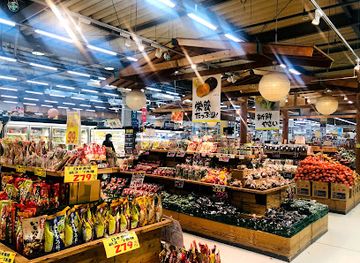
Get your free copy of our complete guide to Satsuma, delivered straight to you.
Everything on this page, from attractions and restaurants to essentials and local phrases, in one PDF you can read offline, print or share.
Already have an account? Sign in
Your Satsuma guide is ready.
We'll send it to · Not you? Sign out

Getting your guide ready…
We are putting together a fresh copy of the Satsuma guide. This can take up to a minute.
This can take a few moments. If your browser asks, choose Allow so the download can start. You'll find the guide in your Downloads folder.
Nothing happened? Download it again
Sorry, the guide is taking longer than usual. Please try again in a minute, or get it by email instead.
Satsuma essentials
Currency and Payment
Safety
Emergency Situations
Do's and Don'ts
Local Tips
From Eve
Local phrases worth knowing
You don't need to get them perfect. A few words go a long way, and locals appreciate the effort.
Basics
| English | Local | Say it |
|---|---|---|
| Hello | Howdy | [Haudee] |
| Goodbye | See ya | [Cee yah] |
| Yes | Yep | [Yep] |
| No | Nope | [Nope] |
| Please/You're welcome | Sure thing | [Shur thing] |
| Thank you | Thanks a lot | [Thangs a lot] |
| Excuse me/Sorry | Sorry 'bout that | [Sorry 'bout that] |
| How are you? | How ya doin'? | [How ya doin'?] |
| Fine. And you? | Good. You? | [Good. You?] |
| Do you speak English? | You speakin' English? | [You speakin' English?] |
| I don't understand | I ain't followin' | [I ain't followin'] |
Eating & Drinking
| English | Local | Say it |
|---|---|---|
| I'd like to see the menu, please | Can I see the menu? | [Can I see the menu?] |
| I don't eat meat | I don't do meat | [I don't do meat] |
| Cheers! | Cheers! | [Cheers!] |
| I would like to pay, please | Can I get the check? | [Can I get the check?] |
Emergencies
| English | Local | Say it |
|---|---|---|
| Help! | Help! | [Help!] |
| Go away! | Get lost! | [Get lost!] |
| Call the Police! | Call the cops! | [Call the cops!] |
| Call a doctor! | Get a doctor! | [Get a doctor!] |
| I'm lost | I'm lost | [I'm lost] |
| I'm ill | I'm sick | [I'm sick] |
Shopping
| English | Local | Say it |
|---|---|---|
| I'd like to buy... | I wanna buy... | [I wanna buy...] |
| I'm just looking | Just lookin' around | [Just lookin' around] |
| How much is it? | What’s the price? | [What’s the price?] |
| That's too expensive | That's way too pricey | [That's way too pricey] |
| Can you lower the price? | Can ya drop the price? | [Can ya drop the price?] |
Time & Numbers
| English | Local | Say it |
|---|---|---|
| What time is it? | What time ya got? | [What time ya got?] |
| It's one o'clock | It's one | [It's one] |
| Half past (10) | Half past ten | [Half past ten] |
| Morning | Mornin' | [Mornin'] |
| Afternoon | Afternoon | [Afternoon] |
| Evening | Evenin' | [Evenin'] |
| Yesterday | Yesterday | [Yesterday] |
| Today | Today | [Today] |
| Tomorrow | Tomorrow | [Tomorrow] |
| 1 | One | [One] |
| 2 | Two | [Two] |
| 3 | Three | [Three] |
| 4 | Four | [Four] |
| 5 | Five | [Five] |
| 6 | Six | [Six] |
| 7 | Seven | [Seven] |
| 8 | Eight | [Eight] |
| 9 | Nine | [Nine] |
| 10 | Ten | [Ten] |
Transport & Directions
| English | Local | Say it |
|---|---|---|
| Where's a/the...? | Where’s the...? | [Where’s the...?] |
| What's the address? | What’s the address? | [What’s the address?] |
| Can you show me (on the map)? | Can ya show me on the map? | [Can ya show me on the map?] |
| When's the next (bus)? | When’s the next bus? | [When’s the next bus?] |
| A ticket (to ....) | A ticket to... | [A ticket to...] |
History of Satsuma
Early Satsuma and the Formation of a Southern Province
Satsuma developed as one of Japan’s ancient provinces on the southern part of Kyushu. Its position between the East China Sea, Kagoshima Bay and the routes towards the Ryukyu Islands gave it a strong maritime orientation. Early communities combined rice cultivation, fishing and trade, while volcanic terrain shaped settlement and agriculture. The boundaries and political structures of the province changed over time, but the name continued to denote the southern-western part of Kyushu and later became associated with the domain that ruled much of present-day Kagoshima Prefecture.
The Shimadzu Family and Medieval Rule
The Shimadzu family established a durable political presence in southern Kyushu from the medieval period onwards. Their authority grew through alliances, warfare and administration across Satsuma, Osumi and parts of neighbouring provinces. Medieval strongholds, temple sites and later castle-town landscapes reflect the importance of regional governance, although many original structures have disappeared. The family’s long rule created institutions and traditions that remained influential when Satsuma became a powerful feudal domain under the Tokugawa shogunate.
Satsuma Domain and the Ryukyu Connection
During the Edo period, Satsuma Domain controlled the southern end of Kyushu and exercised authority over the Ryukyu Kingdom from the early seventeenth century. This relationship brought advantages through maritime trade and access to goods, knowledge and cultural influences from the islands and wider East Asia, while also placing heavy political demands on Ryukyu. Kagoshima’s ports and the domain’s administrative centres benefited from this connection. The legacy can be explored through regional museums, historic estates and the continuing prominence of distinctive southern Kyushu food and craft traditions.
Satsuma Rebellion, 1877
Satsuma produced many of the leaders who helped overthrow the Tokugawa shogunate and establish the Meiji government, including Saigo Takamori, whose memory remains especially strong in Kagoshima. Tensions between former samurai and the new central state later contributed to the Satsuma Rebellion of 1877. Saigo led the final major armed resistance to the Meiji government before being defeated and dying in Kagoshima. The conflict caused destruction and loss of life, but it also became a powerful and sometimes contested element of regional historical memory.
Modernisation, Industry and Overseas Exchange
Satsuma played an important part in Japan’s nineteenth-century modernisation. The Shimadzu estate at Iso, now associated with Sengan-en, became a centre for experiments in metalworking, machinery, glass and other industries. Local leaders drew on knowledge obtained through overseas contact, including the famous dispatch of young domain members abroad before the Meiji Restoration. These efforts helped connect Kagoshima with Japan’s industrial transformation. The surviving estate, gardens and related collections show how a formerly feudal region adapted to new technologies and international pressures.
War, Reconstruction and Contemporary Satsuma
Kagoshima and other Satsuma communities experienced wartime mobilisation, air raids and the wider disruption of the Pacific War. After 1945, the region rebuilt around agriculture, fishing, manufacturing, tourism and transport links with the rest of Kyushu. Rural communities retained tea production, pottery, shochu making and coastal industries while Kagoshima City expanded as a regional centre. Today, Satsuma’s historical identity is balanced with geothermal tourism, food production, conservation and cultural heritage, and the old provincial name remains widely used in products, institutions and tourism.
Satsuma in Photos
Browse through our photo collection highlighting the charm and character of the destination.
Neighbouring regions of Satsuma
The closest regions to Satsuma, if you have time for more than one.
-

-

-

-

-


Swipe for more regions
Explore more

Explore more of Japan
Discover the harmony of tradition and modernity in Japan, where ancient temples and cutting-edge technology coexist in perfect balance.
Explore Japan