Izumiinoue Shrine: A Spring of History and Tranquility
Discover Osaka's ancient Izumiinoue Shrine: a serene escape steeped in legend, emperors, and sacred waters.
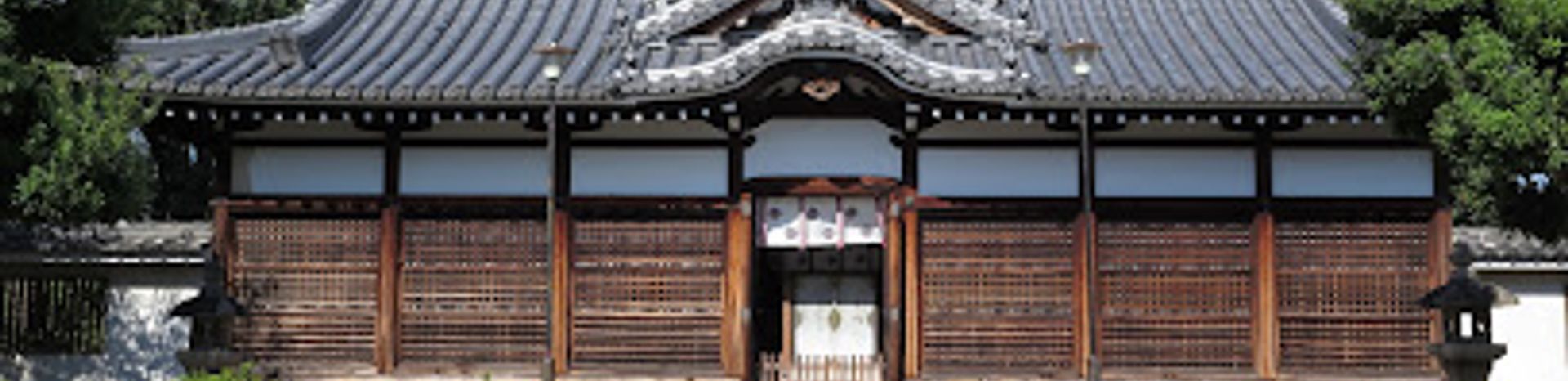
Izumiinoue Shrine in Izumi, Osaka, is an ancient Shinto shrine with a history steeped in legend, said to have been a place of prayer for Emperor Jimmu. Known for its sacred spring, from which Izumi gets its name, the shrine offers a serene escape and a glimpse into Japan's rich cultural past.
A brief summary to Izumiinoue Shrine
- 6 Chome Fuchucho, Izumi, 6 Chome Fuchucho, Osaka, 594-0071, JP
- +81725-44-8182
Local tips
- Take a leisurely stroll through the shrine grounds to fully appreciate the peaceful atmosphere and historical architecture.
- Visit the main hall to see the building of Gosha Soja, rebuilt by Hideyori Toyotomi in 1605, which is designated as a national important cultural property.
- Look for the sacred spring that gave Izumi its name, and learn about the legend of Empress Jingu.

Getting There
-
Public Transport
From Izumifuchu Station on the JR Hanwa Line, the shrine is a short 5-minute walk. Exit the station and head east, following signs for Izumiinoue Shrine. The path is straightforward and well-marked.
-
Taxi
A taxi from Izumifuchu Station to Izumiinoue Shrine is a quick and convenient option, costing approximately ¥700-¥900 for the short ride. Taxis are readily available at the station.
-
Walking
From nearby accommodations or other points of interest in Izumi, walking to the shrine is a pleasant way to experience the local area. Use a map to guide you to 6 Chome Fuchucho, Izumi, Osaka. The walk is generally flat and takes you through residential streets.
Discover more about Izumiinoue Shrine
Iconic landmarks you can’t miss

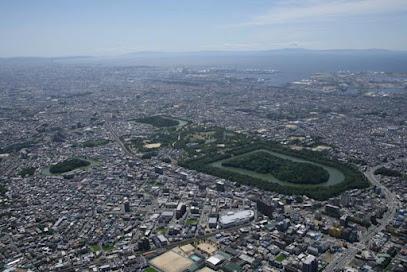
Daisen-ryo Kofun (Tomb of Emperor Nintoku)
10.2 km
Discover the monumental Daisen-ryo Kofun, the ancient burial site of Emperor Nintoku, and immerse yourself in Japan's rich historical tapestry.
Old Sakai Lighthouse
11.1 km
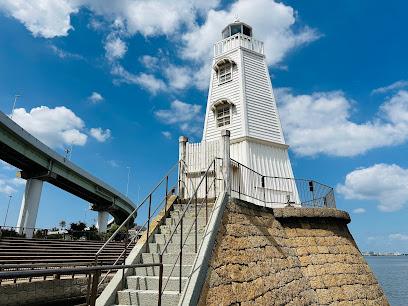
Explore Old Sakai Lighthouse, a historical gem in Sakai, Osaka, where history meets stunning waterfront views, perfect for every tourist.
Shin-Kizugawa Bridge
15.7 km
Experience the tranquility and beauty of Shin-Kizugawa Bridge in Osaka, a perfect blend of nature and modern architecture.
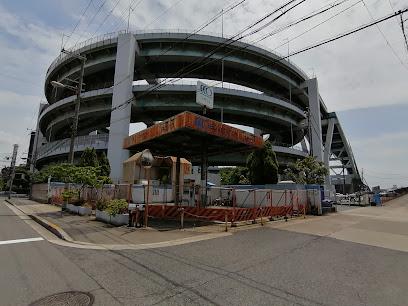
Sensai Bridge
17.7 km
Explore Sensai Bridge in Osaka, a stunning architectural marvel offering breathtaking views and a glimpse into local culture amidst the city's vibrant atmosphere.
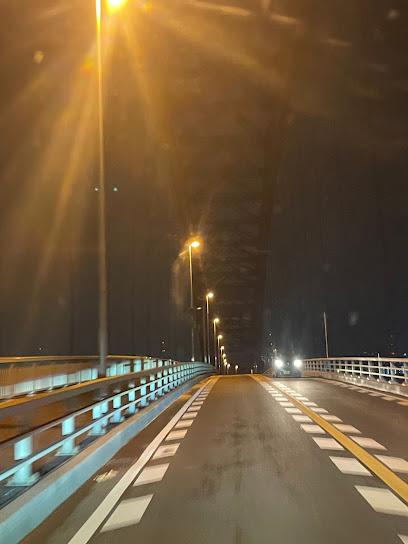
Kansai International Airport
18.5 km
Experience seamless travel at Kansai International Airport, a modern gateway connecting Osaka and the Kansai region to the world.
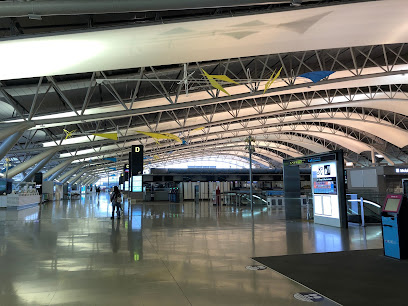
Tempozan Ferris Wheel
18.8 km
Discover Osaka from above at the Tempozan Ferris Wheel, an iconic attraction offering stunning views of the city and bay.
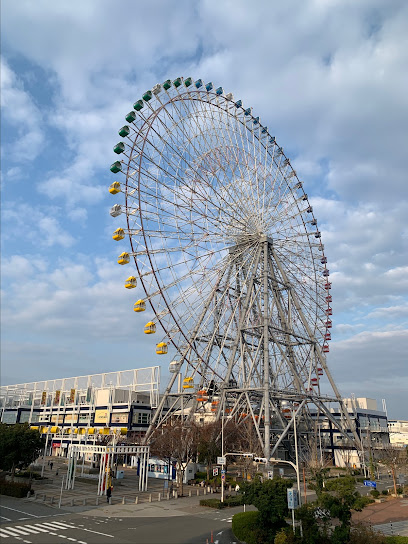
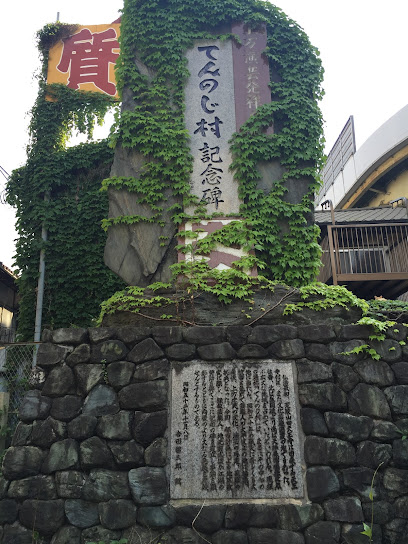
Ten Noji village monument
19.3 km
Explore the historical charm of Ten Noji Village Monument in Osaka, a serene landmark that offers a glimpse into Japan's rich cultural heritage.
ABENO HARUKAS
19.4 km
Explore Abeno Harukas, Japan's tallest skyscraper, offering breathtaking views, shopping, dining, and cultural experiences in the heart of Osaka.
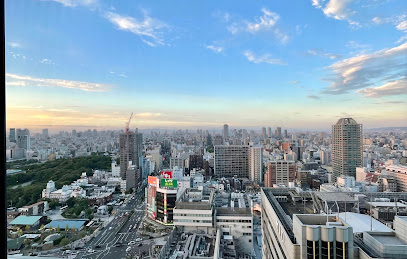
Harukas 300
19.4 km
Discover stunning panoramic views of Osaka from Harukas 300, the highest observation deck in Japan, where cityscapes meet breathtaking horizons.
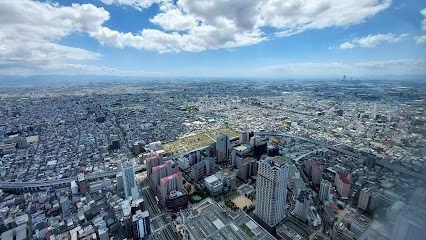
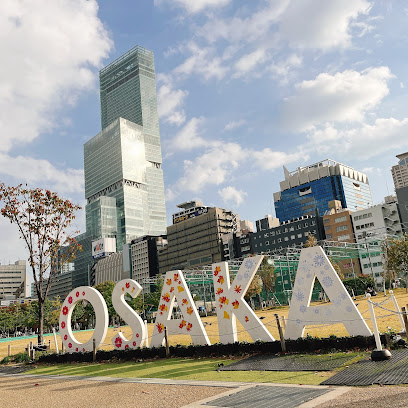
OSAKAモニュメント
19.5 km
Explore the stunning Osaka Monuments, where rich history and modern beauty intertwine in a vibrant urban landscape.
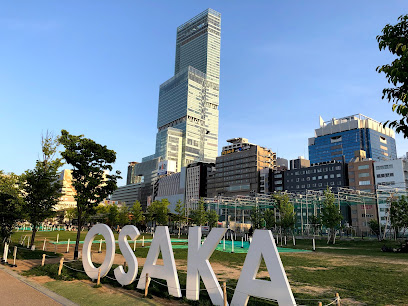
Tennoji Zoo
19.7 km
Explore Tennoji Zoo in Osaka for an unforgettable wildlife adventure amid lush landscapes and diverse animal species, perfect for families and nature lovers.
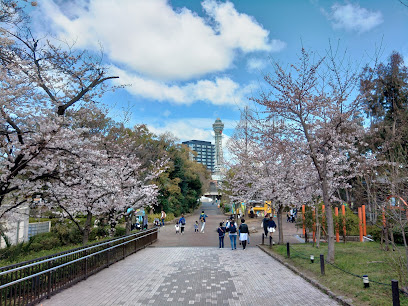
Tennoji Park
19.7 km
Discover the beauty of Tennoji Park, where lush gardens and cultural treasures await in the vibrant city of Osaka.
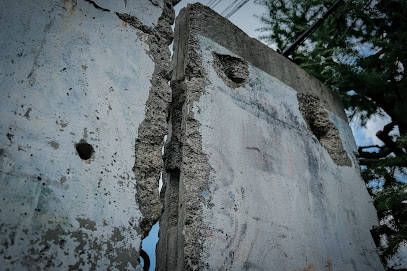
ベルリンの壁
19.8 km
Explore the Berlin Wall in Osaka, a historical landmark that embodies the struggle for freedom and unity across borders, connecting past and present.
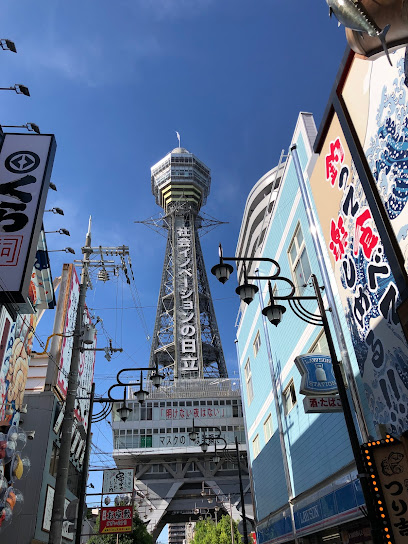
Tsūtenkaku
19.8 km
Discover Osakan culture from above at Tsūtenkaku, a historic observation tower offering breathtaking views and a taste of local life.
Kawazokoike
19.8 km
Discover tranquility at Kawazokoike Park in Osaka, a serene oasis featuring a beautiful lake, lush greenery, and stunning seasonal blooms.
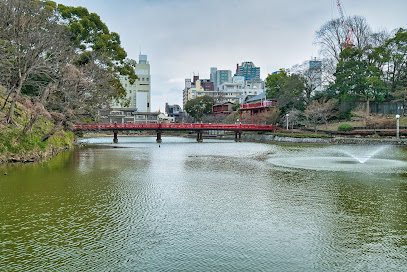
Unmissable attractions to see

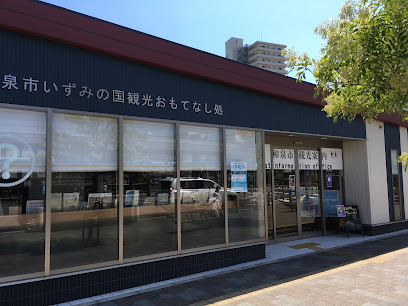
Izumi Tourist Center Omotenashi-Dokoro
0.3 km
Explore the vibrant culture and hidden gems of Izumi at the Izumi Tourist Center Omotenashi-Dokoro, your gateway to unforgettable experiences in Osaka.
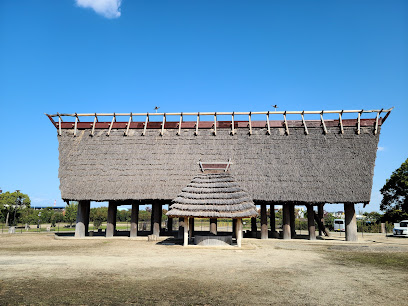
Ikegami-Sone Archaeological Park
1.7 km
Immerse yourself in Japan's ancient history at Ikegami-Sone Archaeological Park, a serene blend of nature and archaeological wonders in Izumi, Osaka.
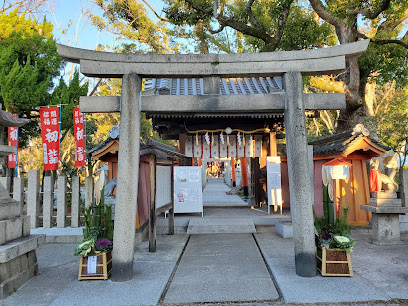
Shinodanomori Kuzunoha Inari Shrine
2.7 km
Experience the serene beauty and spiritual essence of Shinodanomori Kuzunoha Inari Shrine, a must-visit destination in Izumi, Osaka for cultural exploration.
Senkoji
5.6 km
Discover the tranquil beauty of Senkoji, a historic Buddhist temple in Kishiwada, Osaka, perfect for spiritual reflection and cultural exploration.
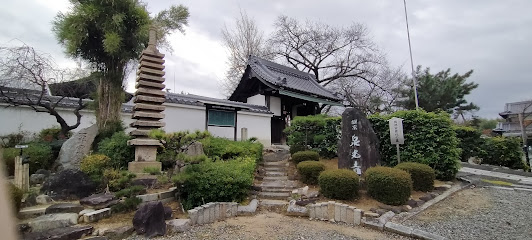
Kishiki Shrine
5.9 km
Experience the serene beauty and spiritual heritage of Kishiki Shrine, a tranquil escape steeped in traditional Shinto culture in Osaka.
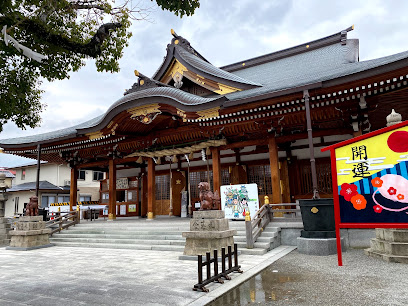
Kishiwada Castle
6.1 km
Discover the historical beauty of Kishiwada Castle in Osaka, a majestic landmark that offers a journey through Japan's feudal heritage amidst stunning scenery.
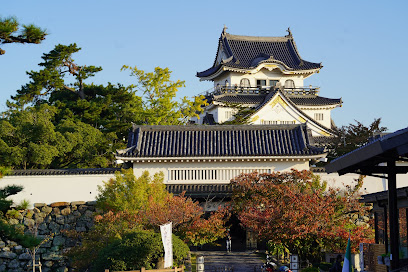
Osaka Gas Science Museum
6.4 km
Explore energy and innovation at the Osaka Gas Science Museum, where science meets sustainability for an enriching family experience.
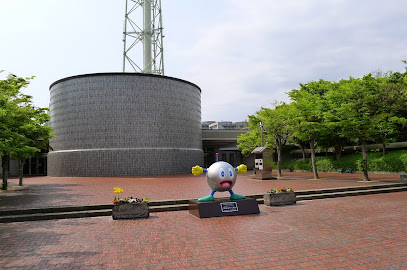
Matsuoji
6.8 km
Explore the serene Matsuoji Temple in Izumi, Osaka—a captivating blend of spirituality, culture, and natural beauty awaits you.
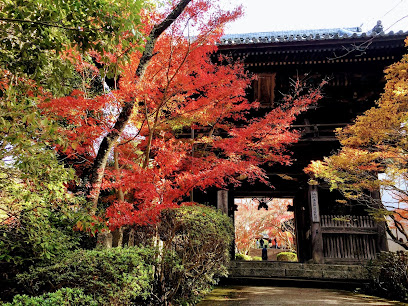
Izumi Recycle Environment Park
7.2 km
Explore Izumi Recycle Environment Park, a serene oasis of sustainability in Osaka, blending nature, education, and relaxation for an eco-friendly experience.
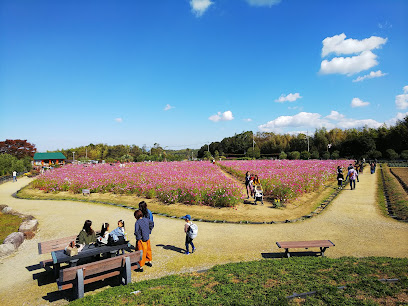
Big Bang, Sakai Municipal Children's Museum
7.9 km
Explore Big Bang, Sakai Municipal Children's Museum, where fun meets learning in a magical environment for kids of all ages.
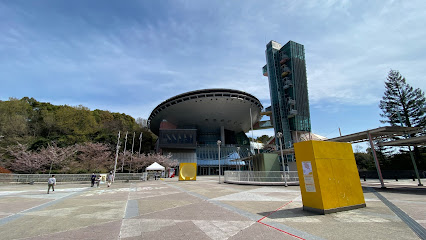
Harvest Hill
8.5 km
Discover the joy of family fun at Harvest Hill, a delightful playground and theme park in Sakai, Osaka, featuring attractions for all ages and beautiful scenery.
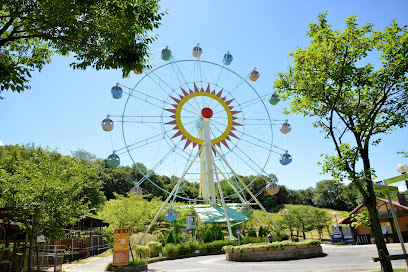
Hodo-ji
8.6 km
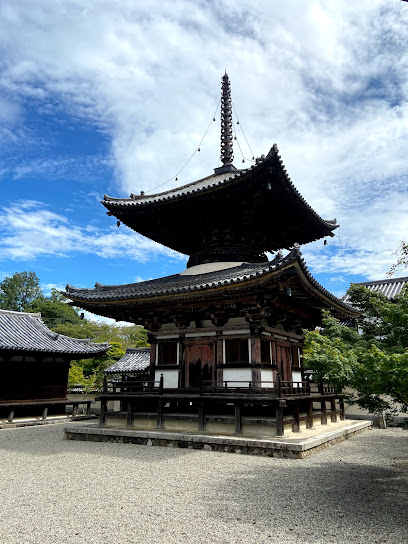
Explore the serene beauty and spiritual heritage of Hodo-ji Temple in Sakai, Osaka, a tranquil escape for every traveler seeking peace.
Izumi Masjid
9.0 km
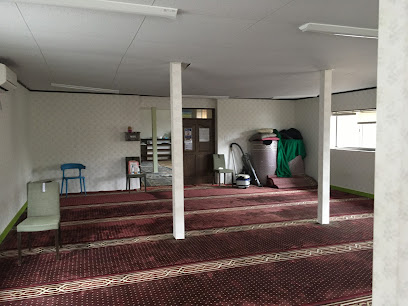
Experience the serene beauty and cultural richness of Izumi Masjid, a welcoming mosque in Osaka, perfect for reflection and cultural exploration.
Daisen Park
9.4 km
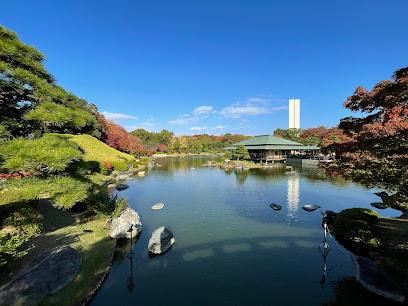
Experience the serene beauty and rich history of Daisen Park, a tranquil sanctuary in Sakai, Osaka, perfect for relaxation and cultural exploration.
Daisen Park Japanese Garden
9.4 km
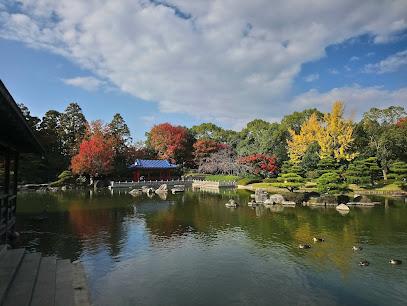
Discover the tranquility of Daisen Park Japanese Garden in Sakai, Osaka, a serene escape showcasing stunning flora and traditional Japanese landscaping.
Essential places to dine

Okamino
0.1 km
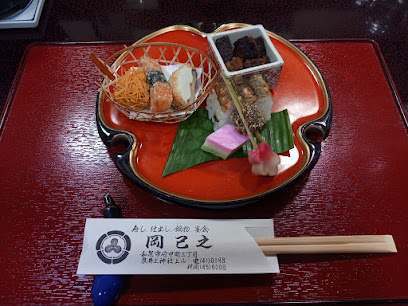
Experience authentic Japanese cuisine at Okamino in Izumi, Osaka – where tradition meets flavor in every dish.
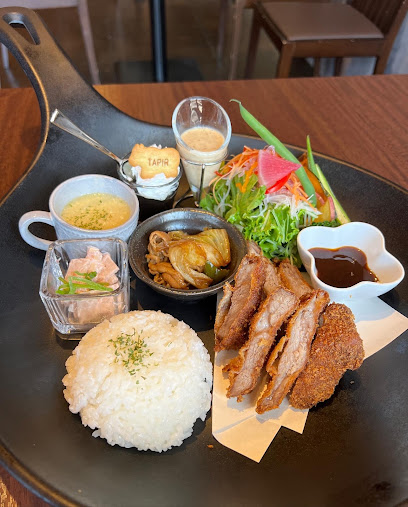
Kitchen103(キッチンイチマルサン)
0.2 km
Discover authentic izakaya dining at Kitchen103 in Izumi, Osaka - where every dish is a celebration of Japanese culinary artistry.
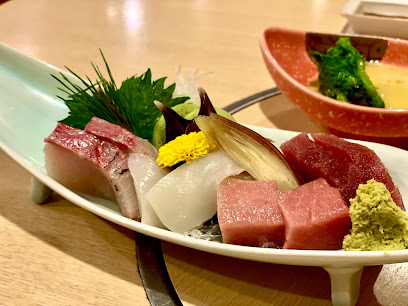
Hakata
0.3 km
Explore Hakata's vibrant dining scene where authentic Japanese flavors come alive amidst a rich cultural backdrop.
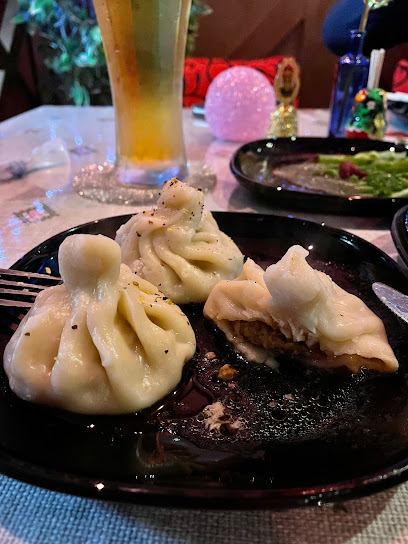
KALINKA MALINKA RESTAURANT
0.3 km
Experience authentic Eastern European cuisine in Izumi, Osaka at Kalinka Malinka Restaurant - where every dish tells a story.
藁sumi
0.4 km
Savor authentic Japanese cuisine at 藁sumi, a delightful izakaya in Izumi, Osaka known for its inviting atmosphere and exquisite dishes.
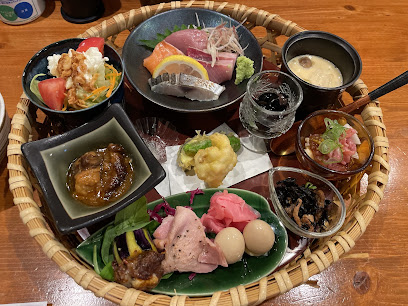
Sueyoshi
0.5 km
Discover the flavors of Japan at Sueyoshi in Izumi - where fresh seafood meets authentic izakaya charm.
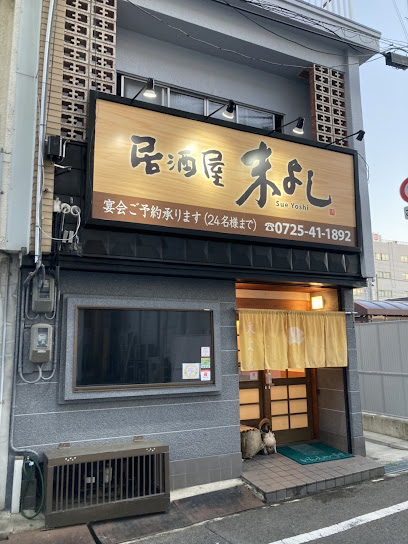
Hanakaidou
0.6 km
Experience authentic Japanese cuisine at Hanakaidou in Izumi - where tradition meets modern culinary artistry.
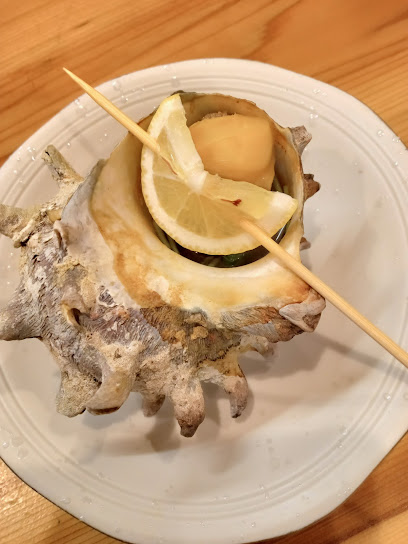
Musashinomori Coffee Izumi Fuchu
0.8 km
Experience cozy dining at Musashinomori Coffee Izumi Fuchu - where delicious breakfasts meet warm hospitality in Osaka.
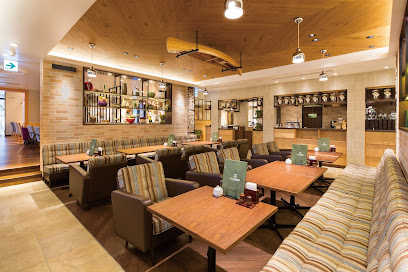
Ichiran Izumiotsu
0.9 km
Experience authentic Japanese ramen at Ichiran Izumiotsu in Osaka, where flavor meets tradition in every delicious bowl.
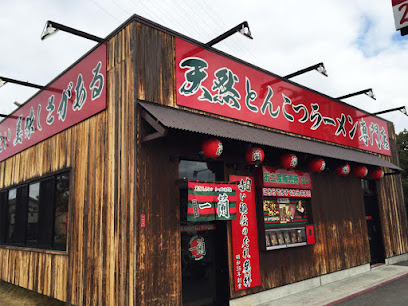
Gohandoki Izumi
0.9 km
Savor authentic Japanese and Chinese noodle dishes at Gohandoki Izumi, where culinary traditions blend beautifully in Osaka.
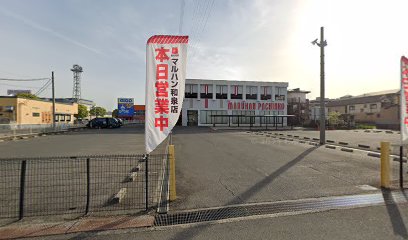
Hochoippon
0.9 km
Discover the authentic taste of Japan at Hochoippon - Izumi's charming izakaya serving traditional dishes in a cozy atmosphere.
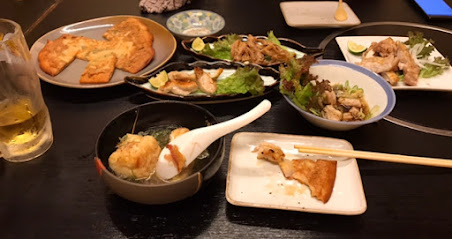
Nakau Izumi Fuchu
1.0 km
Explore authentic Japanese flavors at Nakau Izumi Fuchu in Osaka – home to delicious gyudon and comforting noodle dishes.
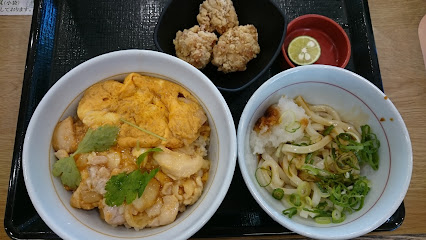
Kushinoren
1.0 km
Experience authentic Japanese izakaya dining at Kushinoren in Osaka - where tradition meets flavor in a cozy atmosphere.
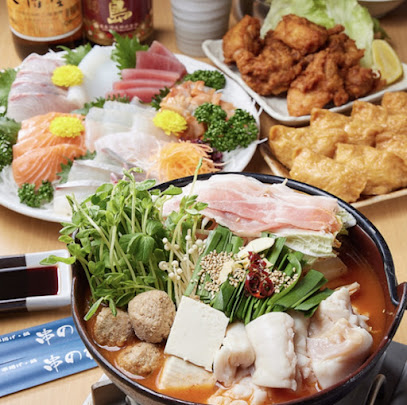
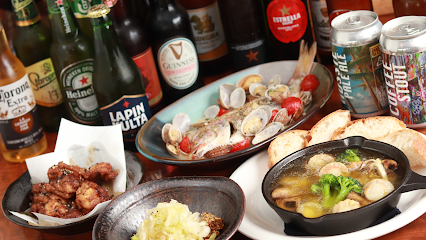
Olutta
1.1 km
Discover Olutta in Izumi: A delightful izakaya offering craft beers and authentic Japanese cuisine in a cozy atmosphere.
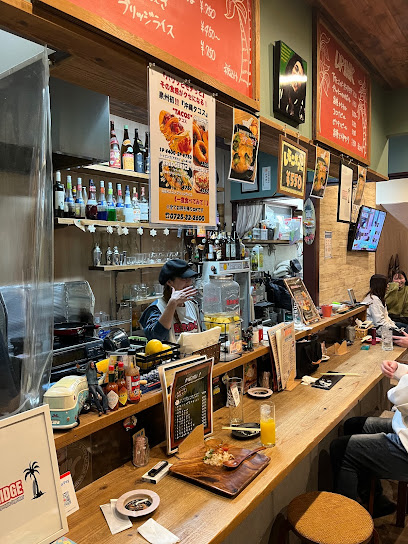
BRIDGE
1.2 km
Experience authentic izakaya culture at BRIDGE in Izumiotsu, Osaka – where traditional flavors meet modern dining.
Markets, malls and hidden boutiques

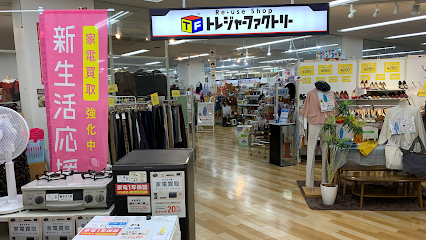
Treasure Factory LAPARK-Kishiwada
3.4 km
Explore unique finds at Treasure Factory LAPARK-Kishiwada, a second-hand store filled with vintage treasures and sustainable shopping options.
DAISO
13.8 km
Explore DAISO in Kawachinagano, Osaka – a treasure trove of affordable products and unique Japanese finds for every traveler.
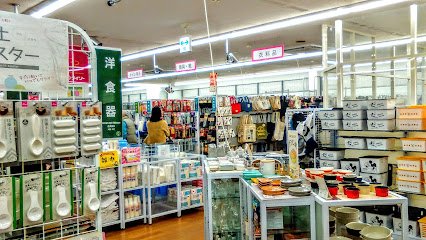
Washington Hotel Kansai Airport
14.3 km
Discover unparalleled comfort and convenience at Washington Hotel Kansai Airport, your gateway to Osaka's attractions and seamless travel.
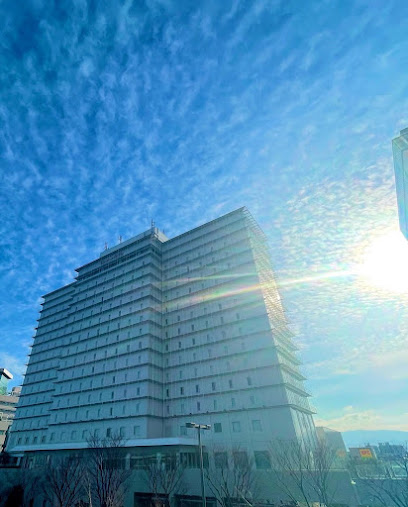
Sky ShopTown
16.4 km
Discover the essence of Osaka at Sky ShopTown, your premier destination for unique souvenirs and local delicacies at Kansai International Airport.
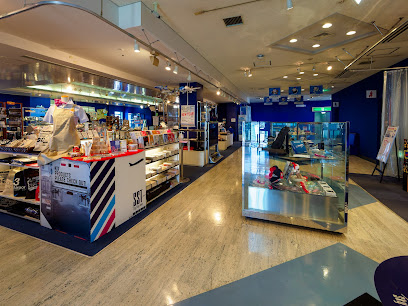
난바샵
17.2 km
Explore the unique offerings of Namba Shop in Osaka, where tech enthusiasts find innovative gadgets and travel accessories.
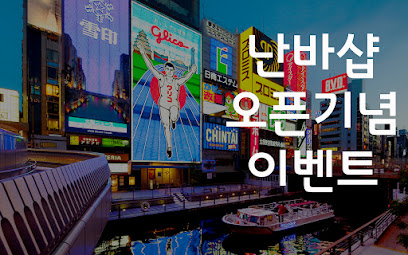
KIX DUTY FREE North Wing Shop
17.6 km
Discover luxury and local treasures at the KIX Duty Free North Wing Shop in Kansai International Airport.
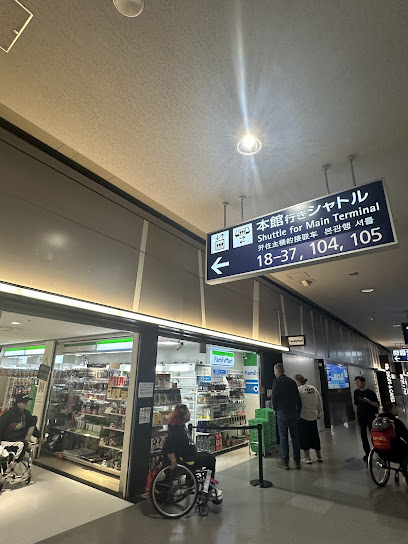
TASTE OF KANSAI
17.7 km
Explore a delightful array of local flavors and unique souvenirs at TASTE OF KANSAI, your ultimate gift shop in Kansai International Airport.
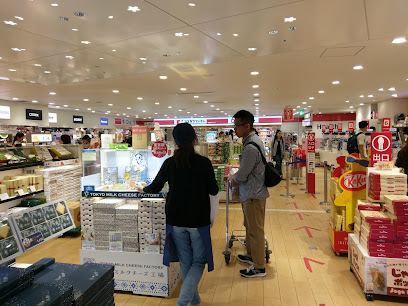
One Village, One Product Market
17.8 km
Explore the charm of local craftsmanship at One Village, One Product Market in Izumisano, your destination for unique gifts and artisanal delights.
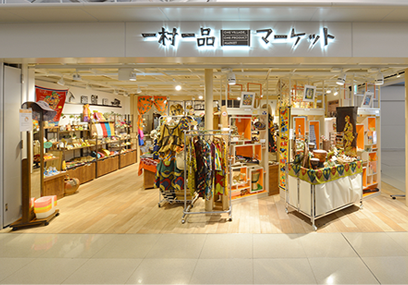
KIX DUTY FREE Main Shop North
17.8 km
Explore a diverse selection of duty-free products at KIX Duty Free Main Shop North, your ultimate shopping stop at Kansai International Airport.
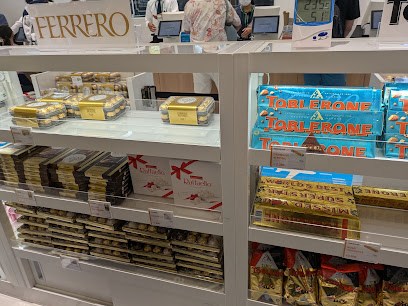
AEROPLAZA
17.8 km
Discover AEROPLAZA: A shopping haven at Kansai International Airport blending retail therapy with rich Japanese culture.
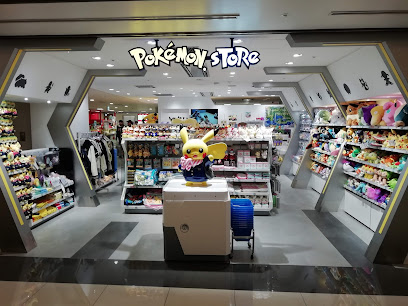
Daily SKY
18.6 km
Explore Daily SKY's convenience store in Kansai International Airport for all your travel essentials and local snacks.
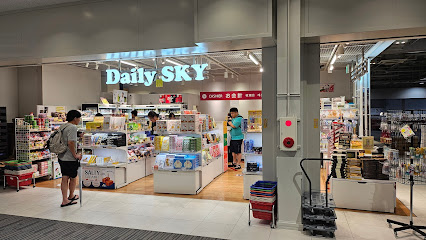
Tempozan Market Place
18.8 km
Explore Tempozan Market Place: A shopping and dining paradise by Osaka Bay, offering local flavors and unique finds in a vibrant atmosphere.
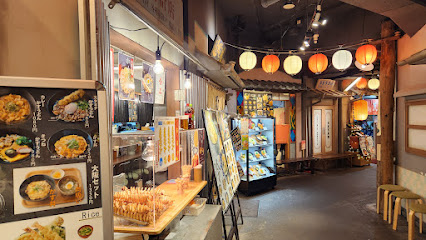
Bazar Osaka
18.8 km
Explore Bazar Osaka for a delightful array of unique souvenirs and local crafts, capturing the spirit of Japan in every item.
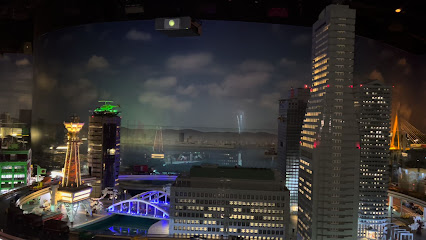
Kawachi at Hoop
19.3 km
Discover a vibrant art supply store in Osaka, offering quality materials, picture framing, and stationery for all your creative needs.
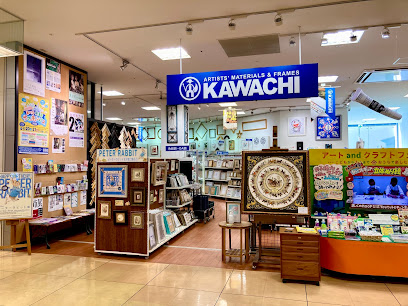
ekimo天王寺
19.4 km
Experience shopping, dining, and entertainment all in one place at ekimo Tennoji, Osaka's vibrant shopping mall.

Essential bars & hidden hideouts

Three Monkeys Cafe Tennoji
19.7 km
Experience the best of Japanese barbecue at Three Monkeys Cafe Tennoji, a lively spot for delicious grilled dishes and refreshing drinks.
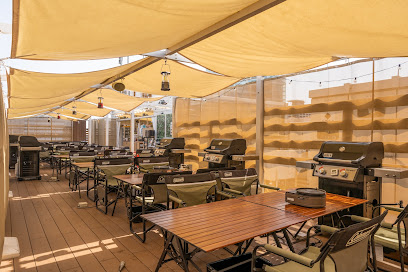
ティンズホール
19.7 km
Experience the lively atmosphere and local charm at Tins Hall, a must-visit bar in Osaka's vibrant Tennoji Ward.
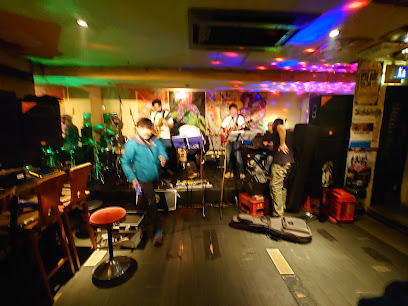
Bar Nocosarejima
19.8 km
Experience the art of mixology at Bar Nocosarejima, a premier cocktail bar in the vibrant Naniwa Ward of Osaka, where unique flavors meet a cozy atmosphere.
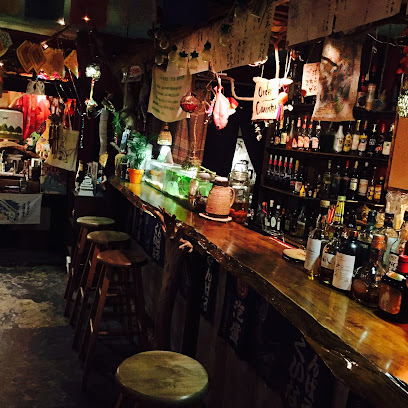
CelticBarGALWAY
20.2 km
Discover the vibrant Celtic Bar Galway in Osaka, blending Irish charm and Japanese hospitality with delightful cocktails and live music.
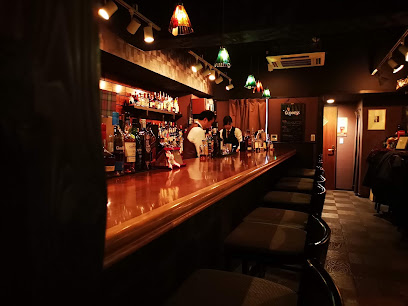
The Hearth Board Game Bar and Café
20.9 km
Discover the ultimate board game experience at The Hearth Board Game Bar and Café in Osaka, where great games and delicious food come together.
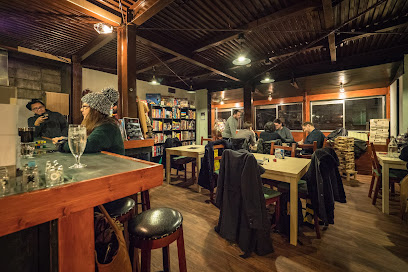
Little Long Beach
20.9 km
Discover Little Long Beach, a vibrant bar in Osaka where American cuisine meets exquisite cocktails and darting fun for a memorable night out.
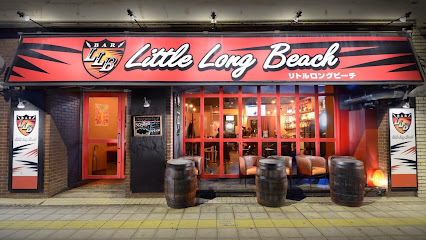
LIVEBar Refuge
20.9 km
Discover the vibrant nightlife of Osaka at LIVEBar Refuge, where local culture meets modern vibes in a lively bar setting.
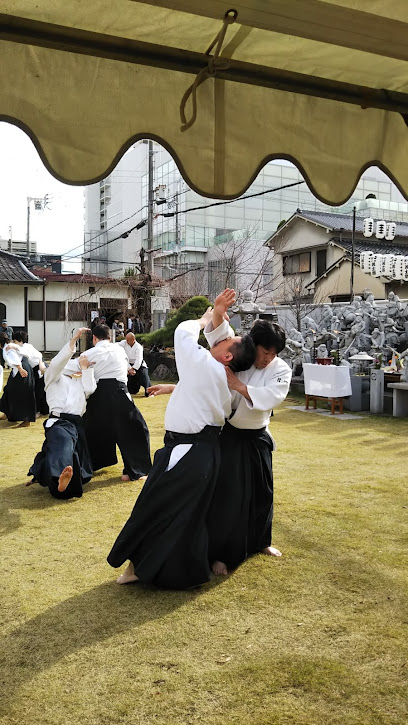
Bar Around the World Osaka
21.0 km
Discover innovative cocktails and a vibrant atmosphere at Bar Around the World in Osaka's lively Namba district, a must-visit for nightlife enthusiasts.
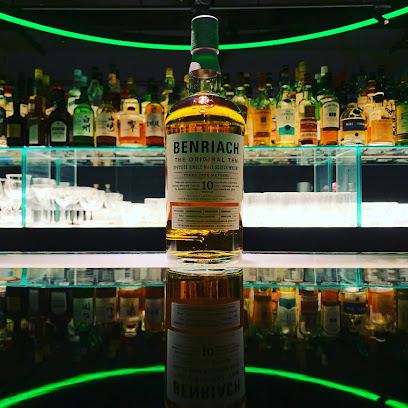
Cafe & Bar 845
21.0 km
Experience the vibrant jazz scene at Cafe & Bar 845 in Osaka, where live music and a cozy atmosphere create unforgettable nights.
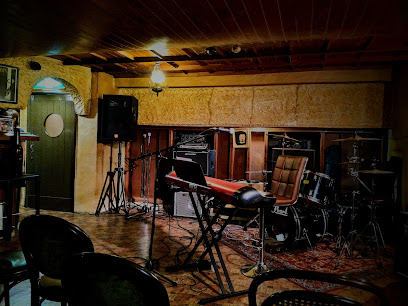
Live Bar OTO
21.1 km
Discover the vibrant nightlife of Osaka at Live Bar OTO, where exceptional drinks and lively atmosphere await every visitor.
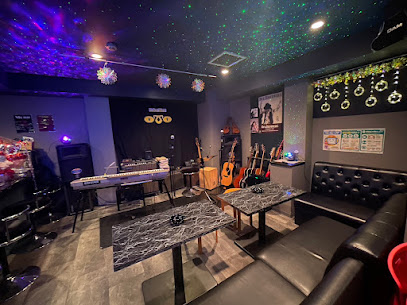
Bar Sou
21.2 km
Discover the art of cocktail-making at Bar Sou, Osaka's premier cocktail bar in the vibrant Namba district, offering an unforgettable nightlife experience.
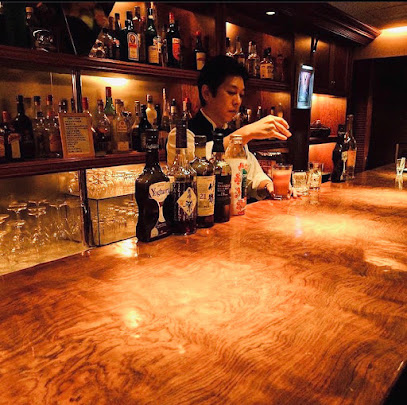
bar moon walk Nanbaten
21.2 km
Discover the vibrant nightlife of Osaka at Bar Moon Walk Namba, where friendly vibes and great drinks await in the heart of the city.
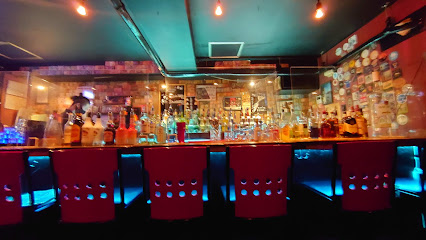
Voyager Stand
21.2 km
Experience the vibrant nightlife of Osaka at Voyager Stand, a lively bar and event venue in the heart of Dotonbori, offering affordable fun and local culture.
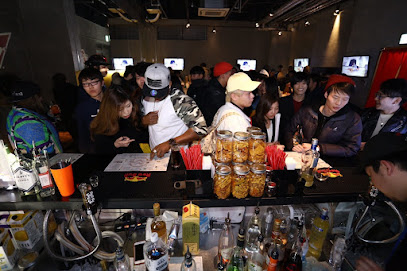
Main Bar Spirits
21.2 km
Discover the energetic nightlife of Osaka at Main Bar Spirits, where expertly crafted cocktails and a vibrant atmosphere await you.
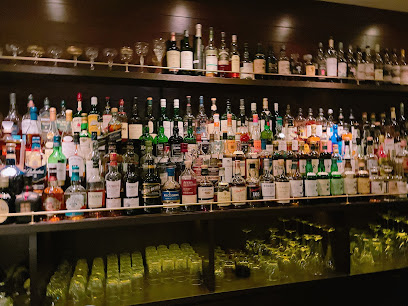
Subterra Cocktail Bar
21.2 km
Discover Subterra Cocktail Bar, a vibrant nightlife destination in Osaka, offering expertly crafted cocktails and a lively atmosphere for an unforgettable evening.
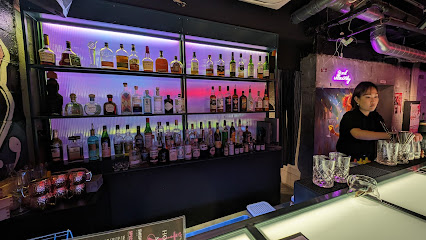
Nightclubs & after hour spots

club DOWN TOWN
2.9 km
Discover the vibrant nightlife of Osaka at Club DOWN TOWN, where electrifying beats and a lively atmosphere await.

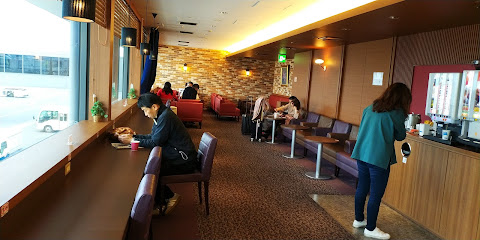
Cardmembers Lounge Rokko
17.2 km
Discover the peaceful oasis of Cardmembers Lounge Rokko in Izumisano, a perfect spot for relaxation and rejuvenation during your travels.
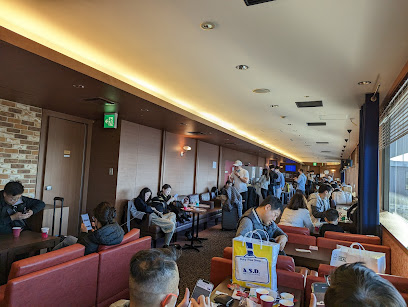
Cardmembers Lounge Annex Rokko
17.2 km
Discover the serene retreat of Cardmembers Lounge Annex Rokko in Izumisano, Osaka - a perfect spot for relaxation and rejuvenation.
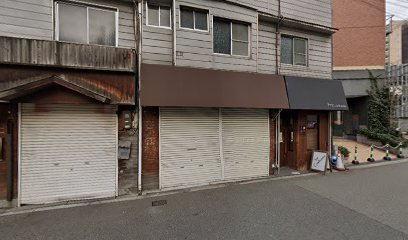
Coamig
20.7 km
Experience the vibrant nightlife of Osaka at Coamig, where electrifying music and a lively atmosphere await every night.
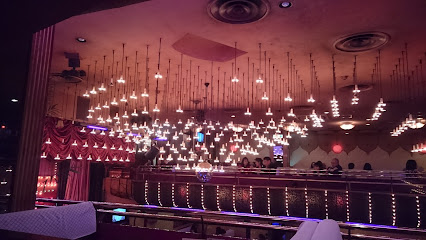
Miss Osaka
21.1 km
Unleash your spirit at Miss Osaka, the ultimate night club experience in the heart of the city's vibrant nightlife.
ジヤックスイン
21.3 km
Dive into Osaka's energetic nightlife at ジヤックスイン, where music, dance, and unforgettable experiences await after dark.
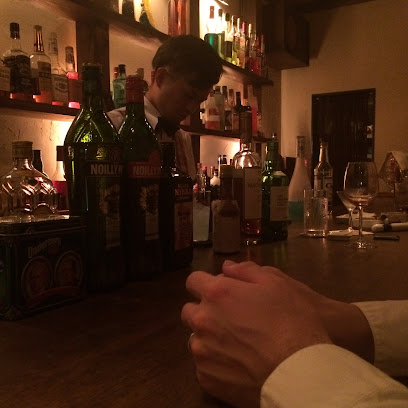
Club Shrike
21.4 km
Discover the electrifying nightlife of Osaka at Club Shrike, where music and culture blend for an unforgettable evening.
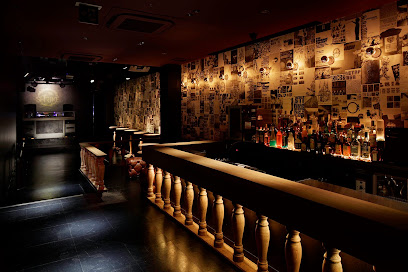
GALA RESORT OSAKA Namba Nightclub
21.4 km
Discover the vibrant nightlife at GALA RESORT OSAKA, where electrifying music and unforgettable experiences await in the heart of Osaka.
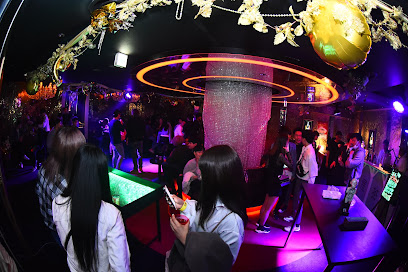
Pure Osaka
21.4 km
Discover the heart of Osaka's nightlife at Pure Osaka, where live music and vibrant energy create unforgettable experiences.
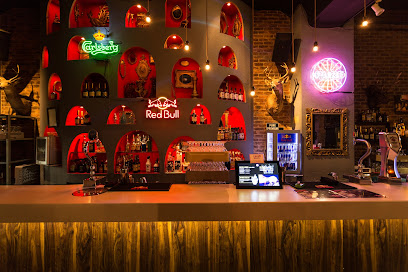
GHOST Osaka
21.4 km
Discover the heart of Osaka's nightlife at GHOST Osaka, where the music is loud, the crowd is lively, and memories are made.
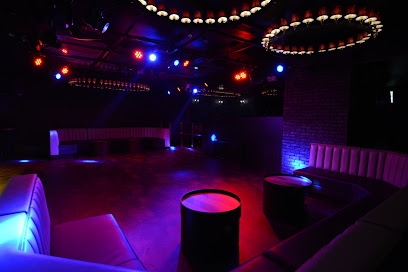
Club S
21.5 km
Discover the vibrant nightlife of Osaka at Club S, where electrifying music and a lively atmosphere await you.
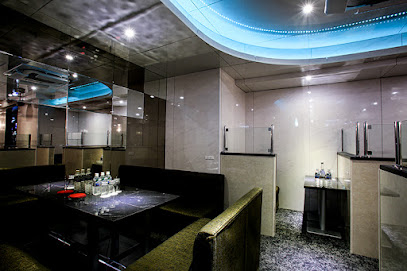
Joule
21.5 km
Discover the electrifying nightlife at Joule, Osaka's premier nightclub offering an exceptional sound system and stunning light displays.
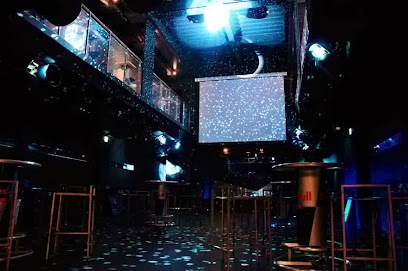
oasis
21.5 km
Discover the vibrant nightlife of Osaka at Oasis, where electrifying beats and an energetic crowd create unforgettable experiences.
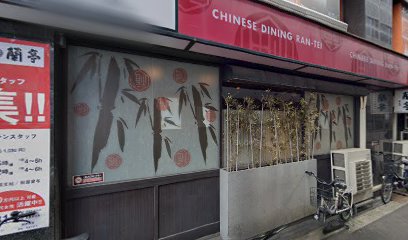
Club Life Osaka
21.6 km
Discover the electrifying atmosphere of Club Life Osaka, a premier night club where music, drinks, and dancing come together for an unforgettable night out.
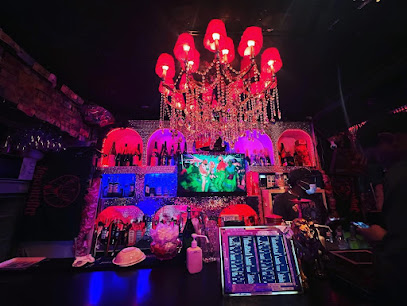
Club Lounge, Sheraton Miyako Hotel Osaka
21.6 km
Discover the luxurious Club Lounge at Sheraton Miyako Hotel Osaka, where stunning views and exceptional service create a perfect retreat.