

Free Osumi Travel Guide & Mobile App
Explore Osumi with free travel guides. Discover regional history, expert tips, proposed trips, and audio guides on web or mobile app.


Explore Osumi Peninsula in Kagoshima for volcanic coastlines, Cape Sata, rural food, shochu, space heritage and quieter Kyushu journeys.
Read more about Osumi
When is the best time to visit Osumi?
Best: May, October–November · 18–24°C| Month | High (°C) | Rainfall (mm) |
|---|---|---|
| January | 9 | 90 |
| February | 11 | 100 |
| March | 15 | 120 |
| April | 19 | 150 |
| May (best) | 24 | 170 |
| June | 28 | 210 |
| July | 32 | 230 |
| August | 32 | 210 |
| September | 29 | 190 |
| October (best) | 23 | 150 |
| November (best) | 18 | 120 |
| December | 11 | 100 |
Getting to and around Osumi
How to get there
Transportation
Destinations in Osumi
Resorts, valleys and scenic spots worth a trip of their own.

Swipe for more destinations
Best attractions in Osumi
Osumi’s attractions are distributed across a large peninsula rather than concentrated in one historic centre. The southern journey to Cape Sata combines subtropical vegetation, sea views and the symbolic experience of reaching mainland Kyushu’s southern tip, while the Pacific coast around Kimotsuki offers a more open, rugged setting. On the western side, Tarumizu is associated with views across Kagoshima Bay, ferry travel and local hot-spring facilities. Kanoya provides museums, parks and the Kanoya Air Base Museum, whose aircraft and archival material explain the area’s twentieth-century military history. The Uchinoura Space Center in Kimotsuki introduces Japan’s rocket and space-science programme, subject to current access arrangements. Rural roads lead through productive farmland, pasture and forested hills, with opportunities for scenic driving, walking, cycling and visits to shrines or agricultural communities. Beaches and coastal viewpoints are best approached with attention to weather and local safety notices. Osumi is particularly rewarding for travellers who enjoy combining outdoor scenery, regional food and specialist museums with the slower rhythm of a working peninsula.
-
Tourist attraction
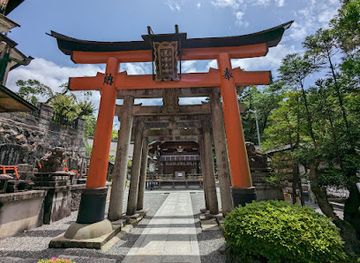
Fushimi Inari Taisha
Discover Kyoto's iconic Shinto shrine with thousands of vibrant torii gates winding up the sacred Mount Inari. A spiritual and scenic journey.
-
Tourist attraction
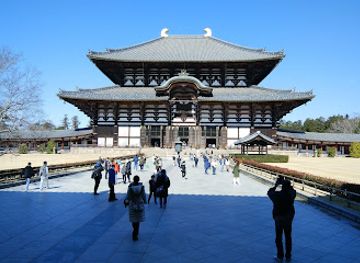
Nara Park
Discover ancient temples, serene gardens, and friendly wild deer in this scenic park in the heart of Nara, Japan.
-
Tourist attraction
Kinkaku-ji
A dazzling Zen temple in Kyoto, Japan, Kinkaku-ji's shimmering golden pavilion reflects centuries of history and breathtaking architecture.
-
Buddhist temple
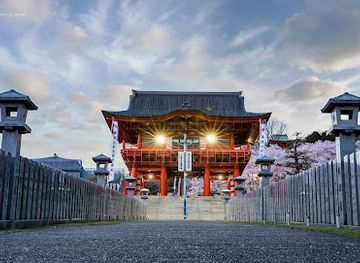
Osu-kannon Temple
Discover Nagoya's Osu Kannon Temple: A historic Buddhist sanctuary and cultural hub in the heart of the city, adjacent to the vibrant Osu Shopping Arcade.

Best landmarks in Osumi
Cape Sata is Osumi’s most recognisable natural landmark, marking the southern tip of mainland Kyushu and presenting a meeting point of Pacific waters, subtropical vegetation and steep coastal terrain. The area around Sata Lighthouse, one of Japan’s historic lighthouse sites, gives the cape a strong maritime identity, although access and viewing arrangements can change. The volcanic geography of Kagoshima Bay forms the western horizon, where Osumi looks towards Sakurajima and the Satsuma side of the prefecture. In Kanoya, the Kanoya Air Base Museum is a significant twentieth-century landmark because it preserves the memory of the naval aviation facilities that shaped the town’s modern history. Uchinoura’s launch complex in Kimotsuki is another distinctive marker: its coastal setting and scientific purpose connect a remote rural district with Japan’s space programme. Across the peninsula, shrines, old village roads, fishing harbours and cultivated hills provide a less monumental but equally important record of Osumi’s settled landscape.
-
Shinto shrine
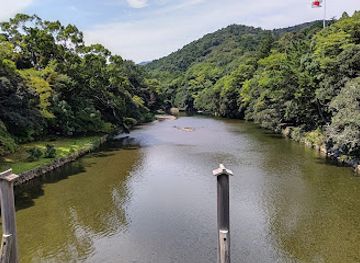
Kotai Jingu (Ise Jingu Naiku, Inner Sanctuary)
Discover the spiritual heart of Japan at Kotai Jingu, where ancient traditions and serene beauty await every traveler.
-
Shinto shrine
Tsurugaoka Hachimangu
Explore the serene beauty and rich heritage of Tsurugaoka Hachimangu, a premier Shinto shrine in Kamakura, Japan, surrounded by stunning gardens and vibrant traditions.
-
Buddhist temple
Kotoku-in
Discover the serene beauty of Kotoku-in, home to the Great Buddha of Kamakura, a must-visit Buddhist temple steeped in history and tranquility.
-
Buddhist temple
Hasedera
Explore Hasedera, a serene Buddhist temple in Kamakura, featuring breathtaking gardens, historical significance, and the Great Kannon statue.

Explore Osumi on the map
Plan your trip on one map. See where the top cities, national parks and sights are, and book hotels and experiences in a few clicks.
Best hotels in Osumi
Best restaurants in Osumi
Dining in Osumi reflects Kagoshima’s agricultural strength and long coastline. Sweet potatoes are central not only to local cooking but also to imo shochu, the region’s distinctive spirit, while pork, beef and chicken from southern Kagoshima appear widely in grilled dishes, hot pots and set meals. Unagi, or freshwater eel, is associated with the wider Osumi area and is served in specialist restaurants and traditional Japanese dining rooms. Coastal towns offer seasonal fish, shellfish and simple seafood dishes, while roadside restaurants and local cafés often make use of vegetables, livestock and sweet potatoes grown nearby. Kanoya and the larger towns have the broadest choice, including izakaya, noodle shops, family restaurants and contemporary Japanese cooking; in smaller settlements, opening days and hours may be limited. Farmers’ markets and direct-sales shops are useful for fruit, vegetables, snacks, tea and regional seasonings. Shochu is commonly enjoyed with food, diluted with water or served over ice, but visitors should distinguish local drinking culture from any expectation to consume alcohol.
-
Restaurant
Tokyo Solamachi
Explore Tokyo Solamachi: A dynamic shopping mall with exceptional dining options beneath the iconic Tokyo Skytree.
-
Restaurant
Maidcafe Maidreamin Osu Manekineko Store
Discover the whimsical world of cosplay dining at Maidcafe Maidreamin Osu Manekineko Store in Nagoya—where fun meets flavor!
-
Restaurant
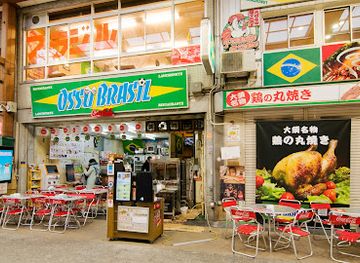
Osso Brasil
Experience the vibrant flavors of Brazil at Osso Brasil, Nagoya's premier destination for authentic Pan-Latin cuisine.
-
 Pizza
PizzaPizzeria Braceria CESARI!!
Experience authentic Italian flavors at Pizzeria Braceria CESARI in Nagoya—where every slice tells a story.
Best bars in Osumi
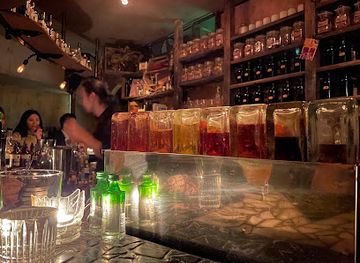
Osumi’s evening life is modest and locally oriented rather than centred on a large nightclub district. Kanoya has the widest choice of izakaya, small bars, karaoke venues and restaurants, with many places serving regional food alongside beer, shochu and other drinks. Tarumizu and the larger coastal settlements have a smaller selection of dining rooms and traditional drinking establishments, while villages and rural districts generally become quiet after dinner. In Japan, an izakaya is as much a place to eat as to drink, and a meal shared over several small dishes is often more representative of the region’s nightlife than late dancing. Karaoke is a familiar social option, and some hotels or visitor facilities may have lounges or communal bathing areas, but arrangements vary. Visitors should not expect fixed entertainment zones or extensive late-night public transport; staying near the evening venue or arranging a taxi is sensible.
-
Beer hall
Kamiya Bar
Discover the historical charm of Kamiya Bar, a must-visit beer hall in Asakusa offering delicious food and local brews in a vibrant atmosphere.
-
Bar
Kujira Entertainment
Experience the vibrant nightlife of Tokyo at Kujira Entertainment, a cocktail bar and modern izakaya in the heart of Kabukicho.
-
Cocktail bar
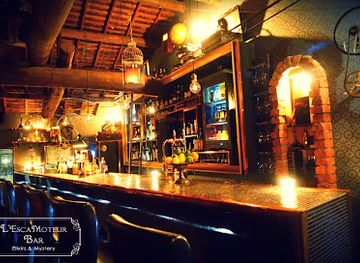
L'Escamoteur
Experience the enchanting atmosphere and innovative cocktails at L'Escamoteur, a must-visit cocktail bar in the heart of Kyoto's nightlife.
-
Cocktail bar
Bar Nayuta
Discover the art of cocktail making at Bar Nayuta, a must-visit cocktail bar in Osaka, blending creativity and comfort in every drink.
Best nightclubs in Osumi
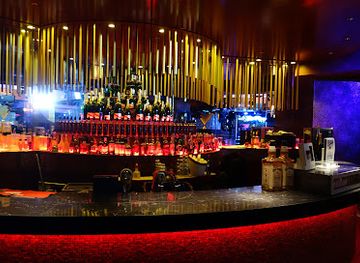
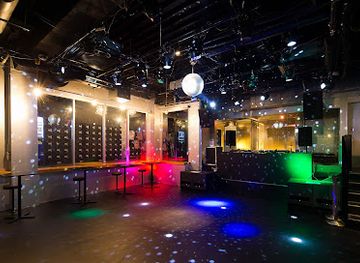
Osumi’s evening life is modest and locally oriented rather than centred on a large nightclub district. Kanoya has the widest choice of izakaya, small bars, karaoke venues and restaurants, with many places serving regional food alongside beer, shochu and other drinks. Tarumizu and the larger coastal settlements have a smaller selection of dining rooms and traditional drinking establishments, while villages and rural districts generally become quiet after dinner. In Japan, an izakaya is as much a place to eat as to drink, and a meal shared over several small dishes is often more representative of the region’s nightlife than late dancing. Karaoke is a familiar social option, and some hotels or visitor facilities may have lounges or communal bathing areas, but arrangements vary. Visitors should not expect fixed entertainment zones or extensive late-night public transport; staying near the evening venue or arranging a taxi is sensible.
-
Night club
TK
Immerse yourself in Tokyo's nightlife at TK Nightclub, where electrifying music and vibrant energy create an unforgettable experience.
-
Night club
Ammona
Experience the electrifying nightlife at Ammona, Osaka's premier night club, where music, dancing, and vibrant energy come together.
-
Night club
V2 TOKYO
Experience the ultimate nightlife at V2 Tokyo, where electrifying beats and a vibrant atmosphere await in the heart of Roppongi.
-
Night club
WOMB
Dive into an unforgettable nightlife experience at WOMB, Shibuya's premier nightclub, featuring live music and stunning visuals.


Best shops in Osumi
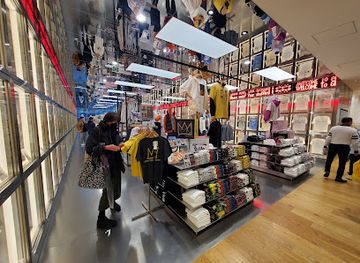
Shopping in Osumi is primarily local and practical, with the strongest character found in market towns, roadside agricultural shops and direct-sales outlets rather than large luxury centres. Kanoya offers the broadest range of supermarkets, department-style retail, independent businesses and food shops, while Tarumizu, Shibushi and other larger settlements provide everyday shopping and small specialist stores. Visitors can look for sweet-potato products, Kagoshima tea, locally made pickles, confectionery, dried seafood and bottles of regional imo shochu, subject to airline and customs rules when taking alcohol abroad. Farmers’ markets are useful for seasonal produce and homemade foods, although stock and operating days vary. Craft and souvenir selection is generally modest, with pottery, food gifts and locally branded agricultural products more common than fashion retail. In rural districts, carry bags may not always be supplied and smaller shops may accept cash only, so a little preparation makes shopping easier.
-
Clothing store
Uniqlo Ginza Flagship Store
Discover the Uniqlo Ginza Flagship Store, a modern fashion hub in Tokyo with an extensive selection of stylish clothing for every taste.
-
Business park
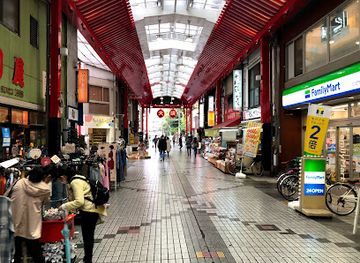
Osu Shōtengai Shopping Street
Discover the heart of Nagoya at Osu Shōtengai Shopping Street, where culture, shopping, and dining come together in a vibrant experience.
-
Shopping mall
Kamishin Plaza
Discover the vibrant blend of shopping, dining, and entertainment at Kamishin Plaza in Osaka, a must-visit destination for tourists!
-
Tourist attraction
Tokyo Skytree Town
Discover breathtaking views, shopping delights, and cultural experiences at Tokyo Skytree Town, the heart of Tokyo's skyline.
Get your free copy of our complete guide to Osumi, delivered straight to you.
Everything on this page, from attractions and restaurants to essentials and local phrases, in one PDF you can read offline, print or share.
Already have an account? Sign in
Your Osumi guide is ready.
We'll send it to · Not you? Sign out

Getting your guide ready…
We are putting together a fresh copy of the Osumi guide. This can take up to a minute.
This can take a few moments. If your browser asks, choose Allow so the download can start. You'll find the guide in your Downloads folder.
Nothing happened? Download it again
Sorry, the guide is taking longer than usual. Please try again in a minute, or get it by email instead.
Osumi essentials
Currency and Payment
Safety
Emergency Situations
Do's and Don'ts
Local Tips
From Eve
Local phrases worth knowing
You don't need to get them perfect. A few words go a long way, and locals appreciate the effort.
Basics
| English | Local | Say it |
|---|---|---|
| Hello | Hey there! | [Hey thair!] |
| Goodbye | See ya! | [See ya!] |
| Yes | Yep | [Yep] |
| No | Nah | [Nah] |
| Please/You're welcome | No problem! | [No problem!] |
| Thank you | Thanks! | [Thanks!] |
| Excuse me/Sorry | Sorry about that! | [Sorry about that!] |
| How are you? | How's it going? | [How's it goin'?] |
| Fine. And you? | I'm good, and you? | [I'm good, an' you?] |
| Do you speak English? | Do you speak English? | [Do you speak English?] |
| I don't understand | I don't get it. | [I don't get it.] |
Eating & Drinking
| English | Local | Say it |
|---|---|---|
| I'd like to see the menu, please | Can I see the menu? | [Can I see the menu?] |
| I don't eat meat | I'm vegetarian. | [I'm vegetarian.] |
| Cheers! | Cheers! | [Cheers!] |
| I would like to pay, please | Can I get the check? | [Can I get the check?] |
Emergencies
| English | Local | Say it |
|---|---|---|
| Help! | Help! | [Help!] |
| Go away! | Leave me alone! | [Leave me alone!] |
| Call the Police! | Call the cops! | [Call the cops!] |
| Call a doctor! | Get a doctor! | [Get a doctor!] |
| I'm lost | I'm lost. | [I'm lost.] |
| I'm ill | I'm not feeling well. | [I'm not feelin' well.] |
Shopping
| English | Local | Say it |
|---|---|---|
| I'd like to buy... | I want to buy... | [I want to buy...] |
| I'm just looking | Just browsing, thanks! | [Just browsing, thanks!] |
| How much is it? | How much does this cost? | [How much does this cost?] |
| That's too expensive | That's way too pricey! | [That's way too pricey!] |
| Can you lower the price? | Can you give me a discount? | [Can you give me a discount?] |
Time & Numbers
| English | Local | Say it |
|---|---|---|
| What time is it? | What time is it? | [What time is it?] |
| It's one o'clock | It's one o'clock. | [It's one o'clock.] |
| Half past (10) | Half past ten. | [Half past ten.] |
| Morning | Morning | [Mornin'] |
| Afternoon | Afternoon | [Afternoon] |
| Evening | Evening | [Evening] |
| Yesterday | Yesterday | [Yesterday] |
| Today | Today | [Today] |
| Tomorrow | Tomorrow | [Tomorrow] |
| 1 | One | [One] |
| 2 | Two | [Two] |
| 3 | Three | [Three] |
| 4 | Four | [Four] |
| 5 | Five | [Five] |
| 6 | Six | [Six] |
| 7 | Seven | [Seven] |
| 8 | Eight | [Eight] |
| 9 | Nine | [Nine] |
| 10 | Ten | [Ten] |
Transport & Directions
| English | Local | Say it |
|---|---|---|
| Where's a/the...? | Where's the...? | [Where's the...?] |
| What's the address? | What's the address? | [What's the address?] |
| Can you show me (on the map)? | Can you point it out on the map? | [Can you point it out on the map?] |
| When's the next (bus)? | When's the next bus? | [When's the next bus?] |
| A ticket (to ....) | A ticket to...please. | [A ticket to...please.] |
History of Osumi
Prehistoric Osumi and Southern Kyushu
Osumi has been inhabited since prehistoric times, and archaeological evidence across southern Kyushu records communities that adapted to a mild, volcanic and maritime environment. Shell middens, settlements and burial remains show the importance of coastal resources, while the peninsula’s varied soils supported cultivation and later agricultural development. The region’s proximity to the southern islands also placed it within long-standing networks of movement across the waters around Kyushu. Many individual archaeological sites are modest in scale, but together they demonstrate that Osumi was not an isolated frontier: it was part of the wider cultural history of southern Japan.
The Ancient Province of Ōsumi
In the ancient administrative system of Japan, Osumi formed the province of Ōsumi. Its position at the southern edge of the imperial state made it strategically important, although central control was less direct than in the political heartlands of western Honshu. The area was associated with the Hayato, a people of southern Kyushu who appear in early Japanese historical records and whose incorporation into the expanding state took place over time. Ancient roads, religious institutions and administrative settlements helped connect Ōsumi with the rest of Kyushu, leaving a legacy visible in local shrine traditions and the region’s historical identity.
Medieval Maritime Networks and the Shimazu
During the medieval period, southern Kyushu was shaped by maritime links, warrior governance and the growing power of the Shimazu family. Osumi’s coast and bays connected communities to the wider routes of Kyushu and the southern islands, while inland strongholds and estate administration tied the countryside to regional political structures. The Shimazu gradually established extensive authority over Satsuma, Osumi and neighbouring territories. Their influence continued into the early modern period, when Kagoshima became the centre of a powerful domain and Osumi supplied agricultural products, labour and strategic coastline.
The Satsuma Domain and Early Modern Agriculture
Under the Tokugawa shogunate, most of Osumi was governed through the Satsuma Domain. The domain developed systems of village administration, land assessment and agricultural production suited to southern Kyushu. Rice remained important, but upland crops, livestock and sweet potatoes became especially significant in areas where conditions were less favourable for paddy cultivation. Coastal communities also depended on fishing and transport across Kagoshima Bay. The social and economic patterns established during this period helped shape the rural settlement landscape that remains characteristic of much of the peninsula.
The Meiji State and the Modernisation of Osumi
The abolition of the domains in 1871 brought Osumi into the modern prefectural system and changed long-established forms of administration. Roads, schools, postal services and later improved port connections gradually linked the peninsula more closely with Kagoshima and the rest of Japan. Modern agriculture expanded, with livestock, sweet potatoes, vegetables and other warm-climate crops becoming increasingly important. The period also brought new military and industrial priorities, including facilities that would later contribute to Kanoya’s twentieth-century identity. Osumi retained its rural character while becoming more integrated into national institutions.
Kanoya and the History of Naval Aviation
Kanoya became an important military aviation centre during the twentieth century. Naval air facilities were established there before and during the Second World War, and aircraft and personnel based in the area were involved in Japan’s wartime operations. The Kanoya Air Base Museum presents this history through aircraft, documents and personal accounts, including material relating to the final stages of the war. The subject is approached as military and social history rather than simply as a technological story, helping visitors understand how national conflict affected local communities and the surrounding landscape.
Uchinoura and Japan’s Space Programme
The Uchinoura Space Center, established in 1962 at the Pacific-facing settlement of Uchinoura in Kimotsuki, gave Osumi a role in Japan’s scientific and technological history. Its location was selected for the safety and geography required for launching rockets over the ocean. The centre became closely associated with Japan’s solid-fuel Mu and M-V rockets and with scientific missions, including the development of launch technology for space probes. Although launch schedules and public access vary, the facility remains an important regional landmark and a reminder that Osumi’s identity extends beyond agriculture and coastal scenery.
Osumi in Photos
Browse through our photo collection highlighting the charm and character of the destination.
Neighbouring regions of Osumi
The closest regions to Osumi, if you have time for more than one.
-

-

-

-
-


Swipe for more regions
Explore more

Explore more of Japan
Discover the harmony of tradition and modernity in Japan, where ancient temples and cutting-edge technology coexist in perfect balance.
Explore Japan