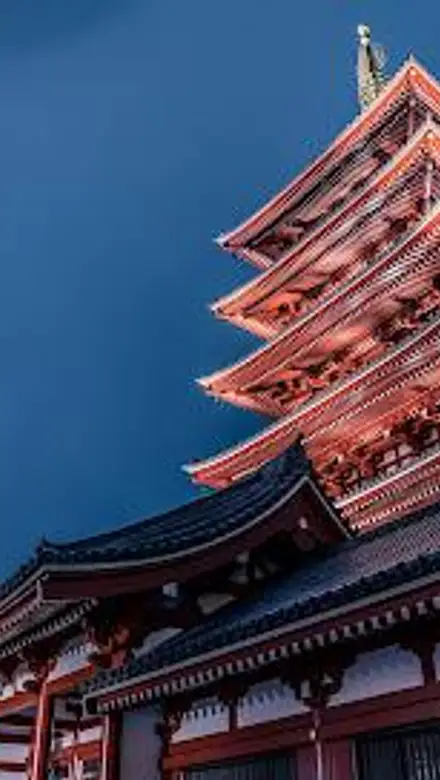
Five-Storied Pagoda Travel Guide
Free Guide: A towering symbol of Buddhist tradition in Tokyo's historic Asakusa, the Five-Storied Pagoda stands as a testament to Japanese artistry.


A brief summary of Five-Storied Pagoda
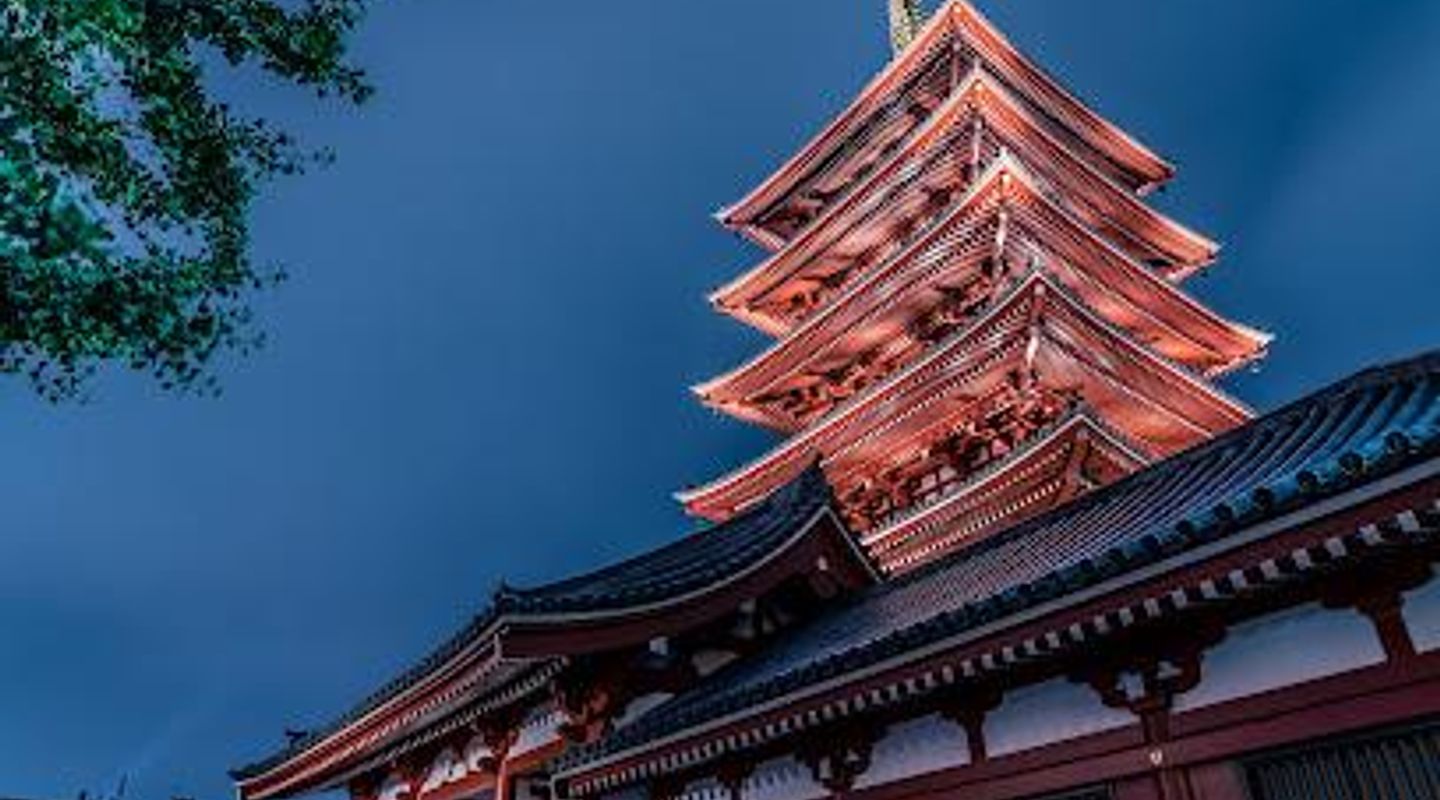
A towering symbol of Buddhist tradition in Tokyo's historic Asakusa, the Five-Storied Pagoda stands as a testament to Japanese artistry.
The Five-Storied Pagoda, located on the grounds of Senso-ji Temple in Asakusa, Tokyo, is a towering symbol of Japanese Buddhist architecture and a significant cultural landmark. Rebuilt in 1973, it stands as a testament to the enduring spirit of the city, blending historical significance with modern engineering.
Opening hours
- Every dayOpen 24 hours
Opening hours as listed on the venue’s Google Business Profile. Hours can change for services and special events, so check with the venue before you go.
- Address
- 2 Chome-3-1 Asakusa, Taito City, Tokyo 111-0032
- Phone
- Website
Getting there
Public Transport
Walking
Discover more about Five-Storied Pagoda
Overview
Rising majestically on the grounds of Senso-ji Temple, the Five-Storied Pagoda is an iconic structure that embodies the rich cultural heritage of Tokyo's Asakusa district. The pagoda's history dates back to 942 A.D., though the current structure is a 1973 reconstruction, built to replace the original that was destroyed during World War II.Standing at an impressive 53.32 meters (approximately 175 feet), the pagoda is one of the tallest in Japan. Its five stories represent the five elements of Buddhist cosmology: earth, water, fire, wind, and void. The structure is built with reinforced concrete to ensure durability and earthquake resistance, a necessity in Japan. Inside the pagoda's top floor, ashes of the Buddha, officially inherited from the Isurumuniya temple in Sri Lanka, are stored.While the interior is not generally open to the public, the pagoda is a sight to behold from the outside. Its striking vermilion color and elegant design make it a favorite photo spot for tourists. The pagoda is particularly beautiful at night, when it is illuminated along with the Kaminarimon Gate and Hozomon Gate. The soft glow creates a magical atmosphere, offering a different perspective on this historical site.The Five-Storied Pagoda is more than just a beautiful structure; it's a symbol of resilience and rebirth. Its presence enhances the spiritual ambiance of Senso-ji Temple, making it a must-see destination for those seeking to connect with Tokyo's past and present.
Evendo Review Centre
 Google
Guest reviews
Explore Five-Storied Pagoda on the map
A handpicked selection of must-see spots near Five-Storied Pagoda, mapped for you.
Get your free copy of our complete guide to Five-Storied Pagoda, delivered straight to you.
Everything on this page, from opening hours and how to get there to Eve’s tips and the best time to go, in one PDF you can read offline, print or share.
Already have an account? Sign in
Your Five-Storied Pagoda guide is ready.
We'll send it to · Not you? Sign out

Getting your guide ready…
We are putting together a fresh copy of the Five-Storied Pagoda guide. This can take up to a minute.
This can take a few moments. If your browser asks, choose Allow so the download can start. You'll find the guide in your Downloads folder.
Nothing happened? Download it again
Sorry, the guide is taking longer than usual. Please try again in a minute, or get it by email instead.
Unlock the best of Five-Storied Pagoda
Skip-the-line tickets, guided tours with entry, and walking tours of the area, booked in a few clicks.
 Tour with entry
Gourmet & Sightseeing Tour with Photoshoot in Asakusa, Tokyo
from $55.82 Tour with entry
Early Morning Asakusa Walking Tour with Photos
from $72.15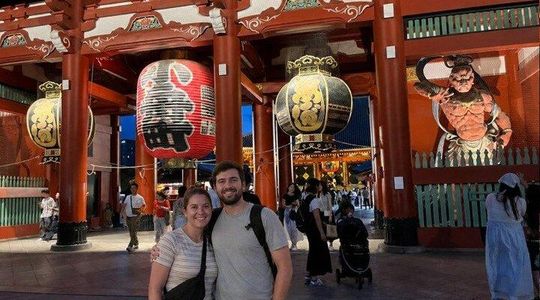 Tour with entry
Tokyo Private Asakusa Walking Tour Senso ji Matcha and Mochi
from $84.55 Tour with entry
Private Walking Tour in Asakusa with Guide
from $180.39
Other nearby places you may find interesting
The closest places of the same kind, if this one is not quite what you had in mind.
-
-
-
-
-


Swipe for more places
More to explore near Five-Storied Pagoda

 Best experiences near Five-Storied Pagoda
 Best hotels near Five-Storied Pagoda
 Best landmarks near Five-Storied Pagoda
 Best attractions near Five-Storied Pagoda
 Best shops near Five-Storied Pagoda
 Best restaurants near Five-Storied Pagoda
 Best bars near Five-Storied Pagoda
Do you manage this location?
Take control to get all the benefits, like improved information, better appearance, and stronger visibility across AI-powered discovery.
Explore more
Explore more of Kawachi
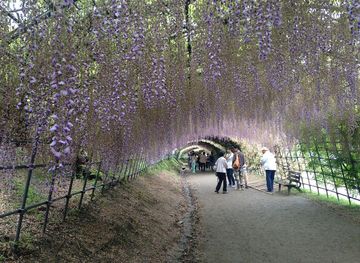
Discover the enchanting wisteria gardens of Kawachi, a serene village in Japan offering breathtaking floral displays, cultural heritage, and tranquil countryside escapes.
Explore Kawachi
Explore more of Japan
Discover the harmony of tradition and modernity in Japan, where ancient temples and cutting-edge technology coexist in perfect balance.
Explore Japan