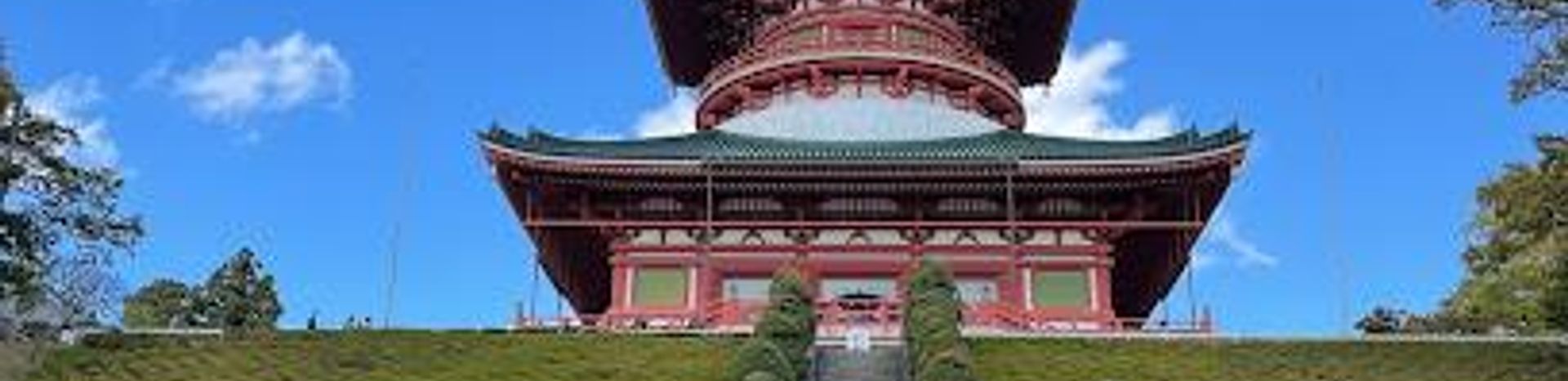
The Tranquil Great Pagoda of Peace
Explore the serene Great Pagoda of Peace in Narita, a stunning Buddhist temple promoting tranquility and cultural richness amid picturesque gardens.
Nestled in the heart of Narita, the Great Pagoda of Peace is a stunning Buddhist temple that offers tourists a serene escape into Japanese spirituality and rich tradition. Surrounded by lush gardens and historical architecture, this location is a must-visit for anyone seeking peace and cultural insight.
A brief summary to Great Pagoda of Peace
- 312 Narita, Narita, Narita, Chiba, 286-0023, JP
- +81476-22-2111
- Visit website
- Monday 8 am-4 pm
- Tuesday 8 am-4 pm
- Wednesday 8 am-4 pm
- Thursday 8 am-4 pm
- Friday 8 am-4 pm
- Saturday 8 am-4 pm
- Sunday 8 am-4 pm
Local tips
- Visit during the early morning hours for a quieter experience and to enjoy the peaceful atmosphere.
- Don’t miss the seasonal festivals held at the temple, which showcase local traditions and practices.
- Wear comfortable shoes as the temple grounds are expansive and best explored on foot.
- Consider bringing a small donation to support the temple and its maintenance.

Getting There
-
Car
If you're driving from the center of Oki, head south on Route 9 towards the ferry terminal. Continue on Route 9 until you reach the junction with Route 49. Turn left onto Route 49 and follow the signs for Narita. After approximately 20 minutes, you will reach Narita city. Continue straight until you see the signs for Naritasan Shinshoji Temple. The Great Pagoda of Peace is located at 312 Narita, Chiba 286-0023. Look for parking options nearby, as there are several lots around the temple.
-
Public Transportation
Begin by taking a bus or train from Oki to Narita. If you're using public transportation, check the local bus schedule for the next bus heading to Narita. Once you arrive at Narita Station, exit the station and you will find local buses or taxis available. Look for the bus that goes to Naritasan Shinshoji Temple. The Great Pagoda of Peace is located within the temple grounds at 312 Narita, Chiba 286-0023. Follow the signs to the temple area once you arrive.
Discover more about Great Pagoda of Peace
Iconic landmarks you can’t miss

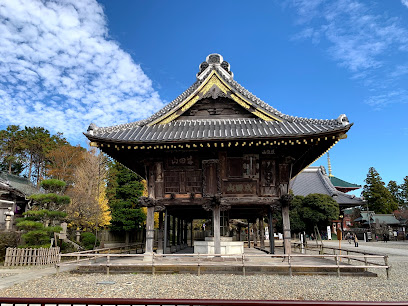
Naritasan Shinsho-ji
0.3 km
Discover the tranquil beauty and rich heritage of Naritasan Shinsho-ji, a revered Buddhist temple in Narita, Chiba, Japan.
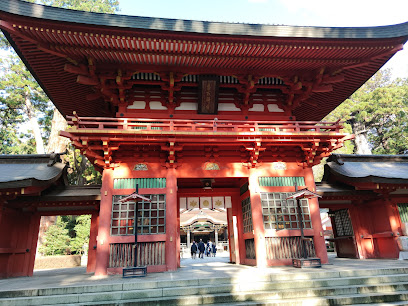
Katori Jingu Shrine
21.8 km
Discover Katori Jingu Shrine: An ancient sanctuary of military deities, cultural treasures, and serene natural beauty in Chiba Prefecture.
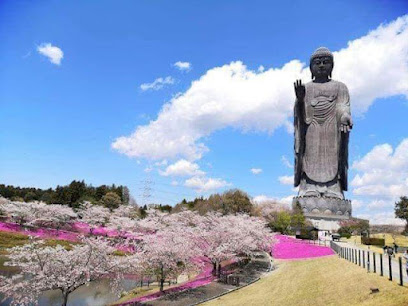
Ushiku Daibutsu
23.4 km
Visit the Ushiku Daibutsu, one of the world's tallest Buddha statues, and explore its museum, gardens, and panoramic views in Ibaraki.
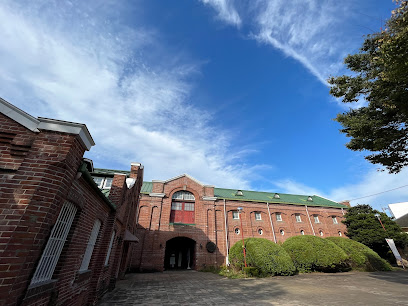
Ushiku Chateau
26.2 km
Discover Japan's winemaking heritage at Ushiku Chateau, a historic winery with French-style architecture, lush gardens, and local wines to savor.
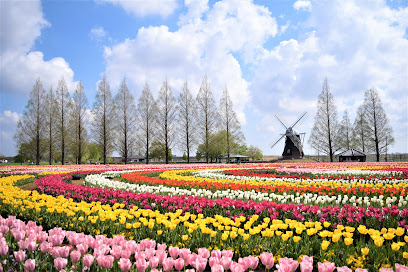
Akebonoyama Agriculture Park
30.8 km
Discover seasonal blooms, tranquil gardens, and hands-on agricultural experiences at this Kashiwa oasis. A perfect escape into nature!
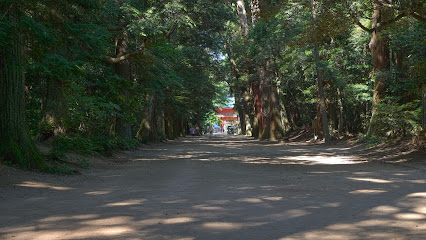
Kashima Jingu Shrine
34.5 km
Discover ancient traditions at Kashima Jingu Shrine, a serene sanctuary dedicated to martial arts and the founding of Japan in Kashima, Ibaraki.
Meiji Shrine
34.7 km
Experience the tranquility and cultural richness of Meiji Shrine in Moriya, Ibaraki, a must-visit destination for every traveler exploring Japan's heritage.
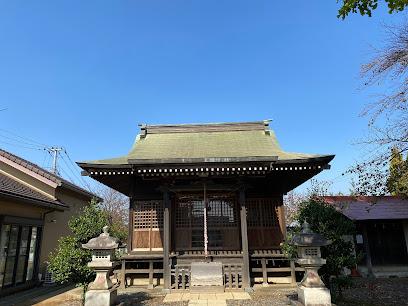
Keisei Yawata Station
36.1 km
A convenient Keisei Main Line station in Ichikawa, Chiba, offering easy access to local destinations and connections to Narita Airport.
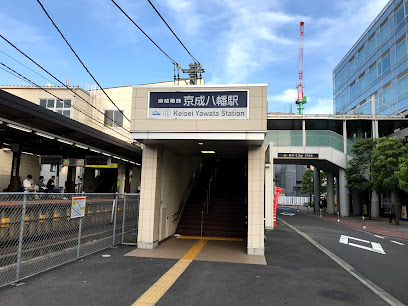
Keisei Koiwa Station
39.7 km
Discover the charm of Edogawa City through Keisei Koiwa Station, your gateway to Japanese culture, dining, and vibrant local experiences.
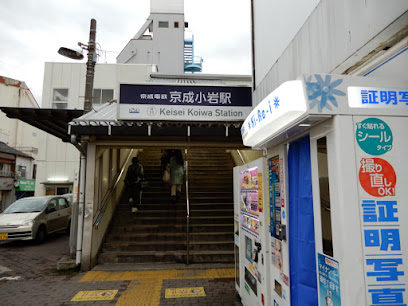
Koiwa Station
40.0 km
Explore Koiwa Station, an enchanting gateway to Tokyo filled with local culture, dining, and the iconic Sumo wrestler statue.
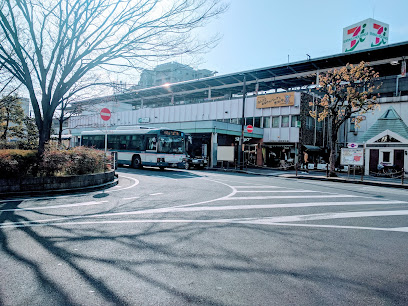
Taishakuten Sandō
40.1 km
Discover the serene beauty and rich cultural heritage of Taishakuten Sandō, a hidden gem in Tokyo's Katsushika City, perfect for a tranquil escape.
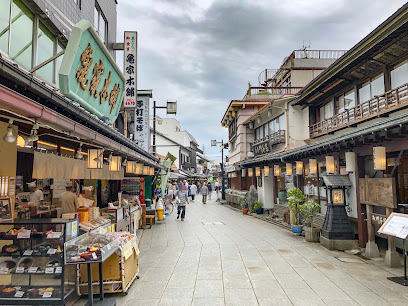
Shibamata Haikara Yokocho
40.2 km
Relive the charm of old-world Tokyo at Shibamata Haikara Yokocho, a retro paradise filled with vintage sweets, toys, and games from the Showa era.
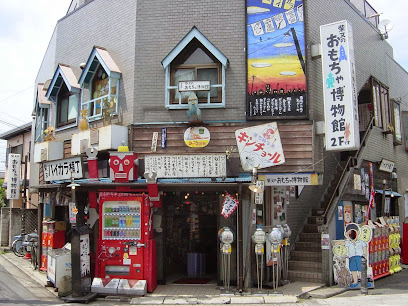
Shibamata Station
40.3 km
Explore the nostalgic charm of Shibamata Station, your gateway to traditional Tokyo's serene streets and cultural treasures.
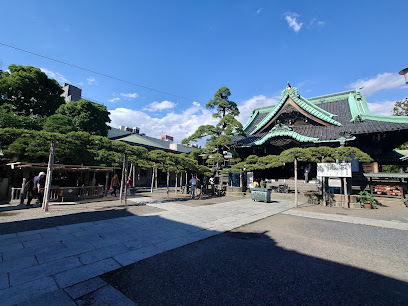
Ichinoe Bridge
40.4 km
Experience the beauty of Edogawa City at Ichinoe Bridge, a serene spot perfect for relaxation and stunning photography.
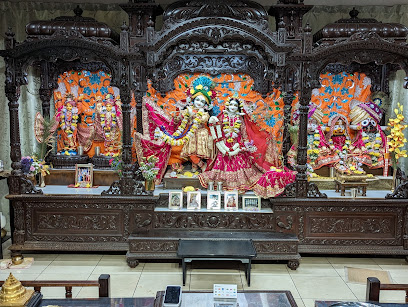
ISKCON Tokyo クリシュナ意識国際協会 (イスコン:ISKCON)
42.9 km
Find serenity in Tokyo at ISKCON, a vibrant center for Krishna consciousness, vegetarian cuisine, and cultural events.
Unmissable attractions to see

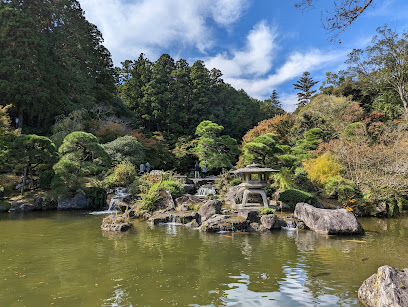
Naritasan Park
0.2 km
Escape to tranquility in Narita's serene oasis: Explore lush gardens, historical monuments, and seasonal festivals at Naritasan Park.
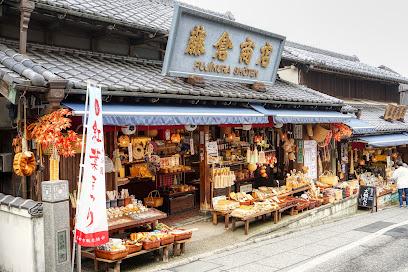
Omotesando Street
0.5 km
Experience the vibrant blend of culture, shopping, and history on Omotesando Street in Narita, a must-visit destination for all travelers.
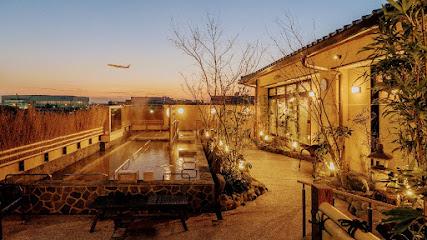
Sora no Yu
8.4 km
Discover Sora no Yu in Shibayama, Chiba: A serene super public bath and capsule hotel for ultimate relaxation in traditional Japanese style.
Hiyodori-Zaka
11.9 km
Explore the natural beauty and cultural heritage of Hiyodori-Zaka in Sakura, Chiba - a serene escape for travelers seeking tranquility and tradition.
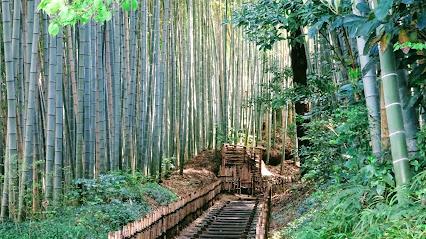
Yasaka Shrine
25.5 km
Explore Yasaka Shrine in Toride, a serene Shinto shrine that embodies Japan's spiritual essence amidst beautiful gardens and rich traditions.
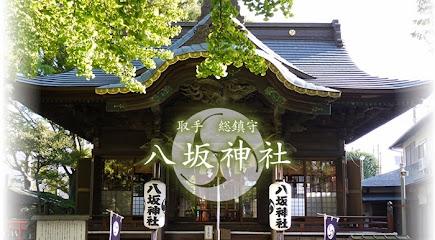
Chiba Shrine Myōken Hongū
26.4 km
Discover Chiba Shrine: A historic Shinto sanctuary offering peace and blessings in the heart of Chiba City. Explore gardens and unique architecture.
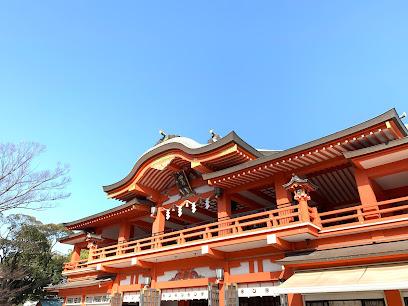
Chiba City Museum of Art
26.6 km
Explore Japanese and contemporary art at Chiba City Museum of Art, a unique blend of modern design and historical preservation.
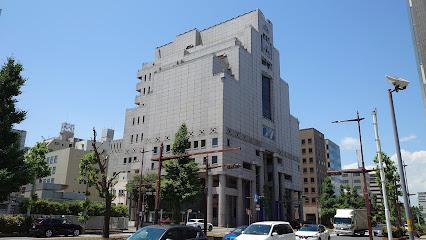
Chiba City Folk Museum
26.8 km
Explore Chiba's past in a castle-style museum with panoramic city views from its observation deck.
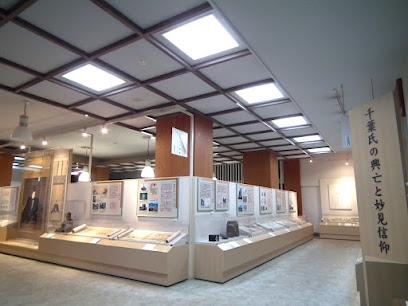
Katakai Beach
31.3 km
Experience the tranquility and beauty of Katakai Beach in Chiba, a perfect getaway for sun, sea, and relaxation amidst breathtaking coastal scenery.
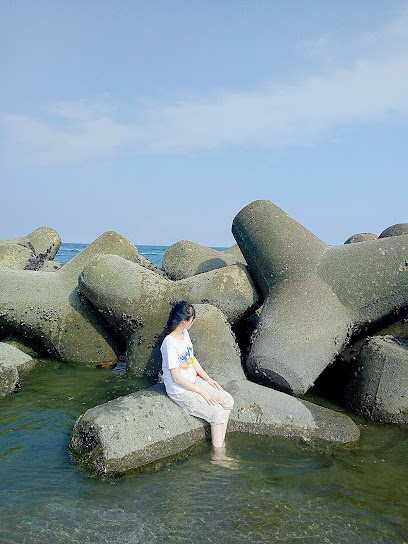
Shinozaki Sengen Shrine
38.6 km
Experience the serene beauty of Shinozaki Sengen Shrine, a tranquil Shinto shrine in Edogawa City, Tokyo, surrounded by lush nature and rich cultural heritage.
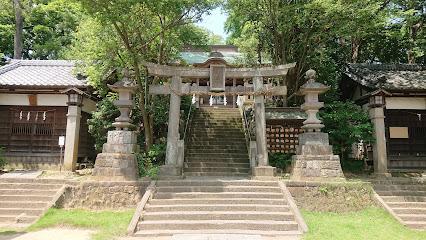
Tora-san Museum
39.8 km
Relive the magic of 'It's Tough Being a Man' and experience the nostalgic charm of Showa-era Japan at the Tora-san Museum in Shibamata.
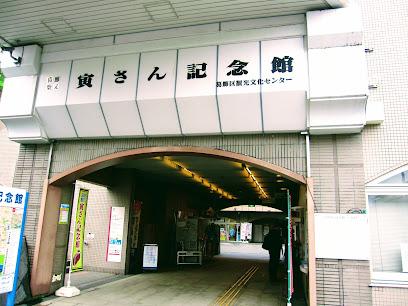
Shibamata Park
39.8 km
Escape to Shibamata Park: Where traditional gardens meet riverside serenity in Tokyo's Katsushika ward.
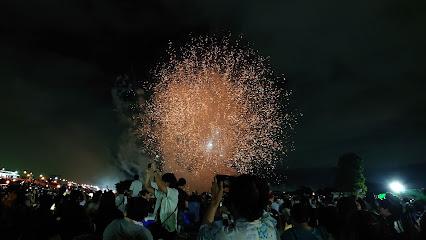
Yamamoto-tei
39.8 km
Discover the rich history and cultural heritage of Katsushika City at Yamamoto-tei, where tradition meets tranquility in a charming museum and café.
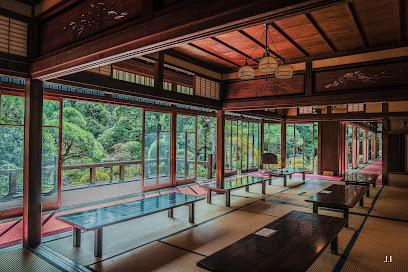
Shibamata Taishakuten
40.0 km
Discover the tranquil beauty and cultural heritage of Shibamata Taishakuten, a serene Buddhist temple in the heart of Katsushika City, Tokyo.
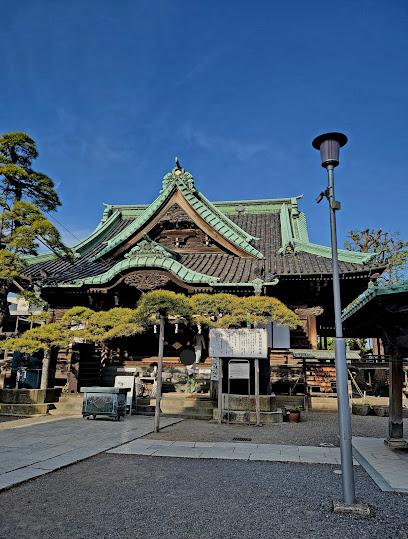
Shibamata
40.1 km
Experience the charm of Shibamata in Katsushika City, Tokyo, where tradition meets tranquility amidst historic temples and scenic landscapes.
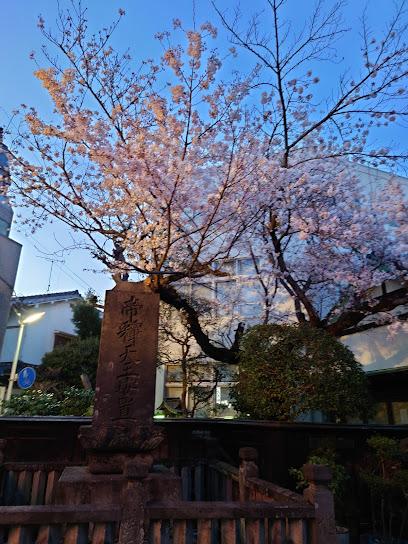
Essential places to dine

Surugaya
0.4 km
Experience authentic Japanese cuisine at Surugaya - Narita's premier destination for exquisite unagi dishes.
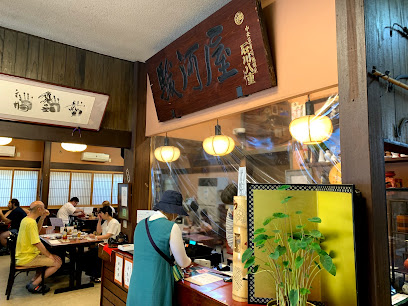
Daigo
7.8 km
Discover Daigo: An Authentic Ryotei Experience Offering Exquisite Japanese Cuisine in Narita.
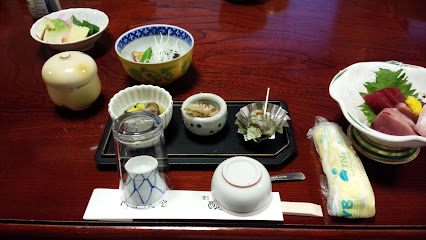
Cafe & Restaurant Poco a Poco
8.3 km
Discover the unique flavors of Japanized Western cuisine at Cafe & Restaurant Poco a Poco in Narita - where comfort meets culinary creativity.
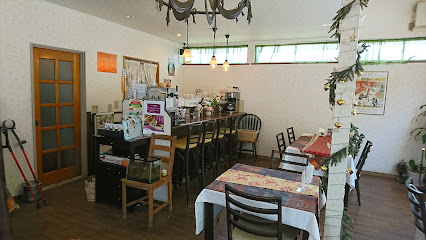
Izakaya restaurant
8.6 km
Discover authentic Japanese cuisine at Sakae's top-rated Izakaya restaurant with delightful small plates and a vibrant atmosphere.
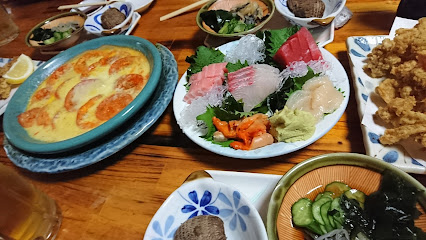
Nayuta
9.1 km
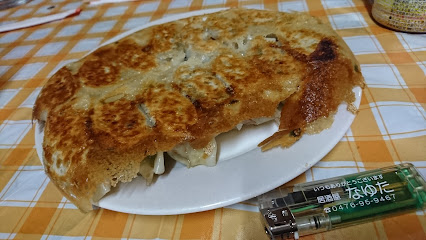
Discover Nayuta in Chiba: An authentic izakaya offering delicious dishes and a cozy atmosphere perfect for travelers seeking local culinary experiences.
Kanetaya
9.7 km
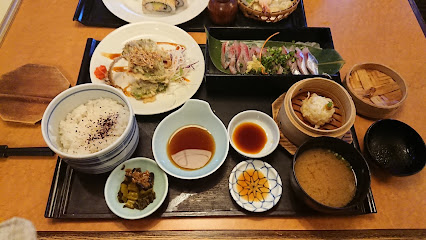
Experience authentic Japanese cuisine at Kanetaya, where tradition meets taste in every bite.
Sakata
10.1 km
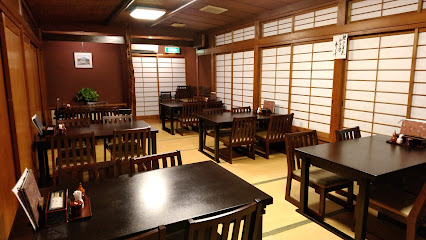
Experience exquisite unagi cuisine at Sakata in Chiba—where tradition meets taste in every bite.
Ramen Shop Tsubaki Kawachi
10.1 km
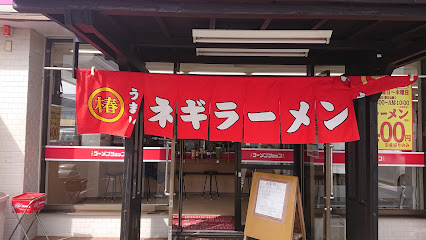
Discover authentic ramen delights at Ramen Shop Tsubaki Kawachi—where tradition meets flavor in every delicious bowl.
wo-29 Butchers (おにくブッチャーズ)河内店
10.2 km
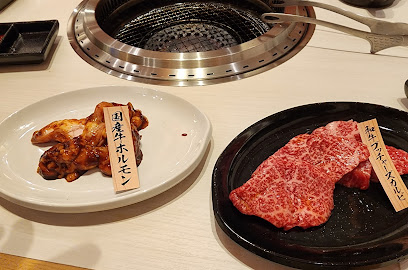
Delight in the savory world of yakiniku at wo-29 Butchers in Kawachi - where grilled meats meet authentic Japanese flavors.
Marumiya
10.8 km
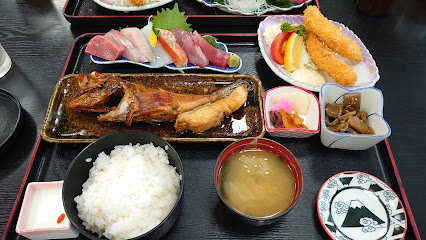
Experience authentic Japanese seafood at Marumiya in Inzai, Chiba – a perfect blend of tradition and taste.
Noriko
12.1 km
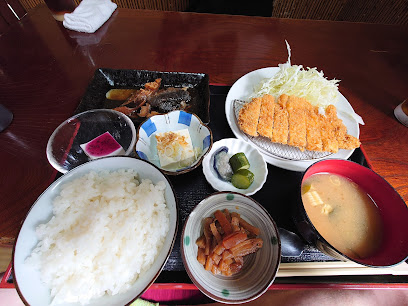
Indulge in authentic yakitori at Noriko - where traditional flavors meet warm hospitality in Inzai.
Chidori
13.3 km
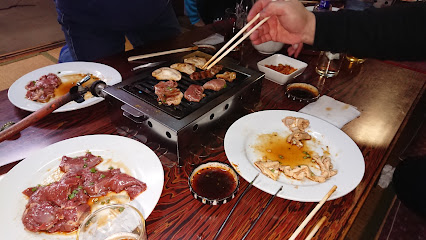
Discover the essence of Japanese cuisine at Chidori, an affordable Yakiniku restaurant in Inashiki known for its quality grilled meats.
Dining kitchen ありがとう
13.6 km
Discover authentic Japanese cuisine with a modern twist at Dining Kitchen ありがとう – where flavor meets tradition.
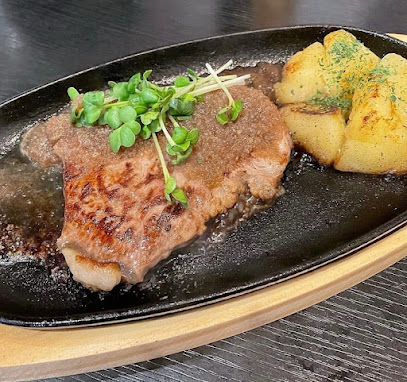
Yunirozu Sumizakiten
13.7 km
Savor authentic ramen in Inashiki at Yunirozu Sumizakiten - where rich flavors meet a cozy atmosphere.
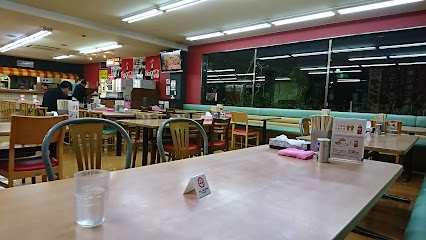
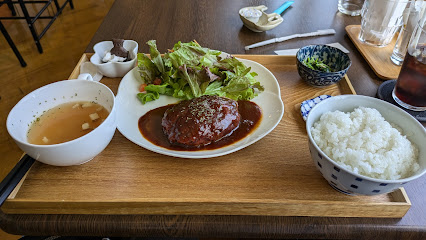
食彩ダイニングTenTen/龍ケ崎のハンバーグ
18.0 km
Experience culinary excellence at 食彩ダイニングTenTen in Ryugasaki—where modern izakaya meets delicious hamburgers.
Markets, malls and hidden boutiques

AEON MALL Narita
0.9 km
Discover shopping, dining, and cultural treasures at AEON MALL Narita, a must-visit destination for travelers in Japan.
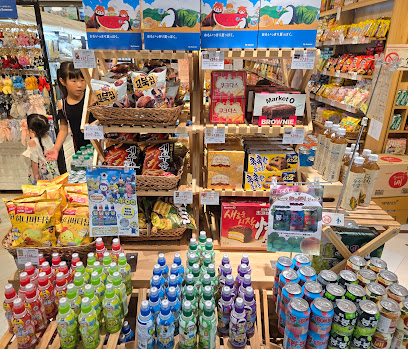
OMIYAGE KEISEI
6.3 km
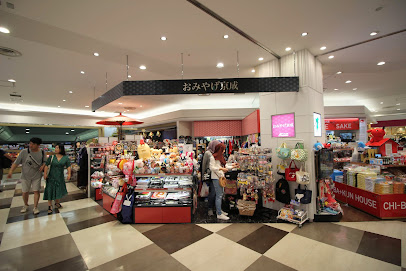
Discover the charm of Japan at OMIYAGE KEISEI, where authentic souvenirs and local treasures await you in Narita, Chiba.
Fa-So-La TAX FREE AKIHABARA
6.5 km
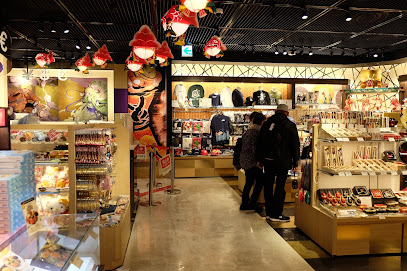
Discover an extraordinary shopping experience at Fa-So-La TAX FREE AKIHABARA in Narita Airport, featuring duty-free gifts and local treasures.
BOSS Shop
8.5 km
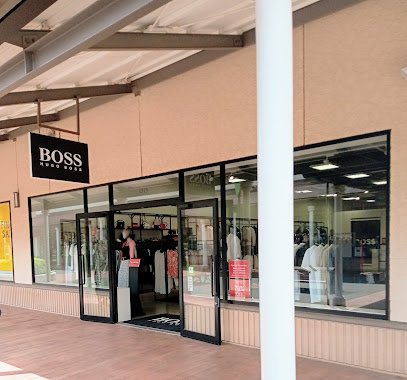
Explore luxury at BOSS Shop in Shisui, where high-quality fashion meets timeless elegance for both men and women.
Mitsui Outlet Park Makuhari
29.6 km
Discover unbeatable deals and an unforgettable shopping experience at Mitsui Outlet Park Makuhari, Chiba's premier outlet mall.

Kawachiya Funabashiten
31.7 km
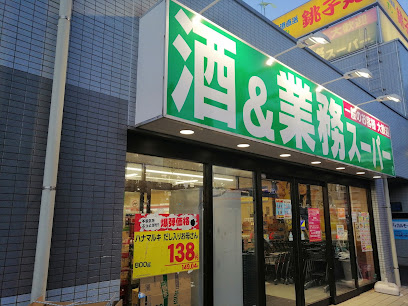
Explore the diverse world of Japanese spirits at Kawachiya Funabashiten, your go-to destination for quality sake and liquors in Funabashi, Chiba.
LaLaport TOKYO-BAY
31.9 km
Explore LaLaport TOKYO-BAY, a vibrant shopping mall in Funabashi, Chiba, offering a unique blend of shopping, dining, and family-friendly entertainment.

2nd Street Katsushika Mizumoto
41.4 km
Explore the vibrant second-hand treasures of 2nd Street Katsushika Mizumoto, where unique fashion meets sustainability in Tokyo.
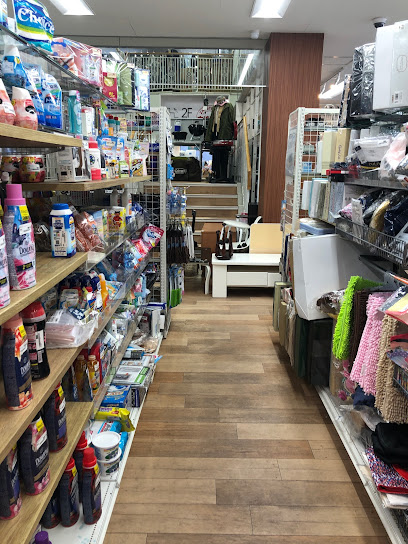
Bongo Bazar
42.5 km
Explore authentic Asian culinary delights at Bongo Bazar, a vibrant grocery store in Misato, Saitama, perfect for food lovers and culinary explorers.
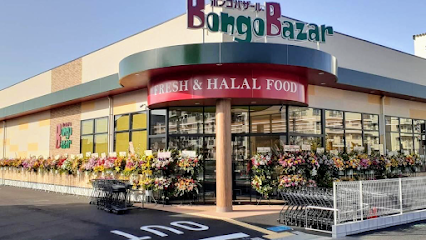
Ikspiari
42.7 km
Experience the ultimate shopping and entertainment hub at Ikspiari, a must-visit destination in Maihama, Chiba, where shopping meets leisure!
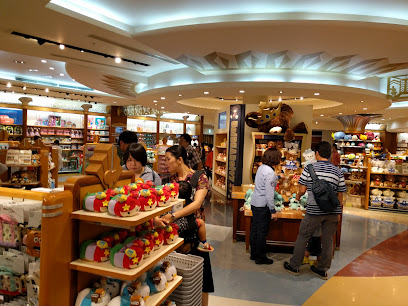
Kawachiya Kitakasai
43.1 km
Explore Kawachiya Kitakasai in Edogawa City, a hidden gem for authentic Japanese liquors and gourmet groceries in Tokyo.
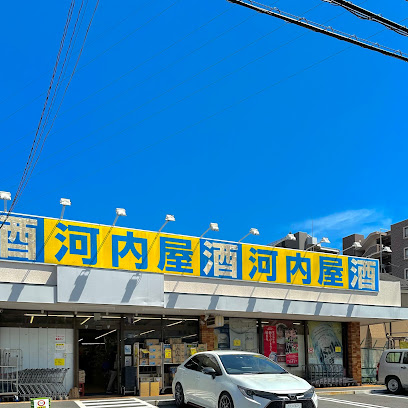
AEON LakeTown
45.6 km
Explore AEON LakeTown, Japan’s largest shopping mall featuring a diverse range of shops, dining options, and entertainment for the ultimate shopping experience.
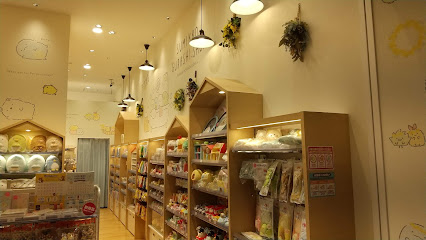
KYOTOTO 京東都 東京スカイツリータウン・ソラマチ店
46.6 km
Explore KYOTOTO 京東都 in Tokyo Skytree Town for exquisite Japanese gifts and accessories that capture the essence of Japan.
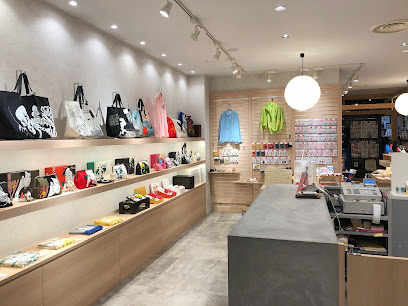
Gotohchi Pinzu Plus
46.7 km
Explore the essence of Japan at Gotohchi Pinzu Plus, a must-visit gift shop in Sumida City, Tokyo, offering unique local souvenirs and crafts.
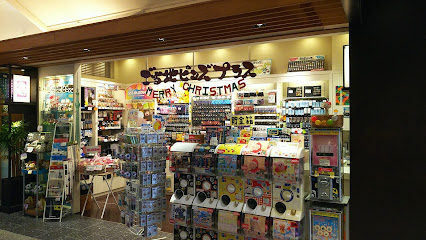
Tokyo Skytree Town
46.7 km
Discover Tokyo's vibrant blend of modern architecture and cultural experiences at the iconic Tokyo Skytree Town.
Essential bars & hidden hideouts

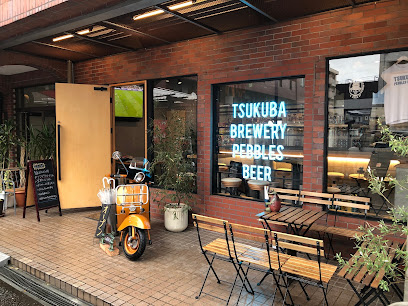
Tsukuba Brewery
35.4 km
Explore Tsukuba Brewery: A Craft Beer Haven in Ibaraki, Japan - Taste Local Brews and Enjoy a Lively Atmosphere.
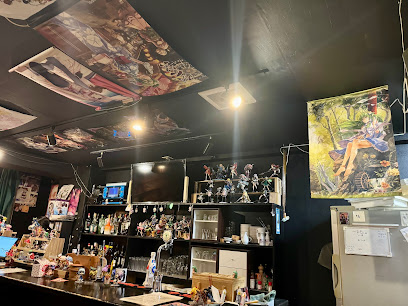
BAR U.N.逢縁(オーエン)
45.3 km
Discover the vibrant nightlife of Kameido at BAR U.N.逢縁(オーエン) - a cozy bar with local charm and delightful cocktails.
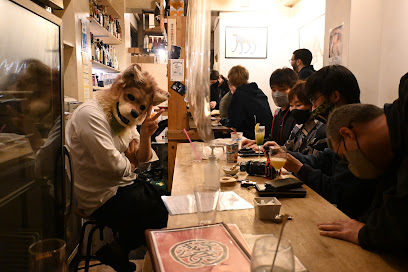
Wolf Bar Asakusa
47.5 km
Discover the vibrant nightlife of Tokyo at Wolf Bar Asakusa, where expertly crafted cocktails meet a lively atmosphere in the heart of the city.
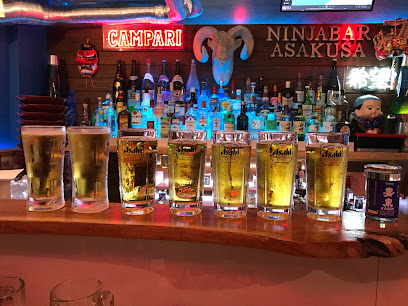
NinjaBar
47.9 km
Discover the enchanting NinjaBar in Tokyo's Asakusa, where immersive ninja-themed experiences meet delicious drinks and lively entertainment.
Kamiya Bar
47.9 km
Discover the historical charm of Kamiya Bar, a must-visit beer hall in Asakusa offering delicious food and local brews in a vibrant atmosphere.
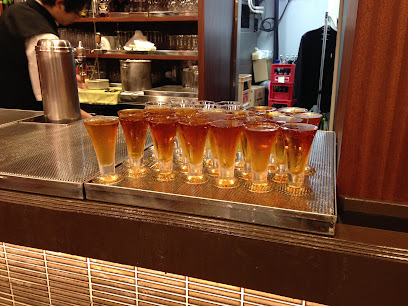
FOS
48.0 km
Experience the vibrant nightlife of Asakusa at FOS, a stylish bar serving delicious drinks and a lively atmosphere.
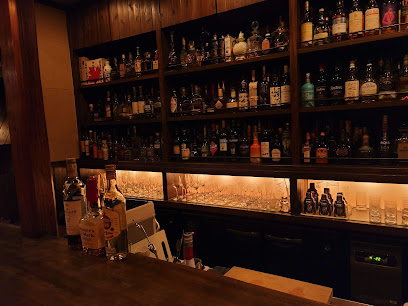
BAR WALK
48.1 km
Discover the cozy charm of Bar Walk in Asakusa, Tokyo, where unique cocktails and a friendly atmosphere await every visitor.
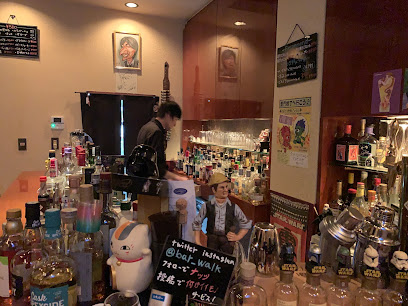
Samboa Bar
48.2 km
Discover the vibrant atmosphere of Samboa Bar in Asakusa, Tokyo, offering a unique cocktail experience and a taste of local nightlife.
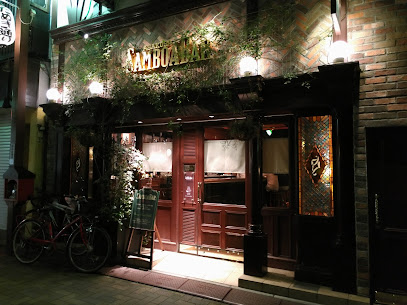
ORANGE-ROOM ASAKUSA
48.2 km
Experience the lively atmosphere and modern izakaya delights at ORANGE-ROOM ASAKUSA, a top spot for nightlife in Tokyo's historic district.
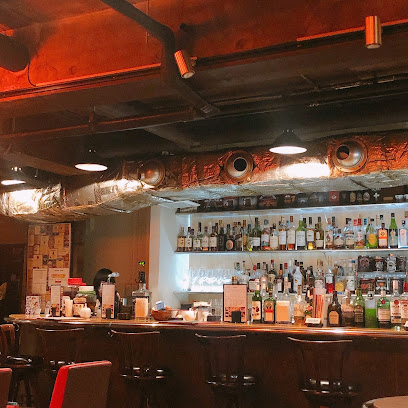
中むらや浅草近Bar
48.2 km
Discover the essence of Japanese nightlife at 中むらや浅草近Bar, where tradition meets modernity in the heart of Asakusa.
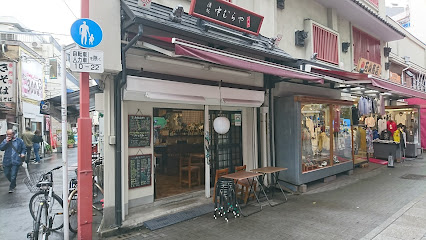
A.S.A.B.(as soon as beerable)
48.3 km
Experience the vibrant nightlife of Tokyo at A.S.A.B., a cozy bar in Asakusa offering affordable drinks and a friendly atmosphere.
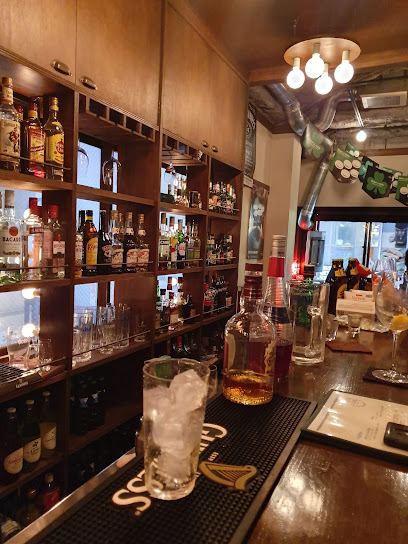
Nemo
48.3 km
Experience the vibrant nightlife of Tokyo at Nemo, where expertly crafted cocktails meet a warm and inviting atmosphere in Asakusa.
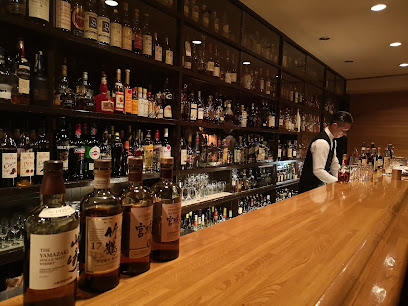
Barley Asakusa
48.4 km
Discover Barley Asakusa, a delightful cocktail bar in Taito City, Tokyo, offering unique drinks and a vibrant atmosphere for nightlife enthusiasts.
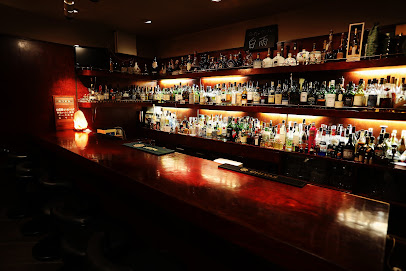
G-FOREST
48.4 km
Experience the vibrant nightlife of Tokyo at G-FOREST, where friendly service and great drinks await you.
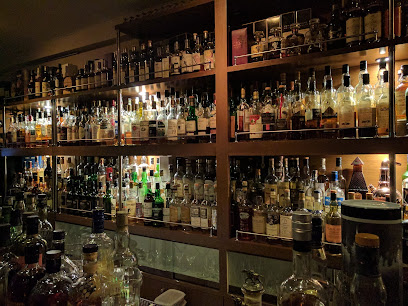
BAR SOMETHIN’
48.6 km
Discover the lively nightlife of Tokyo at Bar Somethin’, where expert cocktails and a vibrant atmosphere await.
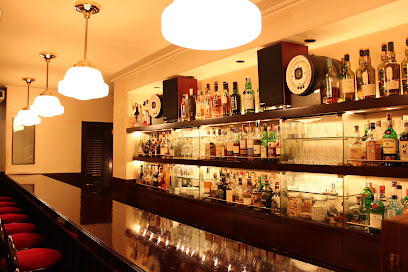
Nightclubs & after hour spots

AI CLUB 浅草雷門
48.1 km
Discover the vibrant nightlife at AI CLUB 浅草雷門, where music, dance, and excitement collide in the heart of Tokyo's Asakusa district.
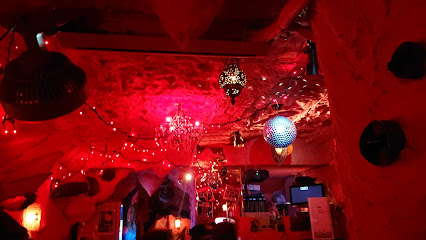
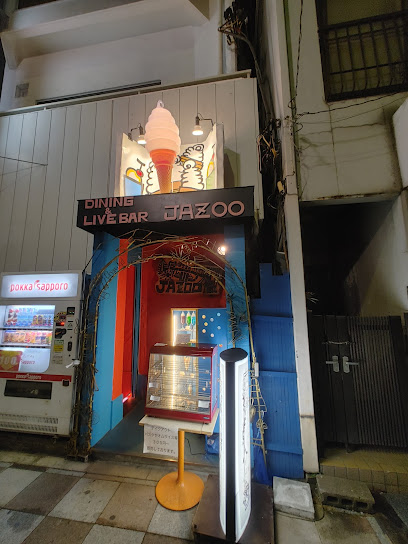
JAZOO
48.2 km
Discover JAZOO in Asakusa, Tokyo: an intimate jazz club offering soulful live performances in a cozy, inviting atmosphere.
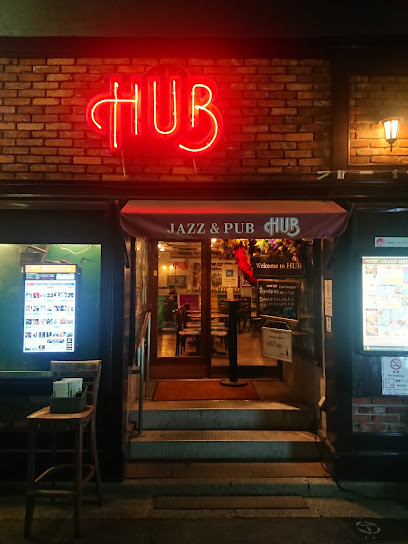
HUB Asakusa shop
48.3 km
Discover the vibrant jazz scene at HUB Asakusa, where live music meets delectable food and drinks in the heart of Tokyo's Asakusa district.
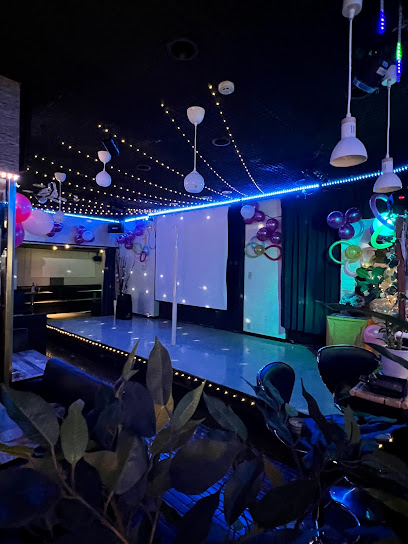
Club IBIZA Asakusa
48.4 km
Discover the electrifying nightlife of Tokyo at Club IBIZA Asakusa, where pulsating music and vibrant energy await every night.
Pure's Sound Market
48.5 km
Dive into Tokyo's nightlife at Pure's Sound Market, a night club offering live music, vibrant bars, and a unique fairground experience.
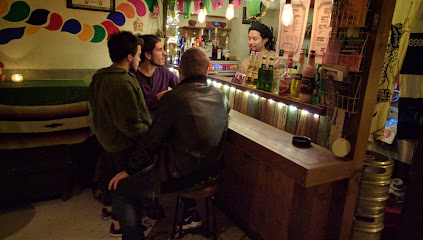
RGB TOKYO
50.1 km
Experience the vibrant nightlife of Tokyo at RGB Tokyo, a premier night club in Ueno offering electrifying music and innovative cocktails.
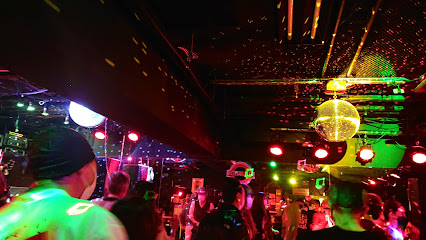
CLUB LEGACY(レガシー)
50.1 km
Discover the vibrant nightlife at CLUB LEGACY, Tokyo's premier cabaret club, where entertainment and excitement await every visitor.
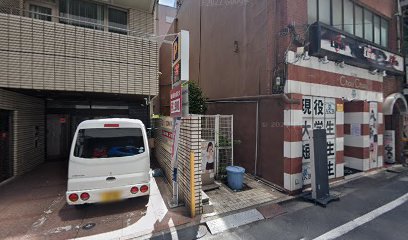
Chouchou Akihabara
50.1 km
Experience the enchanting world of cabaret at Chouchou Akihabara, where dazzling performances meet the heart of Tokyo's nightlife.
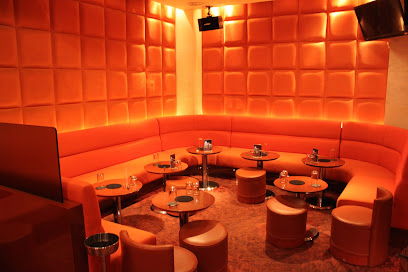
MOGRA
50.1 km
Experience the pulse of Akihabara's nightlife at MOGRA, where DJ beats meet anime culture for an unforgettable night out.
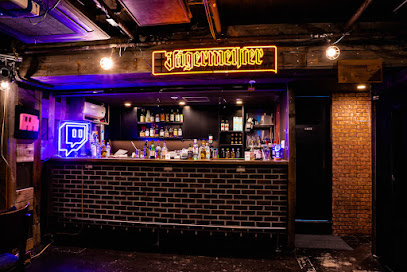
M kaupili club
50.2 km
Discover the vibrant nightlife of Tokyo at M kaupili Club - where spirited beats and electrifying dance create unforgettable moments.
マベル Club Ma.Belle
50.2 km
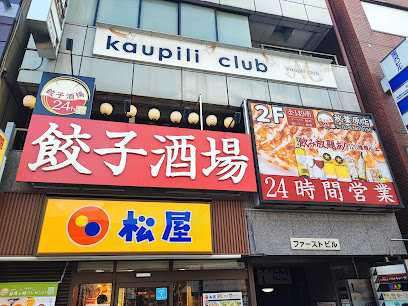
Discover the vibrant nightlife of Tokyo at Club Ma.Belle, where captivating performances and a lively atmosphere await you.
Club Platinum
50.2 km
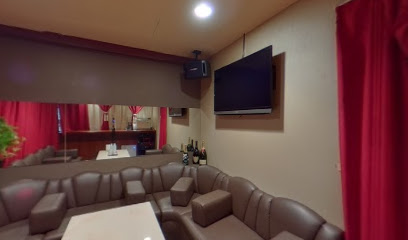
Experience Tokyo's nightlife at Club Platinum, where vibrant cabaret performances meet exquisite hospitality in Akihabara.
New Fantasy
50.2 km
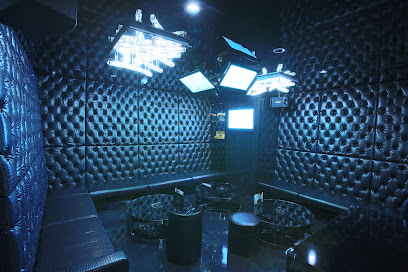
Discover the electrifying nightlife at New Fantasy, a premier night club in Ueno, Tokyo, where every night is an unforgettable adventure.

CLASSIC-TOKYO
50.2 km
Discover Classic-Tokyo: The Ultimate Rock Music Club Experience in Ueno, Tokyo's Thriving Nightlife Hub.
CLUB UP Stage II上野No.1ショーパブ可愛いフィリピーナ
50.2 km
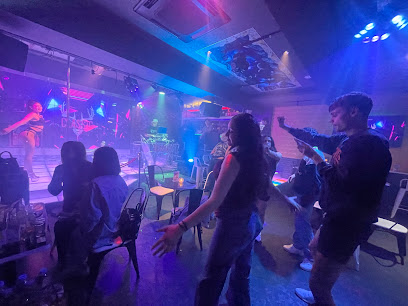
Unwind at CLUB UP Stage II, a vibrant night club in Ueno featuring lively performances by talented Filipina artists, perfect for an unforgettable night out.