

Free Oki Travel Guide & Mobile App
Explore Oki with free travel guides. Discover regional history, expert tips, proposed trips, and audio guides on web or mobile app.


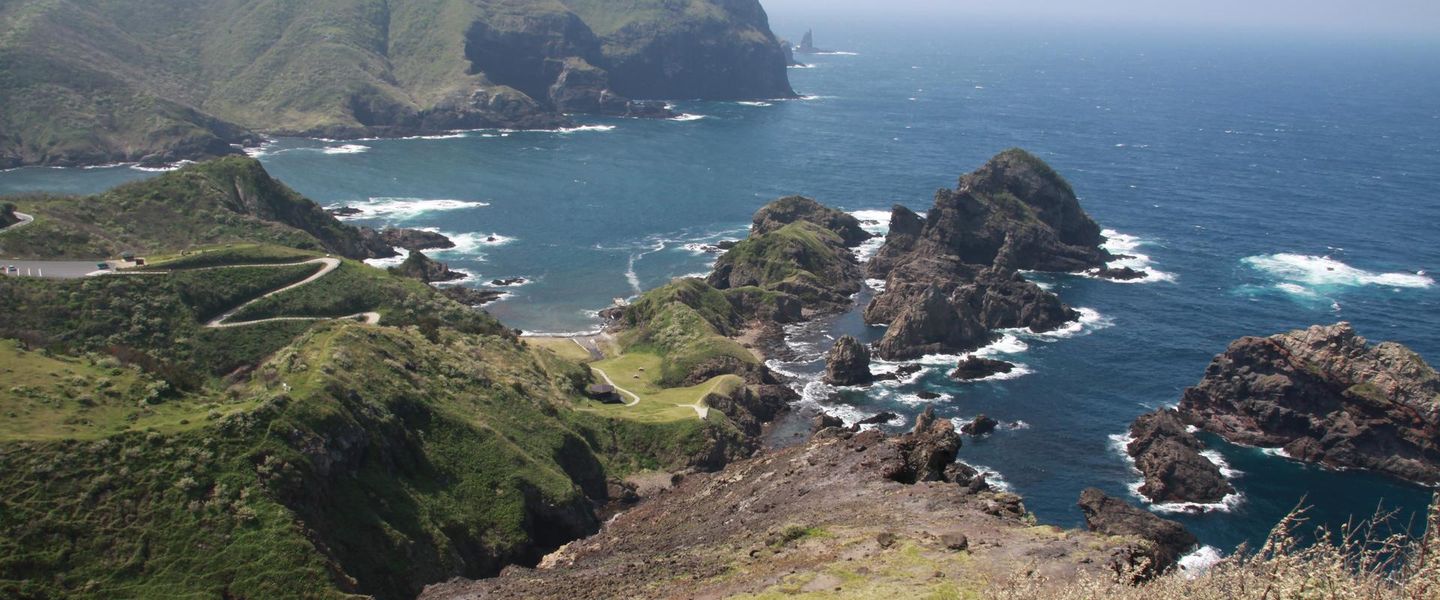


Explore Oki’s volcanic islands, sea cliffs, shrines, seafood and geopark landscapes through ferries, coastal walks and rural island life.
Read more about Oki
When is the best time to visit Oki?
Best: May, October–November · 19–24°C| Month | High (°C) | Rainfall (mm) |
|---|---|---|
| January | 11 | 80 |
| February | 12 | 86 |
| March | 15 | 116 |
| April | 20 | 138 |
| May (best) | 24 | 161 |
| June | 27 | 202 |
| July | 31 | 239 |
| August | 31 | 218 |
| September | 29 | 188 |
| October (best) | 24 | 139 |
| November (best) | 19 | 116 |
| December | 13 | 96 |
Getting to and around Oki
How to get there
Transportation
Best attractions in Oki
Oki’s attractions are shaped by the meeting of volcanic geology, island ecology and living communities. The Kuniga Coast on Nishinoshima provides one of the archipelago’s finest coastal walks, with sea stacks, caves, grasslands and the high Matengai Cliff overlooking the Sea of Japan. Chiburijima offers red cliffs, quiet roads and broad views across the Dōzen caldera, while Nakanoshima combines geopark sites with shrines, farmland and small harbour settlements. Dōgo has forest trails, volcanic formations, coastal viewpoints and the greatest concentration of museums, services and cultural sites. Boat excursions can reveal cliffs and sea caves from the water, although departures depend on sea conditions. Visitors can also seek out shrine festivals, kagura performances and ushi-zuki events when locally scheduled. Fishing experiences, cycling and sea kayaking are available through local providers, while the islands’ parks, grasslands and wooded valleys reward unhurried exploration rather than a rapid checklist of sights.
-
Theme park
Tokyo Disneyland
Discover the enchanting wonders of Tokyo Disneyland, where fantasy comes to life in a magical theme park experience for all ages.
-
Theme park
Tokyo DisneySea
Discover the magic of Tokyo DisneySea, a unique theme park combining oceanic beauty with thrilling attractions and unforgettable experiences.
-
Buddhist temple
Kaminarimon
Explore Kaminarimon, the iconic Thunder Gate of Senso-ji Temple, a stunning symbol of Tokyo's cultural heritage and vibrant shopping scene.
-
Zoo
Ueno Zoological Gardens
Discover a world of wildlife at Ueno Zoological Gardens, Tokyo’s oldest zoo, featuring over 400 species in beautiful natural settings.
Best landmarks in Oki
The Kuniga Coast and Matengai Cliff on Nishinoshima are Oki’s most recognisable natural landmarks, where layered cliffs, offshore rock pillars and open pasture create a striking maritime landscape. Chiburijima’s red coastal cliffs reveal the islands’ volcanic history and contrast with the darker rocks found elsewhere in the archipelago. On Dōgo, Tamawakasu-mikoto Shrine is associated with longstanding island religious traditions and the annual Gorei-fūryū festival, while the island’s old-growth woods and volcanic rock formations express the close relationship between sacred places and the natural environment. Nakanoshima is home to Oki Shrine, built in the twentieth century to commemorate Emperor Go-Toba and his exile on the islands. Across the archipelago, small harbours, shrine precincts, stone walls, coastal grasslands and steep wooded valleys are significant not because of monumental scale but because they preserve the layered relationship between Oki’s geology, seafaring history and local communities.
-
Shinto shrine
Fushimi Inari Taisha
Experience the enchanting pathways of Fushimi Inari Taisha, where thousands of vermilion torii gates guide you through a lush spiritual landscape in Kyoto.
-
Observation deck
Tokyo Skytree
Explore breathtaking views from the top of Tokyo Skytree, Japan's tallest structure, and immerse yourself in the vibrant culture of the city.
-
Observation deck
Tokyo Tower
Experience breathtaking views at Tokyo Tower, an iconic landmark that blends culture, art, and stunning cityscapes in the heart of Tokyo.
-
Castle
Himeji Castle
Explore Himeji Castle, a UNESCO World Heritage site, known for its stunning architecture and rich Japanese history.

Explore Oki on the map
Plan your trip on one map. See where the top cities, national parks and sights are, and book hotels and experiences in a few clicks.
Best hotels in Oki
Best restaurants in Oki
Oki’s food reflects its surrounding waters and modest island agriculture. Fresh fish and shellfish are central, with menus changing according to catches and season; sazae sea snails, squid, locally landed white fish and rock oysters are among the ingredients associated with the islands. Local beef and pork, vegetables, rice and dairy products add variety, while island salt and other small-scale products may appear in prepared foods or souvenirs. On Dōgo and in the larger Dōzen port settlements, visitors will find small Japanese restaurants, set-meal establishments, izakaya and accommodation dining rooms. Cafés and bakeries are fewer and more dispersed than on the mainland, and rural choice can be limited outside meal periods. The best approach is to reserve where possible, ask about the day’s catch and treat locally sourced seafood as part of Oki’s seasonal culture rather than expecting a standardised regional menu.
-
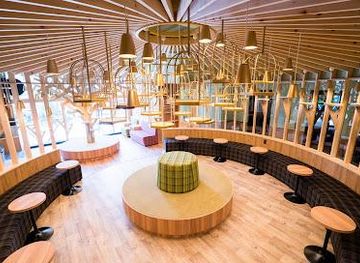
Cafe
Owl Cafe Tokyo
Whisper among wise owls in Akihabara's serene sanctuary, where gentle interactions and magical moments create profound calm in Tokyo's electric heart.
-
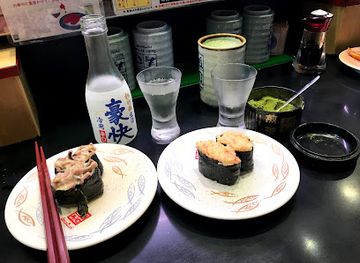
Sushi
UobeiGoulabe
Experience conveyor belt sushi like never before at UobeiGoulabe in Shibuya—delicious, affordable, and uniquely entertaining.
-
Cat cafe
Cat cafe MoCHA Akihabara Store
Discover feline bliss in Akihabara's cozy cat haven: pet sleepy breeds, sip unlimited drinks, and escape the neon frenzy in a clean, relaxing log-house retreat.
-
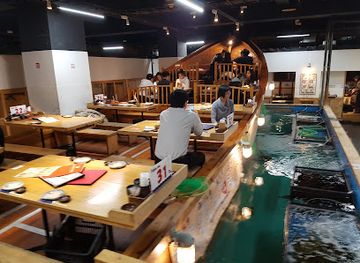
Izakaya
Fishing Restaurant Zauo Shinjuku
Experience an unforgettable dining adventure at Fishing Restaurant Zauo Shinjuku—catch your own seafood and savor exquisite Japanese cuisine.

Best bars in Oki
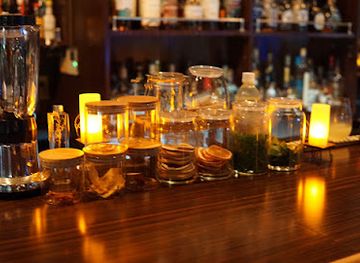
Oki does not have a large nightclub scene. Evening life is concentrated around the port settlements, particularly Saigō on Dōgo and the ferry-town communities of the Dōzen islands, where small izakaya, snack bars, restaurants and traditional pubs provide places to eat and talk. Some accommodation providers serve local drinks or arrange informal meals, while occasional community events bring music, dance or shrine-related celebrations to village spaces. The islands are better suited to quiet evenings, stargazing and early starts for ferries or coastal walks than to late-night entertainment. Visitors should not assume that every venue opens nightly, and options become especially limited in smaller settlements and outside the main travel season. Respectful volume and awareness of residential surroundings are important in compact island communities.
-
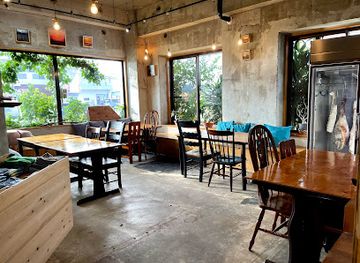
Brewpub
Chatan Harbour Brewery Restaurant
Discover the flavors of Okinawa at Chatan Harbour Brewery Restaurant, a premier brewpub offering craft beers and authentic local cuisine.
-
Bar
Bacon Bar Japan
Experience bacon like never before at Bacon Bar Japan, the ultimate destination for bacon lovers in Okinawa, blending bar, bakery, and restaurant delights.
-
Cocktail bar
Daisy
Experience the vibrant nightlife of Naha at Daisy, a cocktail bar serving innovative drinks and delectable bites in a lively atmosphere.
-
Irish pub
The Smuggler's IRISH PUB
Experience the vibrant atmosphere and authentic flavors of Ireland at The Smuggler's Irish Pub in Naha, Okinawa. A must-visit for food and drink lovers!


Best nightclubs in Oki
Oki does not have a large nightclub scene. Evening life is concentrated around the port settlements, particularly Saigō on Dōgo and the ferry-town communities of the Dōzen islands, where small izakaya, snack bars, restaurants and traditional pubs provide places to eat and talk. Some accommodation providers serve local drinks or arrange informal meals, while occasional community events bring music, dance or shrine-related celebrations to village spaces. The islands are better suited to quiet evenings, stargazing and early starts for ferries or coastal walks than to late-night entertainment. Visitors should not assume that every venue opens nightly, and options become especially limited in smaller settlements and outside the main travel season. Respectful volume and awareness of residential surroundings are important in compact island communities.
-
Night club
TK
Dive into the heart of Tokyo's nightlife at TK Nightclub, where electrifying beats and vibrant crowds create unforgettable memories.
-
Night club
Ammona
Experience the thrill of Osaka's nightlife at Ammona, a dynamic night club blending music, dance, and unforgettable social moments.
-
Night club
V2 TOKYO
Discover the excitement of V2 TOKYO, a premier night club in Roppongi, where unforgettable nightlife awaits with top DJs and vibrant atmosphere.
-
Night club
WOMB
Discover the electrifying nightlife at WOMB, Shibuya's premier night club with live music, vibrant atmosphere, and unforgettable dance experiences.




Best shops in Oki
Shopping in Oki is centred on port areas, small supermarkets, local shops, farm and fishery products, and modest craft outlets rather than large commercial districts. Visitors can look for packaged seafood, dried fish, island salt, seaweed, rice, dairy products and other foods that travel well, together with regional sake or shōchū where legally available and appropriately transported. Geopark and island-themed goods provide useful mementoes, while shrine precincts sell traditional amulets and festival-related items. Saigō on Dōgo generally offers the broadest choice of everyday supplies, whereas the Dōzen islands have a more local and limited retail scene. Shopping hours and stock can be affected by ferry deliveries, so buy essentials before heading to smaller islands or remote accommodation. Independent shops and producers are often the best places to understand Oki’s food economy and practical island culture.
-
Shopping mall
AEON MALL Okinawa Rycom
Discover the ultimate shopping and dining experience at AEON MALL Okinawa Rycom, where duty-free delights meet local flavors in a vibrant setting.
-
Outlet mall
Okinawa Outlet Mall Ashibinaa
Explore unbeatable deals at Okinawa Outlet Mall Ashibinaa, where shopping meets culture in a vibrant Okinawan setting.
-
Shopping mall
DECKS
Explore DECKS, Odaiba's vibrant shopping mall, featuring diverse shops, dining options, and entertainment for an unforgettable Tokyo experience.
-
Shopping mall
atré Ueno
Experience the vibrant shopping and dining scene at atré Ueno, Tokyo’s premier mall in Taito City, blending modernity with local culture.



Get your free copy of our complete guide to Oki, delivered straight to you.
Everything on this page, from attractions and restaurants to essentials and local phrases, in one PDF you can read offline, print or share.
Already have an account? Sign in
Your Oki guide is ready.
We'll send it to · Not you? Sign out

Getting your guide ready…
We are putting together a fresh copy of the Oki guide. This can take up to a minute.
This can take a few moments. If your browser asks, choose Allow so the download can start. You'll find the guide in your Downloads folder.
Nothing happened? Download it again
Sorry, the guide is taking longer than usual. Please try again in a minute, or get it by email instead.
Oki essentials
Currency and Payment
Safety
Emergency Situations
Do's and Don'ts
Local Tips
From Eve
Local phrases worth knowing
You don't need to get them perfect. A few words go a long way, and locals appreciate the effort.
Basics
| English | Local | Say it |
|---|---|---|
| Hello | こんにちは | [Konnichiwa] |
| Goodbye | さようなら | [Sayōnara] |
| Yes | はい | [Hai] |
| No | いいえ | [Iie] |
| Please/You're welcome | どうぞ | [Dōzo] |
| Thank you | ありがとうございます | [Arigatou gozaimasu] |
| Excuse me/Sorry | ごめんなさい | [Gomen nasai] |
| How are you? | お元気ですか? | [Ogenki desu ka?] |
| Fine. And you? | 元気です。あなたは? | [Genki desu. Anata wa?] |
| Do you speak English? | 英語を話せますか? | [Eigo o hanasemasu ka?] |
| I don't understand | わかりません | [Wakarimasen] |
Eating & Drinking
| English | Local | Say it |
|---|---|---|
| I'd like to see the menu, please | メニューを見せてください | [Menyū o misete kudasai] |
| I don't eat meat | 肉を食べません | [Niku o tabemasen] |
| Cheers! | 乾杯! | [Kanpai!] |
| I would like to pay, please | お会計をお願いします | [Okaikei o onegaishimasu] |
Emergencies
| English | Local | Say it |
|---|---|---|
| Help! | 助けて! | [Tasukete!] |
| Go away! | どいて! | [Doite!] |
| Call the Police! | 警察を呼んで! | [Keisatsu o yonde!] |
| Call a doctor! | 医者を呼んで! | [Isha o yonde!] |
| I'm lost | 道に迷いました | [Michi ni mayoimashita] |
| I'm ill | 具合が悪いです | [Guai ga warui desu] |
Shopping
| English | Local | Say it |
|---|---|---|
| I'd like to buy... | …を買いたいです | [… o kaitai desu] |
| I'm just looking | 見ているだけです | [Mite iru dake desu] |
| How much is it? | いくらですか? | [Ikura desu ka?] |
| That's too expensive | それは高すぎます | [Sore wa takasugimasu] |
| Can you lower the price? | 値下げできますか? | [Nesage dekimasu ka?] |
Time & Numbers
| English | Local | Say it |
|---|---|---|
| What time is it? | 今何時ですか? | [Ima nanji desu ka?] |
| It's one o'clock | 1時です | [Ichi-ji desu] |
| Half past (10) | 10時半です | [Jū-ji han desu] |
| Morning | 朝 | [Asa] |
| Afternoon | 午後 | [Gogo] |
| Evening | 夕方 | [Yūgata] |
| Yesterday | 昨日 | [Kinō] |
| Today | 今日 | [Kyō] |
| Tomorrow | 明日 | [Ashita] |
| 1 | 1 | [Ichi] |
| 2 | 2 | [Ni] |
| 3 | 3 | [San] |
| 4 | 4 | [Shi] |
| 5 | 5 | [Go] |
| 6 | 6 | [Roku] |
| 7 | 7 | [Shichi] |
| 8 | 8 | [Hachi] |
| 9 | 9 | [Kyū] |
| 10 | 10 | [Jū] |
Transport & Directions
| English | Local | Say it |
|---|---|---|
| Where's a/the...? | …はどこですか? | [… wa doko desu ka?] |
| What's the address? | 住所は何ですか? | [Jūsho wa nan desu ka?] |
| Can you show me (on the map)? | 地図で見せてくれますか? | [Chizu de misete kuremasu ka?] |
| When's the next (bus)? | 次のバスはいつですか? | [Tsugi no basu wa itsu desu ka?] |
| A ticket (to ....) | …までの切符 | [… made no kippu] |
History of Oki
Ancient Sea Routes and Sacred Island Culture
Oki’s position in the Sea of Japan made the islands a recognised stopping point on maritime routes linking western Japan with the Korean Peninsula and the wider coast. Archaeological evidence and early shrine traditions indicate long-established communities dependent on fishing, farming, forestry and seafaring. The islands were incorporated into Japan’s early administrative and religious systems, while their remote setting encouraged distinctive rituals and strong local connections between particular landscapes, shrines and ancestral communities. Several Oki traditions preserve elements of this relationship between natural features and sacred practice.
Oki as a Place of Exile in the Medieval Period
The imperial court used Oki as a place of exile for politically defeated figures during the medieval period. Emperor Go-Toba was sent to the islands after the Jōkyū Disturbance of 1221 and died there in 1239. Emperor Go-Daigo was also exiled to Oki in 1332, although he later escaped and returned to the political struggle that led to the Kenmu Restoration. These events gave the islands an importance far beyond their size, and the memory of imperial exile remains part of Oki’s historical identity.
Shrines, Maritime Communities and Local Governance
Across the early modern period, Oki’s communities continued to depend on coastal exchange, fishing, agriculture and forest resources. Shrines acted not only as religious institutions but also as centres of village identity, seasonal ceremonies and local organisation. Maritime links connected the islands with ports on the mainland, while their distance from major political centres allowed customs such as sacred dances, shrine processions and ushi-zuki bullfighting to develop and endure in local forms. The settlement pattern remained dispersed, with small harbour communities separated by difficult terrain and water.
Modern Prefectural Administration and Island Transport
Following the creation of modern prefectures in the late nineteenth century, Oki became part of Shimane Prefecture. Steamship services and improved port facilities gradually strengthened links with the mainland, while schools, municipal institutions and modern communications connected the islands more closely to national life. Even so, geography continued to influence economic opportunities and population movement. Fishing, agriculture, forestry and public services remained important, while ferry transport became the practical framework linking Dōgo with the Dōzen islands and mainland ports.
Post-war Change and Island Depopulation
After 1945, Oki experienced many of the pressures affecting remote Japanese regions: young people moved to mainland cities for education and work, rural populations aged, and traditional industries faced changing markets. Communities responded through agricultural cooperation, cultural preservation, environmental management and efforts to attract new residents and visitors. The islands’ festivals, shrine practices, food culture and maritime knowledge remain active, but they are sustained within smaller communities than in earlier generations.
The Oki Islands UNESCO Global Geopark
In 2013, the Oki Islands were designated a UNESCO Global Geopark, recognising the relationship between their geological history, ecosystems and human culture. Oki’s rocks record its former connection with the mainland and the volcanic and tectonic processes that produced the present archipelago. The designation has encouraged interpretation of coastal formations, grasslands, forests and island livelihoods as parts of one connected landscape. It also supports more deliberate conservation and gives visitors a framework for understanding why apparently separate islands share a common geological story.
Oki in Photos
Browse through our photo collection highlighting the charm and character of the destination.
Neighbouring regions of Oki
The closest regions to Oki, if you have time for more than one.
-

-

-

-

-


Swipe for more regions
Explore more

Explore more of Japan
Discover the harmony of tradition and modernity in Japan, where ancient temples and cutting-edge technology coexist in perfect balance.
Explore Japan