Sumō Museum, Osumi Travel Guide
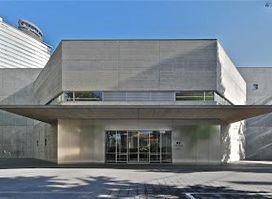
Explore the history and traditions of Japan's national sport at the Sumo Museum, located inside Tokyo's iconic Ryogoku Kokugikan.
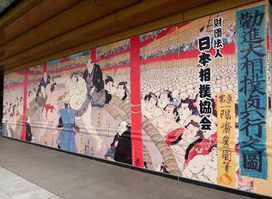
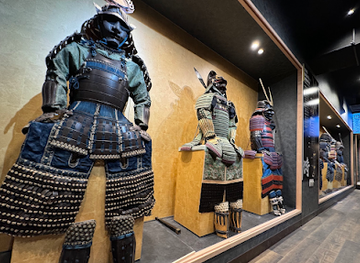
Located within the Ryogoku Kokugikan, Tokyo's famed sumo stadium, the Sumo Museum showcases the rich history and culture of sumo wrestling through rotating exhibits of woodblock prints, ceremonial aprons, and more. Admission is free, offering a fascinating glimpse into Japan's iconic sport.
A brief summary to Sumō Museum
- Yokoami, 1 Chome−3−28 国技館 1階, Sumida City, 1 Chome Yokoami, Tokyo, 130-0015, JP
- Click to display
- Click to display
- Monday 12:30 pm-4 pm
- Tuesday 12:30 pm-4 pm
- Wednesday 12:30 pm-4 pm
- Thursday 12:30 pm-4 pm
- Friday 12:30 pm-4 pm

Know before you go
Hi, I'm Eve. Here are a few practical things to know before exploring Sumō Museum.
- Check the museum's calendar in advance, as it may be closed for exhibit changes or other reasons.
- During Grand Sumo Tournaments, museum entry requires a ticket to the sumo event.
- Allow around 30 minutes to fully experience the museum's exhibits.
Do you manage this location?
Take control to get all the benefits, like improved information, better appearance, and stronger visibility across AI-powered discovery. Learn more about listing your business on Evendo
Activate your presenceOther nearby places you may find interesting
The closest places of the same kind, if this one is not quite what you had in mind.

Explore Sumō Museum on the Map
A handpicked selection of must-see spots near Sumō Museum, mapped for you.
Unlock the Best of Sumō Museum
Buy tickets
-
No tickets available
Book tours with entry


Book tours without entry
-
No tours available
Getting There
-
Public Transport
The Sumo Museum is located inside the Ryogoku Kokugikan. From Ryogoku Station on the JR Sobu Line, it's a one-minute walk. From Ryogoku Station on the Toei Oedo Subway Line, it's a five-minute walk from Exit A4. Subway fare from Tokyo Station to Ryogoku Station is approximately ¥200. JR train fare from Shinjuku Station to Ryogoku Station is approximately ¥220.
-
Walking
From the Edo-Tokyo Museum, the Sumo Museum is a short walk away. Exit the Edo-Tokyo Museum and walk towards the Ryogoku Kokugikan. The Sumo Museum is located on the first floor of the stadium. There is no fee for walking.
Discover more about Sumō Museum













Your all‑in‑one travel companion app
Explore expert travel guides, compare and book tours, experiences, hotels, and more—all from the palm of your hand. Download now for seamless trip planning wherever your wanderlust takes you.


Explore More of Osumi

Looking beyond Sumō Museum? Discover Osumi for broader travel guides, local hot-spots, and regional highlights.
Explore Osumi