Ryogoku Kokugikan: Tokyo's Sumo Mecca
Experience the power and tradition of Japan's national sport at the iconic Ryogoku Kokugikan National Sumo Arena in Tokyo.
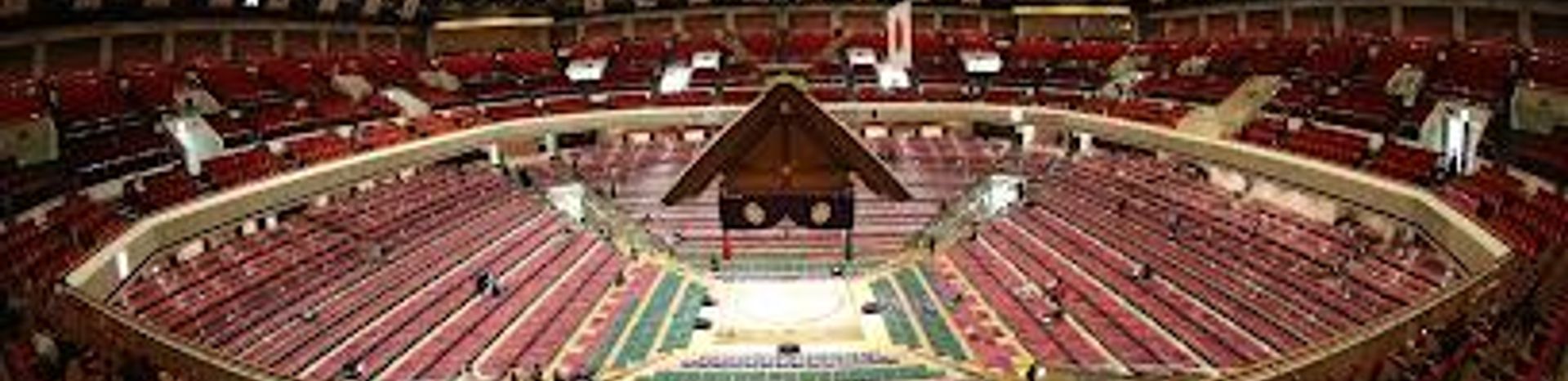
The Ryogoku Kokugikan is Tokyo's premier sumo wrestling arena, hosting three of the six annual Grand Sumo Tournaments. Opened in 1985, this modern stadium replaced the original 1909 Kokugikan and can accommodate over 10,000 spectators. Experiencing a sumo tournament here is a must for any visitor seeking an authentic taste of Japanese culture.
A brief summary to Ryogoku Kokugikan National Sumo Arena
- 1 Chome-3-28 Yokoami, Sumida City, 1 Chome Yokoami, Tokyo, 130-0015, JP
- +813-3623-5111
- Visit website
Local tips
- Purchase tickets in advance, especially for box seats, as they tend to sell out quickly.
- Arrive early to explore the arena, soak in the atmosphere, and witness pre-match rituals.
- Visit the Sumo Museum to learn about the history and culture of sumo wrestling.
- Try a chanko nabe, a traditional sumo wrestler's stew, at a local restaurant.
- Take photos with life-size panels of sumo wrestlers at the main entrance during tournaments.

Getting There
-
Public Transport
The Ryogoku Kokugikan is easily accessible by public transport. Take the JR Sobu Line to Ryogoku Station (West Exit) or the Toei Oedo Line to Ryogoku Station (A3 exit). The arena is a short walk from either station. From Tokyo Station, take the JR Yamanote Line to Akihabara Station, then transfer to the JR Sobu Line to Ryogoku Station. The journey takes approximately 14 minutes and costs ¥130-¥390. Alternatively, take the Toei Bus from Tokyo Station Yaesu South Exit to Kuramae 1-chome. The journey takes approximately 33 minutes and costs ¥210. A single subway ride in Tokyo typically costs between ¥170 and ¥320. A Toei Bus flat fare is ¥210 for adults.
-
Taxi
Taxis are readily available in Tokyo. From Tokyo Station, a taxi ride to Ryogoku Kokugikan takes approximately 4 minutes and costs between ¥2300 and ¥2800. Taxis in Tokyo charge a base fare of ¥500 for the first 1096 meters, with an additional ¥100 for every 255 meters thereafter. When traveling at less than 10 km per hour, an additional ¥100 is charged per 1 minute and 35 seconds.
-
Walking
It is possible to walk to Ryogoku Kokugikan from Tokyo Station. The distance is approximately 3.6 kilometers and takes around 43 minutes. From Ryogoku Station (JR Sobu Line), the arena is just across the street from the West Exit. From Ryogoku Station (Oedo Line), take Exit A3 and walk about 5 minutes west.
Discover more about Ryogoku Kokugikan National Sumo Arena
Iconic landmarks you can’t miss

APA Hotel & Resort Ryogoku Eki Tower
0.1 km
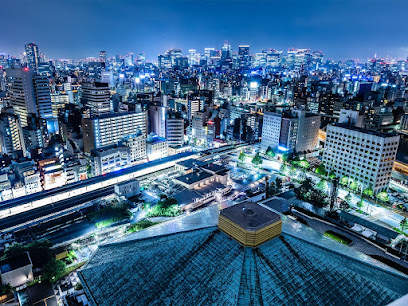
Discover the perfect blend of modern comfort and traditional Japanese hospitality at APA Hotel & Resort Ryogoku Eki Tower in Tokyo.
KAIKA Tokyo by The Share Hotels
1.1 km
Experience art-infused accommodation in a renovated Tokyo warehouse, near Sumida's cultural gems and the iconic Tokyo Skytree.

Sumida River
1.3 km
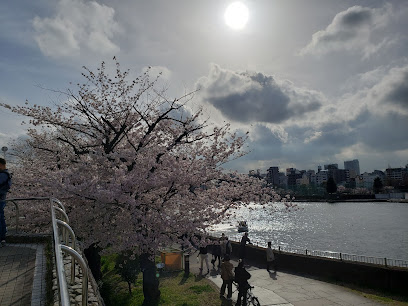
Explore Tokyo's iconic Sumida River: a historic waterway offering scenic cruises, cultural landmarks, and beautiful parks.
Azumbashi Bridge
1.5 km
Discover the historical charm of Azumbashi Bridge in Tokyo, where tradition meets modernity along the beautiful Sumida River.
Akihabara Park
1.7 km
Explore the serene beauty of Akihabara Park, a tranquil oasis in the heart of Tokyo's bustling Akihabara district, perfect for relaxation and cultural immersion.
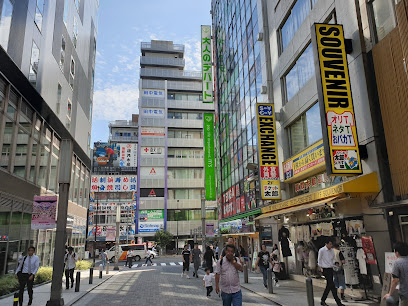
Tanuki Street
1.7 km
Discover Tanuki Street in Asakusa: A vibrant Tokyo lane with lucky tanuki statues, local crafts, and delicious street food near Senso-ji Temple.
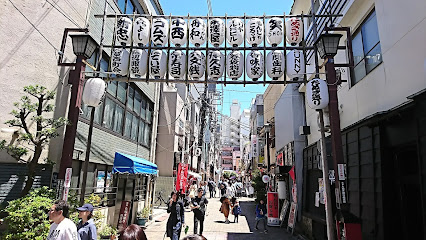
Nakamise-dori Street
1.7 km
Discover the bustling Nakamise-dori Street, where tradition meets modernity in a vibrant shopping experience filled with local delicacies and unique souvenirs.
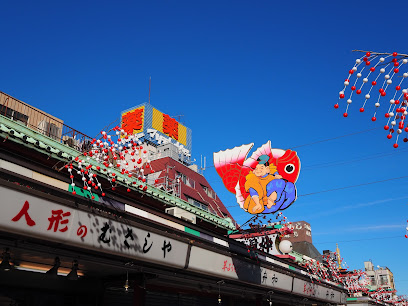
Stars Plaza
1.7 km
Discover the vibrant cultural heart of Tokyo at Stars Plaza in Asakusa, where art, performance, and tradition come together in a stunning space.
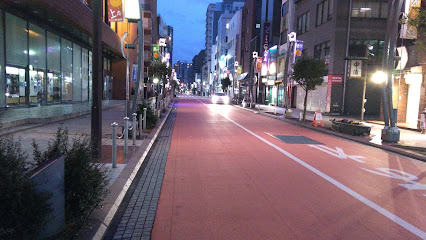
1-chōme-36-4 Asakusa
1.8 km
Explore the rich history and vibrant culture of Asakusa, Tokyo's charming district filled with ancient temples, lively markets, and authentic Japanese experiences.
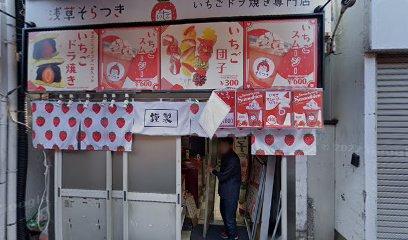
Akaboshi Juzaburo Statue
1.8 km
Explore the Akaboshi Juzaburo Statue in Asakusa, a symbol of Japan's artistic tradition and a must-see for culture enthusiasts visiting Tokyo.
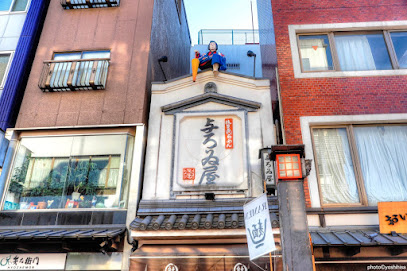
Sensōji Chingodō
1.8 km
Discover the spiritual heart of Tokyo at Sensō-ji Chingodō, a historic Buddhist temple surrounded by culture and tranquility.
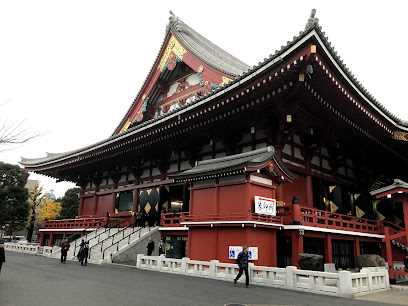
Nippon-Daemon
1.8 km
Explore Nippon-Daemon, a captivating tourist attraction in Asakusa, Tokyo, where tradition meets modernity in a vibrant cultural experience.
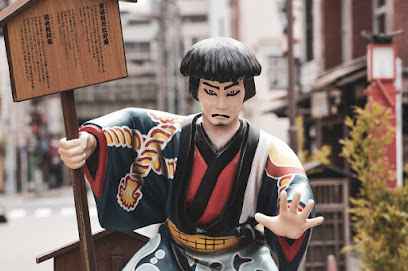
Dembōin
1.8 km
Explore the tranquil beauty of Dembōin, a serene Buddhist temple in Asakusa, Tokyo, where tradition meets peace and cultural heritage flourishes.
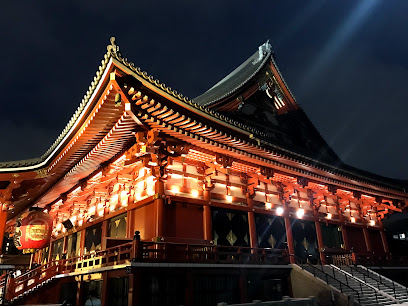
2-chōme-3-19 Asakusa
1.9 km
Explore Asakusa, Tokyo's cultural heart, where tradition meets modernity through historic temples, lively markets, and vibrant festivals.
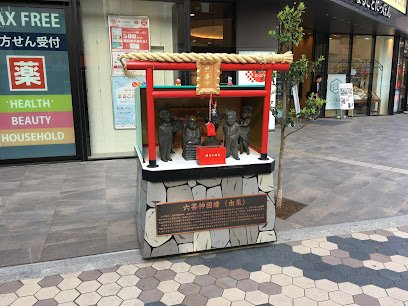
Rokugeishin
1.9 km
Experience the artistic allure of Rokugeishin, a captivating sculpture nestled in Tokyo's historic Asakusa district, reflecting Japan's rich cultural heritage.
Unmissable attractions to see

Sumō Museum
0.0 km
Explore the history and traditions of Japan's national sport at the Sumo Museum, located inside Tokyo's iconic Ryogoku Kokugikan.
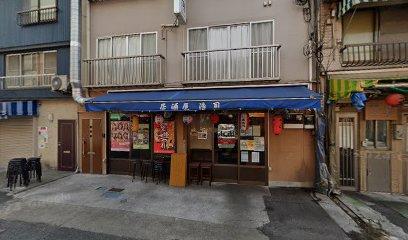
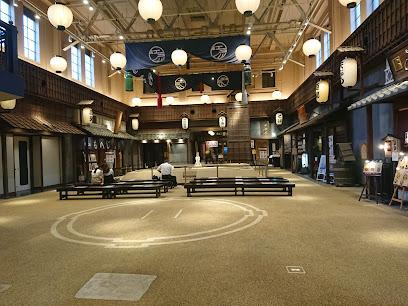
Ryōgoku Edo NOREN
0.1 km
Experience the flavors and atmosphere of old Edo at this unique dining and shopping destination in the heart of Tokyo's sumo district.
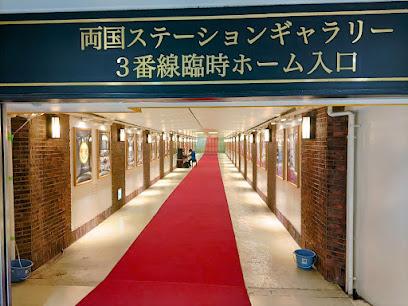
Ryōgoku Station Gallery
0.1 km
Explore the Ryōgoku Station Gallery in Tokyo for a blend of art, culture, and history, showcasing local talent and enriching the traveler’s experience.
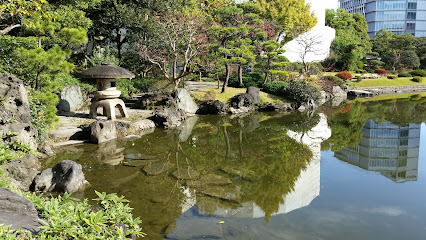
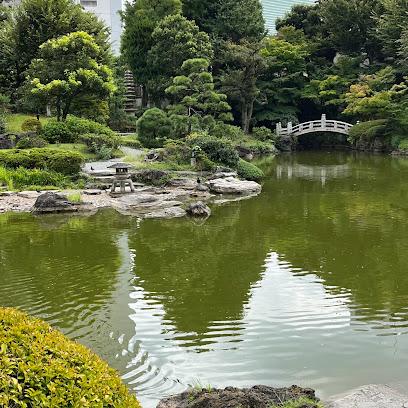
Former Yasuda Garden
0.2 km
Discover tranquility in Tokyo's Former Yasuda Garden: a historic oasis with serene ponds, traditional bridges, and captivating city views.
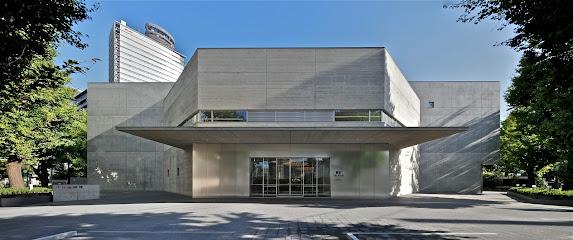
Japanese Sword Museum
0.2 km
Discover the exquisite artistry and cultural heritage of Japanese swords at the Japanese Sword Museum in Tokyo.
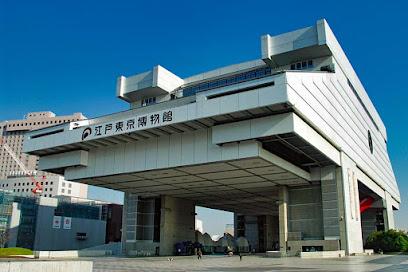
Edo-Tokyo Museum
0.2 km
Explore Tokyo's captivating history and cultural heritage at the Edo-Tokyo Museum, showcasing the city's evolution from Edo to modern metropolis.
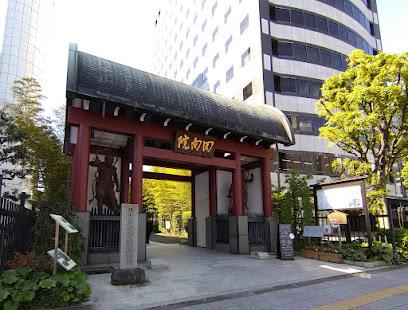
Ekōin Temple
0.4 km
Discover a serene Buddhist temple in Ryogoku, Tokyo, with a history of remembrance and a strong connection to the world of sumo wrestling.
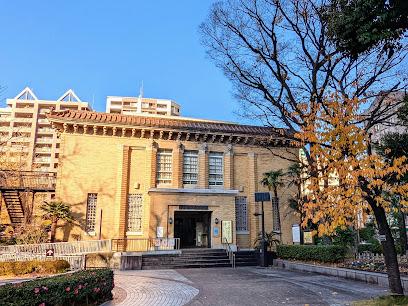
Great Kanto Earthquake Memorial Museum
0.4 km
Explore the resilient spirit of Tokyo at the Great Kanto Earthquake Memorial Museum, a profound tribute to history and recovery.
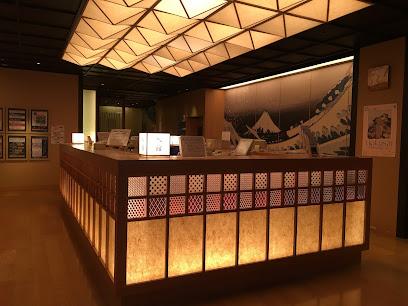
EDO-YU RYOGOKU
0.5 km
Discover the perfect fusion of relaxation and culinary delights at EDO-YU RYOGOKU, a super public bath and restaurant in Tokyo's Sumida City.
Yanagi Bridge
0.6 km
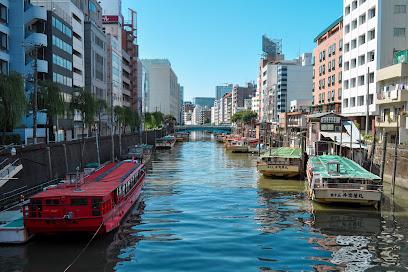
Discover the historic charm of Yanagi Bridge in Tokyo, a picturesque landmark with roots in the Edo period and stunning river views.
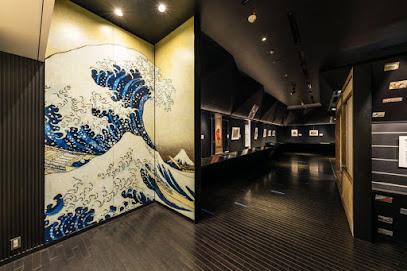
The Sumida Hokusai Museum
0.6 km
Explore the world of Hokusai, master of ukiyo-e, at this modern museum in his birthplace of Sumida, Tokyo.
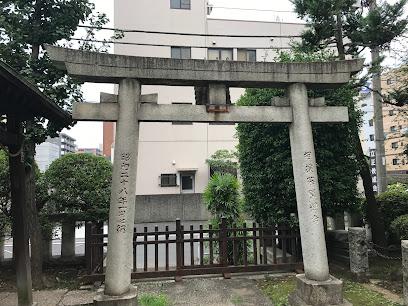
Nomi no Sukune Shrine
0.7 km
Discover the spiritual home of Sumo wrestling at this tranquil shrine dedicated to its legendary founder, Nomi no Sukune.
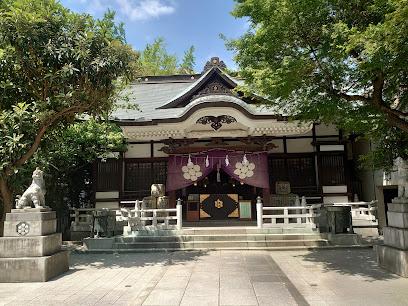
Torigoe Shrine
0.9 km
Discover Torigoe Shrine in Tokyo: a historic Shinto sanctuary with vibrant festivals and unique architecture, offering a peaceful escape.
Basho Memorial Hall
1.2 km
Explore the legacy of Matsuo Basho at the Basho Memorial Hall in Koto City, Tokyo, a unique cultural journey into the world of haiku.
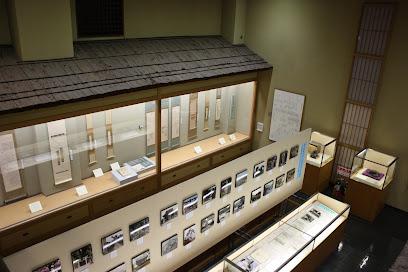
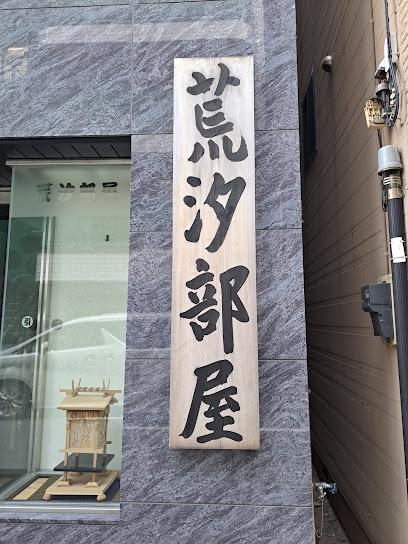
Arashio-beya Sumo Stable
1.2 km
Discover the essence of Japanese culture at Arashio-beya Sumo Stable, where tradition and athleticism converge in a captivating experience.
Essential places to dine

Ichikatsu
0.2 km
Experience authentic tonkatsu at Ichikatsu, where deliciously crispy pork cutlets meet traditional Japanese culinary artistry in Tokyo's Sumida City.
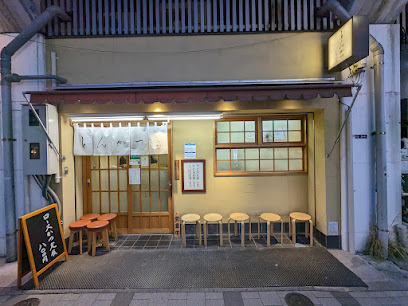
SUGIDAMA Ryogoku
0.3 km
Experience exquisite sushi and creative Japanese cuisine at SUGIDAMA Ryogoku – a culinary delight in Tokyo's vibrant sumo district.
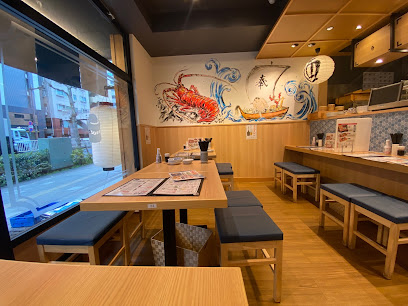
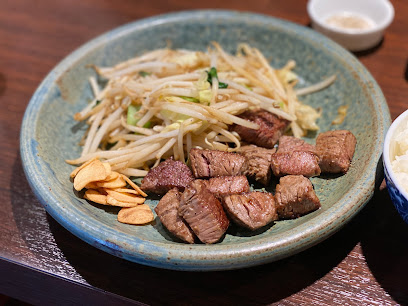
Steak Shima
0.3 km
Experience unparalleled flavors at Steak Shima, Tokyo's premier steakhouse known for its exquisite cuts and luxurious dining atmosphere.
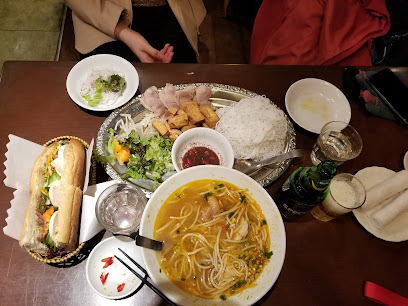
Quan Hoi An
0.3 km
Discover authentic Vietnamese flavors at Quan Hoi An, a hidden gem in Tokyo's Ryogoku district offering delicious dishes in a cozy setting.
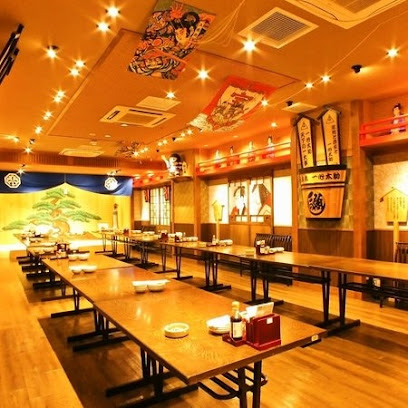
Hana no Mai Restaurant & Edo Tokyo Museum
0.4 km
Discover authentic Japanese flavors at Hana no Mai Restaurant near Edo Tokyo Museum – where tradition meets taste.
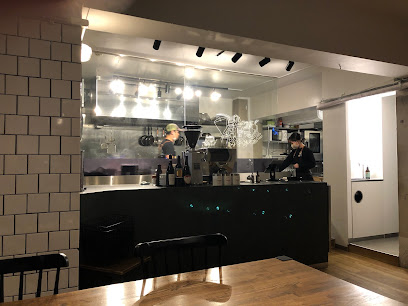
little iki
1.4 km
Discover the flavors of Japan at Little Iki, where culinary excellence meets warm hospitality in the heart of Tokyo.
Edomae Shinsaku
1.5 km
Discover the authentic flavors of Edomae-style tempura at Edomae Shinsaku in Tokyo's vibrant Chuo City.
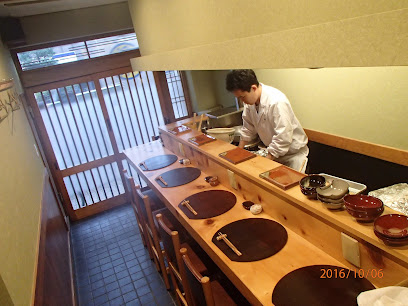
Iki na Isshō
1.6 km
Discover authentic Japanese ramen at Iki na Isshō in Taito City - where every bowl tells a story of tradition and flavor.
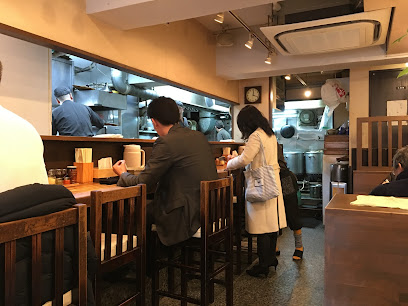
Kudaka Tepannyaki Asakusa
1.6 km
Savor authentic teppanyaki delights at Kudaka Teppanyaki Asakusa - where culinary artistry meets unforgettable dining experiences.
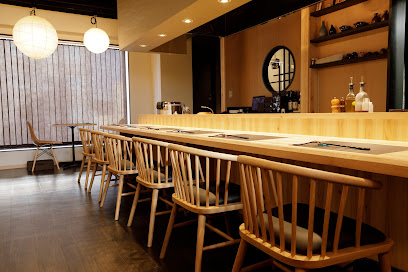
San-Sada
1.6 km
Delve into the exquisite world of tempura at San-Sada in Asakusa - where tradition meets modern culinary artistry.
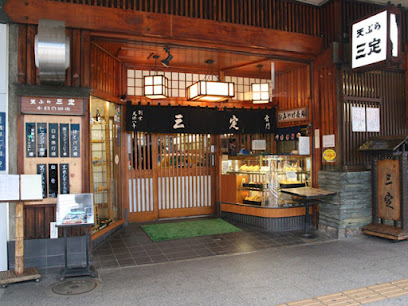
Owariya
1.6 km
Discover authentic soba noodles at Owariya in Asakusa - where tradition meets taste in every bowl.
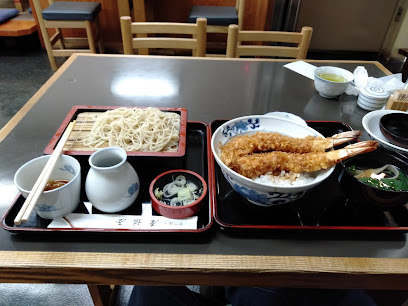
Japanese Restaurant
1.6 km
Experience authentic Japanese izakaya culture in Chuo City, Tokyo with exquisite dishes and a warm atmosphere.
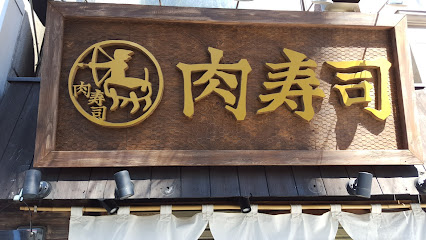
Sushi Tempura Aki
1.6 km
Discover the exquisite flavors of Japan at Sushi Tempura Aki - where fresh sushi meets crispy tempura in a delightful dining experience.
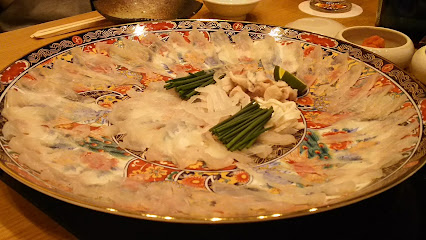
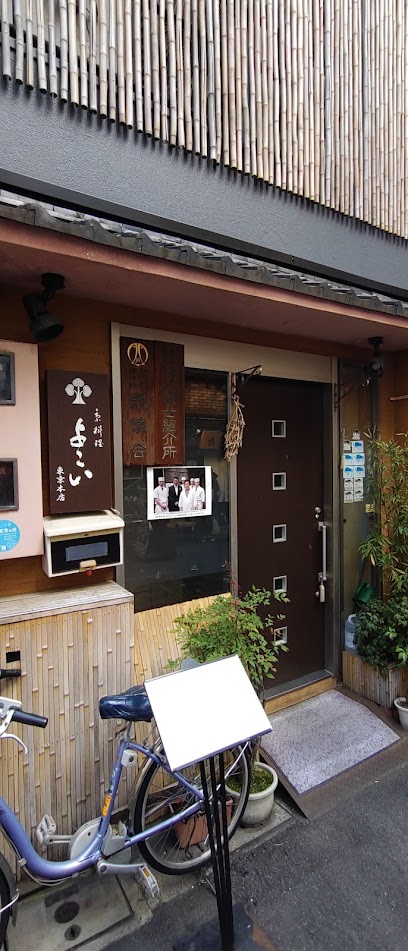
Yokoi
1.6 km
Discover authentic Japanese flavors at Yokoi in Asakusa - where tradition meets taste in every dish.
Okonomiyaki Teppanyaki Asakusa Tsurujiro
1.7 km
Experience traditional Japanese cuisine with interactive cooking at Okonomiyaki Teppanyaki Asakusa Tsurujiro – a must-visit spot for food enthusiasts.
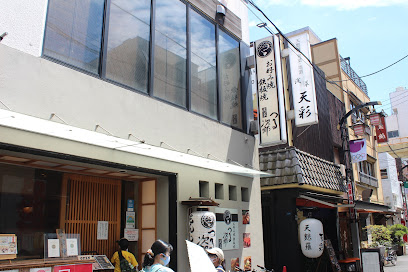
Markets, malls and hidden boutiques

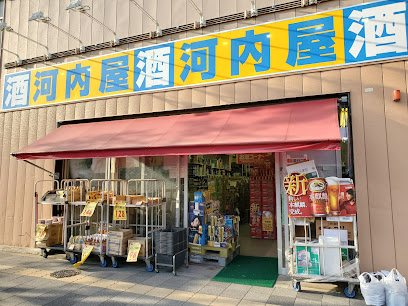
Kawachiya liquor Kinshicho shop
0.8 km
Explore the finest selection of Japanese sake and spirits at Kawachiya Liquor Kinshicho Shop, a hidden gem in Tokyo's Sumida City.
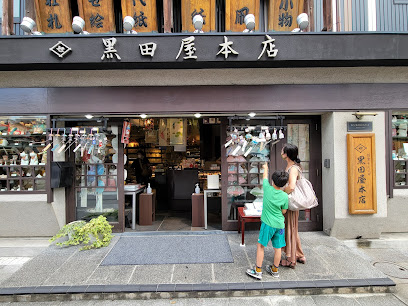
Kurodaya
1.6 km
Explore the unique charm of Kurodaya in Asakusa, Tokyo, where authentic Japanese souvenirs and traditional crafts await every visitor.
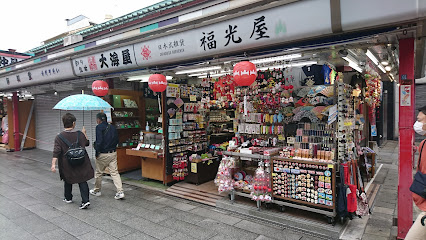
Kaminarimon Gate Fukuko-ya
1.6 km
Discover unique Japanese souvenirs at Kaminarimon Gate Fukuko-ya, a delightful shop in the historic Asakusa district of Tokyo.
Sanrio Gift Gate Asakusa
1.6 km
Explore the enchanting Sanrio Gift Gate in Asakusa, a must-visit haven for Hello Kitty fans filled with unique gifts and toys.
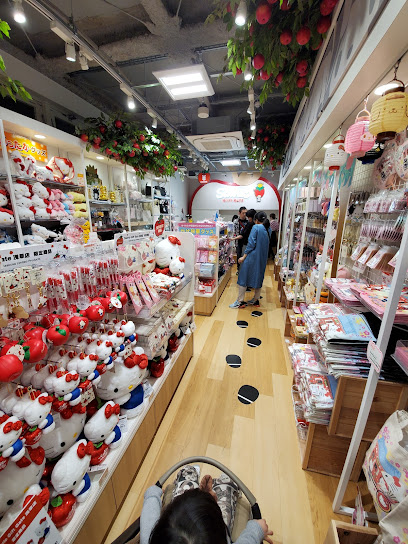
Asakusa Tatsumiya
1.6 km
Explore Asakusa Tatsumiya, the ultimate gift shop in Tokyo's historic heart, offering unique souvenirs and local crafts to cherish your journey.
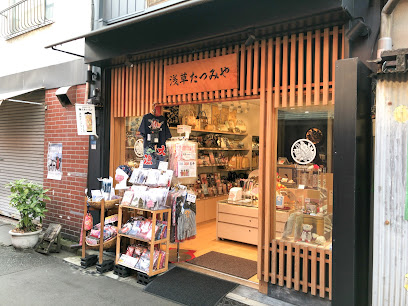
MUSASHI JAPAN 浅草店 Knife Shop
1.7 km
Explore Musashi Japan in Asakusa for exquisite Japanese knives, blending craftsmanship with culinary tradition in the heart of Tokyo.
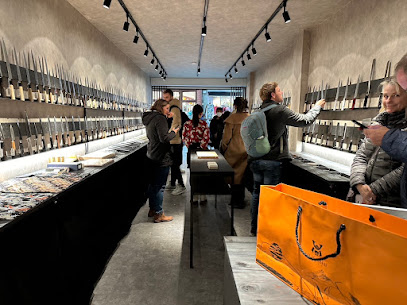
Kannondoori street
1.7 km
Experience the vibrant mix of shopping and culture at Kannondoori Street, a must-visit outlet mall in Tokyo's historic Asakusa district.
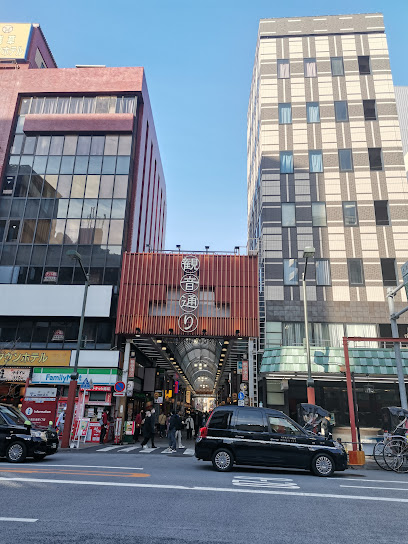
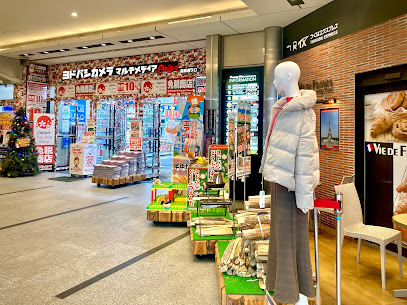
Yodobashi Akiba
1.7 km
Explore Yodobashi Akiba, Tokyo's premier electronics store, offering cutting-edge gadgets, cameras, and an immersive shopping experience.
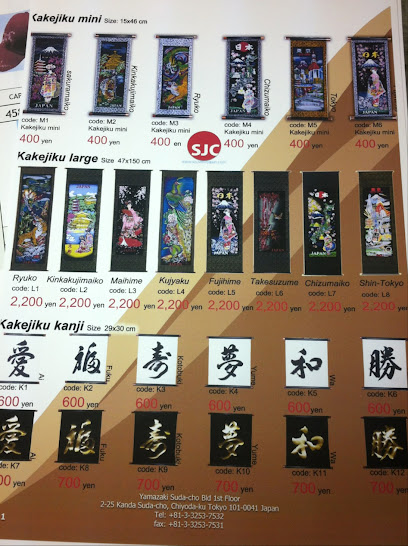
SJC
1.7 km
Explore SJC Gift Shop in Chiyoda City for authentic Japanese souvenirs and unique gifts that capture the essence of Japan's rich culture.
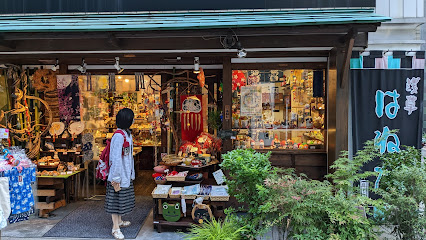
Asakusa Haneda
1.7 km
Explore Asakusa Haneda: A Must-Visit Souvenir Store in Tokyo with Unique Japanese Crafts and Gifts.
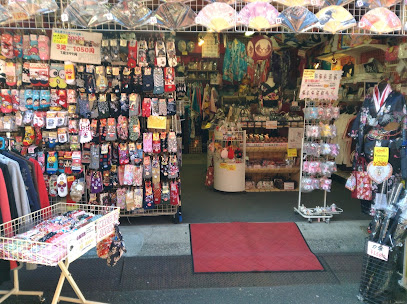
Asakusa Sparkle
1.8 km
Discover unique T-shirts and souvenirs in Asakusa Sparkle, a vibrant store that captures the essence of Tokyo's culture and style.
Akihabara
1.8 km
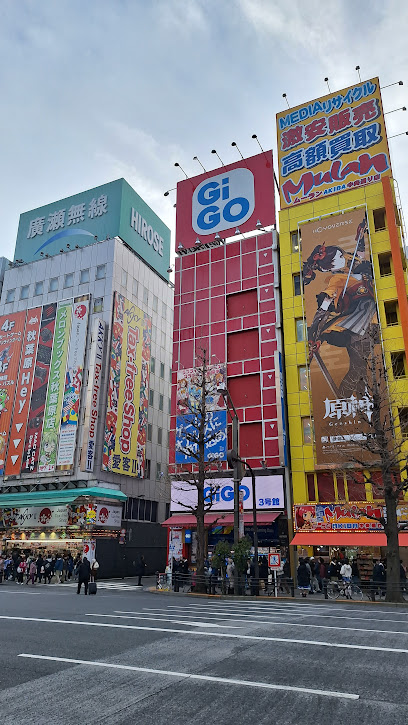
Explore Akihabara, Tokyo's Electric Town, where vibrant electronics, anime, and maid cafés create an unforgettable cultural experience.
JSS Souvenirs
1.8 km
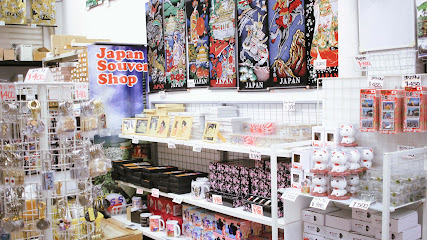
Discover authentic Japanese souvenirs at JSS Souvenirs in Tokyo, offering unique gifts that capture the spirit of Japan.
Tokyo Hotarudō
1.8 km
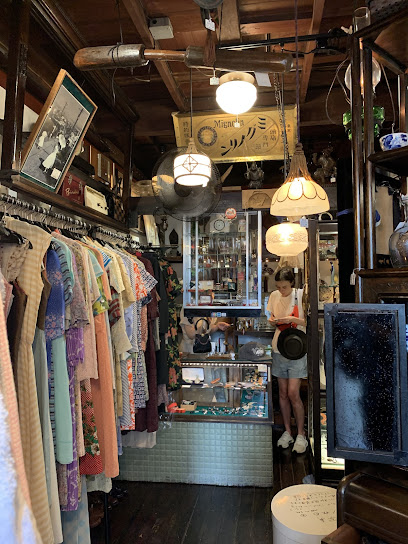
Discover the charm of Japan's rich history at Tokyo Hotarudō, a delightful antique store brimming with timeless treasures and unique souvenirs.
PEARL SEIWA
1.8 km
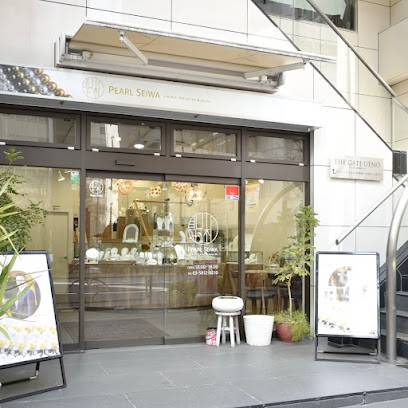
Explore the exquisite craftsmanship at Pearl Seiwa, Tokyo’s premier jewelry store known for its stunning pearl collections and exceptional service.
Essential bars & hidden hideouts

Beer Club Popeye
0.2 km
Discover a diverse selection of local and international beers at Beer Club Popeye in Tokyo's vibrant Ryogoku district.
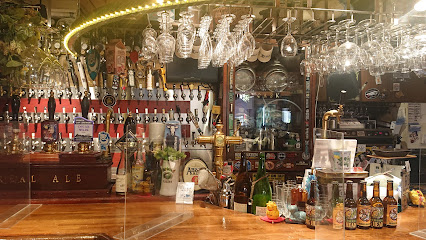
G-FOREST
0.3 km
Experience the vibrant nightlife of Tokyo at G-FOREST, where friendly service and great drinks await you.
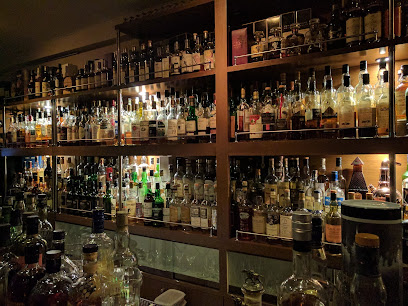
Game Bar A-Button
1.5 km
Discover the ultimate gaming experience in Tokyo at Game Bar A-Button, where nostalgia meets fun in a cozy setting.
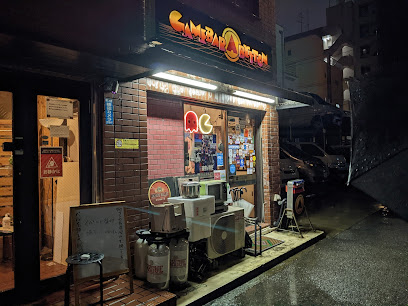
Alchemist
1.5 km
Discover the artistry of cocktails at Alchemist Bar, Tokyo's enchanting destination for nightlife and unique drink experiences.
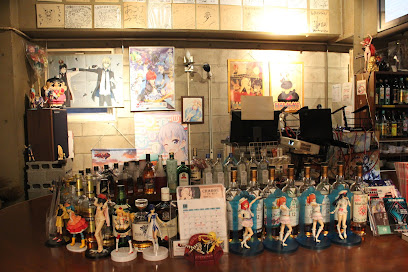
Kamiya Bar
1.6 km
Discover the historical charm of Kamiya Bar, a must-visit beer hall in Asakusa offering delicious food and local brews in a vibrant atmosphere.
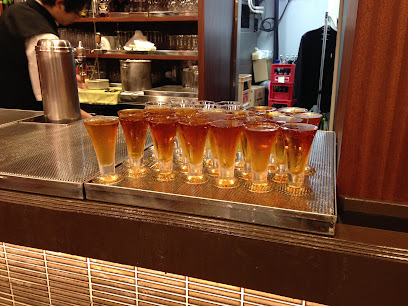
BAR WALK
1.6 km
Discover the cozy charm of Bar Walk in Asakusa, Tokyo, where unique cocktails and a friendly atmosphere await every visitor.
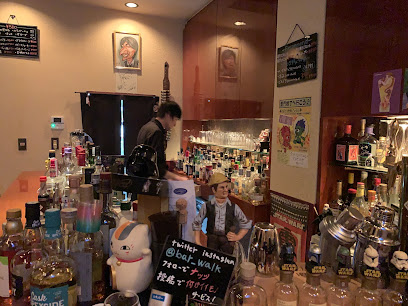
Samboa Bar
1.7 km
Discover the vibrant atmosphere of Samboa Bar in Asakusa, Tokyo, offering a unique cocktail experience and a taste of local nightlife.
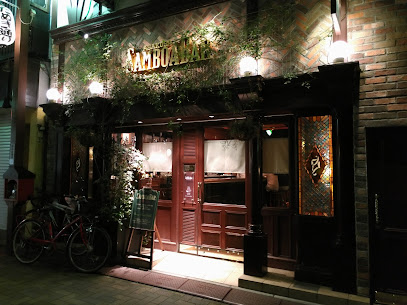
NinjaBar
1.7 km
Discover the enchanting NinjaBar in Tokyo's Asakusa, where immersive ninja-themed experiences meet delicious drinks and lively entertainment.
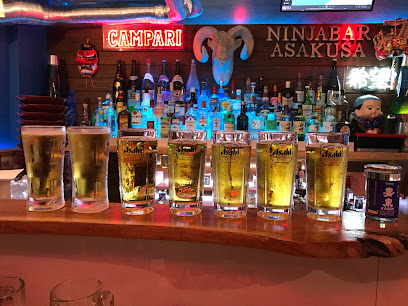
Nemo
1.7 km
Experience the vibrant nightlife of Tokyo at Nemo, where expertly crafted cocktails meet a warm and inviting atmosphere in Asakusa.
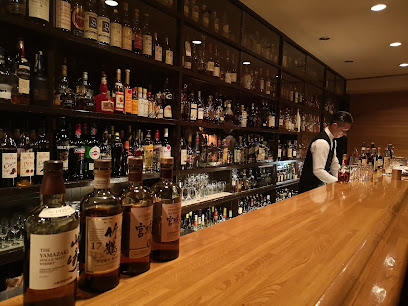
HUB Chomp Chomp Akihabara
1.7 km
Experience a taste of British pub culture in the heart of Tokyo's Akihabara at HUB Chomp Chomp, serving delicious fish and chips and a lively atmosphere.
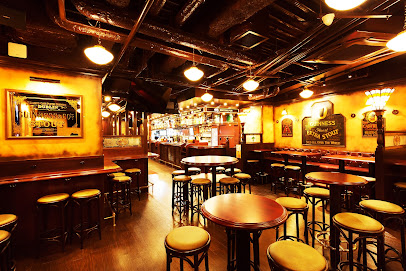
82 Akiba Tolim
1.8 km
Discover the essence of Tokyo nightlife at 82 Akiba Tolim, where delicious fish & chips and an extensive drink menu await.
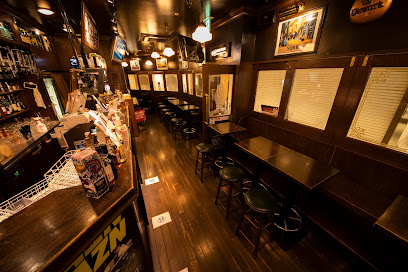
HUB Akihabara
1.8 km
Experience the heart of Akihabara at HUB Akihabara, where great food, drinks, and lively atmosphere come together for an unforgettable night out.
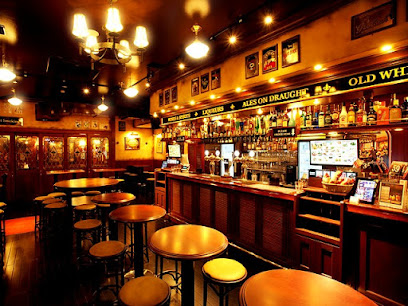
ORANGE-ROOM ASAKUSA
1.8 km
Experience the lively atmosphere and modern izakaya delights at ORANGE-ROOM ASAKUSA, a top spot for nightlife in Tokyo's historic district.
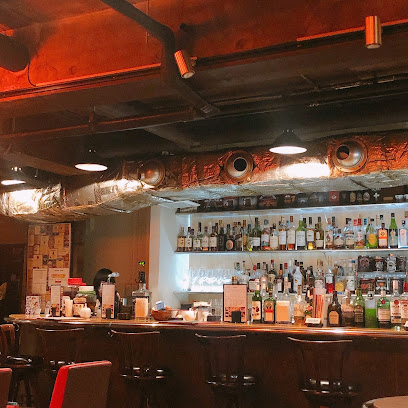
BAR SOMETHIN’
1.8 km
Discover the lively nightlife of Tokyo at Bar Somethin’, where expert cocktails and a vibrant atmosphere await.
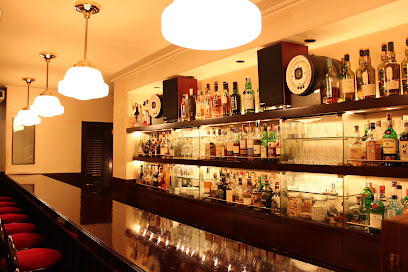
中むらや浅草近Bar
1.9 km
Discover the essence of Japanese nightlife at 中むらや浅草近Bar, where tradition meets modernity in the heart of Asakusa.
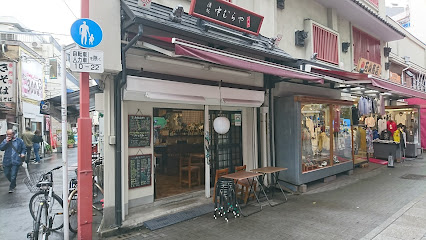
Nightclubs & after hour spots

CLUB LEGACY(レガシー)
1.6 km
Discover the vibrant nightlife at CLUB LEGACY, Tokyo's premier cabaret club, where entertainment and excitement await every visitor.
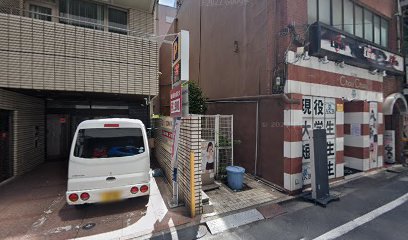
Chouchou Akihabara
1.6 km
Experience the enchanting world of cabaret at Chouchou Akihabara, where dazzling performances meet the heart of Tokyo's nightlife.
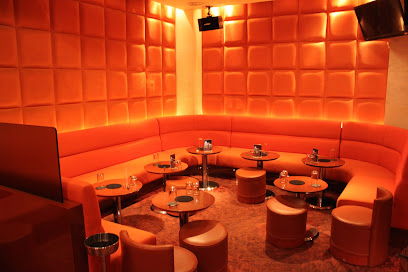
AI CLUB 浅草雷門
1.6 km
Discover the vibrant nightlife at AI CLUB 浅草雷門, where music, dance, and excitement collide in the heart of Tokyo's Asakusa district.
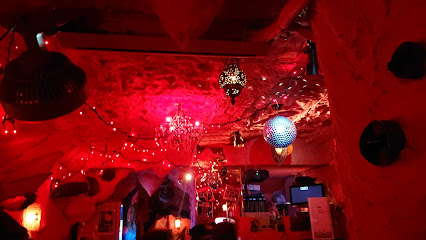
M kaupili club
1.6 km
Discover the vibrant nightlife of Tokyo at M kaupili Club - where spirited beats and electrifying dance create unforgettable moments.
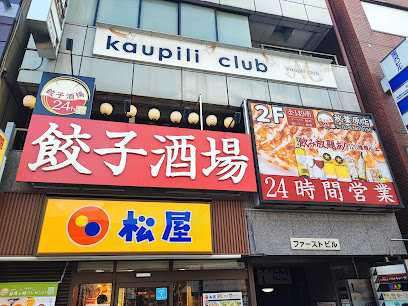
マベル Club Ma.Belle
1.7 km
Discover the vibrant nightlife of Tokyo at Club Ma.Belle, where captivating performances and a lively atmosphere await you.
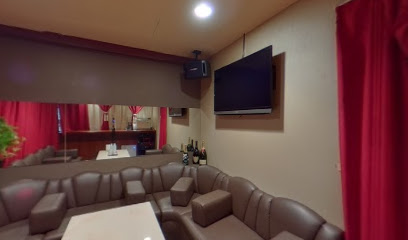
Club Platinum
1.7 km
Experience Tokyo's nightlife at Club Platinum, where vibrant cabaret performances meet exquisite hospitality in Akihabara.
HUB Asakusa shop
1.7 km
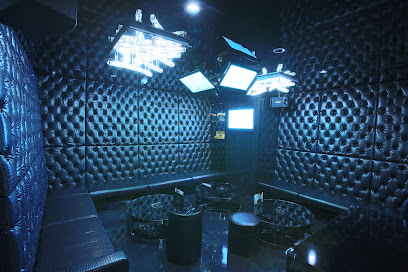
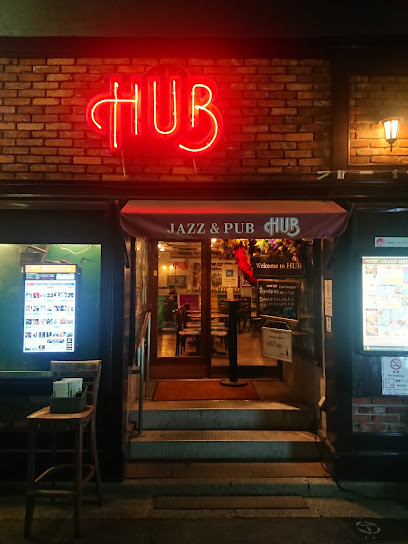
Discover the vibrant jazz scene at HUB Asakusa, where live music meets delectable food and drinks in the heart of Tokyo's Asakusa district.
Pure's Sound Market
1.7 km
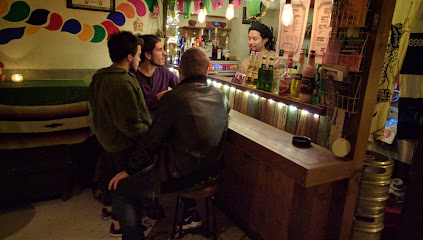
Dive into Tokyo's nightlife at Pure's Sound Market, a night club offering live music, vibrant bars, and a unique fairground experience.
MOGRA
1.7 km
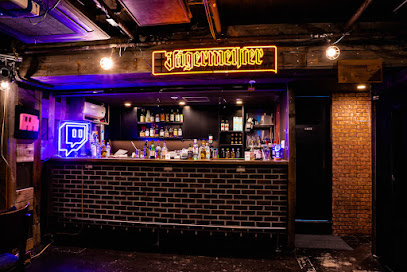
Experience the pulse of Akihabara's nightlife at MOGRA, where DJ beats meet anime culture for an unforgettable night out.
Club IBIZA Asakusa
1.8 km
Discover the electrifying nightlife of Tokyo at Club IBIZA Asakusa, where pulsating music and vibrant energy await every night.
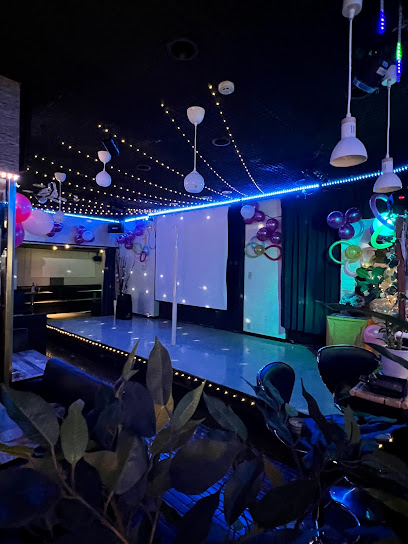
RGB TOKYO
1.9 km
Experience the vibrant nightlife of Tokyo at RGB Tokyo, a premier night club in Ueno offering electrifying music and innovative cocktails.
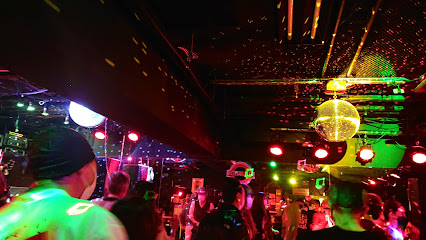
秋葉アイステ
2.0 km
Immerse yourself in the electrifying nightlife of Tokyo at 秋葉アイステ, a premier night club in Chiyoda City known for its unforgettable parties.
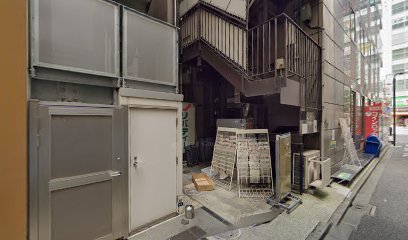
シュガーメロディ
2.2 km
Discover the ultimate karaoke experience at シュガーメロディ in Chiyoda City, Tokyo. Sing, laugh, and create unforgettable memories in a vibrant atmosphere.
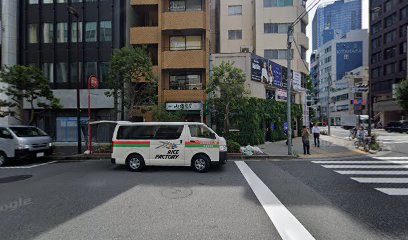
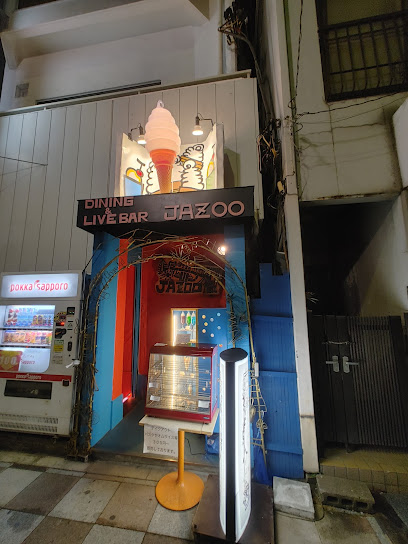
JAZOO
2.2 km
Discover JAZOO in Asakusa, Tokyo: an intimate jazz club offering soulful live performances in a cozy, inviting atmosphere.
ホットレッグス(HOT LEGS)@上野インターナショナルクラブ
2.3 km
Dive into the vibrant nightlife of Tokyo at Hot Legs Cabaret Club, where captivating performances meet a lively atmosphere.