

Free Azraq Oasis Travel Guide & Mobile App
Explore Azraq Oasis with free travel guides. Discover regional history, expert tips, proposed trips, and audio guides on web or mobile app.


Explore Azraq Oasis in eastern Jordan for basalt architecture, wetland wildlife, desert history and a revealing landscape shaped by scarce water.
Read more about Azraq Oasis
When is the best time to visit Azraq Oasis?
Best: April, October–November · 22–29°C| Month | High (°C) | Rainfall (mm) |
|---|---|---|
| January | 16 | 10 |
| February | 17 | 8 |
| March | 21 | 6 |
| April (best) | 27 | 4 |
| May | 32 | 2 |
| June | 36 | 1 |
| July | 38 | 1 |
| August | 37 | 1 |
| September | 34 | 2 |
| October (best) | 29 | 4 |
| November (best) | 22 | 6 |
| December | 16 | 8 |
Getting to and around Azraq Oasis
How to get there
Transportation
Top city travel guides in Azraq Oasis
The cities of Azraq Oasis, and the easiest places to base yourself.

Swipe for more cities
Destinations in Azraq Oasis
Resorts, valleys and scenic spots worth a trip of their own.
-
-

-


Swipe for more destinations
Best attractions in Azraq Oasis
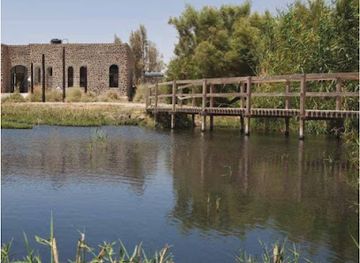
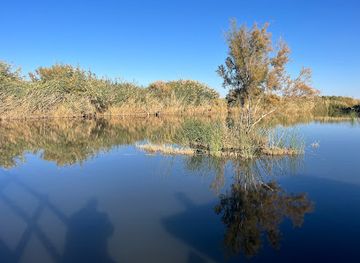
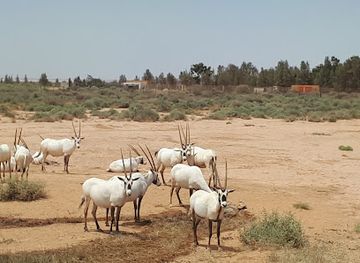
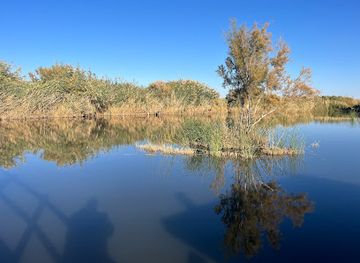
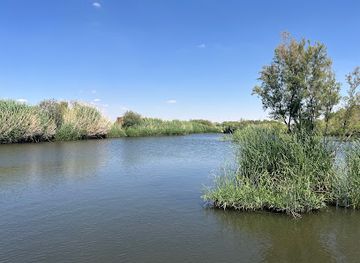
Azraq’s attractions centre on the relationship between water, wildlife and movement through the desert. The Azraq Wetland Reserve provides boardwalks, viewing areas and interpretation focused on the springs, reeds and migratory birds that depend on this remnant oasis, although the extent of visible water varies. Qasr Azraq offers a compact but historically layered visit, with basalt walls, a courtyard and a memorable account of the fortress’s role in regional travel and the Arab Revolt. Nearby Shaumari Wildlife Reserve, located outside the oasis itself, can add a conservation-focused excursion when access is available and arranged in advance. The surrounding basalt desert is also of interest to visitors studying geology, pastoral landscapes and archaeological traces, but it is not a landscape for casual off-road exploration. Azraq is less about a long list of entertainment venues than about reading a distinctive environment: a strategic water source, a fortified stopping place and a fragile habitat within an arid basin.
-
Historical landmark
Qasr Uweinid
Discover the enchanting ruins of Qasr Uweinid in Azraq, Jordan, a historical landmark that offers a glimpse into the rich architectural heritage of the region.
-
Nature preserve
Wāḩat al Azraq
Explore the tranquil beauty of Wāʾnat al Azraq, a nature preserve in Jordan, home to diverse wildlife and stunning desert ecosystems.
-
Tourist attraction
Uweinid Dam
Experience the tranquility and natural beauty of Uweinid Dam, a hidden gem in Azraq, Jordan, perfect for nature lovers and photographers.
Best landmarks in Azraq Oasis
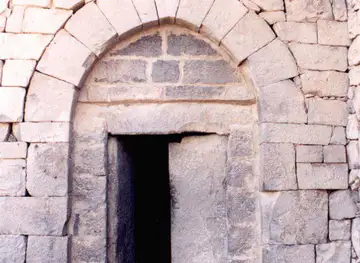
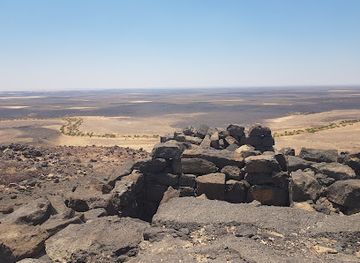
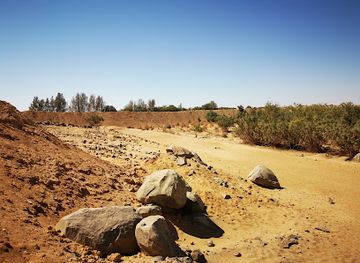
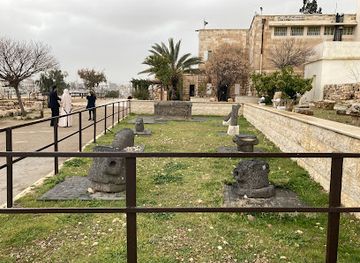
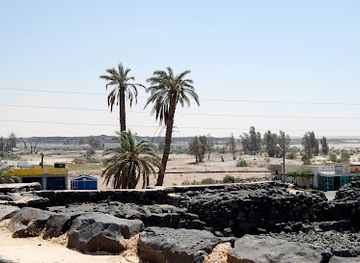
Qasr Azraq is the defining built landmark of the area. Constructed from dark basalt, the fortress has a severe, low profile that seems to rise directly from the volcanic desert. Its entrance, stone door and enclosed courtyard reveal how defence and control of water shaped architecture in this exposed setting, while its medieval rebuilding and later Arab Revolt associations give it several historical layers. The Azraq Wetland Reserve is the region’s principal natural landmark, not because it is large, but because its surviving pools and marsh vegetation mark the presence of an ancient water system in an otherwise arid environment. Efforts to restore the wetland also make it a landmark of modern conservation. Around the oasis, black basalt outcrops, open steppe and the changing line between damp ground and dry desert provide a strong geological and visual identity. Nearby Shaumari Wildlife Reserve is important for conservation but lies outside the oasis core and should be described as a separate nearby site.
-
Historical landmark
Amman Citadel
Discover the rich history and stunning views at Amman Citadel, a premier archaeological site and historical landmark in Jordan.
-
Castle
Al-Azraq Castle
Explore the historic Al-Azraq Castle in Jordan, an architectural gem with rich history and breathtaking desert views, perfect for adventurous travelers.
-
National park
Azraq Wetlands Reserve
Explore the stunning Azraq Wetlands Reserve, a national park in Jordan known for its rich biodiversity, scenic trails, and serene landscapes.
-
National park
Shaumari Wildlife Reserve
Explore the breathtaking landscapes and rich wildlife of Shaumari Wildlife Reserve, a national park dedicated to conservation and adventure in Jordan.

Explore Azraq Oasis on the map
Plan your trip on one map. See where the top cities, national parks and sights are, and book hotels and experiences in a few clicks.
Best hotels in Azraq Oasis
Best restaurants in Azraq Oasis
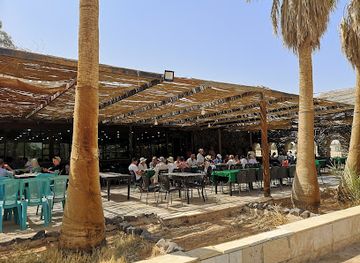
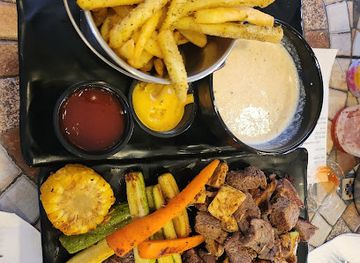
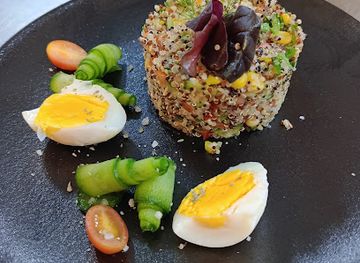
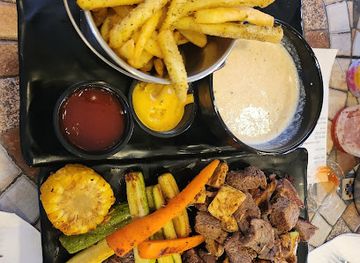
Dining in Azraq is practical and locally oriented rather than built around a large restaurant scene. Small eateries and cafés generally provide familiar Jordanian fare such as falafel, hummus, foul, grilled meats, rice dishes, salads, flatbreads and sweet tea, while simple hotel or lodge dining may be available for visitors who arrange accommodation in advance. Travellers should not expect the concentration of cafés and international menus found in Amman or Petra’s visitor areas. Stocking water, fruit, snacks and other provisions before a desert excursion is sensible, particularly when visiting conservation sites or travelling onwards. Jordanian hospitality may mean shared coffee or tea, and accepting refreshments courteously is often part of the social experience, though visitors should ask about arrangements and costs where relevant. The region’s culinary identity is tied more to desert hospitality and eastern Jordanian home cooking than to a single dish exclusive to Azraq.
-
Restaurant
استراحة قصر الازرق السياحية Azraq Palace Restaurant
Experience authentic Jordanian cuisine at Azraq Palace Restaurant, where traditional flavors meet warm hospitality in a scenic oasis.
-
Restaurant
California 101 restaurant
Discover delightful flavors at California 101 Restaurant in Azraq - where tradition meets modern dining in a warm atmosphere.
-
Restaurant
VERT RESTAURANT
Discover the culinary delights of VERT RESTAURANT in Azraq - where tradition meets modern gastronomy in every bite.
Best bars in Azraq Oasis
Azraq has no substantial nightclub district, and evening life is generally quiet. After sunset, visitors usually spend time at their accommodation, local cafés or family-run eateries rather than seeking organised entertainment. Tea, Arabic coffee and conversation are more characteristic of the local evening rhythm than late-night drinking, while alcohol is not a central feature of public life in the town. The area’s appeal after dark lies in the silence of the desert, clear skies and the chance to reflect on the day’s landscapes, provided that visitors remain in a safe, permitted setting. Travellers wanting cocktails, live music or a broader choice of bars will find those facilities in Amman rather than Azraq, a considerable distance away. Avoid driving after consuming alcohol and confirm accommodation arrangements before setting out, since roadside services are limited and darkness makes desert travel less forgiving.
-
National park
Azraq Wetlands Reserve
Explore the Azraq Wetlands Reserve, a serene escape in Jordan teeming with diverse wildlife and stunning natural beauty.
-
Restaurant
California 101 restaurant
Experience the delightful fusion of local flavors and global cuisine at California 101 Restaurant in Azraq, a must-visit dining destination.
-
 Bed & breakfast
Azraq Oasis country house and pool
Experience serenity and charm at Azraq Oasis Country House, a perfect retreat for travelers seeking natural beauty and local hospitality.
Best nightclubs in Azraq Oasis
Azraq has no substantial nightclub district, and evening life is generally quiet. After sunset, visitors usually spend time at their accommodation, local cafés or family-run eateries rather than seeking organised entertainment. Tea, Arabic coffee and conversation are more characteristic of the local evening rhythm than late-night drinking, while alcohol is not a central feature of public life in the town. The area’s appeal after dark lies in the silence of the desert, clear skies and the chance to reflect on the day’s landscapes, provided that visitors remain in a safe, permitted setting. Travellers wanting cocktails, live music or a broader choice of bars will find those facilities in Amman rather than Azraq, a considerable distance away. Avoid driving after consuming alcohol and confirm accommodation arrangements before setting out, since roadside services are limited and darkness makes desert travel less forgiving.
-
Club
OMNI CLUB AMMAN
Discover the electrifying atmosphere of OMNI CLUB AMMAN, a top nightlife destination in the heart of Jordan's capital, Amman.
-
Restaurant
Sekrab
Discover Sekrab on Rainbow Street, Amman - a fusion of traditional flavors and lively ambiance in the heart of Jordan.
-
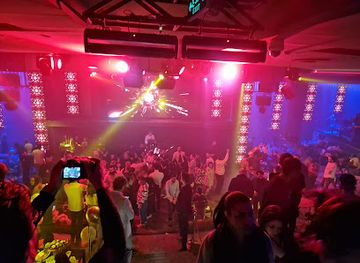
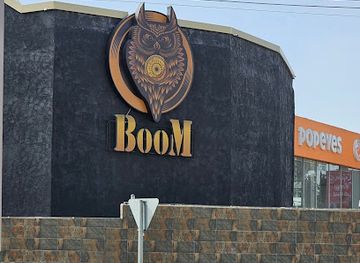
Night club
Boom Club Amman _ ديسكو بووم عمان
Dive into the vibrant nightlife at Boom Club Amman, where music, dancing, and an unforgettable atmosphere await you.
-
Night club
Neon Club
Experience the electrifying nightlife at Neon Club in Amman, where vibrant music and a lively atmosphere create unforgettable memories.

Best shops in Azraq Oasis
Shopping in Azraq is limited and functional, with small local shops supplying food, drinks, household goods and travel necessities rather than a broad range of specialist souvenirs. Visitors may find simple Jordanian products such as packaged dates, sweets, coffee, spices or locally made handicrafts, but availability varies and should not be assumed. The town is not a major market centre, so travellers seeking extensive craft, jewellery, antique or fashion shopping should make purchases in Amman, Zarqa or another larger Jordanian destination before or after visiting. The most responsible souvenirs are durable, commercially produced goods bought from legitimate sellers; do not purchase archaeological fragments, fossils or wildlife products offered as curiosities. Regional food provisions can be useful for desert travel, while photographs and independently purchased books or maps offer more appropriate reminders of the oasis than material taken from its fragile landscape.
-
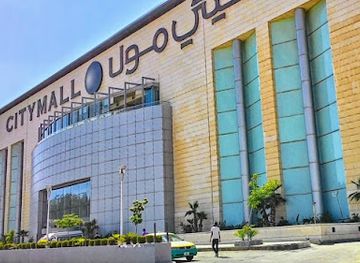
Shopping mall
City Mall
Explore City Mall in Amman for an unforgettable shopping and dining experience, blending modernity with local charm.
-
Shopping mall
Taj Lifestyle Center
Explore Amman's premier shopping destination, the Taj Lifestyle Center, where fashion, dining, and entertainment come together in a vibrant atmosphere.
-
Castle
Al-Azraq Castle
Discover the historic Al-Azraq Castle, a stunning fortress in Jordan's desert, blending rich heritage with breathtaking landscapes for an unforgettable experience.
-
National park
Azraq Wetlands Reserve
Explore the Azraq Wetlands Reserve, Jordan's tranquil oasis teeming with diverse wildlife and stunning landscapes, perfect for nature enthusiasts.
Get your free copy of our complete guide to Azraq Oasis, delivered straight to you.
Everything on this page, from attractions and restaurants to essentials and local phrases, in one PDF you can read offline, print or share.
Already have an account? Sign in
Your Azraq Oasis guide is ready.
We'll send it to · Not you? Sign out

Getting your guide ready…
We are putting together a fresh copy of the Azraq Oasis guide. This can take up to a minute.
This can take a few moments. If your browser asks, choose Allow so the download can start. You'll find the guide in your Downloads folder.
Nothing happened? Download it again
Sorry, the guide is taking longer than usual. Please try again in a minute, or get it by email instead.
Azraq Oasis essentials
Currency and Payment
Safety
Emergency Situations
Do's and Don'ts
Local Tips
From Eve
Local phrases worth knowing
You don't need to get them perfect. A few words go a long way, and locals appreciate the effort.
Basics
| English | Local | Say it |
|---|---|---|
| Hello | مرحبا | [Marhaba] |
| Goodbye | وداعا | [Wad'aan] |
| Yes | نعم | [Na'am] |
| No | لا | [La] |
| Please/You're welcome | من فضلك | [Min fadlak] |
| Thank you | شكرا | [Shukran] |
| Excuse me/Sorry | عذرا | [Udhraan] |
| How are you? | كيف حالك؟ | [Kayfa halak?] |
| Fine. And you? | بخير، وأنت؟ | [Bikhayr, wa anta?] |
| Do you speak English? | هل تتحدث الإنجليزية؟ | [Hal tatahaddath al-ingliziya?] |
| I don't understand | لا أفهم | [La afham] |
Eating & Drinking
| English | Local | Say it |
|---|---|---|
| I'd like to see the menu, please | أود رؤية القائمة، من فضلك | [Awad ru'yat al-qaimah, min fadlak] |
| I don't eat meat | لا آكل اللحم | [La akul al-lahm] |
| Cheers! | صحتين | [Sahtein] |
| I would like to pay, please | أود الدفع، من فضلك | [Awad al-daf', min fadlak] |
Emergencies
| English | Local | Say it |
|---|---|---|
| Help! | مساعدة! | [Musa'adah!] |
| Go away! | ابتعد! | [Ibt'id!] |
| Call the Police! | اتصل بالشرطة! | [Ittasil bil-shurta!] |
| Call a doctor! | اتصل بالطبيب! | [Ittasil bil-tabib!] |
| I'm lost | أنا ضائع | [Ana da'i'] |
| I'm ill | أنا مريض | [Ana marid] |
Shopping
| English | Local | Say it |
|---|---|---|
| I'd like to buy... | أود شراء... | [Awad shira'] |
| I'm just looking | أنا فقط أنظر | [Ana faqat anzur] |
| How much is it? | كم ثمنه؟ | [Kam thamanuh?] |
| That's too expensive | هذا غالي جدا | [Hatha ghali jiddan] |
| Can you lower the price? | هل يمكنك تخفيض السعر؟ | [Hal yumkinuka takhfid al-si'r?] |
Time & Numbers
| English | Local | Say it |
|---|---|---|
| What time is it? | كم الساعة؟ | [Kam al-saa'ah?] |
| It's one o'clock | الساعة الواحدة | [Al-saa'ah al-wahidah] |
| Half past (10) | العاشرة والنصف | [Al-'ashirah wal-nisf] |
| Morning | صباحا | [Sabahan] |
| Afternoon | بعد الظهر | [Ba'd al-zuhur] |
| Evening | مساء | [Masa'a] |
| Yesterday | أمس | [Ams] |
| Today | اليوم | [Al-yawm] |
| Tomorrow | غدا | [Ghadan] |
| 1 | واحد | [Wahid] |
| 2 | اثنان | [Ithnan] |
| 3 | ثلاثة | [Thalathah] |
| 4 | أربعة | [Arba'ah] |
| 5 | خمسة | [Khamsah] |
| 6 | ستة | [Sittah] |
| 7 | سبعة | [Sab'ah] |
| 8 | ثمانية | [Thamaniyah] |
| 9 | تسعة | [Tis'ah] |
| 10 | عشرة | [Asharah] |
Transport & Directions
| English | Local | Say it |
|---|---|---|
| Where's a/the...? | أين...؟ | [Ayna...?] |
| What's the address? | ما هو العنوان؟ | [Ma huwa al-'unwan?] |
| Can you show me (on the map)? | هل يمكنك أن تريني (على الخريطة)؟ | [Hal yumkinuka an turini (ala al-kharita)?] |
| When's the next (bus)? | متى يأتي (الباص) التالي؟ | [Mata ya'ti (al-bus) al-tali?] |
| A ticket (to....) | تذكرة (إلى...) | [Tadhkarah (ila...)] |
History of Azraq Oasis
Prehistoric settlement around the Azraq Basin
The springs and marshes of the Azraq Basin attracted people long before written history. Archaeological evidence from the wider basin records repeated human activity during the Palaeolithic and later prehistoric periods, when water and wetland resources made this otherwise arid environment unusually productive. The oasis was not a permanent paradise: its extent changed with climate and groundwater levels, and groups returned when conditions allowed. This deep history establishes Azraq as one of the important water-linked landscapes of the eastern Levant.
Nabataean and Roman crossroads
Azraq occupied a strategic position between the settled lands of the Levant and the routes leading towards northern Arabia and Mesopotamia. Nabataean and Roman travellers used the oasis as a source of water and a staging point, while the broader region became linked to imperial systems of movement, administration and trade. Remains and reused masonry around the oasis reflect successive periods of occupation, although the surviving monuments are often layered rather than attributable to a single civilisation.
The medieval fortress of Qasr Azraq
Qasr Azraq is built largely from local black basalt, giving it a distinctive appearance and exceptional visual connection with the surrounding volcanic desert. The present fortress incorporates Roman or Byzantine elements and was substantially rebuilt in the medieval period, traditionally associated with Ayyubid rule in the thirteenth century. Its heavy construction, controlled entrance and defensible courtyard demonstrate the continuing importance of protecting water and supervising movement across the eastern approaches to Jordan.
Caravan movement and Ottoman-era Azraq
Under Ottoman rule, Azraq remained part of the network connecting Damascus, the Hauran, the Jordanian steppe and Arabia. Travellers depended on local knowledge of wells and springs, and the oasis retained importance despite lying far from the empire’s main settled centres. The movement of pastoral communities, pilgrims, merchants and officials shaped the social history of the area. Azraq’s role was therefore practical and strategic rather than urban: its value lay in water, position and access across difficult terrain.
Azraq and the Arab Revolt
During the Arab Revolt against Ottoman rule in the First World War, Qasr Azraq became associated with Sharifian forces and with T. E. Lawrence, who used the fortress during operations in the east in 1917–18. The castle’s military value was straightforward: its walls offered shelter and its location provided access to the desert routes. Later travel writing made the episode famous, although the fortress remains more significant as part of a much longer history of regional movement and control.
Wetland decline and conservation
During the twentieth century, increasing extraction of groundwater for towns, agriculture and wider development caused the Azraq springs and marshes to contract severely. The ecological consequences were considerable, especially for migratory birds and wetland species dependent on shallow water. The establishment of the Azraq Wetland Reserve marked a shift towards active conservation, including efforts to restore habitat and manage limited water resources. The oasis now illustrates both Jordan’s environmental vulnerability and the possibilities, as well as limits, of restoration.
Azraq Oasis in Photos
Browse through our photo collection highlighting the charm and character of the destination.
Neighbouring regions of Azraq Oasis
The closest regions to Azraq Oasis, if you have time for more than one.
-

-

-

-

-


Swipe for more regions

