

Amman Plateau, Jordan Travel Guide
Discover the Amman Plateau: A blend of ancient history, vibrant markets, and stunning landscapes in the heart of Jordan.
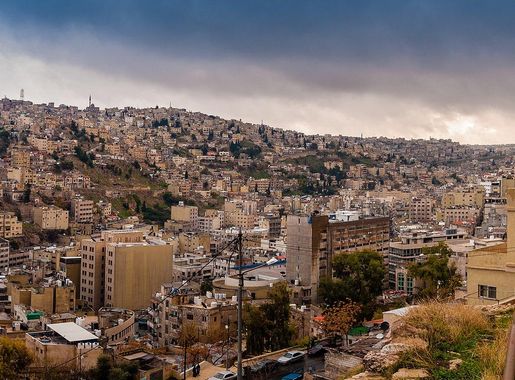
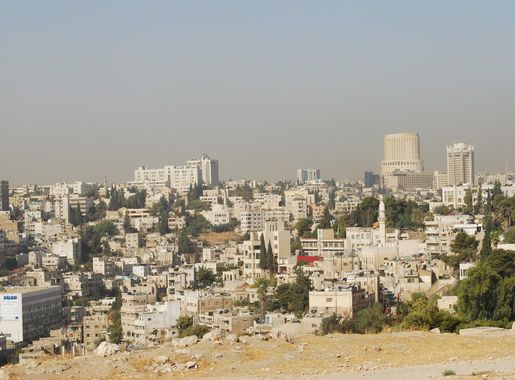
Welcome to the Amman Plateau, the pulsating heart of Jordan. This historic region is an enchanting blend of ancient ruins and bustling modern life. Situated in the north-central part of Jordan, the plateau offers a mesmerizing view of rolling hills, making it a picturesque destination for tourists. The Amman Plateau is home to the vibrant city of Amman, Jordan's capital. Here, you can wander through the Roman Theatre, an ancient amphitheater that dates back to the 2nd century AD. The Citadel, perched on one of the seven hills, offers breathtaking panoramic views and houses the Temple of Hercules, a testament to the city's rich past. The local markets, known as souks, are a must-visit. They are brimming with spices, textiles, and artisan crafts. The warm hospitality of the locals and the enticing aromas of traditional Jordanian cuisine create an unforgettable experience. Don't miss out on savoring Mansaf, the national dish of Jordan, in one of the local eateries. For those who appreciate nature, the Amman Plateau serves as a gateway to many outdoor adventures. Nearby, you can explore the lush Ajloun Forest Reserve or take a short trip to the Dead Sea, the lowest point on Earth. Whether you are a history buff, nature lover, or culinary enthusiast, the Amman Plateau has something to offer everyone.

Know before you go
Hi, I'm Eve. Here are a few practical things to know before exploring Amman Plateau.
- Visit early in the morning or late in the afternoon to avoid the midday heat.
- Wear comfortable shoes as the terrain can be uneven, especially when exploring historical sites.
- Carry cash for purchases in local markets, as not all vendors accept credit cards.
- Respect local customs and dress modestly, particularly when visiting religious sites.
- Hire a local guide to gain deeper insights into the history and culture of the area.
Top City Travel Guides in Amman Plateau
The cities of Amman Plateau, and the easiest places to base yourself.


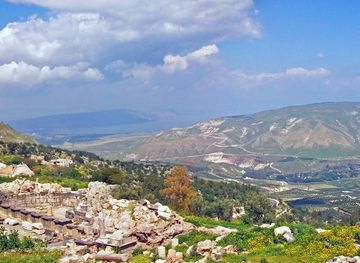
Destinations in Amman Plateau
Resorts, valleys and scenic spots worth a trip of their own.


Explore Amman Plateau: Things to Do, Places to Eat, Hotels & More
Handpicked recommendations for top attractions, local dining, accommodations, and more

Top Attractions & Sightseeing in Amman Plateau
Top-rated picks
Best Attractions

The Hashemite Plaza
Discover the vibrant cultural heart of Amman at The Hashemite Plaza, where history and community come alive in a stunning urban space.

Amman Citadel
Explore the Amman Citadel, a historical jewel in Jordan, where ancient civilizations come alive amid stunning views and rich heritage.

Roman Theater
Explore the grandeur of the Roman Theater in Amman, a stunning historical landmark showcasing ancient architectural brilliance in the heart of Jordan.

Amman National Park
Explore Amman National Park, a tranquil haven of natural beauty and outdoor adventure in the heart of Jordan's capital.

Best landmarks in Amman Plateau
Top-rated picks
Best Landmarks

The Hashemite Plaza
Explore the enchanting beauty and rich history of The Hashemite Plaza, a cultural gem in the heart of Amman, Jordan.
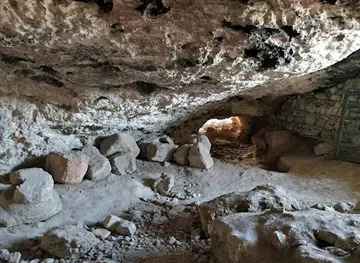
Amman Citadel
Discover the Amman Citadel, a historic gem that offers stunning views and insights into Jordan's rich cultural heritage.

Roman Theater
Discover the majestic Roman Theater in Amman, an iconic historical landmark showcasing stunning Roman architecture and rich cultural heritage.

Amman National Park
Discover Amman National Park: Nature's Oasis in Jordan's Capital, Perfect for Relaxation and Exploration.

Best restaurants in Amman Plateau
Top-rated picks
Best Restaurants

Jubran || جبران || Amman Abdali Boulevard
Discover Jubran on Abdali Boulevard – a Middle Eastern dining experience blending rich Lebanese flavors with modern ambiance.

Hashem Restaurant Down Town
Experience authentic Jordanian flavors at Hashem Restaurant Down Town - home of exceptional falafel and traditional Middle Eastern dishes.

Ward Restaurant
Experience the best of Jordanian cuisine at Ward Restaurant in Amman - where tradition meets innovation in every bite.

Mijana
Discover Mijana in Amman – where traditional Jordanian cuisine meets a modern family-friendly atmosphere.

Best bars in Amman Plateau
Top-rated picks
Best Bars
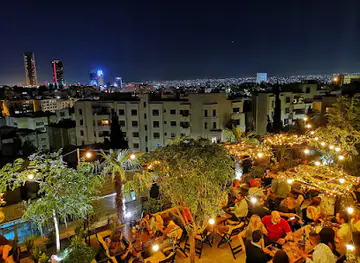
HIGH GARDEN Rooftop
Discover the elegance and breathtaking views at HIGH GARDEN Rooftop, Amman's premier spot for dining and cocktails amidst stunning cityscapes.

Rustic Bar and Eatery
Experience the vibrant atmosphere and delicious offerings at Rustic Bar and Eatery, the perfect culinary retreat in Amman.

The Corner's Pub
Discover the lively ambiance and delightful cuisine at The Corner's Pub, a top destination for locals and tourists in Amman.

Cantaloupe Gastro Pub
Experience the vibrant flavors and lively ambiance of Cantaloupe Gastro Pub, the premier gastropub in Amman's Rainbow Street.

Best nightclubs in Amman Plateau
Top-rated picks
Best Nightclubs

OMNI CLUB AMMAN
Discover the electrifying nightlife at OMNI Club Amman, where every night is a celebration of music, dance, and unforgettable memories.

Rogina
Discover Rogina, Amman's premier disco club and live music bar, where vibrant nightlife and electric performances come together for an unforgettable experience.

Jasmine Lounge
Experience the elegance of Jasmine Lounge at Crowne Plaza Amman, where luxury meets comfort in a perfect blend of local and international flavors.

Sekrab
Savor the vibrant flavors and nightlife at Sekrab, a must-visit restaurant and lounge on Rainbow Street in Amman.

Best shops in Amman Plateau
Top-rated picks
Best Shops

City Mall
Discover the vibrant shopping scene at City Mall in Amman, featuring top brands, diverse dining, and family-friendly entertainment options.

Abdali Mall
Explore Abdali Mall in Amman: A vibrant shopping and entertainment hub with diverse dining and retail options for every visitor.

Mecca Mall
Discover the largest shopping mall in Jordan, featuring diverse shops, dining, and entertainment for an unforgettable experience in Amman.

Taj Lifestyle Center
Discover the ultimate shopping experience at Taj Lifestyle Center, Amman's premier mall with diverse retail, dining, and entertainment options.

Explore Amman Plateau on the Map
A handpicked selection of must-see spots in Amman Plateau, mapped for you.
Amman Plateau Essentials
-
Amman Plateau is located in the capital city of Jordan, Amman. The nearest international airport is Queen Alia International Airport (AMM), which is approximately 30 kilometers south of the city center. From the airport, you can take a taxi, an airport shuttle, or a rental car to reach Amman Plateau. The journey typically takes around 45 minutes by road. There are also public buses available, though a taxi or shuttle may be more convenient.
-
Within Amman, a variety of transportation options are available. Taxis are abundant and relatively inexpensive. Ride-hailing services like Uber and Careem are also operational in the city. Public buses and minibuses (known locally as 'servees') run on fixed routes and are a cost-effective way to get around. For a more flexible option, you might consider renting a car, though traffic can be heavy, especially during peak hours.
-
The official currency in Jordan is the Jordanian Dinar (JOD). Credit and debit cards are widely accepted in hotels, restaurants, and larger shops. However, it is advisable to carry cash for smaller establishments, markets, and for tipping. ATMs are widely available throughout Amman, but it's a good idea to notify your bank of your travel plans to avoid any issues with card usage.
-
Amman is generally a safe city for tourists, but it's always wise to remain vigilant. Areas like downtown Amman and some parts of East Amman can be crowded, so be mindful of your belongings to avoid pickpocketing. Avoid walking alone at night in unfamiliar areas. High crime rates targeting tourists are not common, but standard travel precautions should be taken.
-
In case of an emergency, dial 911 for immediate assistance. Amman has several hospitals and clinics that offer medical services, including the King Hussein Medical Center and Al Khalidi Hospital. Pharmacies are widely available for minor health issues. It's highly recommended to have travel insurance that covers medical emergencies.
-
Fashion: Do dress modestly, especially when visiting religious sites. Avoid wearing revealing clothing. Religion: Do respect local customs and traditions. Always cover your head when entering mosques. Public Transport: Do be respectful and give up your seat to elderly passengers. Don’t eat or drink on public transport. Greetings: Do greet people with a handshake. A slight bow of the head is also a sign of respect. Eating & Drinking: Do try local delicacies and accept food offerings graciously. Don’t refuse hospitality, as it is considered impolite.
-
To experience Amman Plateau like a local, visit the local markets such as Souk Jara and Al Balad. Engage with locals, as they are often friendly and willing to share stories about the city's history and culture. Don't miss visiting the Amman Citadel and the Roman Theatre for a glimpse of the city's rich history. For a unique experience, take a walk through Rainbow Street, known for its vibrant atmosphere, cafes, and shops.
When is the best time to visit Amman Plateau?
Useful Local Phrases for Amman Plateau
You don't need to speak the language perfectly. Even learning a few simple words can make conversations warmer—and locals usually appreciate the effort.
— Eve

Here are the phrases I use most often in Amman Plateau. Try a few—you'll be surprised how far they go! 😊
❤️
-
- Helloمرحبا
[Marhaban] - Goodbyeوداعا
[Wada'an] - Yesنعم
[Na'am] - Noلا
[La] - Please/You’re welcomeمن فضلك
[Min fadlik] - Thank youشكرا
[Shukran] - Excuse me/Sorryعفوا
[Afwan] - How are you?كيف حالك؟
[Kayfa halak?] - Fine. And you?بخير. وأنت؟
[Bikhayr. Wa anta?] - Do you speak English?هل تتحدث الإنجليزية؟
[Hal tatahaddath al-ingliziyya?] - I don't understandلا أفهم
[La afham]
- Helloمرحبا
-
- I'd like to see the menu, pleaseأود رؤية القائمة، من فضلك
[Awad ru'yat al-qaimah, min fadlik] - I don't eat meatلا آكل اللحم
[La akul al-lahm] - Cheers!في صحتك!
[Fi sihatak!] - I would like to pay, pleaseأود الدفع، من فضلك
[Awad al-daf', min fadlik]
- I'd like to see the menu, pleaseأود رؤية القائمة، من فضلك
-
- Help!نجدة!
[Najdah!] - Go away!ابتعد!
[Ibt'id!] - Call the Police!اتصل بالشرطة!
[Ittasil bil-shurta!] - Call a doctor!اتصل بطبيب!
[Ittasil bi-tabeeb!] - I'm lostأنا ضائع
[Ana da'i'] - I'm illأنا مريض
[Ana marid]
- Help!نجدة!
-
- I'd like to buy...أود شراء...
[Awad shira'] - I'm just lookingأنا فقط أنظر
[Ana faqat anzur] - How much is it?كم سعره؟
[Kam si'ru?] - That's too expensiveهذا غالي جدا
[Hatha ghali jidan] - Can you lower the price?هل يمكنك تخفيض السعر؟
[Hal yumkinuka takhfid al-si'r?]
- I'd like to buy...أود شراء...
-
- What time is it?كم الساعة؟
[Kam al-saa'a?] - It's one o'clockالساعة الواحدة
[Al-saa'a al-wahidah] - Half past (10)نصف الساعة العاشرة
[Nisf al-saa'a al-'ashirah] - Morningصباحا
[Sabahan] - Afternoonبعد الظهر
[Ba'd al-zuhur] - Eveningمساء
[Masa'a] - Yesterdayأمس
[Ams] - Todayاليوم
[Al-yawm] - Tomorrowغدا
[Ghadan] - 1١
[Wahid] - 2٢
[Ithnan] - 3٣
[Thalatha] - 4٤
[Arba'a] - 5٥
[Khamsa] - 6٦
[Sitta] - 7٧
[Sab'a] - 8٨
[Thamaniya] - 9٩
[Tis'a] - 10١٠
[Ashara]
- What time is it?كم الساعة؟
-
- Where's a/the...?أين...؟
[Ayna...?] - What's the address?ما هو العنوان؟
[Ma huwa al-'unwan?] - Can you show me (on the map)?هل يمكنك أن تريني (على الخريطة)؟
[Hal yumkinuka an turini (ala al-kharita)?] - When's the next (bus)?متى تأتي (الحافلة) التالية؟
[Mata ta'ti (al-hafila) al-taliya?] - A ticket (to ....)تذكرة (إلى....)
[Tadhkara (ila....)]
- Where's a/the...?أين...؟
History of Amman Plateau
-
The Amman Plateau has been inhabited since the Neolithic period, around 8500 BC. Archaeological sites such as Ain Ghazal reveal a rich history with some of the world's oldest known statues and artifacts, demonstrating early agricultural practices and settled communities.
-
During the Iron Age, the Amman Plateau was the heartland of the Ammonite civilization, which thrived around the 13th century BC. The Ammonites are mentioned in biblical texts and were known for their conflicts and alliances with neighboring kingdoms, including Israel and Moab. Their capital, Rabbath Ammon, stood where modern Amman is today.
-
After Alexander the Great's conquest in the 4th century BC, the region was influenced by Hellenistic culture. The city of Philadelphia, named after Ptolemy II Philadelphus, became a prominent part of the Decapolis, a group of ten cities on the eastern frontier of the Roman Empire in Judea and Syria. This period saw the introduction of Greek architecture, urban planning, and culture.
-
In 63 BC, the Roman general Pompey annexed the region, bringing it under Roman control. Philadelphia flourished as a significant city within the Roman Empire, featuring grand structures such as the Roman Theater, the Odeon, and the Nymphaeum, which still stand as testaments to the city's grandeur. The Roman influence profoundly shaped the city's architecture and infrastructure.
-
Following the decline of the Roman Empire, the Byzantine Empire took control of the Amman Plateau. During this period, Christianity spread throughout the region, leading to the construction of numerous churches and other religious structures. The Byzantine period left a lasting impact on the cultural and religious landscape of Amman.
-
The 7th century brought the Islamic conquest, which fundamentally transformed the region. Under the Umayyad Caliphate, Amman became a center of administration and commerce. The construction of the Amman Citadel and the Umayyad Palace are significant remnants from this era, illustrating the Islamic architectural and cultural influence.
-
From the 16th century until the early 20th century, the Amman Plateau was part of the Ottoman Empire. This period saw relative stability and modest development, with the region serving as a key link between the Arabian Peninsula and the Mediterranean. The Ottomans left behind various administrative buildings and infrastructure.
-
In the early 20th century, Amman began to evolve into the modern capital of Jordan. The establishment of the Emirate of Transjordan in 1921 and the subsequent independence of the Hashemite Kingdom of Jordan in 1946 marked significant milestones. Modern Amman is a vibrant city that blends ancient history with contemporary culture, reflecting its rich and diverse past.
Neighbouring Regions of Amman Plateau
The closest regions to Amman Plateau, if you have time for more than one.




Your all‑in‑one travel companion app
Explore expert travel guides, compare and book tours, experiences, hotels, and more—all from the palm of your hand. Download now for seamless trip planning wherever your wanderlust takes you.


Explore More of Jordan

Looking beyond Amman Plateau? Discover Jordan for broader travel guides, local hot-spots, and regional highlights.
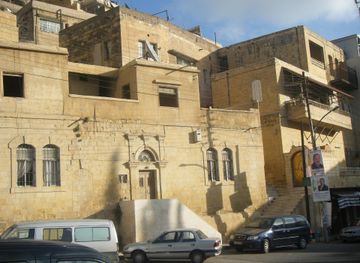
Explore JordanAmman Plateau in Photos
Browse through our photo collection highlighting the charm and character of the destination.




Amman Plateau: The Heartbeat of Jordan's History and Culture
Welcome to the Amman Plateau, the pulsating heart of Jordan. This historic region is an enchanting blend of ancient ruins and bustling modern life. Situated in the north-central part of Jordan, the plateau offers a mesmerizing view of rolling hills, making it a picturesque destination for tourists. The Amman Plateau is home to the vibrant city of Amman, Jordan's capital. Here, you can wander through the Roman Theatre, an ancient amphitheater that dates back to the 2nd century AD. The Citadel, perched on one of the seven hills, offers breathtaking panoramic views and houses the Temple of Hercules, a testament to the city's rich past. The local markets, known as souks, are a must-visit. They are brimming with spices, textiles, and artisan crafts. The warm hospitality of the locals and the enticing aromas of traditional Jordanian cuisine create an unforgettable experience. Don't miss out on savoring Mansaf, the national dish of Jordan, in one of the local eateries. For those who appreciate nature, the Amman Plateau serves as a gateway to many outdoor adventures. Nearby, you can explore the lush Ajloun Forest Reserve or take a short trip to the Dead Sea, the lowest point on Earth. Whether you are a history buff, nature lover, or culinary enthusiast, the Amman Plateau has something to offer everyone.