

Free Badia Travel Guide & Mobile App
Explore Badia with free travel guides. Discover regional history, expert tips, proposed trips, and audio guides on web or mobile app.


Explore Jordan’s Badia for Umayyad desert castles, basalt landscapes, Azraq wildlife and vast eastern horizons shaped by ancient routes.
When is the best time to visit Badia?
Best: March–April, October · 21–27°C| Month | High (°C) | Rainfall (mm) |
|---|---|---|
| January | 15 | 25 |
| February | 17 | 20 |
| March (best) | 21 | 15 |
| April (best) | 26 | 10 |
| May | 31 | 5 |
| June | 35 | 1 |
| July | 37 | 1 |
| August | 37 | 1 |
| September | 33 | 5 |
| October (best) | 27 | 10 |
| November | 20 | 15 |
| December | 14 | 20 |
Getting to and around Badia
How to get there
Transportation
Top city travel guides in Badia
The cities of Badia, and the easiest places to base yourself.
-

-

-

-
-

-


Swipe for more cities
Destinations in Badia
Resorts, valleys and scenic spots worth a trip of their own.
-

-

-

-
-

-


Swipe for more destinations
Best attractions in Badia
The Badia’s attractions are defined by the relationship between archaeology, water and open desert. The principal draw is the chain of early Islamic desert complexes east of Amman, including Qasr Amra, whose painted bathhouse is among Jordan’s most important examples of Umayyad secular art, and Qasr Kharana, with its imposing courtyard architecture. Azraq adds both natural and historical interest through its wetland reserve, basalt-built castle and nearby Shaumari Wildlife Reserve, where conservation programmes protect species associated with Jordan’s arid ecosystems. Umm al-Jimal, in the northern black desert, offers a substantial field of basalt ruins from Roman, Byzantine and early Islamic periods. The wider landscape rewards birdwatching, photography, stargazing and guided four-wheel-drive excursions, although these activities require preparation and should not be confused with developed desert-resort tourism. Visitors interested in ancient infrastructure can also look for wells, cisterns, old roads and railway remains, provided access is permitted and fragile sites are not disturbed. The experience is less about a concentration of facilities than about understanding how architecture and life persisted in an exceptionally dry environment.
-
Historical place
Archaeological Site of Jerash
Experience the rich history of the Archaeological Site of Jerash, where ancient Roman civilization comes alive amidst stunning ruins and vibrant culture.
-
Nature preserve
Wadi Rum Protected Area
Explore the stunning landscapes and rich history of Wadi Rum, a UNESCO World Heritage Site and a desert paradise in Jordan.
-
Historical place museum
Ajloun Castle
Explore the historic Ajloun Castle, a captivating fortress offering breathtaking views and a rich tapestry of medieval history in northern Jordan.
-
National park
Timna Park
Experience the breathtaking landscapes, ancient history, and outdoor adventures at Timna Park, a national treasure in the heart of Israel's Negev Desert.
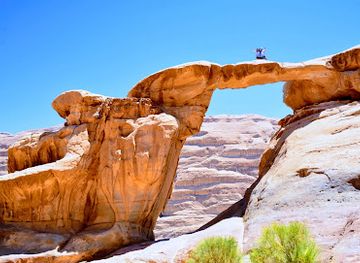
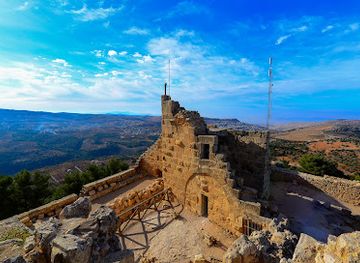

Best landmarks in Badia
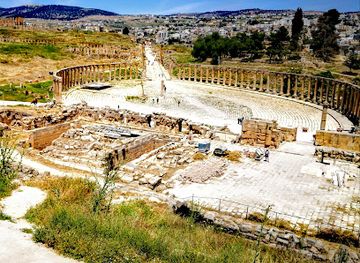
Qasr Amra is the Badia’s most celebrated architectural landmark, a small Umayyad bathhouse whose surviving frescoes portray courtly, hunting and symbolic scenes unusual in early Islamic art. Qasr Kharana is visually distinctive for its compact, fortified-looking mass and carefully planned internal courtyard, while Qasr Azraq rises from the dark volcanic stone of the Azraq oasis and reflects the site’s long strategic importance. In the northern black desert, Umm al-Jimal is recognisable for its extensive basalt masonry, including churches, domestic buildings and defensive structures that record several phases of occupation. The Azraq Wetland Reserve is a natural landmark as well as a conservation site, representing the remnants of an oasis ecosystem once far more extensive than today. Across the region, the contrast between black basalt architecture, pale desert surfaces and isolated water sources is itself a defining visual feature. These landmarks matter not simply because they are photogenic, but because they reveal how political power, settlement and survival were organised around scarce water in eastern Jordan.
-
Historical place
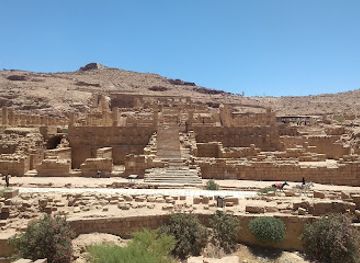
Petra
Explore the legendary ancient city of Petra, where breathtaking architecture meets rich history in a stunning desert landscape.
-
Historical landmark
Amman Citadel
Discover the Amman Citadel, a historical landmark rich with ancient ruins and breathtaking views, reflecting Jordan's cultural heritage.
-
Historical landmark
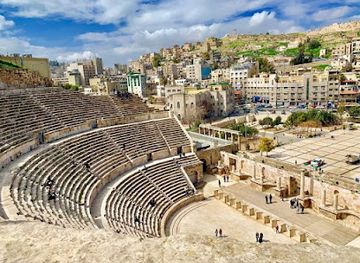
Roman Theater
Explore the ancient wonders of the Roman Theater in Amman, a breathtaking historical landmark showcasing stunning architecture and rich cultural heritage.
-
Historical landmark
The Treasury
Explore The Treasury in Petra, Jordan - a stunning ancient monument showcasing the brilliance of Nabatean architecture and rich historical significance.
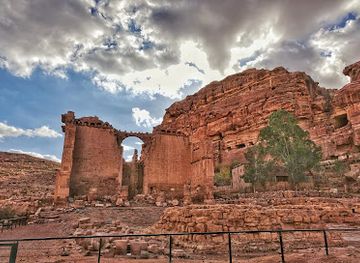
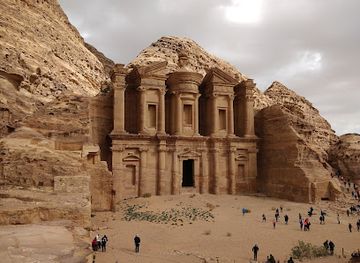
Explore Badia on the map
Plan your trip on one map. See where the top cities, national parks and sights are, and book hotels and experiences in a few clicks.
Best hotels in Badia
Best restaurants in Badia
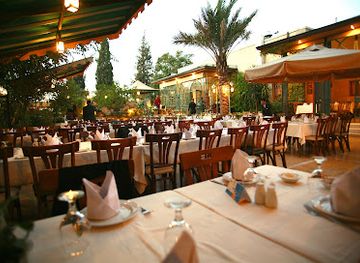
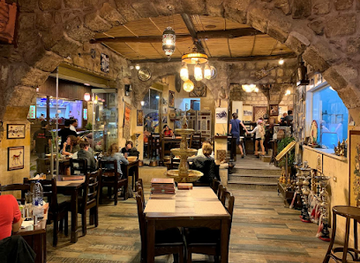
Dining in the Badia is primarily practical and community-based rather than restaurant-led. In Azraq and other settlements, visitors can find Jordanian staples such as mansaf, rice dishes, grilled meats, hummus, falafel, flatbreads, salads and sweet tea, while organised excursions may include meals prepared in a camp or by a local host. Mansaf, made with lamb, rice or bulgur and a fermented dried-yoghurt sauce, is associated with Jordanian food culture nationally rather than exclusively with the Badia, but it has particular relevance in a region where hospitality and pastoral traditions remain important. Coffee flavoured with cardamom is commonly offered, and accepting a small serving is a courteous response to hospitality. Supplies become limited away from settlements, so travellers should carry snacks and water rather than expect cafés beside every archaeological site. In rural settings, meals may be arranged in advance through a guide or accommodation provider, and dietary requirements should be communicated clearly before departure.
-
Nature preserve
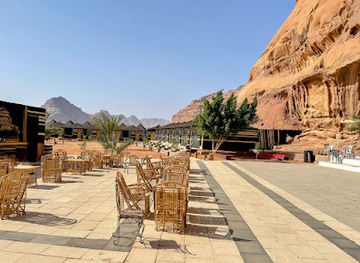
Wadi Rum Protected Area
Explore Wadi Rum Protected Area: A breathtaking desert landscape rich with history and adventure awaits every traveler.
-
Restaurant
Tawaheen AlHawa
Experience authentic Jordanian flavors at Tawaheen AlHawa in Amman – a culinary gem offering rich dishes and warm hospitality.
-
Lebanese
Fakhreldin Restaurant
Experience authentic Lebanese flavors at Fakhreldin Restaurant in Amman - where family-friendly dining meets culinary excellence.
-
Restaurant
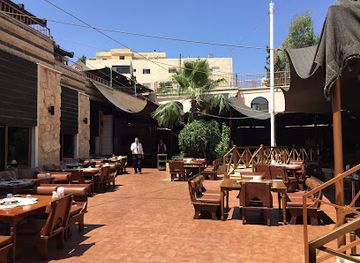
Al Wadi Restaurant
Discover authentic Jordanian cuisine at Al Wadi Restaurant in Wadi Musa—where every dish tells a story.
Best bars in Badia
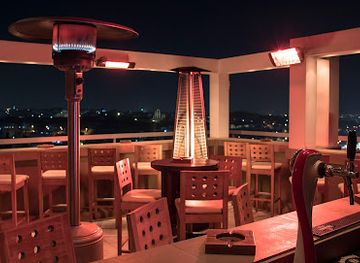
The Badia does not have a conventional nightclub scene, and evening life is centred on family gatherings, cafés, guesthouses, desert camps and occasional cultural programmes rather than late-night entertainment districts. In Azraq and larger settlements, simple cafés may serve tea, coffee and refreshments, while accommodation connected with desert travel can provide an evening meal, conversation and views of the night sky. Alcohol is not a defining part of local public life, and availability is limited outside licensed hotels or specialist tourist establishments. Visitors should not expect regular live-music circuits or extensive bar choices; the region’s evening appeal lies in quiet landscapes, stargazing and learning about local history and pastoral traditions through a guide or host. Return journeys should be planned before dark because road lighting and roadside services are limited.
-
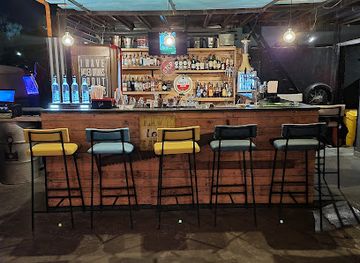
Bar
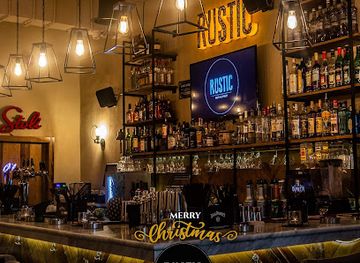
Rustic Bar and Eatery
Experience the vibrant atmosphere and delicious offerings at Rustic Bar and Eatery in Amman, where culinary delights meet a lively pub ambiance.
-
Pub
The Corner's Pub
Discover the vibrant atmosphere of The Corner's Pub in Amman, where local flavors and lively entertainment come together for an unforgettable experience.
-
Gastropub
Cantaloupe Gastro Pub
Discover the vibrant culinary scene at Cantaloupe Gastro Pub in Amman, where exquisite dining meets a lively atmosphere, perfect for any occasion.
-
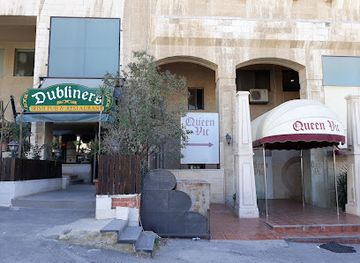
Irish pub
Dubliners
Experience the heart of Ireland at Dubliners, where delicious food, vibrant atmosphere, and live music create unforgettable moments in Amman.

Best nightclubs in Badia
The Badia does not have a conventional nightclub scene, and evening life is centred on family gatherings, cafés, guesthouses, desert camps and occasional cultural programmes rather than late-night entertainment districts. In Azraq and larger settlements, simple cafés may serve tea, coffee and refreshments, while accommodation connected with desert travel can provide an evening meal, conversation and views of the night sky. Alcohol is not a defining part of local public life, and availability is limited outside licensed hotels or specialist tourist establishments. Visitors should not expect regular live-music circuits or extensive bar choices; the region’s evening appeal lies in quiet landscapes, stargazing and learning about local history and pastoral traditions through a guide or host. Return journeys should be planned before dark because road lighting and roadside services are limited.
-
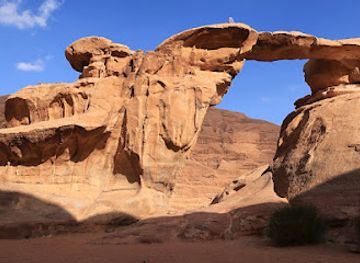
Nature preserve
Wadi Rum Protected Area
Discover the stunning beauty and rich culture of Wadi Rum, a UNESCO World Heritage site and a must-visit desert paradise in Jordan.
-
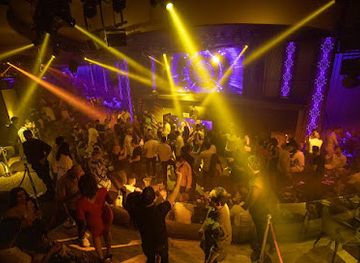
Night club
OMNI CLUB AMMAN
Discover the electrifying nightlife of Amman at Omni Club, where unforgettable parties and vibrant energy await every night.
-
Restaurant
Sekrab
Experience the vibrant flavors and lively atmosphere at Sekrab, a premier restaurant and lounge in the heart of Amman’s Rainbow Street.
-
Disco club
Rogina
Experience the vibrant nightlife of Amman at Rogina, a top disco club known for live music and an electrifying atmosphere.

Best shops in Badia
Shopping in the Badia is modest and concentrated in settlements such as Azraq rather than in dedicated retail districts. Small shops provide everyday supplies, drinks, snacks and practical items for travellers, while local hosts and established visitor programmes may offer Jordanian handicrafts, woven goods, embroidery, pottery or packaged foods. Purchases should be made through reputable local sellers, with respectful bargaining where it is customary and no pressure to buy. Dates, olive products, spices, coffee and sweets can be useful gifts, although availability varies and food should be sealed for travel. Do not buy archaeological objects, old stones or fossils whose provenance is uncertain; removing material from desert sites is damaging and may be illegal. Visitors seeking a wider selection of handicrafts, jewellery, books or regional produce will generally find more choice in Amman, outside the Badia, before or after their desert journey.
-
Shopping mall
City Mall
Explore City Mall in Amman for a unique shopping experience filled with dining, entertainment, and cultural charm.
-
Shopping mall
Abdali Mall
Discover the grandeur of shopping, dining, and entertainment at Abdali Mall in Amman, the ultimate destination for a memorable experience.
-
Shopping mall
Taj Lifestyle Center
Explore the vibrant Taj Lifestyle Center in Amman, a shopping paradise with diverse brands, dining options, and entertainment for all ages.
-
Shopping mall
Mecca Mall
Discover an unparalleled shopping experience at Mecca Mall in Amman, where local and international brands meet exquisite dining and entertainment.

Get your free copy of our complete guide to Badia, delivered straight to you.
Everything on this page, from attractions and restaurants to essentials and local phrases, in one PDF you can read offline, print or share.
Already have an account? Sign in
Your Badia guide is ready.
We'll send it to · Not you? Sign out

Getting your guide ready…
We are putting together a fresh copy of the Badia guide. This can take up to a minute.
This can take a few moments. If your browser asks, choose Allow so the download can start. You'll find the guide in your Downloads folder.
Nothing happened? Download it again
Sorry, the guide is taking longer than usual. Please try again in a minute, or get it by email instead.
Badia essentials
Currency and Payment
Safety
Emergency Situations
Do's and Don'ts
Local Tips
From Eve
Local phrases worth knowing
You don't need to get them perfect. A few words go a long way, and locals appreciate the effort.
Basics
| English | Local | Say it |
|---|---|---|
| Hello | مرحبا | [Marhaba] |
| Goodbye | مع السلامة | [Ma'a as-salama] |
| Yes | نعم | [Na'am] |
| No | لا | [La] |
| Please/You're welcome | من فضلك | [Min fadlak] |
| Thank you | شكرا | [Shukran] |
| Excuse me/Sorry | عفوا | [Afwan] |
| How are you? | كيف حالك؟ | [Kayfa halak?] |
| Fine. And you? | بخير. وانت؟ | [Bikhayr. Wa anta?] |
| Do you speak English? | هل تتحدث الإنجليزية؟ | [Hal tatahaddath al-ingliziyya?] |
| I don't understand | لا أفهم | [La afham] |
Eating & Drinking
| English | Local | Say it |
|---|---|---|
| I'd like to see the menu, please | أود أن أرى القائمة، من فضلك | [Awad an ara al-qa'ima, min fadlak] |
| I don't eat meat | لا أتناول اللحم | [La atanaawal al-lahm] |
| Cheers! | صحتين | [Sahtein] |
| I would like to pay, please | أود أن أدفع، من فضلك | [Awad an adfa', min fadlak] |
Emergencies
| English | Local | Say it |
|---|---|---|
| Help! | نجدة! | [Najda!] |
| Go away! | ابتعد! | [Ibt'id!] |
| Call the Police! | اتصل بالشرطة! | [Ittasil bil-shurta!] |
| Call a doctor! | اتصل بالطبيب! | [Ittasil bil-tabeeb!] |
| I'm lost | أنا ضائع | [Ana da'i'] |
| I'm ill | أنا مريض | [Ana marid] |
Shopping
| English | Local | Say it |
|---|---|---|
| I'd like to buy... | أود أن أشتري... | [Awad an ishtari...] |
| I'm just looking | أنا فقط أنظر | [Ana faqat anzur] |
| How much is it? | كم سعره؟ | [Kam si'ru?] |
| That's too expensive | هذا غالي جدا | [Hatha ghali jidan] |
| Can you lower the price? | هل يمكنك تخفيض السعر؟ | [Hal yumkinuka takhfid as-si'r?] |
Time & Numbers
| English | Local | Say it |
|---|---|---|
| What time is it? | كم الساعة؟ | [Kam as-saa'a?] |
| It's one o'clock | الساعة واحدة | [As-saa'a wahida] |
| Half past (10) | نصف (10) | [Nisf (10)] |
| Morning | صباح | [Sabah] |
| Afternoon | بعد الظهر | [Ba'd al-zuhur] |
| Evening | مساء | [Masa'] |
| Yesterday | أمس | [Ams] |
| Today | اليوم | [Al-yawm] |
| Tomorrow | غدا | [Ghadan] |
| 1 | واحد | [Wahid] |
| 2 | اثنان | [Ithnan] |
| 3 | ثلاثة | [Thalatha] |
| 4 | أربعة | [Arba'a] |
| 5 | خمسة | [Khamsa] |
| 6 | ستة | [Sitta] |
| 7 | سبعة | [Sab'a] |
| 8 | ثمانية | [Thamaniya] |
| 9 | تسعة | [Tis'a] |
| 10 | عشرة | [Ashara] |
Transport & Directions
| English | Local | Say it |
|---|---|---|
| Where's a/the...? | أين ...؟ | [Ayn ...?] |
| What's the address? | ما هو العنوان؟ | [Ma huwa al-'unwan?] |
| Can you show me (on the map)? | هل يمكنك أن تريني (على الخريطة)؟ | [Hal yumkinuka an turini (ala al-kharita)?] |
| When's the next (bus)? | متى يأتي (الحافلة) التالية؟ | [Mata ya'ti (al-hafila) at-taliya?] |
| A ticket (to ....) | تذكرة (إلى ....) | [Tadhkira (ila ....)] |
History of Badia
Prehistoric settlement and desert routes
The eastern Jordanian desert has been used by human communities for thousands of years, although settlement was always conditioned by water and seasonal pasture. Archaeological evidence across the Badia includes stone tools, temporary camps, wells and traces of ancient field systems. Long before formal roads existed, routes crossed the region between the Levant, Arabia and Mesopotamia, linking oases and reliable water sources. The desert was therefore not an empty barrier but a demanding corridor in which pastoral movement, hunting, trade and communication depended on detailed knowledge of terrain and climate.
Roman and Byzantine frontier landscapes
Roman and Byzantine authorities developed roads, forts, settlements and agricultural systems across parts of the eastern Jordanian desert. The region formed part of a wider frontier between the settled provinces of the Levant and territories to the east and south. Umm al-Jimal, built largely from local black basalt, grew into an important settlement with defensive, domestic and religious buildings. Cisterns, walls and cultivated areas demonstrate the effort required to support communities in a dry environment. Many structures later continued to be used or adapted under early Islamic rule.
The Umayyad desert complexes
During the Umayyad caliphate in the eighth century, the desert east of Amman became associated with a series of palaces, baths, agricultural estates and fortified complexes. These buildings are commonly called desert castles, although their functions varied and not all were military fortresses. Qasr Amra’s painted bathhouse, Qasr Kharana’s imposing courtyard structure and other sites reveal elite interest in hunting, administration, leisure and control of routes. Their art and architecture combine late antique, Syrian, Byzantine and early Islamic influences, making the Badia an important landscape for understanding the formation of Islamic court culture.
Oases, caravan movement and Ottoman rule
Azraq’s springs made it a strategic oasis on routes crossing the eastern desert. Water, stone and access to pasture gave the settlement continuing importance long after the Umayyad period. Under Ottoman administration, the wider region remained linked to caravan travel, local tribal authority and seasonal pastoralism rather than dense urban settlement. Qasr Azraq, built from dark basalt and altered over successive periods, reflects the strategic value of the oasis. The Badia’s history during these centuries was shaped as much by mobility and access to resources as by permanent buildings.
The Arab Revolt and the modern desert frontier
The eastern desert formed part of the wider setting of the Arab Revolt during the First World War and the political transitions that followed the collapse of Ottoman rule. The Hejaz Railway and associated stations transformed movement across sections of the region, while new borders and state institutions altered older patterns of travel, trade and seasonal migration. In the twentieth century, roads, military posts, wells and communications infrastructure made the Badia more closely integrated with the Hashemite Kingdom of Jordan, even though its settlement remained comparatively sparse.
Conservation and changing water use
Modern water extraction and agricultural development have placed severe pressure on the Badia’s limited aquifers and oasis environments. Azraq’s wetlands, once a major stop for migratory birds and a source of water for people and wildlife, were dramatically reduced during the twentieth century. Conservation initiatives, including the Shaumari Wildlife Reserve and restoration work at the Azraq Wetland Reserve, represent a newer chapter in the region’s history. They reflect an effort to protect endangered species and fragile landscapes while recognising the needs of communities that depend on the desert.
Badia in Photos
Browse through our photo collection highlighting the charm and character of the destination.
Neighbouring regions of Badia
The closest regions to Badia, if you have time for more than one.
-

-

-

-

-


Swipe for more regions
Explore more

Explore more of Jordan
Discover Jordan: A land of ancient cities, breathtaking deserts, and therapeutic seas. Experience the blend of history and modernity in this Middle Eastern gem.
Explore Jordan